

Poemas neste tema
Literatura e Palavras
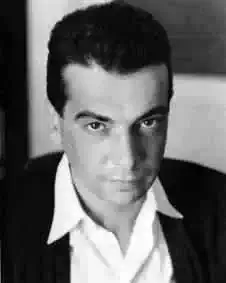
Carlos de Oliveira
Estalactite
IV
Localizar
na frágil espessura
do tempo,
que a linguagem
pôs
em vibração
o ponto morto
onde a velocidade
se fractura
e aí
determinar
com exactidão
o foco
do silêncio.
VI
Algures
o poema sonha
o arquétipo
do voo
inutilmente
porque repete
apenas
o signo, o desenho
do Outono
aéreo
onde se perde a asa
quando vier
o instante
de voar
VIII
Caem
do céu calcário,
acordam flores
milénios depois,
rolam de verso
em verso
fechadas
como gotas,
e ouve-se
ao fim da página
um murmúrio
orvalhado.
de Micropaisagem
Localizar
na frágil espessura
do tempo,
que a linguagem
pôs
em vibração
o ponto morto
onde a velocidade
se fractura
e aí
determinar
com exactidão
o foco
do silêncio.
VI
Algures
o poema sonha
o arquétipo
do voo
inutilmente
porque repete
apenas
o signo, o desenho
do Outono
aéreo
onde se perde a asa
quando vier
o instante
de voar
VIII
Caem
do céu calcário,
acordam flores
milénios depois,
rolam de verso
em verso
fechadas
como gotas,
e ouve-se
ao fim da página
um murmúrio
orvalhado.
de Micropaisagem
2 767

Cirstina Areias
A Palavra
Para Carlos Drummond de Andrade
Os meus olhos devoram a palavra que tua boca pronunciou,
O meu pensamento absorve o teu
Emoção flui do teu corpo ao meu,
Do meu tempo ao teu.
Ler teu poema é realizar um ato de amor mágico, cósmico...
Vens dos confins do Tempo
Espírito reencarnado e errante
E escarneces da minha agonia quando exibes, assim, à minha revelia, à exaustão,
A expressão lapidar de minha particular tragédia...
É teu espírito dentro de mim
Usurpando e definindo-me com precisão de ourives,
Travestindo o sentimento comum em fina literatura...
Tu, eu a bruxa e essa dança gêmea, incestuosa e louca.
Vens dos confins do Tempo
Espírito reencarnado e errante
E acusas, com genialidade o sentimento que eu entalo na garganta.
Pasmo, vexada, ouvindo que gargalhas do Além,
Quando vês, dentro do meu cristalino choro,
O desespero de que nos teríamos amado...
Os meus olhos devoram a palavra que tua boca pronunciou,
O meu pensamento absorve o teu
Emoção flui do teu corpo ao meu,
Do meu tempo ao teu.
Ler teu poema é realizar um ato de amor mágico, cósmico...
Vens dos confins do Tempo
Espírito reencarnado e errante
E escarneces da minha agonia quando exibes, assim, à minha revelia, à exaustão,
A expressão lapidar de minha particular tragédia...
É teu espírito dentro de mim
Usurpando e definindo-me com precisão de ourives,
Travestindo o sentimento comum em fina literatura...
Tu, eu a bruxa e essa dança gêmea, incestuosa e louca.
Vens dos confins do Tempo
Espírito reencarnado e errante
E acusas, com genialidade o sentimento que eu entalo na garganta.
Pasmo, vexada, ouvindo que gargalhas do Além,
Quando vês, dentro do meu cristalino choro,
O desespero de que nos teríamos amado...
892
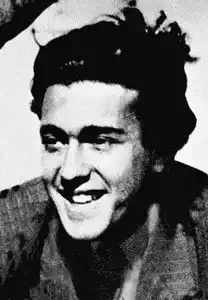
António Maria Lisboa
Conjugação
A construção dos poemas é uma vela aberta ao meio e coberta de bolor
é a suspensão momentânea dum arrepio num dente fino
Como Uma Agulha
A construção dos poemas
A CONS
TRU
ÇÃO DOS
POEMAS
é como matar muitas pulgas com unhas de oiro azul
é como amar formigas brancas obsessivamente junto ao peito
olhar uma paisagem em frente e ver um abismo
ver o abismo e sentir uma pedrada nas costas
sentir a pedrada e imaginar-se sem pensar de repente
NUM TÚMULO EXAUSTIVO.
é a suspensão momentânea dum arrepio num dente fino
Como Uma Agulha
A construção dos poemas
A CONS
TRU
ÇÃO DOS
POEMAS
é como matar muitas pulgas com unhas de oiro azul
é como amar formigas brancas obsessivamente junto ao peito
olhar uma paisagem em frente e ver um abismo
ver o abismo e sentir uma pedrada nas costas
sentir a pedrada e imaginar-se sem pensar de repente
NUM TÚMULO EXAUSTIVO.
1 999
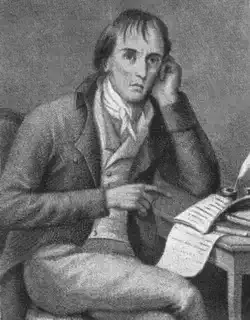
Bocage
pensar é uma palavra
pensar é uma palavra
primogénita
onde o ardor decanta das insígnias
os íntimos sinais
e o olhar é um silêncio enorme
e rumoroso
o delicado musgo
da memória
é a matéria-prima
do teu rosto
primogénita
onde o ardor decanta das insígnias
os íntimos sinais
e o olhar é um silêncio enorme
e rumoroso
o delicado musgo
da memória
é a matéria-prima
do teu rosto
1 429
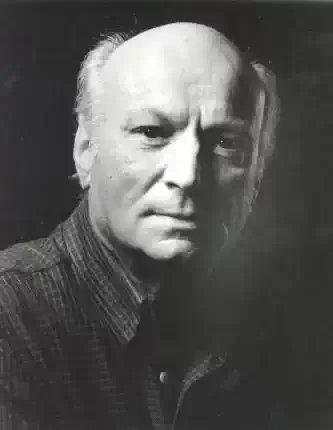
Albano Dias Martins
Alegoria
Segunda
De poetas
e filósofos tu sabes,
sabes também por ti. Por isso eu digo :
esta pedra é vermelha, esta pedra é sangue.
Toca-lhe : saberás
como em segredo florescem as acácias
ao redor dos muros, como fluem
suas concêntricas artérias. Acaricia-as : tocas
a parte mais sensível de ti mesmo.
Dizias ontem
que o verão ardia
nesta pedra. Nela
queimavas tuas mãos. Onde
as aqueces hoje? Eu digo :
o verão não morreu, esta pedra é o verão.
E tudo permanece.
E tudo é teu.
Tu és o sangue, o verão e a pedra.
in:Paralelo
Ao Vento(1979)
De poetas
e filósofos tu sabes,
sabes também por ti. Por isso eu digo :
esta pedra é vermelha, esta pedra é sangue.
Toca-lhe : saberás
como em segredo florescem as acácias
ao redor dos muros, como fluem
suas concêntricas artérias. Acaricia-as : tocas
a parte mais sensível de ti mesmo.
Dizias ontem
que o verão ardia
nesta pedra. Nela
queimavas tuas mãos. Onde
as aqueces hoje? Eu digo :
o verão não morreu, esta pedra é o verão.
E tudo permanece.
E tudo é teu.
Tu és o sangue, o verão e a pedra.
in:Paralelo
Ao Vento(1979)
1 149
Bocage
Em louvor do grande Camões
Sobre os contrários o terror e a morte
Dardeje embora Aquiles denodado,
Ou no rápido carro ensanguentado
Leve arrastos sem vida o Teuco forte:
Embora o bravo Macedónio corte
Coa fulminante espada o nó fadado,
Que eu de mais nobre estímulo tocado,
Nem lhe amo a glória, nem lhe invejo a sorte:
Invejo-te, Camões, o nome honroso;
Da mente criadora o sacro lume,
Que exprime as fúrias de Lieu raivoso:
Os ais de Inês, de Vénus o queixume,
As pragas do gigante proceloso,
O céu de Amor, o inferno do Ciúme.
Dardeje embora Aquiles denodado,
Ou no rápido carro ensanguentado
Leve arrastos sem vida o Teuco forte:
Embora o bravo Macedónio corte
Coa fulminante espada o nó fadado,
Que eu de mais nobre estímulo tocado,
Nem lhe amo a glória, nem lhe invejo a sorte:
Invejo-te, Camões, o nome honroso;
Da mente criadora o sacro lume,
Que exprime as fúrias de Lieu raivoso:
Os ais de Inês, de Vénus o queixume,
As pragas do gigante proceloso,
O céu de Amor, o inferno do Ciúme.
1 961

Geraldo Falcão
Referência do Sonho
Não sei se vão os meus olhos,
não sei se vem a paisagem.
Quero a luz absoluta
mãe das águas do tempo:
quero deter o seu curso
no eterno presente.
Com unção aproximo-me do altar invertido
de um deus embriagado pelo sangue
de homens acusados de morte.
Tateando nas trevas vou buscando
a primordial pureza, o primordial sentido,
a primordial palavra liturgicamente expressa.
não sei se vem a paisagem.
Quero a luz absoluta
mãe das águas do tempo:
quero deter o seu curso
no eterno presente.
Com unção aproximo-me do altar invertido
de um deus embriagado pelo sangue
de homens acusados de morte.
Tateando nas trevas vou buscando
a primordial pureza, o primordial sentido,
a primordial palavra liturgicamente expressa.
876

Carlos Nogueira Fino
indicação do lugar
chegamos a uma página em branco atravessada por
um súbito silêncio uníssono
o rio é uma dobra do olhar onde sempre estivemos em surdina
é o exacto lugar
indiciador dos músculos
quem ousa escancarar as portas à cidade
um súbito silêncio uníssono
o rio é uma dobra do olhar onde sempre estivemos em surdina
é o exacto lugar
indiciador dos músculos
quem ousa escancarar as portas à cidade
991
Fernando Pessoa
EPITAPH - Here lies who thought himself the best
EPITAPH
Here lies who thought himself the best
Of poet’s in the world’s extend;
In life he had not joy nor rest.
He filled with madness many a song,
And at whatever age he died
Thus many days he lived too long.
He lived im powerless egotism,
His soul tumultuous and disordered
By thought and feeling’s endless schism.
In everything he had a foe
And without courage bore his part
In life’s interminable woe.
He was a slave to grief and fear
And incoherent thoughts he had
And wishes unto madness near.
Those whom he loved, by arts of ill
He treated worse than foes; but he
His own worst enemy was still.
He of himself did ever sing,
Incapable of modesty,
Lock’d in his wild imagining.
Useless was all his toiless trouble
Empty of sense his fears and pains
And many of them were ignoble.
Vile thus and worthless his distress;
His words, though bitterer far than hate,
His bitter soul could not express.
.........
Let not a healthy mind pollute
His grave, but fitly there will pass
The traitor and the prostitute;
The drunkard and the wencher there
May pass, but quick, lest they should ponder,
Perchance, that pleasure is but air.
Each weak and execrable mind
Which plagued man with its rotteness
Its conscious master here will find.
Conscious, for in him he could tell
Madness and ill were what they were,
But neither did he will to quell.
Pass by therefore ye who can weep,
Let rotteness work in neglect,
While the rough winds the dead leaves sweep.
His slumbering brother to the sod
Not even in imagining
Disturb not with the name of God.
But let him lie and peace for ever
Far from the eyes and mouth of men
And from what him from them did sever.
He was a thing that God had wrought
And to the sin of having lived
He joined the crime of having thought.
Alexander Search, Julho de 1907
Here lies who thought himself the best
Of poet’s in the world’s extend;
In life he had not joy nor rest.
He filled with madness many a song,
And at whatever age he died
Thus many days he lived too long.
He lived im powerless egotism,
His soul tumultuous and disordered
By thought and feeling’s endless schism.
In everything he had a foe
And without courage bore his part
In life’s interminable woe.
He was a slave to grief and fear
And incoherent thoughts he had
And wishes unto madness near.
Those whom he loved, by arts of ill
He treated worse than foes; but he
His own worst enemy was still.
He of himself did ever sing,
Incapable of modesty,
Lock’d in his wild imagining.
Useless was all his toiless trouble
Empty of sense his fears and pains
And many of them were ignoble.
Vile thus and worthless his distress;
His words, though bitterer far than hate,
His bitter soul could not express.
.........
Let not a healthy mind pollute
His grave, but fitly there will pass
The traitor and the prostitute;
The drunkard and the wencher there
May pass, but quick, lest they should ponder,
Perchance, that pleasure is but air.
Each weak and execrable mind
Which plagued man with its rotteness
Its conscious master here will find.
Conscious, for in him he could tell
Madness and ill were what they were,
But neither did he will to quell.
Pass by therefore ye who can weep,
Let rotteness work in neglect,
While the rough winds the dead leaves sweep.
His slumbering brother to the sod
Not even in imagining
Disturb not with the name of God.
But let him lie and peace for ever
Far from the eyes and mouth of men
And from what him from them did sever.
He was a thing that God had wrought
And to the sin of having lived
He joined the crime of having thought.
Alexander Search, Julho de 1907
5 115
Bocage
O autor aos seus versos
Chorosos versos meus desentoados,
Sem arte, sem beleza e sem brandura,
Urdidos pela mão da Desventura,
Pela baça Tristeza envenenados:
Vede a luz, não busqueis, desesperados,
No mudo esquecimento a sepultura;
Se os ditosos vos lerem sem ternura,
Ler-vos-ão com ternura os desgraçados:
Não vos inspire, ó versos, cobardia
Da sátira mordaz o furor louco,
Da maldizente voz e tirania:
Desculpa tendes, se valeis tão pouco,
Que não pode cantar com melodia
Um peito de gemer cansado e rouco.
Sem arte, sem beleza e sem brandura,
Urdidos pela mão da Desventura,
Pela baça Tristeza envenenados:
Vede a luz, não busqueis, desesperados,
No mudo esquecimento a sepultura;
Se os ditosos vos lerem sem ternura,
Ler-vos-ão com ternura os desgraçados:
Não vos inspire, ó versos, cobardia
Da sátira mordaz o furor louco,
Da maldizente voz e tirania:
Desculpa tendes, se valeis tão pouco,
Que não pode cantar com melodia
Um peito de gemer cansado e rouco.
2 714
Fernando Pessoa
DESOLATION
DESOLATION
Here where the rugged hills
Their gnarled loose bases grip into the earth,
And nothing save the sorrow of our birth
From seeing the seeing spirit fills,
Here where, among the grim, deserted stones,
Na hope of green for desertness atones,
Or water's sound
Make sweet the solitude around,
Here may I lay
This day
My head
Upon the ground and say
No better bed
Can he who has but himself for life have,
Nor better grave.
The sterile part
Of love, feeling, was given me.
Fom the humanness even of a broken heart
God set me free.
Out of my destiny no flower was made
To grow.
All in me fated was not even to fade
Or e'en a vain and transient glory show.
The very need
For love or joy or the human part of thought,
Pride, and the abstract greed
For truth, that lifts the heart and doth allot
A value of self and world to consciousness –
Even this bliss
My empty heart has not.
O weary born,
Faded begun.
Gone from unseen shores to seen shores forlorn,
Sent out of sun-gone unto unborn sun!
The singer of his wish
To sing no song,
The poor spendthrift rich
With knowing not fo, what to long.
The Hyperion dispossessed
Ere birth
Of that sun-mansion set out beyond rest
Above the wide-lit stretches of the earth.
The uncrowned king
That never saw the land
Of which he oft doth sing,
And whose lost path he cannot understand
Nor know to dream steps him there to bring.
The priest deferred
From the inner shrine.
The thought but never uttered word,
The fore spilt wine,
The anxiousness for hope, the cold divine
Of anguish that no anguish human is,
The solitary pine
On the cold hill of consciousness.
The hour
The lord
Returns
Back to the polluted bower,
Home to the intransitable ford,
Again to the ice-padlocked burns:
The shadow
Fixedly thrown
On the green meadow
By a tree overgrown
With leaves, but fruitless, flowerless and lone.
The last
Sight of a shore
Which the unhalting ship doth pass
And where it never shall pass more;
But where the heart-dim sailor knows
Homes are happy because not his,
Lips warm because never his lips to kiss,
Gardens fair because therein grows
The unfound rose,
Hours soft, fate fresh, life a real fair elf
Because somewhere outside himself.
16/10/1916
Here where the rugged hills
Their gnarled loose bases grip into the earth,
And nothing save the sorrow of our birth
From seeing the seeing spirit fills,
Here where, among the grim, deserted stones,
Na hope of green for desertness atones,
Or water's sound
Make sweet the solitude around,
Here may I lay
This day
My head
Upon the ground and say
No better bed
Can he who has but himself for life have,
Nor better grave.
The sterile part
Of love, feeling, was given me.
Fom the humanness even of a broken heart
God set me free.
Out of my destiny no flower was made
To grow.
All in me fated was not even to fade
Or e'en a vain and transient glory show.
The very need
For love or joy or the human part of thought,
Pride, and the abstract greed
For truth, that lifts the heart and doth allot
A value of self and world to consciousness –
Even this bliss
My empty heart has not.
O weary born,
Faded begun.
Gone from unseen shores to seen shores forlorn,
Sent out of sun-gone unto unborn sun!
The singer of his wish
To sing no song,
The poor spendthrift rich
With knowing not fo, what to long.
The Hyperion dispossessed
Ere birth
Of that sun-mansion set out beyond rest
Above the wide-lit stretches of the earth.
The uncrowned king
That never saw the land
Of which he oft doth sing,
And whose lost path he cannot understand
Nor know to dream steps him there to bring.
The priest deferred
From the inner shrine.
The thought but never uttered word,
The fore spilt wine,
The anxiousness for hope, the cold divine
Of anguish that no anguish human is,
The solitary pine
On the cold hill of consciousness.
The hour
The lord
Returns
Back to the polluted bower,
Home to the intransitable ford,
Again to the ice-padlocked burns:
The shadow
Fixedly thrown
On the green meadow
By a tree overgrown
With leaves, but fruitless, flowerless and lone.
The last
Sight of a shore
Which the unhalting ship doth pass
And where it never shall pass more;
But where the heart-dim sailor knows
Homes are happy because not his,
Lips warm because never his lips to kiss,
Gardens fair because therein grows
The unfound rose,
Hours soft, fate fresh, life a real fair elf
Because somewhere outside himself.
16/10/1916
4 458
Fernando Pessoa
The master said you must not heed
The Master said you must not heed
What others talk of at their need.
Under the happy trees they sit
That talk of nothing and of wit.
Under the silent trees they stand
That talk of mist and no man's land.
Under the sulky trees they lie
That wonder of the earth and sky.
This was the matter of the song
No one could sing or well or long.
This was the substance of the tale
No one could tell unless it fail.
This was the subject of the verse
The last one made, lest earth be worse.
So that the collateral nightingale
Forgot its music and its tale.
So the lark rose and found but air
And false dominion everywhere.
So the dropt eagle, loosing prey,
Swept by and owned but the void day.
Yet what the secret of all this
May be or was none now can guess.
Perhaps beyond what thought defines,
Like wine some chance that some one may
Make shade and sleep of yesterday.
But wether this be sense or nought,
Surely it was a careful thought
To have the lawn so nicely laid
Out and the critics all gainsaid,
It was the reason and the home.
The rest is why tis right to roam.
02/02/1917
What others talk of at their need.
Under the happy trees they sit
That talk of nothing and of wit.
Under the silent trees they stand
That talk of mist and no man's land.
Under the sulky trees they lie
That wonder of the earth and sky.
This was the matter of the song
No one could sing or well or long.
This was the substance of the tale
No one could tell unless it fail.
This was the subject of the verse
The last one made, lest earth be worse.
So that the collateral nightingale
Forgot its music and its tale.
So the lark rose and found but air
And false dominion everywhere.
So the dropt eagle, loosing prey,
Swept by and owned but the void day.
Yet what the secret of all this
May be or was none now can guess.
Perhaps beyond what thought defines,
Like wine some chance that some one may
Make shade and sleep of yesterday.
But wether this be sense or nought,
Surely it was a careful thought
To have the lawn so nicely laid
Out and the critics all gainsaid,
It was the reason and the home.
The rest is why tis right to roam.
02/02/1917
4 269

Otávio Ramos
YANG
Minha música se mostra, avança
serena feito vaca mansa.
Este som, rockn roll
estandarte que tremula ao sol.
Este som, escarlate
pedra que brilha, quilate.
Mas é só uma canção
para aquecer seu coração.
Já conheço essa minha guitarra
arma, bomba, cimitarra.
Me conheço, sem eira nem beira.
Poesia, última trincheira.
Minha música, cor quente
eu quero é pratear sua mente.
Novamente.
Eu quero é pratear sua mente.
serena feito vaca mansa.
Este som, rockn roll
estandarte que tremula ao sol.
Este som, escarlate
pedra que brilha, quilate.
Mas é só uma canção
para aquecer seu coração.
Já conheço essa minha guitarra
arma, bomba, cimitarra.
Me conheço, sem eira nem beira.
Poesia, última trincheira.
Minha música, cor quente
eu quero é pratear sua mente.
Novamente.
Eu quero é pratear sua mente.
968
Manuel Alegre
Debaixo das Oliveiras
Este foi o mês em que cantei
dentro de minha casa
debaixo
das oliveiras.
O mês em que a brisa me pôs nas mãos
uma harpa de folhas
e a terra me emprestou
sua flauta e sua lua.
Maré viva. Meu sangue atravessado
por um cometa visível a olho nu
tangido por satélites e aves de arribação
navegado por peixes desconhecidos.
Este foi o mês em que cantei
como quem morre e ressuscita
no terceiro dia
de cada sílaba.
O mês em que subi a uma colina
dentro de minha casa
olhei a terra e o mar
depois cantei
como quem faz com duas pedras
o primeiro lume. Palavras
e pedras. Palavras e lume
de uma vida.
Este foi o mês em que fui a um lugar santo
dentro de minha casa.
O mês em que saí dos campos
e me banhei no rio como quem se baptiza
e cantei debaixo das oliveiras
as mãos cheias de terra. Palavras
e terra
de uma vida.
Este foi o mês em que cantei
como quem espelha ao vento suas cinzas
e cresce de seu próprio adubo
carregado de folhas. Palavras
e folhas
de uma vida.
O mês em que a mulher
tocou meus ombros com sua graça
e me deu a beber
a água pura do seu poço.
Este foi o mês em que o filho
derramou dentro de mim
o orvalho e o sol
de sua manhã.
O mês em que cantei
como quem de si se perde e reencontra
nas coisas novamente nomeadas.
Este foi o mês em que atravessei montanhas
e cheguei a um lugar onde as palavras
escorriam leite e mel.
MILAGRE MILAGRE gritaram dentro de mim
as aves todas da floresta.
Então reparei que era o lugar do poema
o lugar santo onde cantei
entre mulher e o filho
como quem dá graças.
Este foi o mês em que cantei
dentro de minha casa
debaixo
das oliveiras.
dentro de minha casa
debaixo
das oliveiras.
O mês em que a brisa me pôs nas mãos
uma harpa de folhas
e a terra me emprestou
sua flauta e sua lua.
Maré viva. Meu sangue atravessado
por um cometa visível a olho nu
tangido por satélites e aves de arribação
navegado por peixes desconhecidos.
Este foi o mês em que cantei
como quem morre e ressuscita
no terceiro dia
de cada sílaba.
O mês em que subi a uma colina
dentro de minha casa
olhei a terra e o mar
depois cantei
como quem faz com duas pedras
o primeiro lume. Palavras
e pedras. Palavras e lume
de uma vida.
Este foi o mês em que fui a um lugar santo
dentro de minha casa.
O mês em que saí dos campos
e me banhei no rio como quem se baptiza
e cantei debaixo das oliveiras
as mãos cheias de terra. Palavras
e terra
de uma vida.
Este foi o mês em que cantei
como quem espelha ao vento suas cinzas
e cresce de seu próprio adubo
carregado de folhas. Palavras
e folhas
de uma vida.
O mês em que a mulher
tocou meus ombros com sua graça
e me deu a beber
a água pura do seu poço.
Este foi o mês em que o filho
derramou dentro de mim
o orvalho e o sol
de sua manhã.
O mês em que cantei
como quem de si se perde e reencontra
nas coisas novamente nomeadas.
Este foi o mês em que atravessei montanhas
e cheguei a um lugar onde as palavras
escorriam leite e mel.
MILAGRE MILAGRE gritaram dentro de mim
as aves todas da floresta.
Então reparei que era o lugar do poema
o lugar santo onde cantei
entre mulher e o filho
como quem dá graças.
Este foi o mês em que cantei
dentro de minha casa
debaixo
das oliveiras.
3 778
Bocage
A Camões
Camões, grande Camões, quão semelhante
Acho teu fado ao meu quando os cotejo!
Igual causa nos fez perdendo o Tejo
Arrostar co sacrílego gigante:
Como tu, junto ao Ganges sussurrante
Da penúria cruel no horror me vejo;
Como tu, gostos vãos, que em vão desejo,
Também carpindo estou, saudoso amante:
Lubíbrio, como tu, da sorte dura,
Meu fim demando ao Céu, pela certeza
De que só terei paz na sepultura:
Modelo meu tu és... Mas, ó tristeza!...
Se te imito nos transes da ventura,
Não te imito nos dons da natureza.
Acho teu fado ao meu quando os cotejo!
Igual causa nos fez perdendo o Tejo
Arrostar co sacrílego gigante:
Como tu, junto ao Ganges sussurrante
Da penúria cruel no horror me vejo;
Como tu, gostos vãos, que em vão desejo,
Também carpindo estou, saudoso amante:
Lubíbrio, como tu, da sorte dura,
Meu fim demando ao Céu, pela certeza
De que só terei paz na sepultura:
Modelo meu tu és... Mas, ó tristeza!...
Se te imito nos transes da ventura,
Não te imito nos dons da natureza.
2 332
Fernando Pessoa
XV - Like a bad suitor desperate and trembling
Like a bad suitor desperate and trembling
From the mixed sense of being not loved and loving,
Who with feared longing half would know, dissembling
With what he'd wish proved what he fears soon proving,
I look with inner eyes afraid to look,
Yet perplexed into looking, at the worth
This verse may have and wonder, of my book,
To what thoughts shall't in alien hearts give birth.
But, as he who doth love, and, loving, hopes,
Yet, hoping, fears, fears to put proof to proof,
And in his mind for possible proofs gropes,
Delaying the true proof, lest the real thing scoff,
I daily live, i'th' fame I dream to see,
But by my thought of others' thought of me.
From the mixed sense of being not loved and loving,
Who with feared longing half would know, dissembling
With what he'd wish proved what he fears soon proving,
I look with inner eyes afraid to look,
Yet perplexed into looking, at the worth
This verse may have and wonder, of my book,
To what thoughts shall't in alien hearts give birth.
But, as he who doth love, and, loving, hopes,
Yet, hoping, fears, fears to put proof to proof,
And in his mind for possible proofs gropes,
Delaying the true proof, lest the real thing scoff,
I daily live, i'th' fame I dream to see,
But by my thought of others' thought of me.
4 169
Fernando Pessoa
10 - THE POEM
THE POEM
There sleeps a poem in my mind
That shall my entire soul express.
I feel it vague as sound and wind
Yet sculptured in full definiteness.
It has no stanza, verse or word.
Ev'n as I dream it, it is not.
'Tis a mere feeling of it, blurred,
And but a happy mist round thought.
Day and night in my mystery
I dream and read and spell it over,
And ever round words' brink in me
Its vague completeness seems to hover.
I know it never shall be writ.
I know I know not what it is.
But I am happy dreaming it,
And false bliss, although false, is bliss.
There sleeps a poem in my mind
That shall my entire soul express.
I feel it vague as sound and wind
Yet sculptured in full definiteness.
It has no stanza, verse or word.
Ev'n as I dream it, it is not.
'Tis a mere feeling of it, blurred,
And but a happy mist round thought.
Day and night in my mystery
I dream and read and spell it over,
And ever round words' brink in me
Its vague completeness seems to hover.
I know it never shall be writ.
I know I know not what it is.
But I am happy dreaming it,
And false bliss, although false, is bliss.
4 480
Fernando Pessoa
I - Whether we write or speak or do but look
35 SONETS
I
Whether we write or speak or do but look
We are ever unapparent. What we are
Cannot be transfused into word or book.
Our soul from us is infinitely far.
However much we give our thoughts the will
To be our soul and gesture it abroad,
Our hearts are incommunicable still.
In what we show ourselves we are ignored.
The abyss from soul to soul cannot be bridged
By any skill of thought or trick of seeming.
Unto our very selves we are abridged
When we would utter to our thought our being.
We are our dreams of ourselves, souls by gleams,
And each to each other dreams of others' dreams.
I
Whether we write or speak or do but look
We are ever unapparent. What we are
Cannot be transfused into word or book.
Our soul from us is infinitely far.
However much we give our thoughts the will
To be our soul and gesture it abroad,
Our hearts are incommunicable still.
In what we show ourselves we are ignored.
The abyss from soul to soul cannot be bridged
By any skill of thought or trick of seeming.
Unto our very selves we are abridged
When we would utter to our thought our being.
We are our dreams of ourselves, souls by gleams,
And each to each other dreams of others' dreams.
4 732
Fernando Pessoa
VI - As a bad orator, badly o'er-book-skilled,
As a bad orator, badly o'er-book-skilled,
Doth overflow his purpose with made heat,
And, like a clock, winds with withoutness willed
What should have been an inner instinct's feat;
Or as a prose-wit, harshly poet turned,
Lacking the subtler music in his measure,
With useless are labours but to be spurned,
Courting in alien speech the Muse's pleasure;
I study how to love or how to hate,
Estranged by consciousness from sentiment,
With a thought feeling forced to be sedate
Even when the feeling's nature is violent;
As who would learn to swim without the river,
When nearest to the trick, as far as ever.
Doth overflow his purpose with made heat,
And, like a clock, winds with withoutness willed
What should have been an inner instinct's feat;
Or as a prose-wit, harshly poet turned,
Lacking the subtler music in his measure,
With useless are labours but to be spurned,
Courting in alien speech the Muse's pleasure;
I study how to love or how to hate,
Estranged by consciousness from sentiment,
With a thought feeling forced to be sedate
Even when the feeling's nature is violent;
As who would learn to swim without the river,
When nearest to the trick, as far as ever.
4 193
Fernando Pessoa
XXXII - When I have sense of what to sense appears,
When I have sense of what to sense appears,
Sense is sense ere 'tis mine or mine in me is.
When I hear, Hearing, ere I do hear, hears.
When I see, before me abstract Seeing sees.
I am part Soul part I in all I touch –
Soul by that part I hold in common with all,
And I the spoiled part, that doth make sense such
As I can err by it and my sense mine call.
The rest is wondering what these thoughts may mean,
That come to explain and suddenly are gone,
Like messengers that mock the message' mien,
Explaining all but the explanation;
As if we a ciphered letter's cipher hit
And find it in an unknown language writ.
Sense is sense ere 'tis mine or mine in me is.
When I hear, Hearing, ere I do hear, hears.
When I see, before me abstract Seeing sees.
I am part Soul part I in all I touch –
Soul by that part I hold in common with all,
And I the spoiled part, that doth make sense such
As I can err by it and my sense mine call.
The rest is wondering what these thoughts may mean,
That come to explain and suddenly are gone,
Like messengers that mock the message' mien,
Explaining all but the explanation;
As if we a ciphered letter's cipher hit
And find it in an unknown language writ.
4 287
Fernando Pessoa
XIII - When I should be asleep to mine own voice
When I should be asleep to mine own voice
In telling thee how much thy love's my dream,
I find me listening to myself, the noise
Of my words othered in my hearing them.
Yet wonder not: this is the poet's soul.
I could not tell thee well of how I love,
Loved I not less by knowing it, were all
My self my love and no thought love to prove.
What consciousness makes more by consciousness,
It makes less, for it makes it less itself.
My sense of love could not my love rich-dress
Did it not for it spend love's own love-pelf.
Poet's love's this (as in these words I prove thee):
I love my love for thee more than I love thee.
In telling thee how much thy love's my dream,
I find me listening to myself, the noise
Of my words othered in my hearing them.
Yet wonder not: this is the poet's soul.
I could not tell thee well of how I love,
Loved I not less by knowing it, were all
My self my love and no thought love to prove.
What consciousness makes more by consciousness,
It makes less, for it makes it less itself.
My sense of love could not my love rich-dress
Did it not for it spend love's own love-pelf.
Poet's love's this (as in these words I prove thee):
I love my love for thee more than I love thee.
4 336
Fernando Pessoa
Primeiro: ULISSES
OS CASTELOS
PRIMEIRO
ULISSES
O mito é o nada que é tudo.
O mesmo sol que abre os céus
É um mito brilhante e mudo –
O corpo morto de Deus,
Vivo e desnudo.
Este, que aqui aportou,
Foi por não ser existindo.
Sem existir nos bastou.
Por não ter vindo foi vindo
E nos criou.
Assim a lenda se escorre
A entrar na realidade,
E a fecundá-la decorre.
Em baixo, a vida, metade
De nada, morre.
PRIMEIRO
ULISSES
O mito é o nada que é tudo.
O mesmo sol que abre os céus
É um mito brilhante e mudo –
O corpo morto de Deus,
Vivo e desnudo.
Este, que aqui aportou,
Foi por não ser existindo.
Sem existir nos bastou.
Por não ter vindo foi vindo
E nos criou.
Assim a lenda se escorre
A entrar na realidade,
E a fecundá-la decorre.
Em baixo, a vida, metade
De nada, morre.
4 358
Fernando Pessoa
Terceiro: Escrevo meu livro à beira-mágoa.
TERCEIRO
Screvo meu livro à beira-mágoa.
Meu coração não tem que ter.
Tenho meus olhos quentes de água.
Só tu, Senhor, me dás viver.
Só te sentir e te pensar
Meus dias vácuos enche e doura.
Mas quando quererás voltar?
Quando é o Rei? Quando é a Hora?
Quando virás a ser o Cristo
De a quem morreu o falso Deus,
E a despertar do mal que existo
A Nova Terra e os Novos Céus?
Quando virás, ó Encoberto,
Sonho das eras português,
Tornar-me mais que o sopro incerto
De um grande anseio que Deus fez?
Ah, quando quererás, voltando,
Fazer minha esperança amor?
Da névoa e da saudade quando?
Quando, meu Sonho e meu Senhor?
10/12/1928
Screvo meu livro à beira-mágoa.
Meu coração não tem que ter.
Tenho meus olhos quentes de água.
Só tu, Senhor, me dás viver.
Só te sentir e te pensar
Meus dias vácuos enche e doura.
Mas quando quererás voltar?
Quando é o Rei? Quando é a Hora?
Quando virás a ser o Cristo
De a quem morreu o falso Deus,
E a despertar do mal que existo
A Nova Terra e os Novos Céus?
Quando virás, ó Encoberto,
Sonho das eras português,
Tornar-me mais que o sopro incerto
De um grande anseio que Deus fez?
Ah, quando quererás, voltando,
Fazer minha esperança amor?
Da névoa e da saudade quando?
Quando, meu Sonho e meu Senhor?
10/12/1928
4 999
Fernando Pessoa
Meu pensamento, dito, já não é
Meu pensamento, dito, já não é
Meu pensamento.
Flor morta, bóia no meu sonho, até
Que a leve o vento,
Que a desvie a corrente, a externa sorte.
Se falo, sinto
Que a palavras esculpo a minha morte,
Que com toda a alma minto.
Assim, quanto mais digo, mais me engano,
Mais faço eu
Um novo ser postiço, que engalano
De ser o meu.
Já só pensando escuto-me e resido.
Já falo assim.
Meu próprio diálogo interior divide
Meu ser de mim.
Mas é quando dou forma e voz do spaço
Ao que medito
Que abro entre mim e mim, quebrado um laço,
Um abismo infinito.
Ah, quem dera a perfeita concordância
De mim comigo,
O silêncio interior sem a distância
Entre mim e o que eu digo!
Meu pensamento.
Flor morta, bóia no meu sonho, até
Que a leve o vento,
Que a desvie a corrente, a externa sorte.
Se falo, sinto
Que a palavras esculpo a minha morte,
Que com toda a alma minto.
Assim, quanto mais digo, mais me engano,
Mais faço eu
Um novo ser postiço, que engalano
De ser o meu.
Já só pensando escuto-me e resido.
Já falo assim.
Meu próprio diálogo interior divide
Meu ser de mim.
Mas é quando dou forma e voz do spaço
Ao que medito
Que abro entre mim e mim, quebrado um laço,
Um abismo infinito.
Ah, quem dera a perfeita concordância
De mim comigo,
O silêncio interior sem a distância
Entre mim e o que eu digo!
4 933