
Mar, Rios e Oceanos
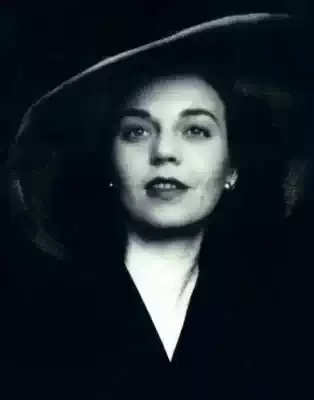
Sophia de Mello Breyner Andresen
Iv. o Encontro
Redonda era a tarde
Sossegada e lisa
Na margem do rio
Alguém se despia.
Sozinho o cigano
Sozinho na tarde
Na margem do rio
Seu corpo surgia
Brilhante da água
Semelhante à lua
Que se vê de dia
Semelhante à lua
E semelhante ao brilho
De uma faca nua.
Redonda era a tarde.
Sossegada e lisa
Na margem do rio
Alguém se despia.
Sozinho o cigano
Sozinho na tarde
Na margem do rio
Seu corpo surgia
Brilhante da água
Semelhante à lua
Que se vê de dia
Semelhante à lua
E semelhante ao brilho
De uma faca nua.
Redonda era a tarde.
1 816
Sophia de Mello Breyner Andresen
Marinheiro real
Vem do mar azul o marinheiro
Vem tranquilo ritmado inteiro
Perfeito como um deus,
Alheio às ruas.
Vem tranquilo ritmado inteiro
Perfeito como um deus,
Alheio às ruas.
1 801
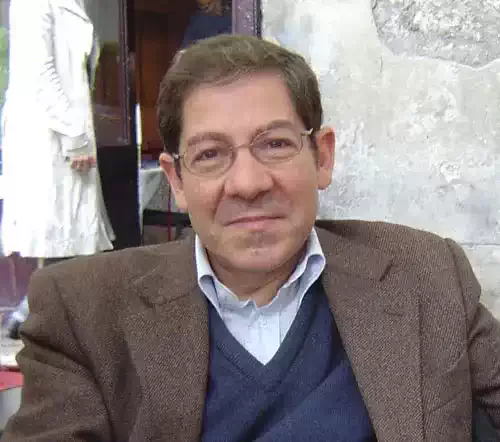
Nuno Júdice
Crença outonal
No entanto, caídas as colunas de setembro com os
ventos que arrastam as insónias do levante e incendeiam
as planícies, erguem-se nas mãos de um deus morto
os mastros de mármore de um navio antigo. A que porto
se dirigia a sua viagem? Em que recifes projectou o seu
naufrágio? Nos seus lábios, que os vermes do absoluto
devoram, leio as contas do tempo que ele imaginou
para o seu percurso clandestino, como se um deus
coubesse no porão. «Dizei-me», murmurou no instante
da agonia, «que ave seguirá o rasto do barco até
onde irei chegar?» Mas os homens confundiram
a sua voz com um distante anúncio de tempestade,
e abrigaram-se do céu, fugindo ao seu grito.
De manhã, recolhi os vestígios da noite
nesse cais abandonado: tábuas apodrecidas
pelo sal, as mantas que enrolaram os moribundos
antes que a morte os recolhesse, gemidos
apanhados nos rochedos do molhe, no instante
em que a onda se retira. Mas que fazer
com os despojos do sagrado? Por vezes, era
como se o corpo divino aparecesse à minha frente;
de outras vezes, entoava o louvor do nada, e cada sílaba
me arranhava a boca na dicção ácida de um fardo
de maldições. E o mar crescia na minha memória,
corria pela minha pele como os insectos dos trópicos,
e devorava cada imagem como se, no seu furor,
quisesse apagar o passado e restituir aos olhos
o horizonte branco da origem.
Porém, também as fontes secaram no limite do estio,
e os peixes sufocaram sobre o lodo do fundo. Apanhei-os
no meu saco, para os distribuir pelos bairros do norte,
pelos pórticos de onde espreitam as mulheres pálidas
e os homens de cabelo húmido pela maresia, e
assisti à sua refeição de carne doce, enquanto os pedintes
se juntavam atrás de mim para recolher os restos, sem
que eu tivesse alguma coisa para lhes dar a não ser essa
palavra que deus me ensinara ao dizer-me: «Dá aos que
nada têm o Ser que eu inventei.» E eles respondiam: «De
que nos serve o Ser? Que faremos com ele, nós, os que nada
temos?» E empurrei-os para os armazéns vazios, onde
as suas palavras ecoariam de encontro à cúpula
metálica que as chuvas enferrujaram num inverno
da infância. Mas eles recusavam, e insultavam-me,
como se a dádiva de um deus fosse uma ofensa.
Então, disse-lhes, juntemo-nos na grande mesa da comunhão;
partilhemos o ódio, como se parte o pão; e bebamos
o vinho da ira, já azedo, ficando com a garganta
amarga para que os gritos se tornem roucos; e deixemos
de nos ouvir uns aos outros. Como cegos, partiremos,
um em cada direcção, levando como único troféu
o desespero. E quando chegarmos ao limite da praia,
ao oceano em que deveríamos embarcar, perguntaremos
onde está esse navio prometido, esse mapa que nos daria
a resposta, e o azul do céu que nos abriria o desejo
de beleza, e nos faria ver o corpo anunciado de deus sobre
as águas. Mas ficámos sem ter aonde regressar, e só
nos alimenta um pedaço do pão da desventura,
ressequido do sol, com a consistência da pedra,
doendo na boca como as palavras do poema.
Por fim, sem mais nada, resta-nos deus. Está morto
dentro de nós. Mas ainda o podemos tirar da cabeça
e estendê-lo na areia, como o corpo de uma baleia
que tivesse dado à costa. «Não lhe toquem com os pés»,
diz o guardião da costa. «Se estiver podre, a sua podridão
pega-se à nossa pele. «Mas já andei com ele dentro de mim»,
respondi ao homem. «Já me pegou a doença do sagrado,
a lepra de uma crença infinita, o desejo de um além
que nunca verei.» O guardião da costa riu-se. «Sei
muito bem onde vêm dar estas baleias. Os seus ossos
estendem-se ao longo do litoral, e ao seu lado sentam-se
os inúteis, repetindo com as suas bocas mórbidas
as frases que aprenderam no contacto com a sua carne
putrefacta. Alguns, abriram-lhes os ventres e entraram
neles, como se ainda os pudessem fecundar. E o seu
esperma foi devorado pelos caranguejos da ria.»
Deixei-o a falar sozinho, como se faz a todos os que
perderam a fé. E subi pelo dorso da baleia, até onde
acreditei que poderia tocar o céu, enterrando-me
na sua carne movediça até me confundir com
o corpo de deus.
in, "A Convergência dos Ventos" | Nuno Júdice | Publicações Dom Quixote, 1ª. Edição, pág. 14, 15 e 16 - Lisboa, Outubro 2015
1 788
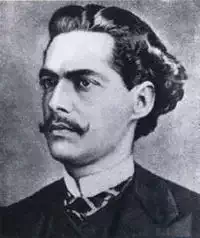
Castro Alves
Ao violinista F Moniz Barreto filho
(IMPILOVISO NO TEATRO SANTA ISABEL)
MOTE
"No teu arco prendeste à eternidade!"
Tobias Barreto.
ERA NO CÉU, à luz da lua errante,
Moema triste, abandonando os lares,
Cindia as vagas dos cerúleos mares
Te erguendo ao longe, ó peregrino infante!
Lá dos jardins sob o vergel fragrante,
A sombra dos maestros, sobre os ares,
Ouvias das estrelas os cantares
— Aves douro no espaço cintilante.
Mas quando o gênio teu se alteia aflito,
Da alabastrina luz à claridade,
Lançando flores, lá do céu proscrito,
Pasma Bellini; e em meio à imensidade
Diz a lua suspensa no infinito:
"No teu arco prendeste a eternidade!"
1 790
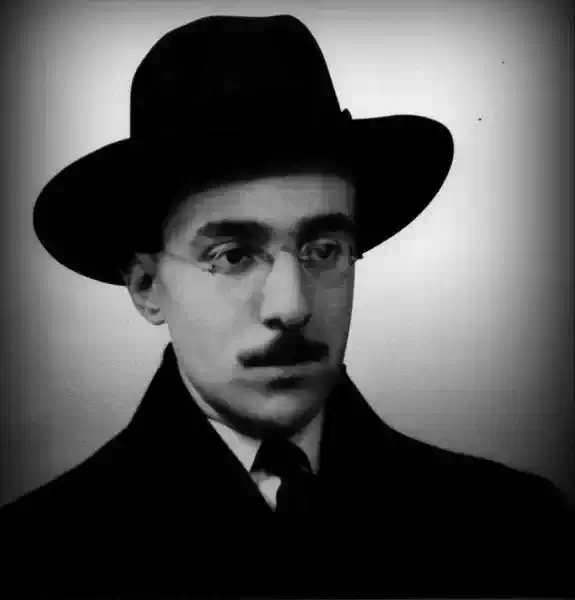
Fernando Pessoa
Ribeirinho, ribeirinho,/Que falas tão devagar
Ribeirinho, ribeirinho,/Que falas tão devagar,
Ribeirinho, ribeirinho,
Que falas tão devagar,
Ensina-me o teu caminho
De passar sem desejar amar.
Ribeirinho, ribeirinho,
Que falas tão devagar,
Ensina-me o teu caminho
De passar sem desejar amar.
1 779
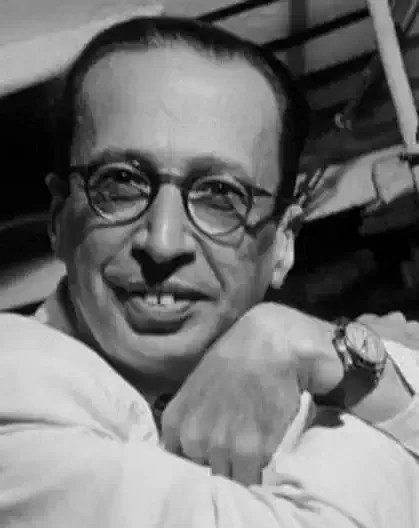
Manuel Bandeira
Mar bravo
Mar que ouvi sempre cantar murmúrios
Na doce queixa das elegias,
Como se fosses, nas tardes frias
De tons purpúreos,
A voz de minhas melancolias:
Com que delícia neste infortúnio,
Com que selvagem, profundo gozo,
Hoje te vejo bater raivoso,
Na maré-cheia de novilúnio,
Mar rumoroso!
Com que amargura mordes a areia,
Cuspindo a baba da acre salsugem,
No torvelinho de ondas que rugem
Na maré-cheia,
Mar de sargaços e de amarugem!
As minhas cóleras homicidas,
Meus velhos ódios de iconoclasta,
Quedam-se absortos diante da vasta,
Pérfida vaga que tudo arrasta,
Mar que intimidas!
Em tuas ondas precipitadas,
Onde flamejam lampejos ruivos,
Gemem sereias despedaçadas,
Em longos uivos
Multiplicados pelas quebradas.
Mar que arremetes, mas que não cansas,
Mar de blasfêmias e de vinganças,
Como te invejo! Dentro em meu peito
Eu trago um pântano insatisfeito
De corrompidas desesperanças!…
1913
1 776

Millôr Fernandes
Predestinação
Tinha no nome seu destino líquido: mar, rio e lago.
Pois chamava-se Mário Lago.
Viu a luz sob o signo de Piscis.
Brilhava no céu a constelação de Aquário.
Veio morar no Rio.
Quando discutia, sempre levava um banho.
Pois era um temperamento transbordante.
Sua arte preferida: água-forte.
Seu provérbio predileto: "Quem tem capa, escapa".
Sua piada favorita: "Ser como o rio:
seguir o curso sem deixar o leito".
Pois estudava: engenharia hidráulica.
Quando conheceu uma moça de primeira água.
Foi na onda.
Teve que desistir dos estudos quando
já estava na bica para se formar.
Então arranjou um emprego em Ribeirão das Lajes.
Donde desceu até ser leiteiro.
Encarregado de pôr água no leite.
Ficou noivo e deu à moça uma água marinha.
Mas ela o traiu com um escafandrista.
E fugiu sem dizer água vai.
Foi aquela água.
Desde então ele só vivia na chuva
Virou pau de água.
Portanto, com hidrofobia.
Foi morar numa água furtada.
Deu-lhe água no pulmão.
Rim flutuante.
Água no joelho.
Hidropsia.
Bolha d’água.
Gota.
Catarata.
Morreu afogado.
1 770
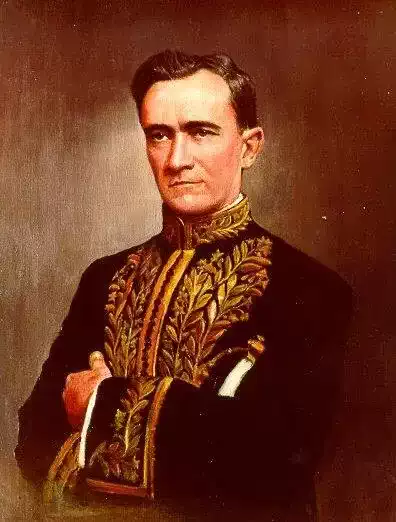
Amadeu Amaral
2 - A um Manancial de Água Pura
No alto da escarpa, além, escorre e brilha
um leve, pequenino manancial:
é, entre rochas, uma fina estilha
de prata com sonidos de cristal.
Filha do morro, a fonte, boa filha,
agarra-se teimosa ao chão natal,
à trama das raízes, à escumilha
das ervas, aos farpões do pedregal.
Doce água! Aquele que a tomasse à fonte,
após lenta ascensão por duro monte,
esse a pudera bem julgar, enfim;
mas, não merece tanto esforço: escorre
abandonada e no abandono morre...
Dentro de nós há mananciais assim.
16 de junho de 1921
Publicado no livro Lâmpada antiga: versos (1924). Poema integrante da série Um Punhado de Sonetos.
In: Poesias completas. São Paulo: HUCITEC: Secretaria da Cultura, Ciência e Tecnologia do Estado, 1977. p.246. (Obras de Amadeu Amaral
1 738

José Sarney
Meditação sobre o Bacanga
As águas passam
É lua e as casas aparecem.
Sou eu. Narciso que se olha
E fenece.
Tudo é sombra, sombra e nada,
água e silêncio nas folhas e vales
rompidos pelo Bacanga em sulcos
de madrugada.
Faixa de vento na montanha a encher e vazar:
címbalos onde o tédio geme.
É o gigante do não esquecer e as vozes do mangue.
Sangue correndo das imagens mordidas
pelos dentes estranguladores da noite.
Narciso se olha
Satanicamente o brilho dos olhares
buscam
o que não existe mais.
Ele vivia além e tinha fome, mas pensava.
Comeu os pensamentos devorando os dias
o nome e a noite.
Doce rio que vem e bóia
na enseada.
Águas barrentas, sujas,
Liberdade que morreu
e se afoga
no Mar.
Medito sobre mim que já sou morto:
as canções fúnebres que me pesam
como pedras no vazio do
lembrar.
— Barquinho de vela
que vai sobre o mar.
Boneca amarela
que me vem roubar.
meus olhos fenecem e o presságio dorme
no espelho das águas que
escorrem.
(A Canção Inicial / l954)
1 742
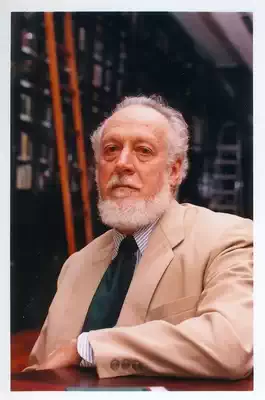
Alberto da Costa e Silva
Flumen, Fluminis, setembro de 1950
Ouçamos o fluir deste curso de rio
entre velhos muros imóveis de fadiga
não apenas meras lajes limitadas e cinzentas
mas pedras tristes e calmas
entre as quais escorre o límpido silêncio
da água que flui sobre a nudez
pura da morte
em nenhuma outra fonte, o cansaço
de ser manhã quando a noite se debruça
sobre nós, sofreremos
pois tão estranhos seremos ao murmúrio
de suas águas veladas
à música que nada anuncia a não ser primaveras
como agora, sôfregos, nos reclinamos
sobre o líquido móvel deste rio que leva
para o mar distante e irrevelado
estas formas maduras e tranqüilas
este sopro perfeito
daquilo que foi apenas o fugidio e precário pó.
Publicado no livro O parque e outros poemas (1953).
In: SILVA, Alberto da Costa e. As linhas da mão. Pref. Antônio Carlos Villaça. Rio de Janeiro: Difel; Brasília: INL, 1978. p.2
1 716
Fernando Pessoa
Naval ode (Álvaro de Campos)
Alone, on the deserted quay, this summer morning,
I look towards the bar, I look towards the Indefinite,
I look and find pleasure in seeing,
Little, black and clear, a steamer coming in.
It is very far yet, distinct and classic after its own fashion.
It leaves on the distant air behind it the vain curls of its smoke.
It is coming in, and morn comes in with it, and on the river
Here, there, naval life awakes,
Sails arise, tugs advance,
Small boats jut out from behind the ships in the port.
There is a vague breeze.
But my soul is with the things that I see least,
With the in-coming steamer,
Because it is with Distance, with Morn,
With the naval meaning of this Hour,
With the painful softness that rises in me like a qualm,
Like a beginning of sea-sickness, but in my soul.
I look from afar at the steamer, with a great independence of mind
And a whell begins to spin in me, very slowly.
The steamers that enter the bar in the morning,
Bring to my eyes with their coming
The glad and sad mystery of all who arrive and depart.
They bring memories of distant quays, and of other moments
Of another kind of the same mankind in other ports.
Every (...), every departure of a ship,
Is — I feel it in me like my blood —
Unconsciously symbolic, terribly
Threatening metaphysical meanings
That startle in me the being I once …
Ah, every quay is a regret made of stone!
And when the ship leaves the quay
And we note suddenly that a space is widening
Between the quay and the ship,
There comes to me, I know not why, a recent anguish,
A mist of feelings of sadness
That shines in the sun of my mosy anguishes
Like the first window the morning strikes on,
And clings round me like some one else's remembrance
Which is somehow mysteriously mine.
Ah, who knows, who knows,
If I did not leave long ago, before Myself,
A quay; if I did not depart, a ship in
The oblique sun of morning,
From another kind of port?
Who knows if I did not leave, before the hour
Of the exterior world as I see it
Dawned for me,
A large quay full of few people,
Of a great half-awakened city,
Of a great city commercial, overgrown, apopletical,
As much as that can be outside Time and Space?
Ay, from a quay, from a quay somehow material,
Real, visible as a quay, really a quay,
The Absolute Quay on whose type, unconsciously imitated,
Insensibly evoked,
We men have built
Our quays in our harbours,
Our quays, of actual stone overlooking true water,
Which, once built, suddenly show themselves to be
Real-Things, Things-Spirits, Entities in Stone-Souls,
At certain moments of ours of root-sentiments
When it seems that a door is opened in the outer world
And, without anything changing
Everything reveals itself to be different.
Ah, the Great Quay whence we embarked in Ship-Nations!
The Great Earlier Quay, eternal and divine!
Of what port? Over what waters? And why do I think of this?
A Great Quay like all other quays, but the Only One.
Full, as they are, of murmurous silences in the fore-dawns
And budding with the dawns in a noise of cranes
And arrivals of goods-trains
And under the black, occasional and light cloud
Of the smoke of the chimneys of the near factories
Which clouds its ground, black with small shining coal,
As if it were the shadow of a cloud passing over dark water.
Ah, what essentiality of mystery and arrested senses
In a divine revealing ecstasy
At the hours coloured like silences and anguishes
Is the bridge between any quay and THE QUAY!
Quay blackly reflected in the still waters,
Suddle [?] on board the ships,
Oh wandering and unstable soul of the people who live in ships,
Of the symbolic people who pass and for whom, nothing lasts
For when the vessel returns to the port,
There is always some change on board!
On continual flights, goings, drunknness of the Different!
Eternal soul of navigators and navigations!
Hulls slowly reflected in the waters
When the ship leaves the port!
To float as soul of life, to depart as voice,
To live the moment tremulously on eternal waters!
To wake to more direct days than the days of Europe,
To see mysterious ports over the loneliness of the sea,
To double distant capes and see sudden great landscapes
Of unnumbred astonished alones!
Ah, the distant beaches, the quays seen from afar,
And then the near beaches and the quays seen from near.
The mystery of each departure and of each arrival,
The painful instability and incomprehensibility
Of this impossible universe
At each naval hour ever more deeply felt right in my skin.
The absurd sob that our souls spill
Over the ever-different tracts of seas with islands afar,
Over the distant lines of the coasts we merely pass by,
Over the clear growing-clear of ports, with their houses and their people,
When the ship nears the land.
Ah, the freshness of morns when we arrive,
And the paleness of the morns when we depart,
When our entrails are gripped up
And a vague sensation resembling a fear
— The ancestral fear of going away and leaving,
The mysterious ancestral terror of Arrivals and New Things —
Grips up our skin and gives us qualms
And all our anguished body feels,
As if it were our soul,
An unexplained desire to feel this in some other way:
A regret at something,
A perturbation of tendernesses towards what vague fatherland?
What coast? what ship? what quay?
That thought sickens within us
And only a great vaccum remains in us,
A hollow satiety of naval minutes,
And a vague anxiety that would be weariness or pain
If it knew how to be that…
The summer morning is, nevertheless, slightly cool,
A slight night-dullness lies yet on the shaken air.
The wheel within me quickens its motion slightly.
And the steamer keeps on coming in, because surely it must coming in,
And not because I see it moving in its excessive distance.
In my imagination it is already near and visible
In all the extent of the lines of its portholes,
And everything trembles in me, all my flesh and all my skin,
On account of that creature that never arrives in any ship
And whom I have come to await to-day on this quay, through an oblique command.
1915
1 719

Oldegar Vieira
Haicai
Revoadas
Revoadas brancas
sobre rochedos escuros:
gaivotas e espumas.
Alvorada
Pouco a pouco vai
canto claro dos galos
clareando o dia
Revoadas brancas
sobre rochedos escuros:
gaivotas e espumas.
Alvorada
Pouco a pouco vai
canto claro dos galos
clareando o dia
1 719
Alberto de Lacerda
Ilha de Moçambique
Desfeitos um por um os nós sombrios,
Anulada a distancia entre o desejo
E o sonho coincidente como um beijo,
Exalei mapas que exalaram rios.
Terra secreta, continentes frios,
Ardei à luz dum sol que é rumorejo
Para lá do que eu sou, do que eu invejo
Aos elementos, aos altos navios!
Trouxe de longe o palácio sepulto,
A cobra semimorta, a bandarilha,
E esqueci poços, prossegui oculto.
Desdém que envolve por completo a quilha,
Sou bem o rei saudoso do seu vulto,
Vulto que existe infante numa ilha.
1 701

Luís Guimarães Júnior
A Voz de Moema
"Ah Diogo cruel!" disse com mágoa,
E sem mais vista ser sorveu-se n'água.
DURÃO — Caramuru.
Gemem as ondas mansamente; — a quilha
Do barco ondeia, ao som da vaga clara;
Cai do farol a luz longínqua e rara,
E a Lua cheia sobre as ondas brilha...
Do mar na ardente e luminosa trilha
Nem um batel por estas horas pára:
Sonha a Bahia, ao longe, — a altiva e cara
Filha dos deuses, de Colombo filha.
Tudo silente dorme. O bardo, entanto,
Que tudo vê e em tudo colhe o tema
Que amor produz no flácido quebranto,
Ouve pairar nos ares sons d'um Poema...
Ai! é a voz, — a voz, rouca de pranto,
A triste voz da pálida Moema!
A bordo do Senegal
Poema integrante da série Primeira Parte.
In: GUIMARÃES JÚNIOR, Luiz. Sonetos e rimas: lírica. 3.ed. Pref. Fialho d'Almeida. Lisboa: Liv. Clássica Ed. de A. M. Teixeira, 191
1 713
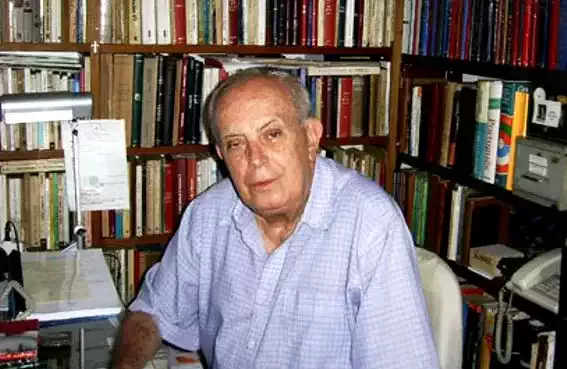
Gilberto Mendonça Teles
Coreografia do Mito
4. "Un pas de trois"
Houve um reino qualquer e três sereias
que afinavam seu canto na linguagem:
a virgem, a casada e a que passava
seus dias na janela.
E havia a forma
de sirene e silêncio,
essas metades,
renda de bilro, milongagem, força
oculta e sem governo,
latejantes
nas têmporas do mito.
A primeira voltou à sua estância,
leu Bandeira, fez versos,
desnudou-se.
E, cumprindo o ritual, como sereia,
foi banhar-se num rio de água doce.
A segunda voltou-se para o mar,
tomou banho lustral de fevereiro,
fez cirandas na areia e ouviu lendas
da lira pendurada no coqueiro.
A terceira me deu esta janela
com desenho de peixe na vidraça.
E está sempre acenando
lá do fundo
do rio que não passa.
In: TELES, Gilberto Mendonça. Saciologia goiana. 3. ed. Goiânia: Cerne, 1986. p. 69-70. Poema integrante da série Sombras da Terra.
NOTA: Poema composto de 4 partes: 1. Lorelei; 2. Iemanjá; 3. Iara; 4. Un pas de troi
1 687
Fernando Pessoa
IX - Meu coração é um pórtico partido
IX
Meu coração é um pórtico partido
Dando excessivamente sobre o mar
Vejo em minha alma as velas vãs passar
E cada vela passa num sentido.
Um soslaio de sombras e ruído
Na transparente solidão do ar
Evoca estrelas sobre a noite estar
Em afastados céus o pórtico ido...
E em palmares de Antilhas entrevistas
Através de, com mãos eis apartados
Os sonhos, cortinados de ametistas,
Imperfeito o sabor de compensando
O grande espaço entre os troféus alçados
Ao centro do triunfo em ruído e bando...
1 690
Fernando Pessoa
Leve vem a onda leve
Leve vem a onda leve
Leve vem a onda leve
Que se estende a adormecer,
Breve vem a onda breve
Que nos ensina a esquecer.
Leve vem a onda leve
Que se estende a adormecer,
Breve vem a onda breve
Que nos ensina a esquecer.
1 694

Manuel Lima
São meus estes rios
São meus estes rios
que buscam caminho
rastejando entre luar e silêncio,
sombra e madrugada,
até ao seu fim marítimo.
A minha alma está neles,
líquida e sonora
como a água entre o quissange das pedras,
o anoitecer nas fontes.
Tenho rios vermelhos e quentes
na minha dimensão física,
rios remotos, remotos como eu.
que buscam caminho
rastejando entre luar e silêncio,
sombra e madrugada,
até ao seu fim marítimo.
A minha alma está neles,
líquida e sonora
como a água entre o quissange das pedras,
o anoitecer nas fontes.
Tenho rios vermelhos e quentes
na minha dimensão física,
rios remotos, remotos como eu.
1 691

Maranhão Sobrinho
Equatorial
Bóiam verdes lodões no lago quieto em frissos
de topázio. Flechando as ralas talagarças
dos ramos vibram, no ar, os vírides caniços
dos juncos. Funde a luz as nuvens de oiro esgarças.
Sobre o lodo escorrega o musgo a renda. Em viços
soberbos, o esplendor das aquáticas sarças
beira o líquido espelho em que, de espantadiços
olhos, banham-se, ao sol, as branquicentas garças.
Trapejam no horizonte uns trêmulos farrapos
de púrpura. Banando, entre os juncos, disformes
de luxúria, a coaxar, pulam, glabros, os sapos.
E, na lama, que a lesma azul meandra de rugas,
rojando-se em espirais de gelatina, enormes
arrastam-se, pulsando, as moles sanguessugas...
1 682
Fernando Pessoa
Ah, tudo é símbolo e analogia!
Ah, tudo é símbolo e analogia!
O vento que passa, a noite que esfria
São outra cousa que a noite e o vento —
Sombras de vida e de pensamento.
Tudo que vemos é outra cousa.
A maré vasta, a maré ansiosa,
É o eco de outra maré que está
Onde é real o mundo que há.
Tudo que temos é esquecimento.
A noite fria, o passar do vento
São sombras de mãos cujos gestos são
A ilusão mãe desta ilusão.
9-11-1932
1 692
Fernando Pessoa
«Ribeirinho, ribeirinho,/Que vais a correr ao léu
«Ribeirinho, ribeirinho,/Que vais a correr ao léu
«Ribeirinho, ribeirinho,
Que vais a correr ao léu
Tu vais a correr sozinho,
Ribeirinho, como eu.»
«Ribeirinho, ribeirinho,
Que vais a correr ao léu
Tu vais a correr sozinho,
Ribeirinho, como eu.»
1 680
Rubens Rodrigues Torres Filho
Clorofila
Verde mar, verde rio e verde pranto
que choveria em verdes matas prisioneiras
aprisionadas neste longo e frio amante
que fui, para nós dois, na sexta-feira
da solidão.
As borboletas lúcidas na treva
que por artes de ausência vêm caindo
em chuvas-lantejoulas vão cobrindo
as lajes destes bosques, clorofila
irrespirável.
São páginas colhidas, escolhidas
que este vazio por dentro desescreve
e o tempo reinscreve do outro lado.
E nós, por dois ou três, unidos por engano,
partilhamos o frio, que só nos damos
sob condição, à espreita ou de tocaia.
Por trás do olhar dos lírios vai roendo
algum sutil inseto iluminado
que sabe dos desertos e a cavá-los
galopa nesse nada que o devora.
In: TORRES FILHO, Rubens Rodrigues. A letra descalça: poemas. São Paulo: Brasiliense, 1985
1 673
Manuel Bandeira
Murmúrio D'água
Murmúrio d'água, és tão suave a meus ouvidos...
Faz tanto bem à minha dor teu refrigério!
Nem sei passar sem teu murmúrio a meus ouvidos,
Sem teu suave, teu afável refrigério.
Água de fonte... água de oceano... água de pranto...
Água de rio...
Água de chuva, água cantante das lavadas...
Têm para mim, todas, consolos de acalanto,
À que sorrio...
À que sorri a minha cínica descrença.
À que sorri o meu opróbrio de viver.
A que sorri o mais profundo desencanto
Do mais profundo e mais recôndito em meu ser!
Sorriem como aqueles cegos de nascença
Aos quais Jesus de súbito fazia ver...
A minha mãe ouvi dizer que era minh'ama
Tranquila e mansa.
Talvez ouvi, quando criança,
Cantigas tristes que cantou à minha cama.
Talvez por isso eu me comova a aquela mágoa.
Talvez por isso eu me comova tanto à mágoa
Do teu rumor, murmúrio d'água...
A meiga e triste rapariga
Punha talvez nessa cantiga
A sua dor e mais a dor de sua raça...
Pobre mulher, sombria filha da desgraça!
— Murmúrio d'água, és a cantiga de minh'ama.
1 679