

Poemas neste tema
Estações do Ano (Primavera, Verão, Outono, Inverno)
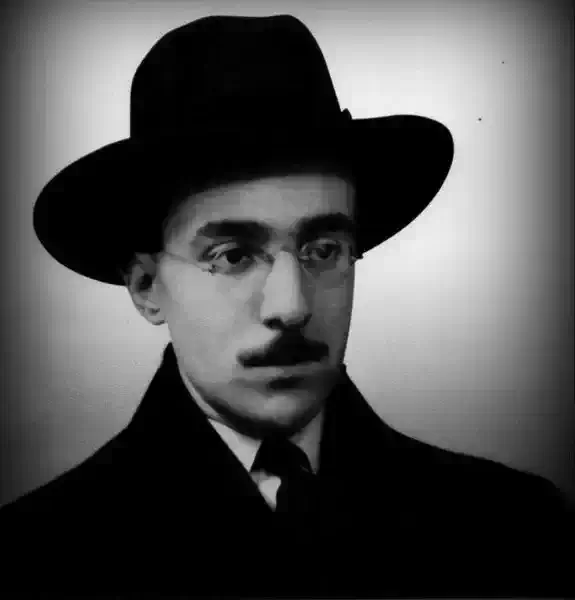
Fernando Pessoa
A WINTER DAY
I
'Tis a void winter day, sad as a moan.
A sense of loneliness, as of a stone
Upon a grave, or of a rock in sea
Rests like a mighty shadow over me.
I am unnerved, unminded by the pall
Of solemn clouds that, weighty over all,
Curtail the vision; and upon mine ear
The City's rumble brings despair and fear
To crush my spirit free and wild.
The rain,
Reiterated horribly, again
Beast with its drops at my cold window‑pane
With such a sound as makes us know it cold.
The world is ghostly, undaylike and old,
And weary passengers, with cautious tread,
Yet hurried, walk within the streets soul‑dead
In the unkindness of their hue of lead.
The streets are streamlets, and perpetual
A sound of little waters, on roof, on wall,
Down in the streets, in pipes, in window‑glass
And into rooms doth wetly come and pass.
All is the rain's.
All is pale wetness, darkness inly cold,
A sentiment of waste things and of old
Making all things exterior sorrows, pains;
And all we hear and feel and know and see
Is wrapt around as with a masking cloak
In inconceivable monotony.
All in the houses and up from the street
Is a long watery shuffle of heavy feet,
A sound of drenched garments, and a sense
Of a sad chillness, latently intense.
Through cracks in doors and windows a gust cold
Of wind penetrates like a memory of old
Times to make freeze my body, ill reclined
Upon a couch, a sufferer with my mind.
Life in the streets is sad, a monotone
More dull than usual ordinariness:
Business and work have lost their usual stress,
The vender's cries are each of them a moan
Grotesque, desolate, as forlorn and half‑dead
Hearts might produce which make a war (?) attempt
At talking normally, as if they not bled.
Half‑childish urchins, gloriously unkempt
Laugh at the water that cart‑wheels upshed.
The muddy urchins in the streets that play
Make shades of envy in my soul to stay.
Couples, some newly‑married, others not,
Who in the commonness of their no‑thought
Have a deep happiness I would not have,
A joy to which I would prefer the grave,
Pass in the street. some gay and some sedate.
I feel me no like men in any way.
I envy those - I speak true - without hate
And without admiration, isolate (?).
I would that l were happy as they are
But not with that their happiness. Thus far
Such living as theirs is were unto me
Misery, penury, monotony.
Alas for all who dream! Alas for us,
Poor poets, more or less mad, more or less
Foolish! In this consists true happiness!
In knowing how to be monotonous.
Happy are they who can see without sorrow
To‑day yield us to‑morrow
And yet to‑morrow and to‑day to them
Different days because different days,
Which are to me (save that they pass) the same.
II
The view I have of this cold winter day,
The deep depression that makes my thoughts stray
Is but a symbol and a synthesis
Of what my life perpetually is.
How deep my thoughts in pain and sadness are!
How wreck'd my soul in its intense despair!
How desolate, disconsolately mute
My heart is of the words that like scents shoot
From the full flower of true youthfulness!
How locked am I within my own distress!
How in the tragic circle soul‑confined
Of my abhorred self!
Not one ambition leads me - power nor pelf,
No wish for fame, no love of poor mankind.
But I am weary, desolate and cold
E'vn as this winter day. I have grown old
In watching dreams go by and pass away
Leaving a memory pure and bright
Of aught that was and died as light
Without the living horror of decay.
Is this thy life, irresolute soul of mine?
How pale the sun of thy sad morn doth shine!
How it forebodes the cloudiness that comes
Outstretched wings of the storm whose muffled drums
Of warning in the paling day are heard
Deep in the distance lesseningly blurred.
Thou look'st not death nor evil in the face
Poor soul despairing in life's troubled race!
All forms of life, all things have been to thee
Mutations of eternal misery.
All years, all homes to thee have been
In the same drama many a change of scene.
Thou hast not learned to live, but thou dost cling
Madly to life (dreading Death's night severe),
As if life or the world were anything!
'Tis a void winter day, sad as a moan.
A sense of loneliness, as of a stone
Upon a grave, or of a rock in sea
Rests like a mighty shadow over me.
I am unnerved, unminded by the pall
Of solemn clouds that, weighty over all,
Curtail the vision; and upon mine ear
The City's rumble brings despair and fear
To crush my spirit free and wild.
The rain,
Reiterated horribly, again
Beast with its drops at my cold window‑pane
With such a sound as makes us know it cold.
The world is ghostly, undaylike and old,
And weary passengers, with cautious tread,
Yet hurried, walk within the streets soul‑dead
In the unkindness of their hue of lead.
The streets are streamlets, and perpetual
A sound of little waters, on roof, on wall,
Down in the streets, in pipes, in window‑glass
And into rooms doth wetly come and pass.
All is the rain's.
All is pale wetness, darkness inly cold,
A sentiment of waste things and of old
Making all things exterior sorrows, pains;
And all we hear and feel and know and see
Is wrapt around as with a masking cloak
In inconceivable monotony.
All in the houses and up from the street
Is a long watery shuffle of heavy feet,
A sound of drenched garments, and a sense
Of a sad chillness, latently intense.
Through cracks in doors and windows a gust cold
Of wind penetrates like a memory of old
Times to make freeze my body, ill reclined
Upon a couch, a sufferer with my mind.
Life in the streets is sad, a monotone
More dull than usual ordinariness:
Business and work have lost their usual stress,
The vender's cries are each of them a moan
Grotesque, desolate, as forlorn and half‑dead
Hearts might produce which make a war (?) attempt
At talking normally, as if they not bled.
Half‑childish urchins, gloriously unkempt
Laugh at the water that cart‑wheels upshed.
The muddy urchins in the streets that play
Make shades of envy in my soul to stay.
Couples, some newly‑married, others not,
Who in the commonness of their no‑thought
Have a deep happiness I would not have,
A joy to which I would prefer the grave,
Pass in the street. some gay and some sedate.
I feel me no like men in any way.
I envy those - I speak true - without hate
And without admiration, isolate (?).
I would that l were happy as they are
But not with that their happiness. Thus far
Such living as theirs is were unto me
Misery, penury, monotony.
Alas for all who dream! Alas for us,
Poor poets, more or less mad, more or less
Foolish! In this consists true happiness!
In knowing how to be monotonous.
Happy are they who can see without sorrow
To‑day yield us to‑morrow
And yet to‑morrow and to‑day to them
Different days because different days,
Which are to me (save that they pass) the same.
II
The view I have of this cold winter day,
The deep depression that makes my thoughts stray
Is but a symbol and a synthesis
Of what my life perpetually is.
How deep my thoughts in pain and sadness are!
How wreck'd my soul in its intense despair!
How desolate, disconsolately mute
My heart is of the words that like scents shoot
From the full flower of true youthfulness!
How locked am I within my own distress!
How in the tragic circle soul‑confined
Of my abhorred self!
Not one ambition leads me - power nor pelf,
No wish for fame, no love of poor mankind.
But I am weary, desolate and cold
E'vn as this winter day. I have grown old
In watching dreams go by and pass away
Leaving a memory pure and bright
Of aught that was and died as light
Without the living horror of decay.
Is this thy life, irresolute soul of mine?
How pale the sun of thy sad morn doth shine!
How it forebodes the cloudiness that comes
Outstretched wings of the storm whose muffled drums
Of warning in the paling day are heard
Deep in the distance lesseningly blurred.
Thou look'st not death nor evil in the face
Poor soul despairing in life's troubled race!
All forms of life, all things have been to thee
Mutations of eternal misery.
All years, all homes to thee have been
In the same drama many a change of scene.
Thou hast not learned to live, but thou dost cling
Madly to life (dreading Death's night severe),
As if life or the world were anything!
1 733
Fernando Pessoa
37 - SONG
Lilies cast and roses throw
In the way that she must go
Whom the singing planets hymn,
Sister of the seraphim!
Shifting motes of early sun
In the morning freshness spun
To light dresses for the breeze -
Clothe her coming such as these!
Shadows purple, fountain breaths,
Low mists such as dawning wreathes
Round the tree‑tops - these be made
Hers, for whom spring's feast is laid!
She to us from heaven descended
That dreams might with earth seem blended,
And unquietness more blest
Mingle with our life's unrest.
These the chosen offerings
From what earthly deep joy sings -
These to her we daily bear
Lest she pine for heaven here.
In the way that she must go
Whom the singing planets hymn,
Sister of the seraphim!
Shifting motes of early sun
In the morning freshness spun
To light dresses for the breeze -
Clothe her coming such as these!
Shadows purple, fountain breaths,
Low mists such as dawning wreathes
Round the tree‑tops - these be made
Hers, for whom spring's feast is laid!
She to us from heaven descended
That dreams might with earth seem blended,
And unquietness more blest
Mingle with our life's unrest.
These the chosen offerings
From what earthly deep joy sings -
These to her we daily bear
Lest she pine for heaven here.
1 526
Fernando Pessoa
O melodioso sistema do Universo,
O melodioso sistema do Universo,
O grande festival pagão de haver o sol e a lua
E a titânica dança das estações
E o ritmo plácido das eclípticas
Mandando tudo estar calado.
E atender apenas ao brilho exterior do universo.
O grande festival pagão de haver o sol e a lua
E a titânica dança das estações
E o ritmo plácido das eclípticas
Mandando tudo estar calado.
E atender apenas ao brilho exterior do universo.
1 520
Fernando Pessoa
IV - Que pandeiretas o silêncio deste quarto!...
IV
Que pandeiretas o silêncio deste quarto!...
As paredes estão na Andaluzia...
Há danças sensuais no brilho fixo da luz...
De repente todo o espaço pára....
Pára, escorrega, desembrulha-se...,
E num canto do tecto, muito mais longe do que ele está,
Abrem mãos brancas janelas secretas
E há ramos de violetas caindo
De haver uma noite de Primavera lá fora
Sobre o eu estar de olhos fechados...
Que pandeiretas o silêncio deste quarto!...
As paredes estão na Andaluzia...
Há danças sensuais no brilho fixo da luz...
De repente todo o espaço pára....
Pára, escorrega, desembrulha-se...,
E num canto do tecto, muito mais longe do que ele está,
Abrem mãos brancas janelas secretas
E há ramos de violetas caindo
De haver uma noite de Primavera lá fora
Sobre o eu estar de olhos fechados...
1 466
Fernando Pessoa
V - Lá fora vai um redemoinho de sol
V
Lá fora vai um redemoinho de sol os cavalos do carroussel...
Árvores, pedras, montes, bailam parados dentro de mim...
Noite absoluta na feira iluminada, luar no dia de sol lá fora,
E as luzes todas da feira fazem ruído dos muros do quintal...
Ranchos de raparigas de bilha à cabeça
Que passam lá fora, cheias de estar sob o sol,
Cruzam-se com grandes grupos peganhentos de gente que anda na feira,
Gente toda misturada com as luzes das barracas com a noite e com o luar,
E os dois grupos encontram-se e penetram-se
Até formarem só um que é os dois...
A feira e as luzes da feira e a gente que anda na feira,
E a noite que pega na feira e a levanta ao ar,
Andam por cima das copas das árvores cheias de sol,
Andam visivelmente por baixo dos penedos que luzem ao sol,
Aparecem do outro lado das bilhas que as raparigas levam à cabeça,
E toda esta paisagem de Primavera é a lua sobre a feira,
E toda a feira com ruídos e luzes é o chão deste dia de sol...
De repente alguém sacode esta hora dupla como numa peneira
E, misturado, o pó das duas realidades cai
Sobre as minhas mãos cheias de desenhos de portos
Com grandes naus que se vão e não pensam em voltar...
Pó de oiro branco e negro sobre os meus dedos...
As minhas mãos são os passos daquela rapariga que abandona a feira,
Sozinha e contente como o dia de hoje...
Lá fora vai um redemoinho de sol os cavalos do carroussel...
Árvores, pedras, montes, bailam parados dentro de mim...
Noite absoluta na feira iluminada, luar no dia de sol lá fora,
E as luzes todas da feira fazem ruído dos muros do quintal...
Ranchos de raparigas de bilha à cabeça
Que passam lá fora, cheias de estar sob o sol,
Cruzam-se com grandes grupos peganhentos de gente que anda na feira,
Gente toda misturada com as luzes das barracas com a noite e com o luar,
E os dois grupos encontram-se e penetram-se
Até formarem só um que é os dois...
A feira e as luzes da feira e a gente que anda na feira,
E a noite que pega na feira e a levanta ao ar,
Andam por cima das copas das árvores cheias de sol,
Andam visivelmente por baixo dos penedos que luzem ao sol,
Aparecem do outro lado das bilhas que as raparigas levam à cabeça,
E toda esta paisagem de Primavera é a lua sobre a feira,
E toda a feira com ruídos e luzes é o chão deste dia de sol...
De repente alguém sacode esta hora dupla como numa peneira
E, misturado, o pó das duas realidades cai
Sobre as minhas mãos cheias de desenhos de portos
Com grandes naus que se vão e não pensam em voltar...
Pó de oiro branco e negro sobre os meus dedos...
As minhas mãos são os passos daquela rapariga que abandona a feira,
Sozinha e contente como o dia de hoje...
1 370
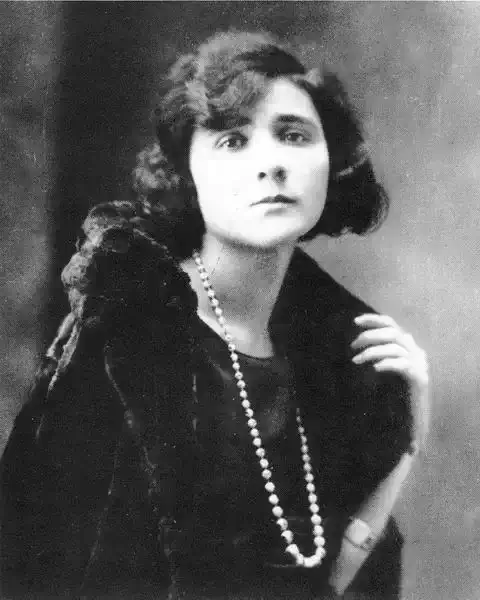
Florbela Espanca
Outono
Outono vem em fulvas claridades...
Vamos os dois esp’rá-lo de mãos dadas:
Tu, desfolhando as rosas das estradas,
E eu, escutando o choro das saudades...
Outono vem em doces suavidades...
E a acender fogueiras apagadas
Andam almas no céu, ajoelhadas...
E a terra reza a prece das Trindades.
Choram no bosque os musgos e os fetos.
Vogam nos lagos pálidos e quietos,
Como gôndolas d’oiro, as borboletas.
Meu Amor! Meu Amor! Outono vem...
Beija os meus-olhos roxos, beija-os bem!
Desfolha essas primeiras violetas!...
Vamos os dois esp’rá-lo de mãos dadas:
Tu, desfolhando as rosas das estradas,
E eu, escutando o choro das saudades...
Outono vem em doces suavidades...
E a acender fogueiras apagadas
Andam almas no céu, ajoelhadas...
E a terra reza a prece das Trindades.
Choram no bosque os musgos e os fetos.
Vogam nos lagos pálidos e quietos,
Como gôndolas d’oiro, as borboletas.
Meu Amor! Meu Amor! Outono vem...
Beija os meus-olhos roxos, beija-os bem!
Desfolha essas primeiras violetas!...
4 096
Florbela Espanca
Morreu a pequenina
Morreu a pequenina... Foi sol-pór
Aquele sol nascente. Quem diria!...
Mas Não! Não pode ser! Não morreria!
Não pode ser tortura o que é amor!
Anda a brincar e a rir seja onde for...
Anda por ali em doida correria...
Abram bem as estrelas do meio-dia,
Vejam se está no seio dalguma flor!...
«Lá vem a Primavera!» oiço dizer;
«A sempre alegre e moça, a sempre bela,
A que das fragas rosas faz nascer!»
Gorjeios... risos... Sim, oiço-os também...
Será a Primavera?... ou será Ela?!
Será a pequenina que além vem?!...
Aquele sol nascente. Quem diria!...
Mas Não! Não pode ser! Não morreria!
Não pode ser tortura o que é amor!
Anda a brincar e a rir seja onde for...
Anda por ali em doida correria...
Abram bem as estrelas do meio-dia,
Vejam se está no seio dalguma flor!...
«Lá vem a Primavera!» oiço dizer;
«A sempre alegre e moça, a sempre bela,
A que das fragas rosas faz nascer!»
Gorjeios... risos... Sim, oiço-os também...
Será a Primavera?... ou será Ela?!
Será a pequenina que além vem?!...
1 924
Florbela Espanca
Carta Para Longe
O tempo vai um encanto,
A Primavera ’stá linda,
Voltaram as andorinhas...
E tu não voltaste ainda!...
Porque me fazes sofrer?
Porque te demoras tanto?
A Primavera ’stá linda...
O tempo vai um encanto...
Tu não sabes, meu amor,
Que, quem ’spera, desespera?
O tempo está um encanto...
E vai linda a Primavera...
Há imensas andorinhas;
Cobrem a terra e o céu!
Elas voltaram aos ninhos...
Volta também para o teu!...
Adeus. Saudades do sol,
Da madressilva e da hera;
Respeitosos cumprimentos
Do tempo e da Primavera.
Mil beijos da tua q’rida,
Que é tua por toda a vida.
A Primavera ’stá linda,
Voltaram as andorinhas...
E tu não voltaste ainda!...
Porque me fazes sofrer?
Porque te demoras tanto?
A Primavera ’stá linda...
O tempo vai um encanto...
Tu não sabes, meu amor,
Que, quem ’spera, desespera?
O tempo está um encanto...
E vai linda a Primavera...
Há imensas andorinhas;
Cobrem a terra e o céu!
Elas voltaram aos ninhos...
Volta também para o teu!...
Adeus. Saudades do sol,
Da madressilva e da hera;
Respeitosos cumprimentos
Do tempo e da Primavera.
Mil beijos da tua q’rida,
Que é tua por toda a vida.
2 879
Florbela Espanca
A Um Moribundo
Não tenhas medo, não! Tranquilamente,
Como adormece a noite pelo Outono,
Fecha os teus olhos, simples, docemente,
Como, à tarde, uma pomba que tem sono...
A cabeça reclina levemente
E os braços deixa-os ir ao abandono,
Como tombam, arfando, ao sol poente,
As asas de uma pomba que tem sono...
O que há depois? Depois?... O azul dos céus?
Um outro mundo? O eterno nada? Deus?
Um abismo? Um castigo? Uma guarida?
Que importa? Que te importa, ó moribundo?
– Seja o que for, será melhor que o mundo!
Tudo será melhor do que esta vida!...
Como adormece a noite pelo Outono,
Fecha os teus olhos, simples, docemente,
Como, à tarde, uma pomba que tem sono...
A cabeça reclina levemente
E os braços deixa-os ir ao abandono,
Como tombam, arfando, ao sol poente,
As asas de uma pomba que tem sono...
O que há depois? Depois?... O azul dos céus?
Um outro mundo? O eterno nada? Deus?
Um abismo? Um castigo? Uma guarida?
Que importa? Que te importa, ó moribundo?
– Seja o que for, será melhor que o mundo!
Tudo será melhor do que esta vida!...
2 036
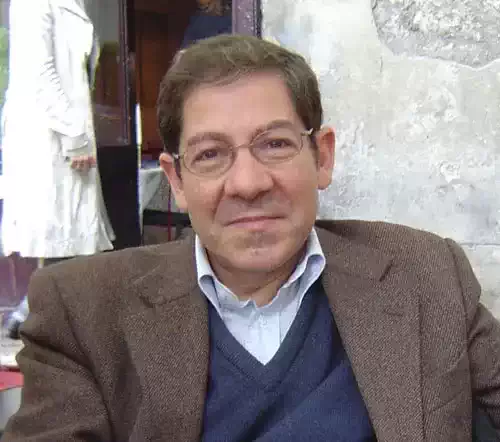
Nuno Júdice
Metamorfose em agosto
O verão solta os cabelos como a mulher
que se ergueu do leito e avança para o espelho,
com as mãos da manhã a viajarem pela sua pele. O
que ela vê é o reflexo dos sonhos que as suas
pálpebras fecharam para que o dia se não apoderasse
de imagens que ela própria já esqueceu; e
quando despe a túnica da noite; olha
para os seios como se neles corresse o leite
que alimenta o desejo e entrelaça nos seus
cumes os gestos trânsfugas do amor.
O verão que subiu às açoteias do litoral
como o grito dos amantes que incendiou
a tarde e atravessou a terra com um calafrio
de nortada, transformou-se no carreiro
de formigas que se perderam da sua cova. Sigo-as
num caos de vagabundagem, como se elas me levassem
ao encontro de uma recordação de madrugadas
de ócio, ouvindo a voz que ficou da insónia
emergir de uma dobra de lençóis, com
as sílabas exaustas de um imenso abraço.
E saúdo o verão que as trepadeiras possuíram nos quintais anónimos de ruínas imprecisas, esse
que fez cair sobre nós o relâmpago de seda,
um sumo de palavras húmidas e a última ressonância
de uma sombra de corpos.
in, "A Convergência dos Ventos" | Nuno Júdice | Publicações Dom Quixote, 1ª. Edição, pág. 13 - Lisboa, Outubro 2015
que se ergueu do leito e avança para o espelho,
com as mãos da manhã a viajarem pela sua pele. O
que ela vê é o reflexo dos sonhos que as suas
pálpebras fecharam para que o dia se não apoderasse
de imagens que ela própria já esqueceu; e
quando despe a túnica da noite; olha
para os seios como se neles corresse o leite
que alimenta o desejo e entrelaça nos seus
cumes os gestos trânsfugas do amor.
O verão que subiu às açoteias do litoral
como o grito dos amantes que incendiou
a tarde e atravessou a terra com um calafrio
de nortada, transformou-se no carreiro
de formigas que se perderam da sua cova. Sigo-as
num caos de vagabundagem, como se elas me levassem
ao encontro de uma recordação de madrugadas
de ócio, ouvindo a voz que ficou da insónia
emergir de uma dobra de lençóis, com
as sílabas exaustas de um imenso abraço.
E saúdo o verão que as trepadeiras possuíram nos quintais anónimos de ruínas imprecisas, esse
que fez cair sobre nós o relâmpago de seda,
um sumo de palavras húmidas e a última ressonância
de uma sombra de corpos.
in, "A Convergência dos Ventos" | Nuno Júdice | Publicações Dom Quixote, 1ª. Edição, pág. 13 - Lisboa, Outubro 2015
2 523
Florbela Espanca
Primavera
É Primavera agora, meu Amor!
O campo despe a veste de estamenha;
Não há árvore nenhuma que não tenha
O coração aberto, todo em flor!
Ah! Deixa-te vogar, calmo, ao sabor
Da vida... não há bem que nos não venha
Dum mal que o nosso orgulho em vão desdenha!
Não há bem que não possa ser melhor!
Também despi meu triste burel pardo,
E agora cheiro a rosmaninho e a nardo
E ando agora tonta, à tua espera...
Pus rosas cor-de-rosa em meus cabelos...
Parecem um rosal! Vem desprendê-los!
Meu Amor, meu Amor, é Primavera!...
O campo despe a veste de estamenha;
Não há árvore nenhuma que não tenha
O coração aberto, todo em flor!
Ah! Deixa-te vogar, calmo, ao sabor
Da vida... não há bem que nos não venha
Dum mal que o nosso orgulho em vão desdenha!
Não há bem que não possa ser melhor!
Também despi meu triste burel pardo,
E agora cheiro a rosmaninho e a nardo
E ando agora tonta, à tua espera...
Pus rosas cor-de-rosa em meus cabelos...
Parecem um rosal! Vem desprendê-los!
Meu Amor, meu Amor, é Primavera!...
6 206
Isabella Motadinyane
Vem gente
Paaha
vem gente
paaha
vem gente
é hora de carpir as ervas
é hora da colheita
vem vamos conversar
vem em paz
paaha
vem gente
paaha
vem gente
é chegado o verão
a espiga de milho está madura e tenra
vocês já ouviram
notícias de alegria?
paaha
vem gente
paaha
vem gente
(paráfrase de Ricardo Domeneck)
:
Tlong beso
Isabella Motadinyane
Paaha
tlong beso
paaha
tlong beso
ke nako ya ho hlaolo
ke nako ya kotulo
tlong re buisaneng
tlong ka kutlwano
paaha
tlong beso
paaha
tlong beso
selemo se thwasitse
babele a hodile
na le utlwile na
taba ketse monate
paaha
tlong beso
paaha
tlong beso
710
Antidio Cabal
Epitáfio de Luis Puente, vulgo O Rato
Sepultado nessa terra atmosférica e produtiva, enfim dela desfruto,
enfiado num caixão feito de uma árvore dourada,
que é como uma biografia, pois eu a plantei,
recebo a chuva e os ingredientes do céu,
os conteúdos das quatro estações,
pela lápide infiltra-se o cheiro do antúrio,
escorre o orvalho até meu submundo,
o dom calefaciente do sol aquece meu substrato arenoso,
aqui tudo é suficiente.
enfiado num caixão feito de uma árvore dourada,
que é como uma biografia, pois eu a plantei,
recebo a chuva e os ingredientes do céu,
os conteúdos das quatro estações,
pela lápide infiltra-se o cheiro do antúrio,
escorre o orvalho até meu submundo,
o dom calefaciente do sol aquece meu substrato arenoso,
aqui tudo é suficiente.
592
Pierre Albert-Birot
Décimo-Sétimo Poema
O tempo do mau tempo está entre nós
Tempo corcunda age em caretas e tudo em garras e longos urros
O inverno ao grande carniçal que nos engole
Bola idiota em buraco
Que fazer no estômago do inverno
Onde não florescem os canteiros de heliotrópios
Tu meu claro outro eu que não te deixas engolir
Envia um pouco de verão no inverno
A fim de anunciar-me a primavera
Deita-me
Nina-me sobre o passado mole em veludo
Onde eu acreditarei ouvir ver e tomar
Tudo o que me prometeste
Ou talvez tudo o que me prometi
Ou tudo o que me deste
Ou tudo o que tomei
No tempo loiro quando acreditamos
Tudo o que dizia
Decalcomania
(tradução de Ricardo Domeneck)
:
Dix-Septième Poème
Pierre Albert-Birot
Le temps du mauvais temps est avec nous
Temps bossu fait en grimaces et tout à griffes et longues hurles
L´hiver à grande goule qui nous avale
Stupide boule au troup
Que faire dans l´estomac de l´hiver
Où ne fleurissent pas les massifs d´héliotropes
Toi mon clair autre moi qui ne te laisses pas avaler
Envoie un peu d´été dans l´hiver
Afin de m´annoncer le printemps
Couche-moi
Berce-moi sur le passé mou velouté
Où je croirai entendre voir et prendre
Tout ce que tu m´as promis
Ou tout ce que tu m´as donné
Ou tout ce que j´ai pris
Dans les temps blond où l´on croit
Tout ce que l´on dit
Décalcomanie
784

Tite de Lemos
God (short) story
Tudo o que eu como
e tudo pelo que eu sou comido.
A essência das flores
e a flor da essência das flores.
O que eu compreendo, que não é nada,
e o que eu não compreendo, que não é nada também.
O rinoceronte
e o unicórnio.
As estações do ano
e a paralisia infantil.
A boca das coisas
e o ânus das coisas.
A carícia catatônica
e o elegantíssimo pós-escrito de Gustave Flaubert.
O bagulho embrulhado no jornal do dia
e o imortal reflexo do luar nas águas da baía.
752
Helmut Heissenbüttel
Manchas de tinta fogem céleres
manchas de tinta fogem céleres sobre o conceito
.......da tarde de setembro
um Miró de 1931 com o título Silence
o poço dos pássaros migratórios está em movimento
a lâmpada da escrivaninha resolve enigma nenhum
em vão Miró estica seus braços de Heidegger
.......a Wittgenstein
a amarelada luz pluvial da tarde de setembro cola-se
.......ao vidro da janela
os braços amarelados da tarde de setembro aconchegam
.......-me a si
a amarelada luz de setembro da tarde chuvosa golpeia
.......como um projétil de silêncio
Tintenflecke fliehen rasch über das Konzept des Septemberabends
ein Miró von 1931 mit dem Titel Silence
der Springbrunnen der Schwalben ist unterwegs
die Schreibtischlampe löst keine Rätsel
vergeblich streckt der Miró seine Arme von Heidegger
.......bis Wittgenstein
das gelbe Regenlicht des Septemberabends klebt
.......an der Fensterscheibe
die gelben Arme des Septemberabends pressen mich an sich
das gelbe Septemberlicht des Regenabends schlägt lautlos ein
.......wie ein Geschoss aus Schweigen
.......da tarde de setembro
um Miró de 1931 com o título Silence
o poço dos pássaros migratórios está em movimento
a lâmpada da escrivaninha resolve enigma nenhum
em vão Miró estica seus braços de Heidegger
.......a Wittgenstein
a amarelada luz pluvial da tarde de setembro cola-se
.......ao vidro da janela
os braços amarelados da tarde de setembro aconchegam
.......-me a si
a amarelada luz de setembro da tarde chuvosa golpeia
.......como um projétil de silêncio
Tintenflecke fliehen rasch über das Konzept des Septemberabends
ein Miró von 1931 mit dem Titel Silence
der Springbrunnen der Schwalben ist unterwegs
die Schreibtischlampe löst keine Rätsel
vergeblich streckt der Miró seine Arme von Heidegger
.......bis Wittgenstein
das gelbe Regenlicht des Septemberabends klebt
.......an der Fensterscheibe
die gelben Arme des Septemberabends pressen mich an sich
das gelbe Septemberlicht des Regenabends schlägt lautlos ein
.......wie ein Geschoss aus Schweigen
785
Juan L. Ortiz
Sim, as escamas do crepúsculo...
Sim, as escamas do crepúsculo
no fio, último?, de Novembro sobre o rio:
ou o êxtase dos véus de Novembro
fluindo até a noite, e mais além? ...
incrível de ecos
e de fugas e passagens
de não se sabe já
que despedida ou que chamado
Sim, o fluido profundo, sobre ouro,
que nimba o barranco
e inscreve misticamente uma árvore alta,
e irradia, até quando?
umas vagas pétalas de íris...
Sim, sim,
o verde e o celeste, revelados,
que tremem por volta das dez porque partem,
e na meia tarde se desfazem ou se perdem
em sua mesma água fragílima...
Sim, sim, sim
Mas veio a luz, estava só a luz
detrás das persianas da manhã íntima:
veio a criatura eterna, o sentimento das estrelas,
a eucaristia dos mundos, a alma primeira
antes, antes do prisma,
com essa flauta branca, inefavelmente branca, sempre imposta sobre o caos...
Veio a luz, veio a menina essencial,
impossivelmente pura das folhas e de suas próprias asas,
até um esquecimento cheio dela
como do olhar, único, de uma estiagem nunca vista....
(tradução de Idelber Avelar)
:
Sí, las escamas del crepúsculo...
Juan L. Ortiz
Sí, las escamas del crepúsculo
en el filo, último?, de Noviembre sobre el río:
o el éxtasis de los velos de Noviembre
fluyendo hasta la noche, y más allá?...
increíble de ecos
y de fugas y pasajes
de no se sabe ya
qué despedida o qué llamado...
Sí, el fluido profundo, sobre oro,
que nimba la barranca
e inscribe místicamente un árbol alto,
y radia, hasta cuándo?,
unos vagos pétalos de iris...
Sí, sí,
el verde y el celeste, revelados,
que tiemblan hacia las diez porque se van
y en la media tarde se deshacen o se pierden
en su misma agua fragilísima...
Sí, sí, sí...
Pero vino la luz, estaba sólo la luz
detrás de las persianas de la mañana íntima:
vino la criatura eterna, el sentimiento de las estrellas,
la eucaristía de los mundos, el alma primera
antes, antes del prisma,
con esa flauta blanca, inefablemente blanca, siempre impuesta
sobre el caos…
Vino la luz, vino la niña esencial,
imposiblemente pura de las hojas y de sus propias alas,
hasta un olvido lleno de ella
como de la mirada, única, de un estío nunca visto…
526
Affonso Ávila
Apartação
Com suas rações
de clareira e frondes
rompe o latifúndio
com seus horizontes
— Com suas savanas
de relva e flagelo
demanda os retiros
com seus céus de inverno
— Com sua aventura
de surpresa e faina
deslumbra as nascentes
com seus sais de lama
— Com suas ciladas
de febre e malogro
caminha as vazantes
com seus bebedouros
— Com sua forragem
de perda e silêncio
remorde a distância
com seus nós de tempo.
de clareira e frondes
rompe o latifúndio
com seus horizontes
— Com suas savanas
de relva e flagelo
demanda os retiros
com seus céus de inverno
— Com sua aventura
de surpresa e faina
deslumbra as nascentes
com seus sais de lama
— Com suas ciladas
de febre e malogro
caminha as vazantes
com seus bebedouros
— Com sua forragem
de perda e silêncio
remorde a distância
com seus nós de tempo.
1 014
Affonso Ávila
Castração
Com suas iníquas
máquinas de tédio
aprende o degredo
com seus chãos reversos
— com suas escumas
de vinagre e pasmo
celebra os opróbrios
com seu desamparo
— com suas sezões
de pejo e salsugem
arqueja os verões
com seus gozos rudes
— com suas ilhargas
de fuligem e asco
deslembra as novilhas
com seus curvos favos
— com suas obesas
barbelas de adorno
ostenta a vergonha
com seu grão roncolho
de Carta do solo, 1961
máquinas de tédio
aprende o degredo
com seus chãos reversos
— com suas escumas
de vinagre e pasmo
celebra os opróbrios
com seu desamparo
— com suas sezões
de pejo e salsugem
arqueja os verões
com seus gozos rudes
— com suas ilhargas
de fuligem e asco
deslembra as novilhas
com seus curvos favos
— com suas obesas
barbelas de adorno
ostenta a vergonha
com seu grão roncolho
de Carta do solo, 1961
1 083
Miklós Radnóti
Céu espumante
No céu que espuma, a lua oscila.
Estar vivo me causa espécie.
A morte assídua espreita a Idade:
quem ela encontre, empalidece.
O ano grita e depois desmaia.
(Gritara olhando ao seu redor.)
Que outono ronda-me de novo?
Que inverno embotado de dor?
Sangrava o bosque; mesmo as horas
sangravam no vaivém dos dias.
Ventos riscavam, sobre a neve,
cifras enormes e sombrias.
Já vi de tudo; o ar me esmaga
com seu peso; um silêncio cresce
ruidoso, cálido e me abraça
como fez antes que eu nascesse.
Detenho-me junto de um tronco
que agita iroso as frondes plenas
e estende um galho. Há de esganar-me?
Não é fraqueza ou medo – apenas
cansaço. Calo. E o galho apalpa
os meus cabelos, mudo, aflito.
Cabe esquecer – mas não há nada
de que já tenha me esquecido.
Espuma afoga a lua; o miasma
estria os céus, verde e agressivo.
Sem pressa, enrolo com cuidado
o meu cigarro. Eu estou vivo.
(tradução de Nelson Ascher)
:
Tajtékos ég
Miklós Radnóti
Tajtékos égen ring a hold,
csodálkozom, hogy élek.
Szorgos halál kutatja ezt a kort
s akikre rálel, mind olyan fehérek.
Körülnéz néha s felsikolt az év,
körülnéz, aztán elalél.
Micsoda osz lapul mögöttem ujra
s micsoda fájdalomtól tompa tél!
Vérzett az erdo és a forgó
idoben vérzett minden óra.
Nagy és sötétlo számokat
írkált a szél a hóra.
Megértem azt is, ezt is,
súlyosnak érzem a levegot,
neszekkel teljes, langyos csönd ölel,
mint születésem elott.
Megállok itt a fa tövében,
lombját zúgatja mérgesen.
Lenyúl egy ág. Nyakonragad?
nem vagyok gyáva, gyönge sem,
csak fáradt. Hallgatok. S az ág is
némán motoz hajamban és ijedten.
Feledni kellene, de én
soha még semmit sem feledtem.
A holdra tajték zúdúl, az égen
sötétzöld sávot von a méreg.
Cigarettát sodrok magamnak,
lassan, gondosan. Élek.
1 171
Yannis Ritsos
Coisas simples e incompreensíveis
Nada de novo — repete ele. Os homens matam-se ou morrem,
sobretudo envelhecem, envelhecem, envelhecem — os dentes,
os cabelos, as mãos, os espelhos.
Aquele vidro do candeeiro, quebrado — foi consertado com um jornal.
E o pior de tudo: quando aprendes que algo vale a pena, já passou.
Então se faz uma grande serenidade. Chega o verão. As árvores
são altas e verdes — muito provocantes. As cigarras cantam.
À tardinha, as montanhas azulecem. Lá de cima descem
homens obscuros. Coxeiam ladeira abaixo (fingem que coxeiam).
Lançam cães mortos ao rio, e depois, muito tristes e como que irritados
dobram os sacos de linho, coçam os testículos e olham a lua
na água. Somente essa coisa inexplicável:
fingirem-se de coxos, sem que ninguém esteja a vê-los.
sobretudo envelhecem, envelhecem, envelhecem — os dentes,
os cabelos, as mãos, os espelhos.
Aquele vidro do candeeiro, quebrado — foi consertado com um jornal.
E o pior de tudo: quando aprendes que algo vale a pena, já passou.
Então se faz uma grande serenidade. Chega o verão. As árvores
são altas e verdes — muito provocantes. As cigarras cantam.
À tardinha, as montanhas azulecem. Lá de cima descem
homens obscuros. Coxeiam ladeira abaixo (fingem que coxeiam).
Lançam cães mortos ao rio, e depois, muito tristes e como que irritados
dobram os sacos de linho, coçam os testículos e olham a lua
na água. Somente essa coisa inexplicável:
fingirem-se de coxos, sem que ninguém esteja a vê-los.
1 055
Pat Lowther
Antes que chegue o demolidor
Antes que cheguem os demolidores
Arranque pela raiz o lírio
No ângulo duro de terra
Ao lado da casa.
Agache-se sobre o lixo e os despojos
Contra a escada gradeada do porão
(O relâmpago repentino
De sol
Nas suas costas
Por entre o abrir
E fechar
Do varal aos sopros de março,
Ascensão e queda de luz ágil
Como a golpes.)
Aqui o ensaboar em mucos
De uma vida inteira
Azeda a terra,
Neste canto
Sob a escada,
Mas não matou
Os bichos-de-conta
Nem as pupas das mariposas
Que roçam seus dedos
Ao cavar
Em busca da raiz robusta, redonda,
A raiz do lírio
Que de alguma forma, sem sentido,
Tampouco foi morta
Mas cresceu a cada ano
Uma assombrada infância,
Uma arregalada Páscoa.
Encaixote-a entre as fotos,
O polidor da prataria,
E as últimas roupas por lavar
Que não mais
Hão de subir e tremular
Ao sol que destroça.
Marque sua caixa: X
Duas linhas que se cruzam,
Um ponto em grade
Do tempo
E das estações do ano.
Antes que cheguem os demolidores,
Carregue para longe
O bulbo-relâmpago do sol.
(tradução de Ricardo Domeneck)
304

Sei Shônagon
2 Rengas
O cuco-pequeno
Visitou pr’ouvir-lhe o canto
Mas é do sabor
De brotos de samambaia
Que ela se lembra saudosa!
(em pareceria com Anikobu, de 95)
Na neve que cai
Que com flores se confunde
No gélido céu
De leve faz-se sentir
Presença da primavera
(em parceria com o Conselheiro Consultor Kintô, de 102)
/// Sei Shônagon, trad. de Geny Wakisaka, Junko Ota, Lica Hashimoto, Luiza Nana Yoshida e Madalena Hashimoto Cordaro. ///
418