

Authors List
Browse our collection of authors
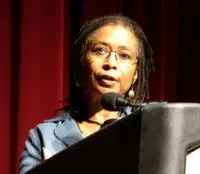
Alice Walker

1944-02-09
Alice Walker is a celebrated American novelist, poet, and activist. Her work often explores themes of race, gender, and identity, particularly within the African American experience. She is widely recognized for her powerful storytelling and her commitment to social justice, drawing inspiration from her own life and the struggles of her community. Her writings are characterized by a deep empathy and a sharp, incisive social commentary.
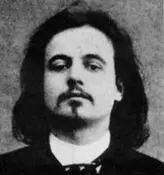
Alfred Jarry

1873-09-08 – 1907-11-01
Alfred Jarry was a French writer, playwright, journalist, and poet, best known for his 1896 play "Ubu Roi". He is a central figure of the Symbolist movement and a precursor to Surrealism and the Theatre of the Absurd. His work is characterized by black humor, social satire, and innovative, provocative language. Jarry is also remembered for his eccentric life and for creating the figure of "Père Ubu", a grotesque and tyrannical character who became an icon of modern literature.
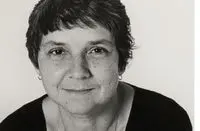
Adrienne Rich
1929-05-16 – 2012-03-27
Adrienne Rich was an American poet, essayist, and feminist activist, recognized for her politically engaged poetry and her exploration of identity, sexuality, and social oppression. Throughout her career, her work evolved to address themes of radical feminism, lesbianism, pacifism, and social justice, becoming an influential voice in counterculture movements and gender studies.
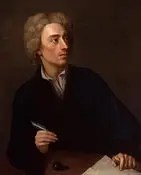
Alexander Pope

1688-05-21 – 1744-05-30
Alexander Pope was a towering figure of English Neoclassical literature, renowned for his sharp wit, satirical genius, and masterful command of the heroic couplet. A key figure of the Augustan age, his poetry often explored moral and philosophical themes with clarity, elegance, and precision. His translations of Homer and his original works remain cornerstones of English poetry, celebrated for their intellectual rigor and polished style.
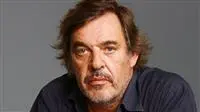
Miguel Sousa Tavares

1952-06-25
Miguel Sousa Tavares is a renowned Portuguese author, known for his engaging prose and his ability to weave narratives that combine historical rigor with a strong human and emotional charge. His works often explore themes such as adventure, discovery, politics, and human relationships in striking historical contexts, winning a vast readership in Portugal and abroad. His writing is characterized by clarity, captivating rhythm, and the psychological depth of his characters.
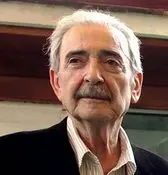
Juan Gelman

1930-05-03 – 2014-01-14
Juan Gelman was one of the most important Argentine poets of the 20th and 21st centuries, known for his dense, political, and profoundly human work. His poetry, marked by an incessant search for language and reflection on memory, loss, and justice, traversed different phases, from initial lyricism to a more engaged and philosophical expression. Gelman was also a journalist and translator, and his life was intrinsically linked to the political upheavals in Argentina and Latin America.
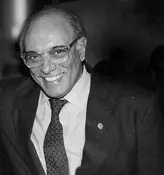
Artur da Távola

1936-01-03 – 2008-05-09
Artur da Távola was a Portuguese poet, essayist, and translator, known for his deeply reflective work and his active participation in the cultural and political life of his time. His writing is marked by careful language and an often melancholic tone, exploring universal themes such as love, death, time, and the human condition. He also stood out for his work as a professor and his connection to various intellectual movements.

Carlos Zimba

Carlos Zimba is a contemporary Mozambican poet, whose work is part of the context of Portuguese-language African literature. His poetry addresses social, identity, and existential themes, reflecting the complexities of Mozambican society and the African continent. His writing is marked by a language that seeks to reconcile tradition with modernity, exploring new forms of poetic expression to give voice to often marginalized realities and feelings.

António Tomé
António Tomé is a contemporary Portuguese poet known for his introspective poetry and exploration of themes such as memory, time, and the human condition. His work is distinguished by its careful language and its ability to evoke deep sensations and reflections.
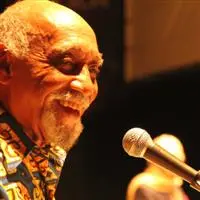
Lilinho Micaia Kalungano

Lilinho Micaia Kalungano is a contemporary Angolan poet, whose work stands out for addressing social and existential themes with a strong and expressive language. His poetry reflects on Angolan reality and the complexities of the human condition. With a striking style, Kalungano seeks to give voice to the experiences of his people, exploring issues of identity, memory, and hope. His contribution to Angolan literature lies in the originality of his vision and the poetic force of his verses.

Mutxhini Ngwenya
Mutxhini Ngwenya is a contemporary poet whose work explores the complexities of identity, cultural heritage, and the human experience in the modern African context. His poetry is characterized by rich and evocative language, blending traditional elements with contemporary perspectives. His works often address themes of belonging, collective memory, and the social and political transformations shaping communities. Ngwenya stands out for his ability to create vivid imagery and the emotional depth he imbues in each verse, inviting the reader to reflect on the human condition and its relationship with the past and future.
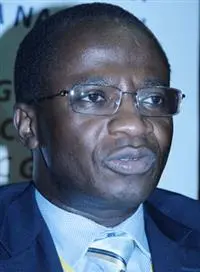
António Pinto de Abreu
1480-01-01 – 1514-01-01
António Pinto de Abreu was a Portuguese jurist and poet, known for his poetic work that explores themes such as love, nature, and religiosity. His writing reflects a lyrical sensibility and a deep appreciation for the beauty of the world, combining careful language with genuine expressiveness. His contributions to Portuguese poetry, although sometimes less prominent than those of his contemporaries, represent a valuable testimony to the lyrical expression of his time, exploring the inner dimension and human feelings.
Marcelo Mosse
Marcelo Mosse is a Brazilian poet and professor, known for his poetry that oscillates between lyricism and existential reflection. With an accessible yet profound language, he explores the nuances of everyday life, human relationships, and the search for meaning in a constantly changing world. His work is marked by acute sensitivity and an unparalleled ability to capture the essence of feelings and experiences. His academic trajectory and his work in education frequently dialogue with his poetic production, affording him a unique perspective on language and artistic expression.
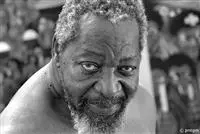
Malangatana Valente Ngwenya
1936-06-06 – 2011-01-05
Malangatana Valente Ngwenya was a prominent Mozambican visual artist and poet, known for his vibrant and multifaceted work that explores cultural roots, Mozambique's history, and the struggles of its people. His paintings, sculptures, and poems are marked by strong expressiveness, intense colors, and stylized figures that evoke spirituality, ancestry, and social reality. Malangatana dedicated his life to art as a form of expression and intervention, becoming a cultural icon of Mozambique.
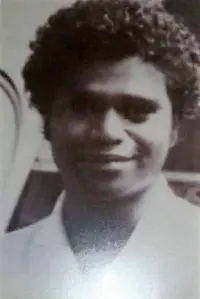
Gulamo Khan
1952-05-11 – 1986-10-19
Gulamo Khan is a Mozambican poet known for his poetry that explores the complexities of identity, culture, and the human condition. His work often reflects the experiences and challenges of living in a post-colonial context, addressing themes such as ancestry, memory, and the search for a sense of belonging. With a language rich in imagery and symbolism, Khan constructs verses that resonate with the musicality and orality of his African roots, while also engaging with the universal literary tradition. His poetry invites reflection on cultural diversity and the universality of human emotions.

Orlando Mendes
1916-08-04 – 1990-01-11
Orlando Mendes was a Portuguese poet, professor, and translator, a prominent figure in Portuguese poetry of the second half of the 20th century. His work, marked by rigorous formal construction and reflective depth, explores themes such as memory, time, the land, and the human condition, with precise and musical language.
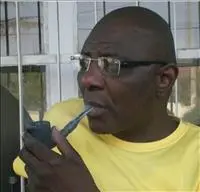
Manuel Meigos Filimone
1960-03-04
Manuel Meigos Filimone is a Mozambican poet, whose work is rooted in the rich culture and lived experiences in Mozambique. His poetry addresses themes such as identity, history, the struggle for freedom, and the beauty of the African land. With strong and expressive language, Filimone seeks to give voice to the realities and aspirations of his people, contributing significantly to Mozambican and African literature.

Julius Kazembe
Julius Kazembe is a name associated with literature in Mozambique, whose work is part of a context of cultural affirmation and reflection on national identity. His writing, often focused on narratives that explore the country's social and political realities, seeks to give voice to experiences and perspectives that shape Mozambican society. Through his stories, Kazembe addresses themes such as daily life, post-independence challenges, and the complexity of human relationships in Mozambique. His contribution to Mozambican literature lies in his ability to portray, with authenticity and sensitivity, the nuances of the Mozambican experience. His work is a testament to the country's literary vitality and the importance of narrative for understanding and preserving collective memory.
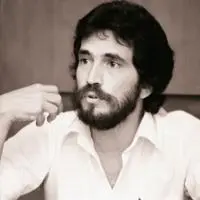
Carlos Cardoso
1951-01-01 – 2000-11-22
Carlos Cardoso was a prominent Mozambican journalist and activist, known for his courage and intransigence in defending press freedom and combating corruption. Founder and director of the newspaper "Metical", he used investigative journalism as a tool to expose abuses of power and promote transparency. His life was marked by a constant struggle against political pressures and threats, culminating in his tragic assassination in 2000. His journalistic work left an indelible legacy in Mozambique's history, inspiring generations of communication professionals to defend democratic values.
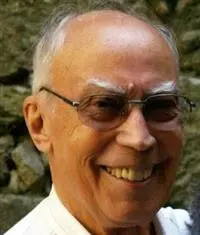
Fernando Couto
1969-08-02 – 2013
Fernando Pessoa is widely recognized as one of the greatest poets in the Portuguese language and a central figure of modernism. He stood out for the creation of multiple heteronyms, each with its own personality, style, and work, which made him a multifaceted and innovative poet. His work explores profound themes such as identity, the fleetingness of time, melancholy, and the existential quest. Pessoa left a vast and complex literary legacy, with a production that spans poetry, prose, and criticism. His work, often published posthumously, continues to fascinate readers and critics with its originality, philosophical depth, and formal mastery, consolidating him as one of the most influential poets of the 20th century.
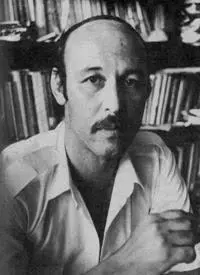
Heliodoro Baptista
1944-05-19 – 2009-05-01
Heliodoro Baptista is a poet whose work is characterized by deep sensitivity and an exploration of poetic language. His poetry often delves into existential themes, love, and the beauty of the everyday, with a style that combines lyricism and introspection. Baptista is recognized for his contribution to contemporary poetry, leaving a record of verses that invite reflection and appreciation of literary art.
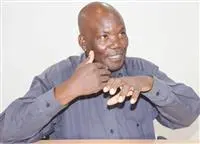
Simeão Cachamba
Simeão Cachamba is an Angolan poet whose poetic work delves into the complex realities of Angola, addressing themes such as identity, memory, the struggle for freedom, and post-independence social transformations. His writing is marked by expressive language and a deep connection to the cultural roots of his country. With an authentic and engaging voice, Cachamba explores the experiences of the Angolan people, their joys and sorrows, their hopes and disappointments. His poetry is a mirror of the contradictions and richness of a country in constant construction, offering an intimate and powerful perspective on the Angolan soul.
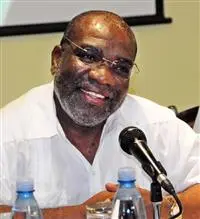
Armando Artur
1962-12-28
Part of 'Generation Charrua' (geração Charrua), a group of writers named after the literary magazine Charrua.
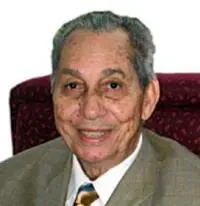
Teobaldo Virgínio

1924
Teobaldo Virgínio was a literary name that marked his time, known for the depth of his reflections and the mastery with which he explored the nuances of the human condition. His poetic work, although not extensive, is notable for its lyrical intensity and its ability to evoke powerful images and universal feelings. Virgínio dedicated himself to the art of the word with unparalleled rigor, leaving a legacy that continues to resonate among readers and critics for its uniqueness and the formal beauty he managed to impart to each verse.