
Browse our collection of authors
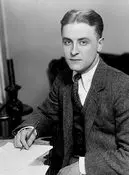
F. Scott Fitzgerald
1896-09-24 – 1940-12-21
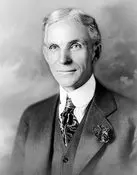
Henry Ford
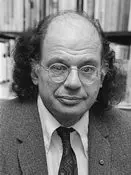
Allen Ginsberg

1926-06-03 – 1997-04-05
Allen Ginsberg was a pioneering American poet and a central figure of the Beat Generation. His work is characterized by its raw, confessional style, prophetic voice, and exploration of themes such as spirituality, sexuality, political dissent, and the critique of American materialism. He was a prominent activist, advocating for civil rights, environmental protection, and nuclear disarmament. His most famous poem, "Howl," became a symbol of countercultural rebellion and freedom of expression.
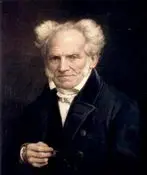
Arthur Schopenhauer
1788-02-22 – 1860-09-21

Adlai Stevenson
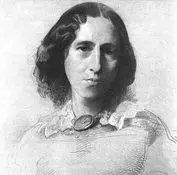
George Eliot

1819-11-22 – 1880-12-22
George Eliot is the pseudonym of Mary Ann Evans, a prominent English novelist of the Victorian era. Eliot is celebrated for her profound psychological insight, moral complexity, and realistic portrayal of English provincial life. Her works often explore themes of morality, religion, determinism, and the position of women in society.
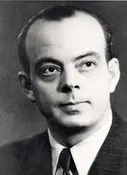
Antoine de Saint-Exupéry
1900-06-29 – 1944-07-31
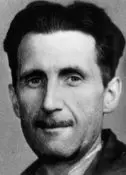
George Orwell
1903-06-25 – 1950-01-21
George Orwell, pseudonym of Eric Arthur Blair, was an English novelist, essayist, and journalist. He is widely known for his works of dystopian fiction, with strong social and political criticism. His most famous works, "Animal Farm" and "1984", explore themes of totalitarianism, surveillance, and the manipulation of truth, becoming references in world literature. Orwell also stood out for his investigative journalism and his engagement in social causes.
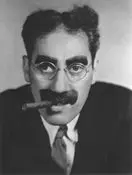
Groucho Marx
1890-10-02 – 1977-08-19
John F. Kennedy
Harry S. Truman
Aristóteles
Carl Sandburg
1878-01-06 – 1967-07-22
Carl Sandburg was an American poet, historian, novelist, and lexicographer. He is considered one of the most important American poets of the 20th century, known for his free verse and his focus on the American working class and the landscapes of the American Midwest. His poetry often celebrated the common man and the industrial might of America, earning him a reputation as the "poet of the people." Beyond his poetry, Sandburg was also a prolific biographer, most notably of Abraham Lincoln, and a collector of folklore and songs.
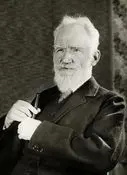
George Bernard Shaw
1856-07-26 – 1950-11-02

A. Lopes Cardoso

1881-01-17 – 1968-05-20

Epicteto
0050-01-01
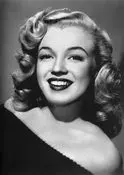
Marilyn Monroe

Mahatma Gandhi

1869-10-02 – 1948-01-30
Mahatma Gandhi was one of the most prominent leaders of India's independence movement against British rule. He was a tireless advocate of nonviolent resistance (Satyagraha) and civil disobedience, principles he successfully applied to achieve his country's freedom. His legacy transcends politics, inspiring civil rights and freedom movements worldwide.
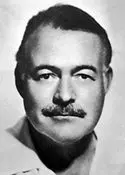
Ernest Hemingway
1899-07-21 – 1961-07-02
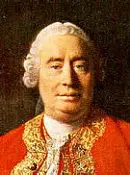
David Hume
1711-05-11 – 1629-01-01
David Hume was a Scottish philosopher, historian, economist, and essayist, considered one of the most important figures of the Scottish Enlightenment and Western philosophy. He is widely recognized as an empiricist and a radical skeptic. His works had a profound influence on the development of philosophy, especially in the areas of epistemology and philosophy of mind.
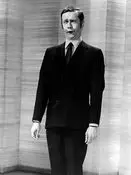
George Carlin
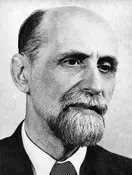
Juan Ramón Jiménez

1881-12-23 – 1958-05-29
Juan Ramón Jiménez was a Spanish poet, awarded the Nobel Prize in Literature in 1956. His work, profoundly marked by symbolism and the desire for "pure poetry," evolved towards an incessant search for beauty and transcendence. His poetry explores themes such as nature, spirituality, love, and the very essence of poetry, with a refined, musical, and visionary style. He is considered one of the great renovators of 20th-century Spanish poetry.

Warren Buffett
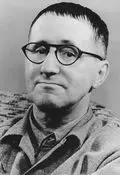
Bertolt Brecht

1898-02-10 – 1956-08-14
Bertolt Brecht was a highly influential German playwright, poet, and theatre director. He is renowned for his pioneering work in epic theatre, which aimed to provoke critical thought rather than emotional immersion. His writings often carried strong political and social messages, critiquing capitalism, war, and injustice. Brecht's innovative techniques, such as the alienation effect (Verfremdungseffekt), revolutionized modern theatre.