Poem of the day

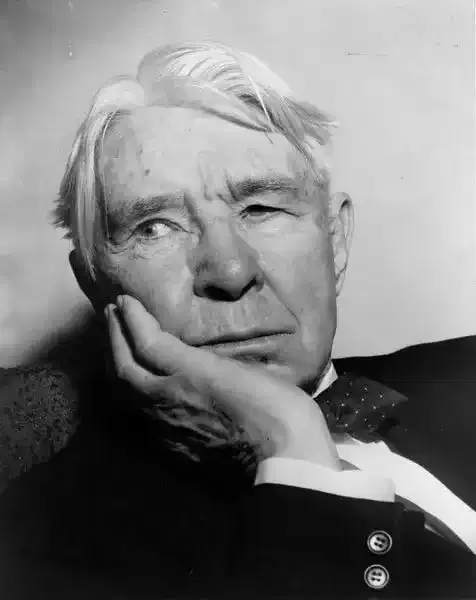
Grass

Carl Sandburg
Pile the bodies high at Austerlitz and Waterloo.
Shovel them under and let me work
-I am the grass; I cover all.

And pile them high at Gettysburg
And pile them high at Ypres and Verdun.
Shovel them under and let me work.
Two years, ten years, and the passengers ask the conductor:

What place is this?
Where are we now?

I am the grass.
Let me work.
Read full poem

Born on this day

10
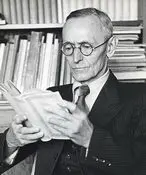
Hermann Hesse

Hermann Hesse was a German-born poet, novelist, and painter who later became a Swiss citizen. Awarded the Nobel Prize in Literature in 1946, his works explore themes of self-discovery, spirituality, and the duality of human nature. Hesse's early life was marked by a search for identity, influenced by his parents' missionary work and his own spiritual leanings. His literary career spanned decades, producing influential novels like 'Siddhartha,' 'Demian,' and 'Steppenwolf,' which resonated with readers seeking meaning in a rapidly changing world.

If you hate a person, you hate something in him th
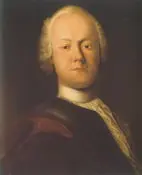
Friedrich Gottlieb Klopstock

Friedrich Gottlieb Klopstock was a German poet, considered the most important German poet of the 18th century. He is known for his odes and epics, which significantly influenced German literature. His most famous work is the epic "Der Messias" (The Messiah), a long narrative about Christian redemption. Klopstock was also an important advocate for the German language, seeking to elevate it to a level comparable to classical languages.

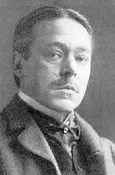
Hjalmar Söderberg

Hjalmar Söderberg was a prominent Swedish writer and journalist. His work is often associated with symbolism and modernism, and is characterized by a melancholic tone, skepticism, and a deep exploration of the human condition, love, and death. Born in Stockholm, Sweden, Söderberg is considered one of the most important authors of modern Swedish literature. His novels and short stories explore existential themes with elegant and ironic prose.

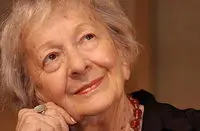
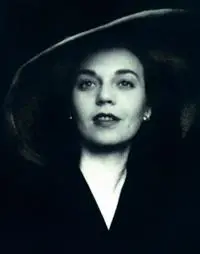
Wisława Szymborska

Wisława Szymborska was a Polish poet, essayist, and translator, awarded the Nobel Prize in Literature in 1996. Her poetry is known for its clarity, irony, and the ability to find the extraordinary in the everyday, exploring themes such as existence, nature, and the human condition with a philosophical and accessible perspective.

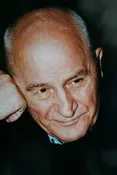
Octavian Paler

Octavian Păunescu, better known as Octavian Paler, was a Romanian poet, essayist, and journalist. His poetic work is marked by a profound reflection on the human condition, time, memory, and the search for meaning, often with an elegiac and philosophical tone. Paler stood out for his lyrical prose and his ability to merge the personal with the universal, addressing existential themes with a refined and imagistic language. He was also a prominent intellectual figure in Romania, known for his penetrating essays and his commitment to freedom and truth.

Orlando da Costa

Orlando da Costa was an Angolan writer and political activist, a central figure in Portuguese-language literature, especially for his connection to the Angolan liberation movement. His work, both fictional and essayistic, reflects a deep commitment to the social and political reality of his country, addressing themes such as identity, colonization, the struggle for independence, and the construction of a new nation. With a multifaceted style, which moves between lyricism, social denunciation, and philosophical reflection, Orlando da Costa sought to give voice to Angola's aspirations and contradictions. His literary production, although sometimes marked by political urgency, is also an exploration of the human condition and the pursuit of justice and freedom.

Mário Simões Dias

Mário Simões Dias was a Portuguese poet, whose work is part of the literary landscape of the first half of the 20th century. His poetry is marked by intense lyricism, exploring themes such as love, death, and the ephemerality of life, often with a melancholic and reflective tone. His style, while possibly engaging with tradition, also reveals a modern sensibility, with an expressive use of language and poetic imagery.

Claude-Michel Cluny

Claude-Michel Cluny was a French writer and translator. His work spans poetry, prose, and essays, exploring themes such as memory, language, and the human condition. He also distinguished himself through his work as a translator, bringing works by authors such as Octavio Paz and Saint-John Perse to French. Cluny was known for his erudition and his dense, evocative writing, which invited reflection.

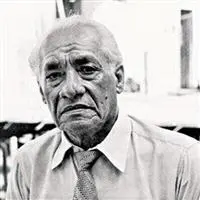
Eliseo Diego

Eliseo Diego was a prominent Cuban poet and essayist, a key figure of the Generation of '50 and a lyrical voice of profound introspection and maturity. His work is characterized by apparent simplicity and a conversational tone that hides a complex reflection on time, memory, identity, and the human condition. Linked to a literary tradition of great formal rigor, Diego managed to combine classical heritage with modern sensibility, creating poetry of great subtlety and existential resonance.

Died on this day

11
Sophia de Mello Breyner Andresen

Sophia de Mello Breyner Andresen was one of the most prominent poets in the Portuguese language, known for her refined lyricism, clarity of thought, and deep connection with Ancient Greece and nature. Her poetic work is marked by a constant search for justice, beauty, and truth, exploring universal themes such as love, death, time, and the human condition, always with a focus on redemption and hope. Her poetry is recognized for its moral strength and formal elegance, combining tradition with a contemporary and accessible language, which made her an essential figure in 20th and 21st-century Portuguese literature.

Rodrigo de Souza Leão

Rodrigo de Souza Leão was a Brazilian poet, highlighted for his innovative lyricism and for the exploration of urban and existential themes. His work is a landmark in Brazilian modern poetry.

Dórdio Leal Guimarães

Dórdio Leal Guimarães is a Portuguese poet whose work is distinguished by its deep connection to the land, tradition, and landscape of Alentejo. His poetry masterfully evokes the simplicity of rural life, human emotions, and the passage of time, using language that, while rooted in orality and popular culture, achieves a high lyrical sophistication. His writing is marked by a melancholic and contemplative tone, celebrating the intrinsic beauty of simple things and the strength of feelings. The poet captured the soul of Alentejo, becoming one of its most faithful and talented literary spokesmen, with a body of work that resonates with its authenticity and depth.

Bruno de Menezes

Bruno de Menezes was a Cape Verdean poet, journalist, and professor, a prominent figure in Cape Verdean literature. His poetic work is known for its musicality, its use of elements of Cape Verdean culture, and its strong connection to his homeland. He is one of the important names in the affirmation of island identity and culture.

Vladimir Nabokov

Vladimir Nabokov was a prominent Russian-American novelist, short-story writer, translator, and literary critic. Born in St. Petersburg to an aristocratic family, he became known for his intricate literary style, wordplay, and complex themes such as memory, identity, and obsession. His most famous work, 'Lolita,' generated both controversy and acclaim. Following the Russian Revolution, Nabokov emigrated with his family, living in Europe before settling in the United States. He taught literature at American universities and wrote in both Russian and English, demonstrating an exceptional command of both languages. His writing is characterized by lyrical prose, subtle humor, and a deep appreciation for beauty and art.

That trite little whimsy about characters getting
Cândida Aires de Magalhães

Cândida Aires de Magalhães is a prominent figure in contemporary poetry, whose work stands out for its lyrical depth and exploration of universal themes with a unique sensitivity. Her writing is characterized by careful language and an unparalleled ability to evoke deep emotions and reflections on life, love, nature, and the human condition. Through verses that combine introspection with a broader view of the world, Magalhães establishes an intimate dialogue with the reader, inviting them to share an enriching aesthetic and existential experience. Her literary contribution is marked by originality and expressive strength.

João Pedro Grabato Dias

João Pedro Grabato Dias is a Portuguese poet whose work is part of the contemporary poetry landscape. His writing is often marked by a strong lyrical and introspective component, exploring themes such as memory, identity, the passage of time, and the individual's relationship with the world. He uses careful language, sometimes dense and imagistic, that invites reflection. His poetry seeks to establish a dialogue with the reader through the exploration of emotions and existential anxieties. Grabato Dias is recognized for his sensitivity and his ability to articulate, in verse, the complexities of human experience, reflecting on the fragility of existence and the search for meaning.

Omar Lara

Omar Lara is a Chilean poet, essayist, and professor, whose work is situated in a context of strong social and cultural reflection. His poetry explores Latin American identity, memory, and resistance, with a language that combines lyricism and engagement. As an intellectual, Lara has a dedicated career to the study and dissemination of the literature and culture of his country and the continent.