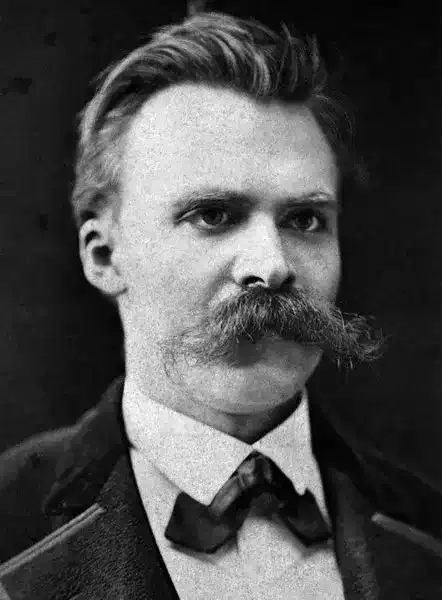
Friedrich Nietzsche
Author of the day

Friedrich Nietzsche

Friedrich Nietzsche was an influential German philosopher, philologist, and cultural critic. His work addresses themes such as morality, religion, truth, art, and the human condition, with a radical critique of traditional Western values. He is known for concepts such as the "death of God", the "superman" (Übermensch), and the "will to power" (Wille zur Macht). His writing is marked by an aphoristic and provocative style, which challenges the reader to rethink their beliefs and values.

Poem of the day

Grass

Carl Sandburg
Pile the bodies high at Austerlitz and Waterloo.
Shovel them under and let me work
-I am the grass; I cover all.

And pile them high at Gettysburg
And pile them high at Ypres and Verdun.
Shovel them under and let me work.
Two years, ten years, and the passengers ask the conductor:

What place is this?
Where are we now?

I am the grass.
Let me work.
Read full poem

Born on this day

11
Eugénio de Castro

Eugénio de Castro was a Portuguese poet, a prominent figure in the transition between the late 19th and early 20th centuries. Linked to Symbolism, his work is marked by intense musicality and a deep exploration of themes such as spirituality, art, and the search for ideal beauty. Considered a renovator of Portuguese poetry, Eugénio de Castro introduced formal and thematic innovations that influenced later generations of poets. His vast literary production encompasses not only poetry but also theater and prose, demonstrating a multifaceted talent and a deep dedication to art.

Gustavo Teixeira

Gustavo Teixeira is a contemporary poet known for his introspective lyricism and exploration of universal themes such as love, the ephemerality of time, and the search for meaning. His poetry is characterized by careful language, evocative imagery, and intrinsic musicality, inviting reflection on the human condition. With a body of work that dialogues with both poetic tradition and modern concerns, Teixeira has established himself as a unique voice in Portuguese-language poetry, captivating readers with the emotional depth and formal beauty of his compositions.

Manuel Meigos Filimone

Manuel Meigos Filimone is a Mozambican poet, whose work is rooted in the rich culture and lived experiences in Mozambique. His poetry addresses themes such as identity, history, the struggle for freedom, and the beauty of the African land. With strong and expressive language, Filimone seeks to give voice to the realities and aspirations of his people, contributing significantly to Mozambican and African literature.

Léon-Paul Fargue

Léon-Paul Fargue was a French poet and writer. He is associated with the Surrealist movement and is known for his lyrical and imagistic poetry. His works often capture the atmosphere of Paris and explore themes of love, time, and memory.

Jean-Joseph Rabearivelo

Jean-Joseph Rabearivelo was a Malagasy poet, often considered Madagascar's greatest poet. His poetic work, marked by deep melancholy and a strong connection to the history and culture of his homeland, explores themes such as identity, memory, loss, and cultural resistance. Rabearivelo is recognized for his ability to merge Western influences with Malagasy oral tradition, creating a unique and powerful poetic voice that continues to resonate.

Dalila Pereira da Costa

Dalila Pereira da Costa is a prominent figure in contemporary Portuguese poetry, known for her lyrical and reflective writing. Her work deeply explores themes such as identity, memory, the female condition, and the complexities of human relationships, often with a melancholic and introspective tone. Using careful and imagistic language, the author crafts poems that resonate with their musicality and their ability to evoke intense emotions. Dalila Pereira da Costa's poetry has been recognized for its originality and the sensitivity with which it addresses the existential experience, consolidating her place in the literary landscape.

Llorenç Gomis

Llorenç Gomis was a Catalan sociologist, journalist, and writer, known for his work in the fields of communication and education. His career was dedicated to reflecting on society, culture, and the media, with a critical and innovative perspective. He addressed topics such as the influence of media in shaping public opinion, the importance of education for citizenship, and the social transformations brought about by technology. His writings and essays are marked by a deep analysis of social dynamics and the pursuit of a more critical understanding of contemporary reality.

Emilio Prados

Emilio Prados was a Spanish poet belonging to the Generation of '27. His work is characterized by a deep lyrical sensibility, marked by themes such as love, nature, solitude, and spiritual quest. His poetry, often intimate and reflective, evolved from the influences of modernism towards a more personal and profound expression. After exile, his work acquired an additional dimension of longing and melancholy, consolidating him as an essential voice of 20th-century Spanish lyricism.

Died on this day

10
António Botto

António Botto was a Portuguese poet who marked his time by the audacity of his themes and his direct approach to sensuality and love, including homosexual love, in a conservative period. His poetry, although sometimes controversial, revealed a refined lyrical sensitivity and a desire for freedom of expression. Botto is an important figure in the history of Portuguese literature for his courage in addressing taboo subjects and for his contribution to the modernization of poetry.

Affonso Romano de Sant'Anna

Affonso Romano de Sant'Anna was a Brazilian poet, literary critic, and essayist, known for his poetry that explores language, metalanguage, and the human condition, often with a philosophical and ironic tone. His work addresses themes such as time, memory, the city, and the individual's relationship with the modern world, using dense and imagistic language. Distinguished for his contribution to Brazilian literature and culture, Sant'Anna also stood out as a university professor and commentator in various media, disseminating literary knowledge and critical reflection. His poetry is marked by formal experimentation and thematic depth, consolidating him as one of the most relevant voices in contemporary Portuguese-language poetry.

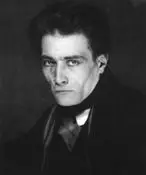
Antonin Artaud

Antonin Artaud was a French playwright, poet, actor, and theater theorist, a central figure of surrealism and the creator of the concept of "Theater of Cruelty." His work is marked by radical experimentation, the pursuit of a language that transcends spoken text, and the exploration of the limits of the mind and body. His life was marked by intense existential crises and mental health problems. Artaud revolutionized theatrical thought with his ideas on staging, the use of space, sound, and gesture, aiming for a visceral impact on the audience. His influence extends beyond the theater, impacting literature, cinema, and visual arts.

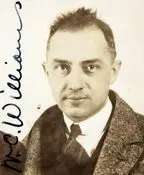
William Carlos Williams

William Carlos Williams was an American poet, physician, and writer closely associated with the Modernist movement. His poetry is characterized by its focus on everyday American life, colloquial speech, and vivid imagery, often drawing inspiration from the ordinary objects and experiences of his surroundings. Williams championed the idea of a distinctly American poetry, free from European influences, and his work significantly impacted the development of Imagism and later poetic movements.

Libertad! Igualdad! Fraternidad!
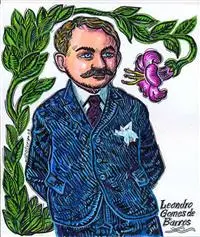
Leandro Gomes de Barros

Leandro Gomes de Barros was a popular poet and Brazilian playwright, considered one of the greatest representatives of cordel literature. Born in the Paraíba sertão, his work is a vivid portrait of the life, customs, beliefs, and conflicts of the Northeastern people. With accessible language and an engaging narrative style, Barros addressed themes such as cangacismo, religiosity, social injustices, love, and bravery, using rhyming verse and popular meter to create stories that captivated and educated. His literary production is vast and diverse, encompassing novels, pamphlets, and plays, many of which have been adapted for other art forms. Leandro Gomes de Barros is an indispensable figure in Brazilian popular culture, whose legacy continues to influence and enchant generations.

Amos Bronson Alcott

Amos Bronson Alcott was an American educational reformer, philosopher, and transcendentalist. He is best known for his pedagogical experiments, including the founding of the Temple School in Boston, where he sought to educate children holistically, emphasizing morality and spirituality. Despite his progressive ideals, his schools often faced financial difficulties and criticism.

Henry Adams

Henry Adams was an American historian, journalist, professor, and novelist. Descended from a prominent American family, Adams dedicated himself to analyzing the history and culture of the United States, especially the period of its founding. His work is known for its critical insight and its exploration of the forces that shape society.

Rafael Montesinos

Rafael Montesinos is a Spanish poet and essayist. His work is marked by a profound reflection on existence, language, and poetry itself. He stands out for his erudition and his ability to dialogue with the literary tradition, while renewing it with a personal and contemporary perspective. His poetic style is characterized by musicality, vocabulary precision, and a fertile imagination, exploring universal themes with unique sensitivity. In addition to his lyrical production, Montesinos has also dedicated himself to the study of literature, contributing critical essays that deepen the understanding of various authors and movements.