Poem of the day

Do Not Go Gentle Into That Good Night

Dylan Thomas
Do not go gentle into that good night, 
Old age should burn and rave at close of day; 
Rage, rage against the dying of the light. 

Though wise men at their end know dark is right, 
Because their words had forked no lightning they 
Do not go gentle into that good night. 

Good men, the last wave by, crying how bright 
Their frail deeds might have danced in a green bay, 
Rage, rage against the dying of the light. 

Wild men who caught and sang the sun in flight, 
And learn, too late, they grieved it on its way, 
Do not go gentle into that good night. 

Grave men, near death, who see with blinding sight 
Blind eyes could blaze like meteors and be gay, 
Rage, rage against the dying of the light. 

And you, my father, there on that sad height, 
Curse, bless, me now with your fierce tears, I pray. 
Do not go gentle into that good night. 
Rage, rage against the dying of the light.
Read full poem

Born on this day

12
Manuel António Pina

Manuel António Pina was a Portuguese poet, writer, playwright, and essayist, a prominent figure in contemporary literature. His work, characterized by apparent simplicity, philosophical depth, and a keen eye on the human condition, explores themes such as childhood, memory, language, and transcendence. Recognized for his originality and his ability to reinvent poetic form, Pina left a significant legacy, marked by reflection on existence and the art of writing.

Alonso Álvares Lopes

Alonso Álvares Lopes was a prominent poet in Portuguese literature. His work, although often associated with deep lyricism and reflection on the human condition, was also characterized by a rich and imagistic language. He explored universal themes such as love, the passage of time, and the ephemerality of life, with a style that combined tradition with innovation. His poetry is recognized for its musicality and its ability to evoke intense feelings, consolidating his place as an important name in Portuguese-language poetry.

Marco Antônio Rosa

Marco Antônio Rosa was a Brazilian poet, writer, and translator, whose work is characterized by a strong connection to popular culture and a colloquial language, but with great aesthetic refinement. He explored themes such as everyday life, the metropolis, memory, and the human condition, often with a touch of irony and melancholy. His poetry is recognized for its musicality and its ability to capture the essence of urban life, moving between the lyrical and the narrative. Marco Antônio Rosa left an important legacy in Brazilian literature, with a work that reflects the complexity and beauty of the world around him, with a keen eye for the small details and the big questions of existence.

Margaret Atwood

Margaret Atwood is an acclaimed Canadian novelist, poet, literary critic, and activist. She is known for her dystopian novels, speculative fiction, and works that explore themes of gender, power, and the environment.

A word after a word after a word is power.
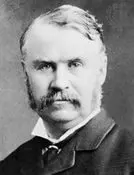
W. S. Gilbert

Sir William Schwenck Gilbert was an English writer, playwright, and poet, best known for his collaboration with composer Sir Arthur Sullivan. Together, they created a series of fourteen light comic operas, including famous works such as 'H.M.S. Pinafore', 'The Pirates of Penzance', and 'The Mikado'. Their librettos are celebrated for their witty humor, clever wordplay, and social satire.

William Shenstone

William Shenstone was an English poet primarily known for his pastoral poem "The School-Mistress". Although his work is not as widely known today as that of some of his contemporaries, he was an admired figure in his time for the delicacy of his poetry and his work as a landscape designer. His poetic style, influenced by figures such as Alexander Pope, was marked by a sentimental tone and a keen observation of rural life. Shenstone is also remembered for his friendships with other writers and his interest in creating picturesque gardens on his estate at The Leasowes.

Luís Ribeiro de Sotomaior

Luís Ribeiro de Sotomaior was a poet whose work falls within the Romantic period in Portugal. His poetic output is marked by a strong lyrical quality, exploring themes such as love, nature, and saudade (longing), distinctive characteristics of the Romantic movement. His writing reflects the sensitivity and aspirations of his time.

Natália Nunes

Natália Nunes was a prominent Portuguese writer and poet, whose literary legacy is marked by her versatility and the sensitivity with which she addressed the human condition. Her work spans various genres, including poetry, fiction, and children's and young adult literature, demonstrating a deep knowledge and mastery of the Portuguese language. Recognized for her engaging writing and her ability to create captivating universes, Natália Nunes left an indelible mark on Portuguese literature. Her contribution extends to the exploration of themes such as love, family, childhood, and the complexities of human relationships, always with a humanist perspective and accessible language.

António José Borges

António José Borges was a Portuguese poet, known for his lyrical work and his active participation in the cultural life of his time. His poetry frequently explores themes such as love, nature, and the transience of life, with careful language and characteristic musicality. He contributed to the dissemination of poetry through his activity in literary publications, leaving a legacy as one of the relevant names in 19th-century Portuguese poetry.

Carlos Alberto Machado

Carlos Alberto Machado was a Portuguese poet whose work stood out for its lyrical depth and reflection on the human condition. He explored universal themes such as love, death, and the passage of time, using a careful language and a style that varied between confessional lyricism and existential contemplation. His poetry is marked by a strong musicality and an expressive use of imagery, which invite the reader to immerse themselves in his emotions and thoughts. Machado left a poetic legacy that continues to be appreciated for its authenticity and for how he captured the complexity of human feelings.

Terrance Hayes

Terrance Hayes is a contemporary American poet, celebrated for his ability to blend elements of the poetic tradition with current social and cultural issues. His work is known for its fusion of lyrical and political tones, often using imagination and irony to address themes such as race, identity, American history, and the Black experience. Hayes is a poet of great versatility and impact.

Zoë Skoulding

Zoë Skoulding is a British poet and sound artist, known for her poetry that often explores the relationship between language, landscape, and sound. Her work is characterized by an experimental and interdisciplinary approach. She combines poetic writing with sound installations and performances, often inspired by natural and urban environments. Her poetry seeks to capture the nuances of perception and sensory experience.

Died on this day

7
António Osório

António Osório was a Portuguese poet who deeply explored the dimensions of faith, love, and human existence in his work. His poetry is marked by a lyrical and introspective language, often addressing religious themes with a personal and contemporary approach. His ability to dialogue with spiritual tradition, yet project it onto the anxieties of modern man, stands out. His writing reflects a constant search for meaning and transcendence, revealing a profound humanism and a keen sensitivity to the complexities of inner life and human relationships.

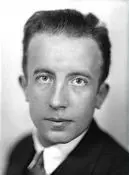
Paul Éluard

Paul Eluard was a highly influential French poet, considered one of the leading figures of Surrealism and a prominent voice in 20th-century French literature. His poetry, characterized by its lyrical beauty, emotional intensity, and profound exploration of love, freedom, and social justice, evolved through various phases, from early Symbolist influences to his engagement with Surrealism and later, with the Resistance movement. Eluard's work is marked by its accessible yet deeply evocative language, its celebration of the everyday, and its unwavering humanism. He is celebrated for his ability to translate complex emotions and political ideals into powerful and enduring poetic expressions, making him a beloved and critically acclaimed figure.

At the Window
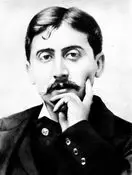
Marcel Proust

Valentin Louis Georges Eugène Marcel Proust was a French novelist, literary critic, and essayist. He is best known for his monumental work "In Search of Lost Time" (À la recherche du temps perdu), a series of seven novels exploring memory, time, art, and society.

And suddenly the memory revealed itself.
Francisco Alves da Costa

Francisco Alves da Costa is a poet distinguished by his ability to combine the power of language with a profound reflection on the human condition. His poetry explores themes such as the passage of time, memory, identity, and the complexities of interpersonal relationships. Through a vigorous style and critical vision, Alves da Costa offers a work that challenges the reader, inviting them to confront the truths of existence and the intrinsic beauty of the world, even in its fragilities.

Alfonso Canales

Alfonso Canales was a Spanish poet and professor. His poetic work is marked by a deep reflection on existence, the human condition, and the ephemerality of time. With a style that moves between the lyrical and the existential, Canales masterfully explored language, seeking to express the complexities of the soul. In addition to his literary production, Canales also dedicated himself to teaching, sharing his love for literature and writing with new generations. His influence extends to both the field of poetry and the educational area, leaving a legacy of sensitivity and thought.

Luis Gonzaga Urbina

Luis Gonzaga Urbina was a prominent Mexican poet, essayist, and literary critic, a key figure of Modernism in Mexico. His work is characterized by formal elegance, the musicality of verse, and a deep sensitivity towards beauty, love, and melancholy. Urbina is remembered for his contribution to the development of Mexican Modernism, providing a refined lyrical voice and an exceptional command of poetic language. His influence extended through his writings and his teaching, leaving an indelible mark on his country's literature.