Jorge Luis Borges
Author of the day

Jorge Luis Borges

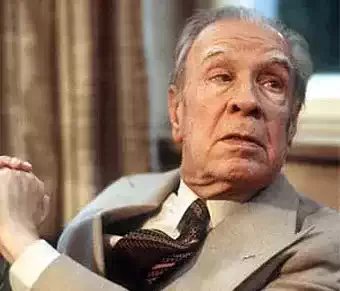
Jorge Luis Borges was an Argentine writer, poet, essayist, and translator. His work is characterized by its philosophical depth, intricate plots, and exploration of themes such as time, infinity, identity, and the nature of reality. Borges is considered one of the most significant literary figures of the 20th century, renowned for his innovative use of literary devices and his profound influence on postmodern literature.

Poem of the day

Grass

Carl Sandburg
Pile the bodies high at Austerlitz and Waterloo.
Shovel them under and let me work
-I am the grass; I cover all.

And pile them high at Gettysburg
And pile them high at Ypres and Verdun.
Shovel them under and let me work.
Two years, ten years, and the passengers ask the conductor:

What place is this?
Where are we now?

I am the grass.
Let me work.
Read full poem

Born on this day

7
Carlos Dantas

Carlos Dantas was a poet whose work is part of the Portuguese literary landscape. His poetry, marked by profound sensitivity and a polished style, addressed universal themes through a language rich in imagery and musicality. He explored the complexities of the human condition, the ephemerality of life, and the beauty of the everyday.

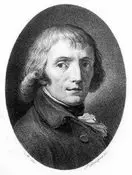
Giuseppe Parini

Giuseppe Parini (May 23, 1729 - August 15, 1799) was an Italian poet and abbot, considered one of the main representatives of the Enlightenment in Italy. He is famous for his satirical poem "Il Giorno" (The Day), which criticizes the customs of the nobility of the time.

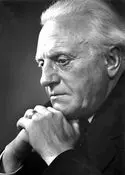
Pär Lagerkvist

Pär Lagerkvist was a renowned Swedish poet, playwright, and novelist, awarded the Nobel Prize in Literature in 1951. His work is characterized by profound existential reflection, exploring themes such as faith, doubt, morality, and the search for meaning in a constantly changing world, often with a lyrical and concise style.

Sílvio Caldas

Sílvio Caldas was a Brazilian singer, composer, and actor, known as "O Caboclinho Querido". He began his career in the 1920s and became one of the biggest stars of the Golden Age of Radio in Brazil. His work spans several decades, with hits in genres such as samba, choro, and popular song. With an unmistakable voice and a distinctive style, Sílvio Caldas left a vast musical legacy, with over 200 recordings and hundreds of compositions. His career included performances on radio, theater, and cinema, consolidating him as an icon of Brazilian popular music.

Antonio Pereira Ferrea Aragão

Antonio Pereira Ferrea Aragão was a notable Portuguese poet, whose work is part of the aesthetic and literary discussions of his time. His poetry is marked by a profound reflection on the human condition, exploring themes such as love, the ephemerality of life, and the search for meaning in a constantly changing world. Aragão demonstrated unparalleled mastery in the use of language, combining the musicality of verse with an imagistic density that invites contemplation.

Martha Asunción Alonso

Martha Asunción Alonso is a Spanish writer whose works explore the diversity of literary genres. Her work is recognized for its sensitivity in approaching themes such as identity, memory, and human relationships, with poetic language and a keen eye for the details of everyday life. She also dedicates herself to prose, weaving narratives that invite reflection.

Helena de Carlos

Helena de Carlos is a Galician writer and poet. Her poetic work explores themes such as identity, memory, and the Galician landscape, with lyrical and profound language. She stands out for her sensitivity in approaching existential issues and for her connection with the cultural roots of her land, offering a unique perspective on the human condition.

Died on this day

12
Roberto Freire

Roberto Freire was a Brazilian writer, psychoanalyst, and activist. Recognized for his literary work, which explores the complexity of the human psyche and Brazil's social issues, he also stood out as an important psychoanalyst and public intellectual. His writing is marked by psychological depth, social criticism, and the pursuit of individual and collective freedom. Freire was an active voice in the defense of human rights and the promotion of critical thinking.

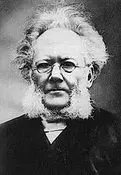
Henrik Ibsen

Henrik Ibsen was a prominent Norwegian playwright, widely regarded as one of the cornerstones of modernism in theatre. His works are known for their deep exploration of human psychology, social criticism, and engagement with themes such as morality, identity, and social conventions. Ibsen revolutionized drama by introducing psychological realism and character complexity that influenced generations of writers.

The worst enemy of truth and freedom in our societ
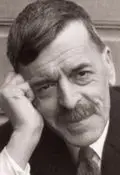
Charles-Ferdinand Ramuz

Charles-Ferdinand Ramuz was a French-speaking Swiss writer. He is considered one of the greatest Swiss writers of the 20th century. His works often portray rural life and the Swiss landscape.

Henri de Régnier

Henri de Régnier was a French poet and novelist, a prominent figure of symbolism. His poetic work is characterized by musicality, the use of classical forms, and the exploration of themes such as love, nature, and melancholy.

Tibúrcio António Craveiro

Tibúrcio António Craveiro was a poet who dedicated his work to the exploration of the human condition and social criticism, often using an ironic and biting tone. His poems are characterized by careful language and the ability to evoke strong images, addressing universal themes such as love, death, and the search for meaning. His literary production reflects a deep understanding of the human soul, exploring the complexities of interpersonal relationships and the contradictions of society. Craveiro stood out for the originality of his style and for the way he managed to combine thematic depth with formal expressiveness, leaving a poetic legacy notable for its authenticity and expressive force.

Maria Natália Miranda

Portuguese poetess whose work is distinguished by lyrical sensitivity and the exploration of themes such as memory, identity, and transcendence. Her poetic compositions reveal a deep connection with nature and a constant search for beauty in the small things in life. Her writing, marked by careful language and subtle musicality, invites introspection and contemplation of the inner world.

Mário Martins de Almeida

Mário Martins de Almeida is a Portuguese poet whose work is distinguished by its lyrical depth and exploration of universal themes such as love, saudade, and the passage of time. With a carefully crafted style, his poetry evokes inner and outer landscapes, weaving a tapestry of feelings and reflections that resonate with the human experience. His writing is an invitation to introspection, marked by formal beauty and emotionality.

Atahualpa Yupanqui

Atahualpa Yupanqui was a legendary Argentine singer-songwriter, guitarist, and writer, considered one of the fundamental pillars of Latin American folk music. His work is characterized by a deep connection with the roots of the continent, the life of the farmer, and the landscape of the Pampas and the Andes. With poetry that intertwines simplicity and depth, Yupanqui portrayed the identity, struggles, and hopes of the indigenous peoples and rural workers. His style, marked by mastery of the guitar and an unmistakable voice, evoked nostalgia, resistance, and the beauty of the land, becoming a symbol of Latin American culture and identity.

José de Espronceda

José de Espronceda was a Spanish poet and playwright, a leading figure of Romanticism in his country. His life, marked by rebellion, exile, and overflowing passions, is reflected in a body of work charged with lyricism, melancholy, and a profound spirit of freedom. Espronceda is known for his narrative poems, his passionate sonnets, and his historical dramas, establishing himself as a symbol of romantic dissatisfaction and quest.

Luis de Góngora y Argote

Luis de Góngora y Argote was one of the most important poets of the Spanish Golden Age and a central figure of literary Baroque. Known for his complex style and learned language, known as culteranismo, he revolutionized the poetry of his time with formal audacity and an innovative use of meter, syntax, and lexicon. His work, which includes sonnets, letrillas, and narrative poems, is characterized by the richness of imagery, musicality, and a deep reflection on universal themes such as love, time, death, and mythology. Despite the difficulties of his time in being fully understood, his legacy is immense and his influence endures to the present day.