

Awards
Premio Reina Sofía de Poesía Iberoamericana
Reina Sofía Poesía
Description
The Prestige of Ibero-American Poetry
The Reina Sofía Ibero-American Poetry Prize is one of the most prestigious awards in the field of Spanish and Portuguese-language poetry. Established in 1992 by the University of Salamanca and the Ministry of Culture of Spain, with the sponsorship of the Royal Household, the prize's main objective is to honor the poetic trajectory of authors who, through their work, have contributed significantly to the Ibero-American literary heritage. The prize is named in honor of Queen Sofía of Spain, recognizing her support for the arts and culture.
Award Criteria
The criteria for awarding the prize focus on the excellence and relevance of the author's complete poetic works. It is not about awarding a specific book, but rather the entirety of the literary production, valuing consistency, innovation, and thematic and formal depth. The jury, composed of renowned international academics, literary critics, and poets, annually selects a recipient who demonstrates a solid career and a distinctive poetic voice. Geographical and stylistic diversity is an important factor in considering candidates, seeking to encompass the different currents and sensibilities of Ibero-American poetry.
Cultural Importance and Impact
The relevance of the Reina Sofía Prize lies in its ability to promote and consolidate the work of poets, many of whom, despite already being recognized in their home countries, gain increased international visibility with this distinction. The prize contributes to the dissemination of poetry in Spanish and Portuguese, strengthening cultural ties between the countries of Latin America, Spain, and Portugal. The award ceremony, generally held in Salamanca, is an event of great cultural importance, attracting the attention of the literary community and the media.
Prestigious Laureates
Throughout its history, the prize has been awarded to key figures in contemporary poetry, such as Octavio Paz, Ángel Crespo, Pere Gimferrer, Fina García Marruz, Nicanor Parra, Antonio Cisneros, Ida Vitale, Raúl Zurita, among many others. The list of laureates reflects the breadth and quality of poetic production in the Ibero-American sphere, including authors from different generations and origins.
Distinguishing Features
A curious fact about the prize is its intrinsic connection to the University of Salamanca, one of the oldest and most prestigious in Europe. This association lends the award a strong academic and institutional character, reinforcing its prestige. Furthermore, the nature of the prize, which celebrates complete works, makes it a recognition of maturity and a consolidated poetic legacy, distinguishing it from other awards that focus on specific works. Its annual recurrence and international projection make it a landmark in the literary calendar, a beacon that illuminates and celebrates the art of poetic word in the vast and rich landscape of the Spanish and Portuguese language.
Winners

Luis Alberto de Cuenca

Spanish poet, literary critic, and translator, Luis Alberto de Cuenca is a prominent figure in the poetry of the second half of the 20th century and the early 21st century. His work is characterized by profound erudition, a conversational tone, and constant intertextuality with popular culture and literary tradition. Through poetry that is accessible yet rich in nuance, he explored universal themes such as love, death, and the passage of time, often with an undertone of melancholy and existential reflection.

Piedad Bonnett


Gioconda Belli

Gioconda Belli is a prominent Nicaraguan poet and novelist, known for her work that addresses themes such as love, sensuality, politics, and female identity. With a powerful and lyrical voice, Belli explores the experience of women in Latin America, challenging social norms and celebrating freedom and resistance. Her writing is often marked by a strong erotic charge and a clear social and political commitment.

Olvido García Valdés
Olvido García Valdés is a Spanish poet whose work stands out for its exploration of language, memory, and identity, with a strong connection to the land and cultural roots. Her poetry is marked by intense sensitivity, a unique rhythm, and an ability to evoke mystery and the sacred in the everyday.
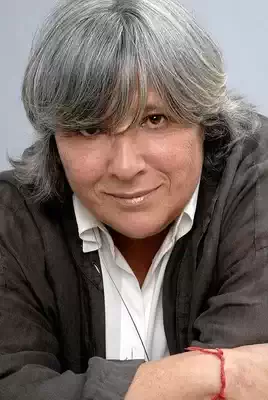
Ana Luísa Amaral

Ana Luísa Amaral was a Portuguese poet, essayist, and translator whose work deeply explored themes such as identity, memory, the body, otherness, and the complex relationship between the human and non-human. With precise and imagistic language, her poetry reflects a constant questioning of the world and the subject's place within it, often permeated by an ecological and feminist sensibility. Her vast body of work, encompassing poetry, essays, and children's and young adult literature, earned her broad national and international recognition, consolidating her as one of the most unique and important voices in contemporary Portuguese-language poetry.

Raúl Zurita

Joan Margarit

Rafael Cadenas
Rafael Cadenas is a Venezuelan poet, essayist, and critic, considered one of the most important voices in contemporary Spanish-language poetry. His work is characterized by a profound reflection on existence, time, memory, and the human condition, often tinged with a serene melancholy and a moving lucidity. Through refined language and apparent simplicity, Cadenas manages to address life's great questions with exceptional intellectual acuity and sensitivity, establishing himself as an indispensable reference for understanding contemporary poetry.
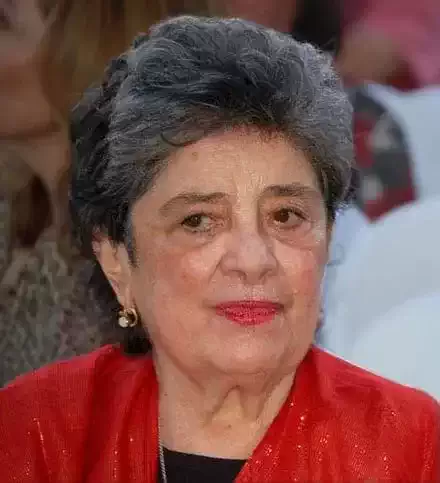
Claribel Alegría
Claribel Alegría was a Nicaraguan poet, essayist, and novelist whose work is characterized by its profound lyricism and social commitment. Throughout her life, she explored universal themes such as love, death, memory, and identity, often intertwining them with the history and politics of Latin America. Her poetry is distinguished by an intimate yet collective voice, capable of evoking intense emotions and deep reflections. Her literary legacy is vast and internationally recognized, having received numerous awards and distinctions. Alegría established herself as one of the most important poetic voices in 20th and 21st-century Spanish-language literature, leaving an indelible mark on the culture and memory of the region.

Antonio Colinas
Spanish poet whose work is distinguished by a deep spirituality, a constant reflection on time, memory, and the search for transcendence. His poetry, characterized by careful musicality and evocative imagery, explores the beauty of the natural world, the mystery of existence, and the intimate connection between human beings and the cosmos. Colinas has managed to bridge lyrical tradition and modernity, creating a unique poetic universe of great philosophical depth.

Ida Vitale

María Victoria Atencia
María Victoria Atencia is a prominent figure in 20th and 21st-century Spanish poetry, known for her erudition-marked work, formal mastery, and profound reflection on time, memory, and the human condition. Her poetry, of great stylistic rigor, explores themes such as beauty, the ephemerality of existence, spirituality, and love, using dense and imagistic language. Atencia is recognized for her ability to combine literary tradition with innovation, creating a unique work of great relevance in the contemporary poetic landscape.
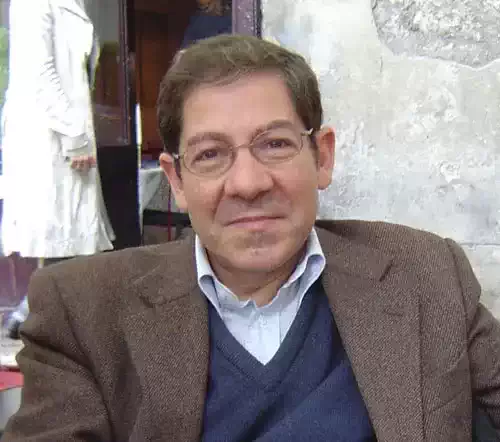
Nuno Júdice
Nuno Júdice was a prominent Portuguese poet, essayist, novelist, and literary critic. His poetic work is characterized by intelligence, irony, and a constant questioning of language, identity, and reality itself. With a style that moves between the lyrical and the reflective, Júdice addressed universal themes such as time, memory, love, and the human condition, always with a sharp eye on the paradoxes of existence. His vast output, recognized nationally and internationally, establishes him as one of the most important authors of contemporary Portuguese-language literature.
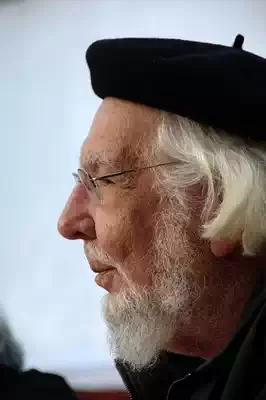
Ernesto Cardenal
Ernesto Cardenal was a Nicaraguan poet, priest, theologian, and politician, a prominent figure of Liberation Theology and one of the most important poets in Latin America. His poetic work is marked by deep spirituality, social and political engagement, and accessible language that dialogues with popular culture. Cardenal dedicated his life to the struggle for social justice and artistic expression, being a fervent defender of human rights and the sovereignty of his people. His poetry is a reflection of his faith, his political convictions, and his love for Nicaragua.

Fina García Marruz

Fina García Marruz was a Cuban poet, essayist, and researcher, considered one of the central figures of 20th-century Cuban poetry and one of the most relevant female voices in Spanish-language literature. Her work is marked by erudition, philosophical depth, and the exploration of identity, memory, and the human condition. With precise and evocative language, García Marruz wove a universe of reflection in her verses about love, death, faith, and the search for transcendence. Her poetry, both intimate and universal, invites contemplation and the discovery of new perspectives on existence.

Francisco Brines
Francisco Brines was a Spanish poet, considered one of the most important voices in Spanish poetry in the second half of the 20th century. His work is characterized by a deep reflection on the human condition, the passage of time, memory, love, and nature, with a lyrical and restrained language. Brines explored existential themes with particular sensitivity, seeking beauty in everyday experiences and in the contemplation of the natural world. His poetry, although often melancholic, possesses an inner strength and serenity that invite introspection, consolidating him as a master of contemporary Spanish lyricism.

José Emilio Pacheco
Mexican poet, essayist, narrator, translator, and academic. Known for his introspective lyricism and his sharp reflection on time, memory, and identity. His work is characterized by deep melancholy, precise language, and a constant interconnection between the personal and the social. He reflected on history, popular culture, and the human condition in the modern world. He stood out for his ability to move between high culture and daily life, integrating diverse elements into a unique poetic worldview.

Pablo García Baena
Pablo García Baena was a distinguished Spanish poet, recognized for his lyrical work of profound sensuality and his connection to surrealism and the Generation of '50. His poetry is characterized by the exploration of themes such as eroticism, the beauty of the body, classical mythology, and decadence, often tinged with a melancholic tone and great verbal plasticity. Baena cultivated a language rich in sensory images and symbolism, creating a poetic universe that is both intimate and universal. His literary career was recognized with important awards, consolidating him as a unique and fundamental figure in contemporary Spanish poetry.
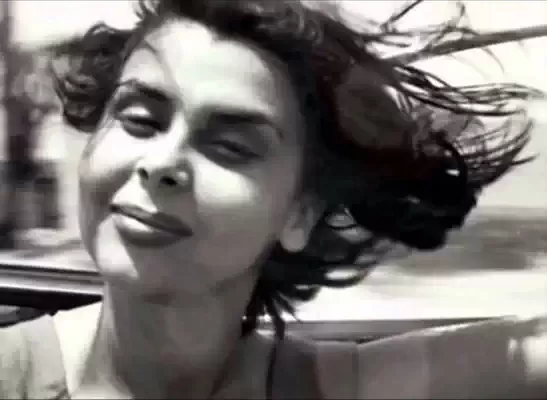
Blanca Varela

Blanca Varela was a Peruvian poet of great relevance, whose work is characterized by philosophical depth, the exploration of language, and the search for the essence of existence. Her poems address themes such as identity, time, solitude, and the relationship of the human being with the universe, with a style marked by conciseness and imagistic power.

Antonio Gamoneda
Antonio Gamoneda is a Spanish poet whose work is characterized by a deep inquiry into the human condition, memory, and the passage of time. His poetry, often dense and of great formal rigor, draws on powerful imagery and a refined language that evokes the ancestral and the elemental. He has been recognized with numerous awards, including the Cervantes Prize, establishing himself as one of the most unique and influential voices in contemporary Spanish-language poetry. His writing is distinguished by a persistent reflection on existence, pain, beauty, and the enigma of being, with a sensitivity that connects the lyrical with the tragic and the mystical, inviting the reader on an introspective and existential journey.
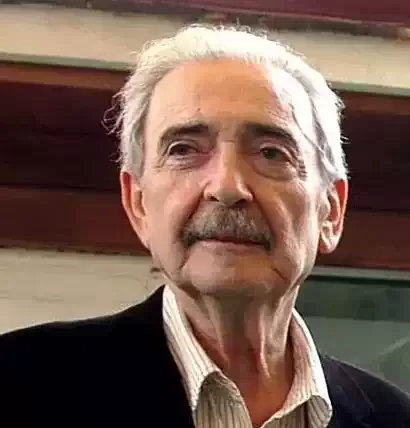
Juan Gelman

Juan Gelman was one of the most important Argentine poets of the 20th and 21st centuries, known for his dense, political, and profoundly human work. His poetry, marked by an incessant search for language and reflection on memory, loss, and justice, traversed different phases, from initial lyricism to a more engaged and philosophical expression. Gelman was also a journalist and translator, and his life was intrinsically linked to the political upheavals in Argentina and Latin America.

José Manuel Caballero Bonald
José Manuel Caballero Bonald was a Spanish poet and novelist, a prominent figure of the Generation of '50. His work is characterized by a deep social and existential charge, addressing themes such as injustice, marginalization, historical memory, and the human condition with a powerful and often heartbreaking language. He was a chronicler of the reality of his time, especially of Andalusia, capturing in his writing the harshness of rural life and the aftermath of the war and post-war period. His literary legacy is immense and his recognition encompasses numerous awards and distinctions.
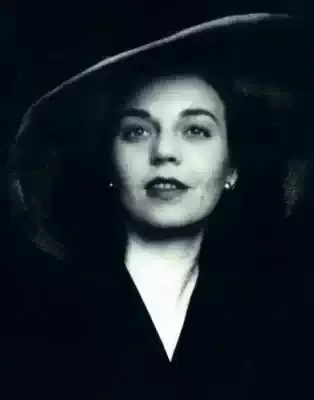
Sophia de Mello Breyner Andresen
Sophia de Mello Breyner Andresen was one of the most prominent poets in the Portuguese language, known for her refined lyricism, clarity of thought, and deep connection with Ancient Greece and nature. Her poetic work is marked by a constant search for justice, beauty, and truth, exploring universal themes such as love, death, time, and the human condition, always with a focus on redemption and hope. Her poetry is recognized for its moral strength and formal elegance, combining tradition with a contemporary and accessible language, which made her an essential figure in 20th and 21st-century Portuguese literature.

José Antonio Muñoz Rojas
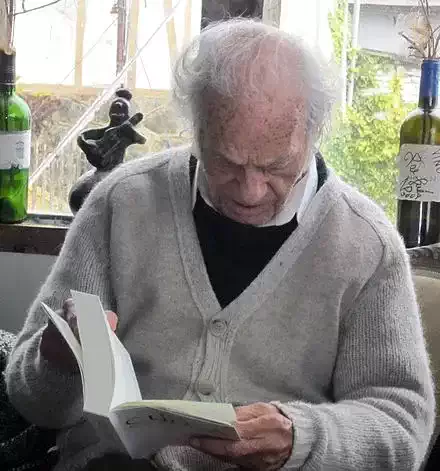
Nicanor Parra

Nicanor Parra was one of the most important Chilean poets of the 20th century, creator of "anti-poetry", a literary genre that rejects traditional poetic language in favor of a more direct, colloquial, and ironic expression. His work questions social and literary conventions, using humor, satire, and common sense to demystify reality and poetry itself. Parra is known for his originality, his biting social criticism, and his profound impact on Latin American literature, being considered a fundamental figure of Chilean Modernism and an unmistakable voice in universal poetry.

Pere Gimferrer
Poet, essayist, and literary critic from Spain, Pere Gimferrer is a central figure in contemporary Catalan and Spanish literature. His poetic work is characterized by profound erudition, constant formal experimentation, and a desire to dialogue between popular culture and high culture. Throughout his extensive career, he has explored themes such as memory, identity, cinema, painting, and mythology, creating a rich and multifaceted lyrical universe. His influence extends to various generations of writers, consolidating his position as one of the most important authors of Catalan and Spanish literature of the 20th and 21st centuries. His work as an essayist and critic has been equally fundamental to understanding the literature and art of his time.
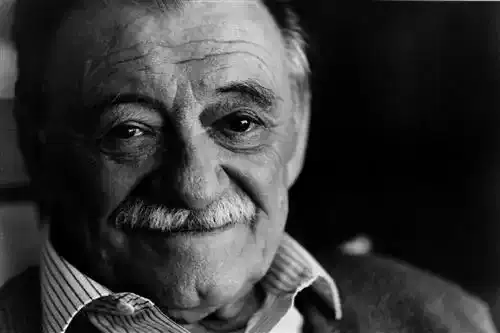
Mario Benedetti

Mario Benedetti was a renowned Uruguayan writer, poet, playwright, and journalist, considered one of the most important names in Latin American literature. His work is characterized by accessible language, a colloquial tone, and deep social sensitivity. Benedetti addressed universal themes such as love, loneliness, politics, and daily life, connecting with a vast readership through poetry and prose that reflect the anxieties and hopes of the common person.

José Ángel Valente

Álvaro Mutis
Álvaro Mutis was a Colombian poet and novelist, a central figure in 20th-century Latin American literature. His work, marked by a profound melancholy, the exploration of identity, and reflection on time and memory, is characterized by a refined language and great musicality. He is especially known for his character Maqroll el Gaviero, a globetrotter who embodies the figure of the exile and the eternal traveler, a symbol of the human condition in modernity. Mutis left a literary legacy of great value, internationally recognized for his stylistic mastery and his profound vision of the world.
Angel González
Ángel González was a Spanish poet, one of the most representative figures of the so-called "Generation of the 50s" or "Post-war Generation." His poetry is characterized by a colloquial, ironic, and often critical tone, which addresses daily life, love, memory, and the human condition from a lucid and disillusioned perspective. With direct and accessible language, González managed to connect with a broad audience, distancing himself from grandiloquent rhetoric. His work is a mirror of the social and sentimental reality of his time, with a deep reflection on identity and the fleetingness of existence.
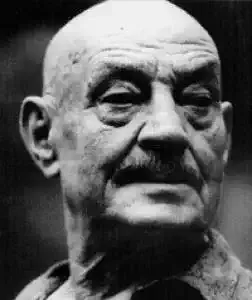
José Hierro
José Hierro was a Spanish poet, one of the central figures of post-war social poetry and one of the innovators of poetic language in Spain. His work is characterized by a profound humanism, a concern for social and existential reality, and constant formal and thematic experimentation. His poetry is distinguished by its reflective tone, its commitment to the human condition, and its search for a language that can name the complexity of the world and of being. Hierro is considered a poet of doubt, of constant questioning, and his work is a testament to the search for meaning in an often turbulent and contradictory world.
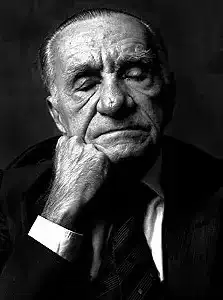
João Cabral de Melo Neto

João Cabral de Melo Neto was one of the most important Brazilian poets of the 20th century. His work is marked by objectivity, formal rigor, and the exploration of language as raw material. He addressed themes such as the Northeastern landscape, the human condition, and poetry itself, with a style often described as concrete and architectural. His poetry seeks precision, clarity, and economy of means, distancing itself from sentimentality and rhetorical excesses.

Claudio Rodríguez
Claudio Rodríguez was a Spanish poet whose work is characterized by his profound reflection on existence, nature, and transcendence. His poetry, rooted in Spanish tradition but open to contemporary currents, stands out for its vigorous language and its ability to find the extraordinary in the everyday. Throughout his career, he explored universal themes with a hopeful and vitalistic perspective, becoming a key figure in Spanish poetry of the second half of the 20th century.
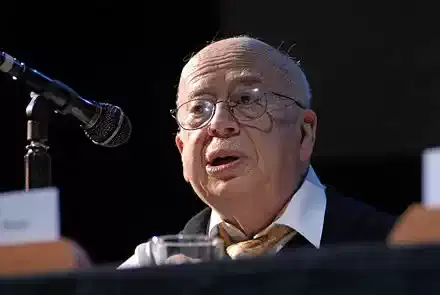
Gonzalo Rojas
Gonzalo Rojas was a Chilean poet recognized for his intense and innovative work. His poetry is marked by a deep reflection on the human condition, exploring themes such as love, death, time, and identity with a powerful and imagistic language. He is considered one of the most important voices in 20th-century Latin American poetry, with a unique style that bridges existentialism and visceral sensuality.