

Awards
Austrian State Prize for European Literature
Austrian State Prize for European Litera
Description
History and Foundation of the Prize
The Austrian State Prize for European Literature (Österreichischer Staatspreis für Europäische Literatur) is one of Austria's most prestigious literary awards, aiming to honor European authors who, through their works, have significantly contributed to the enrichment and understanding of European literature and culture. Established in 1965, the prize is awarded annually by the Austrian Federal Ministry of Education, Science and Research (Bundesministerium für Bildung, Wissenschaft und Forschung).
Initially, the prize was known as the "Großer Österreichischer Staatspreis" (Great Austrian State Prize), but starting from 1965, a specific category for European literature was created, consolidating its international focus.
Selection Criteria and Jury
The prize is not limited to a single book but rather to an author's complete body of work, thereby recognizing a literary career and the lasting impact of their writing. The selection criteria emphasize literary quality, originality, thematic depth, and the relevance of the work within the contemporary European context. The jury, composed of literary experts, critics, and academics, selects the laureate based on nominations and rigorous evaluations.
Cultural Significance and Ceremony
The significance of this award lies in its ability to highlight and celebrate the literary diversity of the European continent, promoting cultural exchange and the recognition of literary voices that may sometimes lack the global visibility they deserve. Over the decades, the prize has been awarded to authors of various nationalities, encompassing a wide range of literary genres and styles, from poetry and prose to essays and drama. The award ceremony, typically held in Vienna, is a significant cultural event, attracting the attention of the international literary community and the media.
Distinguished Laureates and Legacy
Among the laureates are world-renowned names such as Elias Canetti (1967), Witold Gombrowicz (1971), Italo Calvino (1973), Jorge Semprún (1978), Christa Wolf (1987), Milan Kundera (1985), W. G. Sebald (2000), Orhan Pamuk (2005), and Svetlana Alexievich (2015), among many others. The selection of these authors reflects a commitment to recognizing works that explore the human condition, European history, social and political complexities, and that dare to innovate in form and content. The monetary value of the prize, while significant, is secondary to the prestige and recognition it confers. The Austrian State Prize for European Literature continues to be a pillar in the promotion of European literature, encouraging the continuity of literary excellence and dialogue among the continent's cultures.
Winners

Serhiy Zhadan


Joanna Bator


Marie NDiaye


Ali Smith


László Krasznahorkai


Drago JanÄar


Michel Houellebecq
Michel Houellebecq is a French novelist, poet, and essayist, widely regarded as one of the most important and controversial literary figures in contemporary France. His work, marked by ironic pessimism and biting social criticism, explores themes such as individualism, the decline of Western society, sexuality, religion, and existential malaise. His characters are often alienated and disillusioned individuals, struggling to find meaning in a world increasingly fragmented and dominated by consumerism and technology.

Zadie Smith

Karl Ove Knausgård


Andrzej Stasiuk

Mircea Cărtărescu

Mircea Cărtărescu is a prominent Romanian writer, widely recognized as one of the most important poets and novelists in contemporary Romania. His work is marked by narrative complexity, intense lyricism, and a deep exploration of the unconscious, memory, and the human condition. Cărtărescu is known for his dense and imagistic prose, often intertwining fantastic, mythical, and autobiographical elements. He is a central figure in post-communist Romanian literature, having received numerous awards and being frequently cited as a potential candidate for the Nobel Prize in Literature.

Liudmila Ulítskaya


John Banville


Patrick Modiano

Javier Marías

Paul Nizon


Per Olov Enquist


Agota Kristof

A. L. Kennedy

Jorge Semprún

Claudio Magris

Julian Barnes

Cees Nooteboom

Christoph Hein

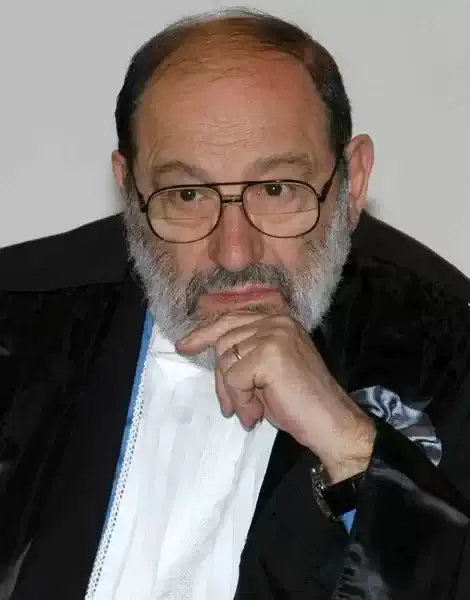
Umberto Eco
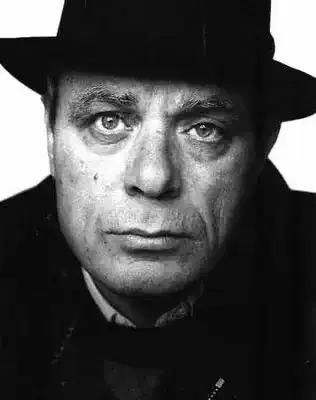
António Lobo Antunes

António Lobo Antunes is one of the most prominent contemporary Portuguese writers, known for his complex work deeply marked by the experiences of the Colonial War in Africa. His writing, characterized by a non-linear narrative structure, the use of multiple points of view, and dense, often fragmented language, explores themes such as memory, madness, violence, guilt, and identity. Lobo Antunes is internationally recognized for his contribution to world literature.

Péter Esterházy

Dubravka Ugrešić

Antonio Tabucchi

Jürg Laederach

Ilse Aichinger

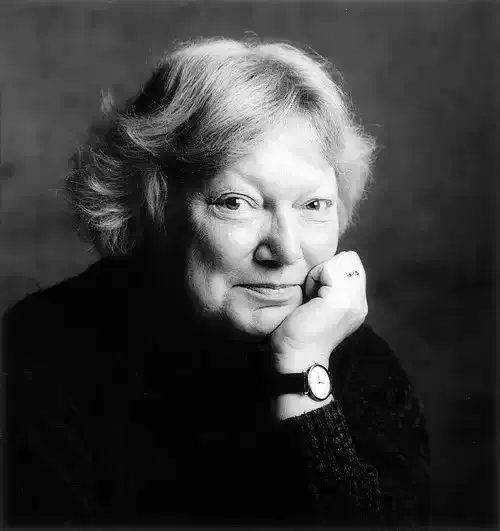
Inger Christensen

Inger Christensen was a Danish poet and essayist, known for her experimental and engaged poetry. Her work explores themes such as language, nature, existence, and the human condition, often using mathematical and scientific structures to organize her verses. She was a prominent figure in Scandinavian literature, with a production that spanned poetry, fiction, and essays, and which continues to be widely studied and admired for its originality and depth.

Chinghiz Aitmatov
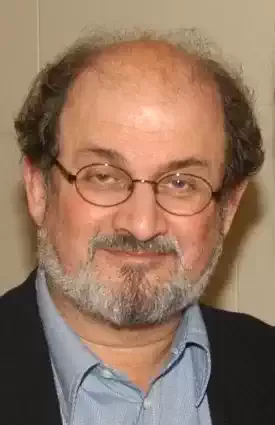
Salman Rushdie

Péter Nádas
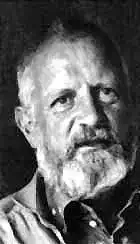
Helmut Heissenbüttel
Helmut Heissenbüttel was a German writer, a pioneer of concrete and experimental poetry in Germany. His work explored the potentialities of language and poetic form, challenging traditional literary conventions. Heissenbüttel is recognized for his avant-garde approach, which significantly influenced contemporary German-language poetry, opening new paths for linguistic and aesthetic experimentation.
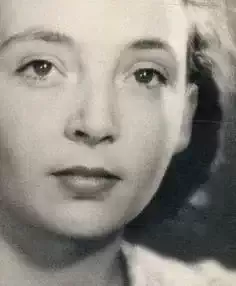
Marguerite Duras
Marguerite Duras was a French writer, playwright, and filmmaker, known for her work exploring the complexities of desire, memory, love, and solitude. Her writing, often fragmented and experimental, reflects her deep understanding of the human psyche and its contradictions. Author of iconic novels such as "The Lover" and "Moderato Cantabile," Duras left a literary and cinematic legacy that continues to fascinate with its emotional intensity and innovative approach to storytelling.

Andrzej Szczypiorski
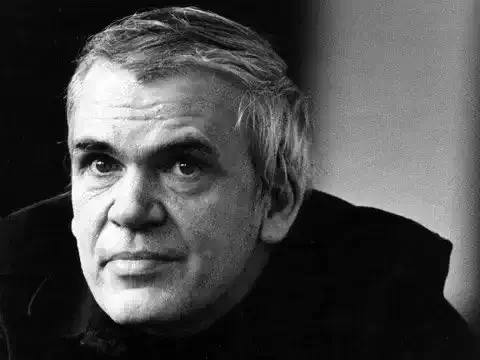
Milan Kundera

Giorgio Manganelli

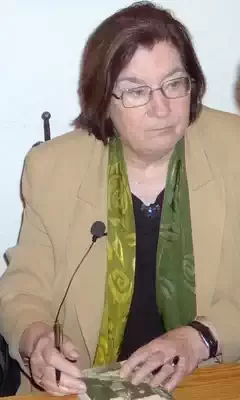
Christa Wolf
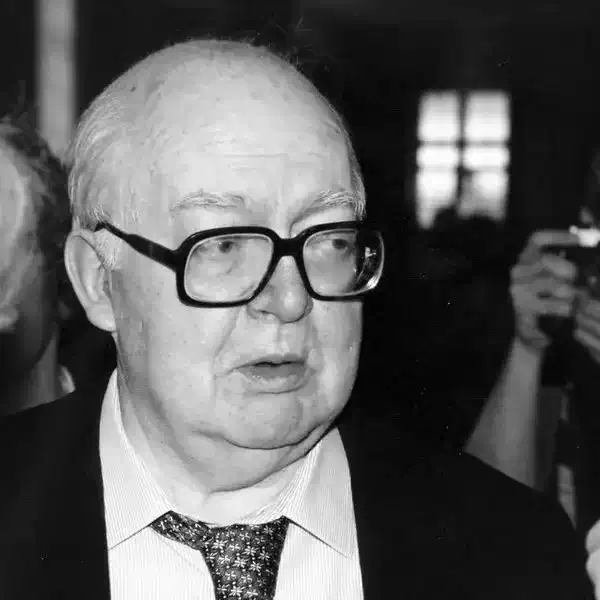
Friedrich Dürrenmatt
Friedrich Dürrenmatt was a prominent Swiss playwright, novelist, and essayist, known for his grotesque and philosophical plays that explore the complexities of the human condition, justice, and morality. He often used elements of black humor, satire, and the absurd to question reality and society. His plays, such as "The Visit" and "The Physicists," achieved international recognition.
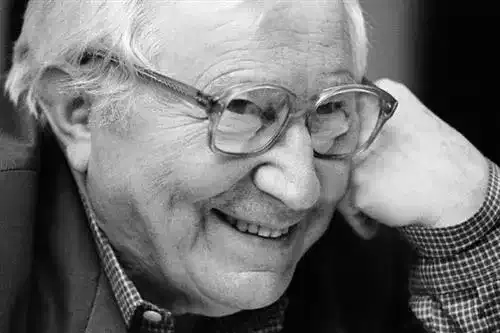
Tadeusz Rózewicz
Tadeusz Rózewicz was a prominent Polish poet, playwright, and essayist, whose work profoundly marked 20th-century literature. After experiencing the horrors of World War II, his poetry became a testament to the fragility of the human condition, questioning language itself and the possibility of expressing the ineffable. His writing is characterized by apparent simplicity, an ironic tone, and a deep reflection on morality and existence.
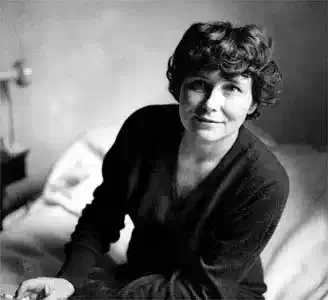
Doris Lessing
Doris Lessing was an Anglo-Iranian novelist and short-story writer, known for her works that explore social, political, and psychological issues, with a strong inclination towards science fiction and feminism. She was awarded the Nobel Prize in Literature in 2007.

Sarah Kirsch
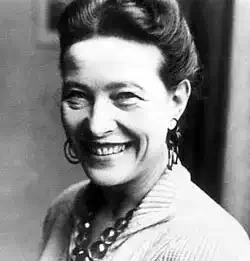
Simone de Beauvoir

Pavel Kohout

Pavel Kohout is a prominent Czech writer, playwright, and screenwriter. His work is known for its social and political critique, often addressing the complexities of life under totalitarian regimes. He is a proponent of freedom of expression and an important figure in the Central European literary and cultural scene.
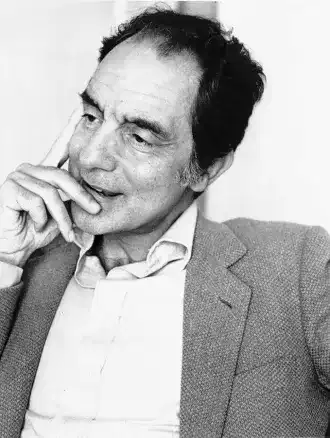
Italo Calvino
Pavel Kohout
Pavel Kohout is a prominent Czech writer, playwright, and screenwriter. His work is known for its social and political critique, often addressing the complexities of life under totalitarian regimes. He is a proponent of freedom of expression and an important figure in the Central European literary and cultural scene.

Sándor Weöres

Harold Pinter

Sławomir Mrożek

Peter Huchel
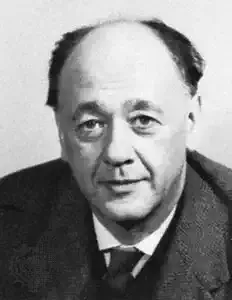
Eugène Ionesco
Eugène Ionesco was a Romanian-French playwright, one of the main representatives of the Theatre of the Absurd. His work is characterized by illogicality, the breakdown of language, and the exploration of the emptiness of human existence, reflecting the anguish and absurdity of the modern world. Plays such as "The Bald Soprano" and "Rhinoceros" are milestones of 20th-century theatre.
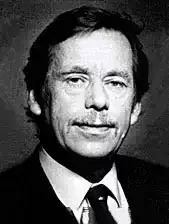
Václav Havel
Václav Havel was a Czech playwright, essayist, dissident, and politician who became one of the most important opponents of the communist regime in his country. As the leader of the Velvet Revolution movement, he played a crucial role in Czechoslovakia's peaceful transition to democracy. His literary work and political writings frequently addressed themes of freedom, truth, and the individual's responsibility in oppressive societies.
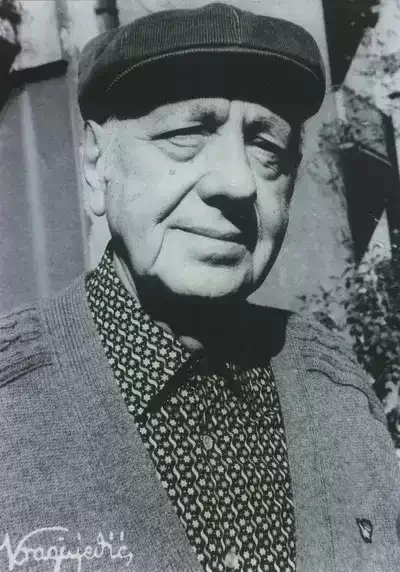
Vasko Popa

Vasko Popa was a Serbian poet considered one of the most important figures in modern Serbian and European poetry. His work, marked by concise and imagistic language, explores universal themes such as identity, memory, and the human condition, often through a mythical and folkloric approach. Popa is known for his ability to transform elements of everyday life and popular imagination into powerful metaphors, creating a unique poetic universe of great depth.

W. H. Auden
W. H. Auden was a British poet, naturalized American, widely considered one of the greatest poets of the 20th century. His work is characterized by thematic and stylistic diversity, addressing issues from social and political matters to intimate reflections on love, death, and faith. Auden stood out for his sharp intellect, mastery of language, and ability to move between the colloquial and the elevated.

Zbigniew Herbert
Zbigniew Herbert was a Polish poet, essayist, and playwright, widely recognized as one of the most important European poets of the second half of the 20th century. His work is marked by a profound reflection on the human condition, history, morality, and classical culture, expressed in precise and rigorous language. He was a voice of integrity and intellectual resistance in times of oppression. Herbert is known for his ironic and often stoic perspective on the great themes of life, frequently using the figure of "Mr. Cogito" to explore the complexity of existence and the struggle for dignity.