

Awards
Grand prémio de literatura DST
Grande Prémio DST
Description
Origin and Objectives of the Prize
The DST Grand Prize for Literature, established in 2003, is an initiative of the Dr. Luís da Silva Foundation (DST) and the Authors' Society (SPA), with the objective of distinguishing and promoting literary works by authors writing in Portuguese.
Characteristics and Criteria
This prize annually distinguishes a literary work published in the previous year, covering genres such as novel, short story, poetry, and chronicle, although its emphasis has predominantly been on prose, particularly the novel.
The selection of winners is carried out by a jury composed of renowned personalities from the literary, academic, and cultural spheres, ensuring a high degree of rigor and impartiality.
Prestige and Recognition
The prize has a significant monetary value, in addition to a trophy, and its award confers considerable prestige on the honored author, boosting their work and visibility in the national and international literary scene.
Cultural and Literary Impact
Over the years, the DST Grand Prize has been a beacon in discovering and consecrating talents, both established authors and emerging voices, contributing to the vitality and diversity of Portuguese-language literature.
Its relevance lies not only in the individual recognition of writers but also in the stimulus to literary creation and the promotion of reading. The DST Foundation, through this prize, demonstrates a continuous commitment to culture and the arts, reinforcing its position as an important patron in the Portuguese context.
Legacy and Importance
The history of the prize is marked by the distinction of works that have become landmarks in contemporary Portuguese-language literature, addressing universal themes and relevant social issues with unquestionable literary quality. Its longevity and the consistency in the quality of the winners solidify its position as one of the most coveted and respected awards in the Lusophone literary world.
With each edition, the anticipation surrounding the winner fuels literary debate and attracts the attention of readers, critics, and other writers, underscoring its cultural and literary importance.
Winners

Luísa Costa Gomes

José Viale Moutinho

José Viale Moutinho was a Portuguese poet, short story writer, and novelist, associated with the Portuguese surrealist movement. His work is marked by imagination, the dreamlike, and the exploration of the subconscious, with a style that transitions between the poetic and the narrative. He is known for rich and evocative language.

Teolinda Gersão

João Luís Barreto Guimarães
João Luís Barreto Guimarães is a Portuguese writer and poet, known for his lyrical work and introspective approach. His poems explore themes such as memory, identity, the passage of time, and the individual's relationship with the world.

João de Melo
João de Melo was a Portuguese poet whose work is part of the context of modern poetry. His work is marked by a deep exploration of the human condition, with an emphasis on the complexities of interpersonal relationships and the search for meaning in a multifaceted reality. His poetic style is distinguished by careful language and the ability to evoke sensory images, which invite reflection. Melo addressed universal themes such as love, saudade, time, and the ephemerality of life, always with an introspective and sometimes melancholic perspective.
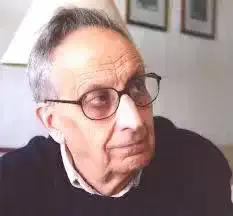
Fernando Guimarães
Fernando Guimarães is a contemporary Portuguese poet, recognized for his profound exploration of the human condition, memory, and the passage of time. His poetic work, marked by careful language and unique sensitivity, reflects on the fragility of existence and the search for meaning in a constantly changing world. With a consolidated career, the poet has been building a body of work that affirms him as a relevant voice in modern Portuguese poetry.
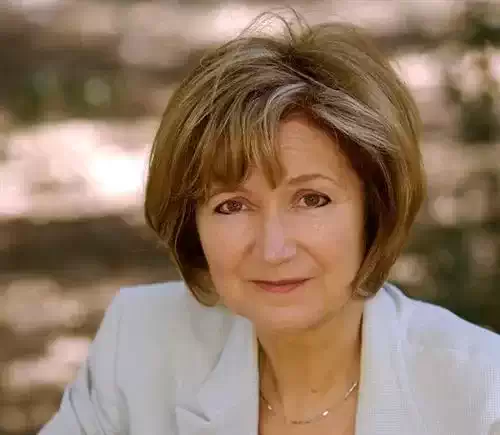
Lídia Jorge
Lídia Jorge is one of the most prominent and celebrated contemporary Portuguese writers, with a vast body of work that spans poetry, novels, and short stories. Her writing is often characterized by psychological depth, the exploration of themes such as memory, identity, the female condition, the history of Portugal, and the complexity of human relationships. With a rich and evocative language, Lídia Jorge has been building a significant literary legacy, marked by sensitivity, intelligence, and a critical look at society. Recognized with multiple national and international awards, her work is translated into several languages, attesting to her importance in the global literary scene. Lídia Jorge is an indispensable voice in Portuguese-language literature, whose work continues to captivate and provoke reflection in its readers.

Daniel Jonas
Daniel Jonas is a contemporary poet whose work is characterized by a deep exploration of language and the human condition, addressing themes such as memory, time, identity, and the relationship with the other. His poetry is distinguished by its formal complexity and the incessant search for new forms of expression, engaging with literary tradition while simultaneously innovating in terms of structure and vocabulary. Jonas is an important voice in contemporary poetry, marked by an intense reflection on existence.
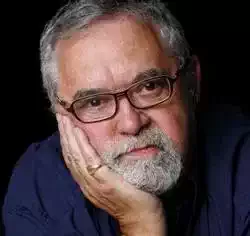
Mário Cláudio
Mário Cláudio is a contemporary Portuguese writer, known for his engaging prose and his ability to explore the complexity of the human condition, memory, and identity. His works, which often delve into the past and its reverberations in the present, are distinguished by their stylistic richness and psychological depth. With a consolidated literary career, Mário Cláudio is a prominent name in Portuguese literature, whose books invite reflection on universal themes, presented through narratives that captivate the reader with their intelligence and sensitivity.
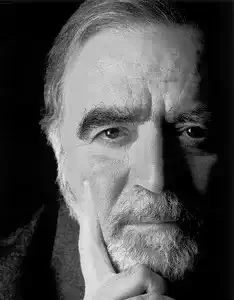
Manuel Alegre
Manuel Alegre is a prominent figure in contemporary Portuguese literature, known for his engaged, lyrical, and deeply human poetry. His work is marked by a strong connection to Portugal's recent history, particularly the period of dictatorship and the struggle for freedom. With a style that combines the power of the word with the subtlety of feeling, Alegre explores themes such as identity, memory, justice, and hope. His poetry, with great popular reach and critical recognition, is a testament to his journey through political life and his experience of the ideals of democracy and civic engagement.
Luísa Costa Gomes
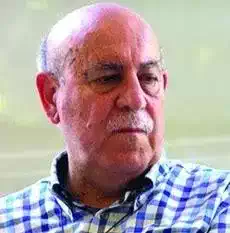
Armando Silva Carvalho
Armando Silva Carvalho was a Portuguese poet, essayist, and translator whose work is marked by a profound reflection on the human condition, memory, and the passage of time. His poetry, characterized by careful language and restrained lyricism, explores universal themes with unique sensitivity. A key figure in contemporary Portuguese literature, Silva Carvalho also stood out for his work as a translator, bringing important works of universal literature into Portuguese, and as an essayist, deepening his vision of art and life.

Jacinto Lucas Pires

Maria Velho da Costa
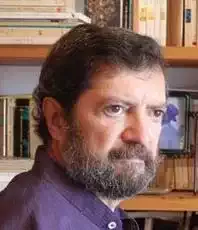
Manuel Gusmão
Manuel Gusmão is a Portuguese poet whose work is distinguished by its rigorous exploration of language and the incessant search for new forms of poetic expression. Throughout his career, Gusmão has developed a poetry that is simultaneously intellectual and visceral, marked by profound reflection on time, memory, identity, and the very nature of poetry. With a body of work that defies easy classification, Gusmão is recognized for his formal experimentation and the density of his poetic discourse. His poetry invites the reader into a complex dialogue, where form and content are intrinsically intertwined, solidifying him as a unique and influential figure in contemporary Portuguese poetry.
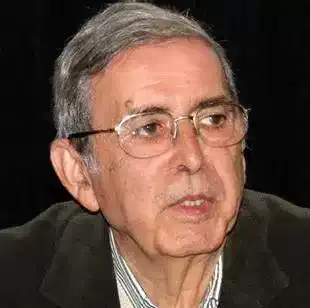
António Manuel Pires Cabral
António Manuel Pires Cabral is a Portuguese poet, essayist, and researcher, whose work is distinguished by its reflection on identity, memory, and the human condition, often rooted in the landscape and culture of Alentejo. His poetry is marked by careful language, a sometimes melancholic tone, and a deep sensitivity to the small things in life and the passage of time. As an essayist and researcher, Pires Cabral has contributed to the study of Portuguese literature and culture, particularly in the field of poetry. His literary and academic work reveals a deep knowledge of literary tradition and a critical perspective on contemporary society.
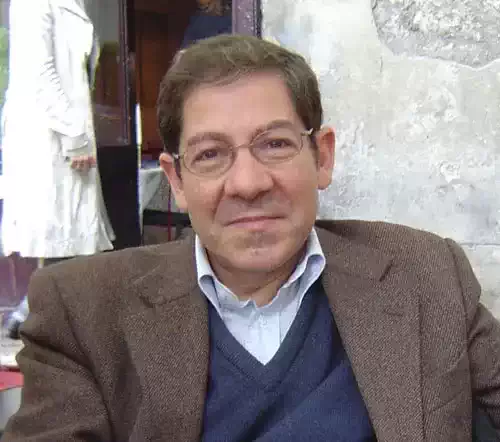
Nuno Júdice
Nuno Júdice was a prominent Portuguese poet, essayist, novelist, and literary critic. His poetic work is characterized by intelligence, irony, and a constant questioning of language, identity, and reality itself. With a style that moves between the lyrical and the reflective, Júdice addressed universal themes such as time, memory, love, and the human condition, always with a sharp eye on the paradoxes of existence. His vast output, recognized nationally and internationally, establishes him as one of the most important authors of contemporary Portuguese-language literature.

Filomena Marona Beja

Gastão Cruz
Gastão Cruz was a Portuguese poet and literary critic, known for his refined and intellectualized poetry. His work explores themes such as memory, time, language, and the ephemerality of existence, with a strong awareness of literary tradition and its reformulation. He was also an important figure in the dissemination and study of literature, with a career marked by erudition and aesthetic sensitivity.

Mário de Carvalho

Vergílio Alberto Vieira
Vergílio Alberto Vieira is a Portuguese poet known for his lyrical and reflective writing. His work often explores themes such as memory, time, the human condition, and the search for meaning. With careful and imaginative language, the poet constructs verses that invite introspection and existential questioning. His poetry is marked by refined sensitivity and profound humanism, establishing a dialogue with literary tradition while innovating in form and content.

José Leon Machado
Vergílio Alberto Vieira
Vergílio Alberto Vieira is a Portuguese poet known for his lyrical and reflective writing. His work often explores themes such as memory, time, the human condition, and the search for meaning. With careful and imaginative language, the poet constructs verses that invite introspection and existential questioning. His poetry is marked by refined sensitivity and profound humanism, establishing a dialogue with literary tradition while innovating in form and content.

Maria Ondina Braga
Maria Ondina Braga was a Portuguese writer whose work encompassed fiction, poetry, and short stories, noted for her lyrical prose and exploration of themes such as identity, memory, the female condition, and the passage of time. Her writing is marked by profound sensitivity, elegant style, and a unique ability to portray the complexity of human relationships and existential dilemmas. Recognized for her contribution to 20th-century Portuguese literature, Maria Ondina Braga left a rich and diverse literary legacy. Her work continues to be studied and valued for its aesthetic quality, thematic relevance, and unique voice in the literary landscape.

Firmino Mendes
Firmino Mendes was a Portuguese writer and poet, whose work is distinguished by its varied thematic approach, ranging from social reflection to lyrical introspection. His writing is marked by a careful style and a strong capacity for observation, exploring language to convey his visions of the world and the human condition, leaving a contribution to Portuguese literature.

Francisco Duarte Mangas
Francisco Duarte Mangas is a contemporary Portuguese poet, known for his work that explores the depths of the human experience with careful and reflective language. His poetry is distinguished by its ability to evoke vivid sensations and images, addressing themes such as memory, time, identity, and the individual's relationship with the world. His writing reflects a deep sensitivity and a constant questioning of existence. With a body of work that develops consistently, Duarte Mangas has been consolidating his voice in the Portuguese poetic landscape. His publications are received with interest by critics and readers, who recognize the aesthetic quality and ability to touch upon universal issues in his poetry. His contribution to contemporary poetry is based on an intimate and philosophical exploration of the human condition.
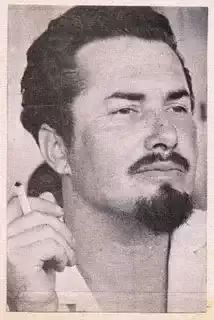
Sebastião Alba
Sebastião Alba was an Azorean poet and professor, known for his work marked by a strong connection to his homeland, island identity, and the human condition. His poetry, often melancholic and reflective, explores themes such as solitude, memory, the passage of time, and the search for meaning in an often adverse universe. With a refined style and a language that evokes the landscape and soul of the archipelago, Alba established himself as a unique voice in contemporary Portuguese poetry.

Orlando de Albuquerque

Orlando de Albuquerque was a Portuguese poet whose work is distinguished by its lyrical depth and exploration of universal themes. His poetry is marked by careful language, sometimes melancholic, and by the ability to evoke powerful images about the human condition, love, nature, and time. Throughout his career, he demonstrated a refined sensitivity to the nuances of existence, offering reflections on life and death with an authentic and moving voice.
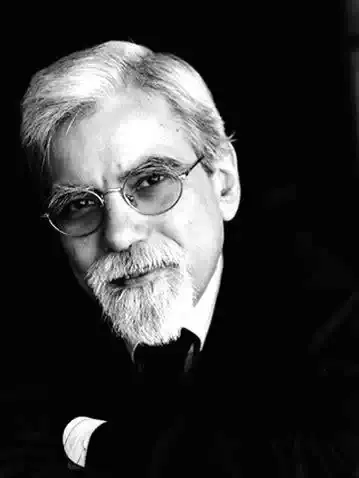
José Manuel Mendes

José Manuel Mendes was a Portuguese poet, essayist, and literary critic whose work was characterized by reflective depth and the exploration of themes such as the human condition, time, and memory. His writing, often marked by an elegiac tone and careful language, reflects an attentive gaze on existence and its complexity. Mendes also stood out for his academic activity and his contribution to the study of literature.