
Courage and Strength

Claude Mckay
The White House
Your door is shut against my tightened face,
And I am sharp as steel with discontent;
But I possess the courage and the grace
To bear my anger proudly and unbent.
The pavement slabs burn loose beneath my feet,
A chafing savage, down the decent street;
And passion rends my vitals as I pass,
Where boldly shines your shuttered door of glass.
Oh, I must search for wisdom every hour,
Deep in my wrathful bosom sore and raw,
And find in it the superhuman power
To hold me to the letter of your law!
Oh, I must keep my heart inviolate
Against the potent poison of your hate.
826
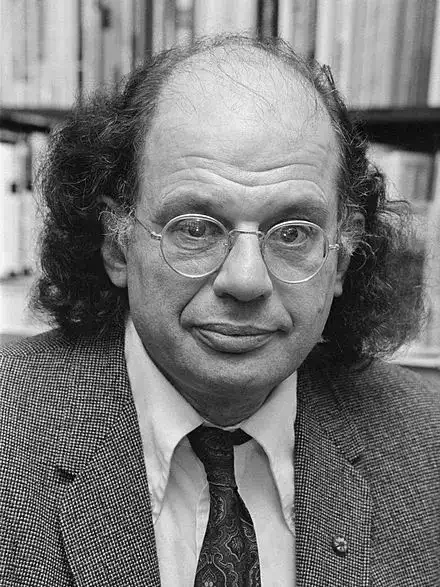
Allen Ginsberg
Kral Majales (King of May)
And the Communists have nothing to offer but fat cheeks and eyeglasses and
lying policemen
and the Capitalists proffer Napalm and money in green suitcases to the
Naked,
and the Communists create heavy industry but the heart is also heavy
and the beautiful engineers are all dead, the secret technicians conspire for
their own glamour
in the Future, in the Future, but now drink vodka and lament the Security
Forces,
and the Capitalists drink gin and whiskey on airplanes but let Indian brown
millions starve
and when Communist and Capitalist assholes tangle the Just man is arrested
or robbed or has his head cut off,
but not like Kabir, and the cigarette cough of the Just man above the clouds
in the bright sunshine is a salute to the health of the blue sky.
For I was arrested thrice in Prague, once for singing drunk on Narodni
street,
once knocked down on the midnight pavement by a mustached agent who
screamed out BOUZERANT,
once for losing my notebooks of unusual sex politics dream opinions,
and I was sent from Havana by planes by detectives in green uniform,
and I was sent from Prague by plane by detectives in Czechoslovakian
business suits,
Cardplayers out of Cezanne, the two strange dolls that entered Joseph K's
room at morn
also entered mine and ate at my table, and examined my scribbles,
and followed me night and morn from the houses of the lovers to the cafes of
Centrum -
And I am the King of May, which is the power of sexual youth,
and I am the King of May, which is long hair of Adam and Beard of my
own body
and I am the King of May, which is Kral Majales in the Czechoslovakian
tongue,
and I am the King of May, which is old Human poesy, and 100,000 people
chose my name,
and I am the King of May, and in a few minutes I will land at London
Airport,
and I am the King of May, naturally, for I am of Slavic parentage and a
Buddhist Jew
who whorships the Sacred Heart of Christ the blue body of Krishna the
straight back of Ram
the beads of Chango the Nigerian singing Shiva Shiva in a manner which
I have invented,
and the King of May is a middleeuropean honor, mine in the XX century
despite space ships and the Time Machine, because I have heard the voice of Blake
in a vision
and repeat that voice. And I am the King of May that sleeps with teenagers
laughing.
And I am the King of May, that I may be expelled from my Kingdom with
Honor, as of old,
To show the difference between Caesar's Kingdom and the Kingdom of the
May of Man
and I am the King of May because I touched my finger to my forehead
saluting
a luminous heavy girl trembling hands who said 'one moment Mr. Ginsberg'
before a fat young Plainclothesman stepped between our bodies - I was
going to England and
I am the King of May, in a giant jetplane touching Albion's airfield
trembling in fear
as the plane roars to a landing on the gray concrete, shakes & expels air,
and rolls slowly to a stop under the clouds with part of blue heaven still
visible.
And tho' I am the King of May, the Marxists have beat me upon the street,
kept me up all night in Police Station, followed me thru Springtime
Prague, detained me in secret and deported me from our kingdom by
airplane.
This I have written this poem on a jet seat in mid Heaven.
830

Rudyard Kipling
The Ballad of the Clampherdown
It was our war-ship Clampherdown
Would sweep the Channel clean,
Wherefore she kept her hatches close
When the merry Channel chops arose,
To save the bleached marine.
She had one bow-gun of a hundred ton
And a great stern-gun beside.
They dipped their noses deep in the sea,
They racked their stays and stanchions free
In the wash of the wind-whipped tide.
It was our war-ship Clampherdown,
Fell in with a cruiser light
That carried the dainty Hotchkiss gun
And a pair of heels wherewith to run
From the grip of a close-fought fight.
She opened fire at seven miles --
As ye shoot at a bobbing cork --
And once she fired and twice she fired,
Till the bow-gun dropped like a lily tired
That lolls upon the stalk.
"Captain, the bow-gun melts apace,
The deck-beams break below,
'Twere well to rest for an hour or twain,
And botch the shattered plates again."
And he answered, "Make it so."
She opened fire within the mile --
As ye shoot at the flying duck --
And the great stern-gun shot fair and true,
With the heave of the ship, to the stainless blue,
And the great stern-turret stuck.
"Captain, the turret fills with steam,
The feed-pipes burst below --
You can hear the hiss of the helpless ram,
You can hear the twisted runners jam."
And he answered, "Turn and go!"
It was our war-ship Clampherdown,
And grimly did she roll;
Swung round to take the cruiser's fire
As the White Whale faces the Thresher's ire
When they war by the frozen Pole.
"Captain, the shells are falling fast,
And faster still fall we;
And it is not meet for English stock
To bide in the heart of an eight-day clock
The death they cannot see."
"Lie down, lie down, my bold A.B.,
We drift upon her beam;
We dare not ram, for she can run;
And dare ye fire another gun,
And die in the peeling steam?"
It was our war-ship Clampherdown
That carried an armour-belt;
But fifty feet at stern and bow
Lay bare as the paunch of the purser's sow,
To the hail of the Nordenfeldt.
"Captain, they hack us through and through;
The chilled steel bolts are swift!
We have emptied our bunkers in open sea,
Their shrapnel bursts where our coal should be."
And he answered, "Let her drift."
It was our war-ship Clampherdown,
Swung round upon the tide,
Her two dumb guns glared south and north,
And the blood and the bubbling steam ran forth,
And she ground the cruiser's side.
"Captain, they cry, the fight is done,
They bid you send your sword."
And he answered, "Grapple her stern and bow.
They have asked for the steel. They shall have it now;
Out cutlasses and board!"
It was our war-ship Clampherdown
Spewed up four hundred men;
And the scalded stokers yelped delight,
As they rolled in the waist and heard the fight,
Stamp o'er their steel-walled pen.
They cleared the cruiser end to end,
From conning-tower to hold.
They fought as they fought in Nelson's fleet;
They were stripped to the waist, they were bare to the feet,
As it was in the days of old.
It was the sinking Clampherdown
Heaved up her battered side --
And carried a million pounds in steel,
To the cod and the corpse-fed conger-eel,
And the scour of the Channel tide.
It was the crew of the Clampherdown
Stood out to sweep the sea,
On a cruiser won from an ancient foe,
As it was in the days of long ago,
And as it still shall be!
836

Alfred Lord Tennyson
The Charge Of The Light Brigade
Half a league, half a league,
Half a league onward,
All in the valley of Death
Rode the six hundred.
'Forward, the Light Brigade!
Charge for the guns!' he said:
Into the valley of Death
Rode the six hundred.
'Forward, the Light Brigade!'
Was there a man dismay'd ?
Not tho' the soldier knew
Some one had blunder'd:
Their's not to make reply,
Their's not to reason why,
Their's but to do and die:
Into the valley of Death
Rode the six hundred.
Cannon to right of them,
Cannon to left of them,
Cannon in front of them
Volley'd and thunder'd;
Storm'd at with shot and shell,
Boldly they rode and well,
Into the jaws of Death,
Into the mouth of Hell
Rode the six hundred.
Flash'd all their sabres bare,
Flash'd as they turn'd in air
Sabring the gunners there,
Charging an army, while
All the world wonder'd:
Plunged in the battery-smoke
Right thro' the line they broke;
Cossack and Russian
Reel'd from the sabre-stroke
Shatter'd and sunder'd.
Then they rode back, but not
Not the six hundred.
Cannon to right of them,
Cannon to left of them,
Cannon behind them
Volley'd and thunder'd;
Storm'd at with shot and shell,
While horse and hero fell,
They that had fought so well
Came thro' the jaws of Death,
Back from the mouth of Hell,
All that was left of them,
Left of six hundred.
When can their glory fade ?
O the wild charge they made!
All the world wonder'd.
Honour the charge they made!
Honour the Light Brigade,
Noble six hundred!
840

Antonio Roberval Miketen
Opportunioty of the Rose
I
The Song of João Moura
The bullfighter shouted in the center of the arena
and the horse danced in the depth of fear.
II
Picasso wanted to paint an arena,
full-sized, accurate,
with miuras with needle-sharp horns, carved
under the sleek black mountains.
On the canvas of the painter bad omens show:
in Guernica, did he paint the victory of the bull?
Consider that the arenas are human roses
ready to burst with the rage of the blood.
If Picassos dream were not so absurd,
Manolete, for sure, in his gala outfit
remembering Linares, would give himself to the bull:
would he repeat, once again, the faena of the rose?
III
Why do we trust the bull with the evidence of the wait,
on this chancy dove, innocent yet a beast?
IV
At the very moment when the body is dressed in gala
the heat of the shroud increases its nakednes.
V
Tragedy of "YIYO"
The mortal spike ripping the flesh
of the bullfighter makes sprout a brutal beauty.
VI
Will I see the day when the bull will find its luck
in the prime of the fake womb of the reckless veronica?
766

Wilfred Owen
Strange Meeting
It seemed that out of the battle I escaped
Down some profound dull tunnel, long since scooped
Through granites which Titanic wars had groined.
Yet also there encumbered sleepers groaned,
Too fast in thought or death to be bestirred.
Then, as I probed them, one sprang up, and stared
With piteous recognition in fixed eyes,
Lifting distressful hands as if to bless.
And by his smile, I knew that sullen hall;
With a thousand fears that vision's face was grained;
Yet no blood reached there from the upper ground,
And no guns thumped, or down the fluies made moan.
"Strange, friend," I said, "Here is no cause to mourn."
"None," said the other, "Save the undone years,
The hopelessness. Whatever hope is yours,
Was my life also; I went hunting wild
After the wildest beauty in the world,
Which lies not calm in eyes, or braided hair,
But mocks the steady running of the hour,
And if it grieves, grieves richlier than here.
For by my glee might many men have laughed,
And of my weeping something has been left,
Which must die now. I mean the truth untold,
The pity of war, the pity war distilled.
Now men will go content with what we spoiled.
Or, discontent, boil bloody, and be spilled.
They will be swift with swiftness of the tigress,
None will break ranks, though nations trek from progress.
Courage was mine, and I had mystery;
Wisdom was mine, and I had mastery;
To miss the march of this retreating world
Into vain citadels that are not walled.
Then, when much blood had clogged their chariot-wheels
I would go up and wash them from sweet wells,
Even with truths that lie too deep for taint.
I would have poured my spirit without stint
But not through wounds; not on the cess of war.
Foreheads of men have bled where no wounds were.
I am the enemy you killed, my friend.
I knew you in this dark; for so you frowned
Yesterday through me as you jabbed and killed.
I parried; but my hands were loath and cold.
Let us sleep now ...
778

Ella Wheeler Wilcox
It Might Have Been
We will be what we could be. Do not say,
"It might have been, had not this, or that, or this."
No fate can keep us from the chosen way;
He only might who is.
We will do what we could do. Do not dream
Chance leaves a hero, all uncrowned to grieve.
I hold, all men are greatly what they seem;
He does, who could achieve.
We will climb where we could climb. Tell me not
Of adverse storms that kept thee from the height.
What eagle ever missed the peak he sought?
He always climbs who might.
I do not like the phrase "It might have been!"
It lacks force, and life's best truths perverts:
For I believe we have, and reach, and win,
Whatever our deserts.
779
Rudyard Kipling
Gunga Din
You may talk o' gin and beer
When you're quartered safe out 'ere,
An' you're sent to penny-fights an' Aldershot it;
But when it comes to slaughter
You will do your work on water,
An' you'll lick the bloomin' boots of 'im that's got it.
Now in Injia's sunny clime,
Where I used to spend my time
A-servin' of 'Er Majesty the Queen,
Of all them blackfaced crew
The finest man I knew
Was our regimental bhisti, Gunga Din.
He was "Din! Din! Din!
You limpin' lump o' brick-dust, Gunga Din!
Hi! slippery hitherao!
Water, get it! Panee lao! [Bring water swiftly.]
You squidgy-nosed old idol, Gunga Din."
The uniform 'e wore
Was nothin' much before,
An' rather less than 'arf o' that be'ind,
For a piece o' twisty rag
An' a goatskin water-bag
Was all the field-equipment 'e could find.
When the sweatin' troop-train lay
In a sidin' through the day,
Where the 'eat would make your bloomin' eyebrows crawl,
We shouted "Harry By!" [Mr. Atkins's equivalent for "O brother."]
Till our throats were bricky-dry,
Then we wopped 'im 'cause 'e couldn't serve us all.
It was "Din! Din! Din!
You 'eathen, where the mischief 'ave you been?
You put some juldee in it [Be quick.]
Or I'll marrow you this minute [Hit you.]
If you don't fill up my helmet, Gunga Din!"
'E would dot an' carry one
Till the longest day was done;
An' 'e didn't seem to know the use o' fear.
If we charged or broke or cut,
You could bet your bloomin' nut,
'E'd be waitin' fifty paces right flank rear.
With 'is mussick on 'is back, [Water-skin.]
'E would skip with our attack,
An' watch us till the bugles made "Retire",
An' for all 'is dirty 'ide
'E was white, clear white, inside
When 'e went to tend the wounded under fire!
It was "Din! Din! Din!"
With the bullets kickin' dust-spots on the green.
When the cartridges ran out,
You could hear the front-files shout,
"Hi! ammunition-mules an' Gunga Din!"
I shan't forgit the night
When I dropped be'ind the fight
With a bullet where my belt-plate should 'a' been.
I was chokin' mad with thirst,
An' the man that spied me first
Was our good old grinnin', gruntin' Gunga Din.
'E lifted up my 'ead,
An' he plugged me where I bled,
An' 'e guv me 'arf-a-pint o' water-green:
It was crawlin' and it stunk,
But of all the drinks I've drunk,
I'm gratefullest to one from Gunga Din.
It was "Din! Din! Din!
'Ere's a beggar with a bullet through 'is spleen;
'E's chawin' up the ground,
An' 'e's kickin' all around:
For Gawd's sake git the water, Gunga Din!"
'E carried me away
To where a dooli lay,
An' a bullet come an' drilled the beggar clean.
'E put me safe inside,
An' just before 'e died,
"I 'ope you liked your drink", sez Gunga Din.
So I'll meet 'im later on
At the place where 'e is gone --
Where it's always double drill and no canteen;
'E'll be squattin' on the coals
Givin' drink to poor damned souls,
An' I'll get a swig in hell from Gunga Din!
Yes, Din! Din! Din!
You Lazarushian-leather Gunga Din!
Though I've belted you and flayed you,
By the livin' Gawd that made you,
You're a better man than I am, Gunga Din!
739
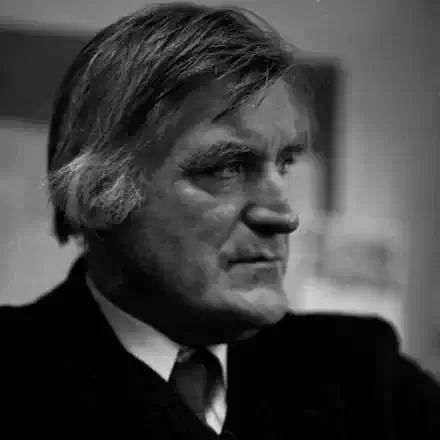
Ted Hughes
Examination at the Womb-Door
Who owns those scrawny little feet? Death.
Who owns this bristly scorched-looking face? Death.
Who owns these still-working lungs? Death.
Who owns this utility coat of muscles? Death.
Who owns these unspeakable guts? Death.
Who owns these questionable brains? Death.
All this messy blood? Death.
These minimum-efficiency eyes? Death.
This wicked little tongue? Death.
This occasional wakefulness? Death.
Given, stolen, or held pending trial?
Held.
Who owns the whole rainy, stony earth? Death.
Who owns all of space? Death.
Who is stronger than hope? Death.
Who is stronger than the will? Death.
Stronger than love? Death.
Stronger than life? Death.
But who is stronger than Death?
Me, evidently.
Pass, Crow.
731

Lord Byron
Translation From Horace
[Justum et tenacem propositi virum, &c.]
The man of firm and noble soul
No factious clamours can control;
No threat'ning tyrant's darkling brow
Can swerve him from his just intent:
Gales the warring waves which plough,
By Auster on the billows spent,
To curb the Adriatic main,
Would awe his fix'd, determined mind in vain.
Ay, and the red right arm of Jove,
Hurtling his lightnings from above,
With all his terrors, there unfurl'd,
He would unmoved, unawed, behold.
The flames of an expiring world,
Again in crashing chaos roll'd,
In vast promiscuous ruin hurl'd,
Might light his glorious funeral pile:
Still dauntless 'midst the wreck of earth he'd smile
733

Paul Laurence Dunbar
The Paradox
I am the mother of sorrows,
I am the ender of grief;
I am the bud and the blossom,
I am the late-falling leaf.
I am thy priest and thy poet,
I am thy serf and thy king;
I cure the tears of the heartsick,
When I come near they shall sing.
White are my hands as the snowdrop;
Swart are my fingers as clay;
Dark is my frown as the midnight,
Fair is my brow as the day.
Battle and war are my minions,
Doing my will as divine;
I am the calmer of passions,
Peace is a nursling of mine.
Speak to me gently or curse me,
Seek me or fly from my sight;
I am thy fool in the morning,
Thou art my slave in the night.
Down to the grave I will take thee,
Out from the noise of the strife,
Then shalt thou see me and know me--
Death, then, no longer, but life.
Then shalt thou sing at my coming,
Kiss me with passionate breath,
Clasp me and smile to have thought me
Aught save the foeman of death.
Come to me, brother, when weary,
Come when thy lonely heart swells;
I'll guide thy footsteps and lead thee
Down where the Dream Woman dwells.
735

Kazi Nazrul Islam
Be Ever Stronger!
Inside and outside, equally always
be stronger, ever!
The more bad times approach,
be firm and don't yield. Never!
The more you fear defeat,
just be that much more brave!
Let your sword-grip not loosen
at the thought of dark grave.
Continue your struggle against the monsters
for the truth's sake;
Death at the battle field? Your name
the world, forever, will take.
This is the command of God:
Be strong on this earth. Always!
It is the braves who have turned impossible
into possible in every age.
The unbelievers and the cowards to
Allah, they are not lovable;
The 'Tiger of Allah' is he,
who attains faith unshakable.
Anyone who loses patience and faith
can't be a Muslim under the sun;
God Himself is whose Lord in this world,
he fears absolutely none!
The believer hears only the echo of Takbir
in all the hatred and prejudice;
rebukes and criticism do not distract him,
at adversity he throws kiss.
God is the ultimate truth;
fear belongs to the domain of falsehood;
All these noise and hulabaloo,
for believers, become nutrition-food.
Have you forgotten
those fearless valiants from Arabia,
who dethroned
the emperors of Rome and Persia?
How many were they in number?
What weapon did their hands hold?
With their complete faith in God,
were they not wonderfully bold?
Oblivious to win or defeat,
they fought valiantly without precedence;
Every corner of the world shook
and trembled at their exemplary confidence.
They ruled the world
while lived like a destitute;
Loss of a battle did not ruin their spirit,
this was their attitude.
They died with a laugh;
retreating was not their mood;
To them Islam was
a perennial struggle against falsehood.
They were the warriors of God in this world,
this is what they knew;
They fought for and achieved freedom;
begging for it was not their view.
Success greets him who desires
to engrave his own death stone;
He can't be a general,
at sighting adversaries, who tremble to his bone.
The more enemies he sees,
his battle-thirst does grow!
Like a blazing fire in veins and bones,
his spirit burns aglow.
His swords become even sharper
as he is hurt more;
As his supplies diminish,
he strikes harder at enemies' door.
Don't despair! All the fatalist
and victims of hopelessness in my sight!
You are already wounded or dead
even without any fight!
The head that you lowered
in God's worship,
do not lower that to anyone,
or to any hardship.
The head that bent before God,
who can further make it bend?
If a sword severs that head,
to pick it up, angels God does send.
He who turns a weak person
into a power house,
he is the Imam to me,
love on him this soul bestows.
Whose words and deeds give strength and courage
to those without determination,
I am decorating his crown;
for him is my mobilization.
He who fasts so that
Eid will knock at poor's door,
I believe he is a beloved of God,
and yes, he is even more.
Against the ambassadors of miseries
or enemies of people,
the braves who will fight them
and make them cripple.
At the command of Allah,
I invite them to the congregation,
those who were asleep,
even they are joining in jubilation.
My Takbir call is only for those
who live like a dead,
the soldiers of the Truth
will come forward, off their comfy bed.
I blow the trumpet
of the rising sun of the coming age,
I have no fear of death,
or of a prison's cage.
I cry and summon all,
standing alone at the new age's minaret,
If a duck does not come forward,
a bird will come with its wing spread.
In this path fear of roaming hawks
and cruel hunters unavoidably lies,
the light-seeking birds are still coming forward
with chirps of sunrise.
Death-scared now are
the men and women of Bengal, to me so dear!
I have taken up the sword
to remove their stubborn fear.
We have heard
the scared souls' sad supplication,
we must rescue and free them,
this is what Allah wants from us as a nation.
We are His servants,
and we have received the mandate;
To save life of those scared people,
we would never hesitate.
I play the trumpet and wave the flag,
as the cloud gathers up above;
our souls will be awaken
with the strike of thunder and rain of love.
Politics paves the way
for our forward march,
victory will visit us again
on this same noble path.
In whose heart there is desire
and effort to become strong again,
I am close to them,
and at their door I knock in pain.
They are being mobilized
in Bengal's motherly lap,
I have seen full moon
shining above like a victory-cap.
[Original: Nitto Prabal Hou! (bengali)
Translation: Mohammad Omar Farooq]
707

Henry Lawson
Talbragar
Jack Denver died on Talbragar when Christmas Eve began,
And there was sorrow round the place, for Denver was a man;
Jack Denver’s wife bowed down her head—her daughter’s grief was wild,
And big Ben Duggan by the bed stood sobbing like a child.
But big Ben Duggan saddled up, and galloped fast and far,
To raise the biggest funeral ever seen on Talbragar.
By station home
And shearing shed
Ben Duggan cried, “Jack Denver’s dead!
Roll up at Talbragar!”
He borrowed horses here and there, and rode all Christmas Eve,
And scarcely paused a moment’s time the mournful news to leave;
He rode by lonely huts and farms, until the day was done
And then he turned his horse’s head and made for Ross’s Run.
No Bushman in a single day had ridden half so far
Since Johnson brought the doctor to his wife at Talbragar.
By diggers’ camps
Ben Duggan sped—
At each he cried, “Jack Denver’s dead!
Roll up at Talbragar!”
That night he passed the humpies of the splitters on the ridge,
And roused the bullock-drivers camped at Belinfante’s Bridge;
And as he climbed the ridge again the moon shone on the rise;
The soft white moonbeams glistened in the tears that filled his eyes;
He dashed the rebel drops away—for blinding things they are—
But ’twas his best and truest friend who died on Talbragar.
At Blackman’s Run
Before the dawn,
Ben Duggan cried, “Jack Denver’s gone!
Roll up at Talbragar!”
At all the shanties round the place they‘d beard his horse’s tramp,
He took the track to Wilson’s Luck, and told the diggers’ camp;
But in the gorge by Deadman’s Gap the mountain shades were black,
And there a newly-fallen tree was lying on the track—
He saw too late, and then he heard the swift hoof ’s sudden jar,
And big Ben Duggan ne’er again rode home to Talbragar.
“The wretch is drunk,
And Denver’s dead—
A burning shame!” the people said
Next day at Talbragar.
For thirty miles round Talbragar the boys rolled up in strength,
And Denver had a funeral a good long mile in length;
Round Denver’s grave that Christmas day rough Bushmen’s eyes were dim—
The Western Bushmen knew the way to bury dead like him;
But some returning homeward found, by light of moon and star,
Ben Duggan dying in the rocks, ten miles from Talbragar.
They knelt around.
He raised his head
And faintly gasped, “Jack Denver’s dead,
Roll up at Talbragar!”
But one short hour before he died he woke and understood;
They told him, when he asked them, that the funeral was good;
And then there came into his eyes a sad and softened light.
He said. “Poor Denver’s wife and kids—you’ll see that they’re all right?”
And still the careless Bushmen tell by tent and shanty bar
How Duggan raised a funeral years back on Talbragar.
And far and wide
When Duggan died.
The bushmen of the western side
Rode in to Talbragar.
707
Alfred Lord Tennyson
Sir Galahad
MY good blade carves the casques of men,
My tough lance thrusteth sure,
My strength is as the strength of ten,
Because my heart is pure.
The shattering trumpet shrilleth high,
The hard brands shiver on the steel,
The splinter'd spear-shafts crack and fly,
The horse and rider reel:
They reel, they roll in clanging lists,
And when the tide of combat stands,
Perfume and flowers fall in showers,
That lightly rain from ladies' hands.
How sweet are looks that ladies bend
On whom their favours fall !
For them I battle till the end,
To save from shame and thrall:
But all my heart is drawn above,
My knees are bow'd in crypt and shrine:
I never felt the kiss of love,
Nor maiden's hand in mine.
More bounteous aspects on me beam,
Me mightier transports move and thrill;
So keep I fair thro' faith and prayer
A virgin heart in work and will.
When down the stormy crescent goes,
A light before me swims,
Between dark stems the forest glows,
I hear a noise of hymns:
Then by some secret shrine I ride;
I hear a voice but none are there;
The stalls are void, the doors are wide,
The tapers burning fair.
Fair gleams the snowy altar-cloth,
The silver vessels sparkle clean,
The shrill bell rings, the censer swings,
And solemn chaunts resound between.
Sometimes on lonely mountain-meres
I find a magic bark;
I leap on board: no helmsman steers:
I float till all is dark.
A gentle sound, an awful light !
Three arngels bear the holy Grail:
With folded feet, in stoles of white,
On sleeping wings they sail.
Ah, blessed vision! blood of God!
My spirit beats her mortal bars,
As down dark tides the glory slides,
And star-like mingles with the stars.
When on my goodly charger borne
Thro' dreaming towns I go,
The cock crows ere the Christmas morn,
The streets are dumb with snow.
The tempest crackles on the leads,
And, ringing, springs from brand and mail;
But o'er the dark a glory spreads,
And gilds the driving hail.
I leave the plain, I climb the height;
No branchy thicket shelter yields;
But blessed forms in whistling storms
Fly o'er waste fens and windy fields.
A maiden knight--to me is given
Such hope, I know not fear;
I yearn to breathe the airs of heaven
That often meet me here.
I muse on joy that will not cease,
Pure spaces clothed in living beams,
Pure lilies of eternal peace,
Whose odours haunt my dreams;
And, stricken by an angel's hand,
This mortal armour that I wear,
This weight and size, this heart and eyes,
Are touch'd, are turn'd to finest air.
The clouds are broken in the sky,
And thro' the mountain-walls
A rolling organ-harmony
Swells up, and shakes and falls.
Then move the trees, the copses nod,
Wings flutter, voices hover clear:
'O just and faithful knight of God!
Ride on ! the prize is near.'
So pass I hostel, hall, and grange;
By bridge and ford, by park and pale,
All-arm'd I ride, whate'er betide,
Until I find the holy Grail.
707
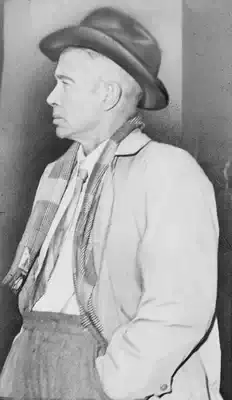
E. E. Cummings
i sing of Olaf glad and big
i sing of Olaf glad and big
whose warmest heart recoiled at war:
a conscientious object-or
his wellbelovéd colonel (trig
westpointer most succinctly bred)
took erring Olaf soon in hand;
but-though an host of overjoyed
noncoms (first knocking on the head
him) do through icy waters roll
that helplessness which others stroke
with brushes recently employed
anent this muddy toiletbowl,
while kindred intellects evoke
allegiance per blunt instruments-
Olaf (being to all intents
a corpse and wanting any rag
upon what God unto him gave)
responds, without getting annoyed
"I will not kiss your fucking flag"
straightaway the silver bird looked grave
(departing hurriedly to shave)
but-though all kinds of officers
(a yearning nation's blueeyed pride)
their passive prey did kick and curse
until for wear their clarion
voices and boots were much the worse,
and egged the firstclassprivates on
his rectum wickedly to tease
by means of skillfully applied
bayonets roasted hot with heat-
Olaf (upon what were once knees)
does almost ceaselessly repeat
"there is some shit I will not eat"
our president,being of which
assertions duly notified
threw the yellowsonofabitch
into a dungeon,where he died
Christ (of His mercy infinite)
i pray to see;and Olaf,too
preponderatingly because
unless statistics lie he was
more brave than me:more blond than you
709
Lord Byron
Song For The Luddites
I.
As the Liberty lads o'er the sea
Bought their freedom, and cheaply, with blood,
So we, boys, we
Will die fighting, or live free,
And down with all kings but King Ludd!
II.
When the web that we weave is complete,
And the shuttle exchanged for the sword,
We will fling the winding sheet
O'er the despot at our feet,
And dye it deep in the gore he has pour'd.
III.
Though black as his heart its hue,
Since his veins are corrupted to mud,
Yet this is the dew
Which the tree shall renew
Of Liberty, planted by Ludd!
695
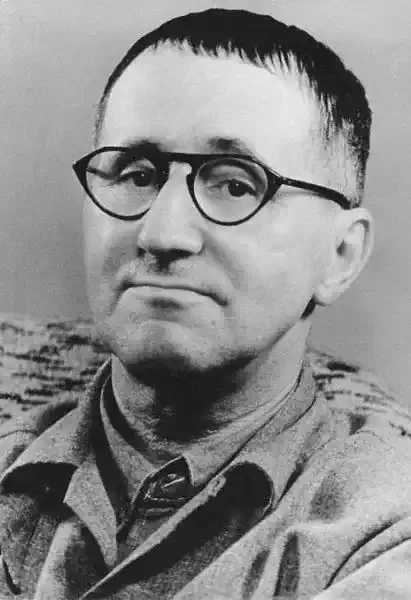
Bertolt Brecht
To the Students of the Workers' and Peasants' Faculty
So there you sit. And how much blood was shed
That you might sit there. Do such stories bore you?
Well, don't forget that others sat before you
who later sat on people. Keep your head!
Your science will be valueless, you'll find
And learning will be sterile, if inviting
Unless you pledge your intellect to fighting
Against all enemies of all mankind.
Never forget that men like you got hurt
That you might sit here, not the other lot.
And now don't shut your eyes, and don't desert
But learn to learn, and try to learn for what.
704

Henry Wadsworth Longfellow
Earlier Poems : Hymn Of The Moravian Nuns Of Bethlehem
At The Consecration Of Pulaski's Banner.
When the dying flame of day
Through the chancel shot its ray,
Far the glimmering tapers shed
Faint light on the cowléd head;
And the censer burning swung,
Where, before the altar, hung
The crimson banner, that with prayer
Had been consecrated there.
And the nuns' sweet hymn was heard the while,
Sung low, in the dim, mysterious aisle.
'Take thy banner! May it wave
Proudly o'er the good and brave;
When the battle's distant wail
Breaks the sabbath of our vale.
When the clarion's music thrills
To the hearts of these lone hills,
When the spear in conflict shakes,
And the strong lance shivering breaks.
'Take thy banner! and, beneath
The battle-cloud's encircling wreath,
Guard it, till our homes are free!
Guard it! God will prosper thee!
In the dark and trying hour,
In the breaking forth of power,
In the rush of steeds and men,
His right hand will shield thee then.
'Take thy banner! But when night
Closes round the ghastly fight,
If the vanquished warrior bow,
Spare him! By our holy vow,
By our prayers and many tears,
By the mercy that endears,
Spare him! he our love hath shared!
Spare him! as thou wouldst be spared!
'Take thy banner! and if e'er
Thou shouldst press the soldier's bier,
And the muffled drum should beat
To the tread of mournful feet,
Then this crimson flag shall be
Martial cloak and shroud for thee.'
The warrior took that banner proud,
And it was his martial cloak and shroud!
704
Kazi Nazrul Islam
Coming of Anondomoyee
How much longer will you
stay hidden behind a clay statue?
Heaven today is subjugated by merciless tyrants.
God's children are getting whipped, heroic youth-hanged.
India today is a butchery-when will you arrive, O Destroyer?
God's soldiers are serving terms of hard labor exiled to desolate islands.
Who will come to the battlefield
unless you come with your sword in your hand?
[Translation: Sajed Kamal]
690
Henry Wadsworth Longfellow
The Challenge of Thor
I am the God Thor,
I am the War God,
I am the Thunderer!
Here in my Northland,
My fastness and fortress,
Reign I forever!
Here amid icebergs
Rule I the nations;
This is my hammer,
Miölner the mighty;
Giants and sorcerers
Cannot withstand it!
These are the gauntlets
Wherewith I wield it,
And hurl it afar off;
This is my girdle;
Whenever I brace it,
Strength is redoubled!
The light thou beholdest
Stream through the heavens,
In flashes of crimson,
Is but my red beard
Blown by the night-wind,
Affrighting the nations!
Jove is my brother;
Mine eyes are the lightning;
The wheels of my chariot
Roll in the thunder,
The blows of my hammer
Ring in the earthquake!
Force rules the world still,
Has ruled it, shall rule it;
Meekness is weakness,
Strength is triumphant,
Over the whole earth
Still is it Thor's Day!
Thou art a God too,
O Galilean!
And thus singled-handed
Unto the combat,
Gauntlet or Gospel,
Here I defy thee!
687
Kazi Nazrul Islam
Song of the Student
We are the power, we are the strength,
We the band of students.
The stormy wind makes obeisance tonus
And clouds and airships bow
Before us, the students class.
We can move in the darkness of the night
Needing no guiding light.
We walk with bare feet
Ever ready to dangers meet.
We move like a terrific flood
Making the stony earth scarlet with our blood.
Throughout the ages
Our blood has wet this soil.
We are not afraid of work or toil,
We the student class.
We hold the reins of the horse
Of the great King Deat.
Our lifeless corpse
Will write the history of our fights.
In the country of laughter, whenever needed,
We bring tears, bitter and cold.
We the students, mighty bold.
When everybody gives wise counsel
We are the people who err.
When the cautious one builds embankments
We sit still and do not stir.
We are the dare-devil youth
Who care for none,
We make our path slippery with blood,
We the student class.
The light of knowledge shines in our eyes,
And in our hearts burn boble ideas.
On our lips dwell no lies,
Which only proclaim
Effortlessly and with ease
The call of all times,
That has survived through war and peace,
And we have made the white lilies
Purple with our blood,
We the students; who move like a mighty flood.
In these terrible days of revolution
We are eager to march ahead and fight,
So that light may burst out
Ending the eternal darkness of the night.
In us seeks the twentieth century
Her emancipation.
With our tears of glory
The mother-earth clothes herself
In resignation.
There is no fear of death for us,
The mighty student class.
We dream of a joyous future, gay and bright,
Built on hope and love,
The milky-way in the sky
Shows us our path, straight and wide.
Let the dream of millions come true and right,
Let them see the splendid sight
Through the eyes of us.
The student class.
Translation: Kabir Chowdhury
694
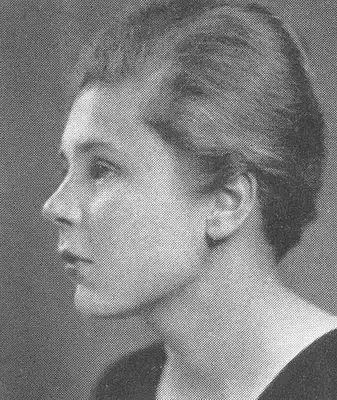
Elizabeth Bishop
Roosters
At four o'clock
in the gun-metal blue dark
we hear the first crow of the first cock
just below
the gun-metal blue window
and immediately there is an echo
off in the distance,
then one from the backyard fence,
then one, with horrible insistence,
grates like a wet match
from the broccoli patch,
flares,and all over town begins to catch.
Cries galore
come from the water-closet door,
from the dropping-plastered henhouse floor,
where in the blue blur
their rusting wives admire,
the roosters brace their cruel feet and glare
with stupid eyes
while from their beaks there rise
the uncontrolled, traditional cries.
Deep from protruding chests
in green-gold medals dressed,
planned to command and terrorize the rest,
the many wives
who lead hens' lives
of being courted and despised;
deep from raw throats
a senseless order floats
all over town. A rooster gloats
over our beds
from rusty irons sheds
and fences made from old bedsteads,
over our churches
where the tin rooster perches,
over our little wooden northern houses,
making sallies
from all the muddy alleys,
marking out maps like Rand McNally's:
glass-headed pins,
oil-golds and copper greens,
anthracite blues, alizarins,
each one an active
displacement in perspective;
each screaming, "This is where I live!"
Each screaming
"Get up! Stop dreaming!"
Roosters, what are you projecting?
You, whom the Greeks elected
to shoot at on a post, who struggled
when sacrificed, you whom they labeled
"Very combative..."
what right have you to give
commands and tell us how to live,
cry "Here!" and "Here!"
and wake us here where are
unwanted love, conceit and war?
The crown of red
set on your little head
is charged with all your fighting blood
Yes, that excrescence
makes a most virile presence,
plus all that vulgar beauty of iridescence
Now in mid-air
by two they fight each other.
Down comes a first flame-feather,
and one is flying,
with raging heroism defying
even the sensation of dying.
And one has fallen
but still above the town
his torn-out, bloodied feathers drift down;
and what he sung
no matter. He is flung
on the gray ash-heap, lies in dung
with his dead wives
with open, bloody eyes,
while those metallic feathers oxidize.
St. Peter's sin
was worse than that of Magdalen
whose sin was of the flesh alone;
of spirit, Peter's,
falling, beneath the flares,
among the "servants and officers."
Old holy sculpture
could set it all together
in one small scene, past and future:
Christ stands amazed,
Peter, two fingers raised
to surprised lips, both as if dazed.
But in between
a little cock is seen
carved on a dim column in the travertine,
explained by gallus canit;
flet Petrus underneath it,
There is inescapable hope, the pivot;
yes, and there Peter's tears
run down our chanticleer's
sides and gem his spurs.
Tear-encrusted thick
as a medieval relic
he waits. Poor Peter, heart-sick,
still cannot guess
those cock-a-doodles yet might bless,
his dreadful rooster come to mean forgiveness,
a new weathervane
on basilica and barn,
and that outside the Lateran
there would always be
a bronze cock on a porphyry
pillar so the people and the Pope might see
that event the Prince
of the Apostles long since
had been forgiven, and to convince
all the assembly
that "Deny deny deny"
is not all the roosters cry.
In the morning
a low light is floating
in the backyard, and gilding
from underneath
the broccoli, leaf by leaf;
how could the night have come to grief?
gilding the tiny
floating swallow's belly
and lines of pink cloud in the sky,
the day's preamble
like wandering lines in marble,
The cocks are now almost inaudible.
The sun climbs in,
following "to see the end,"
faithful as enemy, or friend.
682

William Blake
A War Song to Englishmen
Prepare, prepare the iron helm of war,
Bring forth the lots, cast in the spacious orb;
Th' Angel of Fate turns them with mighty hands,
And casts them out upon the darken'd earth!
Prepare, prepare!
Prepare your hearts for Death's cold hand! prepare
Your souls for flight, your bodies for the earth;
Prepare your arms for glorious victory;
Prepare your eyes to meet a holy God!
Prepare, prepare!
Whose fatal scroll is that? Methinks 'tis mine!
Why sinks my heart, why faltereth my tongue?
Had I three lives, I'd die in such a cause,
And rise, with ghosts, over the well-fought field.
Prepare, prepare!
The arrows of Almighty God are drawn!
Angels of Death stand in the louring heavens!
Thousands of souls must seek the realms of light,
And walk together on the clouds of heaven!
Prepare, prepare!
Soldiers, prepare! Our cause is Heaven's cause;
Soldiers, prepare! Be worthy of our cause:
Prepare to meet our fathers in the sky:
Prepare, O troops, that are to fall to-day!
Prepare, prepare!
Alfred shall smile, and make his harp rejoice;
The Norman William, and the learnèd Clerk,
And Lion Heart, and black-brow'd Edward, with
His loyal queen, shall rise, and welcome us!
Prepare, prepare!
656
Kazi Nazrul Islam
The War Drum
O come, come along!
There sounds the war-drum
from beyond the vast deep.
O come, come along!
Islam is about to die.
The devils have taken over,
they brag and rejoice,
they crush under their feet
the skulls of martyrs.
O come, come along! Die if you must,
but let not your manhood be disgraced!
Grab the crest of the gale
in the iron fist of a Muslim,
sound the horn and unfurl the flag.
The heroes are eager to fight,
listen not to the soft words of the cowards!
Your honour and life are at stake today!
O come, come along!
There sounds the war-drum
from beyond the vast deep.
O come, come along!
There you can hear the ringing of the weapons!
Alas, how can one stay away
and tolerate this disgrace?
O come, come along!
Your brothers look at you
with pensive eyes.
Oh, how ashamed it makes me feel!
Won't the sword flash out yet
in your hands?
Won't the flood in your veins
dance with joy
as you hear the war-drums beat?
O come, come along!
We are vigorous and full of life,
In our hands alone does the sword
find a fitting place!
Ignoble are they who fall in a faint
and kiss the ground with chains
around their neck. How dare a cur kick at a lion?
Will an elephant be moulded by a jackal?
There you can hear the ringing of the weapons
O come, come along!
There sound the war-drums, t
here sound the battle-cries!
There the lion-hearted heroes roar!
O come, come along!
Give up all sadness of the mind,
abandon your chest of wealth,
take up arms, and let your heart beat
with a noble rage!
O come, come along,
dance with joy, and fight for justice and truth!
come, brother, give up your life today
in the name of Allah!
See how the battle-cry of Faith
resound throughout the earth and the sky!
Hear the roars go up:
'No giving up today
Only taking over! '
Be ready now for the supreme sacrifice! .
Oh, all glory is about to disappear!
O come, come along!
There you can hear the ringing of the arms,
there you can hear the war-drums beat!
O come, come along!
Don your battle dress!
Will you hide your face in shame?
How far is the land
where everyday heroes celebrate
the festival of death
and spill gaily the blood of the foe?
Put on the attire of the brave
and rush to the land of those heroic people.
Today men of a captive land
go to secure the freedom of a free country!
O come, come along!
Say: Long live truth!
Long live the heroic and the noble!
Let the timids die!
As women hear the war-drums beat
they too laugh happily and clap their hands,
they too rush to the battle-field!
We want to fight!
We want to fight!
So beat the drum,
put your helmet on,
hold aloft the sword in your hand
For justice and truth we fight,
clad in crimson clothes are we!
O come, come along!
There sound the war-drums,
there they don the battle-dress!
O come, come along
There the bugler sounds the call for war
at the door of the seige,
there the canons break out in a song!
O come, come along!
There sound the war-drums,
there sound the battle-cries!
Come, raise your voice now
like the great Hazrat Ali's,
there is nothing to fear!
You will surely slay the false giant,
you will surely make truth prevail!
Have no fear as you march along
to kill your foe!
We are bold and fearless,
there is no timidity in our blood.
Holding high the standard of truth and justice
we shall destroy tile tyrants.
We are invincible,
we are full of love;
yet we can bear at ease our chest
before the sword!
The fighters are we,
we he long to the breed of real martyrs,
we gladly embrace death
fighting the tyrants.
Smilingly we receive the thrust
of the sword
On our breast.
We sing the victory of Freedom!
O come, come along!
There sound the war-drums
from beyond the vast deep! !
[Translation: Kabir Chowdhury]
There sounds the war-drum
from beyond the vast deep.
O come, come along!
Islam is about to die.
The devils have taken over,
they brag and rejoice,
they crush under their feet
the skulls of martyrs.
O come, come along! Die if you must,
but let not your manhood be disgraced!
Grab the crest of the gale
in the iron fist of a Muslim,
sound the horn and unfurl the flag.
The heroes are eager to fight,
listen not to the soft words of the cowards!
Your honour and life are at stake today!
O come, come along!
There sounds the war-drum
from beyond the vast deep.
O come, come along!
There you can hear the ringing of the weapons!
Alas, how can one stay away
and tolerate this disgrace?
O come, come along!
Your brothers look at you
with pensive eyes.
Oh, how ashamed it makes me feel!
Won't the sword flash out yet
in your hands?
Won't the flood in your veins
dance with joy
as you hear the war-drums beat?
O come, come along!
We are vigorous and full of life,
In our hands alone does the sword
find a fitting place!
Ignoble are they who fall in a faint
and kiss the ground with chains
around their neck. How dare a cur kick at a lion?
Will an elephant be moulded by a jackal?
There you can hear the ringing of the weapons
O come, come along!
There sound the war-drums, t
here sound the battle-cries!
There the lion-hearted heroes roar!
O come, come along!
Give up all sadness of the mind,
abandon your chest of wealth,
take up arms, and let your heart beat
with a noble rage!
O come, come along,
dance with joy, and fight for justice and truth!
come, brother, give up your life today
in the name of Allah!
See how the battle-cry of Faith
resound throughout the earth and the sky!
Hear the roars go up:
'No giving up today
Only taking over! '
Be ready now for the supreme sacrifice! .
Oh, all glory is about to disappear!
O come, come along!
There you can hear the ringing of the arms,
there you can hear the war-drums beat!
O come, come along!
Don your battle dress!
Will you hide your face in shame?
How far is the land
where everyday heroes celebrate
the festival of death
and spill gaily the blood of the foe?
Put on the attire of the brave
and rush to the land of those heroic people.
Today men of a captive land
go to secure the freedom of a free country!
O come, come along!
Say: Long live truth!
Long live the heroic and the noble!
Let the timids die!
As women hear the war-drums beat
they too laugh happily and clap their hands,
they too rush to the battle-field!
We want to fight!
We want to fight!
So beat the drum,
put your helmet on,
hold aloft the sword in your hand
For justice and truth we fight,
clad in crimson clothes are we!
O come, come along!
There sound the war-drums,
there they don the battle-dress!
O come, come along
There the bugler sounds the call for war
at the door of the seige,
there the canons break out in a song!
O come, come along!
There sound the war-drums,
there sound the battle-cries!
Come, raise your voice now
like the great Hazrat Ali's,
there is nothing to fear!
You will surely slay the false giant,
you will surely make truth prevail!
Have no fear as you march along
to kill your foe!
We are bold and fearless,
there is no timidity in our blood.
Holding high the standard of truth and justice
we shall destroy tile tyrants.
We are invincible,
we are full of love;
yet we can bear at ease our chest
before the sword!
The fighters are we,
we he long to the breed of real martyrs,
we gladly embrace death
fighting the tyrants.
Smilingly we receive the thrust
of the sword
On our breast.
We sing the victory of Freedom!
O come, come along!
There sound the war-drums
from beyond the vast deep! !
[Translation: Kabir Chowdhury]
648