
Animals and Nature

Robert Louis Stevenson
The Summer Sun Shone Round Me
THE summer sun shone round me,
The folded valley lay
In a stream of sun and odour,
That sultry summer day.
The tall trees stood in the sunlight
As still as still could be,
But the deep grass sighed and rustled
And bowed and beckoned me.
The deep grass moved and whispered
And bowed and brushed my face.
It whispered in the sunshine:
"The winter comes apace."
373

John Clare
The Winter's Come
Sweet chestnuts brown like soling leather turn;
The larch trees, like the colour of the Sun;
That paled sky in the Autumn seemed to burn,
What a strange scene before us now does run--
Red, brown, and yellow, russet, black, and dun;
White thorn, wild cherry, and the poplar bare;
The sycamore all withered in the sun.
No leaves are now upon the birch tree there:
All now is stript to the cold wintry air.
See, not one tree but what has lost its leaves--
And yet the landscape wears a pleasing hue.
The winter chill on his cold bed receives
Foliage which once hung oer the waters blue.
Naked and bare the leafless trees repose.
Blue-headed titmouse now seeks maggots rare,
Sluggish and dull the leaf-strewn river flows;
That is not green, which was so through the year
Dark chill November draweth to a close.
Tis Winter, and I love to read indoors,
When the Moon hangs her crescent up on high;
While on the window shutters the wind roars,
And storms like furies pass remorseless by.
How pleasant on a feather bed to lie,
Or, sitting by the fire, in fancy soar
With Dante or with Milton to regions high,
Or read fresh volumes we've not seen before,
Or oer old Burton's Melancholy pore.
373
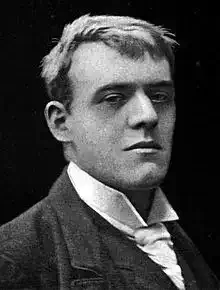
Hilaire Belloc
The Lion
The Lion, the Lion, he dwells in the Waste,
He has a big head and a very small waist;
But his shoulders are stark, and his jaws they are grim,
And a good little child will not play with him.
He has a big head and a very small waist;
But his shoulders are stark, and his jaws they are grim,
And a good little child will not play with him.
372
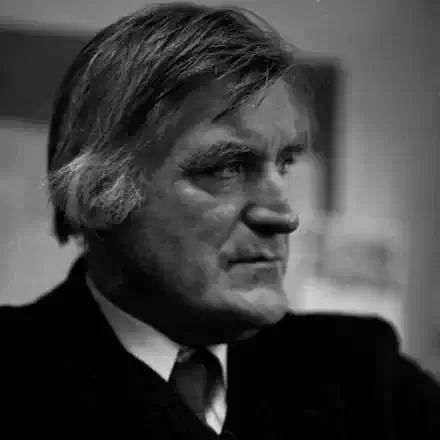
Ted Hughes
Work and Play
The swallow of summer, she toils all the summer,
A blue-dark knot of glittering voltage,
A whiplash swimmer, a fish of the air.
But the serpent of cars that crawls through the dust
In shimmering exhaust
Searching to slake
Its fever in ocean
Will play and be idle or else it will bust.
The swallow of summer, the barbed harpoon,
She flings from the furnace, a rainbow of purples,
Dips her glow in the pond and is perfect.
But the serpent of cars that collapsed on the beach
Disgorges its organs
A scamper of colours
Which roll like tomatoes
Nude as tomatoes
With sand in their creases
To cringe in the sparkle of rollers and screech.
The swallow of summer, the seamstress of summer,
She scissors the blue into shapes and she sews it,
She draws a long thread and she knots it at the corners.
But the holiday people
Are laid out like wounded
Flat as in ovens
Roasting and basting
With faces of torment as space burns them blue
Their heads are transistors
Their teeth grit on sand grains
Their lost kids are squalling
While man-eating flies
Jab electric shock needles but what can they do?
They can climb in their cars with raw bodies, raw faces
And start up the serpent
And headache it homeward
A car full of squabbles
And sobbing and stickiness
With sand in their crannies
Inhaling petroleum
That pours from the foxgloves
While the evening swallow
The swallow of summer, cartwheeling through crimson,
Touches the honey-slow river and turning
Returns to the hand stretched from under the eaves -
A boomerang of rejoicing shadow.
374
Hilaire Belloc
The Tiger
The tiger, on the other hand,
Is kittenish and mild,
And makes a pretty playfellow
For any little child.
And mothers of large families
(Who claim to common sense)
Will find a tiger well repays
The trouble and expense.
Is kittenish and mild,
And makes a pretty playfellow
For any little child.
And mothers of large families
(Who claim to common sense)
Will find a tiger well repays
The trouble and expense.
369
John Clare
House Or Window Flies
These little window dwellers, in cottages and halls, were always
entertaining to me; after dancing in the window all day from sunrise
to sunset they would sip of the tea, drink of the beer, and eat of the
sugar, and be welcome all summer long. They look like things of mind
or fairies, and seem pleased or dull as the weather permits. In many
clean cottages and genteel houses, they are allowed every liberty to
creep, fly, or do as they like; and seldom or ever do wrong. In fact
they are the small or dwarfish portion of our own family, and so many
fairy familiars that we know and treat as one of ourselves.
371
John Clare
Grasshoppers
Grasshoppers go in many a thumming spring
And now to stalks of tasseled sow-grass cling,
That shakes and swees awhile, but still keeps straight;
While arching oxeye doubles with his weight.
Next on the cat-tail-grass with farther bound
He springs, that bends until they touch the ground.
And now to stalks of tasseled sow-grass cling,
That shakes and swees awhile, but still keeps straight;
While arching oxeye doubles with his weight.
Next on the cat-tail-grass with farther bound
He springs, that bends until they touch the ground.
369

Johann Wolfgang von Goethe
From Faust - II. Prologue In Heaven
THE ARCHANGELS' SONG.
RAPHAEL.
THE sun still chaunts, as in old time,
With brother-spheres in choral song,
And with his thunder-march sublime
Moves his predestined course along.
Strength find the angels in his sight,
Though he by none may fathomed be;
Still glorious is each work of might
As when first form'd in majesty.
GABRIEL.
And swift and swift, in wondrous guise,
Revolves the earth in splendour bright,
The radiant hues of Paradise
Alternating with deepest night.
From out the gulf against the rock,
In spreading billows foams the ocean,--
And cliff and sea with mighty shock,
The spheres whirl round in endless motion.
MICHAEL.
And storms in emulation growl
From land to sea, from sea to land,
And fashion, as they wildly howl,
A circling, wonder-working band.
Destructive flames in mad career
Precede Thy thunders on their way;
Yet, Lord, Thy messengers revere
The soft mutations of Thy day.
THE THREE.
Strength find the angels in Thy sight,
Though none may hope to fathom Thee;
Still glorious are Thy works of might,
As when first form'd in majesty.
371
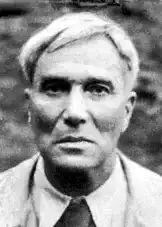
Boris Pasternak
The garden scatters burnt-up beetles...
The garden scatters burnt-up beetles
Like brazen ash, from braziers burst.
I witness, by my lighted candle,
A newly blossomed universe.
And like a not yet known religion
I enter this unheard of night,
In which the shabbily-grey poplar
Has curtained off the lunar light.
The pond is a presented secret.
Oh, whispers of the appletree!
The garden hangs-a pile construction,
And holds the sky in front of me.
371

Emily Dickinson
A Route of Evanescence
A Route of Evanescence
With a revolving Wheel--
A Resonance of Emerald--
A Rush of Cochineal--
And every Blossom on the Bush
Adjusts its tumbled Head--
The mail from Tunis, probably,
An easy Morning's Ride--
With a revolving Wheel--
A Resonance of Emerald--
A Rush of Cochineal--
And every Blossom on the Bush
Adjusts its tumbled Head--
The mail from Tunis, probably,
An easy Morning's Ride--
369
Emily Dickinson
The Birds begun at Four o'clock
The Birds begun at Four o'clock-
Their period for Dawn-
A Music numerous as space-
But neighboring as Noon-
I could not count their Force-
Their Voices did expend
As Brook by Brook bestows itself
To multiply the Pond.
Their Witnesses were not-
Except occasional man-
In homely industry arrayed-
To overtake the Morn-
Nor was it for applause-
That I could ascertain-
But independent Ecstasy
Of Deity and Men-
By Six, the Flood had done-
No Tumult there had been
Of Dressing, or Departure-
And yet the Band was gone-
The Sun engrossed the East-
The Day controlled the World-
The Miracle that introduced
Forgotten, as fulfilled.
367

William Butler Yeats
Long-Legged Fly
THAT civilisation may not sink,
Its great battle lost,
Quiet the dog, tether the pony
To a distant post;
Our master Caesar is in the tent
Where the maps ate spread,
His eyes fixed upon nothing,
A hand under his head.
Like a long-legged fly upon the stream
His mind moves upon silence.
That the topless towers be burnt
And men recall that face,
Move most gently if move you must
In this lonely place.
She thinks, part woman, three parts a child,
That nobody looks; her feet
Practise a tinker shuffle
Picked up on a street.
Like a long-legged fly upon the stream
Her mind moves upon silence.
That girls at puberty may find
The first Adam in their thought,
Shut the door of the Pope's chapel,
Keep those children out.
There on that scaffolding reclines
Michael Angelo.
With no more sound than the mice make
His hand moves to and fro.
Like a long-leggedfly upon the stream
His mind moves upon silence.
367

James Whitcomb Riley
Uncle Mart's Poem
THE OLD SNOW-MAN
Ho! the old Snow-Man
That Noey Bixler made!
He looked as fierce and sassy
As a soldier on parade!-'
Cause Noey, when he made him,
While we all wuz gone, you see,
He made him, jist a-purpose,
Jist as fierce as he could be!--
But when we all got _ust_ to him,
Nobody wuz afraid
Of the old Snow-Man
That Noey Bixler made!
'Cause Noey told us 'bout him
And what he made him fer:-He'd
come to feed, that morning
He found we wuzn't here;
And so the notion struck him,
When we all come taggin' home
'Tud _s'prise_ us ef a' old Snow-Man
'Ud meet us when we come!
So, when he'd fed the stock, and milked,
And ben back home, and chopped
His wood, and et his breakfast, he
Jist grabbed his mitts and hopped
Right in on that-air old Snow-Man
That he laid out he'd make
Er bust a trace _a-tryin_'--jist
Fer old-acquaintance sake!--
But work like that wuz lots more fun.
He said, than when he played!
Ho! the old Snow-Man
That Noey Bixler made!
He started with a big snow-ball,
And rolled it all around;
And as he rolled, more snow 'ud stick
And pull up off the ground.--
He rolled and rolled all round the yard-'
Cause we could see the _track_,
All wher' the snow come off, you know,
And left it wet and black.
He got the Snow-Man's _legs-part_ rolled--
In front the kitchen-door,--
And then he hat to turn in then
And roll and roll some more!--
He rolled the yard all round agin,
And round the house, at that--
Clean round the house and back to wher'
The blame legs-half wuz at!
He said he missed his dinner, too--
Jist clean fergot and stayed
There workin'. Ho! the old Snow-Man
That Noey Bixler made!
And Noey said he hat to _hump_
To git the _top-half_ on
The _legs-half!_--When he _did_, he said,
His wind wuz purt'-nigh gone.--
He said, I jucks! he jist drapped down
There on the old porch-floor
And panted like a dog!--And then
He up! and rolled some more!--
The _last_ batch--that wuz fer his head,-And--
time he'd got it right
And clumb and fixed it on, he said--
He hat to quit fer night!--
And _then_, he said, he'd kep' right on
Ef they'd ben any _moon_
To work by! So he crawled in bed--
And _could_ a-slep' tel _noon_,
He wuz so plum wore out! he said,--
But it wuz washin'-day,
And hat to cut a cord o' wood
'Fore he could git away!
But, last, he got to work agin,--
With spade, and gouge, and hoe,
And trowel, too--(All tools 'ud do
What _Noey_ said, you know!)
He cut his eyebrows out like cliffs--
And his cheekbones and chin
Stuck _furder_ out--and his old _nose_
Stuck out as fur-agin!
He made his eyes o' walnuts,
And his whiskers out o' this
Here buggy-cushion stuffin'--_moss_,
The teacher says it is.
And then he made a' old wood'-gun,
Set keerless-like, you know,
Acrost one shoulder--kindo' like
Big Foot, er Adam Poe--
Er, mayby, Simon Girty,
The dinged old Renegade!
_Wooh!_ the old Snow-Man
That Noey Bixler made!
And there he stood, all fierce and grim,
A stern, heroic form:
What was the winter blast to him,
And what the driving storm?--
What wonder that the children pressed
Their faces at the pane
And scratched away the frost, in pride
To look on him again?--
What wonder that, with yearning bold,
Their all of love and care
Went warmest through the keenest cold
To that Snow-Man out there!
But the old Snow-Man--
What a dubious delight
He grew at last when Spring came on
And days waxed warm and bright.--
Alone he stood--all kith and kin
Of snow and ice were gone;--
Alone, with constant teardrops in
His eyes and glittering on
His thin, pathetic beard of black--
Grief in a hopeless cause!-Hope--
hope is for the man that _dies_--
What for the man that _thaws!_
O Hero of a hero's make!--
Let _marble_ melt and fade,
But never _you_--you old Snow-Man
That Noey Bixler made!
Ho! the old Snow-Man
That Noey Bixler made!
He looked as fierce and sassy
As a soldier on parade!-'
Cause Noey, when he made him,
While we all wuz gone, you see,
He made him, jist a-purpose,
Jist as fierce as he could be!--
But when we all got _ust_ to him,
Nobody wuz afraid
Of the old Snow-Man
That Noey Bixler made!
'Cause Noey told us 'bout him
And what he made him fer:-He'd
come to feed, that morning
He found we wuzn't here;
And so the notion struck him,
When we all come taggin' home
'Tud _s'prise_ us ef a' old Snow-Man
'Ud meet us when we come!
So, when he'd fed the stock, and milked,
And ben back home, and chopped
His wood, and et his breakfast, he
Jist grabbed his mitts and hopped
Right in on that-air old Snow-Man
That he laid out he'd make
Er bust a trace _a-tryin_'--jist
Fer old-acquaintance sake!--
But work like that wuz lots more fun.
He said, than when he played!
Ho! the old Snow-Man
That Noey Bixler made!
He started with a big snow-ball,
And rolled it all around;
And as he rolled, more snow 'ud stick
And pull up off the ground.--
He rolled and rolled all round the yard-'
Cause we could see the _track_,
All wher' the snow come off, you know,
And left it wet and black.
He got the Snow-Man's _legs-part_ rolled--
In front the kitchen-door,--
And then he hat to turn in then
And roll and roll some more!--
He rolled the yard all round agin,
And round the house, at that--
Clean round the house and back to wher'
The blame legs-half wuz at!
He said he missed his dinner, too--
Jist clean fergot and stayed
There workin'. Ho! the old Snow-Man
That Noey Bixler made!
And Noey said he hat to _hump_
To git the _top-half_ on
The _legs-half!_--When he _did_, he said,
His wind wuz purt'-nigh gone.--
He said, I jucks! he jist drapped down
There on the old porch-floor
And panted like a dog!--And then
He up! and rolled some more!--
The _last_ batch--that wuz fer his head,-And--
time he'd got it right
And clumb and fixed it on, he said--
He hat to quit fer night!--
And _then_, he said, he'd kep' right on
Ef they'd ben any _moon_
To work by! So he crawled in bed--
And _could_ a-slep' tel _noon_,
He wuz so plum wore out! he said,--
But it wuz washin'-day,
And hat to cut a cord o' wood
'Fore he could git away!
But, last, he got to work agin,--
With spade, and gouge, and hoe,
And trowel, too--(All tools 'ud do
What _Noey_ said, you know!)
He cut his eyebrows out like cliffs--
And his cheekbones and chin
Stuck _furder_ out--and his old _nose_
Stuck out as fur-agin!
He made his eyes o' walnuts,
And his whiskers out o' this
Here buggy-cushion stuffin'--_moss_,
The teacher says it is.
And then he made a' old wood'-gun,
Set keerless-like, you know,
Acrost one shoulder--kindo' like
Big Foot, er Adam Poe--
Er, mayby, Simon Girty,
The dinged old Renegade!
_Wooh!_ the old Snow-Man
That Noey Bixler made!
And there he stood, all fierce and grim,
A stern, heroic form:
What was the winter blast to him,
And what the driving storm?--
What wonder that the children pressed
Their faces at the pane
And scratched away the frost, in pride
To look on him again?--
What wonder that, with yearning bold,
Their all of love and care
Went warmest through the keenest cold
To that Snow-Man out there!
But the old Snow-Man--
What a dubious delight
He grew at last when Spring came on
And days waxed warm and bright.--
Alone he stood--all kith and kin
Of snow and ice were gone;--
Alone, with constant teardrops in
His eyes and glittering on
His thin, pathetic beard of black--
Grief in a hopeless cause!-Hope--
hope is for the man that _dies_--
What for the man that _thaws!_
O Hero of a hero's make!--
Let _marble_ melt and fade,
But never _you_--you old Snow-Man
That Noey Bixler made!
368
John Clare
The Cross Roads; Or, The Haymaker's Story
Stopt by the storm, that long in sullen black
From the south-west stained its encroaching track,
Haymakers, hustling from the rain to hide,
Sought the grey willows by the pasture-side;
And there, while big drops bow the grassy stems,
And bleb the withering hay with pearly gems,
Dimple the brook, and patter in the leaves,
The song or tale an hour's restraint relieves.
And while the old dames gossip at their ease,
And pinch the snuff-box empty by degrees,
The young ones join in love's delightful themes,
Truths told by gipsies, and expounded dreams;
And mutter things kept secrets from the rest,
As sweethearts' names, and whom they love the best;
And dazzling ribbons they delight to show,
And last new favours of some veigling beau,
Who with such treachery tries their hearts to move,
And, like the highest, bribes the maidens' love.
The old dames, jealous of their whispered praise,
Throw in their hints of man's deluding ways;
And one, to give her counsels more effect,
And by example illustrate the fact
Of innocence oercome by flattering man,
Thrice tapped her box, and pinched, and thus began.
'Now wenches listen, and let lovers lie,
Ye'll hear a story ye may profit by;
I'm your age treble, with some oddments to't,
And right from wrong can tell, if ye'll but do't:
Ye need not giggle underneath your hat,
Mine's no joke-matter, let me tell you that;
So keep ye quiet till my story's told,
And don't despise your betters cause they're old.
'That grave ye've heard of, where the four roads meet,
Where walks the spirit in a winding-sheet,
Oft seen at night, by strangers passing late,
And tarrying neighbours that at market wait,
Stalking along as white as driven snow,
And long as one's shadow when the sun is low;
The girl that's buried there I knew her well,
And her whole history, if ye'll hark, can tell.
Her name was Jane, and neighbour's children we,
And old companions once, as ye may be;
And like to you, on Sundays often strolled
To gipsies' camps to have our fortunes told;
And oft, God rest her, in the fortune-book
Which we at hay-time in our pockets took,
Our pins at blindfold on the wheel we stuck,
When hers would always prick the worst of luck;
For try, poor thing, as often as she might,
Her point would always on the blank alight;
Which plainly shows the fortune one's to have,
As such like go unwedded to the grave,--
And so it proved.--The next succeeding May,
We both to service went from sports and play,
Though in the village still; as friends and kin
Thought neighbour's service better to begin.
So out we went:--Jane's place was reckoned good,
Though she bout life but little understood,
And had a master wild as wild can be,
And far unfit for such a child as she;
And soon the whisper went about the town,
That Jane's good looks procured her many a gown
From him, whose promise was to every one,
But whose intention was to wive with none.
Twas nought to wonder, though begun by guess;
For Jane was lovely in her Sunday dress,
And all expected such a rosy face
Would be her ruin--as was just the case.
The while the change was easily perceived,
Some months went by, ere I the tales believed;
For there are people nowadays, Lord knows,
Will sooner hatch up lies than mend their clothes;
And when with such-like tattle they begin,
Don't mind whose character they spoil a pin:
But passing neighbours often marked them smile,
And watched him take her milkpail oer a stile;
And many a time, as wandering closer by,
From Jenny's bosom met a heavy sigh;
And often marked her, as discoursing deep,
When doubts might rise to give just cause to weep,
Smothering their notice, by a wished disguise
To slive her apron corner to her eyes.
Such signs were mournful and alarming things,
And far more weighty than conjecture brings;
Though foes made double what they heard of all,
Swore lies as proofs, and prophesied her fall.
Poor thoughtless wench! it seems but Sunday past
Since we went out together for the last,
And plain enough indeed it was to find
She'd something more than common on her mind;
For she was always fond and full of chat,
In passing harmless jokes bout beaus and that,
But nothing then was scarcely talked about,
And what there was, I even forced it out.
A gloomy wanness spoiled her rosy cheek,
And doubts hung there it was not mine to seek;
She neer so much as mentioned things to come,
But sighed oer pleasures ere she left her home;
And now and then a mournful smile would raise
At freaks repeated of our younger days,
Which I brought up, while passing spots of ground
Where we, when children, 'hurly-burlied' round,
Or 'blindman-buffed' some morts of hours away--
Two games, poor thing, Jane dearly loved to play.
She smiled at these, but shook her head and sighed
When eer she thought my look was turned aside;
Nor turned she round, as was her former way,
To praise the thorn, white over then with May;
Nor stooped once, though thousands round her grew,
To pull a cowslip as she used to do:
For Jane in flowers delighted from a child--
I like the garden, but she loved the wild--
And oft on Sundays young men's gifts declined,
Posies from gardens of the sweetest kind,
And eager scrambled the dog-rose to get,
And woodbine-flowers at every bush she met.
The cowslip blossom, with its ruddy streak,
Would tempt her furlongs from the path to seek;
And gay long purple, with its tufty spike,
She'd wade oer shoes to reach it in the dyke;
And oft, while scratching through the briary woods
For tempting cuckoo-flowers and violet buds,
Poor Jane, I've known her crying sneak to town,
Fearing her mother, when she'd torn her gown.
Ah, these were days her conscience viewed with pain,
Which all are loth to lose, as well as Jane.
And, what I took more odd than all the rest,
Was, that same night she neer a wish exprest
To see the gipsies, so beloved before,
That lay a stone's throw from us on the moor:
I hinted it; she just replied again--
She once believed them, but had doubts since then.
And when we sought our cows, I called, 'Come mull!'
But she stood silent, for her heart was full.
She loved dumb things: and ere she had begun
To milk, caressed them more than eer she'd done;
But though her tears stood watering in her eye,
I little took it as her last good-bye;
For she was tender, and I've often known
Her mourn when beetles have been trampled on:
So I neer dreamed from this, what soon befell,
Till the next morning rang her passing-bell.
My story's long, but time's in plenty yet,
Since the black clouds betoken nought but wet;
And I'll een snatch a minute's breath or two,
And take another pinch, to help me through.
'So, as I said, next morn I heard the bell,
And passing neighbours crossed the street, to tell
That my poor partner Jenny had been found
In the old flag-pool, on the pasture, drowned.
God knows my heart! I twittered like a leaf,
And found too late the cause of Sunday's grief;
For every tongue was loosed to gabble oer
The slanderous things that secret passed before:
With truth or lies they need not then be strict,
The one they railed at could not contradict.
Twas now no secret of her being beguiled,
For every mouth knew Jenny died with child;
And though more cautious with a living name,
Each more than guessed her master bore the blame.
That very morning, it affects me still,
Ye know the foot-path sidles down the hill,
Ignorant as babe unborn I passed the pond
To milk as usual in our close beyond,
And cows were drinking at the water's edge,
And horses browsed among the flags and sedge,
And gnats and midges danced the water oer,
Just as I've marked them scores of times before,
And birds sat singing, as in mornings gone,--
While I as unconcerned went soodling on,
But little dreaming, as the wakening wind
Flapped the broad ash-leaves oer the pond reclin'd,
And oer the water crinked the curdled wave,
That Jane was sleeping in her watery grave.
The neatherd boy that used to tend the cows,
While getting whip-sticks from the dangling boughs
Of osiers drooping by the water-side,
Her bonnet floating on the top espied;
He knew it well, and hastened fearful down
To take the terror of his fears to town,--
A melancholy story, far too true;
And soon the village to the pasture flew,
Where, from the deepest hole the pond about,
They dragged poor Jenny's lifeless body out,
And took her home, where scarce an hour gone by
She had been living like to you and I.
I went with more, and kissed her for the last,
And thought with tears on pleasures that were past;
And, the last kindness left me then to do,
I went, at milking, where the blossoms grew,
And handfuls got of rose and lambtoe sweet,
And put them with her in her winding-sheet.
A wilful murder, jury made the crime;
Nor parson 'lowed to pray, nor bell to chime;
On the cross roads, far from her friends and kin,
The usual law for their ungodly sin
Who violent hands upon themselves have laid,
Poor Jane's last bed unchristian-like was made;
And there, like all whose last thoughts turn to heaven,
She sleeps, and doubtless hoped to be forgiven.
But, though I say't, for maids thus veigled in
I think the wicked men deserve the sin;
And sure enough we all at last shall see
The treachery punished as it ought to be.
For ere his wickedness pretended love,
Jane, I'll be bound, was spotless as the dove,
And's good a servant, still old folks allow,
As ever scoured a pail or milked a cow;
And ere he led her into ruin's way,
As gay and buxom as a summer's day:
The birds that ranted in the hedge-row boughs,
As night and morning we have sought our cows,
With yokes and buckets as she bounced along,
Were often deafed to silence with her song.
But now she's gone:--girls, shun deceitful men,
The worst of stumbles ye can fall agen;
Be deaf to them, and then, as twere, ye'll see
Your pleasures safe as under lock and key.
Throw not my words away, as many do;
They're gold in value, though they're cheap to you.
And husseys hearken, and be warned from this,
If ye love mothers, never do amiss:
Jane might love hers, but she forsook the plan
To make her happy, when she thought of man.
Poor tottering dame, it was too plainly known,
Her daughter's dying hastened on her own,
For from the day the tidings reached her door
She took to bed and looked up no more,
And, ere again another year came round,
She, well as Jane, was laid within the ground;
And all were grieved poor Goody's end to see:
No better neighbour entered house than she,
A harmless soul, with no abusive tongue,
Trig as new pins, and tight's the day was long;
And go the week about, nine times in ten
Ye'd find her house as cleanly as her sen.
But, Lord protect us! time such change does bring,
We cannot dream what oer our heads may hing;
The very house she lived in, stick and stone,
Since Goody died, has tumbled down and gone:
And where the marjoram once, and sage, and rue,
And balm, and mint, with curled-leaf parsley grew,
And double marygolds, and silver thyme,
And pumpkins neath the window used to climb;
And where I often when a child for hours
Tried through the pales to get the tempting flowers,
As lady's laces, everlasting peas,
True-love-lies-bleeding, with the hearts-at-ease,
And golden rods, and tansy running high
That oer the pale-tops smiled on passers-by,
Flowers in my time that every one would praise,
Though thrown like weeds from gardens nowadays;
Where these all grew, now henbane stinks and spreads,
And docks and thistles shake their seedy heads,
And yearly keep with nettles smothering oer;-
The house, the dame, the garden known no more:
While, neighbouring nigh, one lonely elder-tree
Is all that's left of what had used to be,
Marking the place, and bringing up with tears
The recollections of one's younger years.
And now I've done, ye're each at once as free
To take your trundle as ye used to be;
To take right ways, as Jenny should have ta'en,
Or headlong run, and be a second Jane;
For by one thoughtless girl that's acted ill
A thousand may be guided if they will:
As oft mong folks to labour bustling on,
We mark the foremost kick against a stone,
Or stumble oer a stile he meant to climb,
While hind ones see and shun the fall in time.
But ye, I will be bound, like far the best
Love's tickling nick-nacks and the laughing jest,
And ten times sooner than be warned by me,
Would each be sitting on some fellow's knee,
Sooner believe the lies wild chaps will tell
Than old dames' cautions, who would wish ye well:
So have your wills.'--She pinched her box again,
And ceased her tale, and listened to the rain,
Which still as usual pattered fast around,
And bowed the bent-head loaded to the ground;
While larks, their naked nest by force forsook,
Pruned their wet wings in bushes by the brook.
The maids, impatient now old Goody ceased,
As restless children from the school released,
Right gladly proving, what she'd just foretold,
That young ones' stories were preferred to old,
Turn to the whisperings of their former joy,
That oft deceive, but very rarely cloy.
368
James Whitcomb Riley
A Summer Afternoon
A languid atmosphere, a lazy breeze,
With labored respiration, moves the wheat
From distant reaches, till the golden seas
Break in crisp whispers at my feet.
My book, neglected of an idle mind,
Hides for a moment from the eyes of men;
Or lightly opened by a critic wind,
Affrightedly reviews itself again.
Off through the haze that dances in the shine
The warm sun showers in the open glade,
The forest lies, a silhouette design
Dimmed through and through with shade.
A dreamy day; and tranquilly I lie
At anchor from all storms of mental strain;
With absent vision, gazing at the sky,
"Like one that hears it rain."
The Katydid, so boisterous last night,
Clinging, inverted, in uneasy poise,
Beneath a wheat-blade, has forgotten quite
If "Katy DID or DIDN'T" make a noise.
The twitter, sometimes, of a wayward bird
That checks the song abruptly at the sound,
And mildly, chiding echoes that have stirred,
Sink into silence, all the more profound.
And drowsily I hear the plaintive strain
Of some poor dove . . . Why, I can scarcely keep
My heavy eyelids--there it is again-"
Coo-coo!"--I mustn't--"Coo-coo!"--fall asleep!
367

Henry Wadsworth Longfellow
The Dwarves
Loke sat and thought, till his dark eyes gleam
With joy at the deed he'd done;
When Sif looked into the crystal stream,
Her courage was wellnigh gone.
For never again her soft amber hair
Shall she braid with her hands of snow;
From the hateful image she turned in despair,
And hot tears began to flow.
In a cavern's mouth, like a crafty fox,
Loke sat 'neath the tall pine's shade,
When sudden a thundering was heard in the rocks,
And fearfully trembled the glade.
Then he knew that the noise good boded him naught,
He knew that 't was Thor who was coming;
He changed himself straight to a salmon trout,
And leaped in a fright in the Glommen.
But Thor changed too, to a huge seagull,
And the salmon trout seized in his beak;
He cried: Thou, traitor, I know thee well,
And dear shalt thou pay thy freak!
Thy caitiff's bones to a meal I'll pound,
As a millstone crusheth the grain.
When Loke that naught booted his magic found,
He took straight his own form again.
And what if thou scatter'st my limbs in air?
He spake, will it mend thy case?
Will it gain back for Sif a single hair?
Thou 'lt still a bald spouse embrace.
But if now thou 'lt pardon my heedless joke,--
For malice sure meant I none,--
I swear to thee here, by root, billow and rock,
By the moss on the Beata-stone,
By Mimer's well, and by Odin's eye,
And by Mjolmer, greatest of all,
That straight to the secret caves I'll hie,
To the dwarfs, my kinsmen small;
And thence for Sif new tresses I'll bring
Of gold ere the daylight's gone,
So that she will liken a field in spring,
With its yellow-flowered garment on.
* * * * * * * * * * *
Loke promised so well with his glozing tongue
That the Asas at length let him go,
And he sank in the earth, the dark rocks among,
Near the cold-fountain, far below.
He crept on his belly, as supple as eel,
The cracks in the hard granite through,
Till he came where the dwarfs stood hammering steel,
By the light of a furnace blue.
I trow 't was a goodly sight to see
The dwarfs, with their aprons on,
A-hammering and smelting so busily
Pure gold from the rough brown stone.
Rock crystals from sand and hard flint they made,
Which, tinged with the rosebud's dye,
They cast into rubies and carbuncles red,
And hid them in cracks hard by.
They took them fresh violets all dripping with dew,
Dwarf women had plucked them, the morn,--
And stained with their juice the clear sapphires blue,
King Dan in his crown since hath worn.
Then for emeralds they searched out the brightest green
Which the young spring meadow wears,
And dropped round pearls, without flaw or stain,
From widows' and maidens' tears.
* * * * * * * * * * *
When Loke to the dwarfs had his errand made known,
In a trice for the work they were ready;
Quoth Dvalin: O Lopter, it now shall be shown
That dwarfs in their friendship are steady.
We both trace our line from the selfsame stock;
What you ask shall be furnished with speed,
For it ne'er shall be said that the sons of the rock
Turned their backs on a kinsman in need.
They took them the skin of a large wild-boar,
The largest that they could find,
And the bellows they blew till the furnace 'gan roar,
And the fire flamed on high for the wind.
And they struck with their sledge-hammers stroke on stroke,
That the sparks from the skin flew on high,
But never a word good or bad spoke Loke,
Though foul malice lurked in his eye.
The thunderer far distant, with sorrow he thought
On all he'd engaged to obtain,
And, as summer-breeze fickle, now anxiously sought
To render the dwarf's labour vain.
Whilst the bellows plied Brok, and Sindre the hammer,
And Thor, that the sparks flew on high,
And the slides of the vaulted cave rang with the clamour,
Loke changed to a huge forest-fly.
And he sat him all swelling with venom and spite,
On Brok, the wrist just below;
But the dwarf's skin was thick, and he recked not the bite,
Nor once ceased the bellows to blow.
And now, strange to say, from the roaring fire
Came the golden-haired Gullinburste,
To serve as a charger the sun-god Frey,
Sure, of all wild-boars this the first.
They took them pure gold from their secret store.
The piece 't was but small in size,
But ere 't had been long n the furnace roar,
'T was a jewel beyond all prize.
A broad red ring all of wroughten gold,
As a snake with its tail in its head,
And a garland of gems did the rim enfold,
Together with rare art laid.
'T was solid and heavy, and wrought with care,
Thrice it passed through the white flames' glow;
A ring to produce, fit for Odin to wear,
No labour they spared, I trow.
They worked it and turned it with wondrous skill,
Till they gave it the virtue rare,
That each thrice third night from its rim there fell
Eight rings, as their parent fair.
* * * * * * * * * * *
Next they laid on the anvil a steel-bar cold,
They needed nor fire nor file;
But their sledge-hammers, following, like thunder rolled,
And Sindre sang runes the while.
When Loke now marked how the steel gat power,
And how warily out 't was beat
--'T was to make a new hammer for Ake-Thor,-He'd
recourse once more to deceit.
In a trice, of a hornet the semblance he took,
Whilst in cadence fell blow on blow,
In the leading dwarf's forehead his barbed sting he stuck,
That the blood in a stream down did flow.
Then the dwarf raised his hand to his brow for the smart,
Ere the iron well out was beat,
And they found that the haft by an inch was too short,
But to alter it then 't was too late.
* * * * * * * * * * *
His object attained, Loke no longer remained
'Neath the earth, but straight hied him to Thor,
Who owned than the hair ne'er, sure, aught more fair
His eyes had e'er looked on before.
The boar Frey bestrode, and away proudly rode,
And Thor took the ringlets and hammer;
To Valhal they hied, where the Asas reside,
'Mid of tilting and wassail the clamour.
At a full solemn ting, Thor gave Odin the ring,
And Loke his foul treachery pardoned;
But the pardon was vain, for his crimes soon again
Must do penance the arch-sinner hardened.
365
James Whitcomb Riley
The Hoosier Folk-Child
The Hoosier Folk-Child--all unsung--
Unlettered all of mind and tongue;
Unmastered, unmolested--made
Most wholly frank and unafraid:
Untaught of any school--unvexed
Of law or creed--all unperplexed--
Unsermoned, aye, and undefiled,
An all imperfect-perfect child--
A type which (Heaven forgive us!) you
And I do tardy honor to,
And so, profane the sanctities
Of our most sacred memories.
Who, growing thus from boy to man,
That dares not be American?
Go, Pride, with prudent underbuzz--
Go _whistle_! as the Folk-Child does.
The Hoosier Folk-Child's world is not
Much wider than the stable-lot
Between the house and highway fence
That bounds the home his father rents.
His playmates mostly are the ducks
And chickens, and the boy that 'shucks
Corn by the shock,' and talks of town,
And whether eggs are 'up' or 'down,'
And prophesies in boastful tone
Of 'owning horses of his own,'
And 'being his own man,' and 'when
He gets to be, what he'll do then.'--
Takes out his jack-knife dreamily
And makes the Folk-Child two or three
Crude corn-stalk figures,--a wee span
Of horses and a little man.
The Hoosier Folk-Child's eyes are wise
And wide and round as Brownies' eyes:
The smile they wear is ever blent
With all-expectant wonderment,--
On homeliest things they bend a look
As rapt as o'er a picture-book,
And seem to ask, whate'er befall,
The happy reason of it all:--
Why grass is all so glad a green,
And leaves--and what their lispings mean;--
Why buds grow on the boughs, and why
They burst in blossom by and by--
As though the orchard in the breeze
Had shook and popped its _popcorn-trees_,
To lure and whet, as well they might,
Some seven-league giant's appetite!
The Hoosier Folk-Child's chubby face
Has scant refinement, caste or grace,--
From crown to chin, and cheek to cheek,
It bears the grimy water-streak
Of rinsings such as some long rain
Might drool across the window-pane
Wherethrough he peers, with troubled frown,
As some lorn team drives by for town.
His brow is elfed with wispish hair,
With tangles in it here and there,
As though the warlocks snarled it so
At midmirk when the moon sagged low,
And boughs did toss and skreek and shake,
And children moaned themselves awake,
With fingers clutched, and starting sight
Blind as the blackness of the night!
The Hoosier Folk-Child!--Rich is he
In all the wealth of poverty!
He owns nor title nor estate,
Nor speech but half articulate,--
He owns nor princely robe nor crown;--
Yet, draped in patched and faded brown,
He owns the bird-songs of the hills--
The laughter of the April rills;
And his are all the diamonds set.
In Morning's dewy coronet,--
And his the Dusk's first minted stars
That twinkle through the pasture-bars,
And litter all the skies at night
With glittering scraps of silver light;--
The rainbow's bar, from rim to rim,
In beaten gold, belongs to him.
366
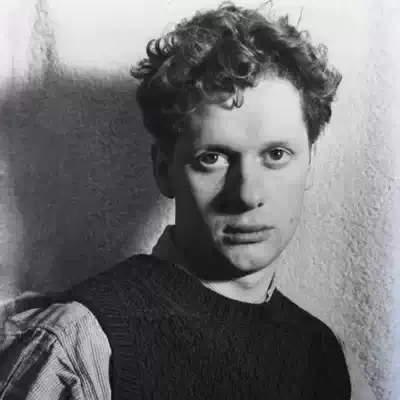
Dylan Thomas
Here In This spring
Here in this spring, stars float along the void;
Here in this ornamental winter
Down pelts the naked weather;
This summer buries a spring bird.
Symbols are selected from the years'
Slow rounding of four seasons' coasts,
In autumn teach three seasons' fires
And four birds' notes.
I should tell summer from the trees, the worms
Tell, if at all, the winter's storms
Or the funeral of the sun;
I should learn spring by the cuckooing,
And the slug should teach me destruction.
A worm tells summer better than the clock,
The slug's a living calendar of days;
What shall it tell me if a timeless insect
Says the world wears away?
364
Hilaire Belloc
Cuckoo!
In woods so long time bare
Cuckoo!
Up and in the wood, I know not where
Two notes fall.
Yet I do not envy him at all
His phantasy.
Cuckoo!
I too,
Somewhere,
I have sung as merrily as he
Who can dare,
Small and careless love, so to laugh at care,
And who
Can call
Cuckoo!
In woods of winter weary,
In scented woods, of winter weary, call
Cuckoo!
In woods so long time bare.
Cuckoo!
Up and in the wood, I know not where
Two notes fall.
Yet I do not envy him at all
His phantasy.
Cuckoo!
I too,
Somewhere,
I have sung as merrily as he
Who can dare,
Small and careless love, so to laugh at care,
And who
Can call
Cuckoo!
In woods of winter weary,
In scented woods, of winter weary, call
Cuckoo!
In woods so long time bare.
364

Claude Mckay
Winter in the Country
Sweet life! how lovely to be here
And feel the soft sea-laden breeze
Strike my flushed face, the spruce's fair
Free limbs to see, the lesser trees'
Bare hands to touch, the sparrow's cheep
To heed, and watch his nimble flight
Above the short brown grass asleep.
Love glorious in his friendly might,
Music that every heart could bless,
And thoughts of life serene, divine,
Beyond my power to express,
Crowd round this lifted heart of mine!
But oh! to leave this paradise
For the city's dirty basement room,
Where, beauty hidden from the eyes,
A table, bed, bureau, and broom
In corner set, two crippled chairs
All covered up with dust and grim
With hideousness and scars of years,
And gaslight burning weird and dim,
Will welcome me . . . And yet, and yet
This very wind, the winter birds
The glory of the soft sunset,
Come there to me in words.
365
Emily Dickinson
Deprived of other Banquet
Deprived of other Banquet,
I entertained Myself-
At first-a scant nutrition-
An insufficient Loaf-
But grown by slender addings
To so esteemed a size
'Tis sumptuous enough for me-
And almost to suffice
A Robin's famine able-
Red Pilgrim, He and I-
A Berry from our table
Reserve-for charity-
I entertained Myself-
At first-a scant nutrition-
An insufficient Loaf-
But grown by slender addings
To so esteemed a size
'Tis sumptuous enough for me-
And almost to suffice
A Robin's famine able-
Red Pilgrim, He and I-
A Berry from our table
Reserve-for charity-
362

John Keats
Fragment. Where's The Poet?
Where's the Poet? show him! show him,
Muses nine! that I may know him.
'Tis the man who with a man
Is an equal, be he King,
Or poorest of the beggar-clan
Or any other wonderous thing
A man may be 'twixt ape and Plato;
'Tis the man who with a bird,
Wren or Eagle, finds his way to
All its instincts; he hath heard
The Lion's roaring, and can tell
What his horny throat expresseth,
And to him the Tiger's yell
Come articulate and presseth
Or his ear like mother-tongue.
362
Hilaire Belloc
The Whale
The Whale that wanders round the Pole
Is not a table fish.
You cannot bake or boil him whole
Nor serve him in a dish;
But you may cut his blubber up
And melt it down for oil.
And so replace the colza bean
(A product of the soil).
These facts should all be noted down
And ruminated on,
By every boy in Oxford town
Who wants to be a Don.
Is not a table fish.
You cannot bake or boil him whole
Nor serve him in a dish;
But you may cut his blubber up
And melt it down for oil.
And so replace the colza bean
(A product of the soil).
These facts should all be noted down
And ruminated on,
By every boy in Oxford town
Who wants to be a Don.
362
