
Soul

Rudyard Kipling
A Song of Kabir
Oh, light was the world that he weighed in his hands!
Oh, heavy the tale of his fiefs and his lands!
He has gone from the guddee and put on the shroud,
And departed in guise of bairagi avowed!
Now the white road to Delhi is mat for his feet.
The sal and the kikar must guard him from heat.
His home is the camp, and waste, and the crowd --
He is seeking the Way as bairagi avowed!
He has looked upon Man, and his eyeballs are clear --
(There was One; there is One, and but One, saith Kabir);
The Red Mist of Doing has thinned to a cloud --
He has taken the Path for bairagi avowed!
To learn and discern of his brother the clod,
Of his brother the brute, and his brother the God,
He has gone from the council and put on the shroud
("Can ye hear?" saith Kabir), a bairagi avowed!
Read more →
Oh, heavy the tale of his fiefs and his lands!
He has gone from the guddee and put on the shroud,
And departed in guise of bairagi avowed!
Now the white road to Delhi is mat for his feet.
The sal and the kikar must guard him from heat.
His home is the camp, and waste, and the crowd --
He is seeking the Way as bairagi avowed!
He has looked upon Man, and his eyeballs are clear --
(There was One; there is One, and but One, saith Kabir);
The Red Mist of Doing has thinned to a cloud --
He has taken the Path for bairagi avowed!
To learn and discern of his brother the clod,
Of his brother the brute, and his brother the God,
He has gone from the council and put on the shroud
("Can ye hear?" saith Kabir), a bairagi avowed!
467
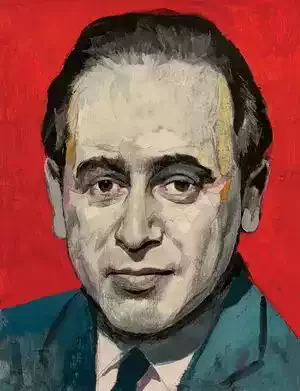
Paul Celan
Night Ray
Most brightly of all burned the hair of my evening loved one:
to her I send the coffin of lightest wood.
Waves billow round it as round the bed of our dream in Rome;
it wears a white wig as I do and speaks hoarsely:
it talks as I do when I grant admittance to hearts.
It knows a French song about love, I sang it in autumn
when I stopped as a tourist in Lateland and wrote my letters
to morning.
A fine boat is that coffin carved in the coppice of feelings.
I too drift in it downbloodstream, younger still than your eye.
Now you are young as a bird dropped dead in March snow,
now it comes to you, sings you its love song from France.
You are light: you will sleep through my spring till it's over.
I am lighter:
in front of strangers I sing.
Read more →
to her I send the coffin of lightest wood.
Waves billow round it as round the bed of our dream in Rome;
it wears a white wig as I do and speaks hoarsely:
it talks as I do when I grant admittance to hearts.
It knows a French song about love, I sang it in autumn
when I stopped as a tourist in Lateland and wrote my letters
to morning.
A fine boat is that coffin carved in the coppice of feelings.
I too drift in it downbloodstream, younger still than your eye.
Now you are young as a bird dropped dead in March snow,
now it comes to you, sings you its love song from France.
You are light: you will sleep through my spring till it's over.
I am lighter:
in front of strangers I sing.
468

Walt Whitman
Hush'd Be the Camps Today
Hush'd be the camps today,
And soldiers let us drape our war-worn weapons,
And each with musing soul retire to celebrate,
Our dear commander's death.
No more for him life's stormy conflicts,
Nor victory, nor defeat--no more time's dark events,
Charging like ceaseless clouds across the sky.
But sing poet in our name,
Sing of the love we bore him--because you, dweller in camps, know it truly.
As they invault the coffin there,
Sing--as they close the doors of earth upon him--one verse,
For the heavy hearts of soldiers.
Read more →
And soldiers let us drape our war-worn weapons,
And each with musing soul retire to celebrate,
Our dear commander's death.
No more for him life's stormy conflicts,
Nor victory, nor defeat--no more time's dark events,
Charging like ceaseless clouds across the sky.
But sing poet in our name,
Sing of the love we bore him--because you, dweller in camps, know it truly.
As they invault the coffin there,
Sing--as they close the doors of earth upon him--one verse,
For the heavy hearts of soldiers.
468

William Butler Yeats
Chosen
The lot of love is chosen. I learnt that much
Struggling for an image on the track
Of the whirling Zodiac.
Scarce did he my body touch,
Scarce sank he from the west
Or found a subtetranean rest
On the maternal midnight of my breast
Before I had marked him on his northern way,
And seemed to stand although in bed I lay.
I struggled with the horror of daybreak,
I chose it for my lot! If questioned on
My utmost pleasure with a man
By some new-married bride, I take
That stillness for a theme
Where his heart my heart did seem
And both adrift on the miraculous stream
Where -- wrote a learned astrologer --
The Zodiac is changed into a sphere.
Read more →
Struggling for an image on the track
Of the whirling Zodiac.
Scarce did he my body touch,
Scarce sank he from the west
Or found a subtetranean rest
On the maternal midnight of my breast
Before I had marked him on his northern way,
And seemed to stand although in bed I lay.
I struggled with the horror of daybreak,
I chose it for my lot! If questioned on
My utmost pleasure with a man
By some new-married bride, I take
That stillness for a theme
Where his heart my heart did seem
And both adrift on the miraculous stream
Where -- wrote a learned astrologer --
The Zodiac is changed into a sphere.
467

Lord Byron
Inscription On The Monument Of A Newfoundland Dog
When some proud son of man returns to earth,
Unknown to glory, but upheld by birth,
The sculptor's art exhausts the pomp of woe,
And storied urns record who rest below:
When all is done, upon the tomb is seen,
Not what he was, but what he should have been:
But the poor dog, in life the firmest friend,
The first to welcome, foremost to defend,
Whose honest heart, is still his master's own,
Who labours, fights, lives, breathes for him alone,
Unhonour'd falls, unnoticed all his worth,
Denied in heaven the soul he held on earth,
While man, vain insect! hopes to be forgiven,
And claims himself a sole exclusive heaven.
Oh man! thou feeble tenant of an hour,
Debased by slavery, or corrupt by power,
Who knows thee well must quit thee with disgust,
Degraded mass of animated dust!
Thy love is lust, thy friendship all a cheat,
Thy smiles hypocrisy, thy words deceit!
By nature vile, ennobled but by name,
Each kindred brute might bid thee blush for shame.
Ye! who perchance behold this simple urn,
Pass onit
honours none you wish to mourn:
To mark a friend's remains these stones arise;
I never knew but one,and
here he lies.
Read more →
Unknown to glory, but upheld by birth,
The sculptor's art exhausts the pomp of woe,
And storied urns record who rest below:
When all is done, upon the tomb is seen,
Not what he was, but what he should have been:
But the poor dog, in life the firmest friend,
The first to welcome, foremost to defend,
Whose honest heart, is still his master's own,
Who labours, fights, lives, breathes for him alone,
Unhonour'd falls, unnoticed all his worth,
Denied in heaven the soul he held on earth,
While man, vain insect! hopes to be forgiven,
And claims himself a sole exclusive heaven.
Oh man! thou feeble tenant of an hour,
Debased by slavery, or corrupt by power,
Who knows thee well must quit thee with disgust,
Degraded mass of animated dust!
Thy love is lust, thy friendship all a cheat,
Thy smiles hypocrisy, thy words deceit!
By nature vile, ennobled but by name,
Each kindred brute might bid thee blush for shame.
Ye! who perchance behold this simple urn,
Pass onit
honours none you wish to mourn:
To mark a friend's remains these stones arise;
I never knew but one,and
here he lies.
470

Henry Wadsworth Longfellow
Blessing The Cornfields
Sing, O Song of Hiawatha,
Of the happy days that followed,
In the land of the Ojibways,
In the pleasant land and peaceful!
Sing the mysteries of Mondamin,
Sing the Blessing of the Cornfields!
Buried was the bloody hatchet,
Buried was the dreadful war-club,
Buried were all warlike weapons,
And the war-cry was forgotten.
There was peace among the nations;
Unmolested roved the hunters,
Built the birch canoe for sailing,
Caught the fish in lake and river,
Shot the deer and trapped the beaver;
Unmolested worked the women,
Made their sugar from the maple,
Gathered wild rice in the meadows,
Dressed the skins of deer and beaver.
All around the happy village
Stood the maize-fields, green and shining,
Waved the green plumes of Mondamin,
Waved his soft and sunny tresses,
Filling all the land with plenty.
`T was the women who in Spring-time
Planted the broad fields and fruitful,
Buried in the earth Mondamin;
`T was the women who in Autumn
Stripped the yellow husks of harvest,
Stripped the garments from Mondamin,
Even as Hiawatha taught them.
Once, when all the maize was planted,
Hiawatha, wise and thoughtful,
Spake and said to Minnehaha,
To his wife, the Laughing Water:
"You shall bless to-night the cornfields,
Draw a magic circle round them,
To protect them from destruction,
Blast of mildew, blight of insect,
Wagemin, the thief of cornfields,
Paimosaid, who steals the maize-ear
"In the night, when all Is silence,'
In the night, when all Is darkness,
When the Spirit of Sleep, Nepahwin,
Shuts the doors of all the wigwams,
So that not an ear can hear you,
So that not an eye can see you,
Rise up from your bed in silence,
Lay aside your garments wholly,
Walk around the fields you planted,
Round the borders of the cornfields,
Covered by your tresses only,
Robed with darkness as a garment.
"Thus the fields shall be more fruitful,
And the passing of your footsteps
Draw a magic circle round them,
So that neither blight nor mildew,
Neither burrowing worm nor insect,
Shall pass o'er the magic circle;
Not the dragon-fly, Kwo-ne-she,
Nor the spider, Subbekashe,
Nor the grasshopper, Pah-puk-keena;
Nor the mighty caterpillar,
Way-muk-kwana, with the bear-skin,
King of all the caterpillars!"
On the tree-tops near the cornfields
Sat the hungry crows and ravens,
Kahgahgee, the King of Ravens,
With his band of black marauders.
And they laughed at Hiawatha,
Till the tree-tops shook with laughter,
With their melancholy laughter,
At the words of Hiawatha.
"Hear him!" said they; "hear the Wise Man,
Hear the plots of Hiawatha!"
When the noiseless night descended
Broad and dark o'er field and forest,
When the mournful Wawonaissa
Sorrowing sang among the hemlocks,
And the Spirit of Sleep, Nepahwin,
Shut the doors of all the wigwams,
From her bed rose Laughing Water,
Laid aside her garments wholly,
And with darkness clothed and guarded,
Unashamed and unaffrighted,
Walked securely round the cornfields,
Drew the sacred, magic circle
Of her footprints round the cornfields.
No one but the Midnight only
Saw her beauty in the darkness,
No one but the Wawonaissa
Heard the panting of her bosom
Guskewau, the darkness, wrapped her
Closely in his sacred mantle,
So that none might see her beauty,
So that none might boast, "I saw her!"
On the morrow, as the day dawned,
Kahgahgee, the King of Ravens,
Gathered all his black marauders,
Crows and blackbirds, jays and ravens,
Clamorous on the dusky tree-tops,
And descended, fast and fearless,
On the fields of Hiawatha,
On the grave of the Mondamin.
"We will drag Mondamin," said they,
"From the grave where he is buried,
Spite of all the magic circles
Laughing Water draws around it,
Spite of all the sacred footprints
Minnehaha stamps upon it!"
But the wary Hiawatha,
Ever thoughtful, careful, watchful,
Had o'erheard the scornful laughter
When they mocked him from the tree-tops.
"Kaw!" he said, "my friends the ravens!
Kahgahgee, my King of Ravens!
I will teach you all a lesson
That shall not be soon forgotten!"
He had risen before the daybreak,
He had spread o'er all the cornfields
Snares to catch the black marauders,
And was lying now in ambush
In the neighboring grove of pine-trees,
Waiting for the crows and blackbirds,
Waiting for the jays and ravens.
Soon they came with caw and clamor,
Rush of wings and cry of voices,
To their work of devastation,
Settling down upon the cornfields,
Delving deep with beak and talon,
For the body of Mondamin.
And with all their craft and cunning,
All their skill in wiles of warfare,
They perceived no danger near them,
Till their claws became entangled,
Till they found themselves imprisoned
In the snares of Hiawatha.
From his place of ambush came he,
Striding terrible among them,
And so awful was his aspect
That the bravest quailed with terror.
Without mercy he destroyed them
Right and left, by tens and twenties,
And their wretched, lifeless bodies
Hung aloft on poles for scarecrows
Round the consecrated cornfields,
As a signal of his vengeance,
As a warning to marauders.
Only Kahgahgee, the leader,
Kahgahgee, the King of Ravens,
He alone was spared among them
As a hostage for his people.
With his prisoner-string he bound him,
Led him captive to his wigwam,
Tied him fast with cords of elm-bark
To the ridge-pole of his wigwam.
"Kahgahgee, my raven!" said he,
"You the leader of the robbers,
You the plotter of this mischief,
The contriver of this outrage,
I will keep you, I will hold you,
As a hostage for your people,
As a pledge of good behavior!"
And he left him, grim and sulky,
Sitting in the morning sunshine
On the summit of the wigwam,
Croaking fiercely his displeasure,
Flapping his great sable pinions,
Vainly struggling for his freedom,
Vainly calling on his people!
Summer passed, and Shawondasee
Breathed his sighs o'er all the landscape,
From the South-land sent his ardor,
Wafted kisses warm and tender;
And the maize-field grew and ripened,
Till it stood in all the splendor
Of its garments green and yellow,
Of its tassels and its plumage,
And the maize-ears full and shining
Gleamed from bursting sheaths of verdure.
Then Nokomis, the old woman,
Spake, and said to Minnehaha:
`T is the Moon when, leaves are falling;
All the wild rice has been gathered,
And the maize is ripe and ready;
Let us gather in the harvest,
Let us wrestle with Mondamin,
Strip him of his plumes and tassels,
Of his garments green and yellow!"
And the merry Laughing Water
Went rejoicing from the wigwam,
With Nokomis, old and wrinkled,
And they called the women round them,
Called the young men and the maidens,
To the harvest of the cornfields,
To the husking of the maize-ear.
On the border of the forest,
Underneath the fragrant pine-trees,
Sat the old men and the warriors
Smoking in the pleasant shadow.
In uninterrupted silence
Looked they at the gamesome labor
Of the young men and the women;
Listened to their noisy talking,
To their laughter and their singing,
Heard them chattering like the magpies,
Heard them laughing like the blue-jays,
Heard them singing like the robins.
And whene'er some lucky maiden
Found a red ear in the husking,
Found a maize-ear red as blood is,
"Nushka!" cried they all together,
"Nushka! you shall have a sweetheart,
You shall have a handsome husband!"
"Ugh!" the old men all responded
From their seats beneath the pine-trees.
And whene'er a youth or maiden
Found a crooked ear in husking,
Found a maize-ear in the husking
Blighted, mildewed, or misshapen,
Then they laughed and sang together,
Crept and limped about the cornfields,
Mimicked in their gait and gestures
Some old man, bent almost double,
Singing singly or together:
"Wagemin, the thief of cornfields!
Paimosaid, who steals the maize-ear!"
Till the cornfields rang with laughter,
Till from Hiawatha's wigwam
Kahgahgee, the King of Ravens,
Screamed and quivered in his anger,
And from all the neighboring tree-tops
Cawed and croaked the black marauders.
"Ugh!" the old men all responded,
From their seats beneath the pine-trees!
Read more →
Of the happy days that followed,
In the land of the Ojibways,
In the pleasant land and peaceful!
Sing the mysteries of Mondamin,
Sing the Blessing of the Cornfields!
Buried was the bloody hatchet,
Buried was the dreadful war-club,
Buried were all warlike weapons,
And the war-cry was forgotten.
There was peace among the nations;
Unmolested roved the hunters,
Built the birch canoe for sailing,
Caught the fish in lake and river,
Shot the deer and trapped the beaver;
Unmolested worked the women,
Made their sugar from the maple,
Gathered wild rice in the meadows,
Dressed the skins of deer and beaver.
All around the happy village
Stood the maize-fields, green and shining,
Waved the green plumes of Mondamin,
Waved his soft and sunny tresses,
Filling all the land with plenty.
`T was the women who in Spring-time
Planted the broad fields and fruitful,
Buried in the earth Mondamin;
`T was the women who in Autumn
Stripped the yellow husks of harvest,
Stripped the garments from Mondamin,
Even as Hiawatha taught them.
Once, when all the maize was planted,
Hiawatha, wise and thoughtful,
Spake and said to Minnehaha,
To his wife, the Laughing Water:
"You shall bless to-night the cornfields,
Draw a magic circle round them,
To protect them from destruction,
Blast of mildew, blight of insect,
Wagemin, the thief of cornfields,
Paimosaid, who steals the maize-ear
"In the night, when all Is silence,'
In the night, when all Is darkness,
When the Spirit of Sleep, Nepahwin,
Shuts the doors of all the wigwams,
So that not an ear can hear you,
So that not an eye can see you,
Rise up from your bed in silence,
Lay aside your garments wholly,
Walk around the fields you planted,
Round the borders of the cornfields,
Covered by your tresses only,
Robed with darkness as a garment.
"Thus the fields shall be more fruitful,
And the passing of your footsteps
Draw a magic circle round them,
So that neither blight nor mildew,
Neither burrowing worm nor insect,
Shall pass o'er the magic circle;
Not the dragon-fly, Kwo-ne-she,
Nor the spider, Subbekashe,
Nor the grasshopper, Pah-puk-keena;
Nor the mighty caterpillar,
Way-muk-kwana, with the bear-skin,
King of all the caterpillars!"
On the tree-tops near the cornfields
Sat the hungry crows and ravens,
Kahgahgee, the King of Ravens,
With his band of black marauders.
And they laughed at Hiawatha,
Till the tree-tops shook with laughter,
With their melancholy laughter,
At the words of Hiawatha.
"Hear him!" said they; "hear the Wise Man,
Hear the plots of Hiawatha!"
When the noiseless night descended
Broad and dark o'er field and forest,
When the mournful Wawonaissa
Sorrowing sang among the hemlocks,
And the Spirit of Sleep, Nepahwin,
Shut the doors of all the wigwams,
From her bed rose Laughing Water,
Laid aside her garments wholly,
And with darkness clothed and guarded,
Unashamed and unaffrighted,
Walked securely round the cornfields,
Drew the sacred, magic circle
Of her footprints round the cornfields.
No one but the Midnight only
Saw her beauty in the darkness,
No one but the Wawonaissa
Heard the panting of her bosom
Guskewau, the darkness, wrapped her
Closely in his sacred mantle,
So that none might see her beauty,
So that none might boast, "I saw her!"
On the morrow, as the day dawned,
Kahgahgee, the King of Ravens,
Gathered all his black marauders,
Crows and blackbirds, jays and ravens,
Clamorous on the dusky tree-tops,
And descended, fast and fearless,
On the fields of Hiawatha,
On the grave of the Mondamin.
"We will drag Mondamin," said they,
"From the grave where he is buried,
Spite of all the magic circles
Laughing Water draws around it,
Spite of all the sacred footprints
Minnehaha stamps upon it!"
But the wary Hiawatha,
Ever thoughtful, careful, watchful,
Had o'erheard the scornful laughter
When they mocked him from the tree-tops.
"Kaw!" he said, "my friends the ravens!
Kahgahgee, my King of Ravens!
I will teach you all a lesson
That shall not be soon forgotten!"
He had risen before the daybreak,
He had spread o'er all the cornfields
Snares to catch the black marauders,
And was lying now in ambush
In the neighboring grove of pine-trees,
Waiting for the crows and blackbirds,
Waiting for the jays and ravens.
Soon they came with caw and clamor,
Rush of wings and cry of voices,
To their work of devastation,
Settling down upon the cornfields,
Delving deep with beak and talon,
For the body of Mondamin.
And with all their craft and cunning,
All their skill in wiles of warfare,
They perceived no danger near them,
Till their claws became entangled,
Till they found themselves imprisoned
In the snares of Hiawatha.
From his place of ambush came he,
Striding terrible among them,
And so awful was his aspect
That the bravest quailed with terror.
Without mercy he destroyed them
Right and left, by tens and twenties,
And their wretched, lifeless bodies
Hung aloft on poles for scarecrows
Round the consecrated cornfields,
As a signal of his vengeance,
As a warning to marauders.
Only Kahgahgee, the leader,
Kahgahgee, the King of Ravens,
He alone was spared among them
As a hostage for his people.
With his prisoner-string he bound him,
Led him captive to his wigwam,
Tied him fast with cords of elm-bark
To the ridge-pole of his wigwam.
"Kahgahgee, my raven!" said he,
"You the leader of the robbers,
You the plotter of this mischief,
The contriver of this outrage,
I will keep you, I will hold you,
As a hostage for your people,
As a pledge of good behavior!"
And he left him, grim and sulky,
Sitting in the morning sunshine
On the summit of the wigwam,
Croaking fiercely his displeasure,
Flapping his great sable pinions,
Vainly struggling for his freedom,
Vainly calling on his people!
Summer passed, and Shawondasee
Breathed his sighs o'er all the landscape,
From the South-land sent his ardor,
Wafted kisses warm and tender;
And the maize-field grew and ripened,
Till it stood in all the splendor
Of its garments green and yellow,
Of its tassels and its plumage,
And the maize-ears full and shining
Gleamed from bursting sheaths of verdure.
Then Nokomis, the old woman,
Spake, and said to Minnehaha:
`T is the Moon when, leaves are falling;
All the wild rice has been gathered,
And the maize is ripe and ready;
Let us gather in the harvest,
Let us wrestle with Mondamin,
Strip him of his plumes and tassels,
Of his garments green and yellow!"
And the merry Laughing Water
Went rejoicing from the wigwam,
With Nokomis, old and wrinkled,
And they called the women round them,
Called the young men and the maidens,
To the harvest of the cornfields,
To the husking of the maize-ear.
On the border of the forest,
Underneath the fragrant pine-trees,
Sat the old men and the warriors
Smoking in the pleasant shadow.
In uninterrupted silence
Looked they at the gamesome labor
Of the young men and the women;
Listened to their noisy talking,
To their laughter and their singing,
Heard them chattering like the magpies,
Heard them laughing like the blue-jays,
Heard them singing like the robins.
And whene'er some lucky maiden
Found a red ear in the husking,
Found a maize-ear red as blood is,
"Nushka!" cried they all together,
"Nushka! you shall have a sweetheart,
You shall have a handsome husband!"
"Ugh!" the old men all responded
From their seats beneath the pine-trees.
And whene'er a youth or maiden
Found a crooked ear in husking,
Found a maize-ear in the husking
Blighted, mildewed, or misshapen,
Then they laughed and sang together,
Crept and limped about the cornfields,
Mimicked in their gait and gestures
Some old man, bent almost double,
Singing singly or together:
"Wagemin, the thief of cornfields!
Paimosaid, who steals the maize-ear!"
Till the cornfields rang with laughter,
Till from Hiawatha's wigwam
Kahgahgee, the King of Ravens,
Screamed and quivered in his anger,
And from all the neighboring tree-tops
Cawed and croaked the black marauders.
"Ugh!" the old men all responded,
From their seats beneath the pine-trees!
467
Boris Pasternak
‘Like a brazier’s bronze cinders,’
Like a brazier’s bronze cinders,
the sleepy garden’s beetles flowing.
Level with me, and my candle,
a flowering world is hanging.
As if into unprecedented faith,
I cross into this night,
where the poplar’s beaten grey
veils the moon’s rim from sight.
Where the pond’s an open secret,
where apple-trees whisper of waves,
where the garden hanging on piles,
holds the sky before its face.
Read more →
the sleepy garden’s beetles flowing.
Level with me, and my candle,
a flowering world is hanging.
As if into unprecedented faith,
I cross into this night,
where the poplar’s beaten grey
veils the moon’s rim from sight.
Where the pond’s an open secret,
where apple-trees whisper of waves,
where the garden hanging on piles,
holds the sky before its face.
469
Lord Byron
Monody On The Death Of The Right Hon. R. B. Sheridan
When the last sunshine of expiring day
In summer's twilight weeps itself away,
Who hath not felt the softness of the hour
Sink on the heart, as dew along the flower?
With a pure feeling which absorbs and awes
While Nature makes that melancholy pause,
Her breathing moment on the bridge where Time
Of light and darkness forms an arch sublime,
Who hath not shared that calm, so still and deep,
The voiceless thought which would not speak but weep,
A holy concord, and a bright regret,
A glorious sympathy with suns that set?
'Tis not harsh sorrow, but a tenderer woe,
Nameless, but dear to gentle hearts below,
Felt without bitterness, but full and clear,
A sweet dejection, a transparent tear,
Unmix'd with worldly grief or selfish stain,
Shed without shame, and secret without pain.
Even as the tenderness that hour instils
When Summer's day declines along the hills.
So feels the fulness of our heart and eyes
When all of Genius which can perish dies.
A mighty Spirit is eclipsed a
Power
Hath pass'd from day to darkness to
whose hour
Of light no likeness is bequeath'd no
name,
Focus at once of all the rays of Fame!
The flash of Wit, the bright Intelligence,
The beam of Song, the blaze of Eloquence,
Set with their Sun, but still have left behind
The enduring produce of immortal Mind;
Fruits of a genial morn, and glorious noon,
A deathless part of him who died too soon.
But small that portion of the wondrous whole,
These sparkling segments of that circling soul,
Which all embraced, and lighten'd over all,
To cheer, to pierce, to please, or to appal.
From the charm'd council to the festive board,
Of human feelings the unbounded lord;
In whose acclaim the loftiest voices vied,
The praised, the proud, who made his praise their pride.
When the loud cry of trampled Hindostan
Arose to Heaven in her appeal from man,
His was the thunder, his the avenging rod,
The wrath the
delegated voice of God!
Which shook the nations through his lips, and blazed
Till vanquish 'd senates trembled as they praised.
And here, oh! here, where yet all young and warm,
The gay creations of is spirit charm,
The matchless dialogue, the deathless wit,
Which knew not what it was to intermit;
The glowing portraits, fresh from life, that bring
Home to our hearts the truth from which they spring;
These wondrous beings of his fancy, wrought
To fulness by the fiat of his thought,
Here in their first abode you still may meet,
Bright with the hues of his Promethean heat;
A halo of the light of other days,
Which still the splendour of its orb betrays.
But should there be to whom the fatal blight
Of failing Wisdom yields a base delight,
Men who exult when minds of heavenly tone
Jar in the music which was born their own,
Still let them pause ah!
little do they know
That what to them seem'd Vice might be but Woo.
Hard is his fate on whom the public gaze
Is fix'd for ever to detract or praise;
Repose denies her requiem to his name,
And Folly loves the martyrdom of Fame.
The secret enemy whose sleepless eye
Stands sentinel, accuser, judge, and spy,
The foe, the fool, the jealous, and the vain,
The envious who but breathe in others' pain,
Behold the host! delighting to deprave,
Who track the steps of Glory to the grave,
Watch every fault that daring Genius owes
Half to the ardour which its birth bestows,
Distort the troth, accumulate the lie,
And pile the pyramid of Calumny!
These are his portion but
if join'd to these
Gaunt Poverty should league with deep Disease,
If the high Spirit must forget to soar,
And stoop to strive with Misery at the door,
To soothe Indignity and
face to face
Meet sordid Rage, and wrestle with Disgrace,
To find in Hope but the renew'd caress,
The serpentfold
of further Faithlessness:If
such may be the ills which men assail,
What marvel if at last the mightiest fail?
Breasts to whom all the strength of feeling given
Bear hearts electriccharged
with fire from Heaven,
Black with the rude collision inly torn,
By clouds surrounded, and on whirlwinds
borne,
Driven o'er the lowering atmosphere that nurst
Thoughts which have turn'd to thunderscorch, and burst.
But far from us and from our mimic scene
Such things should be if
such have ever been
Ours be the gentler wish, the kinder task,
To give the tribute Glory need not ask,
To mourn the vanish'd beam, and add our mite
Of praise in payment of a long delight.
Ye Orators! whom yet our councils yield,
Mourn for the veteran Hero of your field!
The worthy rival of the wondrous Three!
Whose words were sparks of Immortality!
Ye Bards! to whom the Drama's muse is dear,
He was your Masteremulate
him her!
Ye men of wit and social eloquence!
He was your brother bear
his ashes hence!
While Powers of mind almost of boundless range,
Complete in kind, as various in their change,
While Eloquence, Wit, Poesy, and Mirth,
That humbler Harmonist of care on Earth,
Survive within our souls while
lives our sense
Of pride in Merit's proud preeminence,
Long shall we seek his likeness, long in vain,
And turn to all of him which may remain,
Sighing that nature form'd but one such man,
And broke the die in
moulding Sheridan!
Read more →
In summer's twilight weeps itself away,
Who hath not felt the softness of the hour
Sink on the heart, as dew along the flower?
With a pure feeling which absorbs and awes
While Nature makes that melancholy pause,
Her breathing moment on the bridge where Time
Of light and darkness forms an arch sublime,
Who hath not shared that calm, so still and deep,
The voiceless thought which would not speak but weep,
A holy concord, and a bright regret,
A glorious sympathy with suns that set?
'Tis not harsh sorrow, but a tenderer woe,
Nameless, but dear to gentle hearts below,
Felt without bitterness, but full and clear,
A sweet dejection, a transparent tear,
Unmix'd with worldly grief or selfish stain,
Shed without shame, and secret without pain.
Even as the tenderness that hour instils
When Summer's day declines along the hills.
So feels the fulness of our heart and eyes
When all of Genius which can perish dies.
A mighty Spirit is eclipsed a
Power
Hath pass'd from day to darkness to
whose hour
Of light no likeness is bequeath'd no
name,
Focus at once of all the rays of Fame!
The flash of Wit, the bright Intelligence,
The beam of Song, the blaze of Eloquence,
Set with their Sun, but still have left behind
The enduring produce of immortal Mind;
Fruits of a genial morn, and glorious noon,
A deathless part of him who died too soon.
But small that portion of the wondrous whole,
These sparkling segments of that circling soul,
Which all embraced, and lighten'd over all,
To cheer, to pierce, to please, or to appal.
From the charm'd council to the festive board,
Of human feelings the unbounded lord;
In whose acclaim the loftiest voices vied,
The praised, the proud, who made his praise their pride.
When the loud cry of trampled Hindostan
Arose to Heaven in her appeal from man,
His was the thunder, his the avenging rod,
The wrath the
delegated voice of God!
Which shook the nations through his lips, and blazed
Till vanquish 'd senates trembled as they praised.
And here, oh! here, where yet all young and warm,
The gay creations of is spirit charm,
The matchless dialogue, the deathless wit,
Which knew not what it was to intermit;
The glowing portraits, fresh from life, that bring
Home to our hearts the truth from which they spring;
These wondrous beings of his fancy, wrought
To fulness by the fiat of his thought,
Here in their first abode you still may meet,
Bright with the hues of his Promethean heat;
A halo of the light of other days,
Which still the splendour of its orb betrays.
But should there be to whom the fatal blight
Of failing Wisdom yields a base delight,
Men who exult when minds of heavenly tone
Jar in the music which was born their own,
Still let them pause ah!
little do they know
That what to them seem'd Vice might be but Woo.
Hard is his fate on whom the public gaze
Is fix'd for ever to detract or praise;
Repose denies her requiem to his name,
And Folly loves the martyrdom of Fame.
The secret enemy whose sleepless eye
Stands sentinel, accuser, judge, and spy,
The foe, the fool, the jealous, and the vain,
The envious who but breathe in others' pain,
Behold the host! delighting to deprave,
Who track the steps of Glory to the grave,
Watch every fault that daring Genius owes
Half to the ardour which its birth bestows,
Distort the troth, accumulate the lie,
And pile the pyramid of Calumny!
These are his portion but
if join'd to these
Gaunt Poverty should league with deep Disease,
If the high Spirit must forget to soar,
And stoop to strive with Misery at the door,
To soothe Indignity and
face to face
Meet sordid Rage, and wrestle with Disgrace,
To find in Hope but the renew'd caress,
The serpentfold
of further Faithlessness:If
such may be the ills which men assail,
What marvel if at last the mightiest fail?
Breasts to whom all the strength of feeling given
Bear hearts electriccharged
with fire from Heaven,
Black with the rude collision inly torn,
By clouds surrounded, and on whirlwinds
borne,
Driven o'er the lowering atmosphere that nurst
Thoughts which have turn'd to thunderscorch, and burst.
But far from us and from our mimic scene
Such things should be if
such have ever been
Ours be the gentler wish, the kinder task,
To give the tribute Glory need not ask,
To mourn the vanish'd beam, and add our mite
Of praise in payment of a long delight.
Ye Orators! whom yet our councils yield,
Mourn for the veteran Hero of your field!
The worthy rival of the wondrous Three!
Whose words were sparks of Immortality!
Ye Bards! to whom the Drama's muse is dear,
He was your Masteremulate
him her!
Ye men of wit and social eloquence!
He was your brother bear
his ashes hence!
While Powers of mind almost of boundless range,
Complete in kind, as various in their change,
While Eloquence, Wit, Poesy, and Mirth,
That humbler Harmonist of care on Earth,
Survive within our souls while
lives our sense
Of pride in Merit's proud preeminence,
Long shall we seek his likeness, long in vain,
And turn to all of him which may remain,
Sighing that nature form'd but one such man,
And broke the die in
moulding Sheridan!
467
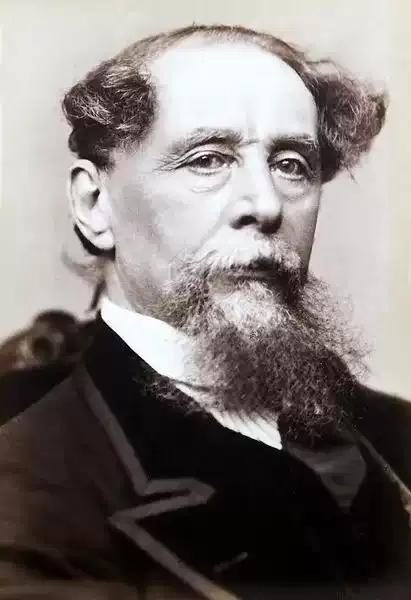
Charles Dickens
Lucy's Song
How beautiful at eventide
To see the twilight shadows pale,
Steal o'er the landscape, far and wide,
O'er stream and meadow, mound and dale!
How soft is Nature's calm repose
When ev'ning skies their cool dews weep:
The gentlest wind more gently blows,
As if to soothe her in her sleep!
The gay morn breaks,
Mists roll away,
All Nature awakes
To glorious day.
In my breast alone
Dark shadows remain;
The peace it has known
It can never regain.
Read more →
To see the twilight shadows pale,
Steal o'er the landscape, far and wide,
O'er stream and meadow, mound and dale!
How soft is Nature's calm repose
When ev'ning skies their cool dews weep:
The gentlest wind more gently blows,
As if to soothe her in her sleep!
The gay morn breaks,
Mists roll away,
All Nature awakes
To glorious day.
In my breast alone
Dark shadows remain;
The peace it has known
It can never regain.
466

Edna St. Vincent Millay
Journey
Ah, could I lay me down in this long grass
And close my eyes, and let the quiet wind
Blow over me—I am so tired, so tired
Of passing pleasant places! All my life,
Following Care along the dusty road,
Have I looked back at loveliness and sighed;
Yet at my hand an unrelenting hand
Tugged ever, and I passed. All my life long
Over my shoulder have I looked at peace;
And now I fain would lie in this long grass
And close my eyes.
Yet onward!
Cat birds call
Through the long afternoon, and creeks at dusk
Are guttural. Whip-poor-wills wake and cry,
Drawing the twilight close about their throats.
Only my heart makes answer. Eager vines
Go up the rocks and wait; flushed apple-trees
Pause in their dance and break the ring for me;
And bayberry, that through sweet bevies thread
Of round-faced roses, pink and petulant,
Look back and beckon ere they disappear.
Only my heart, only my heart responds.
Yet, ah, my path is sweet on either side
All through the dragging day,—sharp underfoot
And hot, and like dead mist the dry dust hangs—
But far, oh, far as passionate eye can reach,
And long, ah, long as rapturous eye can cling,
The world is mine: blue hill, still silver lake,
Broad field, bright flower, and the long white road
A gateless garden, and an open path:
My feet to follow, and my heart to hold.
Read more →
And close my eyes, and let the quiet wind
Blow over me—I am so tired, so tired
Of passing pleasant places! All my life,
Following Care along the dusty road,
Have I looked back at loveliness and sighed;
Yet at my hand an unrelenting hand
Tugged ever, and I passed. All my life long
Over my shoulder have I looked at peace;
And now I fain would lie in this long grass
And close my eyes.
Yet onward!
Cat birds call
Through the long afternoon, and creeks at dusk
Are guttural. Whip-poor-wills wake and cry,
Drawing the twilight close about their throats.
Only my heart makes answer. Eager vines
Go up the rocks and wait; flushed apple-trees
Pause in their dance and break the ring for me;
And bayberry, that through sweet bevies thread
Of round-faced roses, pink and petulant,
Look back and beckon ere they disappear.
Only my heart, only my heart responds.
Yet, ah, my path is sweet on either side
All through the dragging day,—sharp underfoot
And hot, and like dead mist the dry dust hangs—
But far, oh, far as passionate eye can reach,
And long, ah, long as rapturous eye can cling,
The world is mine: blue hill, still silver lake,
Broad field, bright flower, and the long white road
A gateless garden, and an open path:
My feet to follow, and my heart to hold.
467

John Keats
To Fanny
I cry your mercy-pity-love!-aye, love!
Merciful love that tantalizes not,
One-thoughted, never-wandering, guileless love,
Unmasked, and being seen-without a blot!
O! let me have thee whole,-all-all-be mine!
That shape, that fairness, that sweet minor zest
Of love, your kiss,-those hands, those eyes divine,
That warm, white, lucent, million-pleasured breast,
Yourself-
your soul-in pity give me all,
Withhold no atom's atom or I die,
Or living on, perhaps, your wretched thrall,
Forget, in the mist of idle misery,
Life's purposes,-the palate of my mind
Losing its gust, and my ambition blind!
Read more →
Merciful love that tantalizes not,
One-thoughted, never-wandering, guileless love,
Unmasked, and being seen-without a blot!
O! let me have thee whole,-all-all-be mine!
That shape, that fairness, that sweet minor zest
Of love, your kiss,-those hands, those eyes divine,
That warm, white, lucent, million-pleasured breast,
Yourself-
your soul-in pity give me all,
Withhold no atom's atom or I die,
Or living on, perhaps, your wretched thrall,
Forget, in the mist of idle misery,
Life's purposes,-the palate of my mind
Losing its gust, and my ambition blind!
462

Johann Wolfgang von Goethe
Songs
SONGS are like painted window-panes!
In darkness wrapp'd the church remains,
If from the market-place we view it;
Thus sees the ignoramus through it.
No wonder that he deems it tame,--
And all his life 'twill be the same.
But let us now inside repair,
And greet the holy Chapel there!
At once the whole seems clear and bright,
Each ornament is bathed in light,
And fraught with meaning to the sight.
God's children! thus your fortune prize,
Be edified, and feast your eyes!
Read more →
In darkness wrapp'd the church remains,
If from the market-place we view it;
Thus sees the ignoramus through it.
No wonder that he deems it tame,--
And all his life 'twill be the same.
But let us now inside repair,
And greet the holy Chapel there!
At once the whole seems clear and bright,
Each ornament is bathed in light,
And fraught with meaning to the sight.
God's children! thus your fortune prize,
Be edified, and feast your eyes!
466

Elizabeth Barrett Browning
I
I thought once how Theocritus had sung
Of the sweet years, the dear and wished-for years,
Who each one in a gracious hand appears
To bear a gift for mortals, old or young:
And, as I mused it in his antique tongue,
I saw, in gradual vision through my tears,
The sweet, sad years, the melancholy years,
Those of my own life, who by turns had flung
A shadow across me. Straightway I was 'ware,
So weeping, how a mystic Shape did move
Behind me, and drew me backward by the hair:
And a voice said in mastery, while I strove,-'
Guess now who holds thee ? '--' Death,' I said. But, there,
The silver answer rang,--' Not Death, but Love.'
Read more →
Of the sweet years, the dear and wished-for years,
Who each one in a gracious hand appears
To bear a gift for mortals, old or young:
And, as I mused it in his antique tongue,
I saw, in gradual vision through my tears,
The sweet, sad years, the melancholy years,
Those of my own life, who by turns had flung
A shadow across me. Straightway I was 'ware,
So weeping, how a mystic Shape did move
Behind me, and drew me backward by the hair:
And a voice said in mastery, while I strove,-'
Guess now who holds thee ? '--' Death,' I said. But, there,
The silver answer rang,--' Not Death, but Love.'
463

Ella Wheeler Wilcox
Lost
You left me with the autumn time;
When the winter stripped the forest bare,
Then dressed it in his spotless rime;
When frosts were lurking in the air
You left me here and went away.
The winds were cold; you could not stay.
You sought a warmer clime, until
The south wind, artful maid, should break
The winter's trumpets, and should fill
The air with songs of birds; and wake
The sleeping blossoms on the plain
And make the brooks to flow again.
I thought that the winter desolate,
And all times felt a sense of loss.
I taught my longing heart to wait,
And said, 'When Spring shall come across
The hills, with blossoms in her track,
The she, our loved one, will come back.'
And now the hills with grass and moss
The spring with cunning hands has spread,
And yet I feel my grievous loss.
My heart will not be comforted,
But crieth daily, 'Where is she
You promised should come back to me? '
Oh, love! where are you? day by day
I seek to find you, but in vain.
Men point me to a grave, and say:
'There is her bed upon the plain.'
But though I see no trace of you,
I cannot thiink their words are true.
You were too sweet to wholly pass
Away from earth, and leave no trace;
You were to fair to let the grass
Grow rank and tall above your face.
Your voice, that mocked the robin's trill,
I cannot think is hushed and still.
I thought I saw your golden hair
One day, and reached to touch a strand;
I found but yellow sunbeams there
The bright rays fell aslant my hand,
And seemed to mock, with lights and shades,
The silken meshes of your braids.
Again, I thought I saw your hand
Wave, as if beckoning to me;
I found 'twas but a lily, fanned
By the cool zephyrs from the sea.
Oh, love! I find no trace of you -
I wonder if their words were true?
One day I heard a singing voice;
A burst of music, trill on trill.
It made my very soul rejoice;
My heart gave and exultant thrill.
I cried, 'Oh heart, we've found her - hush! '
But no - 'twas the silver-throated thrush.
And once I thought I saw your face,
And wild with joy I ran to you;
But found, when I had reached the place,
'Twas a blush rose, bathed in dew.
Ah, love! I think you must be dead;
And I believe the words they said.
Read more →
When the winter stripped the forest bare,
Then dressed it in his spotless rime;
When frosts were lurking in the air
You left me here and went away.
The winds were cold; you could not stay.
You sought a warmer clime, until
The south wind, artful maid, should break
The winter's trumpets, and should fill
The air with songs of birds; and wake
The sleeping blossoms on the plain
And make the brooks to flow again.
I thought that the winter desolate,
And all times felt a sense of loss.
I taught my longing heart to wait,
And said, 'When Spring shall come across
The hills, with blossoms in her track,
The she, our loved one, will come back.'
And now the hills with grass and moss
The spring with cunning hands has spread,
And yet I feel my grievous loss.
My heart will not be comforted,
But crieth daily, 'Where is she
You promised should come back to me? '
Oh, love! where are you? day by day
I seek to find you, but in vain.
Men point me to a grave, and say:
'There is her bed upon the plain.'
But though I see no trace of you,
I cannot thiink their words are true.
You were too sweet to wholly pass
Away from earth, and leave no trace;
You were to fair to let the grass
Grow rank and tall above your face.
Your voice, that mocked the robin's trill,
I cannot think is hushed and still.
I thought I saw your golden hair
One day, and reached to touch a strand;
I found but yellow sunbeams there
The bright rays fell aslant my hand,
And seemed to mock, with lights and shades,
The silken meshes of your braids.
Again, I thought I saw your hand
Wave, as if beckoning to me;
I found 'twas but a lily, fanned
By the cool zephyrs from the sea.
Oh, love! I find no trace of you -
I wonder if their words were true?
One day I heard a singing voice;
A burst of music, trill on trill.
It made my very soul rejoice;
My heart gave and exultant thrill.
I cried, 'Oh heart, we've found her - hush! '
But no - 'twas the silver-throated thrush.
And once I thought I saw your face,
And wild with joy I ran to you;
But found, when I had reached the place,
'Twas a blush rose, bathed in dew.
Ah, love! I think you must be dead;
And I believe the words they said.
462
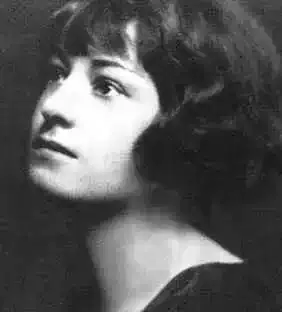
Dorothy Parker
A Certain Lady
Oh, I can smile for you, and tilt my head,
And drink your rushing words with eager lips,
And paint my mouth for you a fragrant red,
And trace your brows with tutored finger-tips.
When you rehearse your list of loves to me,
Oh, I can laugh and marvel, rapturous-eyed.
And you laugh back, nor can you ever see
The thousand little deaths my heart has died.
And you believe, so well I know my part,
That I am gay as morning, light as snow,
And all the straining things within my heart
You'll never know.
Oh, I can laugh and listen, when we meet,
And you bring tales of fresh adventurings, --
Of ladies delicately indiscreet,
Of lingering hands, and gently whispered things.
And you are pleased with me, and strive anew
To sing me sagas of your late delights.
Thus do you want me -- marveling, gay, and true,
Nor do you see my staring eyes of nights.
And when, in search of novelty, you stray,
Oh, I can kiss you blithely as you go ....
And what goes on, my love, while you're away,
You'll never know.
Read more →
And drink your rushing words with eager lips,
And paint my mouth for you a fragrant red,
And trace your brows with tutored finger-tips.
When you rehearse your list of loves to me,
Oh, I can laugh and marvel, rapturous-eyed.
And you laugh back, nor can you ever see
The thousand little deaths my heart has died.
And you believe, so well I know my part,
That I am gay as morning, light as snow,
And all the straining things within my heart
You'll never know.
Oh, I can laugh and listen, when we meet,
And you bring tales of fresh adventurings, --
Of ladies delicately indiscreet,
Of lingering hands, and gently whispered things.
And you are pleased with me, and strive anew
To sing me sagas of your late delights.
Thus do you want me -- marveling, gay, and true,
Nor do you see my staring eyes of nights.
And when, in search of novelty, you stray,
Oh, I can kiss you blithely as you go ....
And what goes on, my love, while you're away,
You'll never know.
462
John Keats
Hymn To Apollo
GOD of the golden bow,
And of the golden lyre,
And of the golden hair,
And of the golden fire,
Charioteer
Of the patient year,
Where---where slept thine ire,
When like a blank idiot I put on thy wreath,
Thy laurel, thy glory,
The light of thy story,
Or was I a worm---too low crawling for death?
O Delphic Apollo!
The Thunderer grasp'd and grasp'd,
The Thunderer frown'd and frown'd;
The eagle's feathery mane
For wrath became stiffen'd---the sound
Of breeding thunder
Went drowsily under,
Muttering to be unbound.
O why didst thou pity, and beg for a worm?
Why touch thy soft lute
Till the thunder was mute,
Why was I not crush'd---such a pitiful germ?
O Delphic Apollo!
The Pleiades were up,
Watching the silent air;
The seeds and roots in Earth
Were swelling for summer fare;
The Ocean, its neighbour,
Was at his old labour,
When, who---who did dare
To tie for a moment, thy plant round his brow,
And grin and look proudly,
And blaspheme so loudly,
And live for that honour, to stoop to thee now?
O Delphic Apollo!
Read more →
And of the golden lyre,
And of the golden hair,
And of the golden fire,
Charioteer
Of the patient year,
Where---where slept thine ire,
When like a blank idiot I put on thy wreath,
Thy laurel, thy glory,
The light of thy story,
Or was I a worm---too low crawling for death?
O Delphic Apollo!
The Thunderer grasp'd and grasp'd,
The Thunderer frown'd and frown'd;
The eagle's feathery mane
For wrath became stiffen'd---the sound
Of breeding thunder
Went drowsily under,
Muttering to be unbound.
O why didst thou pity, and beg for a worm?
Why touch thy soft lute
Till the thunder was mute,
Why was I not crush'd---such a pitiful germ?
O Delphic Apollo!
The Pleiades were up,
Watching the silent air;
The seeds and roots in Earth
Were swelling for summer fare;
The Ocean, its neighbour,
Was at his old labour,
When, who---who did dare
To tie for a moment, thy plant round his brow,
And grin and look proudly,
And blaspheme so loudly,
And live for that honour, to stoop to thee now?
O Delphic Apollo!
463
Walt Whitman
This Compost
SOMETHING startles me where I thought I was safest;
I withdraw from the still woods I loved;
I will not go now on the pastures to walk;
I will not strip the clothes from my body to meet my lover the sea;
I will not touch my flesh to the earth, as to other flesh, to renew
me.
O how can it be that the ground does not sicken?
How can you be alive, you growths of spring?
How can you furnish health, you blood of herbs, roots, orchards,
grain?
Are they not continually putting distemper'd corpses within you?
Is not every continent work'd over and over with sour dead?
Where have you disposed of their carcasses?
Those drunkards and gluttons of so many generations;
Where have you drawn off all the foul liquid and meat?
I do not see any of it upon you to-day--or perhaps I am deceiv'd;
I will run a furrow with my plough--I will press my spade through the
sod, and turn it up underneath;
I am sure I shall expose some of the foul meat.
Behold this compost! behold it well!
Perhaps every mite has once form'd part of a sick person--Yet behold!
The grass of spring covers the prairies,
The bean bursts noislessly through the mould in the garden,
The delicate spear of the onion pierces upward,
The apple-buds cluster together on the apple-branches,
The resurrection of the wheat appears with pale visage out of its
graves,
The tinge awakes over the willow-tree and the mulberry-tree,
The he-birds carol mornings and evenings, while the she-birds sit on
their nests,
The young of poultry break through the hatch'd eggs,
The new-born of animals appear--the calf is dropt from the cow, the
colt from the mare,
Out of its little hill faithfully rise the potato's dark green
leaves,
Out of its hill rises the yellow maize-stalk--the lilacs bloom in the
door-yards;
The summer growth is innocent and disdainful above all those strata
of sour dead.
What chemistry!
That the winds are really not infectious,
That this is no cheat, this transparent green-wash of the sea, which
is so amorous after me,
That it is safe to allow it to lick my naked body all over with its
tongues,
That it will not endanger me with the fevers that have deposited
themselves in it,
That all is clean forever and forever.
That the cool drink from the well tastes so good,
That blackberries are so flavorous and juicy,
That the fruits of the apple-orchard, and of the orange-orchard--that
melons, grapes, peaches, plums, will none of them poison me,
That when I recline on the grass I do not catch any disease,
Though probably every spear of grass rises out of what was once a
catching disease.
Now I am terrified at the Earth! it is that calm and patient,
It grows such sweet things out of such corruptions,
It turns harmless and stainless on its axis, with such endless
successions of diseas'd corpses,
It distils such exquisite winds out of such infused fetor,
It renews with such unwitting looks, its prodigal, annual, sumptuous
crops,
It gives such divine materials to men, and accepts such leavings from
them at last.
Read more →
I withdraw from the still woods I loved;
I will not go now on the pastures to walk;
I will not strip the clothes from my body to meet my lover the sea;
I will not touch my flesh to the earth, as to other flesh, to renew
me.
O how can it be that the ground does not sicken?
How can you be alive, you growths of spring?
How can you furnish health, you blood of herbs, roots, orchards,
grain?
Are they not continually putting distemper'd corpses within you?
Is not every continent work'd over and over with sour dead?
Where have you disposed of their carcasses?
Those drunkards and gluttons of so many generations;
Where have you drawn off all the foul liquid and meat?
I do not see any of it upon you to-day--or perhaps I am deceiv'd;
I will run a furrow with my plough--I will press my spade through the
sod, and turn it up underneath;
I am sure I shall expose some of the foul meat.
Behold this compost! behold it well!
Perhaps every mite has once form'd part of a sick person--Yet behold!
The grass of spring covers the prairies,
The bean bursts noislessly through the mould in the garden,
The delicate spear of the onion pierces upward,
The apple-buds cluster together on the apple-branches,
The resurrection of the wheat appears with pale visage out of its
graves,
The tinge awakes over the willow-tree and the mulberry-tree,
The he-birds carol mornings and evenings, while the she-birds sit on
their nests,
The young of poultry break through the hatch'd eggs,
The new-born of animals appear--the calf is dropt from the cow, the
colt from the mare,
Out of its little hill faithfully rise the potato's dark green
leaves,
Out of its hill rises the yellow maize-stalk--the lilacs bloom in the
door-yards;
The summer growth is innocent and disdainful above all those strata
of sour dead.
What chemistry!
That the winds are really not infectious,
That this is no cheat, this transparent green-wash of the sea, which
is so amorous after me,
That it is safe to allow it to lick my naked body all over with its
tongues,
That it will not endanger me with the fevers that have deposited
themselves in it,
That all is clean forever and forever.
That the cool drink from the well tastes so good,
That blackberries are so flavorous and juicy,
That the fruits of the apple-orchard, and of the orange-orchard--that
melons, grapes, peaches, plums, will none of them poison me,
That when I recline on the grass I do not catch any disease,
Though probably every spear of grass rises out of what was once a
catching disease.
Now I am terrified at the Earth! it is that calm and patient,
It grows such sweet things out of such corruptions,
It turns harmless and stainless on its axis, with such endless
successions of diseas'd corpses,
It distils such exquisite winds out of such infused fetor,
It renews with such unwitting looks, its prodigal, annual, sumptuous
crops,
It gives such divine materials to men, and accepts such leavings from
them at last.
466

Rabindranath Tagore
The Gardener XVI: Hands Cling to Eyes
Hands cling to hands and eyes linger
on eyes: thus begins the record of our
hearts.
It is the moonlit night of March;
the sweet smell of henna is in the air;
my flute lies on the earth neglected
and your garland of flowers is
unfinished.
This love between you and me is
simple as a song.
Your veil of the saffron colour
makes my eyes drunk.
The jasmine wreath that you wove
me thrills to my heart like praise.
It is a game of giving and withholding,
revealing and screening again;
some smiles and some little shyness,
and some sweet useless struggles.
This love between you and me is
simple as a song.
No mystery beyond the present;
no striving for the impossible; no
shadow behind the charm; no groping
in the depth of the dark.
This love between you and me is
simple as a song.
We do not stray out of all words
into the ever silent; we do not raise
our hands to the void for things
beyond hope.
It is enough what we give and we
get.
We have not crushed the joy to
the utmost to wring from it the wine
of pain.
This love between you and me is
simple as a song.
Read more →
on eyes: thus begins the record of our
hearts.
It is the moonlit night of March;
the sweet smell of henna is in the air;
my flute lies on the earth neglected
and your garland of flowers is
unfinished.
This love between you and me is
simple as a song.
Your veil of the saffron colour
makes my eyes drunk.
The jasmine wreath that you wove
me thrills to my heart like praise.
It is a game of giving and withholding,
revealing and screening again;
some smiles and some little shyness,
and some sweet useless struggles.
This love between you and me is
simple as a song.
No mystery beyond the present;
no striving for the impossible; no
shadow behind the charm; no groping
in the depth of the dark.
This love between you and me is
simple as a song.
We do not stray out of all words
into the ever silent; we do not raise
our hands to the void for things
beyond hope.
It is enough what we give and we
get.
We have not crushed the joy to
the utmost to wring from it the wine
of pain.
This love between you and me is
simple as a song.
464
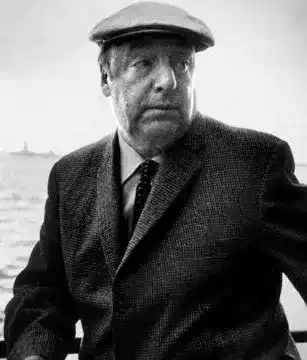
Pablo Neruda
Sonnet XCV:Who ever desired each other as we do
Who ever desired each other as we do? Let us look
for the ancient ashes of hearts that burned,
and let our kisses touch there, one by one,
till the flower, disembodied, rises again.
Let us love that Desire that consumed its own fruit
and went down, aspect and power, into the earth:
We are its continuing light,
its indestructible, fragile seed
Read more →
for the ancient ashes of hearts that burned,
and let our kisses touch there, one by one,
till the flower, disembodied, rises again.
Let us love that Desire that consumed its own fruit
and went down, aspect and power, into the earth:
We are its continuing light,
its indestructible, fragile seed
465
Walt Whitman
By The Bivouac's Fitful Flame
BY the bivouac's fitful flame,
A procession winding around me, solemn and sweet and slow;--but first
I note,
The tents of the sleeping army, the fields' and woods' dim outline,
The darkness, lit by spots of kindled fire--the silence;
Like a phantom far or near an occasional figure moving;
The shrubs and trees, (as I lift my eyes they seem to be stealthily
watching me;)
While wind in procession thoughts, O tender and wondrous thoughts,
Of life and death--of home and the past and loved, and of those that
are far away;
A solemn and slow procession there as I sit on the ground,
By the bivouac's fitful flame.
Read more →
A procession winding around me, solemn and sweet and slow;--but first
I note,
The tents of the sleeping army, the fields' and woods' dim outline,
The darkness, lit by spots of kindled fire--the silence;
Like a phantom far or near an occasional figure moving;
The shrubs and trees, (as I lift my eyes they seem to be stealthily
watching me;)
While wind in procession thoughts, O tender and wondrous thoughts,
Of life and death--of home and the past and loved, and of those that
are far away;
A solemn and slow procession there as I sit on the ground,
By the bivouac's fitful flame.
466
Walt Whitman
In Cabin'd Ships At Sea
IN cabin'd ships, at sea,
The boundless blue on every side expanding,
With whistling winds and music of the waves--the large imperious
waves--In such,
Or some lone bark, buoy'd on the dense marine,
Where, joyous, full of faith, spreading white sails,
She cleaves the ether, mid the sparkle and the foam of day, or under
many a star at night,
By sailors young and old, haply will I, a reminiscence of the land,
be read,
In full rapport at last.
Here are our thoughts--voyagers' thoughts,
Here not the land, firm land, alone appears, may then by them be
said;
The sky o'erarches here--we feel the undulating deck beneath our
feet,
We feel the long pulsation--ebb and flow of endless motion;
The tones of unseen mystery--the vague and vast suggestions of the
briny world--the liquid-flowing syllables,
The perfume, the faint creaking of the cordage, the melancholy
rhythm,
The boundless vista, and the horizon far and dim, are all here,
And this is Ocean's poem.
Then falter not, O book! fulfil your destiny!
You, not a reminiscence of the land alone,
You too, as a lone bark, cleaving the ether--purpos'd I know
not whither--yet ever full of faith,
Consort to every ship that sails--sail you!
Bear forth to them, folded, my love--(Dear mariners! for you I fold
it here, in every leaf;)
Speed on, my Book! spread your white sails, my little bark, athwart
the imperious waves!
Chant on--sail on--bear o'er the boundless blue, from me, to every
shore,
This song for mariners and all their ships.
Read more →
The boundless blue on every side expanding,
With whistling winds and music of the waves--the large imperious
waves--In such,
Or some lone bark, buoy'd on the dense marine,
Where, joyous, full of faith, spreading white sails,
She cleaves the ether, mid the sparkle and the foam of day, or under
many a star at night,
By sailors young and old, haply will I, a reminiscence of the land,
be read,
In full rapport at last.
Here are our thoughts--voyagers' thoughts,
Here not the land, firm land, alone appears, may then by them be
said;
The sky o'erarches here--we feel the undulating deck beneath our
feet,
We feel the long pulsation--ebb and flow of endless motion;
The tones of unseen mystery--the vague and vast suggestions of the
briny world--the liquid-flowing syllables,
The perfume, the faint creaking of the cordage, the melancholy
rhythm,
The boundless vista, and the horizon far and dim, are all here,
And this is Ocean's poem.
Then falter not, O book! fulfil your destiny!
You, not a reminiscence of the land alone,
You too, as a lone bark, cleaving the ether--purpos'd I know
not whither--yet ever full of faith,
Consort to every ship that sails--sail you!
Bear forth to them, folded, my love--(Dear mariners! for you I fold
it here, in every leaf;)
Speed on, my Book! spread your white sails, my little bark, athwart
the imperious waves!
Chant on--sail on--bear o'er the boundless blue, from me, to every
shore,
This song for mariners and all their ships.
464

Alfred Lord Tennyson
In Memoriam A. H. H.: 72. Risest thou thus, dim dawn, again
Risest thou thus, dim dawn, again,
And howlest, issuing out of night,
With blasts that blow the poplar white,
And lash with storm the streaming pane?
Day, when my crown'd estate begun
To pine in that reverse of doom,
Which sicken'd every living bloom,
And blurr'd the splendour of the sun;
Who usherest in the dolorous hour
With thy quick tears that make the rose
Pull sideways, and the daisy close
Her crimson fringes to the shower;
Who might'st have heaved a windless flame
Up the deep East, or, whispering, play'd
A chequer-work of beam and shade
Along the hills, yet look'd the same.
As wan, as chill, as wild as now;
Day, mark'd as with some hideous crime,
When the dark hand struck down thro' time,
And cancell'd nature's best: but thou,
Lift as thou may'st thy burthen'd brows
Thro' clouds that drench the morning star,
And whirl the ungarner'd sheaf afar,
And sow the sky with flying boughs,
And up thy vault with roaring sound
Climb thy thick noon, disastrous day;
Touch thy dull goal of joyless gray,
And hide thy shame beneath the ground.
Read more →
And howlest, issuing out of night,
With blasts that blow the poplar white,
And lash with storm the streaming pane?
Day, when my crown'd estate begun
To pine in that reverse of doom,
Which sicken'd every living bloom,
And blurr'd the splendour of the sun;
Who usherest in the dolorous hour
With thy quick tears that make the rose
Pull sideways, and the daisy close
Her crimson fringes to the shower;
Who might'st have heaved a windless flame
Up the deep East, or, whispering, play'd
A chequer-work of beam and shade
Along the hills, yet look'd the same.
As wan, as chill, as wild as now;
Day, mark'd as with some hideous crime,
When the dark hand struck down thro' time,
And cancell'd nature's best: but thou,
Lift as thou may'st thy burthen'd brows
Thro' clouds that drench the morning star,
And whirl the ungarner'd sheaf afar,
And sow the sky with flying boughs,
And up thy vault with roaring sound
Climb thy thick noon, disastrous day;
Touch thy dull goal of joyless gray,
And hide thy shame beneath the ground.
462
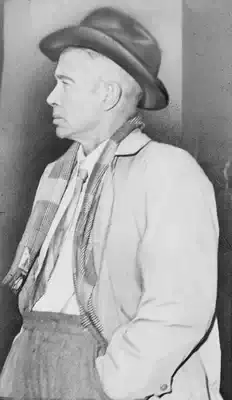
E. E. Cummings
in time of daffodils(who know
in time of daffodils(who know
the goal of living is to grow)
forgetting why,remember how
in time of lilacs who proclaim
the aim of waking is to dream,
remember so(forgetting seem)
in time of roses(who amaze
our now and here with paradise)
forgetting if,remember yes
in time of all sweet things beyond
whatever mind may comprehend,
remember seek(forgetting find)
and in a mystery to be
(when time from time shall set us free)
forgetting me,remember me
Read more →
the goal of living is to grow)
forgetting why,remember how
in time of lilacs who proclaim
the aim of waking is to dream,
remember so(forgetting seem)
in time of roses(who amaze
our now and here with paradise)
forgetting if,remember yes
in time of all sweet things beyond
whatever mind may comprehend,
remember seek(forgetting find)
and in a mystery to be
(when time from time shall set us free)
forgetting me,remember me
464

John Donne
La Corona
Deign at my hands this crown of prayer and praise,
Weaved in my lone devout melancholy,
Thou which of good hast, yea, art treasury,
All changing unchanged Ancient of days.
But do not with a vile crown of frail bays
Reward my Muse's white sincerity ;
But what Thy thorny crown gain'd, that give me,
A crown of glory, which doth flower always.
The ends crown our works, but Thou crown'st our ends,
For at our ends begins our endless rest.
The first last end, now zealously possess'd,
With a strong sober thirst my soul attends.
'Tis time that heart and voice be lifted high ;
Salvation to all that will is nigh.
Read more →
Weaved in my lone devout melancholy,
Thou which of good hast, yea, art treasury,
All changing unchanged Ancient of days.
But do not with a vile crown of frail bays
Reward my Muse's white sincerity ;
But what Thy thorny crown gain'd, that give me,
A crown of glory, which doth flower always.
The ends crown our works, but Thou crown'st our ends,
For at our ends begins our endless rest.
The first last end, now zealously possess'd,
With a strong sober thirst my soul attends.
'Tis time that heart and voice be lifted high ;
Salvation to all that will is nigh.
464