

Poems in this topic
Memories and Recollections
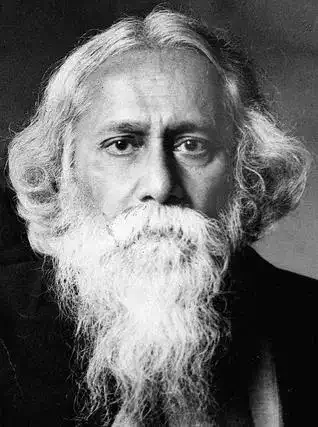
Rabindranath Tagore
Broken Song
Broken Song
Kasinath the new young singer fills the hall with sound:
The seven notes dance in his throat like seven tame birds.
His voice is a sharp sword slicing and thrusting everywhere,
It darts like lightening - no knowing where it will go when.
He sets deadly traps for himself, then cuts them away:
The courtiers listen in amazement, give frequent gasps of praise.
Only the old king Pratap Ray sits like wood, unmoved.
Haraj Lal is the only singer he likes, all others leave him cold.
From childhood he has spent so long listening to him sing -
Rag Kafi during holi, cloud-songs during the rains,
Songs for Durga at dawn in autumn, songs to bid her farewell -
His heart swelled when he heard them and his eyes swam with tears.
And on days when friends gathered and filled the hall
There were cowherds' songs of Krsna, in raags Bhupali and Multan.
So many nights of wedding-festivity have passed in that royal house:
Servants dressed in red, hundreds of lamps alight:
The bridegroom sitting shyly in his finery and jewels,
Young friends teasing him and whispering in his ear:
Before him, singing raag Sahana, sits Baraj Lal.
The king's heart is full of all those days and songs.
When he hears some other singer, he feels no chord inside,
No sudden magical awakening of memories of the past.
When Pratap Ray watches Kasinath he just sees his wagging head:
Tune after tune after tune, bu none with any echo in the heart.
Kasinath asks for a rest and the singing stops for a space.
Pratap Ray smilingly turns his eyes to Baraj Lal.
He puts his mouth to his ear and says, 'Dear ustad,
Give us a song as songs ought to be, this is no song at all.
It's all tricks and games, like a cat hunting a bird.
We used to hear songs in the old days, today they have no idea.'
Old Baraj Lal, white-haired, white turban on his head,
Bows to the assembled courtiers and slowly takes his seat.
He takes the tanpura in his wasted, heavily veined hand
And with lowered head and closed eyes begins raag Yaman-kalyap.
His quavering voice is swallowed by the enormous hall,
Is like a tiny bird in a storm, unable to fly for all it tries.
Pratap Ray, sitting to the left, encourages him again and again:
'Superb, bravo!' he says in his ear, 'sing out loud.'
The courtiers are inattentive, some whisper amongst themselves,
Some of them yawn, some doze, some go off to their rooms;
Some of them call to servants, 'Bring the bookah, bring some pan.'
Some fan themselves furiously and complain of the heat.
They cannot keep still for a minute, they shuffle or walk about -
The hall was quiet before, but every sort of noise has grown.
The old man's singing is swamped, like a frail boat in a typhoon:
Only his shaky fingering of the tanpura shows it is there.
Music that should rise on its own joy from the depths of the heart
Is crushed by heedless clamour, like a fountain under a stone.
The song and Baraj Lal's feelings go separate ways,
But he sings for all he is worth, to keep up the honour of his king.
One of the verses of the song has somehow slipped from his mind.
He quickly goes back, tries to get it right this time.
Again he forgets, it is lost, he shakes his head at the shame;
He starts the song at the beginning - again he has to stop.
His hand trembles doubly as he prays to his teachers name.
His voice quakes with distress, like a lamp guttering in a breeze.
He abandons the words of the song and tries to salvage the tune,
But suddenly his wide-mouthed singing breaks into loud cries.
The intricate melody goes to the winds, the rhythm is swept away -
Tears snap the thread of the song, cascade like pearls.
In shame he rests his head on the old tanpura in his lap -
He has failed to remember a song: he weeps as he did as a child.
With brimming eyes king Pratap Ray tenderly touches his friend:
'Come, let us go from here,' he says with kindness and love.
They leave that festive hall with its hundreds of blinding lights.
The two old friends go outside, holding each other's hands.
Baraj says with hands clasped, 'Master, our days are gone.
New men have come now, new styles and customs in the world.
The court we kept is deserted - only the two of us are left.
Don't ask anyone to listen to me now, I beg you at your feet, my lord.
The singer along does not make a song, there has to be someone who hears:
One man opens his throat to sing, the other sings in his mind.
Only when waves fall on the shore do they make a harmonious sound;
Only when breezes shake the woods do we hear a rustling in the leaves.
Only from a marriage of two forces does music arise in the world.
Where there is no love, where listeners are dumb, there never can be song.'
Kasinath the new young singer fills the hall with sound:
The seven notes dance in his throat like seven tame birds.
His voice is a sharp sword slicing and thrusting everywhere,
It darts like lightening - no knowing where it will go when.
He sets deadly traps for himself, then cuts them away:
The courtiers listen in amazement, give frequent gasps of praise.
Only the old king Pratap Ray sits like wood, unmoved.
Haraj Lal is the only singer he likes, all others leave him cold.
From childhood he has spent so long listening to him sing -
Rag Kafi during holi, cloud-songs during the rains,
Songs for Durga at dawn in autumn, songs to bid her farewell -
His heart swelled when he heard them and his eyes swam with tears.
And on days when friends gathered and filled the hall
There were cowherds' songs of Krsna, in raags Bhupali and Multan.
So many nights of wedding-festivity have passed in that royal house:
Servants dressed in red, hundreds of lamps alight:
The bridegroom sitting shyly in his finery and jewels,
Young friends teasing him and whispering in his ear:
Before him, singing raag Sahana, sits Baraj Lal.
The king's heart is full of all those days and songs.
When he hears some other singer, he feels no chord inside,
No sudden magical awakening of memories of the past.
When Pratap Ray watches Kasinath he just sees his wagging head:
Tune after tune after tune, bu none with any echo in the heart.
Kasinath asks for a rest and the singing stops for a space.
Pratap Ray smilingly turns his eyes to Baraj Lal.
He puts his mouth to his ear and says, 'Dear ustad,
Give us a song as songs ought to be, this is no song at all.
It's all tricks and games, like a cat hunting a bird.
We used to hear songs in the old days, today they have no idea.'
Old Baraj Lal, white-haired, white turban on his head,
Bows to the assembled courtiers and slowly takes his seat.
He takes the tanpura in his wasted, heavily veined hand
And with lowered head and closed eyes begins raag Yaman-kalyap.
His quavering voice is swallowed by the enormous hall,
Is like a tiny bird in a storm, unable to fly for all it tries.
Pratap Ray, sitting to the left, encourages him again and again:
'Superb, bravo!' he says in his ear, 'sing out loud.'
The courtiers are inattentive, some whisper amongst themselves,
Some of them yawn, some doze, some go off to their rooms;
Some of them call to servants, 'Bring the bookah, bring some pan.'
Some fan themselves furiously and complain of the heat.
They cannot keep still for a minute, they shuffle or walk about -
The hall was quiet before, but every sort of noise has grown.
The old man's singing is swamped, like a frail boat in a typhoon:
Only his shaky fingering of the tanpura shows it is there.
Music that should rise on its own joy from the depths of the heart
Is crushed by heedless clamour, like a fountain under a stone.
The song and Baraj Lal's feelings go separate ways,
But he sings for all he is worth, to keep up the honour of his king.
One of the verses of the song has somehow slipped from his mind.
He quickly goes back, tries to get it right this time.
Again he forgets, it is lost, he shakes his head at the shame;
He starts the song at the beginning - again he has to stop.
His hand trembles doubly as he prays to his teachers name.
His voice quakes with distress, like a lamp guttering in a breeze.
He abandons the words of the song and tries to salvage the tune,
But suddenly his wide-mouthed singing breaks into loud cries.
The intricate melody goes to the winds, the rhythm is swept away -
Tears snap the thread of the song, cascade like pearls.
In shame he rests his head on the old tanpura in his lap -
He has failed to remember a song: he weeps as he did as a child.
With brimming eyes king Pratap Ray tenderly touches his friend:
'Come, let us go from here,' he says with kindness and love.
They leave that festive hall with its hundreds of blinding lights.
The two old friends go outside, holding each other's hands.
Baraj says with hands clasped, 'Master, our days are gone.
New men have come now, new styles and customs in the world.
The court we kept is deserted - only the two of us are left.
Don't ask anyone to listen to me now, I beg you at your feet, my lord.
The singer along does not make a song, there has to be someone who hears:
One man opens his throat to sing, the other sings in his mind.
Only when waves fall on the shore do they make a harmonious sound;
Only when breezes shake the woods do we hear a rustling in the leaves.
Only from a marriage of two forces does music arise in the world.
Where there is no love, where listeners are dumb, there never can be song.'
628
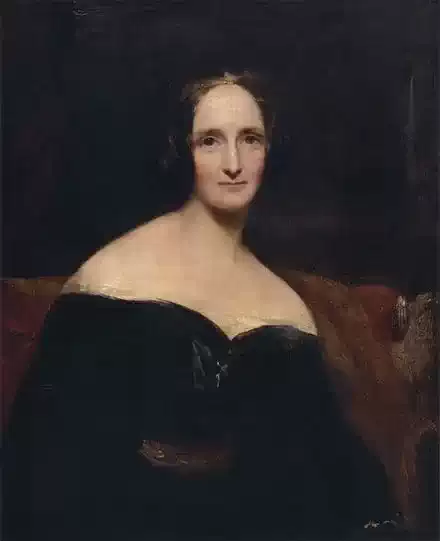
Percy Bysshe Shelley
Time Long Past
Time Long Past
Like the ghost of a dear friend dead
Is Time long past.
A tone which is now forever fled,
A hope which is now forever past,
A love so sweet it could not last,
Was Time long past.
There were sweet dreams in the night
Of Time long past:
And, was it sadness or delight,
Each day a shadow onward cast
Which made us wish it yet might last--
That Time long past.
There is regret, almost remorse,
For Time long past.
'Tis like a child's belovèd corse
A father watches, till at last
Beauty is like remembrance, cast
From Time long past.
Like the ghost of a dear friend dead
Is Time long past.
A tone which is now forever fled,
A hope which is now forever past,
A love so sweet it could not last,
Was Time long past.
There were sweet dreams in the night
Of Time long past:
And, was it sadness or delight,
Each day a shadow onward cast
Which made us wish it yet might last--
That Time long past.
There is regret, almost remorse,
For Time long past.
'Tis like a child's belovèd corse
A father watches, till at last
Beauty is like remembrance, cast
From Time long past.
400
Percy Bysshe Shelley
Music, When Soft Voices Die
Music, When Soft Voices Die
Music, when soft voices die,
Vibrates in the memory;
Odours, when sweet violets sicken,
Live within the sense they quicken.
Rose leaves, when the rose is dead,
Are heaped for the beloved's bed;
And so thy thoughts, when thou art gone,
Love itself shall slumber on.
Music, when soft voices die,
Vibrates in the memory;
Odours, when sweet violets sicken,
Live within the sense they quicken.
Rose leaves, when the rose is dead,
Are heaped for the beloved's bed;
And so thy thoughts, when thou art gone,
Love itself shall slumber on.
346

Paul Laurence Dunbar
If I Could But Forget
If I Could But Forget
If I could but forget
The fullness of those first sweet days,
When you burst sun-like thro' the haze
Of unacquaintance, on my sight,
And made the wet, gray day seem bright
While clouds themselves grew fair to see.
And since, no day is gray or wet
But all the scene comes back to me,
If I could but forget.
If I could but forget
How your dusk eyes look into mine,
And how I thrilled as with strong wine
Beneath your touch; while sped amain
The quickened stream thro' ev'ry vein;
How near my breath fell to a gasp,
When for a space our fingers met
In one electric vibrant clasp,
If I could but forget.
If I could but forget
The months of passion and of pain,
And all that followed in their train--
Rebellious thoughts that would arise,
Rebellious tears that dimmed mine eyes,
The prayers that I might set love's fire
Aflame within your bosom yet--
The death at last of that desire--
If I could but forget.
If I could but forget
The fullness of those first sweet days,
When you burst sun-like thro' the haze
Of unacquaintance, on my sight,
And made the wet, gray day seem bright
While clouds themselves grew fair to see.
And since, no day is gray or wet
But all the scene comes back to me,
If I could but forget.
If I could but forget
How your dusk eyes look into mine,
And how I thrilled as with strong wine
Beneath your touch; while sped amain
The quickened stream thro' ev'ry vein;
How near my breath fell to a gasp,
When for a space our fingers met
In one electric vibrant clasp,
If I could but forget.
If I could but forget
The months of passion and of pain,
And all that followed in their train--
Rebellious thoughts that would arise,
Rebellious tears that dimmed mine eyes,
The prayers that I might set love's fire
Aflame within your bosom yet--
The death at last of that desire--
If I could but forget.
630
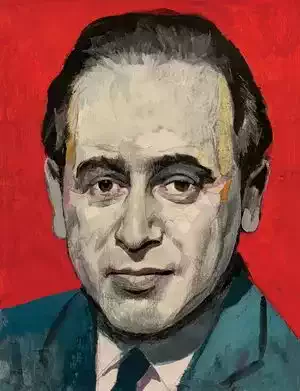
Paul Celan
Night Ray
Night Ray
Most brightly of all burned the hair of my evening loved one:
to her I send the coffin of lightest wood.
Waves billow round it as round the bed of our dream in Rome;
it wears a white wig as I do and speaks hoarsely:
it talks as I do when I grant admittance to hearts.
It knows a French song about love, I sang it in autumn
when I stopped as a tourist in Lateland and wrote my letters
to morning.
A fine boat is that coffin carved in the coppice of feelings.
I too drift in it downbloodstream, younger still than your eye.
Now you are young as a bird dropped dead in March snow,
now it comes to you, sings you its love song from France.
You are light: you will sleep through my spring till it's over.
I am lighter:
in front of strangers I sing.
Most brightly of all burned the hair of my evening loved one:
to her I send the coffin of lightest wood.
Waves billow round it as round the bed of our dream in Rome;
it wears a white wig as I do and speaks hoarsely:
it talks as I do when I grant admittance to hearts.
It knows a French song about love, I sang it in autumn
when I stopped as a tourist in Lateland and wrote my letters
to morning.
A fine boat is that coffin carved in the coppice of feelings.
I too drift in it downbloodstream, younger still than your eye.
Now you are young as a bird dropped dead in March snow,
now it comes to you, sings you its love song from France.
You are light: you will sleep through my spring till it's over.
I am lighter:
in front of strangers I sing.
439
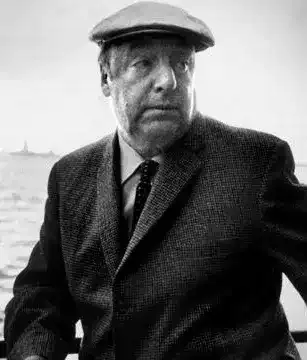
Pablo Neruda
Tonight I Can Write
Tonight I Can Write
Tonight I can write the saddest lines.
Write, for example, 'The night is starry
and the stars are blue and shiver in the distance.'
The night wind revolves in the sky and sings.
Tonight I can write the saddest lines.
I loved her, and sometimes she loved me too.
Through nights like this one I held her in my arms.
I kissed her again and again under the endless sky.
She loved me, sometimes I loved her too.
How could one not have loved her great still eyes.
Tonight I can write the saddest lines.
To think that I do not have her. To feel that I have lost her.
To hear the immense night, still more immense without her.
And the verse falls to the soul like dew to the pasture.
What does it matter that my love could not keep her.
The night is starry and she is not with me.
This is all. In the distance someone is singing. In the distance.
My soul is not satisfied that it has lost her.
My sight tries to find her as though to bring her closer.
My heart looks for her, and she is not with me.
The same night whitening the same trees.
We, of that time, are no longer the same.
I no longer love her, that's certain, but how I loved her.
My voice tried to find the wind to touch her hearing.
Another's. She will be another's. As she was before my kisses.
Her voice, her bright body. Her infinite eyes.
I no longer love her, that's certain, but maybe I love her.
Love is so short, forgetting is so long.
Because through nights like this one I held her in my arms
my soul is not satisfied that it has lost her.
Though this be the last pain that she makes me suffer
and these the last verses that I write for her.
translated by W.S. Merwin
Tonight I can write the saddest lines.
Write, for example, 'The night is starry
and the stars are blue and shiver in the distance.'
The night wind revolves in the sky and sings.
Tonight I can write the saddest lines.
I loved her, and sometimes she loved me too.
Through nights like this one I held her in my arms.
I kissed her again and again under the endless sky.
She loved me, sometimes I loved her too.
How could one not have loved her great still eyes.
Tonight I can write the saddest lines.
To think that I do not have her. To feel that I have lost her.
To hear the immense night, still more immense without her.
And the verse falls to the soul like dew to the pasture.
What does it matter that my love could not keep her.
The night is starry and she is not with me.
This is all. In the distance someone is singing. In the distance.
My soul is not satisfied that it has lost her.
My sight tries to find her as though to bring her closer.
My heart looks for her, and she is not with me.
The same night whitening the same trees.
We, of that time, are no longer the same.
I no longer love her, that's certain, but how I loved her.
My voice tried to find the wind to touch her hearing.
Another's. She will be another's. As she was before my kisses.
Her voice, her bright body. Her infinite eyes.
I no longer love her, that's certain, but maybe I love her.
Love is so short, forgetting is so long.
Because through nights like this one I held her in my arms
my soul is not satisfied that it has lost her.
Though this be the last pain that she makes me suffer
and these the last verses that I write for her.
translated by W.S. Merwin
897
Pablo Neruda
Lost In The Forest
Lost In The Forest
Lost in the forest, I broke off a dark twig
and lifted its whisper to my thirsty lips:
maybe it was the voice of the rain crying,
a cracked bell, or a torn heart.
Something from far off it seemed
deep and secret to me, hidden by the earth,
a shout muffled by huge autumns,
by the moist half-open darkness of the leaves.
Wakening from the dreaming forest there, the hazel-sprig
sang under my tongue, its drifting fragrance
climbed up through my conscious mind
as if suddenly the roots I had left behind
cried out to me, the land I had lost with my childhood-and
I stopped, wounded by the wandering scent.
Lost in the forest, I broke off a dark twig
and lifted its whisper to my thirsty lips:
maybe it was the voice of the rain crying,
a cracked bell, or a torn heart.
Something from far off it seemed
deep and secret to me, hidden by the earth,
a shout muffled by huge autumns,
by the moist half-open darkness of the leaves.
Wakening from the dreaming forest there, the hazel-sprig
sang under my tongue, its drifting fragrance
climbed up through my conscious mind
as if suddenly the roots I had left behind
cried out to me, the land I had lost with my childhood-and
I stopped, wounded by the wandering scent.
659
Pablo Neruda
I Remember You As You Were
I Remember You As You Were
I remember you as you were in the last autumn.
You were the grey beret and the still heart.
In your eyes the flames of the twilight fought on.
And the leaves fell in the water of your soul.
Clasping my arms like a climbing plant
the leaves garnered your voice, that was slow and at peace.
Bonfire of awe in which my thirst was burning.
Sweet blue hyacinth twisted over my soul.
I feel your eyes traveling, and the autumn is far off:
Grey beret, voice of a bird, heart like a house
Towards which my deep longings migrated
And my kisses fell, happy as embers.
Sky from a ship. Field from the hills:
Your memory is made of light, of smoke, of a still pond!
Beyond your eyes, farther on, the evenings were blazing.
Dry autumn leaves revolved in your soul.
I remember you as you were in the last autumn.
You were the grey beret and the still heart.
In your eyes the flames of the twilight fought on.
And the leaves fell in the water of your soul.
Clasping my arms like a climbing plant
the leaves garnered your voice, that was slow and at peace.
Bonfire of awe in which my thirst was burning.
Sweet blue hyacinth twisted over my soul.
I feel your eyes traveling, and the autumn is far off:
Grey beret, voice of a bird, heart like a house
Towards which my deep longings migrated
And my kisses fell, happy as embers.
Sky from a ship. Field from the hills:
Your memory is made of light, of smoke, of a still pond!
Beyond your eyes, farther on, the evenings were blazing.
Dry autumn leaves revolved in your soul.
617
Pablo Neruda
Clenched Soul
Clenched Soul
We have lost even this twilight.
No one saw us this evening hand in hand
while the blue night dropped on the world.
I have seen from my window
the fiesta of sunset in the distant mountain tops.
Sometimes a piece of sun
burned like a coin in my hand.
I remembered you with my soul clenched
in that sadness of mine that you know.
Where were you then?
Who else was there?
Saying what?
Why will the whole of love come on me suddenly
when I am sad and feel you are far away?
The book fell that always closed at twilight
and my blue sweater rolled like a hurt dog at my feet.
Always, always you recede through the evenings
toward the twilight erasing statues.
We have lost even this twilight.
No one saw us this evening hand in hand
while the blue night dropped on the world.
I have seen from my window
the fiesta of sunset in the distant mountain tops.
Sometimes a piece of sun
burned like a coin in my hand.
I remembered you with my soul clenched
in that sadness of mine that you know.
Where were you then?
Who else was there?
Saying what?
Why will the whole of love come on me suddenly
when I am sad and feel you are far away?
The book fell that always closed at twilight
and my blue sweater rolled like a hurt dog at my feet.
Always, always you recede through the evenings
toward the twilight erasing statues.
581
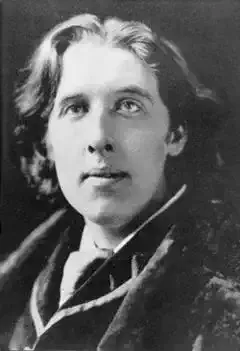
Oscar Wilde
Roses and Rue
Roses and Rue
Could we dig up this long-buried treasure,
Were it worth the pleasure,
We never could learn love's song,
We are parted too long
Could the passionate past that is fled
Call back its dead,
Could we live it all over again,
Were it worth the pain!
I remember we used to meet
By an ivied seat,
And you warbled each pretty word
With the air of a bird;
And your voice had a quaver in it,
Just like a linnet,
And shook, as the blackbird's throat
With its last big note;
And your eyes, they were green and grey
Like an April day,
But lit into amethyst
When I stooped and kissed;
And your mouth, it would never smile
For a long, long while,
Then it rippled all over with laughter
Five minutes after.
You were always afraid of a shower,
Just like a flower:
I remember you started and ran
When the rain began.
I remember I never could catch you,
For no one could match you,
You had wonderful, luminous, fleet,
Little wings to your feet.
I remember your hair - did I tie it?
For it always ran riot -
Like a tangled sunbeam of gold:
These things are old.
I remember so well the room,
And the lilac bloom
That beat at the dripping pane
In the warm June rain;
And the colour of your gown,
It was amber-brown,
And two yellow satin bows
From the shoulders rose.
And the handkerchief of French lace
Which you held to your face-
Had a small tear left a stain?
Or was it the rain?
On your hand as it waved adieu
There were veins of blue;
In your voice as it said good-bye
Was a petulant cry,
"You have only wasted your life."
(Ah, that was the knife!)
When I rushed through the garden gate
It was all too late.
Could we live it over again,
Were it worth the pain,
Could the passionate past that is fled
Call back its dead!
Well, if my heart must break,
Dear love, for your sake,
It will break in music, I know,
Poets' hearts break so.
But strange that I was not told
That the brain can hold
In a tiny ivory cell
God's heaven and hell.
Could we dig up this long-buried treasure,
Were it worth the pleasure,
We never could learn love's song,
We are parted too long
Could the passionate past that is fled
Call back its dead,
Could we live it all over again,
Were it worth the pain!
I remember we used to meet
By an ivied seat,
And you warbled each pretty word
With the air of a bird;
And your voice had a quaver in it,
Just like a linnet,
And shook, as the blackbird's throat
With its last big note;
And your eyes, they were green and grey
Like an April day,
But lit into amethyst
When I stooped and kissed;
And your mouth, it would never smile
For a long, long while,
Then it rippled all over with laughter
Five minutes after.
You were always afraid of a shower,
Just like a flower:
I remember you started and ran
When the rain began.
I remember I never could catch you,
For no one could match you,
You had wonderful, luminous, fleet,
Little wings to your feet.
I remember your hair - did I tie it?
For it always ran riot -
Like a tangled sunbeam of gold:
These things are old.
I remember so well the room,
And the lilac bloom
That beat at the dripping pane
In the warm June rain;
And the colour of your gown,
It was amber-brown,
And two yellow satin bows
From the shoulders rose.
And the handkerchief of French lace
Which you held to your face-
Had a small tear left a stain?
Or was it the rain?
On your hand as it waved adieu
There were veins of blue;
In your voice as it said good-bye
Was a petulant cry,
"You have only wasted your life."
(Ah, that was the knife!)
When I rushed through the garden gate
It was all too late.
Could we live it over again,
Were it worth the pain,
Could the passionate past that is fled
Call back its dead!
Well, if my heart must break,
Dear love, for your sake,
It will break in music, I know,
Poets' hearts break so.
But strange that I was not told
That the brain can hold
In a tiny ivory cell
God's heaven and hell.
303

Nazim Hikmet
Things I Didn't Know I Loved
Things I Didn't Know I Loved
it's March th
I'm sitting by the window on the Prague-Berlin train
night is falling
I never knew I liked
night descending like a tired bird on a smoky wet plain
I don't like
comparing nightfall to a tired bird
I didn't know I loved the earth
can someone who hasn't worked the earth love it
I've never worked the earth
it must be my only Platonic love
and here I've loved rivers all this time
whether motionless like this they curl skirting the hills
European hills crowned with chateaus
or whether stretched out flat as far as the eye can see
I know you can't wash in the same river even once
I know the river will bring new lights you'll never see
I know we live slightly longer than a horse but not nearly as long as a crow
I know this has troubled people before
and will trouble those after me
I know all this has been said a thousand times before
and will be said after me
I didn't know I loved the sky
cloudy or clear
the blue vault Andrei studied on his back at Borodino
in prison I translated both volumes of War and Peace into Turkish
I hear voices
not from the blue vault but from the yard
the guards are beating someone again
I didn't know I loved trees
bare beeches near Moscow in Peredelkino
they come upon me in winter noble and modest
beeches are Russian the way poplars are Turkish
"the poplars of Izmir
losing their leaves. . .
they call me The Knife. . .
lover like a young tree. . .
I blow stately mansions sky-high"
in the Ilgaz woods in I tied an embroidered linen handkerchief
to a pine bough for luck
I never knew I loved roads
even the asphalt kind
Vera's behind the wheel we're driving from Moscow to the Crimea
Koktebele
formerly "Goktepé ili" in Turkish
the two of us inside a closed box
the world flows past on both sides distant and mute
I was never so close to anyone in my life
bandits stopped me on the red road between Bolu and Geredé
when I was eighteen
apart from my life I didn't have anything in the wagon they could take
and at eighteen our lives are what we value least
I've written this somewhere before
wading through a dark muddy street I'm going to the shadow play
Ramazan night
a paper lantern leading the way
maybe nothing like this ever happened
maybe I read it somewhere an eight-year-old boy
going to the shadow play
Ramazan night in Istanbul holding his grandfather's hand
his grandfather has on a fez and is wearing the fur coat
with a sable collar over his robe
and there's a lantern in the servant's hand
and I can't contain myself for joy
flowers come to mind for some reason
poppies cactuses jonquils
in the jonquil garden in Kadikoy Istanbul I kissed Marika
fresh almonds on her breath
I was seventeen
my heart on a swing touched the sky
I didn't know I loved flowers
friends sent me three red carnations in prison
I just remembered the stars
I love them too
whether I'm floored watching them from below
or whether I'm flying at their side
I have some questions for the cosmonauts
were the stars much bigger
did they look like huge jewels on black velvet
or apricots on orange
did you feel proud to get closer to the stars
I saw color photos of the cosmos in Ogonek magazine now don't
be upset comrades but nonfigurative shall we say or abstract
well some of them looked just like such paintings which is to
say they were terribly figurative and concrete
my heart was in my mouth looking at them
they are our endless desire to grasp things
seeing them I could even think of death and not feel at all sad
I never knew I loved the cosmos
snow flashes in front of my eyes
both heavy wet steady snow and the dry whirling kind
I didn't know I liked snow
I never knew I loved the sun
even when setting cherry-red as now
in Istanbul too it sometimes sets in postcard colors
but you aren't about to paint it that way
I didn't know I loved the sea
except the Sea of Azov
or how much
I didn't know I loved clouds
whether I'm under or up above them
whether they look like giants or shaggy white beasts
moonlight the falsest the most languid the most petit-bourgeois
strikes me
I like it
I didn't know I liked rain
whether it falls like a fine net or splatters against the glass my
heart leaves me tangled up in a net or trapped inside a drop
and takes off for uncharted countries I didn't know I loved
rain but why did I suddenly discover all these passions sitting
by the window on the Prague-Berlin train
is it because I lit my sixth cigarette
one alone could kill me
is it because I'm half dead from thinking about someone back in Moscow
her hair straw-blond eyelashes blue
the train plunges on through the pitch-black night
I never knew I liked the night pitch-black
sparks fly from the engine
I didn't know I loved sparks
I didn't know I loved so many things and I had to wait until sixty
to find it out sitting by the window on the Prague-Berlin train
watching the world disappear as if on a journey of no return
April
Moscow
Trans. by Randy Blasing and Mutlu Konuk ()
it's March th
I'm sitting by the window on the Prague-Berlin train
night is falling
I never knew I liked
night descending like a tired bird on a smoky wet plain
I don't like
comparing nightfall to a tired bird
I didn't know I loved the earth
can someone who hasn't worked the earth love it
I've never worked the earth
it must be my only Platonic love
and here I've loved rivers all this time
whether motionless like this they curl skirting the hills
European hills crowned with chateaus
or whether stretched out flat as far as the eye can see
I know you can't wash in the same river even once
I know the river will bring new lights you'll never see
I know we live slightly longer than a horse but not nearly as long as a crow
I know this has troubled people before
and will trouble those after me
I know all this has been said a thousand times before
and will be said after me
I didn't know I loved the sky
cloudy or clear
the blue vault Andrei studied on his back at Borodino
in prison I translated both volumes of War and Peace into Turkish
I hear voices
not from the blue vault but from the yard
the guards are beating someone again
I didn't know I loved trees
bare beeches near Moscow in Peredelkino
they come upon me in winter noble and modest
beeches are Russian the way poplars are Turkish
"the poplars of Izmir
losing their leaves. . .
they call me The Knife. . .
lover like a young tree. . .
I blow stately mansions sky-high"
in the Ilgaz woods in I tied an embroidered linen handkerchief
to a pine bough for luck
I never knew I loved roads
even the asphalt kind
Vera's behind the wheel we're driving from Moscow to the Crimea
Koktebele
formerly "Goktepé ili" in Turkish
the two of us inside a closed box
the world flows past on both sides distant and mute
I was never so close to anyone in my life
bandits stopped me on the red road between Bolu and Geredé
when I was eighteen
apart from my life I didn't have anything in the wagon they could take
and at eighteen our lives are what we value least
I've written this somewhere before
wading through a dark muddy street I'm going to the shadow play
Ramazan night
a paper lantern leading the way
maybe nothing like this ever happened
maybe I read it somewhere an eight-year-old boy
going to the shadow play
Ramazan night in Istanbul holding his grandfather's hand
his grandfather has on a fez and is wearing the fur coat
with a sable collar over his robe
and there's a lantern in the servant's hand
and I can't contain myself for joy
flowers come to mind for some reason
poppies cactuses jonquils
in the jonquil garden in Kadikoy Istanbul I kissed Marika
fresh almonds on her breath
I was seventeen
my heart on a swing touched the sky
I didn't know I loved flowers
friends sent me three red carnations in prison
I just remembered the stars
I love them too
whether I'm floored watching them from below
or whether I'm flying at their side
I have some questions for the cosmonauts
were the stars much bigger
did they look like huge jewels on black velvet
or apricots on orange
did you feel proud to get closer to the stars
I saw color photos of the cosmos in Ogonek magazine now don't
be upset comrades but nonfigurative shall we say or abstract
well some of them looked just like such paintings which is to
say they were terribly figurative and concrete
my heart was in my mouth looking at them
they are our endless desire to grasp things
seeing them I could even think of death and not feel at all sad
I never knew I loved the cosmos
snow flashes in front of my eyes
both heavy wet steady snow and the dry whirling kind
I didn't know I liked snow
I never knew I loved the sun
even when setting cherry-red as now
in Istanbul too it sometimes sets in postcard colors
but you aren't about to paint it that way
I didn't know I loved the sea
except the Sea of Azov
or how much
I didn't know I loved clouds
whether I'm under or up above them
whether they look like giants or shaggy white beasts
moonlight the falsest the most languid the most petit-bourgeois
strikes me
I like it
I didn't know I liked rain
whether it falls like a fine net or splatters against the glass my
heart leaves me tangled up in a net or trapped inside a drop
and takes off for uncharted countries I didn't know I loved
rain but why did I suddenly discover all these passions sitting
by the window on the Prague-Berlin train
is it because I lit my sixth cigarette
one alone could kill me
is it because I'm half dead from thinking about someone back in Moscow
her hair straw-blond eyelashes blue
the train plunges on through the pitch-black night
I never knew I liked the night pitch-black
sparks fly from the engine
I didn't know I loved sparks
I didn't know I loved so many things and I had to wait until sixty
to find it out sitting by the window on the Prague-Berlin train
watching the world disappear as if on a journey of no return
April
Moscow
Trans. by Randy Blasing and Mutlu Konuk ()
384

Mirza Ghalib
He was, when it was aught
He was, when it was aught
He was, when it was aught
He would still be, even if it might have been naught
Drowned I am in my ego
What would have happened if 'I' was not
Laden with distraught and feeling apathetic
do I have to worry about the head being severed
If it did not severe from the body
The head would have simply reposed on the lap
It has been ages that 'Ghalib' died
Yet the memories linger on
His saying this on every occasion
If it was 'like this' then what it would be!
He was, when it was aught
He would still be, even if it might have been naught
Drowned I am in my ego
What would have happened if 'I' was not
Laden with distraught and feeling apathetic
do I have to worry about the head being severed
If it did not severe from the body
The head would have simply reposed on the lap
It has been ages that 'Ghalib' died
Yet the memories linger on
His saying this on every occasion
If it was 'like this' then what it would be!
291
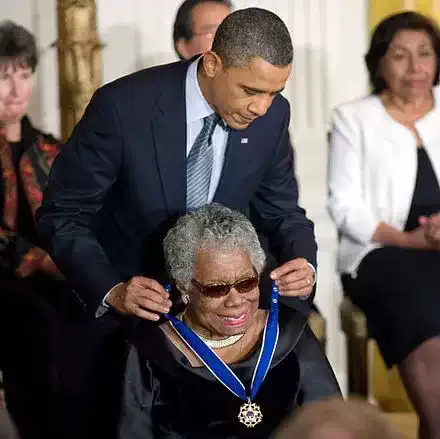
Maya Angelou
When You Come
When You Come
When you come to me, unbidden,
Beckoning me
To long-ago rooms,
Where memories lie.
Offering me, as to a child, an attic,
Gatherings of days too few.
Baubles of stolen kisses.
Trinkets of borrowed loves.
Trunks of secret words,
I CRY.
When you come to me, unbidden,
Beckoning me
To long-ago rooms,
Where memories lie.
Offering me, as to a child, an attic,
Gatherings of days too few.
Baubles of stolen kisses.
Trinkets of borrowed loves.
Trunks of secret words,
I CRY.
159

Matsuo Bashō
Collection of Six Haiku
Collection of Six Haiku
Waking in the night;
the lamp is low,
the oil freezing.
It has rained enough
to turn the stubble on the field
black.
Winter rain
falls on the cow-shed;
a cock crows.
The leeks
newly washed white,-
how cold it is!
The sea darkens;
the voices of the wild ducks
are faintly white.
Ill on a journey;
my dreams wander
over a withered moor.
Waking in the night;
the lamp is low,
the oil freezing.
It has rained enough
to turn the stubble on the field
black.
Winter rain
falls on the cow-shed;
a cock crows.
The leeks
newly washed white,-
how cold it is!
The sea darkens;
the voices of the wild ducks
are faintly white.
Ill on a journey;
my dreams wander
over a withered moor.
466

Mao Tsé-Tung
Reply to Mr. Liu Ya-Tzu
Reply to Mr. Liu Ya-Tzu
I still remember our drinking tea in Kwangchow
And your asking for verses in Chungking as the leaves yellowed.
Back in the old capital after thirty-one years,
At the season of falling flowers I read your polished lines.
Beware of heartbreak with grievance overfull,
Range far your eye over long vistas.
Do not say the waters of Kunming Lake are too shallow,
For watching fish they are better than Fuchun River.
I still remember our drinking tea in Kwangchow
And your asking for verses in Chungking as the leaves yellowed.
Back in the old capital after thirty-one years,
At the season of falling flowers I read your polished lines.
Beware of heartbreak with grievance overfull,
Range far your eye over long vistas.
Do not say the waters of Kunming Lake are too shallow,
For watching fish they are better than Fuchun River.
244
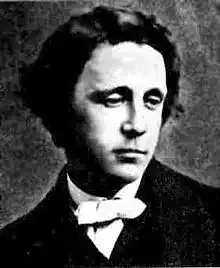
Lewis Carroll
The Aged Aged Man
The Aged Aged Man
I'll tell thee everything I can;
There's little to relate.
I saw an aged aged man,
Asitting
on a gate.
"Who are you, aged man?" I said,
"And how is it you live?"
And his answer trickled through my head
Like water through a sieve.
He said, "I look for butterflies
That sleep among the wheat:
I make them into muttonpies,
And sell them in the street.
I sell them unto men," he said,
"Who sail on stormy seas;
And that's the way I get my bread—
A trifle; if you please."
But I was thinking of a plan
To dye one's whiskers green,
And always use so large a fan
That they could not be seen.
So, having no reply to give
To what the old man said,
I cried, "Come, tell me how you live!"
And thumped him on the head.
His accents mild took up the tale:
He said, "I go my ways,
And when I find a mountainrill,
I set it in a blaze;
And thence they make a stuff they call
Rowland's MacassarOil&
mdash;
Yet twopencehalfpenny
is all
They give me for my toil."
But I was thinking of a way
To feed oneself on batter,
And so go on from day to day
Getting a little fatter.
I shook him well from side to side,
Until his face was blue:
"Come, tell me how you live," I cried,
"And what it is you do!"
He said, "I hunt for haddocks' eyes
Among the heather bright,
And work them into waistcoat buttons
In the silent night.
And these I do not sell for gold
Or coin of silvery shine,
But for a copper halfpenny,
And that will purchase nine.
"I sometimes dig for buttered rolls,
Or set limed twigs for crabs;
I sometimes search the grassy knolls
For wheels of hansomcabs.
And that's the way" (he gave a wink)
"By which I get my wealth—
And very gladly will I drink
Your Honour's noble health."
I heard him then, for I had just
Completed my design
To keep the Menai bridge from rust
By boiling it in wine.
I thanked him much for telling me
The way he got his wealth,
But chiefly for his wish that he
Might drink my noble health.
And now, if e'er by chance I put
My fingers into glue,
Or madly squeeze a righthand
foot
Into a lefthand
shoe,
Or if I drop upon my toe
A very heavy weight,
I weep, for it reminds me so
Of that old man I used to know—
Whose look was mild, whose speech was slow,
Whose hair was whiter than the snow,
Whose face was very like a crow,
With eyes, like cinders, all aglow,
Who seemed distracted with his woe,
Who rocked his body to and fro,
And muttered mumblingly and low,
As if his mouth were full of dough,
Who snorted like a buffalo—
That summer evening long ago
Asitting
on a gate.
I'll tell thee everything I can;
There's little to relate.
I saw an aged aged man,
Asitting
on a gate.
"Who are you, aged man?" I said,
"And how is it you live?"
And his answer trickled through my head
Like water through a sieve.
He said, "I look for butterflies
That sleep among the wheat:
I make them into muttonpies,
And sell them in the street.
I sell them unto men," he said,
"Who sail on stormy seas;
And that's the way I get my bread—
A trifle; if you please."
But I was thinking of a plan
To dye one's whiskers green,
And always use so large a fan
That they could not be seen.
So, having no reply to give
To what the old man said,
I cried, "Come, tell me how you live!"
And thumped him on the head.
His accents mild took up the tale:
He said, "I go my ways,
And when I find a mountainrill,
I set it in a blaze;
And thence they make a stuff they call
Rowland's MacassarOil&
mdash;
Yet twopencehalfpenny
is all
They give me for my toil."
But I was thinking of a way
To feed oneself on batter,
And so go on from day to day
Getting a little fatter.
I shook him well from side to side,
Until his face was blue:
"Come, tell me how you live," I cried,
"And what it is you do!"
He said, "I hunt for haddocks' eyes
Among the heather bright,
And work them into waistcoat buttons
In the silent night.
And these I do not sell for gold
Or coin of silvery shine,
But for a copper halfpenny,
And that will purchase nine.
"I sometimes dig for buttered rolls,
Or set limed twigs for crabs;
I sometimes search the grassy knolls
For wheels of hansomcabs.
And that's the way" (he gave a wink)
"By which I get my wealth—
And very gladly will I drink
Your Honour's noble health."
I heard him then, for I had just
Completed my design
To keep the Menai bridge from rust
By boiling it in wine.
I thanked him much for telling me
The way he got his wealth,
But chiefly for his wish that he
Might drink my noble health.
And now, if e'er by chance I put
My fingers into glue,
Or madly squeeze a righthand
foot
Into a lefthand
shoe,
Or if I drop upon my toe
A very heavy weight,
I weep, for it reminds me so
Of that old man I used to know—
Whose look was mild, whose speech was slow,
Whose hair was whiter than the snow,
Whose face was very like a crow,
With eyes, like cinders, all aglow,
Who seemed distracted with his woe,
Who rocked his body to and fro,
And muttered mumblingly and low,
As if his mouth were full of dough,
Who snorted like a buffalo—
That summer evening long ago
Asitting
on a gate.
222
Lewis Carroll
A Boat beneath a Sunny Sky
A Boat beneath a Sunny Sky
A BOAT beneath a sunny sky,
Lingering onward dreamily
In an evening of July Children
three that nestle near,
Eager eye and willing ear,
Pleased a simple tale to hear Long
has paled that sunny sky:
Echoes fade and memories die:
Autumn frosts have slain July.
Still she haunts me, phantomwise,
Alice moving under skies
Never seen by waking eyes.
Children yet, the tale to hear,
Eager eye and willing ear,
Lovingly shall nestle near.
In a Wonderland they lie,
Dreaming as the days go by,
Dreaming as the summers die:
Ever drifting down the stream Lingering
in the golden dream Life,
what is it but a dream?
THE END
A BOAT beneath a sunny sky,
Lingering onward dreamily
In an evening of July Children
three that nestle near,
Eager eye and willing ear,
Pleased a simple tale to hear Long
has paled that sunny sky:
Echoes fade and memories die:
Autumn frosts have slain July.
Still she haunts me, phantomwise,
Alice moving under skies
Never seen by waking eyes.
Children yet, the tale to hear,
Eager eye and willing ear,
Lovingly shall nestle near.
In a Wonderland they lie,
Dreaming as the days go by,
Dreaming as the summers die:
Ever drifting down the stream Lingering
in the golden dream Life,
what is it but a dream?
THE END
191
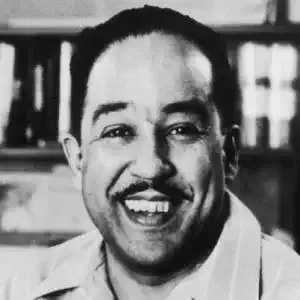
Langston Hughes
Negro Speaks of Rivers
Negro Speaks of Rivers
I've known rivers:
I've known rivers ancient as the world and older than the
flow of human blood in human veins
My soul has grown deep like the rivers.
I bathed in the Euphrates when dawns were young
I built my hut near the Congo and it lulled me to sleep.
I looked upon the Nile and raised the pyramids above it.
I heard the singing of the Mississippi when Abe Lincoln
went down to New Orleans, and I've seen its muddy
bosom turn all golden in the sunset
I've known rivers:
Ancient, dusky rivers.
My soul has grown deep like the rivers.
I've known rivers:
I've known rivers ancient as the world and older than the
flow of human blood in human veins
My soul has grown deep like the rivers.
I bathed in the Euphrates when dawns were young
I built my hut near the Congo and it lulled me to sleep.
I looked upon the Nile and raised the pyramids above it.
I heard the singing of the Mississippi when Abe Lincoln
went down to New Orleans, and I've seen its muddy
bosom turn all golden in the sunset
I've known rivers:
Ancient, dusky rivers.
My soul has grown deep like the rivers.
466
Langston Hughes
Cultural Exchange
Cultural Exchange
In the Quarter of the Negroes
Where the doors are doors of paper
Dust of dingy atoms
Blows a scratchy sound.
Amorphous jack-o'-Lanterns caper
And the wind won't wait for midnight
For fun to blow doors down.
By the river and the railroad
With fluid far-off goind
Boundaries bind unbinding
A whirl of whisteles blowing.
No trains or steamboats going--
Yet Leontyne's unpacking.
In the Quarter of the Negroes
Where the doorknob lets in Lieder
More than German ever bore,
Her yesterday past grandpa--
Not of her own doing--
In a pot of collard greens
Is gently stewing.
Pushcarts fold and unfold
In a supermarket sea.
And we better find out, mama,
Where is the colored laundromat
Since we move dup to Mount Vernon.
In the pot begind the paper doors
on the old iron stove what's cooking?
What's smelling, Leontyne?
Lieder, lovely Lieder
And a leaf of collard green.
Lovely Lieder, Leontyne.
You know, right at Christmas
They asked me if my blackness,
Would it rub off?
I said, Ask your mama.
Dreams and nightmares!
Nightmares, dreams, oh!
Dreaming that the Negroes
Of the South have taken over--
Voted all the Dixiecrats
Right out of power--
Comes the COLORED HOUR:
Martin Luther King is Governor of Georgia,
Dr. Rufus Clement his Chief Adviser,
A. Philip Randolph the High Grand Worthy.
In white pillared mansions
Sitting on their wide verandas,
Wealthy Negroes have white servants,
White sharecroppers work the black plantations,
And colored children have white mammies:
Mammy Faubus
Mammy Eastland
Mammy Wallace
Dear, dear darling old white mammies--
Sometimes even buried with our family.
Dear old
Mammy Faubus!
Culture, they say, is a two-way street:
Hand me my mint julep, mammny.
Hurry up!
Make haste!
In the Quarter of the Negroes
Where the doors are doors of paper
Dust of dingy atoms
Blows a scratchy sound.
Amorphous jack-o'-Lanterns caper
And the wind won't wait for midnight
For fun to blow doors down.
By the river and the railroad
With fluid far-off goind
Boundaries bind unbinding
A whirl of whisteles blowing.
No trains or steamboats going--
Yet Leontyne's unpacking.
In the Quarter of the Negroes
Where the doorknob lets in Lieder
More than German ever bore,
Her yesterday past grandpa--
Not of her own doing--
In a pot of collard greens
Is gently stewing.
Pushcarts fold and unfold
In a supermarket sea.
And we better find out, mama,
Where is the colored laundromat
Since we move dup to Mount Vernon.
In the pot begind the paper doors
on the old iron stove what's cooking?
What's smelling, Leontyne?
Lieder, lovely Lieder
And a leaf of collard green.
Lovely Lieder, Leontyne.
You know, right at Christmas
They asked me if my blackness,
Would it rub off?
I said, Ask your mama.
Dreams and nightmares!
Nightmares, dreams, oh!
Dreaming that the Negroes
Of the South have taken over--
Voted all the Dixiecrats
Right out of power--
Comes the COLORED HOUR:
Martin Luther King is Governor of Georgia,
Dr. Rufus Clement his Chief Adviser,
A. Philip Randolph the High Grand Worthy.
In white pillared mansions
Sitting on their wide verandas,
Wealthy Negroes have white servants,
White sharecroppers work the black plantations,
And colored children have white mammies:
Mammy Faubus
Mammy Eastland
Mammy Wallace
Dear, dear darling old white mammies--
Sometimes even buried with our family.
Dear old
Mammy Faubus!
Culture, they say, is a two-way street:
Hand me my mint julep, mammny.
Hurry up!
Make haste!
520

Kazi Nazrul Islam
A Call from Behind
A Call from Behind
Dear! Wilt thou remember me in thy new home?
There dost thou begin the world under
new auspices with new offerings
Deserted is now the leafy cottage; its
shady neighborhood where we two
first exchanged our looks, where
every particle of dust, every.
creeper and leaf is redolent
of the wealth of eternal acquaintance
in the worship of hearts,
And a dismal void now cries in the wilderness.
As didst thou forget me, many a man could
come to thee,
Then out of sympathy for me would that
cottage weep out an offended heart,
Wherever dist thou turn thy eyes,
my reminiscences there made thy heart ache,
Thou wilt drown that reproach here
in the depths of new field;
I alone am lost in the woods' of oblivion.
The distance between thee and me was so
long no real distance,
As that old mansion would bring my
distance into nearness.
Now hast thou formed new ties,
Opened a new fountain of laughter and tears,
New performance and new revelry of song,
Under the impulse of new welcome!
To the cold storage my own tune is consigned.
Dear! Mine is today forlorn hope, as
pre-ordained by the divinity,
Today on my grave will be built thy bridal
sanctum sanatorium
In the air is echoed and re-echoed
The music of the Sylvan flute in the mouth
of some cow-herd,
Lost, lost am I in the western horizon!
Farewell, Dear, our role comes to an end
with the setting sun,
Now art thou a new one in a new home!
[Translation: Abdul Hakim]
Dear! Wilt thou remember me in thy new home?
There dost thou begin the world under
new auspices with new offerings
Deserted is now the leafy cottage; its
shady neighborhood where we two
first exchanged our looks, where
every particle of dust, every.
creeper and leaf is redolent
of the wealth of eternal acquaintance
in the worship of hearts,
And a dismal void now cries in the wilderness.
As didst thou forget me, many a man could
come to thee,
Then out of sympathy for me would that
cottage weep out an offended heart,
Wherever dist thou turn thy eyes,
my reminiscences there made thy heart ache,
Thou wilt drown that reproach here
in the depths of new field;
I alone am lost in the woods' of oblivion.
The distance between thee and me was so
long no real distance,
As that old mansion would bring my
distance into nearness.
Now hast thou formed new ties,
Opened a new fountain of laughter and tears,
New performance and new revelry of song,
Under the impulse of new welcome!
To the cold storage my own tune is consigned.
Dear! Mine is today forlorn hope, as
pre-ordained by the divinity,
Today on my grave will be built thy bridal
sanctum sanatorium
In the air is echoed and re-echoed
The music of the Sylvan flute in the mouth
of some cow-herd,
Lost, lost am I in the western horizon!
Farewell, Dear, our role comes to an end
with the setting sun,
Now art thou a new one in a new home!
[Translation: Abdul Hakim]
672

Joyce Kilmer
Waverley
Waverley
-
When, on a novel's newly printed page
We find a maudlin eulogy of sin,
And read of ways that harlots wander in,
And of sick souls that writhe in helpless rage;
Or when Romance, bespectacled and sage,
Taps on her desk and bids the class begin
To con the problems that have always been
Perplexed mankind's unhappy heritage;
Then in what robes of honor habited
The laureled wizard of the North appears!
Who raised Prince Charlie's cohorts from the dead,
Made Rose's mirth and Flora's noble tears,
And formed that shining legion at whose head
Rides Waverley, triumphant o'er the years!
-
When, on a novel's newly printed page
We find a maudlin eulogy of sin,
And read of ways that harlots wander in,
And of sick souls that writhe in helpless rage;
Or when Romance, bespectacled and sage,
Taps on her desk and bids the class begin
To con the problems that have always been
Perplexed mankind's unhappy heritage;
Then in what robes of honor habited
The laureled wizard of the North appears!
Who raised Prince Charlie's cohorts from the dead,
Made Rose's mirth and Flora's noble tears,
And formed that shining legion at whose head
Rides Waverley, triumphant o'er the years!
133
Joyce Kilmer
Main Street
Main Street
(For S.M.L.)
I like to look at the blossomy track of the moon upon the sea,
But it isn't half so fine a sight as Main Street used to be
When it all was covered over with a couple of feet of snow,
And over the crisp and radiant road the ringing sleighs would go.
Now, Main Street bordered with autumn leaves, it was a pleasant thing,
And its gutters were gay with dandelions early in the Spring;
I like to think of it white with frost or dusty in the heat,
Because I think it is humaner than any other street.
A city street that is busy and wide is ground by a thousand wheels,
And a burden of traffic on its breast is all it ever feels:
It is dully conscious of weight and speed and of work that never ends,
But it cannot be human like Main Street, and recognise its friends.
There were only about a hundred teams on Main Street in a day,
And twenty or thirty people, I guess, and some children out to play.
And there wasn't a wagon or buggy, or a man or a girl or a boy
That Main Street didn't remember, and somehow seem to enjoy.
The truck and the motor and trolley car and the elevated train
They make the weary city street reverberate with pain:
But there is yet an echo left deep down within my heart
Of the music the Main Street cobblestones made beneath a butcher's cart.
God be thanked for the Milky Way that runs across the sky,
That's the path that my feet would tread whenever I have to die.
Some folks call it a Silver Sword, and some a Pearly Crown,
But the only thing I think it is, is Main Street, Heaventown.
(For S.M.L.)
I like to look at the blossomy track of the moon upon the sea,
But it isn't half so fine a sight as Main Street used to be
When it all was covered over with a couple of feet of snow,
And over the crisp and radiant road the ringing sleighs would go.
Now, Main Street bordered with autumn leaves, it was a pleasant thing,
And its gutters were gay with dandelions early in the Spring;
I like to think of it white with frost or dusty in the heat,
Because I think it is humaner than any other street.
A city street that is busy and wide is ground by a thousand wheels,
And a burden of traffic on its breast is all it ever feels:
It is dully conscious of weight and speed and of work that never ends,
But it cannot be human like Main Street, and recognise its friends.
There were only about a hundred teams on Main Street in a day,
And twenty or thirty people, I guess, and some children out to play.
And there wasn't a wagon or buggy, or a man or a girl or a boy
That Main Street didn't remember, and somehow seem to enjoy.
The truck and the motor and trolley car and the elevated train
They make the weary city street reverberate with pain:
But there is yet an echo left deep down within my heart
Of the music the Main Street cobblestones made beneath a butcher's cart.
God be thanked for the Milky Way that runs across the sky,
That's the path that my feet would tread whenever I have to die.
Some folks call it a Silver Sword, and some a Pearly Crown,
But the only thing I think it is, is Main Street, Heaventown.
125
Joyce Kilmer
Dave Lilly
Dave Lilly
There's a brook on the side of Greylock that used to be full of trout,
But there's nothing there now but minnows; they say it is all fished out.
I fished there many a Summer day some twenty years ago,
And I never quit without getting a mess of a dozen or so.
There was a man, Dave Lilly, who lived on the North Adams road,
And he spent all his time fishing, while his neighbors reaped and sowed.
He was the luckiest fisherman in the Berkshire hills, I think.
And when he didn't go fishing he'd sit in the tavern and drink.
Well, Dave is dead and buried and nobody cares very much;
They have no use in Greylock for drunkards and loafers and such.
But I always liked Dave Lilly, he was pleasant as you could wish;
He was shiftless and good-for-nothing, but he certainly could fish.
The other night I was walking up the hill from Williamstown
And I came to the brook I mentioned,
and I stopped on the bridge and sat down.
I looked at the blackened water with its little flecks of white
And I heard it ripple and whisper in the still of the Summer night.
And after I'd been there a minute it seemed to me I could feel
The presence of someone near me, and I heard the hum of a reel.
And the water was churned and broken, and something was brought to land
By a twist and flirt of a shadowy rod in a deft and shadowy hand.
I scrambled down to the brookside and hunted all about;
There wasn't a sign of a fisherman; there wasn't a sign of a trout.
But I heard somebody chuckle behind the hollow oak
And I got a whiff of tobacco like Lilly used to smoke.
It's fifteen years, they tell me, since anyone fished that brook;
And there's nothing in it but minnows that nibble the bait off your hook.
But before the sun has risen and after the moon has set
I know that it's full of ghostly trout for Lilly's ghost to get.
I guess I'll go to the tavern and get a bottle of rye
And leave it down by the hollow oak, where Lilly's ghost went by.
I meant to go up on the hillside and try to find his grave
And put some flowers on it -- but this will be better for Dave.
There's a brook on the side of Greylock that used to be full of trout,
But there's nothing there now but minnows; they say it is all fished out.
I fished there many a Summer day some twenty years ago,
And I never quit without getting a mess of a dozen or so.
There was a man, Dave Lilly, who lived on the North Adams road,
And he spent all his time fishing, while his neighbors reaped and sowed.
He was the luckiest fisherman in the Berkshire hills, I think.
And when he didn't go fishing he'd sit in the tavern and drink.
Well, Dave is dead and buried and nobody cares very much;
They have no use in Greylock for drunkards and loafers and such.
But I always liked Dave Lilly, he was pleasant as you could wish;
He was shiftless and good-for-nothing, but he certainly could fish.
The other night I was walking up the hill from Williamstown
And I came to the brook I mentioned,
and I stopped on the bridge and sat down.
I looked at the blackened water with its little flecks of white
And I heard it ripple and whisper in the still of the Summer night.
And after I'd been there a minute it seemed to me I could feel
The presence of someone near me, and I heard the hum of a reel.
And the water was churned and broken, and something was brought to land
By a twist and flirt of a shadowy rod in a deft and shadowy hand.
I scrambled down to the brookside and hunted all about;
There wasn't a sign of a fisherman; there wasn't a sign of a trout.
But I heard somebody chuckle behind the hollow oak
And I got a whiff of tobacco like Lilly used to smoke.
It's fifteen years, they tell me, since anyone fished that brook;
And there's nothing in it but minnows that nibble the bait off your hook.
But before the sun has risen and after the moon has set
I know that it's full of ghostly trout for Lilly's ghost to get.
I guess I'll go to the tavern and get a bottle of rye
And leave it down by the hollow oak, where Lilly's ghost went by.
I meant to go up on the hillside and try to find his grave
And put some flowers on it -- but this will be better for Dave.
172
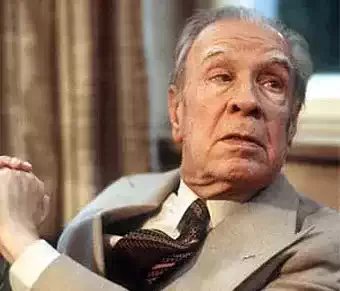
Jorge Luis Borges
Remorse For Any Death
Remorse For Any Death
Free of memory and of hope,
limitless, abstract, almost future,
the dead man is not a dead man: he is death.
Like the God of the mystics,
of Whom anything that could be said must be denied,
the dead one, alien everywhere,
is but the ruin and absence of the world.
We rob him of everything,
we leave him not so much as a color or syllable:
here, the courtyard which his eyes no longer see,
there, the sidewalk where his hope lay in wait.
Even what we are thinking,
he could be thinking;
we have divvied up like thieves
the booty of nights and days.
Free of memory and of hope,
limitless, abstract, almost future,
the dead man is not a dead man: he is death.
Like the God of the mystics,
of Whom anything that could be said must be denied,
the dead one, alien everywhere,
is but the ruin and absence of the world.
We rob him of everything,
we leave him not so much as a color or syllable:
here, the courtyard which his eyes no longer see,
there, the sidewalk where his hope lay in wait.
Even what we are thinking,
he could be thinking;
we have divvied up like thieves
the booty of nights and days.
789