

Poemas neste tema
Emoções e Sentimentos
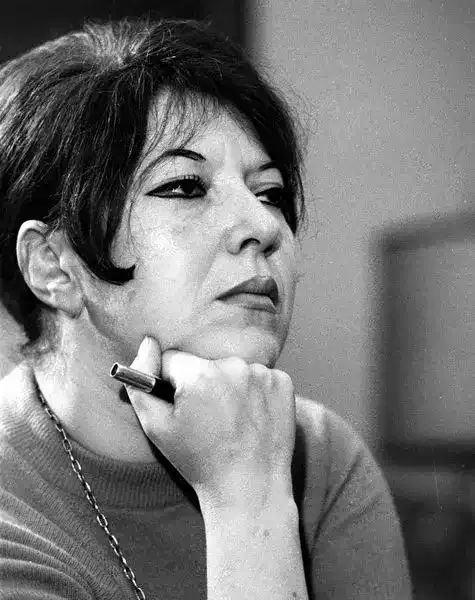
Natália Correia
A verdadeira litania para os tempos da revolução
Burgueses somos nós todos
ó literatos
burgueses somos nós todosratos e gatos Mário Cesariny
Mário nós não somos todos burgueses
os gatos e os ratos se quiseres,
os literatos esses são franceses
e todos soletramos malmequeres.
Da vida o verbo intransitivo
não é burguês é ruim;
e eu que nas nuvens vivo
nuvens!o que direi de mim?
Burguês é esse menino extraordinário
que nasce todos os anos em Belém
e a poesia se não diz isto Mário
é burguesa também.
Burguês é o carro funerário.
Os mortos são naturalmente comunistas.
Nós não somos burgueses Mário
o que nós somos todos é sebastianistas.
de Inéditos(1959/61)
ó literatos
burgueses somos nós todosratos e gatos Mário Cesariny
Mário nós não somos todos burgueses
os gatos e os ratos se quiseres,
os literatos esses são franceses
e todos soletramos malmequeres.
Da vida o verbo intransitivo
não é burguês é ruim;
e eu que nas nuvens vivo
nuvens!o que direi de mim?
Burguês é esse menino extraordinário
que nasce todos os anos em Belém
e a poesia se não diz isto Mário
é burguesa também.
Burguês é o carro funerário.
Os mortos são naturalmente comunistas.
Nós não somos burgueses Mário
o que nós somos todos é sebastianistas.
de Inéditos(1959/61)
3 513
1

Gottfried Benn
Campo dos infelizes
Campo dos infelizes
Farto da minha busca de ilhas,
rebanhos mudos, verde morto,
quero ser margem, ser baía,
de belos barcos ser um porto.
A minha praia quer sentir-se
pisada a vivo com pés quentes;
queixa-se a fonte a oferecer-se,
quer refrescar sedes ardentes.
E tudo quer a sangue estranho
subir, ir afogar-se a esmo,
até um outro ardor de vida,
nada ficar quer em si mesmo.
Farto da minha busca de ilhas,
rebanhos mudos, verde morto,
quero ser margem, ser baía,
de belos barcos ser um porto.
A minha praia quer sentir-se
pisada a vivo com pés quentes;
queixa-se a fonte a oferecer-se,
quer refrescar sedes ardentes.
E tudo quer a sangue estranho
subir, ir afogar-se a esmo,
até um outro ardor de vida,
nada ficar quer em si mesmo.
1 472
1
Gottfried Benn
Campo dos infelizes
Campo dos infelizes
Farto da minha busca de ilhas,
rebanhos mudos, verde morto,
quero ser margem, ser baía,
de belos barcos ser um porto.
A minha praia quer sentir-se
pisada a vivo com pés quentes;
queixa-se a fonte a oferecer-se,
quer refrescar sedes ardentes.
E tudo quer a sangue estranho
subir, ir afogar-se a esmo,
até um outro ardor de vida,
nada ficar quer em si mesmo.
Farto da minha busca de ilhas,
rebanhos mudos, verde morto,
quero ser margem, ser baía,
de belos barcos ser um porto.
A minha praia quer sentir-se
pisada a vivo com pés quentes;
queixa-se a fonte a oferecer-se,
quer refrescar sedes ardentes.
E tudo quer a sangue estranho
subir, ir afogar-se a esmo,
até um outro ardor de vida,
nada ficar quer em si mesmo.
1 472
1
Helder Moura Pereira
Fica ao menos o tempo de um cigarro,
evitacomigo que este tempo ande. Lá forasão as casas,
vive gente à luz de um candeeiro,o som que nos
chega apagado pela distânciasó denuncia o nosso
silêncio interrompido.Ajuda-me, faremos o inventário
das coisasmenos úteis, mágoas na mágoa maior do
tempo.Fica, não te aproximes, nenhum diaé menos sombrio,
quando anoitecer vamos veras árvores cercando a
casa.
vive gente à luz de um candeeiro,o som que nos
chega apagado pela distânciasó denuncia o nosso
silêncio interrompido.Ajuda-me, faremos o inventário
das coisasmenos úteis, mágoas na mágoa maior do
tempo.Fica, não te aproximes, nenhum diaé menos sombrio,
quando anoitecer vamos veras árvores cercando a
casa.
1 219
1
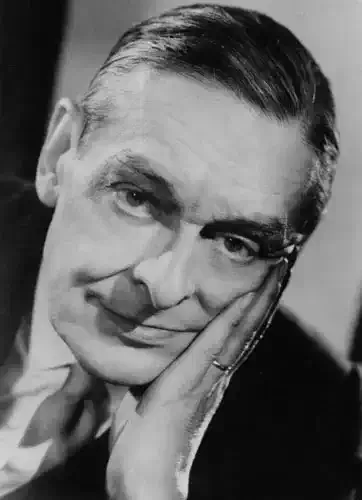
T. S. Eliot
The Love Song of J Alfred Prufrock
The Love Song of J. Alfred Prufrock
Sio credesse che mia risposta fosse
A persona che mai tornasse al mondo,
Questa fiamma staria senza piu scosse.
Ma perciocche giammai di questo fondo
Non torno vivo alcun, siodo il vero,
Senza tema dinfamia ti rispondo.
LET us go then, you and I,
When the evening is spread out against the sky
Like a patient etherised upon a table;
Let us go, through certain half-deserted streets,
The muttering retreats
Of restless nights in one-night cheap hotels
And sawdust restaurants with oyster-shells:
Streets that follow like a tedious argument
Of insidious intent
To lead you to an overwhelming question...
Oh, do not ask, "What is it?"
Let us go and make our visit.
In the room the women come and go
Talking of Michelangelo.
The yellow fog that rubs its back upon the window-panes,
The yellow smoke that rubs its muzzle on the window-panes
Licked its tongue into the corners of the evening,
Lingered upon the pools that stand in drains,
Let fall upon its back the soot that falls from chimneys,
Slipped by the terrace, made a sudden leap,
And seeing that it was a soft October night,
Curled once about the house, and fell asleep.
And indeed there will be time
For the yellow smoke that slides along the street,
Rubbing its back upon the window-panes;
There will be time, there will be time
To prepare a face to meet the faces that you meet;
There will be time to murder and create,
And time for all the works and days of hands
That lift and drop a question on your plate;
Time for you and time for me,
And time yet for a hundred indecisions,
And for a hundred visions and revisions,
Before the taking of a toast and tea.
In the room the women come and go
Talking of Michelangelo.
And indeed there will be time
To wonder, "Do I dare?" and, "Do I dare?"
Time to turn back and descend the stair,
With a bald spot in the middle of my hair—
[They will say: "How his hair is growing thin!"]
My morning coat, my collar mounting firmly to the chin,
My necktie rich and modest, but asserted by a simple pin—
[They will say: "But how his arms and legs are thin!"]
Do I dare
Disturb the universe?
In a minute there is time
For decisions and revisions which a minute will reverse.
For I have known them all already, known them all:—
Have known the evenings, mornings, afternoons,
I have measured out my life with coffee spoons;
I know the voices dying with a dying fall
Beneath the music from a farther room.
So how should I presume?
And I have known the eyes already, known them all—
The eyes that fix you in a formulated phrase,
And when I am formulated, sprawling on a pin,
When I am pinned and wriggling on the wall,
Then how should I begin
To spit out all the butt-ends of my days and ways?
And how should I presume?
And I have known the arms already, known them all—
Arms that are braceleted and white and bare
[But in the lamplight, downed with light brown hair!]
It is perfume from a dress
That makes me so digress?
Arms that lie along a table, or wrap about a shawl.
And should I then presume?
And how should I begin?
. . . . .
Shall I say, I have gone at dusk through narrow streets
And watched the smoke that rises from the pipes
Of lonely men in shirt-sleeves, leaning out of windows?...
I should have been a pair of ragged claws
Scuttling across the floors of silent seas.
. . . . .
And the afternoon, the evening, sleeps so peacefully!
Smoothed by long fingers,
Asleep ... tired ... or it malingers,
Stretched on the floor, here beside you and me.
Should I, after tea and cakes and ices,
Have the strength to force the moment to its crisis?
But though I have wept and fasted, wept and prayed,
Though I have seen my head [grown slightly bald] brought in upon a platter,
I am no prophet—and heres no great matter;
I have seen the moment of my greatness flicker,
And I have seen the eternal Footman hold my coat, and snicker,
And in short, I was afraid.
And would it have been worth it, after all,
After the cups, the marmalade, the tea,
Among the porcelain, among some talk of you and me,
Would it have been worth while,
To have bitten off the matter with a smile,
To have squeezed the universe into a ball
To roll it toward some overwhelming question,
To say: "I am Lazarus, come from the dead,
Come back to tell you all, I shall tell you all"—
If one, settling a pillow by her head,
Should say: "That is not what I meant at all.
That is not it, at all."
And would it have been worth it, after all,
Would it have been worth while,
After the sunsets and the dooryards and the sprinkled streets,
After the novels, after the teacups, after the skirts that trail along the floor—
And this, and so much more?—
It is impossible to say just what I mean!
But as if a magic lantern threw the nerves in patterns on a screen:
Would it have been worth while
If one, settling a pillow or throwing off a shawl,
And turning toward the window, should say:
"That is not it at all,
That is not what I meant, at all."
. . . . .
No! I am not Prince Hamlet, nor was meant to be;
Am an attendant lord, one that will do
To swell a progress, start a scene or two,
Advise the prince; no doubt, an easy tool,
Deferential, glad to be of use,
Politic, cautious, and meticulous;
Full of high sentence, but a bit obtuse;
At times, indeed, almost ridiculous—
Almost, at times, the Fool.
I grow old ... I grow old...
I shall wear the bottoms of my trousers rolled.
Shall I part my hair behind? Do I dare to eat a peach?
I shall wear white flannel trousers, and walk upon the beach.
I have heard the mermaids singing, each to each.
I do not think that they will sing to me.
I have seen them riding seaward on the waves
Combing the white hair of the waves blown back
When the wind blows the water white and black.
We have lingered in the chambers of the sea
By sea-girls wreathed with seaweed red and brown
Till human voices wake us, and we drown.
Sio credesse che mia risposta fosse
A persona che mai tornasse al mondo,
Questa fiamma staria senza piu scosse.
Ma perciocche giammai di questo fondo
Non torno vivo alcun, siodo il vero,
Senza tema dinfamia ti rispondo.
LET us go then, you and I,
When the evening is spread out against the sky
Like a patient etherised upon a table;
Let us go, through certain half-deserted streets,
The muttering retreats
Of restless nights in one-night cheap hotels
And sawdust restaurants with oyster-shells:
Streets that follow like a tedious argument
Of insidious intent
To lead you to an overwhelming question...
Oh, do not ask, "What is it?"
Let us go and make our visit.
In the room the women come and go
Talking of Michelangelo.
The yellow fog that rubs its back upon the window-panes,
The yellow smoke that rubs its muzzle on the window-panes
Licked its tongue into the corners of the evening,
Lingered upon the pools that stand in drains,
Let fall upon its back the soot that falls from chimneys,
Slipped by the terrace, made a sudden leap,
And seeing that it was a soft October night,
Curled once about the house, and fell asleep.
And indeed there will be time
For the yellow smoke that slides along the street,
Rubbing its back upon the window-panes;
There will be time, there will be time
To prepare a face to meet the faces that you meet;
There will be time to murder and create,
And time for all the works and days of hands
That lift and drop a question on your plate;
Time for you and time for me,
And time yet for a hundred indecisions,
And for a hundred visions and revisions,
Before the taking of a toast and tea.
In the room the women come and go
Talking of Michelangelo.
And indeed there will be time
To wonder, "Do I dare?" and, "Do I dare?"
Time to turn back and descend the stair,
With a bald spot in the middle of my hair—
[They will say: "How his hair is growing thin!"]
My morning coat, my collar mounting firmly to the chin,
My necktie rich and modest, but asserted by a simple pin—
[They will say: "But how his arms and legs are thin!"]
Do I dare
Disturb the universe?
In a minute there is time
For decisions and revisions which a minute will reverse.
For I have known them all already, known them all:—
Have known the evenings, mornings, afternoons,
I have measured out my life with coffee spoons;
I know the voices dying with a dying fall
Beneath the music from a farther room.
So how should I presume?
And I have known the eyes already, known them all—
The eyes that fix you in a formulated phrase,
And when I am formulated, sprawling on a pin,
When I am pinned and wriggling on the wall,
Then how should I begin
To spit out all the butt-ends of my days and ways?
And how should I presume?
And I have known the arms already, known them all—
Arms that are braceleted and white and bare
[But in the lamplight, downed with light brown hair!]
It is perfume from a dress
That makes me so digress?
Arms that lie along a table, or wrap about a shawl.
And should I then presume?
And how should I begin?
. . . . .
Shall I say, I have gone at dusk through narrow streets
And watched the smoke that rises from the pipes
Of lonely men in shirt-sleeves, leaning out of windows?...
I should have been a pair of ragged claws
Scuttling across the floors of silent seas.
. . . . .
And the afternoon, the evening, sleeps so peacefully!
Smoothed by long fingers,
Asleep ... tired ... or it malingers,
Stretched on the floor, here beside you and me.
Should I, after tea and cakes and ices,
Have the strength to force the moment to its crisis?
But though I have wept and fasted, wept and prayed,
Though I have seen my head [grown slightly bald] brought in upon a platter,
I am no prophet—and heres no great matter;
I have seen the moment of my greatness flicker,
And I have seen the eternal Footman hold my coat, and snicker,
And in short, I was afraid.
And would it have been worth it, after all,
After the cups, the marmalade, the tea,
Among the porcelain, among some talk of you and me,
Would it have been worth while,
To have bitten off the matter with a smile,
To have squeezed the universe into a ball
To roll it toward some overwhelming question,
To say: "I am Lazarus, come from the dead,
Come back to tell you all, I shall tell you all"—
If one, settling a pillow by her head,
Should say: "That is not what I meant at all.
That is not it, at all."
And would it have been worth it, after all,
Would it have been worth while,
After the sunsets and the dooryards and the sprinkled streets,
After the novels, after the teacups, after the skirts that trail along the floor—
And this, and so much more?—
It is impossible to say just what I mean!
But as if a magic lantern threw the nerves in patterns on a screen:
Would it have been worth while
If one, settling a pillow or throwing off a shawl,
And turning toward the window, should say:
"That is not it at all,
That is not what I meant, at all."
. . . . .
No! I am not Prince Hamlet, nor was meant to be;
Am an attendant lord, one that will do
To swell a progress, start a scene or two,
Advise the prince; no doubt, an easy tool,
Deferential, glad to be of use,
Politic, cautious, and meticulous;
Full of high sentence, but a bit obtuse;
At times, indeed, almost ridiculous—
Almost, at times, the Fool.
I grow old ... I grow old...
I shall wear the bottoms of my trousers rolled.
Shall I part my hair behind? Do I dare to eat a peach?
I shall wear white flannel trousers, and walk upon the beach.
I have heard the mermaids singing, each to each.
I do not think that they will sing to me.
I have seen them riding seaward on the waves
Combing the white hair of the waves blown back
When the wind blows the water white and black.
We have lingered in the chambers of the sea
By sea-girls wreathed with seaweed red and brown
Till human voices wake us, and we drown.
2 481
1
T. S. Eliot
The Love Song of J Alfred Prufrock
The Love Song of J. Alfred Prufrock
Sio credesse che mia risposta fosse
A persona che mai tornasse al mondo,
Questa fiamma staria senza piu scosse.
Ma perciocche giammai di questo fondo
Non torno vivo alcun, siodo il vero,
Senza tema dinfamia ti rispondo.
LET us go then, you and I,
When the evening is spread out against the sky
Like a patient etherised upon a table;
Let us go, through certain half-deserted streets,
The muttering retreats
Of restless nights in one-night cheap hotels
And sawdust restaurants with oyster-shells:
Streets that follow like a tedious argument
Of insidious intent
To lead you to an overwhelming question...
Oh, do not ask, "What is it?"
Let us go and make our visit.
In the room the women come and go
Talking of Michelangelo.
The yellow fog that rubs its back upon the window-panes,
The yellow smoke that rubs its muzzle on the window-panes
Licked its tongue into the corners of the evening,
Lingered upon the pools that stand in drains,
Let fall upon its back the soot that falls from chimneys,
Slipped by the terrace, made a sudden leap,
And seeing that it was a soft October night,
Curled once about the house, and fell asleep.
And indeed there will be time
For the yellow smoke that slides along the street,
Rubbing its back upon the window-panes;
There will be time, there will be time
To prepare a face to meet the faces that you meet;
There will be time to murder and create,
And time for all the works and days of hands
That lift and drop a question on your plate;
Time for you and time for me,
And time yet for a hundred indecisions,
And for a hundred visions and revisions,
Before the taking of a toast and tea.
In the room the women come and go
Talking of Michelangelo.
And indeed there will be time
To wonder, "Do I dare?" and, "Do I dare?"
Time to turn back and descend the stair,
With a bald spot in the middle of my hair—
[They will say: "How his hair is growing thin!"]
My morning coat, my collar mounting firmly to the chin,
My necktie rich and modest, but asserted by a simple pin—
[They will say: "But how his arms and legs are thin!"]
Do I dare
Disturb the universe?
In a minute there is time
For decisions and revisions which a minute will reverse.
For I have known them all already, known them all:—
Have known the evenings, mornings, afternoons,
I have measured out my life with coffee spoons;
I know the voices dying with a dying fall
Beneath the music from a farther room.
So how should I presume?
And I have known the eyes already, known them all—
The eyes that fix you in a formulated phrase,
And when I am formulated, sprawling on a pin,
When I am pinned and wriggling on the wall,
Then how should I begin
To spit out all the butt-ends of my days and ways?
And how should I presume?
And I have known the arms already, known them all—
Arms that are braceleted and white and bare
[But in the lamplight, downed with light brown hair!]
It is perfume from a dress
That makes me so digress?
Arms that lie along a table, or wrap about a shawl.
And should I then presume?
And how should I begin?
. . . . .
Shall I say, I have gone at dusk through narrow streets
And watched the smoke that rises from the pipes
Of lonely men in shirt-sleeves, leaning out of windows?...
I should have been a pair of ragged claws
Scuttling across the floors of silent seas.
. . . . .
And the afternoon, the evening, sleeps so peacefully!
Smoothed by long fingers,
Asleep ... tired ... or it malingers,
Stretched on the floor, here beside you and me.
Should I, after tea and cakes and ices,
Have the strength to force the moment to its crisis?
But though I have wept and fasted, wept and prayed,
Though I have seen my head [grown slightly bald] brought in upon a platter,
I am no prophet—and heres no great matter;
I have seen the moment of my greatness flicker,
And I have seen the eternal Footman hold my coat, and snicker,
And in short, I was afraid.
And would it have been worth it, after all,
After the cups, the marmalade, the tea,
Among the porcelain, among some talk of you and me,
Would it have been worth while,
To have bitten off the matter with a smile,
To have squeezed the universe into a ball
To roll it toward some overwhelming question,
To say: "I am Lazarus, come from the dead,
Come back to tell you all, I shall tell you all"—
If one, settling a pillow by her head,
Should say: "That is not what I meant at all.
That is not it, at all."
And would it have been worth it, after all,
Would it have been worth while,
After the sunsets and the dooryards and the sprinkled streets,
After the novels, after the teacups, after the skirts that trail along the floor—
And this, and so much more?—
It is impossible to say just what I mean!
But as if a magic lantern threw the nerves in patterns on a screen:
Would it have been worth while
If one, settling a pillow or throwing off a shawl,
And turning toward the window, should say:
"That is not it at all,
That is not what I meant, at all."
. . . . .
No! I am not Prince Hamlet, nor was meant to be;
Am an attendant lord, one that will do
To swell a progress, start a scene or two,
Advise the prince; no doubt, an easy tool,
Deferential, glad to be of use,
Politic, cautious, and meticulous;
Full of high sentence, but a bit obtuse;
At times, indeed, almost ridiculous—
Almost, at times, the Fool.
I grow old ... I grow old...
I shall wear the bottoms of my trousers rolled.
Shall I part my hair behind? Do I dare to eat a peach?
I shall wear white flannel trousers, and walk upon the beach.
I have heard the mermaids singing, each to each.
I do not think that they will sing to me.
I have seen them riding seaward on the waves
Combing the white hair of the waves blown back
When the wind blows the water white and black.
We have lingered in the chambers of the sea
By sea-girls wreathed with seaweed red and brown
Till human voices wake us, and we drown.
Sio credesse che mia risposta fosse
A persona che mai tornasse al mondo,
Questa fiamma staria senza piu scosse.
Ma perciocche giammai di questo fondo
Non torno vivo alcun, siodo il vero,
Senza tema dinfamia ti rispondo.
LET us go then, you and I,
When the evening is spread out against the sky
Like a patient etherised upon a table;
Let us go, through certain half-deserted streets,
The muttering retreats
Of restless nights in one-night cheap hotels
And sawdust restaurants with oyster-shells:
Streets that follow like a tedious argument
Of insidious intent
To lead you to an overwhelming question...
Oh, do not ask, "What is it?"
Let us go and make our visit.
In the room the women come and go
Talking of Michelangelo.
The yellow fog that rubs its back upon the window-panes,
The yellow smoke that rubs its muzzle on the window-panes
Licked its tongue into the corners of the evening,
Lingered upon the pools that stand in drains,
Let fall upon its back the soot that falls from chimneys,
Slipped by the terrace, made a sudden leap,
And seeing that it was a soft October night,
Curled once about the house, and fell asleep.
And indeed there will be time
For the yellow smoke that slides along the street,
Rubbing its back upon the window-panes;
There will be time, there will be time
To prepare a face to meet the faces that you meet;
There will be time to murder and create,
And time for all the works and days of hands
That lift and drop a question on your plate;
Time for you and time for me,
And time yet for a hundred indecisions,
And for a hundred visions and revisions,
Before the taking of a toast and tea.
In the room the women come and go
Talking of Michelangelo.
And indeed there will be time
To wonder, "Do I dare?" and, "Do I dare?"
Time to turn back and descend the stair,
With a bald spot in the middle of my hair—
[They will say: "How his hair is growing thin!"]
My morning coat, my collar mounting firmly to the chin,
My necktie rich and modest, but asserted by a simple pin—
[They will say: "But how his arms and legs are thin!"]
Do I dare
Disturb the universe?
In a minute there is time
For decisions and revisions which a minute will reverse.
For I have known them all already, known them all:—
Have known the evenings, mornings, afternoons,
I have measured out my life with coffee spoons;
I know the voices dying with a dying fall
Beneath the music from a farther room.
So how should I presume?
And I have known the eyes already, known them all—
The eyes that fix you in a formulated phrase,
And when I am formulated, sprawling on a pin,
When I am pinned and wriggling on the wall,
Then how should I begin
To spit out all the butt-ends of my days and ways?
And how should I presume?
And I have known the arms already, known them all—
Arms that are braceleted and white and bare
[But in the lamplight, downed with light brown hair!]
It is perfume from a dress
That makes me so digress?
Arms that lie along a table, or wrap about a shawl.
And should I then presume?
And how should I begin?
. . . . .
Shall I say, I have gone at dusk through narrow streets
And watched the smoke that rises from the pipes
Of lonely men in shirt-sleeves, leaning out of windows?...
I should have been a pair of ragged claws
Scuttling across the floors of silent seas.
. . . . .
And the afternoon, the evening, sleeps so peacefully!
Smoothed by long fingers,
Asleep ... tired ... or it malingers,
Stretched on the floor, here beside you and me.
Should I, after tea and cakes and ices,
Have the strength to force the moment to its crisis?
But though I have wept and fasted, wept and prayed,
Though I have seen my head [grown slightly bald] brought in upon a platter,
I am no prophet—and heres no great matter;
I have seen the moment of my greatness flicker,
And I have seen the eternal Footman hold my coat, and snicker,
And in short, I was afraid.
And would it have been worth it, after all,
After the cups, the marmalade, the tea,
Among the porcelain, among some talk of you and me,
Would it have been worth while,
To have bitten off the matter with a smile,
To have squeezed the universe into a ball
To roll it toward some overwhelming question,
To say: "I am Lazarus, come from the dead,
Come back to tell you all, I shall tell you all"—
If one, settling a pillow by her head,
Should say: "That is not what I meant at all.
That is not it, at all."
And would it have been worth it, after all,
Would it have been worth while,
After the sunsets and the dooryards and the sprinkled streets,
After the novels, after the teacups, after the skirts that trail along the floor—
And this, and so much more?—
It is impossible to say just what I mean!
But as if a magic lantern threw the nerves in patterns on a screen:
Would it have been worth while
If one, settling a pillow or throwing off a shawl,
And turning toward the window, should say:
"That is not it at all,
That is not what I meant, at all."
. . . . .
No! I am not Prince Hamlet, nor was meant to be;
Am an attendant lord, one that will do
To swell a progress, start a scene or two,
Advise the prince; no doubt, an easy tool,
Deferential, glad to be of use,
Politic, cautious, and meticulous;
Full of high sentence, but a bit obtuse;
At times, indeed, almost ridiculous—
Almost, at times, the Fool.
I grow old ... I grow old...
I shall wear the bottoms of my trousers rolled.
Shall I part my hair behind? Do I dare to eat a peach?
I shall wear white flannel trousers, and walk upon the beach.
I have heard the mermaids singing, each to each.
I do not think that they will sing to me.
I have seen them riding seaward on the waves
Combing the white hair of the waves blown back
When the wind blows the water white and black.
We have lingered in the chambers of the sea
By sea-girls wreathed with seaweed red and brown
Till human voices wake us, and we drown.
2 481
1
T. S. Eliot
The Love Song of J Alfred Prufrock
The Love Song of J. Alfred Prufrock
Sio credesse che mia risposta fosse
A persona che mai tornasse al mondo,
Questa fiamma staria senza piu scosse.
Ma perciocche giammai di questo fondo
Non torno vivo alcun, siodo il vero,
Senza tema dinfamia ti rispondo.
LET us go then, you and I,
When the evening is spread out against the sky
Like a patient etherised upon a table;
Let us go, through certain half-deserted streets,
The muttering retreats
Of restless nights in one-night cheap hotels
And sawdust restaurants with oyster-shells:
Streets that follow like a tedious argument
Of insidious intent
To lead you to an overwhelming question...
Oh, do not ask, "What is it?"
Let us go and make our visit.
In the room the women come and go
Talking of Michelangelo.
The yellow fog that rubs its back upon the window-panes,
The yellow smoke that rubs its muzzle on the window-panes
Licked its tongue into the corners of the evening,
Lingered upon the pools that stand in drains,
Let fall upon its back the soot that falls from chimneys,
Slipped by the terrace, made a sudden leap,
And seeing that it was a soft October night,
Curled once about the house, and fell asleep.
And indeed there will be time
For the yellow smoke that slides along the street,
Rubbing its back upon the window-panes;
There will be time, there will be time
To prepare a face to meet the faces that you meet;
There will be time to murder and create,
And time for all the works and days of hands
That lift and drop a question on your plate;
Time for you and time for me,
And time yet for a hundred indecisions,
And for a hundred visions and revisions,
Before the taking of a toast and tea.
In the room the women come and go
Talking of Michelangelo.
And indeed there will be time
To wonder, "Do I dare?" and, "Do I dare?"
Time to turn back and descend the stair,
With a bald spot in the middle of my hair—
[They will say: "How his hair is growing thin!"]
My morning coat, my collar mounting firmly to the chin,
My necktie rich and modest, but asserted by a simple pin—
[They will say: "But how his arms and legs are thin!"]
Do I dare
Disturb the universe?
In a minute there is time
For decisions and revisions which a minute will reverse.
For I have known them all already, known them all:—
Have known the evenings, mornings, afternoons,
I have measured out my life with coffee spoons;
I know the voices dying with a dying fall
Beneath the music from a farther room.
So how should I presume?
And I have known the eyes already, known them all—
The eyes that fix you in a formulated phrase,
And when I am formulated, sprawling on a pin,
When I am pinned and wriggling on the wall,
Then how should I begin
To spit out all the butt-ends of my days and ways?
And how should I presume?
And I have known the arms already, known them all—
Arms that are braceleted and white and bare
[But in the lamplight, downed with light brown hair!]
It is perfume from a dress
That makes me so digress?
Arms that lie along a table, or wrap about a shawl.
And should I then presume?
And how should I begin?
. . . . .
Shall I say, I have gone at dusk through narrow streets
And watched the smoke that rises from the pipes
Of lonely men in shirt-sleeves, leaning out of windows?...
I should have been a pair of ragged claws
Scuttling across the floors of silent seas.
. . . . .
And the afternoon, the evening, sleeps so peacefully!
Smoothed by long fingers,
Asleep ... tired ... or it malingers,
Stretched on the floor, here beside you and me.
Should I, after tea and cakes and ices,
Have the strength to force the moment to its crisis?
But though I have wept and fasted, wept and prayed,
Though I have seen my head [grown slightly bald] brought in upon a platter,
I am no prophet—and heres no great matter;
I have seen the moment of my greatness flicker,
And I have seen the eternal Footman hold my coat, and snicker,
And in short, I was afraid.
And would it have been worth it, after all,
After the cups, the marmalade, the tea,
Among the porcelain, among some talk of you and me,
Would it have been worth while,
To have bitten off the matter with a smile,
To have squeezed the universe into a ball
To roll it toward some overwhelming question,
To say: "I am Lazarus, come from the dead,
Come back to tell you all, I shall tell you all"—
If one, settling a pillow by her head,
Should say: "That is not what I meant at all.
That is not it, at all."
And would it have been worth it, after all,
Would it have been worth while,
After the sunsets and the dooryards and the sprinkled streets,
After the novels, after the teacups, after the skirts that trail along the floor—
And this, and so much more?—
It is impossible to say just what I mean!
But as if a magic lantern threw the nerves in patterns on a screen:
Would it have been worth while
If one, settling a pillow or throwing off a shawl,
And turning toward the window, should say:
"That is not it at all,
That is not what I meant, at all."
. . . . .
No! I am not Prince Hamlet, nor was meant to be;
Am an attendant lord, one that will do
To swell a progress, start a scene or two,
Advise the prince; no doubt, an easy tool,
Deferential, glad to be of use,
Politic, cautious, and meticulous;
Full of high sentence, but a bit obtuse;
At times, indeed, almost ridiculous—
Almost, at times, the Fool.
I grow old ... I grow old...
I shall wear the bottoms of my trousers rolled.
Shall I part my hair behind? Do I dare to eat a peach?
I shall wear white flannel trousers, and walk upon the beach.
I have heard the mermaids singing, each to each.
I do not think that they will sing to me.
I have seen them riding seaward on the waves
Combing the white hair of the waves blown back
When the wind blows the water white and black.
We have lingered in the chambers of the sea
By sea-girls wreathed with seaweed red and brown
Till human voices wake us, and we drown.
Sio credesse che mia risposta fosse
A persona che mai tornasse al mondo,
Questa fiamma staria senza piu scosse.
Ma perciocche giammai di questo fondo
Non torno vivo alcun, siodo il vero,
Senza tema dinfamia ti rispondo.
LET us go then, you and I,
When the evening is spread out against the sky
Like a patient etherised upon a table;
Let us go, through certain half-deserted streets,
The muttering retreats
Of restless nights in one-night cheap hotels
And sawdust restaurants with oyster-shells:
Streets that follow like a tedious argument
Of insidious intent
To lead you to an overwhelming question...
Oh, do not ask, "What is it?"
Let us go and make our visit.
In the room the women come and go
Talking of Michelangelo.
The yellow fog that rubs its back upon the window-panes,
The yellow smoke that rubs its muzzle on the window-panes
Licked its tongue into the corners of the evening,
Lingered upon the pools that stand in drains,
Let fall upon its back the soot that falls from chimneys,
Slipped by the terrace, made a sudden leap,
And seeing that it was a soft October night,
Curled once about the house, and fell asleep.
And indeed there will be time
For the yellow smoke that slides along the street,
Rubbing its back upon the window-panes;
There will be time, there will be time
To prepare a face to meet the faces that you meet;
There will be time to murder and create,
And time for all the works and days of hands
That lift and drop a question on your plate;
Time for you and time for me,
And time yet for a hundred indecisions,
And for a hundred visions and revisions,
Before the taking of a toast and tea.
In the room the women come and go
Talking of Michelangelo.
And indeed there will be time
To wonder, "Do I dare?" and, "Do I dare?"
Time to turn back and descend the stair,
With a bald spot in the middle of my hair—
[They will say: "How his hair is growing thin!"]
My morning coat, my collar mounting firmly to the chin,
My necktie rich and modest, but asserted by a simple pin—
[They will say: "But how his arms and legs are thin!"]
Do I dare
Disturb the universe?
In a minute there is time
For decisions and revisions which a minute will reverse.
For I have known them all already, known them all:—
Have known the evenings, mornings, afternoons,
I have measured out my life with coffee spoons;
I know the voices dying with a dying fall
Beneath the music from a farther room.
So how should I presume?
And I have known the eyes already, known them all—
The eyes that fix you in a formulated phrase,
And when I am formulated, sprawling on a pin,
When I am pinned and wriggling on the wall,
Then how should I begin
To spit out all the butt-ends of my days and ways?
And how should I presume?
And I have known the arms already, known them all—
Arms that are braceleted and white and bare
[But in the lamplight, downed with light brown hair!]
It is perfume from a dress
That makes me so digress?
Arms that lie along a table, or wrap about a shawl.
And should I then presume?
And how should I begin?
. . . . .
Shall I say, I have gone at dusk through narrow streets
And watched the smoke that rises from the pipes
Of lonely men in shirt-sleeves, leaning out of windows?...
I should have been a pair of ragged claws
Scuttling across the floors of silent seas.
. . . . .
And the afternoon, the evening, sleeps so peacefully!
Smoothed by long fingers,
Asleep ... tired ... or it malingers,
Stretched on the floor, here beside you and me.
Should I, after tea and cakes and ices,
Have the strength to force the moment to its crisis?
But though I have wept and fasted, wept and prayed,
Though I have seen my head [grown slightly bald] brought in upon a platter,
I am no prophet—and heres no great matter;
I have seen the moment of my greatness flicker,
And I have seen the eternal Footman hold my coat, and snicker,
And in short, I was afraid.
And would it have been worth it, after all,
After the cups, the marmalade, the tea,
Among the porcelain, among some talk of you and me,
Would it have been worth while,
To have bitten off the matter with a smile,
To have squeezed the universe into a ball
To roll it toward some overwhelming question,
To say: "I am Lazarus, come from the dead,
Come back to tell you all, I shall tell you all"—
If one, settling a pillow by her head,
Should say: "That is not what I meant at all.
That is not it, at all."
And would it have been worth it, after all,
Would it have been worth while,
After the sunsets and the dooryards and the sprinkled streets,
After the novels, after the teacups, after the skirts that trail along the floor—
And this, and so much more?—
It is impossible to say just what I mean!
But as if a magic lantern threw the nerves in patterns on a screen:
Would it have been worth while
If one, settling a pillow or throwing off a shawl,
And turning toward the window, should say:
"That is not it at all,
That is not what I meant, at all."
. . . . .
No! I am not Prince Hamlet, nor was meant to be;
Am an attendant lord, one that will do
To swell a progress, start a scene or two,
Advise the prince; no doubt, an easy tool,
Deferential, glad to be of use,
Politic, cautious, and meticulous;
Full of high sentence, but a bit obtuse;
At times, indeed, almost ridiculous—
Almost, at times, the Fool.
I grow old ... I grow old...
I shall wear the bottoms of my trousers rolled.
Shall I part my hair behind? Do I dare to eat a peach?
I shall wear white flannel trousers, and walk upon the beach.
I have heard the mermaids singing, each to each.
I do not think that they will sing to me.
I have seen them riding seaward on the waves
Combing the white hair of the waves blown back
When the wind blows the water white and black.
We have lingered in the chambers of the sea
By sea-girls wreathed with seaweed red and brown
Till human voices wake us, and we drown.
2 481
1
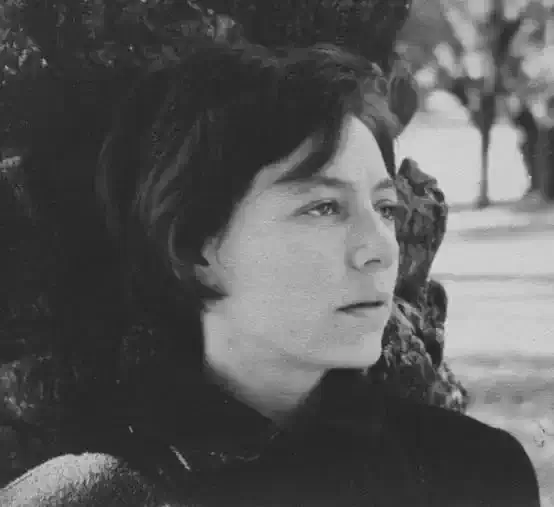
Alejandra Pizarnik
Poema
Poema
Tú eliges el lugar de la herida
en donde hablamos nuestro silencio
Tú haces de mi vida
esta ceremonia demasiado pura.
Tú eliges el lugar de la herida
en donde hablamos nuestro silencio
Tú haces de mi vida
esta ceremonia demasiado pura.
1 855
1
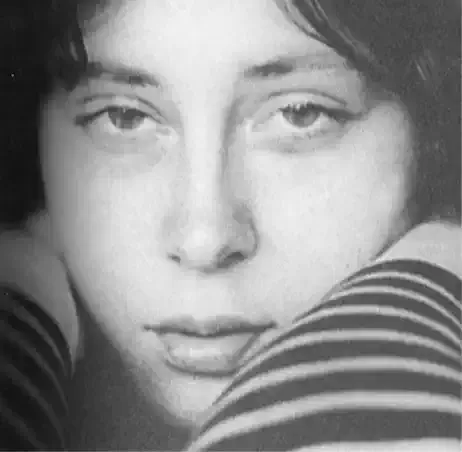
Ana Cristina Cesar
Flores Do Mais
Devagar escreva
uma primeira letra
escreva
nas imediações construídas
pelos furacões;
devagar meça
a primeira pássara
bisonha que
riscar
o pano de boca
aberto
sobre os vendavais;
devagar imponha
o pulso
que melhor
souber sangrar
sobre a faca
das marés;
devagar imprima
o primeiro olhar
sobre o galope molhado
dos animais; devagar
peça mais
e mais e
mais
uma primeira letra
escreva
nas imediações construídas
pelos furacões;
devagar meça
a primeira pássara
bisonha que
riscar
o pano de boca
aberto
sobre os vendavais;
devagar imponha
o pulso
que melhor
souber sangrar
sobre a faca
das marés;
devagar imprima
o primeiro olhar
sobre o galope molhado
dos animais; devagar
peça mais
e mais e
mais
3 666
1
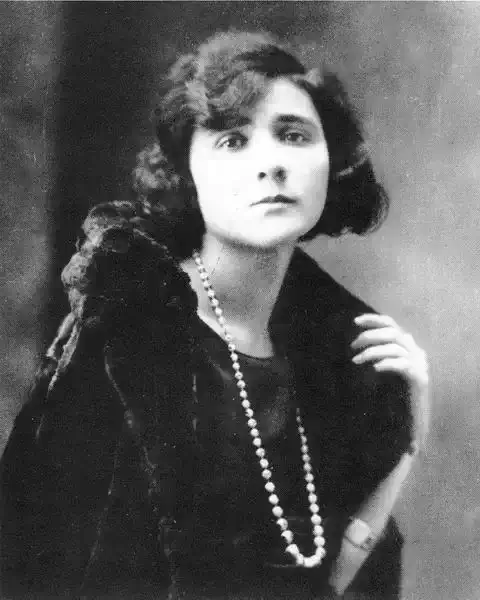
Florbela Espanca
Supremo Enleio
Quanta mulher no teu passado, quanta!
Tanta sombra em redor! Mas que me importa?
Se delas veio o sonho que conforta,
A sua vinda foi três vezes santa!
Erva do chão que a mão de Deus levanta,
Folhas murchas de rojo à tua porta...
Quando eu for uma pobre coisa morta,
Quanta mulher ainda! Quanta! Quanta!
Mas eu sou a manhã: apago estrelas!
Hás de ver-me, beijar-me em todas elas,
Mesmo na boca da que for mais linda!
E quando a derradeira, enfim, vier,
Nesse corpo vibrante de mulher
Será o meu que hás de encontrar ainda...
Tanta sombra em redor! Mas que me importa?
Se delas veio o sonho que conforta,
A sua vinda foi três vezes santa!
Erva do chão que a mão de Deus levanta,
Folhas murchas de rojo à tua porta...
Quando eu for uma pobre coisa morta,
Quanta mulher ainda! Quanta! Quanta!
Mas eu sou a manhã: apago estrelas!
Hás de ver-me, beijar-me em todas elas,
Mesmo na boca da que for mais linda!
E quando a derradeira, enfim, vier,
Nesse corpo vibrante de mulher
Será o meu que hás de encontrar ainda...
5 806
1
Florbela Espanca
Supremo Enleio
Quanta mulher no teu passado, quanta!
Tanta sombra em redor! Mas que me importa?
Se delas veio o sonho que conforta,
A sua vinda foi três vezes santa!
Erva do chão que a mão de Deus levanta,
Folhas murchas de rojo à tua porta...
Quando eu for uma pobre coisa morta,
Quanta mulher ainda! Quanta! Quanta!
Mas eu sou a manhã: apago estrelas!
Hás de ver-me, beijar-me em todas elas,
Mesmo na boca da que for mais linda!
E quando a derradeira, enfim, vier,
Nesse corpo vibrante de mulher
Será o meu que hás de encontrar ainda...
Tanta sombra em redor! Mas que me importa?
Se delas veio o sonho que conforta,
A sua vinda foi três vezes santa!
Erva do chão que a mão de Deus levanta,
Folhas murchas de rojo à tua porta...
Quando eu for uma pobre coisa morta,
Quanta mulher ainda! Quanta! Quanta!
Mas eu sou a manhã: apago estrelas!
Hás de ver-me, beijar-me em todas elas,
Mesmo na boca da que for mais linda!
E quando a derradeira, enfim, vier,
Nesse corpo vibrante de mulher
Será o meu que hás de encontrar ainda...
5 806
1
Florbela Espanca
A Noite Desce...
Como pálpebras roxas que tombassem
Sobre uns olhos cansados, carinhosas,
A noite desce... Ah! doces mãos piedosas
Que os meus olhos tristíssimos fechassem!
Assim mãos de bondade me beijassem!
Assim me adormecessem! Caridosas
Em braçados de lírios, de mimosas,
No crepúsculo que desce me enterrassem!
A noite em sombra e fumo se desfaz...
Perfume de baunilha ou de lilás,
A noite põe-me embriagada, louca!
E a noite vai descendo, sempre calma...
Meu doce Amor tu beijas a minh’alma
Beijando nesta hora a minha boca!
Sobre uns olhos cansados, carinhosas,
A noite desce... Ah! doces mãos piedosas
Que os meus olhos tristíssimos fechassem!
Assim mãos de bondade me beijassem!
Assim me adormecessem! Caridosas
Em braçados de lírios, de mimosas,
No crepúsculo que desce me enterrassem!
A noite em sombra e fumo se desfaz...
Perfume de baunilha ou de lilás,
A noite põe-me embriagada, louca!
E a noite vai descendo, sempre calma...
Meu doce Amor tu beijas a minh’alma
Beijando nesta hora a minha boca!
6 927
1
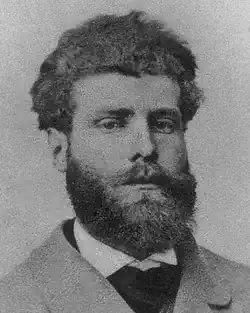
Antero de Quental
Uma amiga
Aqueles que eu amei, não sei que vento
Os dispersou no mundo, que os não vejo...
Estendo os braços e nas trevas beijo
Visões que a noite evoca o sentimento...
Outros me causam mais cruel tormento
Que a saudade dos mortos... que eu invejo...
Passam por mim... mas como que têm pejo
Da minha soledade e abatimento!
Daquela primavera venturosa
Não resta uma flor só, uma só rosa...
Tudo o vento varreu, queimou o gelo!
Tu só foste fiel - tu, como dantes,
Inda volves teus olhos radiantes...
Para ver o meu mal... e escarnecê-lo!
Os dispersou no mundo, que os não vejo...
Estendo os braços e nas trevas beijo
Visões que a noite evoca o sentimento...
Outros me causam mais cruel tormento
Que a saudade dos mortos... que eu invejo...
Passam por mim... mas como que têm pejo
Da minha soledade e abatimento!
Daquela primavera venturosa
Não resta uma flor só, uma só rosa...
Tudo o vento varreu, queimou o gelo!
Tu só foste fiel - tu, como dantes,
Inda volves teus olhos radiantes...
Para ver o meu mal... e escarnecê-lo!
2 837
1
Antero de Quental
Uma amiga
Aqueles que eu amei, não sei que vento
Os dispersou no mundo, que os não vejo...
Estendo os braços e nas trevas beijo
Visões que a noite evoca o sentimento...
Outros me causam mais cruel tormento
Que a saudade dos mortos... que eu invejo...
Passam por mim... mas como que têm pejo
Da minha soledade e abatimento!
Daquela primavera venturosa
Não resta uma flor só, uma só rosa...
Tudo o vento varreu, queimou o gelo!
Tu só foste fiel - tu, como dantes,
Inda volves teus olhos radiantes...
Para ver o meu mal... e escarnecê-lo!
Os dispersou no mundo, que os não vejo...
Estendo os braços e nas trevas beijo
Visões que a noite evoca o sentimento...
Outros me causam mais cruel tormento
Que a saudade dos mortos... que eu invejo...
Passam por mim... mas como que têm pejo
Da minha soledade e abatimento!
Daquela primavera venturosa
Não resta uma flor só, uma só rosa...
Tudo o vento varreu, queimou o gelo!
Tu só foste fiel - tu, como dantes,
Inda volves teus olhos radiantes...
Para ver o meu mal... e escarnecê-lo!
2 837
1
Antero de Quental
Uma amiga
Aqueles que eu amei, não sei que vento
Os dispersou no mundo, que os não vejo...
Estendo os braços e nas trevas beijo
Visões que a noite evoca o sentimento...
Outros me causam mais cruel tormento
Que a saudade dos mortos... que eu invejo...
Passam por mim... mas como que têm pejo
Da minha soledade e abatimento!
Daquela primavera venturosa
Não resta uma flor só, uma só rosa...
Tudo o vento varreu, queimou o gelo!
Tu só foste fiel - tu, como dantes,
Inda volves teus olhos radiantes...
Para ver o meu mal... e escarnecê-lo!
Os dispersou no mundo, que os não vejo...
Estendo os braços e nas trevas beijo
Visões que a noite evoca o sentimento...
Outros me causam mais cruel tormento
Que a saudade dos mortos... que eu invejo...
Passam por mim... mas como que têm pejo
Da minha soledade e abatimento!
Daquela primavera venturosa
Não resta uma flor só, uma só rosa...
Tudo o vento varreu, queimou o gelo!
Tu só foste fiel - tu, como dantes,
Inda volves teus olhos radiantes...
Para ver o meu mal... e escarnecê-lo!
2 837
1

José Tolentino Mendonça
Murmúrios do mar
"Paga-me um café e
conto-te a minha vida" o inverno avançava
nessa tarde em que te ouvi assaltado por dores
o céu quebrava-se aos disparos de uma criança
muito assustada que corria o vento batia-lhe no
rosto com violência a infância inteira disso me
lembro outra noite cortaste o sono da casa
com frio e medo apagavas cigarros nas palmas das
mãos e os que te viam choravam mas tu
,não,nunca choraste por amores que se perdem os
naufrágios são belos sentimo-nos tão vivos entre as
ilhas ,acreditas? E temos saudades desse mar
que derruba primeiro no nosso corpo tudo o que
seremos depois "pago-te um café se me contares
o teu amor"
conto-te a minha vida" o inverno avançava
nessa tarde em que te ouvi assaltado por dores
o céu quebrava-se aos disparos de uma criança
muito assustada que corria o vento batia-lhe no
rosto com violência a infância inteira disso me
lembro outra noite cortaste o sono da casa
com frio e medo apagavas cigarros nas palmas das
mãos e os que te viam choravam mas tu
,não,nunca choraste por amores que se perdem os
naufrágios são belos sentimo-nos tão vivos entre as
ilhas ,acreditas? E temos saudades desse mar
que derruba primeiro no nosso corpo tudo o que
seremos depois "pago-te um café se me contares
o teu amor"
7 392
1
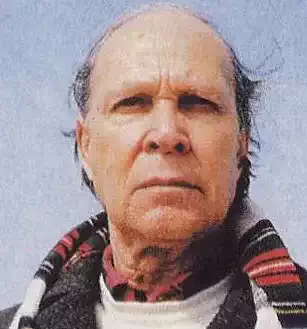
Eugénio de Andrade
Desde a aurora
Como um sol de polpa escura
para levar à boca,
eis as mãos:
procuram-te desde o chão,
entre os veios do sono
e da memória procuram-te:
à vertigem do ar
abrem as portas:
vai entrar o vento ou o violento
aroma de uma candeia,
e subitamente a ferida
recomeça a sangrar:
é tempo de colher: a noite
iluminou-se bago a bago:vais surgir
para beber de um trago
como um grito contra o muro.
Sou eu, desde a aurora,
eu-a terra-que te procuro.
de Obscuro Domínio
para levar à boca,
eis as mãos:
procuram-te desde o chão,
entre os veios do sono
e da memória procuram-te:
à vertigem do ar
abrem as portas:
vai entrar o vento ou o violento
aroma de uma candeia,
e subitamente a ferida
recomeça a sangrar:
é tempo de colher: a noite
iluminou-se bago a bago:vais surgir
para beber de um trago
como um grito contra o muro.
Sou eu, desde a aurora,
eu-a terra-que te procuro.
de Obscuro Domínio
6 728
1
Eugénio de Andrade
Desde a aurora
Como um sol de polpa escura
para levar à boca,
eis as mãos:
procuram-te desde o chão,
entre os veios do sono
e da memória procuram-te:
à vertigem do ar
abrem as portas:
vai entrar o vento ou o violento
aroma de uma candeia,
e subitamente a ferida
recomeça a sangrar:
é tempo de colher: a noite
iluminou-se bago a bago:vais surgir
para beber de um trago
como um grito contra o muro.
Sou eu, desde a aurora,
eu-a terra-que te procuro.
de Obscuro Domínio
para levar à boca,
eis as mãos:
procuram-te desde o chão,
entre os veios do sono
e da memória procuram-te:
à vertigem do ar
abrem as portas:
vai entrar o vento ou o violento
aroma de uma candeia,
e subitamente a ferida
recomeça a sangrar:
é tempo de colher: a noite
iluminou-se bago a bago:vais surgir
para beber de um trago
como um grito contra o muro.
Sou eu, desde a aurora,
eu-a terra-que te procuro.
de Obscuro Domínio
6 728
1
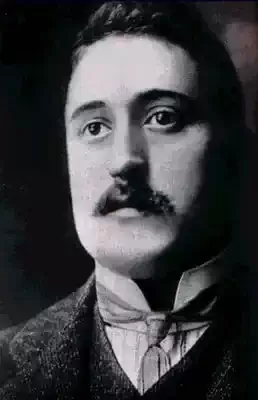
Guillaume Apollinaire
Le chat
Le chat
Je souhaite dans ma maison :
Une femme ayant sa raison,
Un chat passant parmi les livres,
Des amis en toute saison
Sans lesquels je ne peux pas vivre.
Je souhaite dans ma maison :
Une femme ayant sa raison,
Un chat passant parmi les livres,
Des amis en toute saison
Sans lesquels je ne peux pas vivre.
3 108
1
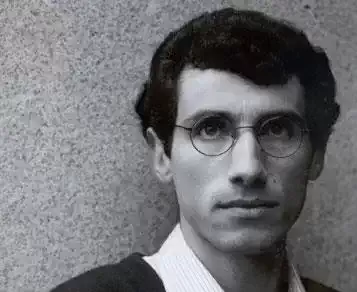
Daniel Faria
Cruz,rosa
Cruz,rosa
Dos ventos sem direcção que não seja o centro.Coluna
Sustentada pelos braços como um amigo que chega.Rosa
De orvalho e sangue para o corpo trepassado de sede.Árvore
Que bebe do homem.Árvore
Em silêncio onde escutamos a palavra
Em carne viva.Verbo
Tão inteiro que se fez espelho
de Homens Que São Como Lugares Mal Situados(1998)
Dos ventos sem direcção que não seja o centro.Coluna
Sustentada pelos braços como um amigo que chega.Rosa
De orvalho e sangue para o corpo trepassado de sede.Árvore
Que bebe do homem.Árvore
Em silêncio onde escutamos a palavra
Em carne viva.Verbo
Tão inteiro que se fez espelho
de Homens Que São Como Lugares Mal Situados(1998)
2 810
1
José Tolentino Mendonça
Caminho do forte, machico
No caminho onde aprendi o outono
sob o azul magoado
os pescadores cruzavam ainda linhas
províncias clareiras
e esse gesto masculino de apagar a dor
chegava pelos percalços da terra
o carro do gelo
e os miúdos tiravam bocados para comer às dentadas
em retrato selvagem mas,juro-vos,havia encanto
havia qualquer coisa,outra coisa
nesse instante em perda
as mulheres sentavam-se à porta com os bordados
quando passavam estrangeiros
ficavam sempre a sorrir nas suas fotografias
sob o azul magoado
os pescadores cruzavam ainda linhas
províncias clareiras
e esse gesto masculino de apagar a dor
chegava pelos percalços da terra
o carro do gelo
e os miúdos tiravam bocados para comer às dentadas
em retrato selvagem mas,juro-vos,havia encanto
havia qualquer coisa,outra coisa
nesse instante em perda
as mulheres sentavam-se à porta com os bordados
quando passavam estrangeiros
ficavam sempre a sorrir nas suas fotografias
2 411
1
Antero de Quental
Nox
Noite, vão para ti meus pensamentos,
quando olho e vejo, à luz cruel do dia,
tanto estéril lutar, tanta agonia,
E inúteis tantos ásperos tormentos...
Tu, ao menos, abafas os lamentos,
Que se exalam da trágica enxovia...
O eterno mal , que ruge e desvaria,
Em ti descansa e esquece, alguns momentos...
Oh! antes tu também adormecesses
Por uma vez, e eterna, inalterável,
Caindo sobre o mundo, te esquecesses,
E ele, o mundo, sem mais lutar nem ver,
Dormisse no teu seio inviolável,
Noite sem termo, noite do Não-ser!
quando olho e vejo, à luz cruel do dia,
tanto estéril lutar, tanta agonia,
E inúteis tantos ásperos tormentos...
Tu, ao menos, abafas os lamentos,
Que se exalam da trágica enxovia...
O eterno mal , que ruge e desvaria,
Em ti descansa e esquece, alguns momentos...
Oh! antes tu também adormecesses
Por uma vez, e eterna, inalterável,
Caindo sobre o mundo, te esquecesses,
E ele, o mundo, sem mais lutar nem ver,
Dormisse no teu seio inviolável,
Noite sem termo, noite do Não-ser!
2 787
1
Antero de Quental
Nox
Noite, vão para ti meus pensamentos,
quando olho e vejo, à luz cruel do dia,
tanto estéril lutar, tanta agonia,
E inúteis tantos ásperos tormentos...
Tu, ao menos, abafas os lamentos,
Que se exalam da trágica enxovia...
O eterno mal , que ruge e desvaria,
Em ti descansa e esquece, alguns momentos...
Oh! antes tu também adormecesses
Por uma vez, e eterna, inalterável,
Caindo sobre o mundo, te esquecesses,
E ele, o mundo, sem mais lutar nem ver,
Dormisse no teu seio inviolável,
Noite sem termo, noite do Não-ser!
quando olho e vejo, à luz cruel do dia,
tanto estéril lutar, tanta agonia,
E inúteis tantos ásperos tormentos...
Tu, ao menos, abafas os lamentos,
Que se exalam da trágica enxovia...
O eterno mal , que ruge e desvaria,
Em ti descansa e esquece, alguns momentos...
Oh! antes tu também adormecesses
Por uma vez, e eterna, inalterável,
Caindo sobre o mundo, te esquecesses,
E ele, o mundo, sem mais lutar nem ver,
Dormisse no teu seio inviolável,
Noite sem termo, noite do Não-ser!
2 787
1
José Tolentino Mendonça
Uma Coisa A Menos Para Adorar
Já vi matar um homem
é terrível a desolação que um corpo deixa
sobre a terra
uma coisa a menos para adorar
quando tudo se apaga
as paisagens descobrem-se perdidas
irreconciliáveis
entendes por isso o meu pânico
nessas noites em que volto sem razão nenhuma
a correr pelo pontão de madeira
onde um homem foi morto
arranco como os atletas ao som de um disparo seco
mas sou apenas alguém que de noite
grita pela casa
há quem diga
a vida é um pau de fósforo
escasso demais
para o milagre do fogo
hoje estive tão triste
que ardi centenas de fósforos
pela tarde fora
enquanto pensava no homem que vi matar
e de quem não soube nunca nada
nem o nome
é terrível a desolação que um corpo deixa
sobre a terra
uma coisa a menos para adorar
quando tudo se apaga
as paisagens descobrem-se perdidas
irreconciliáveis
entendes por isso o meu pânico
nessas noites em que volto sem razão nenhuma
a correr pelo pontão de madeira
onde um homem foi morto
arranco como os atletas ao som de um disparo seco
mas sou apenas alguém que de noite
grita pela casa
há quem diga
a vida é um pau de fósforo
escasso demais
para o milagre do fogo
hoje estive tão triste
que ardi centenas de fósforos
pela tarde fora
enquanto pensava no homem que vi matar
e de quem não soube nunca nada
nem o nome
2 458
1