

Poemas neste tema
Vida e Existência
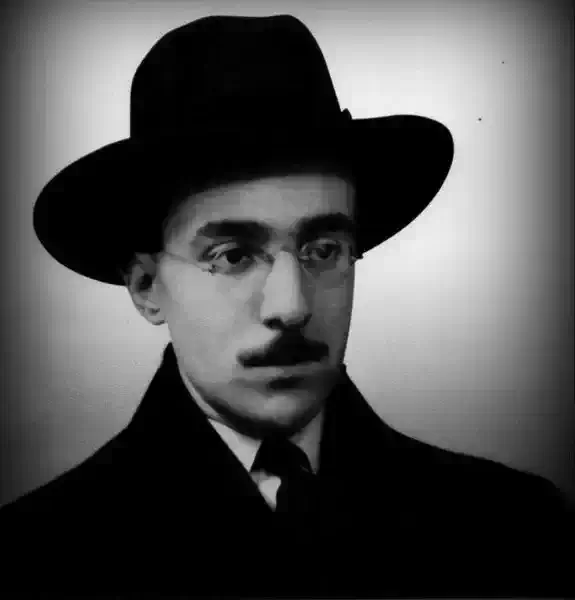
Fernando Pessoa
Cada coisa a seu tempo tem seu tempo.
Cada coisa a seu tempo tem seu tempo.
Não florescem no Inverno os arvoredos,
Nem pela Primavera
Têm branco frio os campos.
À noite, que entra, não pertence, Lídia,
O mesmo ardor que o dia nos pedia.
Com mais sossego amemos
A nossa incerta vida.
À lareira, cansados não da obra
Mas porque a hora é a hora dos cansaços,
Não puxemos a voz
Acima de um segredo,
E casuais, interrompidas sejam
Nossas palavras de reminiscência
(Não para mais nos serve
A negra ida do sol).
Pouco a pouco o passado recordemos
E as histórias contadas no passado
Agora duas vezes
Histórias, que nos falem
Das flores que na nossa infância ida
Com outra consciência nós colhíamos
E sob uma outra espécie
De olhar lançado ao mundo.
E assim, Lídia, à lareira, como estando,
Deuses lares, ali na eternidade,
Como quem compõe roupas
O outrora compúnhamos
Nesse desassossego que o descanso
Nos traz às vidas quando só pensamos
Naquilo que já fomos,
E há só noite lá fora.
30/07/1914
Não florescem no Inverno os arvoredos,
Nem pela Primavera
Têm branco frio os campos.
À noite, que entra, não pertence, Lídia,
O mesmo ardor que o dia nos pedia.
Com mais sossego amemos
A nossa incerta vida.
À lareira, cansados não da obra
Mas porque a hora é a hora dos cansaços,
Não puxemos a voz
Acima de um segredo,
E casuais, interrompidas sejam
Nossas palavras de reminiscência
(Não para mais nos serve
A negra ida do sol).
Pouco a pouco o passado recordemos
E as histórias contadas no passado
Agora duas vezes
Histórias, que nos falem
Das flores que na nossa infância ida
Com outra consciência nós colhíamos
E sob uma outra espécie
De olhar lançado ao mundo.
E assim, Lídia, à lareira, como estando,
Deuses lares, ali na eternidade,
Como quem compõe roupas
O outrora compúnhamos
Nesse desassossego que o descanso
Nos traz às vidas quando só pensamos
Naquilo que já fomos,
E há só noite lá fora.
30/07/1914
2 328
1
Fernando Pessoa
Solene passa sobre a fértil terra
Solene passa sobre a fértil terra
A branca, inútil nuvem fugidia,
Que um negro instante de entre os campos ergue
Um sopro arrefecido.
Tal me alta na alma a lenta ideia voa
E me enegrece a mente, mas já torno,
Como a si mesmo o mesmo campo, ao dia
Da imperfeita vida.
31/05/1927
A branca, inútil nuvem fugidia,
Que um negro instante de entre os campos ergue
Um sopro arrefecido.
Tal me alta na alma a lenta ideia voa
E me enegrece a mente, mas já torno,
Como a si mesmo o mesmo campo, ao dia
Da imperfeita vida.
31/05/1927
3 336
1
Fernando Pessoa
Solene passa sobre a fértil terra
Solene passa sobre a fértil terra
A branca, inútil nuvem fugidia,
Que um negro instante de entre os campos ergue
Um sopro arrefecido.
Tal me alta na alma a lenta ideia voa
E me enegrece a mente, mas já torno,
Como a si mesmo o mesmo campo, ao dia
Da imperfeita vida.
31/05/1927
A branca, inútil nuvem fugidia,
Que um negro instante de entre os campos ergue
Um sopro arrefecido.
Tal me alta na alma a lenta ideia voa
E me enegrece a mente, mas já torno,
Como a si mesmo o mesmo campo, ao dia
Da imperfeita vida.
31/05/1927
3 336
1
Fernando Pessoa
XIII - Olho os campos, Neera, [1]
Olho os campos, Neera,
Campos, campos, e sofro
Já o frio da sombra
Em que não terei olhos.
A caveira antessinto
Que serei não sentindo,
Ou só quanto o que ignoro
Me incógnito ministre.
E menos ao instante
Choro, que a mim futuro,
Súbdito ausente e nulo
Do universal destino.
25/12/1923 (Athena, nº 1, Outubro de 1924)
Campos, campos, e sofro
Já o frio da sombra
Em que não terei olhos.
A caveira antessinto
Que serei não sentindo,
Ou só quanto o que ignoro
Me incógnito ministre.
E menos ao instante
Choro, que a mim futuro,
Súbdito ausente e nulo
Do universal destino.
25/12/1923 (Athena, nº 1, Outubro de 1924)
2 446
1
Fernando Pessoa
XIII - Olho os campos, Neera, [1]
Olho os campos, Neera,
Campos, campos, e sofro
Já o frio da sombra
Em que não terei olhos.
A caveira antessinto
Que serei não sentindo,
Ou só quanto o que ignoro
Me incógnito ministre.
E menos ao instante
Choro, que a mim futuro,
Súbdito ausente e nulo
Do universal destino.
25/12/1923 (Athena, nº 1, Outubro de 1924)
Campos, campos, e sofro
Já o frio da sombra
Em que não terei olhos.
A caveira antessinto
Que serei não sentindo,
Ou só quanto o que ignoro
Me incógnito ministre.
E menos ao instante
Choro, que a mim futuro,
Súbdito ausente e nulo
Do universal destino.
25/12/1923 (Athena, nº 1, Outubro de 1924)
2 446
1
Fernando Pessoa
Na noite terrível, substância natural de todas as noites,
Na noite terrível, substância natural de todas as noites,
Na noite de insónia, substância natural de todas as minhas noites,
Relembro, velando em modorra incómoda,
Relembro o que fiz e o que podia ter feito na vida.
Relembro, e uma angústia
Espalha-se por mim como um frio do corpo ou um medo.
O irreparável do meu passado – esse é que é o cadáver!
Todos os outros cadáveres pode ser que sejam ilusão.
Todos os mortos pode ser que sejam vivos noutra parte.
Todos os meus próprios momentos passados pode ser que existam algures,
Na ilusão do espaço e do tempo,
Na falsidade do decorrer.
Mas o que eu não fui, o que eu não fiz, o que nem sequer sonhei;
O que só agora vejo que deveria ter feito,
O que só agora claramente vejo que deveria ter sido –
Isso é que é morto para além de todos os Deuses,
Isso – e foi afinal o melhor de mim – é que nem os Deuses fazem viver...
Se em certa altura
Tivesse voltado para a esquerda em vez de para a direita;
Se em certo momento
Tivesse dito sim em vez de não, ou não em vez de sim;
Se em certa conversa
Tivesse tido as frases que só agora, no meio-sono, elaboro –
Se tudo isso tivesse sido assim,
Seria outro hoje, e talvez o universo inteiro
Seria insensivelmente levado a ser outro também.
Mas não virei para o lado irreparavelmente perdido,
Não virei nem pensei em virar, e só agora o percebo;
Mas não disse não ou não disse sim, e só agora vejo o que não disse;
Mas as frases que faltou dizer nesse momento surgem-me todas,
Claras, inevitáveis, naturais,
A conversa fechada concludentemente,
A matéria toda resolvida...
Mas só agora o que nunca foi, nem será para trás, me dói.
O que falhei deveras não tem esperança nenhuma
Em sistema metafísico nenhum.
Pode ser que para outro mundo eu possa levar o que sonhei.
Mas poderei eu levar para outro mundo o que me esqueci de sonhar?
Esses sim, os sonhos por haver, é que são o cadáver.
Enterro-o no meu coração para sempre, para todo o tempo, para todos os universos,
Nesta noite em que não durmo, e o sossego me cerca
Como uma verdade de que não partilho,
E lá fora o luar, como a esperança que não tenho, é invisível p'ra mim.
11/05/1928
Na noite de insónia, substância natural de todas as minhas noites,
Relembro, velando em modorra incómoda,
Relembro o que fiz e o que podia ter feito na vida.
Relembro, e uma angústia
Espalha-se por mim como um frio do corpo ou um medo.
O irreparável do meu passado – esse é que é o cadáver!
Todos os outros cadáveres pode ser que sejam ilusão.
Todos os mortos pode ser que sejam vivos noutra parte.
Todos os meus próprios momentos passados pode ser que existam algures,
Na ilusão do espaço e do tempo,
Na falsidade do decorrer.
Mas o que eu não fui, o que eu não fiz, o que nem sequer sonhei;
O que só agora vejo que deveria ter feito,
O que só agora claramente vejo que deveria ter sido –
Isso é que é morto para além de todos os Deuses,
Isso – e foi afinal o melhor de mim – é que nem os Deuses fazem viver...
Se em certa altura
Tivesse voltado para a esquerda em vez de para a direita;
Se em certo momento
Tivesse dito sim em vez de não, ou não em vez de sim;
Se em certa conversa
Tivesse tido as frases que só agora, no meio-sono, elaboro –
Se tudo isso tivesse sido assim,
Seria outro hoje, e talvez o universo inteiro
Seria insensivelmente levado a ser outro também.
Mas não virei para o lado irreparavelmente perdido,
Não virei nem pensei em virar, e só agora o percebo;
Mas não disse não ou não disse sim, e só agora vejo o que não disse;
Mas as frases que faltou dizer nesse momento surgem-me todas,
Claras, inevitáveis, naturais,
A conversa fechada concludentemente,
A matéria toda resolvida...
Mas só agora o que nunca foi, nem será para trás, me dói.
O que falhei deveras não tem esperança nenhuma
Em sistema metafísico nenhum.
Pode ser que para outro mundo eu possa levar o que sonhei.
Mas poderei eu levar para outro mundo o que me esqueci de sonhar?
Esses sim, os sonhos por haver, é que são o cadáver.
Enterro-o no meu coração para sempre, para todo o tempo, para todos os universos,
Nesta noite em que não durmo, e o sossego me cerca
Como uma verdade de que não partilho,
E lá fora o luar, como a esperança que não tenho, é invisível p'ra mim.
11/05/1928
2 963
1
Fernando Pessoa
Na noite terrível, substância natural de todas as noites,
Na noite terrível, substância natural de todas as noites,
Na noite de insónia, substância natural de todas as minhas noites,
Relembro, velando em modorra incómoda,
Relembro o que fiz e o que podia ter feito na vida.
Relembro, e uma angústia
Espalha-se por mim como um frio do corpo ou um medo.
O irreparável do meu passado – esse é que é o cadáver!
Todos os outros cadáveres pode ser que sejam ilusão.
Todos os mortos pode ser que sejam vivos noutra parte.
Todos os meus próprios momentos passados pode ser que existam algures,
Na ilusão do espaço e do tempo,
Na falsidade do decorrer.
Mas o que eu não fui, o que eu não fiz, o que nem sequer sonhei;
O que só agora vejo que deveria ter feito,
O que só agora claramente vejo que deveria ter sido –
Isso é que é morto para além de todos os Deuses,
Isso – e foi afinal o melhor de mim – é que nem os Deuses fazem viver...
Se em certa altura
Tivesse voltado para a esquerda em vez de para a direita;
Se em certo momento
Tivesse dito sim em vez de não, ou não em vez de sim;
Se em certa conversa
Tivesse tido as frases que só agora, no meio-sono, elaboro –
Se tudo isso tivesse sido assim,
Seria outro hoje, e talvez o universo inteiro
Seria insensivelmente levado a ser outro também.
Mas não virei para o lado irreparavelmente perdido,
Não virei nem pensei em virar, e só agora o percebo;
Mas não disse não ou não disse sim, e só agora vejo o que não disse;
Mas as frases que faltou dizer nesse momento surgem-me todas,
Claras, inevitáveis, naturais,
A conversa fechada concludentemente,
A matéria toda resolvida...
Mas só agora o que nunca foi, nem será para trás, me dói.
O que falhei deveras não tem esperança nenhuma
Em sistema metafísico nenhum.
Pode ser que para outro mundo eu possa levar o que sonhei.
Mas poderei eu levar para outro mundo o que me esqueci de sonhar?
Esses sim, os sonhos por haver, é que são o cadáver.
Enterro-o no meu coração para sempre, para todo o tempo, para todos os universos,
Nesta noite em que não durmo, e o sossego me cerca
Como uma verdade de que não partilho,
E lá fora o luar, como a esperança que não tenho, é invisível p'ra mim.
11/05/1928
Na noite de insónia, substância natural de todas as minhas noites,
Relembro, velando em modorra incómoda,
Relembro o que fiz e o que podia ter feito na vida.
Relembro, e uma angústia
Espalha-se por mim como um frio do corpo ou um medo.
O irreparável do meu passado – esse é que é o cadáver!
Todos os outros cadáveres pode ser que sejam ilusão.
Todos os mortos pode ser que sejam vivos noutra parte.
Todos os meus próprios momentos passados pode ser que existam algures,
Na ilusão do espaço e do tempo,
Na falsidade do decorrer.
Mas o que eu não fui, o que eu não fiz, o que nem sequer sonhei;
O que só agora vejo que deveria ter feito,
O que só agora claramente vejo que deveria ter sido –
Isso é que é morto para além de todos os Deuses,
Isso – e foi afinal o melhor de mim – é que nem os Deuses fazem viver...
Se em certa altura
Tivesse voltado para a esquerda em vez de para a direita;
Se em certo momento
Tivesse dito sim em vez de não, ou não em vez de sim;
Se em certa conversa
Tivesse tido as frases que só agora, no meio-sono, elaboro –
Se tudo isso tivesse sido assim,
Seria outro hoje, e talvez o universo inteiro
Seria insensivelmente levado a ser outro também.
Mas não virei para o lado irreparavelmente perdido,
Não virei nem pensei em virar, e só agora o percebo;
Mas não disse não ou não disse sim, e só agora vejo o que não disse;
Mas as frases que faltou dizer nesse momento surgem-me todas,
Claras, inevitáveis, naturais,
A conversa fechada concludentemente,
A matéria toda resolvida...
Mas só agora o que nunca foi, nem será para trás, me dói.
O que falhei deveras não tem esperança nenhuma
Em sistema metafísico nenhum.
Pode ser que para outro mundo eu possa levar o que sonhei.
Mas poderei eu levar para outro mundo o que me esqueci de sonhar?
Esses sim, os sonhos por haver, é que são o cadáver.
Enterro-o no meu coração para sempre, para todo o tempo, para todos os universos,
Nesta noite em que não durmo, e o sossego me cerca
Como uma verdade de que não partilho,
E lá fora o luar, como a esperança que não tenho, é invisível p'ra mim.
11/05/1928
2 963
1
Fernando Pessoa
29 - Nem sempre sou igual no que digo e escrevo.
Nem sempre sou igual no que digo e escrevo.
Mudo, mas não mudo muito.
A cor das flores não é a mesma ao sol
De que quando uma nuvem passa
Ou quando entra a noite
E as flores são cor da sombra.
Mas quem olha bem vê que são as mesmas flores.
Por isso quando pareço não concordar comigo,
Reparem bem paro mim:
Se estava virado para a direita,
Voltei-me agora para a esquerda,
Mas sou sempre eu, assente sobre os meus pés –
O mesmo sempre, graças ao céu e à terra
E aos meus olhos e ouvidos atentos
E à minha clara simplicidade de alma...
Mudo, mas não mudo muito.
A cor das flores não é a mesma ao sol
De que quando uma nuvem passa
Ou quando entra a noite
E as flores são cor da sombra.
Mas quem olha bem vê que são as mesmas flores.
Por isso quando pareço não concordar comigo,
Reparem bem paro mim:
Se estava virado para a direita,
Voltei-me agora para a esquerda,
Mas sou sempre eu, assente sobre os meus pés –
O mesmo sempre, graças ao céu e à terra
E aos meus olhos e ouvidos atentos
E à minha clara simplicidade de alma...
2 820
1
Fernando Pessoa
29 - Nem sempre sou igual no que digo e escrevo.
Nem sempre sou igual no que digo e escrevo.
Mudo, mas não mudo muito.
A cor das flores não é a mesma ao sol
De que quando uma nuvem passa
Ou quando entra a noite
E as flores são cor da sombra.
Mas quem olha bem vê que são as mesmas flores.
Por isso quando pareço não concordar comigo,
Reparem bem paro mim:
Se estava virado para a direita,
Voltei-me agora para a esquerda,
Mas sou sempre eu, assente sobre os meus pés –
O mesmo sempre, graças ao céu e à terra
E aos meus olhos e ouvidos atentos
E à minha clara simplicidade de alma...
Mudo, mas não mudo muito.
A cor das flores não é a mesma ao sol
De que quando uma nuvem passa
Ou quando entra a noite
E as flores são cor da sombra.
Mas quem olha bem vê que são as mesmas flores.
Por isso quando pareço não concordar comigo,
Reparem bem paro mim:
Se estava virado para a direita,
Voltei-me agora para a esquerda,
Mas sou sempre eu, assente sobre os meus pés –
O mesmo sempre, graças ao céu e à terra
E aos meus olhos e ouvidos atentos
E à minha clara simplicidade de alma...
2 820
1
Fernando Pessoa
Não basta abrir a janela
POEMAS INCONJUNTOS
I
Não basta abrir a janela
Para ver os campos e o rio.
Não é bastante não ser cego
Para ver as árvores e as flores.
É preciso também não ter filosofia nenhuma.
Com filosofia não há árvores: há ideias apenas.
Há só cada um de nós, como uma cave.
Há só uma janela fechada, e todo o mundo lá fora;
E um sonho do que se poderia ver se a janela se abrisse,
Que nunca é o que se vê quando se abre a janela.
Abril de 1923 (Athena, nº 5, Fevereiro de 1925)
I
Não basta abrir a janela
Para ver os campos e o rio.
Não é bastante não ser cego
Para ver as árvores e as flores.
É preciso também não ter filosofia nenhuma.
Com filosofia não há árvores: há ideias apenas.
Há só cada um de nós, como uma cave.
Há só uma janela fechada, e todo o mundo lá fora;
E um sonho do que se poderia ver se a janela se abrisse,
Que nunca é o que se vê quando se abre a janela.
Abril de 1923 (Athena, nº 5, Fevereiro de 1925)
10 428
1
Fernando Pessoa
Tão cedo passa tudo quanto passa!
Tão cedo passa tudo quanto passa!
Morre tão jovem ante os deuses quanto
Morre! Tudo é tão pouco!
Nada se sabe, tudo se imagina.
Circunda-te de rosas, ama, bebe
E cala. O mais é nada.
03/11/1923
Morre tão jovem ante os deuses quanto
Morre! Tudo é tão pouco!
Nada se sabe, tudo se imagina.
Circunda-te de rosas, ama, bebe
E cala. O mais é nada.
03/11/1923
3 041
1
Fernando Pessoa
Tão cedo passa tudo quanto passa!
Tão cedo passa tudo quanto passa!
Morre tão jovem ante os deuses quanto
Morre! Tudo é tão pouco!
Nada se sabe, tudo se imagina.
Circunda-te de rosas, ama, bebe
E cala. O mais é nada.
03/11/1923
Morre tão jovem ante os deuses quanto
Morre! Tudo é tão pouco!
Nada se sabe, tudo se imagina.
Circunda-te de rosas, ama, bebe
E cala. O mais é nada.
03/11/1923
3 041
1
Fernando Pessoa
Tão cedo passa tudo quanto passa!
Tão cedo passa tudo quanto passa!
Morre tão jovem ante os deuses quanto
Morre! Tudo é tão pouco!
Nada se sabe, tudo se imagina.
Circunda-te de rosas, ama, bebe
E cala. O mais é nada.
03/11/1923
Morre tão jovem ante os deuses quanto
Morre! Tudo é tão pouco!
Nada se sabe, tudo se imagina.
Circunda-te de rosas, ama, bebe
E cala. O mais é nada.
03/11/1923
3 041
1
Fernando Pessoa
Gozo sonhado é gozo, ainda que em sonho.
Gozo sonhado é gozo, ainda que em sonho.
Nós o que nos supomos nos fazemos,
Se com atenta mente
Resistirmos em crê-lo.
Não, pois, meu modo de pensar nas coisas,
Nos seres e no fado me consumo.
Para mim crio tanto
Quanto para mim crio.
Fora de mim, alheio ao em que penso,
O Fado cumpre-se. Porém eu me cumpro
Segundo o âmbito breve
Do que de meu me é dado.
30/01/1927
Nós o que nos supomos nos fazemos,
Se com atenta mente
Resistirmos em crê-lo.
Não, pois, meu modo de pensar nas coisas,
Nos seres e no fado me consumo.
Para mim crio tanto
Quanto para mim crio.
Fora de mim, alheio ao em que penso,
O Fado cumpre-se. Porém eu me cumpro
Segundo o âmbito breve
Do que de meu me é dado.
30/01/1927
2 339
1
Fernando Pessoa
Gozo sonhado é gozo, ainda que em sonho.
Gozo sonhado é gozo, ainda que em sonho.
Nós o que nos supomos nos fazemos,
Se com atenta mente
Resistirmos em crê-lo.
Não, pois, meu modo de pensar nas coisas,
Nos seres e no fado me consumo.
Para mim crio tanto
Quanto para mim crio.
Fora de mim, alheio ao em que penso,
O Fado cumpre-se. Porém eu me cumpro
Segundo o âmbito breve
Do que de meu me é dado.
30/01/1927
Nós o que nos supomos nos fazemos,
Se com atenta mente
Resistirmos em crê-lo.
Não, pois, meu modo de pensar nas coisas,
Nos seres e no fado me consumo.
Para mim crio tanto
Quanto para mim crio.
Fora de mim, alheio ao em que penso,
O Fado cumpre-se. Porém eu me cumpro
Segundo o âmbito breve
Do que de meu me é dado.
30/01/1927
2 339
1
Fernando Pessoa
DACTILOGRAFIA
DACTILOGRAFIA
Traço sozinho, no meu cubículo de engenheiro, o plano,
Firmo o projecto, aqui isolado,
Remoto até de quem eu sou.
Ao lado, acompanhamento banalmente sinistro,
O tic-tac estalado das máquinas de escrever.
Que náusea da vida!
Que abjecção esta regularidade!
Que sono este ser assim!
Outrora, quando fui outro, eram castelos e cavaleiros
(Ilustrações, talvez, de qualquer livro de infância),
Outrora, quando fui verdadeiro ao meu sonho,
Eram grandes paisagens do Norte, explícitas de neve,
Eram grandes palmares do Sul, opulentos de verdes.
Outrora.
Ao lado, acompanhamento banalmente sinistro,
O tic-tac estalado das máquinas de escrever.
Temos todos duas vidas:
A verdadeira, que é a que sonhamos na infância,
E que continuamos sonhando, adultos num substrato de névoa;
A falsa, que é a que vivemos em convivência com outros,
Que é a prática, a útil,
Aquela em que acabam por nos meter num caixão.
Na outra não há caixões, nem mortes,
Há só ilustrações de infância:
Grandes livros coloridos, para ver mas não ler;
Grandes páginas de cores para recordar mais tarde.
Na outra somos nós,
Na outra vivemos;
Nesta morremos, que é o que viver quer dizer;
Neste momento, pela náusea, vivo na outra...
Mas ao lado, acompanhamento banalmente sinistro.
Ergue a voz o tic-tac estalado das máquinas de escrever.
19/12/1933 (publicado na Presença, nº 1, 2ª série, Novembro de 1939)
Traço sozinho, no meu cubículo de engenheiro, o plano,
Firmo o projecto, aqui isolado,
Remoto até de quem eu sou.
Ao lado, acompanhamento banalmente sinistro,
O tic-tac estalado das máquinas de escrever.
Que náusea da vida!
Que abjecção esta regularidade!
Que sono este ser assim!
Outrora, quando fui outro, eram castelos e cavaleiros
(Ilustrações, talvez, de qualquer livro de infância),
Outrora, quando fui verdadeiro ao meu sonho,
Eram grandes paisagens do Norte, explícitas de neve,
Eram grandes palmares do Sul, opulentos de verdes.
Outrora.
Ao lado, acompanhamento banalmente sinistro,
O tic-tac estalado das máquinas de escrever.
Temos todos duas vidas:
A verdadeira, que é a que sonhamos na infância,
E que continuamos sonhando, adultos num substrato de névoa;
A falsa, que é a que vivemos em convivência com outros,
Que é a prática, a útil,
Aquela em que acabam por nos meter num caixão.
Na outra não há caixões, nem mortes,
Há só ilustrações de infância:
Grandes livros coloridos, para ver mas não ler;
Grandes páginas de cores para recordar mais tarde.
Na outra somos nós,
Na outra vivemos;
Nesta morremos, que é o que viver quer dizer;
Neste momento, pela náusea, vivo na outra...
Mas ao lado, acompanhamento banalmente sinistro.
Ergue a voz o tic-tac estalado das máquinas de escrever.
19/12/1933 (publicado na Presença, nº 1, 2ª série, Novembro de 1939)
3 174
1
Fernando Pessoa
Se te queres matar, porque não te queres matar?
Se te queres matar, porque não te queres matar?
Ah, aproveita! que eu, que tanto amo a morte e a vida,
Se ousasse matar-me, também me mataria...
Ah, se ousares, ousa!
De que te serve o quadro sucessivo das imagens externas
A que chamamos o mundo?
A cinematografia das horas representadas
Por actores de convenções e poses determinadas,
O circo policromo do nosso dinamismo sem fim?
De que te serve o teu mundo interior que desconheces?
Talvez, matando-te, o conheças finalmente...
Talvez, acabando, comeces...
E de qualquer forma, se te cansa seres,
Ah, cansa-te nobremente,
E não cantes, como eu, a vida por bebedeira,
Não saúdes como eu a morte em literatura!
Fazes falta? Ó sombra fútil chamada gente!
Ninguém faz falta; não fazes falta a ninguém...
Sem ti correrá tudo sem ti.
Talvez seja pior para outros existires que matares-te...
Talvez peses mais durando, que deixando de durar...
A mágoa dos outros?... Tens remorso adiantado
De que te chorem?
Descansa: pouco te chorarão...
O impulso vital apaga as lágrimas pouco a pouco,
Quando não são de coisas nossas,
Quando são do que acontece aos outros, sobretudo a morte,
Porque é a coisa depois da qual nada acontece aos outros...
Primeiro é a angústia, a surpresa da vinda
Do mistério e da falta da tua vida falada...
Depois o horror do caixão visível e material,
E os homens de preto que exercem a profissão de estar ali.
Depois a família a velar, inconsolável e contando anedotas,
Lamentando a pena de teres morrido,
E tu mera causa ocasional daquela carpidação,
Tu verdadeiramente morto, muito mais morto que calculas...
Muito mais morto aqui que calculas,
Mesmo que estejas muito mais vivo além...
Depois a trágica retirada para o jazigo ou a cova,
E depois o princípio da morte da tua memória.
Há primeiro em todos um alívio
Da tragédia um pouco maçadora de teres morrido...
Depois a conversa aligeira-se quotidianamente,
E a vida de todos os dias retoma o seu dia...
Depois, lentamente esqueceste.
Só és lembrado em duas datas, aniversariamente:
Quando faz anos que nasceste, quando faz anos que morreste;
Mais nada, mais nada, absolutamente mais nada.
Duas vezes no ano pensam em ti.
Duas vezes no ano suspiram por ti os que te amaram,
E uma ou outra vez suspiram se por acaso se fala em ti.
Encara-te a frio, e encara a frio o que somos...
Se queres matar-te, mata-te...
Não tenhas escrúpulos morais, receios de inteligência!...
Que escrúpulos ou receios tem a mecânica da vida?
Que escrúpulos químicos tem o impulso que gera
As seivas, e a circulação do sangue, e o amor?
Que memória dos outros tem o ritmo alegre da vida?
Ah, pobre vaidade de carne e osso chamada homem.
Não vês que não tens importância absolutamente nenhuma?
És importante para ti, porque é a ti que te sentes.
És tudo para ti, porque para ti és o universo,
E o próprio universo e os outros
Satélites da tua subjectividade objectiva.
És importante para ti porque só tu és importante para ti.
E se és assim, ó mito, não serão os outros assim?
Tens, como Hamlet, o pavor do desconhecido?
Mas o que é conhecido? O que é que tu conheces,
Para que chames desconhecido a qualquer coisa em especial?
Tens, como Falstaff, o amor gorduroso da vida?
Se assim a amas materialmente, ama-a ainda mais materialmente:
Torna-te parte carnal da terra e das coisas!
Dispersa-te, sistema físico-químico
De células nocturnamente conscientes
Pela nocturna consciência da inconsciência dos corpos,
Pelo grande cobertor não-cobrindo-nada das aparências,
Pela relva e a erva da proliferação dos seres,
Pela névoa atómica das coisas,
Pelas paredes turbilhonantes
Do vácuo dinâmico do mundo...
26/04/1926
Ah, aproveita! que eu, que tanto amo a morte e a vida,
Se ousasse matar-me, também me mataria...
Ah, se ousares, ousa!
De que te serve o quadro sucessivo das imagens externas
A que chamamos o mundo?
A cinematografia das horas representadas
Por actores de convenções e poses determinadas,
O circo policromo do nosso dinamismo sem fim?
De que te serve o teu mundo interior que desconheces?
Talvez, matando-te, o conheças finalmente...
Talvez, acabando, comeces...
E de qualquer forma, se te cansa seres,
Ah, cansa-te nobremente,
E não cantes, como eu, a vida por bebedeira,
Não saúdes como eu a morte em literatura!
Fazes falta? Ó sombra fútil chamada gente!
Ninguém faz falta; não fazes falta a ninguém...
Sem ti correrá tudo sem ti.
Talvez seja pior para outros existires que matares-te...
Talvez peses mais durando, que deixando de durar...
A mágoa dos outros?... Tens remorso adiantado
De que te chorem?
Descansa: pouco te chorarão...
O impulso vital apaga as lágrimas pouco a pouco,
Quando não são de coisas nossas,
Quando são do que acontece aos outros, sobretudo a morte,
Porque é a coisa depois da qual nada acontece aos outros...
Primeiro é a angústia, a surpresa da vinda
Do mistério e da falta da tua vida falada...
Depois o horror do caixão visível e material,
E os homens de preto que exercem a profissão de estar ali.
Depois a família a velar, inconsolável e contando anedotas,
Lamentando a pena de teres morrido,
E tu mera causa ocasional daquela carpidação,
Tu verdadeiramente morto, muito mais morto que calculas...
Muito mais morto aqui que calculas,
Mesmo que estejas muito mais vivo além...
Depois a trágica retirada para o jazigo ou a cova,
E depois o princípio da morte da tua memória.
Há primeiro em todos um alívio
Da tragédia um pouco maçadora de teres morrido...
Depois a conversa aligeira-se quotidianamente,
E a vida de todos os dias retoma o seu dia...
Depois, lentamente esqueceste.
Só és lembrado em duas datas, aniversariamente:
Quando faz anos que nasceste, quando faz anos que morreste;
Mais nada, mais nada, absolutamente mais nada.
Duas vezes no ano pensam em ti.
Duas vezes no ano suspiram por ti os que te amaram,
E uma ou outra vez suspiram se por acaso se fala em ti.
Encara-te a frio, e encara a frio o que somos...
Se queres matar-te, mata-te...
Não tenhas escrúpulos morais, receios de inteligência!...
Que escrúpulos ou receios tem a mecânica da vida?
Que escrúpulos químicos tem o impulso que gera
As seivas, e a circulação do sangue, e o amor?
Que memória dos outros tem o ritmo alegre da vida?
Ah, pobre vaidade de carne e osso chamada homem.
Não vês que não tens importância absolutamente nenhuma?
És importante para ti, porque é a ti que te sentes.
És tudo para ti, porque para ti és o universo,
E o próprio universo e os outros
Satélites da tua subjectividade objectiva.
És importante para ti porque só tu és importante para ti.
E se és assim, ó mito, não serão os outros assim?
Tens, como Hamlet, o pavor do desconhecido?
Mas o que é conhecido? O que é que tu conheces,
Para que chames desconhecido a qualquer coisa em especial?
Tens, como Falstaff, o amor gorduroso da vida?
Se assim a amas materialmente, ama-a ainda mais materialmente:
Torna-te parte carnal da terra e das coisas!
Dispersa-te, sistema físico-químico
De células nocturnamente conscientes
Pela nocturna consciência da inconsciência dos corpos,
Pelo grande cobertor não-cobrindo-nada das aparências,
Pela relva e a erva da proliferação dos seres,
Pela névoa atómica das coisas,
Pelas paredes turbilhonantes
Do vácuo dinâmico do mundo...
26/04/1926
2 817
1
Fernando Pessoa
Se te queres matar, porque não te queres matar?
Se te queres matar, porque não te queres matar?
Ah, aproveita! que eu, que tanto amo a morte e a vida,
Se ousasse matar-me, também me mataria...
Ah, se ousares, ousa!
De que te serve o quadro sucessivo das imagens externas
A que chamamos o mundo?
A cinematografia das horas representadas
Por actores de convenções e poses determinadas,
O circo policromo do nosso dinamismo sem fim?
De que te serve o teu mundo interior que desconheces?
Talvez, matando-te, o conheças finalmente...
Talvez, acabando, comeces...
E de qualquer forma, se te cansa seres,
Ah, cansa-te nobremente,
E não cantes, como eu, a vida por bebedeira,
Não saúdes como eu a morte em literatura!
Fazes falta? Ó sombra fútil chamada gente!
Ninguém faz falta; não fazes falta a ninguém...
Sem ti correrá tudo sem ti.
Talvez seja pior para outros existires que matares-te...
Talvez peses mais durando, que deixando de durar...
A mágoa dos outros?... Tens remorso adiantado
De que te chorem?
Descansa: pouco te chorarão...
O impulso vital apaga as lágrimas pouco a pouco,
Quando não são de coisas nossas,
Quando são do que acontece aos outros, sobretudo a morte,
Porque é a coisa depois da qual nada acontece aos outros...
Primeiro é a angústia, a surpresa da vinda
Do mistério e da falta da tua vida falada...
Depois o horror do caixão visível e material,
E os homens de preto que exercem a profissão de estar ali.
Depois a família a velar, inconsolável e contando anedotas,
Lamentando a pena de teres morrido,
E tu mera causa ocasional daquela carpidação,
Tu verdadeiramente morto, muito mais morto que calculas...
Muito mais morto aqui que calculas,
Mesmo que estejas muito mais vivo além...
Depois a trágica retirada para o jazigo ou a cova,
E depois o princípio da morte da tua memória.
Há primeiro em todos um alívio
Da tragédia um pouco maçadora de teres morrido...
Depois a conversa aligeira-se quotidianamente,
E a vida de todos os dias retoma o seu dia...
Depois, lentamente esqueceste.
Só és lembrado em duas datas, aniversariamente:
Quando faz anos que nasceste, quando faz anos que morreste;
Mais nada, mais nada, absolutamente mais nada.
Duas vezes no ano pensam em ti.
Duas vezes no ano suspiram por ti os que te amaram,
E uma ou outra vez suspiram se por acaso se fala em ti.
Encara-te a frio, e encara a frio o que somos...
Se queres matar-te, mata-te...
Não tenhas escrúpulos morais, receios de inteligência!...
Que escrúpulos ou receios tem a mecânica da vida?
Que escrúpulos químicos tem o impulso que gera
As seivas, e a circulação do sangue, e o amor?
Que memória dos outros tem o ritmo alegre da vida?
Ah, pobre vaidade de carne e osso chamada homem.
Não vês que não tens importância absolutamente nenhuma?
És importante para ti, porque é a ti que te sentes.
És tudo para ti, porque para ti és o universo,
E o próprio universo e os outros
Satélites da tua subjectividade objectiva.
És importante para ti porque só tu és importante para ti.
E se és assim, ó mito, não serão os outros assim?
Tens, como Hamlet, o pavor do desconhecido?
Mas o que é conhecido? O que é que tu conheces,
Para que chames desconhecido a qualquer coisa em especial?
Tens, como Falstaff, o amor gorduroso da vida?
Se assim a amas materialmente, ama-a ainda mais materialmente:
Torna-te parte carnal da terra e das coisas!
Dispersa-te, sistema físico-químico
De células nocturnamente conscientes
Pela nocturna consciência da inconsciência dos corpos,
Pelo grande cobertor não-cobrindo-nada das aparências,
Pela relva e a erva da proliferação dos seres,
Pela névoa atómica das coisas,
Pelas paredes turbilhonantes
Do vácuo dinâmico do mundo...
26/04/1926
Ah, aproveita! que eu, que tanto amo a morte e a vida,
Se ousasse matar-me, também me mataria...
Ah, se ousares, ousa!
De que te serve o quadro sucessivo das imagens externas
A que chamamos o mundo?
A cinematografia das horas representadas
Por actores de convenções e poses determinadas,
O circo policromo do nosso dinamismo sem fim?
De que te serve o teu mundo interior que desconheces?
Talvez, matando-te, o conheças finalmente...
Talvez, acabando, comeces...
E de qualquer forma, se te cansa seres,
Ah, cansa-te nobremente,
E não cantes, como eu, a vida por bebedeira,
Não saúdes como eu a morte em literatura!
Fazes falta? Ó sombra fútil chamada gente!
Ninguém faz falta; não fazes falta a ninguém...
Sem ti correrá tudo sem ti.
Talvez seja pior para outros existires que matares-te...
Talvez peses mais durando, que deixando de durar...
A mágoa dos outros?... Tens remorso adiantado
De que te chorem?
Descansa: pouco te chorarão...
O impulso vital apaga as lágrimas pouco a pouco,
Quando não são de coisas nossas,
Quando são do que acontece aos outros, sobretudo a morte,
Porque é a coisa depois da qual nada acontece aos outros...
Primeiro é a angústia, a surpresa da vinda
Do mistério e da falta da tua vida falada...
Depois o horror do caixão visível e material,
E os homens de preto que exercem a profissão de estar ali.
Depois a família a velar, inconsolável e contando anedotas,
Lamentando a pena de teres morrido,
E tu mera causa ocasional daquela carpidação,
Tu verdadeiramente morto, muito mais morto que calculas...
Muito mais morto aqui que calculas,
Mesmo que estejas muito mais vivo além...
Depois a trágica retirada para o jazigo ou a cova,
E depois o princípio da morte da tua memória.
Há primeiro em todos um alívio
Da tragédia um pouco maçadora de teres morrido...
Depois a conversa aligeira-se quotidianamente,
E a vida de todos os dias retoma o seu dia...
Depois, lentamente esqueceste.
Só és lembrado em duas datas, aniversariamente:
Quando faz anos que nasceste, quando faz anos que morreste;
Mais nada, mais nada, absolutamente mais nada.
Duas vezes no ano pensam em ti.
Duas vezes no ano suspiram por ti os que te amaram,
E uma ou outra vez suspiram se por acaso se fala em ti.
Encara-te a frio, e encara a frio o que somos...
Se queres matar-te, mata-te...
Não tenhas escrúpulos morais, receios de inteligência!...
Que escrúpulos ou receios tem a mecânica da vida?
Que escrúpulos químicos tem o impulso que gera
As seivas, e a circulação do sangue, e o amor?
Que memória dos outros tem o ritmo alegre da vida?
Ah, pobre vaidade de carne e osso chamada homem.
Não vês que não tens importância absolutamente nenhuma?
És importante para ti, porque é a ti que te sentes.
És tudo para ti, porque para ti és o universo,
E o próprio universo e os outros
Satélites da tua subjectividade objectiva.
És importante para ti porque só tu és importante para ti.
E se és assim, ó mito, não serão os outros assim?
Tens, como Hamlet, o pavor do desconhecido?
Mas o que é conhecido? O que é que tu conheces,
Para que chames desconhecido a qualquer coisa em especial?
Tens, como Falstaff, o amor gorduroso da vida?
Se assim a amas materialmente, ama-a ainda mais materialmente:
Torna-te parte carnal da terra e das coisas!
Dispersa-te, sistema físico-químico
De células nocturnamente conscientes
Pela nocturna consciência da inconsciência dos corpos,
Pelo grande cobertor não-cobrindo-nada das aparências,
Pela relva e a erva da proliferação dos seres,
Pela névoa atómica das coisas,
Pelas paredes turbilhonantes
Do vácuo dinâmico do mundo...
26/04/1926
2 817
1
Fernando Pessoa
02 - O meu olhar é nítido como um girassol.
O meu olhar é nítido como um girassol.
Tenho o costume de andar pelas estradas
Olhando para a direita e para a esquerda,
E de vez em quando olhando para trás...
E o que vejo a cada momento
É aquilo que nunca antes eu tinha visto,
E eu sei dar por isso muito bem...
Sei ter o pasmo essencial
Que tem uma criança se, ao nascer,
Reparasse que nascera deveras...
Sinto-me nascido a cada momento
Para a eterna novidade do mundo...
Creio no mundo como num malmequer,
Porque o vejo. Mas não penso nele
Porque pensar é não compreender...
O mundo não se fez para pensarmos nele
(Pensar é estar doente dos olhos)
Mas para olharmos para ele e estarmos de acordo...
Eu não tenho filosofia, tenho sentidos...
Se falo na Natureza não é porque saiba o que ela é,
Mas porque a amo, e amo-a por isso,
Porque quem ama nunca sabe o que ama
Nem sabe por que ama, nem o que é amar...
Amar é a eterna inocência,
E a única inocência é não pensar...
08/03/1914
Tenho o costume de andar pelas estradas
Olhando para a direita e para a esquerda,
E de vez em quando olhando para trás...
E o que vejo a cada momento
É aquilo que nunca antes eu tinha visto,
E eu sei dar por isso muito bem...
Sei ter o pasmo essencial
Que tem uma criança se, ao nascer,
Reparasse que nascera deveras...
Sinto-me nascido a cada momento
Para a eterna novidade do mundo...
Creio no mundo como num malmequer,
Porque o vejo. Mas não penso nele
Porque pensar é não compreender...
O mundo não se fez para pensarmos nele
(Pensar é estar doente dos olhos)
Mas para olharmos para ele e estarmos de acordo...
Eu não tenho filosofia, tenho sentidos...
Se falo na Natureza não é porque saiba o que ela é,
Mas porque a amo, e amo-a por isso,
Porque quem ama nunca sabe o que ama
Nem sabe por que ama, nem o que é amar...
Amar é a eterna inocência,
E a única inocência é não pensar...
08/03/1914
2 478
1
Fernando Pessoa
Só esta liberdade nos concedem
Só esta liberdade nos concedem
Os deuses: submetermo-nos
Ao seu domínio por vontade nossa.
Mais vale assim fazermos
Porque só na ilusão da liberdade
A liberdade existe.
Nem outro jeito os deuses, sobre quem
O eterno fado pesa,
Usam para seu calmo e possuído
Convencimento antigo
De que é divina e livre a sua vida.
Nós, imitando os deuses,
Tão pouco livres como eles no Olimpo,
Como quem pela areia
Ergue castelos para encher os olhos,
Ergamos nossa vida
E os deuses saberão agradecer-nos
O sermos tão como eles.
30/07/1914
Os deuses: submetermo-nos
Ao seu domínio por vontade nossa.
Mais vale assim fazermos
Porque só na ilusão da liberdade
A liberdade existe.
Nem outro jeito os deuses, sobre quem
O eterno fado pesa,
Usam para seu calmo e possuído
Convencimento antigo
De que é divina e livre a sua vida.
Nós, imitando os deuses,
Tão pouco livres como eles no Olimpo,
Como quem pela areia
Ergue castelos para encher os olhos,
Ergamos nossa vida
E os deuses saberão agradecer-nos
O sermos tão como eles.
30/07/1914
2 265
1
Fernando Pessoa
Só esta liberdade nos concedem
Só esta liberdade nos concedem
Os deuses: submetermo-nos
Ao seu domínio por vontade nossa.
Mais vale assim fazermos
Porque só na ilusão da liberdade
A liberdade existe.
Nem outro jeito os deuses, sobre quem
O eterno fado pesa,
Usam para seu calmo e possuído
Convencimento antigo
De que é divina e livre a sua vida.
Nós, imitando os deuses,
Tão pouco livres como eles no Olimpo,
Como quem pela areia
Ergue castelos para encher os olhos,
Ergamos nossa vida
E os deuses saberão agradecer-nos
O sermos tão como eles.
30/07/1914
Os deuses: submetermo-nos
Ao seu domínio por vontade nossa.
Mais vale assim fazermos
Porque só na ilusão da liberdade
A liberdade existe.
Nem outro jeito os deuses, sobre quem
O eterno fado pesa,
Usam para seu calmo e possuído
Convencimento antigo
De que é divina e livre a sua vida.
Nós, imitando os deuses,
Tão pouco livres como eles no Olimpo,
Como quem pela areia
Ergue castelos para encher os olhos,
Ergamos nossa vida
E os deuses saberão agradecer-nos
O sermos tão como eles.
30/07/1914
2 265
1
Fernando Pessoa
O deus Pã não morreu,
O deus Pã não morreu,
Cada campo que mostra
Aos sorrisos de Apolo
Os peitos nus de Ceres –
Cedo ou tarde vereis
Por lá aparecer
O deus Pã, o imortal.
Não matou outros deuses
O triste deus cristão.
Cristo é um deus a mais,
Talvez um que faltava.
Pã continua a dar
Os sons da sua flauta
Aos ouvidos de Ceres
Recumbente nos campos.
Os deuses são os mesmos,
Sempre claros e calmos,
Cheios de eternidade
E desprezo por nós,
Trazendo o dia e a noite
E as colheitas douradas
Sem ser para nos dar
O dia e a noite e o trigo
Mas por outro e divino
Propósito casual.
12/06/1914
Cada campo que mostra
Aos sorrisos de Apolo
Os peitos nus de Ceres –
Cedo ou tarde vereis
Por lá aparecer
O deus Pã, o imortal.
Não matou outros deuses
O triste deus cristão.
Cristo é um deus a mais,
Talvez um que faltava.
Pã continua a dar
Os sons da sua flauta
Aos ouvidos de Ceres
Recumbente nos campos.
Os deuses são os mesmos,
Sempre claros e calmos,
Cheios de eternidade
E desprezo por nós,
Trazendo o dia e a noite
E as colheitas douradas
Sem ser para nos dar
O dia e a noite e o trigo
Mas por outro e divino
Propósito casual.
12/06/1914
2 694
1

João Peres de Aboim
Que sem meu grado m'hoj'eu partirei
Que sem meu grado m'hoj'eu partirei
de vós, senhor, u me vos espedir!
Como partir-me de quanto bem hei,
e saber bem ca, des que vos nom vir,
ca nunca já poderei gram prazer,
u vos nom vir, de nulha rem veer?
Porque entendo que vos prazerá,
m'haverei ora de vós a quitar;
mais nunca hom'em tal coita será
com'eu serei, mentre sem vós morar:
ca nunca já poderei gram prazer,
u vos nom vir, de nulha rem veer!
E rog'eu Deus que tam de coraçom
me vos fez amar, des quando vos vi,
que El me torn'em algua sazom
u vos eu veja; ca bem sei de mi
ca nunca já poderei gram prazer,
u vos nom vir, de nulha rem veer!
de vós, senhor, u me vos espedir!
Como partir-me de quanto bem hei,
e saber bem ca, des que vos nom vir,
ca nunca já poderei gram prazer,
u vos nom vir, de nulha rem veer?
Porque entendo que vos prazerá,
m'haverei ora de vós a quitar;
mais nunca hom'em tal coita será
com'eu serei, mentre sem vós morar:
ca nunca já poderei gram prazer,
u vos nom vir, de nulha rem veer!
E rog'eu Deus que tam de coraçom
me vos fez amar, des quando vos vi,
que El me torn'em algua sazom
u vos eu veja; ca bem sei de mi
ca nunca já poderei gram prazer,
u vos nom vir, de nulha rem veer!
588
João Peres de Aboim
Nostro Senhor, que mi a mim faz amar
Nostro Senhor, que mi a mim faz amar
a melhor dona de quantas El fez
e mais fremosa e de melhor prez
e a que fez mais fremoso falar,
El me dê dela bem, se lhe prouguer,
ou mia morte (se m'aquesto nom der)
me dê, por me de gram coita quitar.
E se m'El aquesto nom quiser dar,
que Lh'hoj'eu rogo, rogar-Lh'-ei assi:
que lhe possa, com'ela quer a mi, querer;
ca esto me pode guardar
da mui gram coita que eu hei d'amor.
E se m'esto nom der Nostro Senhor,
por que me fez El tal senhor filhar?
Ben'o sei eu: fez-mi-o por se vengar
de mi, per esto e nom per outra rem;
se Lh'algum tempo fiz pesar, por en
me leix'assi desemparad'andar
e nom me quer contra ela valer;
por me fazer maior coita sofrer
me faz tod'est'e nom me quer matar.
a melhor dona de quantas El fez
e mais fremosa e de melhor prez
e a que fez mais fremoso falar,
El me dê dela bem, se lhe prouguer,
ou mia morte (se m'aquesto nom der)
me dê, por me de gram coita quitar.
E se m'El aquesto nom quiser dar,
que Lh'hoj'eu rogo, rogar-Lh'-ei assi:
que lhe possa, com'ela quer a mi, querer;
ca esto me pode guardar
da mui gram coita que eu hei d'amor.
E se m'esto nom der Nostro Senhor,
por que me fez El tal senhor filhar?
Ben'o sei eu: fez-mi-o por se vengar
de mi, per esto e nom per outra rem;
se Lh'algum tempo fiz pesar, por en
me leix'assi desemparad'andar
e nom me quer contra ela valer;
por me fazer maior coita sofrer
me faz tod'est'e nom me quer matar.
561