
Casamento

Tenreiro Aranha
Soneto
À parda Maria Bárbara, mulher de um soldado,
cruelmente assassinada, porque preferiu a morte
à mancha de adúltera.
Se acaso aqui topares, caminhante,
Meu frio corpo já cadáver feito,
Leva piedoso com sentido aspeito
Esta nova ao esposo aflito, errante ...
Diz-lhe como de ferro penetrante
Me viste por fiel cravado o peito,
Lacerado, insepulto, e já sujeito
O tronco feio ao corvo altivolante:
Que dum monstro inumano, lhe declara,
A mão cruel me trata desta sorte;
Porém que alívio busque a dor amara
Lembrando-se que teve uma consorte,
Que, por honrada fé que lhe jurara,
À mancha conjugal prefere a morte.
1 590
1

Martha Medeiros
A idade de casar
O amor pode surgir de repente, em qualquer etapa da vida, é o que todos os livros, filmes, novelas, crônicas e poemas nos fazem crer. É a pura verdade. O amor não marca hora, surge quando menos se espera. No entanto, a sociedade cobra que todos, homens e mulheres, definam seus pares por volta dos 25 e 30 anos. É a chamada idade de casar. Faça uma enquete: a maioria das pessoas casa dentro dessa faixa etária, o que de certo modo é uma vitória, se lembrarmos que antigamente casava-se antes dos 18. Porém, não deixa de ser suspeito que tanta gente tenha encontrado o verdadeiro amor na mesma época.
O grande amor pode surgir aos 15 anos. Um sentimento forte, irracional, com chances de durar para sempre. Mas aos 15 ainda estamos estudando. Não somos independentes, não podemos alugar um imóvel, dirigir um carro, viajar sem o consentimento dos pais. Aos 15 somos inexperientes, imaturos, temos muito o que aprender. Resultado: esse grande amor poderá ser vivido com pressa e sem dedicação, e terminar pela urgência de se querer viver os outros amores que o futuro nos reserva.
O grande amor pode, por outro lado, surgir só aos 50 anos. Você aguardará por ele? Aos 50 você espera já ter feito todas as escolhas, ter viajado pelo mundo e conhecido toda espécie de gente, ter uma carreira sedimentada e histórias pra contar. Aos 50 você terá mais passado do que futuro, terá mais bagagem de vida do que sonhos de adolescente. Resultado: o grande amor poderá encontrá-lo casado e cheio de filhos, e você, acomodado, terá pouca disposição para assumi-lo e começar tudo de novo.
Entre os 25 e 30 anos, o namorado ou namorada que estiver no posto pode virar nosso grande amor por uma questão de conveniência. É a idade em que cansamos de pular de galho em galho e começamos a considerar a hipótese de formar uma família. É quando temos cada vez menos amigos solteiros. É quando começamos a ganhar um salário mais decente e nosso organismo está a ponto de bala para gerar filhos. É quando nossos pais costumam cobrar genros, noras e netos. Uma marcação cerrada que nos torna mais tolerantes com os candidatos à cônjuge e que nos faz usar a razão tanto quanto a emoção. Alguns têm a sorte de encontrar seu grande amor no momento adequado. Outros resistem às pressões sociais e não trocam seu grande amor por outros planos, vivem o que há pra ser vivido, não importa se cedo ou tarde demais. Mas grande parte da população dança conforme a música. Um pequeno amor, surgido entre os 25 e 30 anos, tem tudo para virar um grande amor. Um grande amor, surgido em outras faixas etárias, tem tudo para virar uma fantasia.
1 597
1
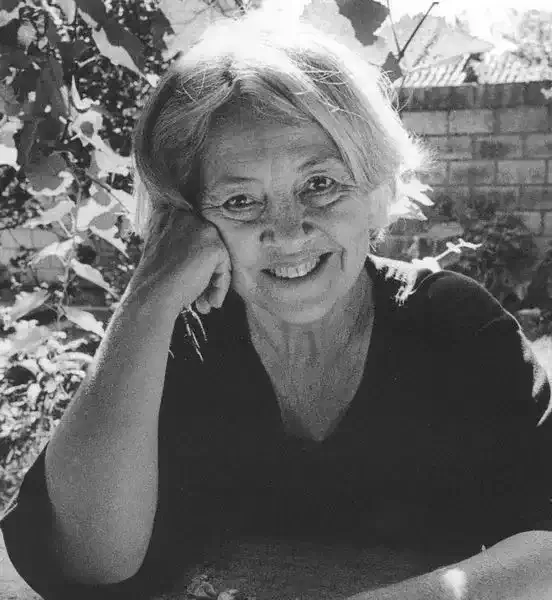
Adélia Prado
Os lugares comuns
Quando o homem que ia casar comigo
chegou a primeira vez na minha casa,
eu estava saindo do banheiro, devastada
de angelismo e carência. Mesmo assim,
ele me olhou com olhos admirados
e segurou minha mão mais que
um tempo normal a pessoas
acabando de se conhecer.
Nunca mencionou o fato.
Até hoje me ama com amor
de vagarezas, súbitos chegares.
Quando eu sei que ele vem,
eu fecho a porta para a grata surpresa.
Vou abri-la como o fazem as noivas
e as amantes. Seu nome é:
Salvador do meu corpo.
1 275
1
Adélia Prado
Argumento
Tenho três namorados.
Um na Europa que é um boneco de gelo,
outro na cidade vendo futebol no rádio
e o terceiro tocando violão na roça.
Todos mamíferos, sangue vermelho e ossos friáveis.
Um deles cuspiu no chão, o que escolhi pra casar.
Mesmo tendo feito o que fez, só ele me perdoará.
Um na Europa que é um boneco de gelo,
outro na cidade vendo futebol no rádio
e o terceiro tocando violão na roça.
Todos mamíferos, sangue vermelho e ossos friáveis.
Um deles cuspiu no chão, o que escolhi pra casar.
Mesmo tendo feito o que fez, só ele me perdoará.
1 211
1
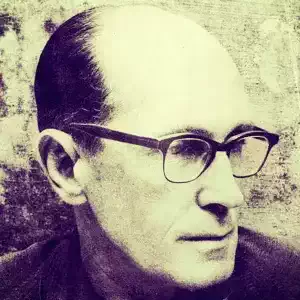
Carlos Drummond de Andrade
O amor determina
A Matilde e Mário da Silva Brito
L’amour veut qu’aujourd’hui mon ami
André Salmon se marie
APOLLINAIRE
O amor determina hoje que se casem
minha amiga Matilde e meu amigo Mário.
Sua lei é sagrada. Cumpra-se com música
de clavicórdios, clavicímbalos, espinetas,
tiorbas, violas d’amore, harpas davídicas,
sem esquecer o fagote, o oficlide, todos os metais,
e o saçaricante pinho carioca,
mesmo que tais instrumentos não figurem
ostensivamente no ato. Estarão soando
no ar interior que respiram os enamorados conscientes.
E seja esta quinta-feira de perfeita claridade
e sombra mais suave a acarinhar os noivos
de refletida vontade e lúcida escolha.
Emoldure-os a luz. Doure-os o maravilhoso silêncio
entranhado no som,
em que a alegria do amor-conhecimento se entreabre
à feição de flor nascida
do chão mesmo da vida.
E cantemos todos, em torno deles,
em musical ciranda:
M de Matilde
M de Mário
M do centro da palavra amor.
1 219
1
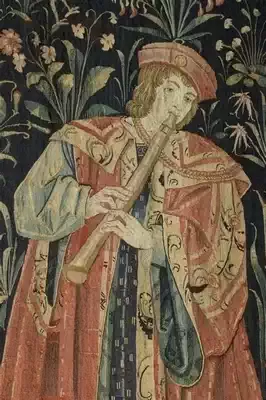
Martim Soares
Um cavaleiro se comprou
Um cavaleiro se comprou,
pera quitar-se de Jaen,
u jazia pres', e custou
pouco; pero nom mercou bem,
ante tenho que mercou mal,
ca deu por si mais ca nom val;
e tenho que fez i mal sem.
Tam pouco soub'el de mercar,
que nunca eu tam pouco vi:
ca se quitou de se comprar,
e tam grand'engano prês i
que, pero s'ar queira vender,
já nunca poderá valer
o meio do que deu por si.
De se comprar houv'el sabor
tam grande, que se nom guardou
de mercar mal; e fez peior
porque s'ante nom conselhou:
ca diz agora sa molher
que este mercado non'o quer
caber, pois el tam mal mercou.
740
1
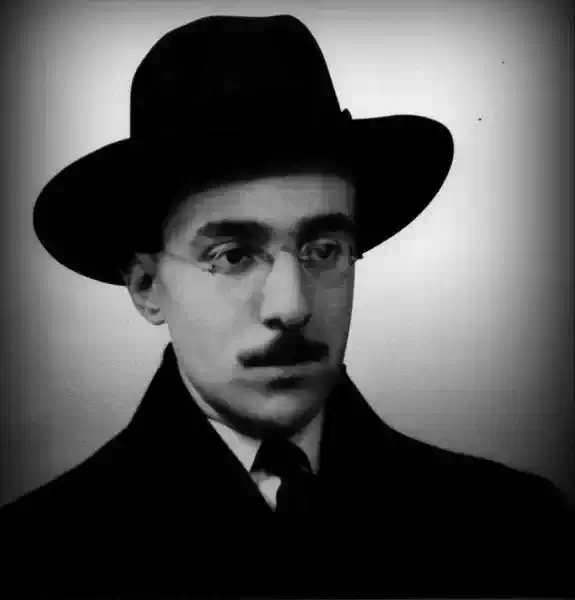
Fernando Pessoa
I - Set ope ali shutters, that the day come in
I
Set ope ali shutters, that the day come in
Like a sea or a din!
Let not a nook of useless shade compel
Thoughts of the night, or tell
The mind's comparing that some things are sad,
For this day all are glad!
'Tis morn, 'tis open morn, the full sun is
Risen from out the abyss
Where last night lay beyond the unseeu rim
Of the horizon dim.
Now is the bride awaking. Lo! she starts
To feel the ‘day is home
Whose too-near night will put two different hearts
To beat as near as flesh can let them come.
Guess how she joys in her feared going, nor opes
Her eyes for fear of fearing at her joy.
Now is the pained arrival of all hopes.
With the half-thought she scarce knows how to toy.
Oh, let her wait a moment or a day
And prepare for the fray
For which her thoughts not ever quite prepare!
With the real day's arrival she's half wroth.
Though she wish what she wants, she yet doth stay
Her dreams yet mergèd are
In the slow verge of sleep, which idly doth
The accurate hope of things remotely mar.
1913
5 298
Fernando Pessoa
V - Now will her grave of untorn maidenhood
V
Now will her grave of untorn maidenhood
Be dug in her small blood.
Assemble ye at that glad funeral
And weave her scarlet pall,
O pinings for the flesh of man that often
Did her secret hours soften
And take her willing and unwilling hand
Where pleasure starteth up.
Come forth, ye moted gnomes, unruly band,
That come so quick ye spill your brimming cup;
Ye that make youth young and flesh nice
And the glad spring and summer sun arise;
Ye by whose secret presence the trees grow
Green, and the flowers bud, and birds sing free,
When with the fury of a trembling glow
The bull climbs on the heifer mightily!
1913
4 409
Fernando Pessoa
XV - Even ye, now old, that to this come as to
XV
Even ye, now old, that to this come as to
Your past, your own joy throw
Into the cup, and with the younger drink
That which now makes you think
Of what love was when love was. (For not now
Your winter thoughts allow).
Drink with the hot day, the bride's sad joy and
The bridegroom's haste inreined,
The memory of that day when ye were young
And, with great paeans sung
Along the surface of the depths of you,
You paired and the night saw
The day come in and you did still pant close,
And still the half-fallen flesh distending rose.
1913
4 382
Fernando Pessoa
XVI - No matter now or past or future.
XVI
No matter now or past or future. Be
Lovers' age in your glee!
Give all your thoughts to this great muscled day
That like a courser tears
The bit of Time, to make night come and say
The maiden mount now her first rider bears!
Flesh pinched, flesh bit, flesh sucked, flesh girt around.
Flesh crushed and ground,
These things inflame your thoughts and make ye dim
In what ye say or seem!
Rage out in naked glances till ye fright
Your ague of delight,
In glances seeming clothes and thoughts to hate
That fleshes separate;
Stretch out your limbs to the warm day outside,
To feel it while it bide!
For the strong sun, the hot ground, the green grass,
Each far lake's dazzling glass,
And each one's flushed thought of the night to be
Are all one joy-hot unity.
1913
4 373
Fernando Pessoa
XIII - No more, no more of church or feast, for these
XIII
No more, no more of church or feast, for these
Are outward to the daym, like the green trees
That flank the road to church and the same road
Back from the church, under a higher sun trod.
These have no more part than a floor or wall
In the great day's true ceremonial.
The guests themselves, no less than they that wed,
Hold these as nought but corridors to bed.
So are all things, that between this and dark
Will be passed, a dim work
Of minutes, hours seen in a sleep and dreamed
Untimed and wrongly deemed.
The bridal and the walk back and the feast
Are all for each a mist
Where he sees others through a blurred hot notion
Of drunk and veined emotion,
And a red race runs through his seeing and hearing,
A great carouse of dreams seen each on each,
Till their importunate careering
A stopped, half-hurting point of mad joy reach.
1913
4 373
Fernando Pessoa
VII - Now is she risen. Look how she looks down
VII
Now is she risen. Look how she looks down,
After her slow down-slid night-gown,
On her unspotted while of nakedness
Save where the beast's difference from her white frame
Hairily triangling black below doth shame
Her to-day's sight of it, till the caress
Of the chemise cover her body. Dress!
Stop not, sitting upon the bed's hard edge,
Stop not to wonder at by-and-bye, nor guess!
List to the rapid birds i'th' window ledge!
Up, up and washed! Lo! she is up half-gowned,
For she lacks hands to have power to button fit
The white symbolic wearing, and she's found
By her maids thus, that come to perfect it.
1913
4 256
Fernando Pessoa
XII - This is the month and this the day.
XII
This is the month and this the day.
Ye must not stay.
Sally ye out and in warm clusters move
To where beyond the trees the belfry's height
Does in the blue wide heaven a message prove,
Somewhat calm, of delight.
Now flushed and whispering loud sally ye out
To church! The sun pours on the ordered rout,
And all their following eyes clasp round the bride:
They feel like hands her bosom and her side;
Like the inside of the vestment next her skin,
They round her round and fold each crevice in;
They lift her skirts up, as to tease or woo
The cleft hid thing below;
And this they think at her peeps in their ways
And in their glances plays.
1913
4 280
Fernando Pessoa
IV - Let the wide light come through the whole house now
IV
Let the wide light come through the whole house now
Like a herald with brow
Garlanded round with roses and those leaves
That love for its love weaves!
Between her and the ceiling this day’s ending
A man’s weight will be bending.
Lo! with the thought her legs she twines, well knowing
A hand will part them then;
Fearing that entering in her, that allowing
That will make softness begin rude at pain.
If ye, glad sunbeams, are inhabitèd
By sprites or gnomes that dally with the day,
Whisper her, if she shrink that she'll be bled,
That love's large bower is doored in this small way.
1913
4 215
Fernando Pessoa
VIII - Look how over her seeing-them-not her maids
VIII
Look how over her seeing-them-not her maids
Smile at each other their same thought of her!
Already is she deflowered in others' thoughts.
With curions carefulness of inlocked braids,
With hands that in the sun minutely stir,
One works her hair into concerted knots.
Another buttons tight the gown; her hand,
Touching the body's warmth of life, doth band
Her thoughts with the rude bridegroom's hand to be.
The first then, on the veil placed mistily,
Lays on her head, her own head sideways leaning,
The garland soon to have no meaning.
The first then, on the veil placed mistily,
Fit close the trembling feet, and her eyes see
The stockinged leg, road upwards to that boon
Where all this day centres its revelry.
1913
4 281
Fernando Pessoa
VI - Sing at her window, ye heard early wings
VI
Sing at her window, ye heard early wings
In whose song joy's self sings!
Buzz in her room along her loss of sleep,
O small flies, tumble and creep
Along the counterpane and on her fingers
In mating pairs. She lingers.
Along her joined-felt legs a prophecy
Creeps like an inward hand.
Look how she tarries! Tell her: fear not glee!
Come up! Awake! Dress for undressing! Stand!
Look how the sun is altogether all!
Life hums around her senses petalled dose.
Come up! Come Up! Pleasure must thee befall!
Joy to be plucked, O yet ungathered rose!
1913
4 290
Fernando Pessoa
III - Open the windows and thee doors all wide
III
Open the windows and thee doors all wide
Lest aught of night abide,
Or, like a ship's trail in the sea, survive
What made it there to live!
She lies in bed half waiting that her wish
Grow bolder or more rich
To make her rise, or poorer, to oust fear,
And she rise as a common day were here.
That she would be a bride in bed with man
The parts where she is woman do insist
And send up messages that shame doth ban
From being dreamed but in a shapeless mist.
She opes her eyes, the ceiling sees above
Shutting the small alcove,
And thinks, till she must shut her eyes again.
Another ceiling she this night will know,
Another house, another bed, she lain
In a way she half guesses; so
She shuts her eyes to see not the room she
Soon will no longer see.
1913
4 186
Fernando Pessoa
XIV - The bridegroom aches for the end of this and lusts (1913)
XIV
The bridegroom aches for the end of this and lusts
To know those paps in sucking gusts,
To put his first hand on that belly's hair
And feel for the lipped lair,
The fortress made but to be taken, for which
He feels the battering ram grow large and itch.
The trembling glad bride feels all the day hot
On that still cloistered spot
Where only her nightly maiden hand did feign
A pleasure's empty gain.
And, of the others, most will whisper at this,
Knowing the spurt it is;
And children yet, that watch with looking eyes,
Will now thrill to be wise
In flesh, and with big men and women act
The liquid tickling fact
For whose taste they'1l in secret corners try
They scarce know what still dry
1913
4 190
Fernando Pessoa
XXI - And ye, that wed to-day, guess these instincts
XXI
And ye, that wed to-day, guess these instincts
Of the concerted group in hints
Yourselves from Nature naturally have,
And your good future brave!
Close lips, nude arms, felt breasts and organ mighty,
Do your joy's night work rightly!
Teach them these things, O day of pomp of heat!
Leave them in thoughts suvh as must make the feat
Of flesh inevitable and natural as
Pissing when wish doth press!
Let them cling, kiss and fit
Together with natural wit,
And let the night, coming, teach them that use
For youth is in abuse!
Let them repeat the link, and pour and pour
Their pleasure till they can no more!
Ay let the night watch over their repeated
Coupling in darkness, till thought's self, o'erheated,
Do fret and trouble, and sleep come on hurt frames,
And, mouthing each one's names,
They in each other's arms dream still of love
And something of it prove!
And, if they wake, teach them to recommence,
For an hour was far hence;
Till their contacted flesh, in heat o'erblent
With joy, sleep sick, while, spent
The stars, the sky pale in the East and shiver
Where light the night doth sever,
And with clamour of joy and life's young din
The warm new day come in.
1913
4 184
Fernando Pessoa
VI - Some were as loved loved, some as prizes prized.
VI
Some were as loved loved, some as prizes prized.
A natural wife to the fed man my mate,
I was sufficient to whom I sufficed.
I moved, slept, bore and aged without a fate.
1920
Some were as loved loved, some as prizes prized.
A natural wife to the fed man my mate,
I was sufficient to whom I sufficed.
I moved, slept, bore and aged without a fate.
1920
3 955
Allen Ginsberg
Poema de amor sobre um tema de Whitman
Entrarei silencioso no quarto de dormir e me deitarei
entre noivo e noiva,
esses corpos caídos do céu esperando nus em sobressalto,
braços pousados sobre os olhos na escuridão,
afundarei minha cara em seus ombros e seios, respirarei tua pele
e acariciarei e beijarei a nuca e a boca e mostrarei seu traseiro,
pernas erguidas e dobradas para receber,
caralho atormentado na escuridão, atacando,
levantado do buraco até a cabeça pulsante,
corpos entrelaçados nus e trêmulos,
coxas quentes e nádegas enfiadas uma na outra
e os olhos, olhos cintilando encantadores,
abrindo-se em olhares e abandono,
e os gemidos do movimento, vozes, mãos no ar, mãos entre as coxas,
mãos, na umidade de macios quadris, palpitante contração de ventres
até que o branco venha jorrar no turbilhão dos lençóis
e a noiva grite pedindo perdão
e o noivo se cubra de lágrimas de paixão e compaixão
e eu me erga da cama saciado de últimos gestos íntimos
e beijos de adeus –
tudo isso antes que a mente desperte,
atrás das cortinas e portas fechadas da casa escurecida
cujos habitantes perambulam insatisfeitos pela noite,
fantasmas desnudos buscando-se no silêncio.
3 575

Lya Luft
Tão sutilmente
Tão subtilmente
em tantos breves anos
Foram se trocando sobre os muros
Mais que desigualdades, semelhanças
que aos poucos dois são um, sem que no entanto
deixem de ser plurais:
talvez as asas de um só anjo, inseparáveis.
Presenças, solidões que vão tecendo a vida,
O filho que se faz, uma arvore plantada,
O tempo gotejando no telhado.
Beleza perseguida a cada hora, para que não baixe
O pó de um cotidiano desencanto..
Tão fielmente adaptam-se as almas destes corpos
Que uma em outra pode se trocar,
Sem que alguém de for a o percebesse nunca.
2 929
Alberto de Oliveira
A Cancela da Estrada
Bate a cancela da estrada
Constantemente.
Cavaleiro, à disparada,
Lá vai no cavalo ardente.
Cavaleiro em descuidada
Marcha, lá vem indolente.
Passa, ondeia levantada
A poeira, toldando o ambiente.
Bate a cancela da estrada
Constantemente.
Bate, e exaspera-se e brada
Ou chora contra o batente:
(Ninguém lhe ouve na arrastada,
Roufenha voz o que sente)
— "Minha vida desgraçada
Repouso não me consente;
Vivo a bater nesta estrada
Constantemente."
Moços, moças, de tornada
De alguma festa, em ridente
Chusma inquieta e alvoroçada,
Passaram ruidosamente.
Desta inda se ouve a risada,
Daquele o beijo... Plangente
Bate a cancela da estrada
Constantemente.
Agora, é noiva coroada
De capela alvinitente;
Segue o noivo a sua amada,
Um carro atrás, outro à frente.
Agora, é uma cruz alçada...
Um enterro. Quanta gente!
Bate a cancela da estrada
Constantemente.
Bate ao vir a madrugada,
Bate, ao ir-se o sol no poente;
(Das sombras pela calada
Seu bater é mais dolente)
Bate, se é noite enluarada,
Se escura é a noite e silente;
Bate a cancela da estrada
Constantemente.
Nossa vida é aquela estrada,
Com os que passam diariamente
E após si da caminhada
A poeira deixam somente.
Coração, como a cansada
Cancela de som gemente,
Bates a tua pancada
Constantemente.
Publicado no livro Poesias, 1912/1925: quarta série (1927). Poema integrante da série Alma e Céu.
In: OLIVEIRA, Alberto de. Poesias completas. Ed. crít. Marco Aurélio Mello Reis. Rio de Janeiro: Núcleo Ed. da UERJ, 1979. v.3. (Fluminense
Constantemente.
Cavaleiro, à disparada,
Lá vai no cavalo ardente.
Cavaleiro em descuidada
Marcha, lá vem indolente.
Passa, ondeia levantada
A poeira, toldando o ambiente.
Bate a cancela da estrada
Constantemente.
Bate, e exaspera-se e brada
Ou chora contra o batente:
(Ninguém lhe ouve na arrastada,
Roufenha voz o que sente)
— "Minha vida desgraçada
Repouso não me consente;
Vivo a bater nesta estrada
Constantemente."
Moços, moças, de tornada
De alguma festa, em ridente
Chusma inquieta e alvoroçada,
Passaram ruidosamente.
Desta inda se ouve a risada,
Daquele o beijo... Plangente
Bate a cancela da estrada
Constantemente.
Agora, é noiva coroada
De capela alvinitente;
Segue o noivo a sua amada,
Um carro atrás, outro à frente.
Agora, é uma cruz alçada...
Um enterro. Quanta gente!
Bate a cancela da estrada
Constantemente.
Bate ao vir a madrugada,
Bate, ao ir-se o sol no poente;
(Das sombras pela calada
Seu bater é mais dolente)
Bate, se é noite enluarada,
Se escura é a noite e silente;
Bate a cancela da estrada
Constantemente.
Nossa vida é aquela estrada,
Com os que passam diariamente
E após si da caminhada
A poeira deixam somente.
Coração, como a cansada
Cancela de som gemente,
Bates a tua pancada
Constantemente.
Publicado no livro Poesias, 1912/1925: quarta série (1927). Poema integrante da série Alma e Céu.
In: OLIVEIRA, Alberto de. Poesias completas. Ed. crít. Marco Aurélio Mello Reis. Rio de Janeiro: Núcleo Ed. da UERJ, 1979. v.3. (Fluminense
2 961
Raimundo Correia
Nuvem branca
Dizei-me: é ela a noiva casta e pura,
Que no alvor dessa nuvem rutilante,
Passa agora? Dizei-me, nesse instante,
Turbilhões de translúcida brancura;
Colar, broches de pérolas e opalas;
Gaza que, em níveos flocos, por formosas,
Rijas pomas de mármore, ondulosas
Curvas e espáduas de marfim, resvalas...
Dizei-me, branca, virginal capela;
Nítida espuma de nevadas rendas;
Alvos botões de laranjeira; prendas
Simbólicas do amor; dizei-me: é ela?
É ela a noiva? É mesto, ou prazenteiro,
Seu doce olhar? Sorri alegre, ou chora,
Seu semblante gentil oculto agora
Do espesso véu no alvíssimo nevoeiro?
É ela, sim! Su’alma, entre os fulgores
Das claras tochas cândidas e ardentes,
Nas querúbicas asas transparentes,
Voa, festiva, a um tálamo de flores...
Mistérios nupciais, só vos devassa
Um louco amante! Ao seu olhar ansioso
Velais debalde o arcanjo, o astro radioso
Que, dentro dessa nuvem branca, passa...
Publicado no livro Aleluias (1891).
In: CORREIA, Raimundo. Poesias completas. Org. pref. e notas Múcio Leão. São Paulo: Ed. Nacional, 1948. v.1, p. 79-80
2 517