
Corpo
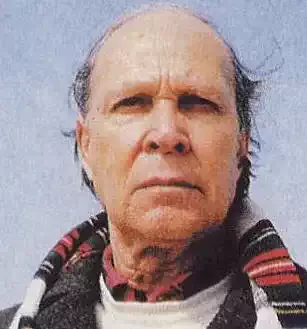
Eugénio de Andrade
Deixa a mão
Deixa a mão
caminhar
perder o alento
até onde se não respira.
Deixa a mão
errar
sobre a cintura
apenas conivente
com nácar da língua.
Só um grito desde o chão
pode fulminá-la.
A morte
não é um segredo
não é em nós um jardim de areia.
De noite
no silêncio baço dos espelhos
um homem
pode trazer a morte pela mão.
Vou ensinar-te como se reconhece
repara
é ainda um rapaz
não acaba de crescer
nos ombros
a luz
desatada
a fulva
lucidez dos flancos.
A boca sobre a boca nevava.
6 841
1
Eugénio de Andrade
Ignoro o que seja a flor da água
mas conheço o seu aroma:
depois das primeiras chuvas
sobe ao terraço,
entra nu pela varanda,
o corpo inda molhado
procura o nosso corpo e começa a tremer:
então é como se na sua boca
um resto de imortalidade
nos fosse dado a beber,
e toda a música da terra,
toda a música do céu fosse nossa,
até ao fim do mundo,
até amanhecer.
de Branco No Branco
6 583
1
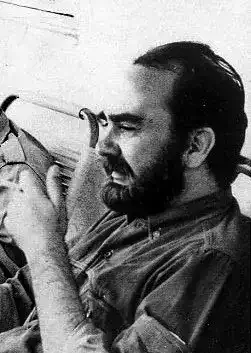
Herberto Helder
Contou que caminhava pela praia, nu, correndo
Contou que caminhava pela praia, nu, correndo.
A areia, o sol, o mar
e a profundidade extenuante do céu embriagavam-no.
Tinha extrema consciência da sua nudez,
e isso também o embriagava.
Ia com um projecto, ou uma missão, estava carregado disso,
mas tratava-se de uma coisa inominável.
Na praia havia gente, gente - parece
- com aquela disponibilidade sem expectativa de gente na praia.
Estavam em fato de banho, ociosos e alheios,
e quando ele passou pelo meio dessa gente,
a nudez que tinha ainda o embriagou mais.
Depois encontrou três degraus de pedra, e subiu-os.
Continuou a correr, mas - segundo contou - o céu,
a água e a areia, agora perdidos, haviam deixado nele um espaço vazio
onde a ideia de missão se pôs a crescer,
de modo que ele se encontrava como que louco da pressa
e densidade da missão.
Corria por um labirinto de pedra negra, e nos corredores estreitos
havia casas baixas, também de pedra, sem telhado
e sem portas e janelas.
Eram cubos negros abertos em cima
e com buracos rectangulares a diversos níveis.
Correndo pelos labirintos, cheio da sua pressa
e com a espessa ansiedade daquela mensagem tão obscura,
viu de súbito que tinha dois longos pénis brancos,
delgados e longos como duas serpentes,
e que se contorciam e enroscavam um no outro.
Não sentiu medo, sequer espanto,
pois imaginava que isso também fazia parte da missão.
Mas quando avistou uma mulher
que vinha em sentido contrário ao dele,
procurou tapar com as mãos aqueles pénis-serpentes
nascidos da mesma sombria raiz, quando corria pelos labirintos.
As serpentes, no entanto,
escapavam-se por entre os dedos, desciam-lhe pelas pernas,
subiam pelo ventre até ao peito,
avançavam em todas as direcções, com as suas pequenas cabeças cruéis,
sagazes e esfaimadas.
Cheio de terror, parou em frente de uma daquelas casas.
Quando entrou - contou ele -
havia já perdido a sua força e leveza de mensageiro,
e apenas sentia medo.
A casa estava vazia como todas as outras e, como elas,
sem tecto e sem portas e janelas.
Naquele cubo negro e devassado,
onde adivinhava excrementos e restos podres de comida,
através de uma luz sinistra,
pensou que viera de longe,
percorrendo com a sua nudez os caminhos do dia
e estes labirintos tenebrosos,
apenas para se encontrar vazio, cercado pela podridão.
As duas serpentes brancas continuavam a fremir
entre as suas pernas abertas.
5 927
1
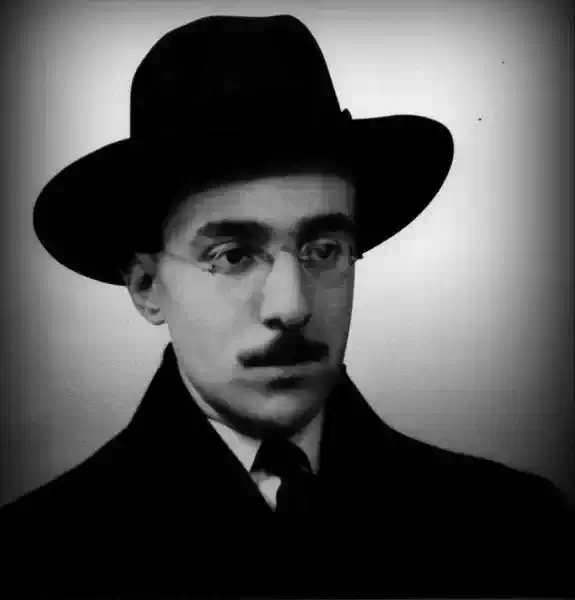
Fernando Pessoa
Antinous
The rain outside was cold in Hadrian’s soul.
The boy lay dead
On the low couch, on whose denuded whole,
To Hadrian's eyes, whose sorrow was a dread,
The shadowy light of Death's eclipse was shed.
The boy lay dead, and te day seemed a night
Outside. The rain fell like a sick affright
Of Nature at her work in killing him.
Memory of what he was gave no delight,
Delight at what he was was dead and dim.
O hands that once had clasped Hadrian's warm hands,
Whose cold now found them cold!
O hair bound erstwhile with the pressing bands!
O eyes half-diffidently bold!
O bare female male-body such
As a god's likeness to humanity!
O lips whose opening redness erst could touch
Lust's seats with a live art's variety!
O fingers skilled in things not to be told!
O tongue which, counter-tongued, made the blood bold!
O complete regency of lust throned on
Raged consciousness's spilled suspension!
These things are things that now must be no more.
The rain is silent, and the Emperor
Sinks by te couch. His grief is like a rage,
For the gods take away the life they give
And spoil te beauty they made live.
He weeps and knows that every future age
Is looking on him out of the to-be;
His love is on a universal stage;
A thousand unborn eyes weep with his misery.
Antinous is dead, is dead for ever,
Is dead for ever and all loves lament.
Venus herself, that was Adonis' lover,
Seeing him, that newly lived, now dead again,
Lends her old grief's renewal to be blent
With Hadrian's pain.
Now is Apollo sad because te stealer
Of his white body is for ever cold.
No careful kisses on that nippled point
Covering his heart-beats' silent place restore
His life again to ope his eyes and feel her
Presence along his veins Love's fortress hold.
No warmth of his another's warmth demands.
Now will his hands behind his head no more
Linked, in that posture giving all but hands,
On the projected body hands implore.
The rain falls, and he lies like one who hath
Forgotten all the gestures of his love
And lies awake waiting their hot return.
But all his arts and toys are now with Death.
This human ice no way of heat can move;
These ashes of a fire no flame can burn.
O Hadrian, what will now thy cold life be?
What boots it to be lord of men and might?
His absence o' er thy visible empery
Comes like a night,
Nor is there morn in hopes of new delight.
Now are thy nights widowed of love and kisses;
Now are thy days robbed of the night's awaiting;
Now have thy lips no purpose for thy blisses,
Left but to speak the name that Death is mating
With solitude and sorrow and affright.
Thy vague hands grope, as if they had dropped joy.
To hear that the rain ceases lift thy head,
And thy raised glance take to the lovely boy.
Naked he lies upon that memoried bed;
By thine own hand he lies uncoverèd.
There was he wont thy dangling sense to cloy,
Ande uncloy with more cloying, and annoy
With newer uncloying till thy senses bled.
His hand and mouth knew games to reinstal
Desire that thy worn spine was hurt to follow.
Sometimes it seemed to thee that all was hollow
In sense in each new straining of sucked lust.
Then still new turns of toying would he call
To thy nerves’ flesh, and thou wouldst tremble and fall
Back on thy cushions with thy mind's sense hushed.
«Beautiful was my love, yet melancholy.
He had that art, that makes love captive wholly,
Of being slowly sad among lust's rages.
Now the Nile gave him up, the eternal Nile.
Under his wet locks Death's blue paleness wages
Now war upon our wishing with sad smile.»
Even as he thinks, the lust that is no more
Than a memory of lust revives and takes
His senses by the hand, his felt flesh wakes,
And all becomes again what 'twas before.
The dead body on the bed starts up and lives
And comes to lie with him, close, closer, and
A creeping love-wise and invisible hand
At every body-entrance to his lust
Whispers caresses which flit off yet just
Remain enough to bleed his last nerve's strand,
O sweet and cruel Parthian fugitives!
So he half rises, looking on his lover,
That now can love nothing but what none know.
Vaguely half-seeing what he doth behold,
He runs his cold lips all the body over.
And so ice-senseless are his lips that, lo!,
He scarce tastes death from the dead body's cold,
But it seems both are dead or living both
And love is still the presence and the mover.
Then his lips cease on the other lips' cold sloth.
Ah, there the wanting breath reminds his lips
That from beyond the gods hath moved a mist
Between him and this boy. His finger-tips,
Still idly searching o'er the body, list
For some flesh-response to their waking mood.
But their love-question is not understood:
The god is dead whose cult was to be kissed!
He lifts his hand up to where heaven should be
And cries on the mute gods to know his pain.
Let your calm faces turn aside to his plea,
O granting powers! He will yield up his reign.
In the still deserts he will parchèd live,
In the far barbarous roads beggar or slave,
But to his arins again the warm boy give!
Forego that space ye meant to be his grave!
Take all the female loveliness of earth
And in one mound of death its remnant spill!
But, by sweet Ganymede, that Jove found worth
And above Hebe did elect to fill
His cup at his high feasting, and instil
The friendlier love that fills the other's dearth,
The clod of female embraces resolve
To dust, O father of the gods, but spare
This boy and his white body and golden hair!
Maybe thy better Ganymede thou feel'st
That he should be, and out of jealous care
From Hadrian's arms to thine his beauty steal'st.
He was a kitten playing with lust, playing
With his own and with Hadrian's, sometimes one
And sometimes two, now linking, now undone;
Now Ieaving lust, now lust's high lusts delaying;
Now eyeing lust not wide, but from askance
Jumping round on lust's half-unexpectance;
Now softly gripping, then with fury holding,
Now playfully playing, now seriously, now lying
By th' side of lust looking at it, now spying
Which way to take lust in his lust's withholding.
Thus did the hours slide from their tangled hands
And from their mixèd limbs the moments slip.
Now were his arms dead leaves, now iron bands;
Now were his lips cups, now the things that sip;
Now were his eyes too closed and now too looking;
Now were his uncontinuings frenzy working;
Now were his arts a feather and now a whip.
That love they lived as a religion
Offered to gods that come themselves to men.
Sometimes he was adorned or made to don
Half-vestures, then in statued nudity
Did imitate some god that seems to be
By marble's accurate virtue men's again.
Now was he Venus, white out of the seas;
And now was he Apollo, young and golden;
Now as Jove sate he in mock judgment over
The presence at his feet of his slaved lover;
Now was he an acted rite, by one beholden,
In ever-repositioned mysteries.
Now he is something anyone can be.
O stark negation of the thing it is!
O golden-haired moon-cold loveliness!
Too cold! too cold! and love as cold as he!
Love through the memories of his love doth roam
As through a labyrinth, in sad madness glad,
And now calls on his name and bids him come,
And now is smiling at his imaged coming
That is i'th' heart like faces in the gloaming —
Mere shining shadows of the forms they had.
The rain again like a vague pain arose
And put the sense of wetness in the air.
Suddenly did the Emperor suppose
He saw this room and all in it from far.
He saw the couch, the boy, and his own frame
Cast down against the couch, and he became
A clearer presence to himself, and said
These words unuttered, save to his soul's dread:
« I shall build thee a statue that will be
To the continued future evidence
Of my love and thy beauty and the sense
That beauty giveth ot divinity.
Though death with subtle uncovering hands remove
The apparel of life and empire from our love,
Yet its nude statue, that thou dost inspirit,
All future times, whether they will't or not,
Shall, like a gift a forcing god hath brought,
Inevitably inherit.
«Ay, this thy statue shall I build, and set
Upon the pinnacle of being thine, that Time
By its subtle dim crime
Will fear to eat it from life, or to fret
With war's or envy's rage from bulk and stone.
Fate cannot be that! Gods themselves, that make
Things change, Fate's own hand, that doth overtake
The gods themselves with darkness, will draw back
From marring thus thy statue and my boon,
Leaving the wide world hollow with thy lack.
«This picture of our love will bridge the ages.
It will loom white out of the past and be
Eternal, like a Roman victory,
In every heart ,the future will give rages
Of not being our love's contemporary.
«Yet oh that this were needed not, and thou
Wert the red flower perfuming my life,
The garland on the brows of my delight,
The living flame on altars of my soul!
Would all this were a thing thou mightest now
Smile at from under thy death-mocking lids
And wonder that I should so put a strife
Twixt me and gods for thy lost presence bright;
Were there nought in this but my empty dole
And thy awakening smile half to condole
With what my dreaming pain to hope forbids.»
Thus went he, like a lover who is waiting,
From place to place in his dim doubting mind.
Now was his hope a great intention fating
Its wish to being, now felt he he was blind
In some point of his seen wish undefined.
When love meets death we know not what to feel.
When death foils love we know not what to know.
Now did his doubt hope, now did his hope doubt;
Now what his wish dreamed the dream's sense did flout
And to a sullen emptiness congeal.
Thcn again the gods fanned love's darkening glow.
«Thy death has given me a higher lust —
A flesh-lust raging for eternity.
On mine imperial fate I set my trust
That the high gods,that made me emperor be,
Will not annul from a more real life
My wish that thou should'st live for e'er and stand
A fleshly presence on their better land,
More lovely yet not lovelier, for there
No things impossible our wishes mar
Nor pain our hearts with change and time and strife.
«Love, love, my love! thou art already a god.
This thought of mine, which I a wish believe,
Is no wish, but a sight, to me allowed
By the great gods, that love love and can give
To mortal hearts, under the shape of wishes —
Of wishes having undiscovered reaches —,
A vision of the real things beyond
Our life-imprisoned life, our sense-bound sense.
Ay, what I wish thee to be thou art now
Already. Already on Olympic ground
Thou walkest and art perfect, yet art thou,
For thou needst no excess of thee to don
Perfect to be, being perfection.
«My heart is singing like a morning bird.
A great hope from the gods comes down to me
And bids my heart to subtler sense be stirred
And think not that strange evil of thee
That to think thee mortal would be.
«My love, my love, my god-love! Let me kiss
On thy cold lips thy hot lips now immortal,
Greeting thee at Death's portal's happiness,
For to the gods Death's portal is Life's portal.
«Were no Olympus yet for thee, my love
Would make thee one, where thou sole god mightst prove,
And I thy sole adorer, glad to be
Thy sole adorer through infinity.
That were a universe divine enough
For love and me and what to me thou art.
To have thee is a thing made of gods' stuff
And to look on thee eternity's best part.
«But this is true and mine own art: the god
Thou art now is a body made by me,
For, if thou art now flesh reality
Beyond where men age and night cometh still,
'Tis to my love's great making power thou owest
'I'hat life thou on thy merúory bestowest
And mak'st it carnal. Had my love not held
An empire of my mighty legioned will,
Thou to gods' consort hadst not been compelled.
«My love that found thee, when it found thee did
But find its own true body and exact look.
Therefore when now thy memory I bid
Become a god where gods are, I but move
To death's high column's top the shape it took
And set it there for vision of all love.
«O love, my love, put up with my strong will
Of loving to Olympus, be thou there
The latest god, whose honey-coloured hair
Takes divine eyes! As thou wert on earthe, still
In heaven bodifully be and roam,
A prisoner of that happiness of home,
With elder gods, while I on earth do make
A statue for thy deathlessness' seen sake.
«Yet thy true deathless statue I shall build
Will be no stone thing, but that same regret
By which our love's eternity is willed.
One side of that is thou, as gods see thee
Now, and the other, here, thy memory.
My sorrow wiII make that men's god, and set
Thy naked memory on the parapet
That looks upon the seas of future times.
Some will say all our love was but our crimes;
Others against our names the knives will whet
Of their glad hate of beauty's beauty, and make
Our names a base of heap whereon to rake
The names of all our brothers with quick scorn.
Yet will our presence, like eternal Morn,
Ever return at Beauty's hour, and shine
Out of the East of Love, in light to enshrine
New gods to come, the lacking world to adorn.
«All that thou art now is thyself and I.
Our dual presence has its unity
In that perfection of body which my love
By loving it, became, and did from life
Raise into godness, calm above the strife
Of times, and changing passions far above.
«But since men see more with the eyes than soul,
Still I in stone shall utter this great dole;
Still, eager that men hunger by thy presence,
I shall to marble carry this regret
That in my heart like a great star is set.
Thus, even in stone, our love shall stand so great
In thy statue of us, like a god's fate,
Our love’s incarnate and discarnate essence,
That, like a trumpet reaching over seas
And going from continent to continent,
Our love shall speak its joy and woe, death-blent,
Over infinities and eternities.
«And here, memory or statue, we shall stand,
Still the same one, as we were hand in hand
Nor felt each other's hand for feeling feeling.
Men still will see me when thy sense they take.
The entire gods might pass, in the vast wheeling
Of the globed ages. If but for thy sake,
That, being theirs, hadst gone with their gone band,
They would return, as they had slept to wake.
«Then the end of days when Jove were born again
And Ganymede again pour at his feast
Would see our dual soul from death released
And recreated unto joy, fear, pain —
All that love doth contain;
Life — all the beauty that doth make a lust
Of love's own true love, at the spell amazed;
And, if our very memory wore to dust,
By some god's race of the end of ages must
Our dual unity again be raised.»
It rained still. But slow-treading night came in,
Closing the weary eyelids of each sense.
The very consciousness of self and soul
Grew, like a landscape through dim raining, dim.
The Emperor lay still, so still that now
He half forgot where now he lay, or whence
The sorrow that was still salt on his lips.
All had been something very far, a scroll
Rolled up. The things he felt were like the rim
That haloes round the moon when the night weeps.
His head was bowed into his arms, and they
On the low couch, foreign to his sense, lay.
His closed eyes seemed open to him, and seeing
The naked floor, dark, cold, sad and unmeaning.
His hurting breath was all his sense could know.
Out of the falling darkness the wind rose
And fell; a voice swooned in the courts below;
And the Emperor slept.
The gods came now
And bore something away, no sense knows how,
On unseen arms of power and repose.
1915
6 210
1
Fernando Pessoa
I - Andei léguas de sombra
EPISÓDIOS
A MÚMIA
I
Andei léguas de sombra
Dentro em meu pensamento.
Floresceu às avessas
Meu ócio com sem-nexo,
E apagaram-me as lâmpadas
Na alcova cambaleante.
Tudo prestes se volve
Um deserto macio
Visto pelo meu tacto
Dos veludos da alcova,
Não pela minha vista.
Há um oásis no Incerto
E, como uma suspeita
De luz por não-há-frinchas,
Passa uma caravana.
Esquece-me de súbito
Como é o espaço, e o tempo
Em vez de horizontal
É vertical.
A alcova
Desce não sei por onde
Até não me encontrar
Ascende um leve fumo
Das minhas sensações.
Deixo de me incluir
Dentro de mim. Não há
Cá-dentro nem lá-fora.
E o deserto está agora
Virado para baixo.
A noção de mover-me
Esqueceu-se do meu nome.
Na alma meu corpo pesa-me.
Sinto-me um reposteiro
Pendurado na sala
Onde jaz alguém morto.
Qualquer coisa caiu
E tiniu no infinito.
5 875
1

Almeida Garrett
Não te amo
Não te amo, quero-te: o amar vem dalma.
E eu nalma --- tenho a calma,
A calma --- do jazigo.
Ai! não te amo, não.
Não te amo, quero-te: o amor é vida.
E a vida --- nem sentida
A trago eu já comigo.
Ai, não te amo, não!
Ai! não te amo, não; e só te quero
De um querer bruto e fero
Que o sangue me devora,
Não chega ao coração.
Não te amo. És bela; e eu não te amo, ó bela.
Quem ama a aziaga estrela
Que lhe luz na má hora
Da sua perdição?
E quero-te, e não te amo, que é forçado,
De mau feitiço azado
Este indigno furor.
Mas oh! não te amo, não.
E infame sou, porque te quero; e tanto
Que de mim tenho espanto,
De ti medo e terror...
Mas amar!... não te amo, não.
5 216
1
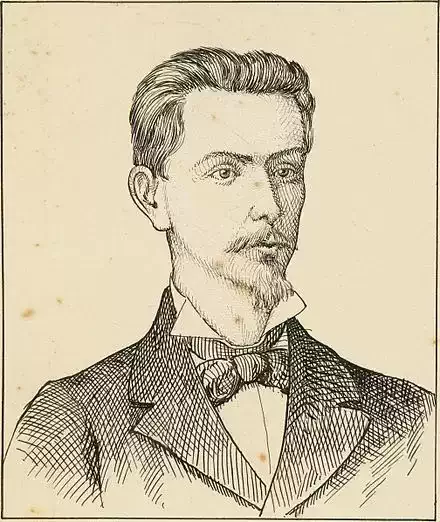
Teófilo Dias
A matilha
Pendente a língua rubra, os sentidos atentos,
Inquieta, rastejando os vestígios sangrentos,
A matilha feroz persegue enfurecida,
Alucinadamente, a presa malferida.
Um, afitando o olhar, sonda a escura folhagem;
Outro consulta o vento; outro sorve a bafagem,
O fresco, vivo odor, cálido, penetrante
Que, na rápida fuga, a vítima arquejante
Vai deixando no ar, pérfido e traiçoeiro;
Todos, num turbilhão fantástico, ligeiro,
Ora, em vórtice, aqui se agrupam, rodam, giram,
E, cheios de furor frenético respiram,
Ora, cegos de raiva, afastados, dispersos,
Arrojam-se a correr. Vão por trilhos diversos,
Esbraseando o olhar, dilatando as narinas.
Transpõem num momento os vales e as colinas,
Sobem aos alcantis, descem pelas encostas,
Recruzam-se febris em direções opostas,
Té que da presa, enfim, nos músculos cansados
Cravam com avidez os dentes afiados.
Não de outro modo, assim meus sôfregos desejos,
Em matilha voraz de alucinados beijos,
Percorrem-te o primor às langorosas linhas,
As curvas juvenis, onde a volúpia aninhas,
Frescas ondulações de formas florescentes
Que o teu contorno imprime às roupas eloquentes:
O dorso aveludado, elétrico, felino,
Que poreja um vapor aromático e fino;
O cabelo revolto em anéis perfumados;
Em fofos turbilhões, elásticos, pesados;
As fibrilhas sutis dos lindos braços brancos,
Feitos para apertar em nervosos arrancos;
A exata correção das azuladas veias,
Que palpitam, de fogo intumescidas, cheias,
— Tudo a matilha audaz perlustra, corre, aspira,
Sonda, esquadrinha, explora, e anelante respira,
Até que, finalmente, embriagada, louca,
Vai encontrar a presa, — o gozo — em tua boca.
Publicado no livro Fanfarras (1882). Poema integrante da série Flores Funestas.
In: DIAS, Teófilo. Poesias escolhidas. Sel. introd. e notas Antonio Candido. São Paulo: Conselho Estadual de Cultura, 1960
5 252
1
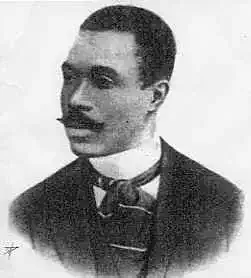
Cruz e Sousa
Flor do Mar
És da origem do mar, vens do secreto,
Do estranho mar espumaroso e frio
Que põe rede de sonhos ao navio
E o deixa balouçar, na vaga, inquieto.
Possuis do mar o deslumbrante afecto
As dormencias nervosas e o sombrio
E torvo aspecto aterrador, bravio
Das ondas no atro e proceloso aspecto.
Num fundo ideal de púrpuras e rosas
Surges das águas mucilaginosas
Como a lua entre a névoa dos espaços...
Trazes na carne o eflorescer das vinhas,
Auroras, virgens musicas marinhas
Acres aromas de algas e sargaços...
5 111
1
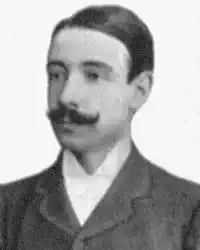
Alberto de Oliveira
Afrodite
I
Móvel, festivo, trépido, arrolando,
À clara voz, talvez da turba iriada
De sereias de cauda prateada,
Que vão com o vento os carmes concertando,
O mar, — turquesa enorme, iluminada,
Era, ao clamor das águas, murmurando,
Como um bosque pagão de deuses, quando
Rompeu no Oriente o pálio da alvorada.
As estrelas clarearam repentinas,
E logo as vagas são no verde plano
Tocadas de ouro e irradiações divinas;
O oceano estremece, abrem-se as brumas,
E ela aparece nua, à flor de oceano,
Coroada de um círculo de espumas.
II
Cabelo errante e louro, a pedraria
Do olhar faiscando, o mármore luzindo
Alvirróseo do peito, — nua e fria,
Ela é a filha do mar, que vem sorrindo.
Embalaram-na as vagas, retinindo,
Ressoantes de pérolas, — sorria
Ao vê-la o golfo, se ela adormecia
Das grutas de âmbar no recesso infindo.
Vede-a: veio do abismo! Em roda, em pêlo
Nas águas, cavalgando onda por onda
Todo o mar, surge um povo estranho e belo;
Vêm a saudá-la todos, revoando,
Golfinhos e tritões, em larga ronda,
Pelos retorsos búzios assoprando.
Publicado no livro Meridionais (1884).
In: OLIVEIRA, Alberto de. Poesias completas. Ed. crít. Marco Aurélio Mello Reis. Rio de Janeiro: Núcleo Ed. da UERJ, 1978. v.1. p. 78-79. (Fluminense
5 395
1
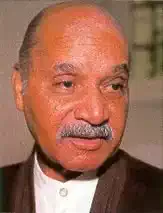
José Craveirinha
A boca
Jucunda boca
deslabiada a ferozes
júbilos de lâmina
afiada.
Alva dentadura
antónima do riso
às escâncaras desde a cilada.
Exotismo de povo flagelado
esse atroz formato
da fala.
deslabiada a ferozes
júbilos de lâmina
afiada.
Alva dentadura
antónima do riso
às escâncaras desde a cilada.
Exotismo de povo flagelado
esse atroz formato
da fala.
5 036
1
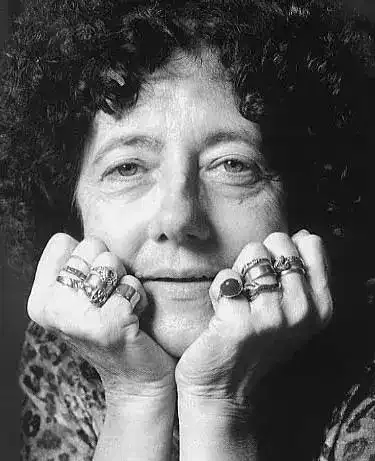
Maria Teresa Horta
Nem só
Nem só do teu silêncio
direi raiva
Nem de todo o meu corpo
direi vício
nem de todo o pénis
direi arma
e apenas do teu direi ter sido
Quando o vácuo é de
vingar
ou de vergar
cravando sobre os seios a sua enxada
Quando a minha boca se conjuga
no baixo do teu ventre
e tua espada...
nem de todo o desejo
direi verão
nem de todo o grito
a tua imagem
nem de toda a ausência
direi chão
e só de teus flancos
a viagem
4 882
1
Fernando Pessoa
XIX - Set the great Flemish hour aflame!
XIX
Set the great Flemish hour aflame!
Your senses of all leisure maim!
Cast down with blows that joy even where they hurt
The hands that mock to avert!
Al things pick up to bed that lead ye to
Be naked that ye woo!
Tear up, pluck up, like earth who treasure seek,
When the chest's ring doth peep,
The thoughts that cover thoughts of the acts of heat
This great day does intreat!
Now seem all hands pressing the paps as if
They meant them juice to give!
Now seem all things pairing on one another,
Hard flesh soft flesh to smother,
And hairy legs and buttocks balled to split
White legs mid which they shift.
Yet these mixed mere thoughts in each mind but speak
The day's push love to wreak,
The man's ache to have felt possession.
The woman's man to have on,
The abstract surge of life clearly to reach
The bodies' concrete beach.
Yet some work of this doth the real day don.
Now are skirts lifted in the servants’ hall,
And the whored belly's stall
Ope to the horse that enters in a rush,
Half late, too near the gush.
And even now doth an elder guest emmesh
A flushed young girl in a dark nook apart,
And leads her slow to move his produced flesh.
Look how she likes with something in her heart
To feel her hand work the protruded dart!
1913
4 568
1

Desconhecido
Poesia da menina tesuda
Já tenho quinze anos
Acho que estou crescendo
E quando tiver dezoito
Já quero estar fudendo
Já está chegando o tempo
Estou ficando coxuda
Meus seios estão crescendo
E minha buceta peluda
O rapaz com quem me casar
Não quero que seja broxa
Quero mesmo que ele tenha
Uma pica comprida e grossa
E quando estiver atrasado
Conte com esta buceta
Não fica bem um marmanjão
Se acabando na punheta
E prá quem não sabe
Punheta é a maior ilusão
Você pensa que está fudendo
Mas tá com o caralho na mão
E agora eu me despeço
Fazendo bilú-bilú
Com três dedos na buceta
E dois dedos no cu.
4 585
1
Fernando Pessoa
Neste mundo em que esquecemos
Neste mundo em que esquecemos
Somos sombras de quem somos,
E os gestos reais que temos
No outro em que, almas, vivemos,
São aqui esgares e assomos.
Tudo é nocturno e confuso
No que entre nós aqui há.
Projecções, fumo difuso
Do lume que brilha ocluso
Ao olhar que a vida dá.
Mas um ou outro, um momento.
Olhando bem, pode ver
Na sombra e seu movimento
Qual no outro mundo é o intento
Do gesto que o faz viver.
E então encontra o sentido
Do que aqui está a esgarar,
E volve ao seu corpo ido,
Imaginado e entendido,
A intuição de um olhar.
Sombra do corpo saudosa,
Mentira que sente o laço
Que a liga à maravilhosa
Verdade que a lança, ansiosa,
No chão do tempo e do espaço.
9-5-1934
4 663
1
Fernando Pessoa
Iniciação
Não dormes sob os ciprestes,
Pois não há sono no mundo.
......
O corpo é a sombra das vestes
Que encobrem teu ser profundo.
Vem a noite, que é a morte
E a sombra acabou sem ser.
Vais na noite só recorte,
Igual a ti sem querer.
Mas na Estalagem do Assombro
Tiram-te os Anjos a capa.
Segues sem capa no ombro,
Com o pouco que te tapa.
Então Arcanjos da Estrada
Despem-te e deixam-te nu.
Não tens vestes, não tens nada:
Tens só teu corpo, que és tu.
Por fim, na funda caverna,
Os Deuses despem-te mais.
Teu corpo cessa, alma externa,
Mas vês que são teus iguais.
......
A sombra das tuas vestes
Ficou entre nós na Sorte.
Não estás morto, entre ciprestes.
......
Neófito, não há morte.
4 737
1
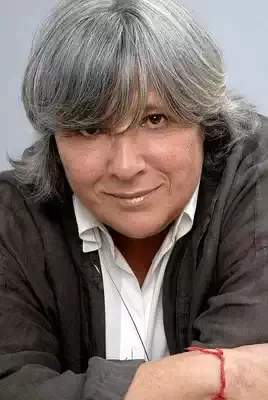
Ana Luísa Amaral
Navegações doentes
Tenho os sintomas todos:
navegam-me fluídos
e o devaneio em barcos de desejo
os sons de trovoada
mesmo tapando ouvidos:
esclerótica paixão que não domino
tenho os sintomas todos
e assim me reconheço
acamada, incurável: na parede do fundo
navegantes os barcos
navegam-me fluídos
e o devaneio em barcos de desejo
os sons de trovoada
mesmo tapando ouvidos:
esclerótica paixão que não domino
tenho os sintomas todos
e assim me reconheço
acamada, incurável: na parede do fundo
navegantes os barcos
4 262
1
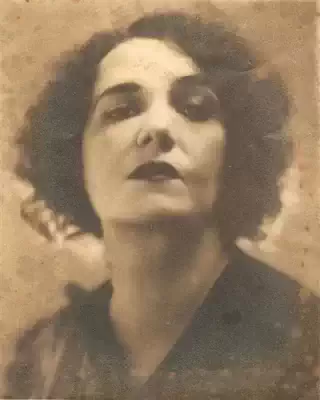
Gilka Machado
Particularidades
Muitas vezes, a sós, eu me analiso e estudo,
os meus gostos crimino e busco, em vão torcê-los;
é incrível a paixão que me absorve por tudo
quanto é sedoso, suave ao tato: a coma... Os pêlos...
Amo as noites de luar porque são de veludo,
delicio-me quando, acaso, sinto, pelos
meus frágeis membros, sobre o meu corpo desnudo
em carícias sutis, rolarem-me os cabelos.
Pela fria estação, que aos mais seres eriça,
andam-me pelo corpo espasmos repetidos,
às luvas de camurça, às boas, à pelica...
O meu tato se estende a todos os sentidos;
sou toda languidez, sonolência, preguiça,
se me quedo a fitar tapetes estendidos.
Publicado no livro Estados da Alma (1917).
In: MACHADO, Gilka. Poesias completas. Apres. Eros Volúsia Machado.
Rio de Janeiro: L. Christiano: Funarj, 1991. p.150
4 355
1
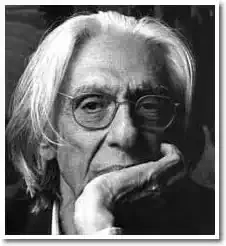
Ferreira Gullar
Um sorriso
Quando
com minhas mãos de labareda
te acendo e em rosa
embaixo
te espetalas
quando
com o meu aceso archote e cego
penetro a noite de tua flor que exala
urina
e mel
que busco eu com toda essa assassina
fúria de macho?
que busco eu
em fogo
aqui embaixo?
senão colher com a repentina
mão do delírio
uma outra flor: a do sorriso
que no alto o teu rosto ilumina?
4 401
1
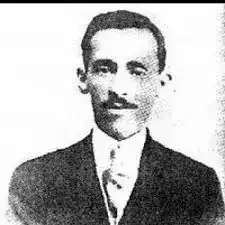
Augusto dos Anjos
Apóstrofe à carne
Quando eu pego nas carnes do meu rosto.
Pressinto o fim da orgânica batalha:
- Olhos que o húmus necrófagoo estraçalha,
Diafragmas, decompondo-se, ao sol posto...
E o Homem - negro e heteróclito composto,
Onde a alva flama psíquica trabalha,
Desagrega-se e deixa na mortalha
O tacto, a vista, o ouvido, o olfato e o gosto!
Carne, feixe de mônadas bastardas,
Conquanto em flâmeo fogo efêmero ardas,
A dardejar relampejantes brilhos,
Dói-me ver, muito embora a alma te acenda,
Em tua podridão a herança horrenda,
Que eu tenho de deixar para os meus filhos!
4 456
1
Maria Teresa Horta
Os anjos – I
Eles andam no ar
com as suas vestes
longas
as asas frementes
a baterem no tempo
Vêm
da infância
a rasar a memória
a voarem o vento
Ouvia os insectos,
deitada-rente
sobre a terra
e imaginava os anjos
debruçados no espaço
a beberem o sol
Uma por uma as pétalas
Os gomos
as citilantes escamas
mais pequenas
Uma por uma as penas
a formularem a nossa memória
das asas dos anjos
Tem a força estagnada
das paredes
a respirarem através da cal do útero
num arfar
lento
menstruação contida
Os pés vão nus,
a bordejarem o voo
a controlarem o
espaço
lemes do corpo
a fixarem
as asas:
crespas e acesas
nos ombros dos
anjos
São anjos
apenas
com o corpo dos homens
num corpo de mulher
e um ligeiro crepitar
de asas
na altura dos ombros
Tem uma conotação
sexual
de aventura
com a sua vagina
entreaberta
e o seu clitóris tumefacto
e tenso
à ponta dos dedos
Desviar os lábios
dos anjos
mas entreabrir-lhes também
as coxas
os sonhos – a mente
enquanto eles observam
Quando os anjos
flutuam
sobre as tréguas
naquele segundo
em que se ouve bater
o coração das pedras
Uma flor de
amparo,
o apoio de uma
asa
no voo raso às raízes do tempo
Até ao vácuo?
Os anjos são
os olhos
da cidade
Olhos de mulher,
que voa
Tem asas de cristal
e água
os anjos que à flor-do-dia
entornam a madrugada
cintilantes e volácteis
Eles voam com as suas asas
de prazer:
os anjos da fala
– dormindo na saliva da boca
Substituir os peixes alados
por anjos
Com as suas longínquas asas
a afagar os meus ombros
Queria saber
do destino dos anjos
quando voam
no mar
dos nossos olhos
No céu líquido
dos olhos
das mulheres
Diz-me
da poesia
através da palavra
dos anjos...
Aos olhos do tempo
a transgressão
das horas
pelo dentro das nervuras
das asas
pequenos capilares de vento
onde começa a vontade
de voar
num caminhar
sedento
Têm todos os anjos
o vício:
da queda?
4 114
1

Bruna Lombardi
Uma mulher
Uma mulher caminha nua pelo quarto
é lenta como a luz daquela estrela
é tão secreta uma mulher que ao vê-la
nua no quarto pouco se sabe dela
a cor da pele, dos pêlos, o cabelo
o modo de pisar, algumas marcas
a curva arredondada de suas ancas
a parte onde a carne é mais branca
uma mulher é feita de mistérios
tudo se esconde: os sonhos, as axilas,
a vagina
ela envelhece e esconde uma menina
que permanece onde ela está agora
o homem que descobre uma mulher
será sempre o primeiro a ver a aurora.
4 057
1
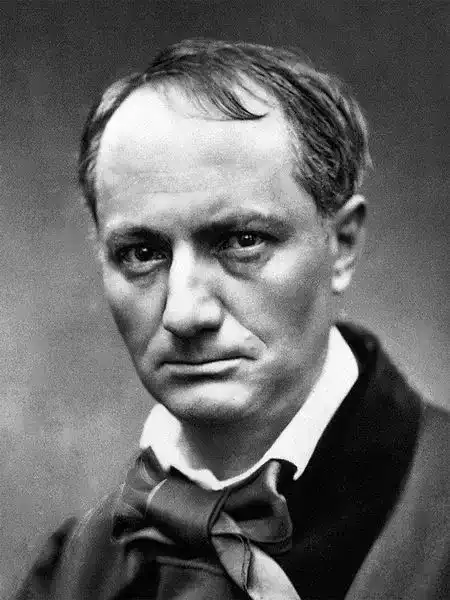
Charles Baudelaire
As jóias
A amada estava nua e, por ser eu seu amante,
Das jóias só guardara as que o bulício inquieta,
Cujo rico esplendor lhe dava esse ar triunfante
Que em seus dias de glória a escrava moura afeta.
Quando ela dança e entorna um timbre acre e sonoro,
Este universo mineral que à luz figura
Ao êxtase me leva, e é com furor que adoro
As coisas em que o som ao fogo se mistura.
Ela estava deitada e se deixava amar,
E do alto do divã, imersa em paz, sorria
A meu amor profundo e doce como o mar,
Que ao corpo, como à escarpa, em ondas lhe subia.
O olhar cravado em mim, como um tigre abatido,
Com ar vago e distante ela ensaiava poses,
E o lúbrico fervor à candidez unido
Punha-lhe um novo encanto às cruéis metamorfoses.
E sua perna e o braço, a coxa e os rins, untados
Como de óleo, imitar de um cisne a fluida linha,
Passavam diante de meus olhos sossegados;
E o ventre e os seios, como cachos de uma vinha,
Se aproximavam, mais sutis que Anjos do Mal,
Para agitar minha alma enfim posta em repouso,
Ou arrancá-la então a rocha de cristal
Onde, calma e sozinha, ela encontra pouso.
Como se a luz de um novo esboço, unidade eu via
De Antíope a cintura a um busto adolescente,
De tal modo que os quadris moldavam-lhe a bacia.
E a maquilagem lhe era esplêndida e luzente!
- E estando a lamparina agora agonizante,
Como na alcova houvesse a luz só da lareira
Toda vez que emitia um suspiro faiscante,
Inundava de sangue essa pele trigueira.
3 997
1
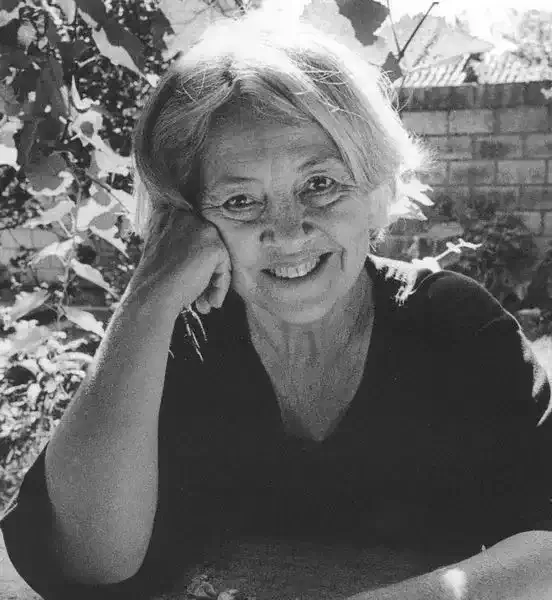
Adélia Prado
Entrevista
Um homem do mundo me perguntou:
o que você pensa de sexo?
Uma das maravilhas da criação, eu respondi.
Ele ficou atrapalhado, porque confunde as coisas
e esperava que eu dissesse maldição,
só porque antes lhe confiara: o destino do homem
[é a santidade.
A mulher que me perguntou cheia de ódio:
você raspa lá? perguntou sorrindo,
achando que assim melhor me assassinava.
Magníficos são o cálice e a vara que ele contém,
peludo ou não.
Santo, santo, santo é o amor, porque vem de Deus,
não porque uso luva ou navalha.
Que pode contra ele o excremento?
Mesmo a rosa, que pode a seu favor?
Se “cobre a multidão dos pecados e é benigno,
como a morte duro, como o inferno tenaz”,
descansa em teu amor, que bem estás.
4 048
1