
Angústia

Renata Pallottini
Vestibular
De novo acomodo o corpo
(que de novo me incomoda)
na carteira de pau áspero;
de novo tomo a caneta.
De novo passo entre as filas
ponho a mão no ombro trêmulo
de alguma estudante tímida
(e agora sou professora).
De novo é aquela angústia,
não saber o que se sabe
ser de novo examinada
e de novo posta à prova.
De novo adivinho o amor,
olho-me e olho; já fui
o que hoje sou. Já sofri
o que sofro. E vem de novo
esse temor, como novo.
Ensino, ou sou ensinada?
Estou acima, ou me afogo?
De novo perco o respiro
ou já domino a questão?
De novo sofro e transpiro
porque hoje sou a mestra
tão escassa como sempre
e como sempre carente.
Olho-me quieta de novo
e vejo toda essa gente.
Passas de novo a meu lado
e me pões a mão no ombro
e me marcas com teu sopro
e me deixas tua sombra.
In: PALLOTTINI, Renata. Cantar meu povo. São Paulo: Massao Ohno, 198
1 773
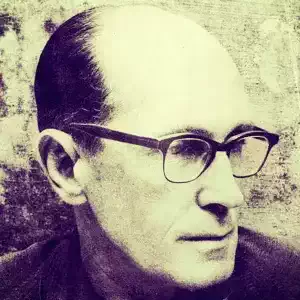
Carlos Drummond de Andrade
Sonetilho do Falso Fernando Pessoa
Onde nasci, morri.
Onde morri, existo.
E das peles que visto
muitas há que não vi.
Sem mim como sem ti
posso durar. Desisto
de tudo quanto é misto
e que odiei ou senti.
Nem Fausto nem Mefisto,
à deusa que se ri
deste nosso oaristo,
eis-me a dizer: assisto
além, nenhum, aqui,
mas não sou eu, nem isto.
Onde morri, existo.
E das peles que visto
muitas há que não vi.
Sem mim como sem ti
posso durar. Desisto
de tudo quanto é misto
e que odiei ou senti.
Nem Fausto nem Mefisto,
à deusa que se ri
deste nosso oaristo,
eis-me a dizer: assisto
além, nenhum, aqui,
mas não sou eu, nem isto.
1 743
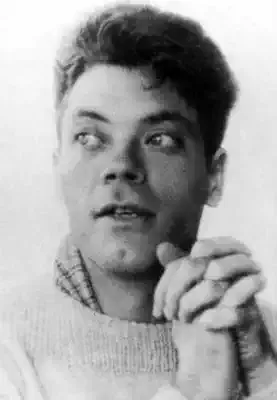
Reinaldo Ferreira
Onde, aguardando, esperasse
Onde, aguardando, esperasse,
Onde, cantando, me ouvisse,
Onde, podendo, bastasse,
Onde, vivendo, existisse.
Onde o intuito trouxesse
O corpo de se cumprir
E eu todo sempre me desse,
Aí seria também
De exílio a minha atitude.
O que é longe é sempre o Bem,
Por mais que a alma se mude.
Onde, cantando, me ouvisse,
Onde, podendo, bastasse,
Onde, vivendo, existisse.
Onde o intuito trouxesse
O corpo de se cumprir
E eu todo sempre me desse,
Aí seria também
De exílio a minha atitude.
O que é longe é sempre o Bem,
Por mais que a alma se mude.
1 753
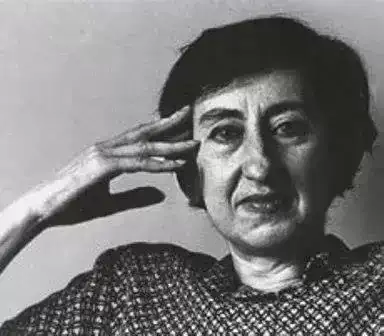
Luiza Neto Jorge
A cabeça em ambulância
Há feridas cíclicas
há violentos voosdentro de câmaras de ar
curvasferidas que se pensam de noitee rebentam pela
manhãou que de noite se abreme pela amanhã são
pensadascom todos os pensamentosque os órgãos são
hábeisem inventar como pensosligaduras
capacetessacramentoscom que se prende a cabeçaquando ela se nos
afastaquando ela nos pressenteem síncope ou
desnudamentoou num erro mais espaçosoou numa letra mais
mudaou na sala de torturana sala escura,de
infância
1 741
Carlos Drummond de Andrade
Dormir na floresta
Dormir na Floresta
é dormir sem feras
rugiameaçando.
(A Floresta, bairro
de jardins olentes
com leões cerâmicos
a vigiar portões
e sonhos burgueses
de alunas internas
do Santa Maria.)
Dormir na Floresta
é dormir em paz
de família mineira
para todo o sempre
garantida em bancos
e gado de corte,
seguro de vida
na Equitativa,
crédito aberto
no Parc Royal,
guarda-chuva-e-vento
do P.R.M.,
indulgência plena
do Vaticano.
E ter a certeza,
na manhã seguinte,
de bom leite gordo
manado de vacas
da própria Floresta,
de bom pão cheiroso
cozido nos fornos
da Floresta próvida.
Dormir na Floresta
é esquecer Lenine,
o Kaiser, a crise,
a crase, o ginásio,
restaurar as fontes
do ser primitivo
que era todo lúdico
antes de sofrer
o esbarro, a facada
de pensar o mundo.
Mas de madrugada
ou talvez ainda
na curva das onze
(pois se dorme cedo
na Floresta calma,
de cedo acordar)
um lamento lúgubre,
um longo gemido,
um uivo trevoso
de animal sofrendo,
corta o sono a meio
e todo o sistema
de azul segurança
da Floresta rui.
Que dor se derrama
sobre nossas camas
e embebe o lençol
de temor e alarma?
Que notícia ruim
do resto da Terra
não compendiado
em nossos domínios
invade o fortim
da noite serena?
Logo nossas vidas
e mais seus problemas
despem-se, descarnam-se
de todo ouropel.
Já não somos os
privilegiados
príncipes da paz.
Já somos viventes
intranquilos, pávidos,
como os da Lagoinha
ou de Carlos Prates,
à mercê de furtos,
de doenças, fomes,
letras protestadas,
e, pior do que isso,
carregando o mundo
e seus desconcertos
em ombros curvados.
Eis que se repete
o pungente guai,
perfurando as ruas
e casas e mentes
com seu aflitivo
doer dor sem nome.
De onde vem, aonde
vai, se vai ou vem?
Triste, ferroviário
apito de máquina
da Oeste de Minas
manobrando insone,
paralelo ao rouco
ir e vir arfante
de locomotiva
da Central, rasgando
a seda sem ruga
de dormir sem dívidas,
cobrando a vigília,
o amargo remoer
da consciência turva.
Não parte, não volta
de nenhum destino
o trem espectral,
roda sem horário,
passageiro ou carga,
senão nossa carga
interior, pesada,
de carvão, minério,
queijo de incertezas,
milho de perguntas
? ? ? ? ? ? ? ?
gado de omissões.
Fero, trem noturno
a semear angústia
na relva celeste
da Floresta em flor.
1 752
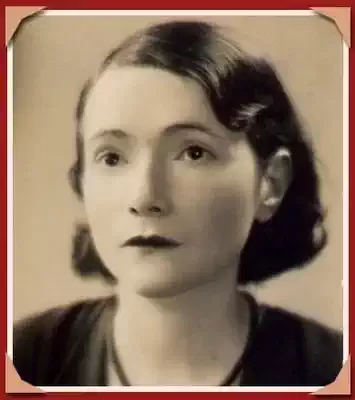
Henriqueta Lisboa
Horizonte
Alma em suspiro
pelo encontro
do que fica
sempre mais longe
Publicado no livro Reverberações (1976).
In: LISBOA, Henriqueta. Obras completas I: poesia geral, 1929/1983. Pref. Fábio Lucas. São Paulo: Duas Cidades, 198
pelo encontro
do que fica
sempre mais longe
Publicado no livro Reverberações (1976).
In: LISBOA, Henriqueta. Obras completas I: poesia geral, 1929/1983. Pref. Fábio Lucas. São Paulo: Duas Cidades, 198
1 736
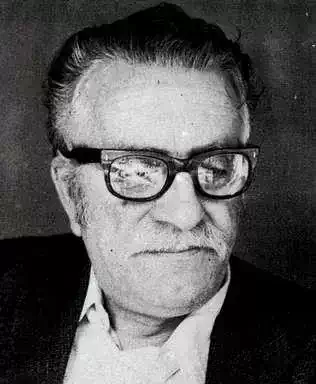
Celso Emilio Ferreiro
Longa noite de pedra
O teito é de pedra.
De pedra son os muros
i as tebras.
De pedra o chan
i as reixas.
As portas,
as cadeas,
o aire,
as fenestras,
as olladas,
son de pedra.
Os corazós dos homes
que ao lonxe espreitan
feitos están
tamén
de pedra.
I eu, morrendo
nesta longa noite
de pedra.
De pedra son os muros
i as tebras.
De pedra o chan
i as reixas.
As portas,
as cadeas,
o aire,
as fenestras,
as olladas,
son de pedra.
Os corazós dos homes
que ao lonxe espreitan
feitos están
tamén
de pedra.
I eu, morrendo
nesta longa noite
de pedra.
1 723
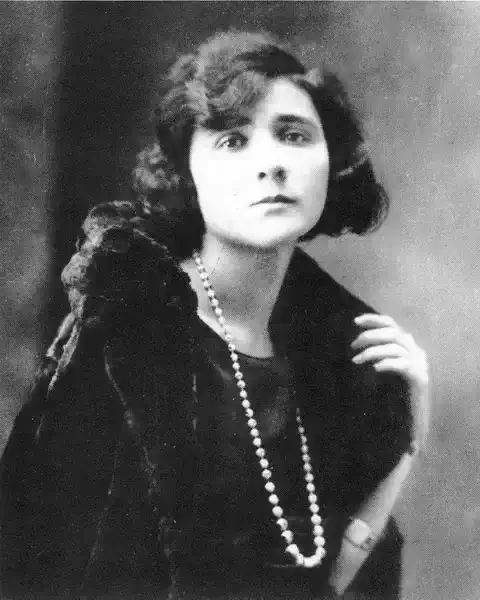
Florbela Espanca
Noite trágica
O Pavor e a Angústia andam dançando...
Um sino grita endeixas de poentes...
Na meia-noite d’hoje, soluçando,
Que presságios sinistros e dolentes!...
Que estais no céu... O que a minh’alma teme!
Tenho medo da noite!... Que alvoroço
Anda nesta alma enquanto o sino geme!
<Jesus! Jesus, que noite imensa e triste!...
A quanta dor a nossa dor resiste
Em noite assim que a própria Dor parece...
<Ó noite imensa, ó noite do Calvário
Leva contigo envolto no sudário
Da tua dor a dor que me não ’squece!
1 718
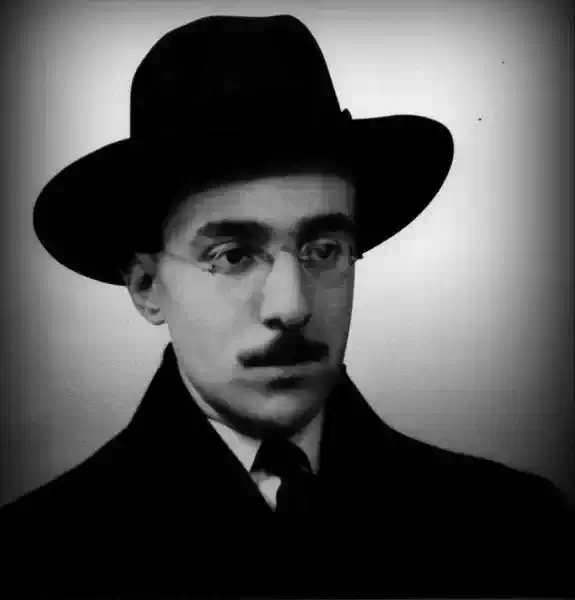
Fernando Pessoa
Já estou tranquilo. Já não espero nada.
Já estou tranquilo. Já não espero nada.
Já sobre meu vazio coração
Desceu a inconsciência abençoada
De nem querer uma ilusão.
20-7-1935
Já sobre meu vazio coração
Desceu a inconsciência abençoada
De nem querer uma ilusão.
20-7-1935
1 724
Fernando Pessoa
Estou vazio como um poço seco (Álvaro de Campos)
Estou vazio como um poço seco
Não tenho verdadeiramente realidade nenhuma
Tampa no esforço imaginativo!
Não tenho verdadeiramente realidade nenhuma
Tampa no esforço imaginativo!
1 724
Fernando Pessoa
Naval ode (Álvaro de Campos)
Alone, on the deserted quay, this summer morning,
I look towards the bar, I look towards the Indefinite,
I look and find pleasure in seeing,
Little, black and clear, a steamer coming in.
It is very far yet, distinct and classic after its own fashion.
It leaves on the distant air behind it the vain curls of its smoke.
It is coming in, and morn comes in with it, and on the river
Here, there, naval life awakes,
Sails arise, tugs advance,
Small boats jut out from behind the ships in the port.
There is a vague breeze.
But my soul is with the things that I see least,
With the in-coming steamer,
Because it is with Distance, with Morn,
With the naval meaning of this Hour,
With the painful softness that rises in me like a qualm,
Like a beginning of sea-sickness, but in my soul.
I look from afar at the steamer, with a great independence of mind
And a whell begins to spin in me, very slowly.
The steamers that enter the bar in the morning,
Bring to my eyes with their coming
The glad and sad mystery of all who arrive and depart.
They bring memories of distant quays, and of other moments
Of another kind of the same mankind in other ports.
Every (...), every departure of a ship,
Is — I feel it in me like my blood —
Unconsciously symbolic, terribly
Threatening metaphysical meanings
That startle in me the being I once …
Ah, every quay is a regret made of stone!
And when the ship leaves the quay
And we note suddenly that a space is widening
Between the quay and the ship,
There comes to me, I know not why, a recent anguish,
A mist of feelings of sadness
That shines in the sun of my mosy anguishes
Like the first window the morning strikes on,
And clings round me like some one else's remembrance
Which is somehow mysteriously mine.
Ah, who knows, who knows,
If I did not leave long ago, before Myself,
A quay; if I did not depart, a ship in
The oblique sun of morning,
From another kind of port?
Who knows if I did not leave, before the hour
Of the exterior world as I see it
Dawned for me,
A large quay full of few people,
Of a great half-awakened city,
Of a great city commercial, overgrown, apopletical,
As much as that can be outside Time and Space?
Ay, from a quay, from a quay somehow material,
Real, visible as a quay, really a quay,
The Absolute Quay on whose type, unconsciously imitated,
Insensibly evoked,
We men have built
Our quays in our harbours,
Our quays, of actual stone overlooking true water,
Which, once built, suddenly show themselves to be
Real-Things, Things-Spirits, Entities in Stone-Souls,
At certain moments of ours of root-sentiments
When it seems that a door is opened in the outer world
And, without anything changing
Everything reveals itself to be different.
Ah, the Great Quay whence we embarked in Ship-Nations!
The Great Earlier Quay, eternal and divine!
Of what port? Over what waters? And why do I think of this?
A Great Quay like all other quays, but the Only One.
Full, as they are, of murmurous silences in the fore-dawns
And budding with the dawns in a noise of cranes
And arrivals of goods-trains
And under the black, occasional and light cloud
Of the smoke of the chimneys of the near factories
Which clouds its ground, black with small shining coal,
As if it were the shadow of a cloud passing over dark water.
Ah, what essentiality of mystery and arrested senses
In a divine revealing ecstasy
At the hours coloured like silences and anguishes
Is the bridge between any quay and THE QUAY!
Quay blackly reflected in the still waters,
Suddle [?] on board the ships,
Oh wandering and unstable soul of the people who live in ships,
Of the symbolic people who pass and for whom, nothing lasts
For when the vessel returns to the port,
There is always some change on board!
On continual flights, goings, drunknness of the Different!
Eternal soul of navigators and navigations!
Hulls slowly reflected in the waters
When the ship leaves the port!
To float as soul of life, to depart as voice,
To live the moment tremulously on eternal waters!
To wake to more direct days than the days of Europe,
To see mysterious ports over the loneliness of the sea,
To double distant capes and see sudden great landscapes
Of unnumbred astonished alones!
Ah, the distant beaches, the quays seen from afar,
And then the near beaches and the quays seen from near.
The mystery of each departure and of each arrival,
The painful instability and incomprehensibility
Of this impossible universe
At each naval hour ever more deeply felt right in my skin.
The absurd sob that our souls spill
Over the ever-different tracts of seas with islands afar,
Over the distant lines of the coasts we merely pass by,
Over the clear growing-clear of ports, with their houses and their people,
When the ship nears the land.
Ah, the freshness of morns when we arrive,
And the paleness of the morns when we depart,
When our entrails are gripped up
And a vague sensation resembling a fear
— The ancestral fear of going away and leaving,
The mysterious ancestral terror of Arrivals and New Things —
Grips up our skin and gives us qualms
And all our anguished body feels,
As if it were our soul,
An unexplained desire to feel this in some other way:
A regret at something,
A perturbation of tendernesses towards what vague fatherland?
What coast? what ship? what quay?
That thought sickens within us
And only a great vaccum remains in us,
A hollow satiety of naval minutes,
And a vague anxiety that would be weariness or pain
If it knew how to be that…
The summer morning is, nevertheless, slightly cool,
A slight night-dullness lies yet on the shaken air.
The wheel within me quickens its motion slightly.
And the steamer keeps on coming in, because surely it must coming in,
And not because I see it moving in its excessive distance.
In my imagination it is already near and visible
In all the extent of the lines of its portholes,
And everything trembles in me, all my flesh and all my skin,
On account of that creature that never arrives in any ship
And whom I have come to await to-day on this quay, through an oblique command.
1915
1 719

Renato Russo
Os anjos
Hoje não dá
Hoje não dá
Não sei mais o que dizer
E nem o que pensar
Hoje não dá
Hoje não dá
A maldade humana agora não tem nome
Hoje não dá
( Pegue duas medidas de estupidez
Junte trinta e quatro partes de mentira
Coloque tudo numa forma untada previamente
Com promessas não cumpridas
Adicione a seguir o ódio e a inveja
Às dez colheres cheias de burrice
Mexa tudo e misture bem
E não se esqueça: antes de levar ao forno
Temperar com essência de espírito de porco
Duas xícaras de indiferença
E um tabelete e meio de preguiça )
Hoje não dá
Hoje não dá
Está um dia tão bonito lá fora
E eu quero brincar
Mas hoje não dá
Hoje não dá
Vou consertar a minha asa quebrada
E descansar
Gostaria de não saber destes crimes atrozes
É todo dia agora e o que vamos fazer ?
Quero voar prá bem longe mas hoje não dá
Não sei o que pensar e nem o que dizer
Só nos sobrou do amor
A falta que ficou
Hoje não dá
Não sei mais o que dizer
E nem o que pensar
Hoje não dá
Hoje não dá
A maldade humana agora não tem nome
Hoje não dá
( Pegue duas medidas de estupidez
Junte trinta e quatro partes de mentira
Coloque tudo numa forma untada previamente
Com promessas não cumpridas
Adicione a seguir o ódio e a inveja
Às dez colheres cheias de burrice
Mexa tudo e misture bem
E não se esqueça: antes de levar ao forno
Temperar com essência de espírito de porco
Duas xícaras de indiferença
E um tabelete e meio de preguiça )
Hoje não dá
Hoje não dá
Está um dia tão bonito lá fora
E eu quero brincar
Mas hoje não dá
Hoje não dá
Vou consertar a minha asa quebrada
E descansar
Gostaria de não saber destes crimes atrozes
É todo dia agora e o que vamos fazer ?
Quero voar prá bem longe mas hoje não dá
Não sei o que pensar e nem o que dizer
Só nos sobrou do amor
A falta que ficou
1 715
Fernando Pessoa
Num atordoamento e confusão
Num atordoamento e confusão
Arde-me a alma, sinto nos meus olhos
Um fogo estranho, de compreensão
E incompreensão urdido, enorme
Agonia e anseio de existência
Horror e dor, [agonia] sem fim!
Arde-me a alma, sinto nos meus olhos
Um fogo estranho, de compreensão
E incompreensão urdido, enorme
Agonia e anseio de existência
Horror e dor, [agonia] sem fim!
1 731
Fernando Pessoa
My life (Alexander Search)
I
Duty calls on me; I must fight against
That which 'tis duty unto all to fight.
Therefore, oh, illness of my will that stain'st
My mind - oh, leave me free to seek the right!
Take me from the vile sleep of purpose cold,
Give me an impulse to do good, to make
A struggle for the new against the old
Ere time my useless life away may take.
Keen is my feeling of the suffering
Of men and nations, keen into despair;
But not a will to speak it doth it bring,
Moveless I rest, not like a thing too fair,
But like a stagnant water full of filth,
A bog of will, inactive and alone,
Unopen unto Learning's fresh and tilth
And locked from doing good as men have done.
Pain ever, pain for ever! pain, oh pain!
Pain filling all my life like time or change.
Woe that goes from an inner waking strain
Unto the sleepiness of fears most strange.
Despair and horror, madness lone that feels
Its own too bitter taste until it quails,
The horror of a mind that fails and reels
And knows full well how far it reels and fails.
I sorrow for the past and at the future,
On that which never was I weep and pine,
Upon the things that never were in Nature,
On those that are and never shall be mine.
The sadness of the pleasure that has been,
The sorrow of the pain that once we had,
The ache of that which in dim visions seen
Leaves but an echo to make itself sad.
The knowledge that a dream is nothing more,
The science that our life is less than this:
It passes as it, and the bliss it wore
Was at its best the shadow of a bliss.
I ponder on the fates of men and things,
Thereat my soul grows dark and feeble grows,
To find Thought's body weighing on the wings
Which Fancy opens over fields and snows.
I ponder upon evil and on good
And both in life irrational I see,
One because it exists not, yet it should,
The other since it is and should not be.
Nothing is clear unto me; all is dark,
All is confusion to my Thought's o'er‑much;
Alas for him who thinks in life to work
Having cast far away Convention's crutch.
He finds that Custom, the least thing of all,
Is king and queen and law and creed and faith,
That Custom goes not further than our pall,
That Custom is with us past our own death.
I mourn that there are thrones, prisons and tumbs,
And yet to see all ill I am half glad:
That there are deaths, decays and rots and dooms,
A gladness whose eyes sparkle, because mad.
I weep all times the limits close that must
Deep souls ununderstood in living pen,
But weeping deeply wake to the disgust
That I weep for myself in other men.
My tears are for myself; so that they teach
To know men's ineradicable woe,
What matter what high point of pain they reach?
Haply their birth one day they 'll cease to know.
And that I shall forget this pain of mine
Forget myself - ah, would that it could be!
Forgotten like the drunkard in his wine
Or like the pauper in his misery.
'Twere madness, but sweet madness, better than
The waking, fully living consciousness
That unto a full unity doth span
The many woes and throes of my distress.
'Twere madness but 'twere better than to know
That evil is the source of life and thought,
For to feel madness is the greatest woe
That upon human consciousness is wrought.
To feel excluded, miserable, lone,
A leper deep at heart, having for sore
His being, is a misery past moan
'Tis better all to have and to ignore.
'Tis better? - nay, who knows? the mystery
Of consciousness and knowledge who can find?
In madness and in thought what things may be?
How far is horror deep within the mind?
II
This is my life; what will the future be?
With horror I grow sick past sighs and tears,
To think how life is torture unto me,
How Thought is father of strange cares and fears.
Yesterday one spoke to me of my youth.
Youth? Life? Twelve years I had of happiness;
The seven since then have been without ruth -
Twelve years of sleep and seven of distress.
Time, I grow sick of thee! Sounds, motions, things,
I feel a tiredness before your eyes...
Give me, oh Dream of mine! thy purest wings
That I may take from solitude my cries,
That I may seek the Heaven of this life -
Death, mother of hall things that seem to be.
Die thus the hand that could not serve for strife,
The brain that strained and toiled with misery!
III
Life - what is Life? Death - what is Death? My brain
Feels as I think on this, as one that reads
Far into dusk lifts up his eyes with pain,
Aching and dim; and my heart slowly bleeds.
IV
To work? I cannot. To be gay? I've lost
Long, long ago all laughter save a base
Mirth where Despair with Apathy incrust,
That has the scent of rots and of decays.
To do good? all desire tends unto it
But al1 my will is feeble before all:
I am become a bult for my Thought's wit
Which is no wit but Consciousness all gall.
And what avails it e'er to toil or trouble,
To make my torture of my life and thought?
Is not all life the slander‑fair soap‑bubble
That by a child in empty mind is wrought?
And what avails all verse, all art and song,
All that doth make a body for itself?
My heart is keen to feel al1 human wrong,
I careless, as one born to ease and pelf.
And what avails it ever to grow pale
Over the mute and endless lore of old
Until the wearied senses strain and fail
And the worn heart is passionless and cold?
Avails it anything? It avails not.
Let me sleep then: give me a grave for bed
In the earth's heart where I not life nor thought
But rottenness and peace my have instead.
9-1-1908
1 720
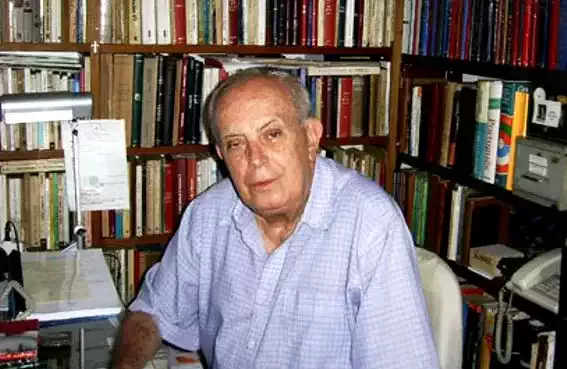
Gilberto Mendonça Teles
No Foz do Tejo
E todavia a trave na garganta
e a grossa mão medrosa sem poder
interpretar sequer o que repete,
o que soletra, o que rumina há séculos,
nós, gagos de Babel, babamos versos.
Jorge de Lima
e a grossa mão medrosa sem poder
interpretar sequer o que repete,
o que soletra, o que rumina há séculos,
nós, gagos de Babel, babamos versos.
Jorge de Lima
1 699
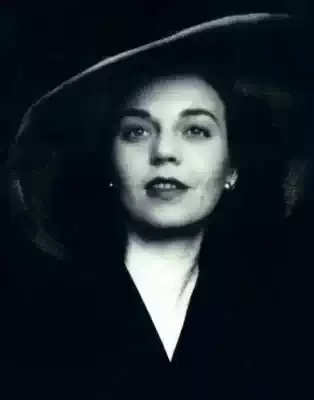
Sophia de Mello Breyner Andresen
Assassinato de Simonetta Vespucci
Homens
No perfil agudo dos quartos
Nos ângulos mortais da sombra com a luz.
Vê como as espadas nascem evidentes
Sem que ninguém as erguesse — de repente.
Vê como os gestos se esculpem
Em geometrias exactas do destino.
Vê como os homens se tornam animais
E como os animais se tornam anjos
E um só irrompe e faz um lírio de si mesmo.
Vê como pairam longamente os olhos
Cheios de liquidez, cheios de mágoa
De uma mulher nos seus cabelos estrangulada.
E todo o quarto jaz abandonado
Cheio de horror e cheio de desordem.
E as portas ficam abertas,
Abertas para os caminhos
Por onde os homens fogem,
No silêncio agudo dos espaços,
Nos ângulos mortais da sombra com a luz.
1 710

Papiniano Carlos
Bom dia, Afonso Duarte
Nas ruas exaustas de morte e silêncio,
entre rios mortos e áspera solidão,
passeio contigo, Afonso Duarte.
Sob teu rosto grave, teus nevados cabelos,
seara cansada de tantas espigas,
couves e rosas, Afonso Duarte.
Um galo canta longínquo, ou é tua voz
a seiva do chão, oculta e milenária,
a cantar ainda, Afonso Duarte?
Em teu jardim de angústia (ao longe o mar) colho
no ramo quebrado nossa ave imperecível
e a dor da Pátria, Afonso Duarte.
E vendo-te, raiz e flor, a meio do teu povo,
(eu mesmo cavo e sou quem poda a vida)
só te digo: Bom-dia, Afonso Duarte.
1 711
Fernando Pessoa
Há uma cor que me persegue e que eu odeio (Ricardo Reis)
Há uma cor que me persegue e que eu odeio,
Há uma cor que se insinua no meu medo.
Porque é que as cores têm força
De persistir na nossa alma,
Como fantasmas?
Há uma cor que me persegue e hora a hora
A sua cor se torna a cor que é a minha alma.
Há uma cor que se insinua no meu medo.
Porque é que as cores têm força
De persistir na nossa alma,
Como fantasmas?
Há uma cor que me persegue e hora a hora
A sua cor se torna a cor que é a minha alma.
1 711
Fernando Pessoa
Iv - a queda
IV
A QUEDA
Da minha ideia do mundo
Caí...
Vácuo além de profundo,
Sem ter Eu nem Ali...
Vácuo sem si-próprio, caos
De ser pensado como ser. .
Escada absoluta sem degraus..
Visão que se não pode ver
Além-Deus! Além-Deus! Negra calma...
Clarão de Desconhecido...
Tudo tem outro sentido, ó alma,
Mesmo o ter-um-sentido..
1 708
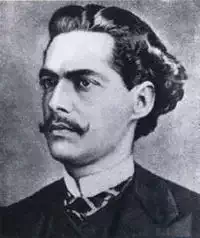
Castro Alves
Mudo e Quedo
E Calado Ficou... De pranto as bagas
Pelo moreno rosto deslizaram,
qual da braúna, que o machado fere,
Lágrimas saltam de um sabor amargo
Mudos, quedos os dois neste momento
Mergulhavam no dédalo dangústia,
No labirinto escuro que desgraça...
Labirinto sem luz, sem ar, sem fio ...
Que dor, que drama torvo de agonias
Não vai naquelas almas! ... Dor sombria
De ver quebrado aquele amor tão santo,
De lembrar que o passado está passado...
Que a esperança morreu, que surge a morte! ...
Tanta ilusão! ... tanta carícia meiga!...
Tanto castelo de ventura feito
À beira do riacho, ou na campanha!...
Tanto êxtase inocente de amorosos!...
Tanto beijo na porta da choupana,
Quando a lua invejosa no infinito
Com uma bênção de luz sagrava os noivos!...
Não mais! não mais! O raio, quando esgalha
O ipê secular, atira ao longe
Flores, que há pouco se beijavam nhástea,
Que unidas nascem, juntas viver pensam,
E que jamais na terra hão de encontrar-se?
Passou-se muito tempo... Rio abaixo
A canoa corria ao tom das vagas.
De repente ele ergueu-se hirto, severo,
— O olhar em fogo, o riso convulsivo —
Em golfadas lançando a voz do peito! ...
"Maria! — diz-me tudo... Fala! fala
Enquanto eu posso ouvir... Criança, escuta!
Não vês o rio?... é negro!... é um leito fundo...
A correnteza, estrepitando, arrasta
Uma palmeira, quanto mais um homem! ...
Pois bem! Do seio túrgido do abismo
Há de romper a maldição do morto;
Depois o meu cadáver negro, lívido,
Irá seguindo a esteira da canoa
Pedir-te inda que fales, desgraçada,
Que ao morto digas o que ao vivo ocultas!...
Era tremenda aquela dor selvagem,
Que rebentava enfim, partindo os diques
Na fúria desmedida!...
Em meio às ondas
Ia Lucas rolar
Um grito fraco,
Uma trêmula mão susteve o escravo...
E a pálida criança, desvairada.
Aos pés caiu-lhe a desfazer-se em pranto.
Ela encostou-se ao peito do selvagem
— Como a violeta, as faces escondendo
Sob a chuva noturna dos cabelos —!
Lenta e sombria após contou destarte
A treda história desse tredo crime! ...
1 694
Fernando Pessoa
Monólogo na Noite
Monólogo na Noite
Sou a Consciência em Ódio ao inconsciente.
Sou um símbolo encarnado em dor e ódio
Pedaço d’alma de possível Deus
Arremessado para o mundo
Com a saudade pávida da pátria
A cujo horror tremo ao pensar voltar
Mas sem nada da (...) e da ilusão
Para viver neste desterro. Amor,
Paz, amizade, tudo quanto ajuda
A viver a mentira do universo
Falha-me e eu (...)
Ó sistema mentido do universo
Estrelas-nadas, sóis irreais
Oh com que ódio carnal e estonteante
Meu ser de desterrado vos odeia.
Eu sou o inferno. Sou o Cristo negro
Pregado na cruz ígnea de mim mesmo
Sou o saber que ignora;
Sou a insânia da dor e do pensar
Sobre o livro de horror do mundo.
Por que fui eu, amaldiçoado horror
Que me fizeste ser e que eu nem posso
Pensar para te amaldiçoar, ou crer
Em ti, tão cheio do consciente e mensurante
Que o ódio me não cegue para ver
Que não sei que tu és para saber
Se sequer poderei pensar odiar-te.
1 684
Fernando Pessoa
The woman in black (Alexander Search)
I
My tale is simple, sad and brief -
As simple as all tales of grief,
As brief as all that is ours, though
It seem eternal to its woe;
No tale of glorious deeds or fair,
But one short poem of despair;
Dark as all things where man is caught
In the fine‑poisoned nets of thought.
Here is no flame of love's old fire,
Nor song of pent or free desire,
No thousand herses [?] fill its plan,
But it is centred round one man.
A man? A boy, if boyhood be
That where is sober misery.
About a boy all moves, an elf
Careless of happiness or pelf,
But fated to sing but himself.
I was not born to joy nor love.
The earth below, the sky above
Compel a sense within my soul
That deeply, heavily doth roll,
Like a tremendous, mystic sea
In lands where dreams alone can be;
A feeling that a sadness is,
Weeping in broken‑hearted bliss;
A sense that is a deep despair -
I know not why I should feel this
Before the things that are most fair.
Beauty is more than pleasure's joy:
That which must please is made to cloy,
And Nature cloys not with distaste
But gives a sorrow [?], as of past
Things whence the Present does inherit
Something where [...] is and deep
Beauty delicious in a sleep
That is half‑sadness to the spirit.
For Pleasure is not Joy - we know
Joy lives as sorrow in the heart;
One or the other lives; the dart
That Sorrow kills comes from Joy's bow.
Pleasure and distaste are not so.
Sorrow and Joy are as the strange
And unknown forms of life and change
That are ignored in depths of ocean:
Pure is the depth of their emotion.
Pleasure and Pain are not like these,
But as on surfaces of seas
The alternation of their motion
And shows of shifting without end.
Joy may like the sun's light transcend
The clouds of Pain; Pleasure may be
The face and look of Misery.
III
Ay, Nature chills me with deep fear,
For Nature, to my seeing, spent
With looking on my woes too near,
It is but Mystery eloquent.
The plainest stone, the simplest flower -
All have a meaning deep and vast,
Mocking their living of an hour.
But this significance, that hath past
So oft to poet’s song and word,
Makes them but madmen, even as I,
Speaking in outline [?] sense absurd
Strange thoughts for beings that must die.
But Man to me is dreader still,
The thing of thought, feeling and will,
Which is so dark unto mine eyes
That of the sense he calls his soul
- Let not of seeing speak the mole [?] -
I cannot dream to theorize.
For men, who have wrought creeds and codes
And guided nations by the roads
Of feeling and of speculation,
Have seen as much - nothing - as I
Into the world. All could perceive
That Nature aught doth signify:
Beyond this they could stop or rave.
Most raved and therefore could believe.
Yet I, naturally wrapt about,
Normally, as in feathers the bird,
With hesitation and with doubt,
Find all the world a thing absurd.
Because myself, a part of it,
Am an absurdity unfit.
Too young I learnt to reason coldly
And draw conclusions firmly, boldly,
From thoughts and facts to shatter creeds,
Careless of man's mendacious needs.
Preciseness cast in me the seeds
Of madness, and the soil was good
For that abnormal growth of pain
Whose flowers are red, colour of blood.
Too soon I learned to see too clear,
And therefore nothing now can capture
My heart, to which reasoning is rapture,
That sees night where most poets say
«'Tis day - I see it all - 'tis day.ª
They sing of joy, T sing of fear.
Alas! Why should I stop thus long
Over the illness of my life,
That has Insanity for wife?
Turn I back with an impulse strong.
Leave I this shallowness and sing.
The deeper sorrow of my song.
1 677
Fernando Pessoa
Com as malas feitas e tudo a bordo (Álvaro de Campos)
Com as malas feitas e tudo a bordo
E nada mais a esperar da terra que deixamos,
Já com os trajes moles característicos dos viajantes, debruçados da amurada
Digamos adeus com um levantar da alegria ao que fica,
Adeus às afeições, e aos pensamentos domésticos, e às lareiras, e aos irmãos,
E enquanto se abre o espaço entre o navio lento e o cais
Gozemos uma grande esperança indefinida e arrepiada,
Uma trémula sensação de futuro.
Eis-nos a caminho, e quase a meio do rio
Aumenta a nitidez deixada na terra
Dos alpendres e dos guindastes ou das mercadorias descarregadas
E não é a nós, felizmente, que diz adeus aquela família
Aglomerada no extremo do cais, com um cuidado subjectivo e visível
De não cair dentro de água no meio da emoção.
Olhemos para os companheiros de bordo. Como são diversos!
Uns vão em trânsito. Não é com eles nenhuma destas despedidas.
Outros, com um ar palidamente sorridente de não querer chorar,
Acenam com um gesto deselegante e pouco afoito com os lenços
Para lenços que se acenam de outra gente que ficou no cais
No cais — ah reparem — subitamente tão mais longe do que notámos.
A amargura alegre da ida,
O sabor especial a começo de viagem marítima, a mistura com nossos sentidos
De cheiro das malas, de cheiro a navio, de cheiro a comida de bordo,
E a nossa alma é um composto confuso de cheiros e sabores
E tudo é a viagem indefinida que faremos vista através do paladar e do olfacto,
Tudo é a incerteza sensual da vida sentida pela espinha abaixo...
E nós não deixamos ninguém...
Se deixássemos, ah os lenços que lindos!, o navio que se afasta
Afastar-se-ia de mais do que da terra;
Afastava-se do nosso passado todo, de nós-mesmos, ficados no cais e aqui a caminho,
Do sentimento doméstico com que beijamos a nossa mãe,
Da alegria com que às vezes, brincando, arreliamos as nossas irmãs...
Partir! partir é viver excessivamente. O que é tudo senão partir...
Todos os dias do cais da nossa vida nos separamos, navios (...),
E vamos para o futuro como se fossemos para o Mistério,
Mas que sabemos nós para onde vamos, ó dor, e o que somos,
E que proteico e fluido Deus é tutelar das partidas?
Olha, de longe, já os guindastes ainda mexendo,
Olha as figuras no cais, negras figuras, manchadas de lenços que se acenam,
Olha os casarões de zinco ondulado dos cais e docas, às portas deles,
O sossego destacado e acostumado a isto dos empregados e dos carregadores...
Vai tal angústia, tão inexplicável angústia na minha alma,
Que não sei como têm coragem, vendo que eu grito assim, para estarem parados
No cais, tranquilamente os descarregadores e os guardas fiscais!
Bebedeira da vida... ligeiro nervoso nas nossas sensações...
Perturbação alcoólica dos nossos sentidos íntimos...
A nossa alma sai um pouco para fora do seu lugar
E as rodas da nossa vida quotidiana começam a cambalear como se fossem sair do eixo...
Pelo convés fora a gente que já está acostumada a estar aqui a bordo
Está alheia a isto e interessada contudo
(Ah [enquanto eu atirar meu directo olhar, nunca?] olhar tranquilo,
Fremem em mim os nervos vibrados de todos que vejo que sentem,
Correm-me dos olhos as lágrimas de todos que choram porque se separam,
Tenho nas mãos os gestos circulares de mãos saudosas já que acenam com lenços,
Sou todas as penas que toda esta gente tem de se ir embora...
Sou as esperanças que levam consigo e agora lhes fazem mais trémula a dor da partida,
Estou [...] por dentro deles todos, na roupa que compraram para a viagem,
Nos pequenos objectos que, na véspera («Lá me ia esquecendo» dizem, e era uma coisa inútil)
Compraram de noite numa loja feérica cheia de malas de couro e que ia fechar...
Ah, com todos os nervos de toda a gente, os meus nervos vibram...
E com os estremeções das máquinas do navio, e com o estralejar da bandeira ao vento
E com o túmido tremor das enxárcias e com o ondular dos toldos
E toda a minha alma é uma dolorosa vibração física em ritmos de mim).
Vida cosmopolita atirada aos quatro ventos...
Vida de tanta gente real a bordo de tantos navios...
Embriaguez de lidar com outra gente e saber que eles existem e têm vidas passadas, preparadas, gozadas,
Sofridas, e tão curioso o traje, interessante a moral, de cada pessoa,
E tão cheio de enigmas e de metafísicas o modo como falam, como riem, como arranjam o cabelo, como se entendem uns com os outros...
Sensação metafísica das outras pessoas e das suas realidades, e do seu décor...
Ó doença humanitária dos meus nervos vibrando cheios de outras pessoas,
Volúpia de gozar e sofrer através de hipóteses dos outros...
E eu ser só eu, só eu eternamente, e não ter outras vidas senão a minha!
Como se tocassem o fado de repente à meia-noite numa aldeia na América do Norte,
Um fatalismo metafísico com os nervos de toda a gente vibra em mim a cada momento
Quando reparo cosmopoliticamente nos outros, e ouço várias línguas
E vejo nos gestos e nos trajes — que parecem idênticos mas são tão diferentes — várias pátrias, vários costumes,
E entrevejo lares diversos, vidas comerciais complexas, amores desconhecidos, mas de cidades que desconheço,
Tudo como num animatógrafo num teatro do tamanho do Universo,
Onde se soubesse que acabava o mundo e saindo para fora,
Não há casa para onde se regresse, nem automóvel que nos leve para um lugar qualquer,
Mas a Noite Absoluta, e Deus talvez como uma Lua Enorme significando
IV
Profunda e religiosa solidão do indefinido Universo,
Vastidão enorme, nem larga nem alta nem comprida, mas só espaço, o constelado espaço
Deste mistério azul-negro e estrelado onde a terra é uma coisa
E as vidas aparecem como lanchas à superfície da água...
Raios de sol entrando pela janela entreaberta no quarto da casa de campo,
Meios-dias nas eiras abandonadas,
Tardes noites para encontros em outras margens de rios,
Fazei do nosso conseguimento natural um sossego, uma capa
E descei sobre a minha alma...
Vós, ó campos repousados e incivilizados
Vós ó rios tranquilamente passando por uma inquietação,
Vós ó jardins públicos às tardes visitados
Vós ó tanques de quintas, vós ó lareiras em solares,
E disperso arfar de sedas pretas o silêncio da noite.
1 671
Fernando Pessoa
É abismadamente curioso
É
abismadamente curioso
E transcendentemente negro e fundo
Ver os seres, os entes a mover-se
A rir a (...), a falar, a (...)
Na luz e no calor; e neles todos
Um mistério que torna tudo negro
E faz a vida horror incompreendido.
Uma noite de Tudo que é um Nada
Um abismo de Nada que é um Tudo.
E transcendentemente negro e fundo
Ver os seres, os entes a mover-se
A rir a (...), a falar, a (...)
Na luz e no calor; e neles todos
Um mistério que torna tudo negro
E faz a vida horror incompreendido.
Uma noite de Tudo que é um Nada
Um abismo de Nada que é um Tudo.
1 679