

Poemas neste tema
Vida e Existência
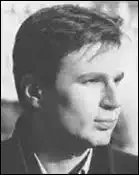
Luís Miguel Nava
O abismo
Com a sua pele de poço,
pele comprometida com o medo que no fundo fede e a que,
digamos,toda ela adere de uma forma resoluta,
dir-se-ia que se engancha, se pendura,
o branco da memória a alastrar pelo corpo,
um branco tão branco como o das noites em branco
e sobre o qual a idade, exorbitada, hiante, se insinua,
pensos, ligaduras, impregnados de memória,
uma memória onde fulgura a lava dos sentidos que entram
em actividade e lhe disputam os dias idos,
assim ergue a balança,onde sustém o abismo.
pele comprometida com o medo que no fundo fede e a que,
digamos,toda ela adere de uma forma resoluta,
dir-se-ia que se engancha, se pendura,
o branco da memória a alastrar pelo corpo,
um branco tão branco como o das noites em branco
e sobre o qual a idade, exorbitada, hiante, se insinua,
pensos, ligaduras, impregnados de memória,
uma memória onde fulgura a lava dos sentidos que entram
em actividade e lhe disputam os dias idos,
assim ergue a balança,onde sustém o abismo.
1 934
1
Luís Miguel Nava
O abismo
Com a sua pele de poço,
pele comprometida com o medo que no fundo fede e a que,
digamos,toda ela adere de uma forma resoluta,
dir-se-ia que se engancha, se pendura,
o branco da memória a alastrar pelo corpo,
um branco tão branco como o das noites em branco
e sobre o qual a idade, exorbitada, hiante, se insinua,
pensos, ligaduras, impregnados de memória,
uma memória onde fulgura a lava dos sentidos que entram
em actividade e lhe disputam os dias idos,
assim ergue a balança,onde sustém o abismo.
pele comprometida com o medo que no fundo fede e a que,
digamos,toda ela adere de uma forma resoluta,
dir-se-ia que se engancha, se pendura,
o branco da memória a alastrar pelo corpo,
um branco tão branco como o das noites em branco
e sobre o qual a idade, exorbitada, hiante, se insinua,
pensos, ligaduras, impregnados de memória,
uma memória onde fulgura a lava dos sentidos que entram
em actividade e lhe disputam os dias idos,
assim ergue a balança,onde sustém o abismo.
1 934
1
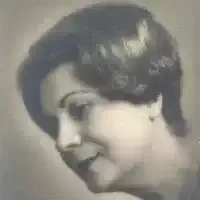
Natércia Freire
Assim
Assim por muito mais e muito
menosAssim por heroísmo e cobardia.Assim a tarde a noite
no momentoAssim pensar em mim quando
vivias.Assim os dedos longos nos cabelosDos mortos
abraçados e cativos.Assim esta miséria de estar
vivaE não saber estar viva quando vivo.Assim
nas brancas árvores o tempoAssim ter acabado o
meu destinoE ler-me noutros versos, noutros
nomesAssim desconhecer aonde habito.Assim por muito
mais e muito menosSe acaba, em vida, a vida ao
suicida.Assim por ser a hora mais cinzenta,O desamparo
assim da minha vida.
menosAssim por heroísmo e cobardia.Assim a tarde a noite
no momentoAssim pensar em mim quando
vivias.Assim os dedos longos nos cabelosDos mortos
abraçados e cativos.Assim esta miséria de estar
vivaE não saber estar viva quando vivo.Assim
nas brancas árvores o tempoAssim ter acabado o
meu destinoE ler-me noutros versos, noutros
nomesAssim desconhecer aonde habito.Assim por muito
mais e muito menosSe acaba, em vida, a vida ao
suicida.Assim por ser a hora mais cinzenta,O desamparo
assim da minha vida.
1 304
1
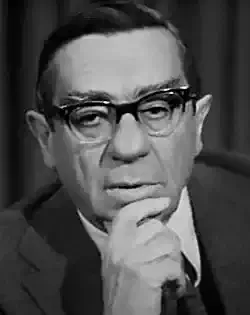
Vitorino Nemésio
O recorte de um cão,na areia,ao luar,
Seu passo imprime
O cuidado miúdo e honesto de passar.
Mas que tristeza oprime
Tanto cão que vai uivar a tanta eira?
Que longo e liso,o fio da noite!
-E amar,esperar desta maneira!
Numa cidade deserta
(Talvez outra,ou Nínive)
Encontrei um anel,uma oferta,
Da vértebra de um cão,
Para uma mulher que já não vive.
Mas tudo isso foi em vão,
E até nem sei se esse osso tive.
de Eu,Comovido A
Oeste
O cuidado miúdo e honesto de passar.
Mas que tristeza oprime
Tanto cão que vai uivar a tanta eira?
Que longo e liso,o fio da noite!
-E amar,esperar desta maneira!
Numa cidade deserta
(Talvez outra,ou Nínive)
Encontrei um anel,uma oferta,
Da vértebra de um cão,
Para uma mulher que já não vive.
Mas tudo isso foi em vão,
E até nem sei se esse osso tive.
de Eu,Comovido A
Oeste
1 757
1
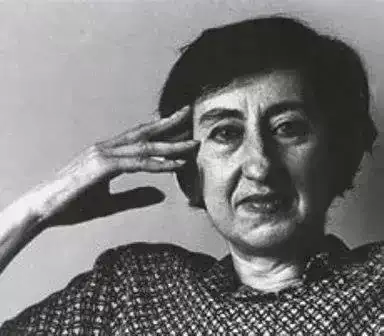
Luiza Neto Jorge
SO-NETO JORGE,Luiza
A silabar que o poema é estulto
o amado abre os dentes e eu deslizo;
sismos,orgasmos tremem-lhe no olhar
enquanto eu,quase a rimar,exulto.
Conheço toda a terra só de amar:
sem nós e sem desvãos,um corpo liso.
Tenho o mênstruo escondido num reduto
onde teoricamente chega o mar.
Nos desertos-íntimos,insuspeitos-
já caem com a calma as avestruzes
-ou a distância,com os oásis,finda;
à medida que nos arcaicos leitos
se vão molhando vozes e alcatruzes
ao descerem ao fundo pego,e à vinda.
de O Amor e o Ócio
o amado abre os dentes e eu deslizo;
sismos,orgasmos tremem-lhe no olhar
enquanto eu,quase a rimar,exulto.
Conheço toda a terra só de amar:
sem nós e sem desvãos,um corpo liso.
Tenho o mênstruo escondido num reduto
onde teoricamente chega o mar.
Nos desertos-íntimos,insuspeitos-
já caem com a calma as avestruzes
-ou a distância,com os oásis,finda;
à medida que nos arcaicos leitos
se vão molhando vozes e alcatruzes
ao descerem ao fundo pego,e à vinda.
de O Amor e o Ócio
2 034
1
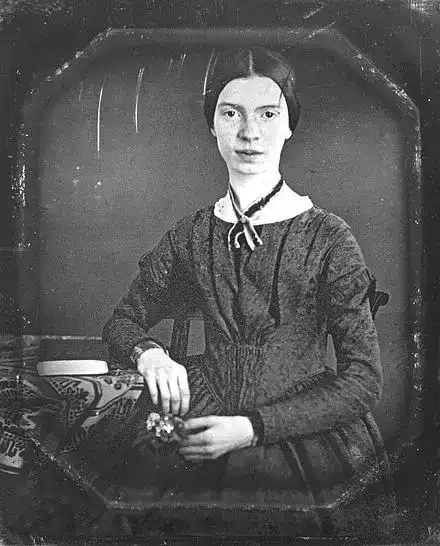
Emily Dickinson
Im Nobody! Who are you?
Im Nobody! Who are you?
Im Nobody! Who are you?
Are you--Nobody--Too?
Then theres a pair of us?
Dont tell! theyd advertise--you know!
How dreary--to be--Somebody!
How public--like a Frog--
To tell ones name--the livelong June--
To an admiring Bog!
Im Nobody! Who are you?
Are you--Nobody--Too?
Then theres a pair of us?
Dont tell! theyd advertise--you know!
How dreary--to be--Somebody!
How public--like a Frog--
To tell ones name--the livelong June--
To an admiring Bog!
1 374
1
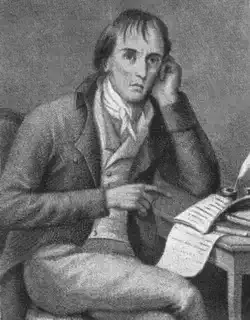
Bocage
Soneto do Pregador Pecador
Bojudo fradalhão de larga venta,
Abysmo immundo de tabaco esturro,
Doutor na asneira, na sciencia burro,
Com barba hirsuta, que no peito assenta:
No pulpito um domingo se apresenta;
Préga nas grades espantoso murro;
E acalmado do povo o gran sussurro
O dique das asneiras arrebenta.
Quatro putas mofavam de seus brados,
Não querendo que gritasse contra as modas
Um peccador dos mais desaforados:
«Não (diz uma) tu, padre, não me engodas:
Sempre me ha de lembrar por meus peccados
A noute, em que me deste nove fodas!»
Abysmo immundo de tabaco esturro,
Doutor na asneira, na sciencia burro,
Com barba hirsuta, que no peito assenta:
No pulpito um domingo se apresenta;
Préga nas grades espantoso murro;
E acalmado do povo o gran sussurro
O dique das asneiras arrebenta.
Quatro putas mofavam de seus brados,
Não querendo que gritasse contra as modas
Um peccador dos mais desaforados:
«Não (diz uma) tu, padre, não me engodas:
Sempre me ha de lembrar por meus peccados
A noute, em que me deste nove fodas!»
2 235
1
Luís Miguel Nava
Teatro
Na selva dos meus órgãos,sobre a qual foi desde sempre a pele o
firmamento,ao coração coube o papel de rei da criação.
Ignoro de que peça é todo este meu corpo a encenação perversa,onde se
vê o sangue rebentar contra os rochedos.
Do inferno,aonde às vezes o sol vai buscar as chamas,sobre ele
impediosamente jorram os projectores.
firmamento,ao coração coube o papel de rei da criação.
Ignoro de que peça é todo este meu corpo a encenação perversa,onde se
vê o sangue rebentar contra os rochedos.
Do inferno,aonde às vezes o sol vai buscar as chamas,sobre ele
impediosamente jorram os projectores.
1 690
1
Luís Miguel Nava
Teatro
Na selva dos meus órgãos,sobre a qual foi desde sempre a pele o
firmamento,ao coração coube o papel de rei da criação.
Ignoro de que peça é todo este meu corpo a encenação perversa,onde se
vê o sangue rebentar contra os rochedos.
Do inferno,aonde às vezes o sol vai buscar as chamas,sobre ele
impediosamente jorram os projectores.
firmamento,ao coração coube o papel de rei da criação.
Ignoro de que peça é todo este meu corpo a encenação perversa,onde se
vê o sangue rebentar contra os rochedos.
Do inferno,aonde às vezes o sol vai buscar as chamas,sobre ele
impediosamente jorram os projectores.
1 690
1
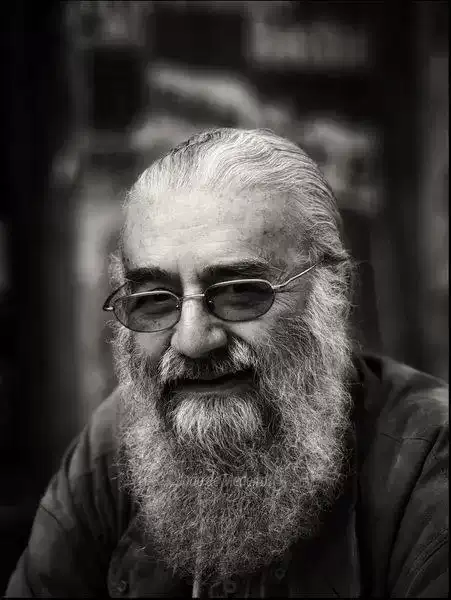
Ernesto de Melo e Castro
De redondo cu
de redondo cu
eu cúbica te quero
como cólera química ou paz comum
que nada tão navega
a tua nádega núbica
de redondo nenúfar
nu furioso.
no volume do cu
velo o teu lume
ocioso cio de culher
nos colhões que te encosto
pelas costas
no cu que te descubro
pelo olho
no volume que rasgo
pela vela
do duro coração na cumoção
de ter-te pelas tetas
culocada na posição
decúbita
culada
da comunicação.
eu cúbica te quero
como cólera química ou paz comum
que nada tão navega
a tua nádega núbica
de redondo nenúfar
nu furioso.
no volume do cu
velo o teu lume
ocioso cio de culher
nos colhões que te encosto
pelas costas
no cu que te descubro
pelo olho
no volume que rasgo
pela vela
do duro coração na cumoção
de ter-te pelas tetas
culocada na posição
decúbita
culada
da comunicação.
1 864
1
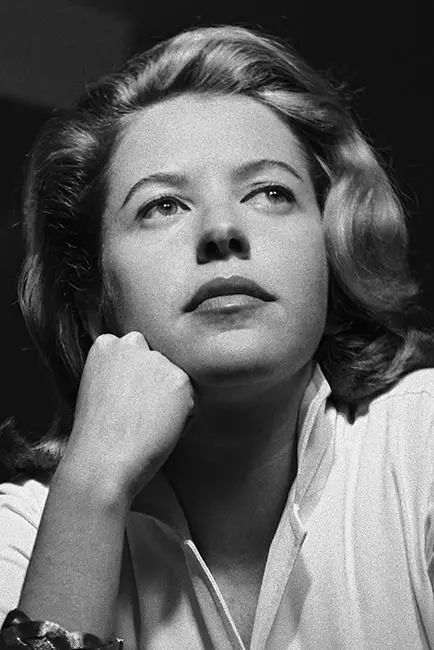
Hilda Hilst
Dez chamamentos ao amigo
Dez chamamentos ao amigo
Se te pareço noturna e imperfeita
Olha-me de novo. Porque esta noite
Olhei-me a mim, como se tu me olhasses.
E era como se a água
Desejasse
Escapar de sua casa que é o rio
E deslizando apenas, nem tocar a margem.
Te olhei. E há tanto tempo
Entendo que sou terra. Há tanto tempo
Espero
Que o teu corpo de água mais fraterno
Se estenda sobre o meu. Pastor e nauta
Olha-me de novo. Com menos altivez.
E mais atento.
Se te pareço noturna e imperfeita
Olha-me de novo. Porque esta noite
Olhei-me a mim, como se tu me olhasses.
E era como se a água
Desejasse
Escapar de sua casa que é o rio
E deslizando apenas, nem tocar a margem.
Te olhei. E há tanto tempo
Entendo que sou terra. Há tanto tempo
Espero
Que o teu corpo de água mais fraterno
Se estenda sobre o meu. Pastor e nauta
Olha-me de novo. Com menos altivez.
E mais atento.
2 183
1
Bocage
Levanta Alzira os olhos pudibunda
Levanta Alzira os olhos pudibunda
Para ver onde a mão lhe conduzia;
Vendo que nela a porra lhe metia
Fez-se mais do que o nácar rubicunda:
Toco o pentelho seu, toco a rotunda
Lisa bimba, onde Amor seu trono erguia;
Entretanto em desejos ardia,
Brando licor o pássaro lhe inunda:
Co dedo a greta sua lhe coçava;
Ela, maquinalmente a mão movendo,
Docemente o caralho embalava:
"mais depressa" – lhe digo então morrendo,
Enquanto ela sinais do mesmo dava;
Mística pívia assim fomos comendo.
Para ver onde a mão lhe conduzia;
Vendo que nela a porra lhe metia
Fez-se mais do que o nácar rubicunda:
Toco o pentelho seu, toco a rotunda
Lisa bimba, onde Amor seu trono erguia;
Entretanto em desejos ardia,
Brando licor o pássaro lhe inunda:
Co dedo a greta sua lhe coçava;
Ela, maquinalmente a mão movendo,
Docemente o caralho embalava:
"mais depressa" – lhe digo então morrendo,
Enquanto ela sinais do mesmo dava;
Mística pívia assim fomos comendo.
2 037
1
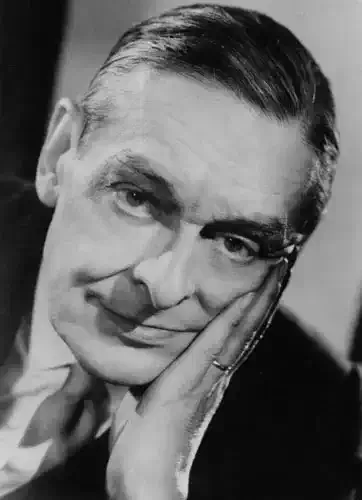
T. S. Eliot
The Love Song of J Alfred Prufrock
The Love Song of J. Alfred Prufrock
Sio credesse che mia risposta fosse
A persona che mai tornasse al mondo,
Questa fiamma staria senza piu scosse.
Ma perciocche giammai di questo fondo
Non torno vivo alcun, siodo il vero,
Senza tema dinfamia ti rispondo.
LET us go then, you and I,
When the evening is spread out against the sky
Like a patient etherised upon a table;
Let us go, through certain half-deserted streets,
The muttering retreats
Of restless nights in one-night cheap hotels
And sawdust restaurants with oyster-shells:
Streets that follow like a tedious argument
Of insidious intent
To lead you to an overwhelming question...
Oh, do not ask, "What is it?"
Let us go and make our visit.
In the room the women come and go
Talking of Michelangelo.
The yellow fog that rubs its back upon the window-panes,
The yellow smoke that rubs its muzzle on the window-panes
Licked its tongue into the corners of the evening,
Lingered upon the pools that stand in drains,
Let fall upon its back the soot that falls from chimneys,
Slipped by the terrace, made a sudden leap,
And seeing that it was a soft October night,
Curled once about the house, and fell asleep.
And indeed there will be time
For the yellow smoke that slides along the street,
Rubbing its back upon the window-panes;
There will be time, there will be time
To prepare a face to meet the faces that you meet;
There will be time to murder and create,
And time for all the works and days of hands
That lift and drop a question on your plate;
Time for you and time for me,
And time yet for a hundred indecisions,
And for a hundred visions and revisions,
Before the taking of a toast and tea.
In the room the women come and go
Talking of Michelangelo.
And indeed there will be time
To wonder, "Do I dare?" and, "Do I dare?"
Time to turn back and descend the stair,
With a bald spot in the middle of my hair—
[They will say: "How his hair is growing thin!"]
My morning coat, my collar mounting firmly to the chin,
My necktie rich and modest, but asserted by a simple pin—
[They will say: "But how his arms and legs are thin!"]
Do I dare
Disturb the universe?
In a minute there is time
For decisions and revisions which a minute will reverse.
For I have known them all already, known them all:—
Have known the evenings, mornings, afternoons,
I have measured out my life with coffee spoons;
I know the voices dying with a dying fall
Beneath the music from a farther room.
So how should I presume?
And I have known the eyes already, known them all—
The eyes that fix you in a formulated phrase,
And when I am formulated, sprawling on a pin,
When I am pinned and wriggling on the wall,
Then how should I begin
To spit out all the butt-ends of my days and ways?
And how should I presume?
And I have known the arms already, known them all—
Arms that are braceleted and white and bare
[But in the lamplight, downed with light brown hair!]
It is perfume from a dress
That makes me so digress?
Arms that lie along a table, or wrap about a shawl.
And should I then presume?
And how should I begin?
. . . . .
Shall I say, I have gone at dusk through narrow streets
And watched the smoke that rises from the pipes
Of lonely men in shirt-sleeves, leaning out of windows?...
I should have been a pair of ragged claws
Scuttling across the floors of silent seas.
. . . . .
And the afternoon, the evening, sleeps so peacefully!
Smoothed by long fingers,
Asleep ... tired ... or it malingers,
Stretched on the floor, here beside you and me.
Should I, after tea and cakes and ices,
Have the strength to force the moment to its crisis?
But though I have wept and fasted, wept and prayed,
Though I have seen my head [grown slightly bald] brought in upon a platter,
I am no prophet—and heres no great matter;
I have seen the moment of my greatness flicker,
And I have seen the eternal Footman hold my coat, and snicker,
And in short, I was afraid.
And would it have been worth it, after all,
After the cups, the marmalade, the tea,
Among the porcelain, among some talk of you and me,
Would it have been worth while,
To have bitten off the matter with a smile,
To have squeezed the universe into a ball
To roll it toward some overwhelming question,
To say: "I am Lazarus, come from the dead,
Come back to tell you all, I shall tell you all"—
If one, settling a pillow by her head,
Should say: "That is not what I meant at all.
That is not it, at all."
And would it have been worth it, after all,
Would it have been worth while,
After the sunsets and the dooryards and the sprinkled streets,
After the novels, after the teacups, after the skirts that trail along the floor—
And this, and so much more?—
It is impossible to say just what I mean!
But as if a magic lantern threw the nerves in patterns on a screen:
Would it have been worth while
If one, settling a pillow or throwing off a shawl,
And turning toward the window, should say:
"That is not it at all,
That is not what I meant, at all."
. . . . .
No! I am not Prince Hamlet, nor was meant to be;
Am an attendant lord, one that will do
To swell a progress, start a scene or two,
Advise the prince; no doubt, an easy tool,
Deferential, glad to be of use,
Politic, cautious, and meticulous;
Full of high sentence, but a bit obtuse;
At times, indeed, almost ridiculous—
Almost, at times, the Fool.
I grow old ... I grow old...
I shall wear the bottoms of my trousers rolled.
Shall I part my hair behind? Do I dare to eat a peach?
I shall wear white flannel trousers, and walk upon the beach.
I have heard the mermaids singing, each to each.
I do not think that they will sing to me.
I have seen them riding seaward on the waves
Combing the white hair of the waves blown back
When the wind blows the water white and black.
We have lingered in the chambers of the sea
By sea-girls wreathed with seaweed red and brown
Till human voices wake us, and we drown.
Sio credesse che mia risposta fosse
A persona che mai tornasse al mondo,
Questa fiamma staria senza piu scosse.
Ma perciocche giammai di questo fondo
Non torno vivo alcun, siodo il vero,
Senza tema dinfamia ti rispondo.
LET us go then, you and I,
When the evening is spread out against the sky
Like a patient etherised upon a table;
Let us go, through certain half-deserted streets,
The muttering retreats
Of restless nights in one-night cheap hotels
And sawdust restaurants with oyster-shells:
Streets that follow like a tedious argument
Of insidious intent
To lead you to an overwhelming question...
Oh, do not ask, "What is it?"
Let us go and make our visit.
In the room the women come and go
Talking of Michelangelo.
The yellow fog that rubs its back upon the window-panes,
The yellow smoke that rubs its muzzle on the window-panes
Licked its tongue into the corners of the evening,
Lingered upon the pools that stand in drains,
Let fall upon its back the soot that falls from chimneys,
Slipped by the terrace, made a sudden leap,
And seeing that it was a soft October night,
Curled once about the house, and fell asleep.
And indeed there will be time
For the yellow smoke that slides along the street,
Rubbing its back upon the window-panes;
There will be time, there will be time
To prepare a face to meet the faces that you meet;
There will be time to murder and create,
And time for all the works and days of hands
That lift and drop a question on your plate;
Time for you and time for me,
And time yet for a hundred indecisions,
And for a hundred visions and revisions,
Before the taking of a toast and tea.
In the room the women come and go
Talking of Michelangelo.
And indeed there will be time
To wonder, "Do I dare?" and, "Do I dare?"
Time to turn back and descend the stair,
With a bald spot in the middle of my hair—
[They will say: "How his hair is growing thin!"]
My morning coat, my collar mounting firmly to the chin,
My necktie rich and modest, but asserted by a simple pin—
[They will say: "But how his arms and legs are thin!"]
Do I dare
Disturb the universe?
In a minute there is time
For decisions and revisions which a minute will reverse.
For I have known them all already, known them all:—
Have known the evenings, mornings, afternoons,
I have measured out my life with coffee spoons;
I know the voices dying with a dying fall
Beneath the music from a farther room.
So how should I presume?
And I have known the eyes already, known them all—
The eyes that fix you in a formulated phrase,
And when I am formulated, sprawling on a pin,
When I am pinned and wriggling on the wall,
Then how should I begin
To spit out all the butt-ends of my days and ways?
And how should I presume?
And I have known the arms already, known them all—
Arms that are braceleted and white and bare
[But in the lamplight, downed with light brown hair!]
It is perfume from a dress
That makes me so digress?
Arms that lie along a table, or wrap about a shawl.
And should I then presume?
And how should I begin?
. . . . .
Shall I say, I have gone at dusk through narrow streets
And watched the smoke that rises from the pipes
Of lonely men in shirt-sleeves, leaning out of windows?...
I should have been a pair of ragged claws
Scuttling across the floors of silent seas.
. . . . .
And the afternoon, the evening, sleeps so peacefully!
Smoothed by long fingers,
Asleep ... tired ... or it malingers,
Stretched on the floor, here beside you and me.
Should I, after tea and cakes and ices,
Have the strength to force the moment to its crisis?
But though I have wept and fasted, wept and prayed,
Though I have seen my head [grown slightly bald] brought in upon a platter,
I am no prophet—and heres no great matter;
I have seen the moment of my greatness flicker,
And I have seen the eternal Footman hold my coat, and snicker,
And in short, I was afraid.
And would it have been worth it, after all,
After the cups, the marmalade, the tea,
Among the porcelain, among some talk of you and me,
Would it have been worth while,
To have bitten off the matter with a smile,
To have squeezed the universe into a ball
To roll it toward some overwhelming question,
To say: "I am Lazarus, come from the dead,
Come back to tell you all, I shall tell you all"—
If one, settling a pillow by her head,
Should say: "That is not what I meant at all.
That is not it, at all."
And would it have been worth it, after all,
Would it have been worth while,
After the sunsets and the dooryards and the sprinkled streets,
After the novels, after the teacups, after the skirts that trail along the floor—
And this, and so much more?—
It is impossible to say just what I mean!
But as if a magic lantern threw the nerves in patterns on a screen:
Would it have been worth while
If one, settling a pillow or throwing off a shawl,
And turning toward the window, should say:
"That is not it at all,
That is not what I meant, at all."
. . . . .
No! I am not Prince Hamlet, nor was meant to be;
Am an attendant lord, one that will do
To swell a progress, start a scene or two,
Advise the prince; no doubt, an easy tool,
Deferential, glad to be of use,
Politic, cautious, and meticulous;
Full of high sentence, but a bit obtuse;
At times, indeed, almost ridiculous—
Almost, at times, the Fool.
I grow old ... I grow old...
I shall wear the bottoms of my trousers rolled.
Shall I part my hair behind? Do I dare to eat a peach?
I shall wear white flannel trousers, and walk upon the beach.
I have heard the mermaids singing, each to each.
I do not think that they will sing to me.
I have seen them riding seaward on the waves
Combing the white hair of the waves blown back
When the wind blows the water white and black.
We have lingered in the chambers of the sea
By sea-girls wreathed with seaweed red and brown
Till human voices wake us, and we drown.
2 481
1
Luiza Neto Jorge
O poema ensina a cair
O poema ensina a cair
sobre vários solos
desde perder o chão repentino sob os pés
como se perde os sentidos numa
queda de amor,ao encontro
do cabo onde a terra abate e
a fecunda ausência excede
até à queda vinda
da lenta volúpia de cair,
quando a face antige o solo
numa curva delgada subtil
uma vénia a ninguém de especial
ou especialmente a nós uma homenagem
póstuma.
de O Seu Tempo a Seu Tempo
sobre vários solos
desde perder o chão repentino sob os pés
como se perde os sentidos numa
queda de amor,ao encontro
do cabo onde a terra abate e
a fecunda ausência excede
até à queda vinda
da lenta volúpia de cair,
quando a face antige o solo
numa curva delgada subtil
uma vénia a ninguém de especial
ou especialmente a nós uma homenagem
póstuma.
de O Seu Tempo a Seu Tempo
6 647
1
Ernesto de Melo e Castro
Autobiografia fenómeno-F(re)udiana
fui chulo dancei a chula
fui lira dancei o vira
fui drogas comi doutoras
fui tinta mijei tinteiro
só não fui é paneleiro
fui minas chupei meninas
consumi os 3 de vez
entortei cornos que fiz
ganhei e perdi dinheiro
só não fui é paneleiro
fui língua cantei o tango
fui fraco fodi o frango
fui marido fui comido
no mastro do meu veleiro
só não fui é paneleiro
fui punho bati punheta
fui alho chupei alheira
fui corno toquei corneta
fui vivo virei viveiro
só não fui é paneleiro
trinquei as mamas às amas
toquei árias às canárias
virei as telhas às velhas
comi putas sem dinheiro
só não fui é paneleiro
e de tudo o que já fui
a pena me dá no cu
de prazer tão verdadeiro
só não sou é paneleiro.
fui lira dancei o vira
fui drogas comi doutoras
fui tinta mijei tinteiro
só não fui é paneleiro
fui minas chupei meninas
consumi os 3 de vez
entortei cornos que fiz
ganhei e perdi dinheiro
só não fui é paneleiro
fui língua cantei o tango
fui fraco fodi o frango
fui marido fui comido
no mastro do meu veleiro
só não fui é paneleiro
fui punho bati punheta
fui alho chupei alheira
fui corno toquei corneta
fui vivo virei viveiro
só não fui é paneleiro
trinquei as mamas às amas
toquei árias às canárias
virei as telhas às velhas
comi putas sem dinheiro
só não fui é paneleiro
e de tudo o que já fui
a pena me dá no cu
de prazer tão verdadeiro
só não sou é paneleiro.
1 308
1
Ernesto de Melo e Castro
Autobiografia fenómeno-F(re)udiana
fui chulo dancei a chula
fui lira dancei o vira
fui drogas comi doutoras
fui tinta mijei tinteiro
só não fui é paneleiro
fui minas chupei meninas
consumi os 3 de vez
entortei cornos que fiz
ganhei e perdi dinheiro
só não fui é paneleiro
fui língua cantei o tango
fui fraco fodi o frango
fui marido fui comido
no mastro do meu veleiro
só não fui é paneleiro
fui punho bati punheta
fui alho chupei alheira
fui corno toquei corneta
fui vivo virei viveiro
só não fui é paneleiro
trinquei as mamas às amas
toquei árias às canárias
virei as telhas às velhas
comi putas sem dinheiro
só não fui é paneleiro
e de tudo o que já fui
a pena me dá no cu
de prazer tão verdadeiro
só não sou é paneleiro.
fui lira dancei o vira
fui drogas comi doutoras
fui tinta mijei tinteiro
só não fui é paneleiro
fui minas chupei meninas
consumi os 3 de vez
entortei cornos que fiz
ganhei e perdi dinheiro
só não fui é paneleiro
fui língua cantei o tango
fui fraco fodi o frango
fui marido fui comido
no mastro do meu veleiro
só não fui é paneleiro
fui punho bati punheta
fui alho chupei alheira
fui corno toquei corneta
fui vivo virei viveiro
só não fui é paneleiro
trinquei as mamas às amas
toquei árias às canárias
virei as telhas às velhas
comi putas sem dinheiro
só não fui é paneleiro
e de tudo o que já fui
a pena me dá no cu
de prazer tão verdadeiro
só não sou é paneleiro.
1 308
1
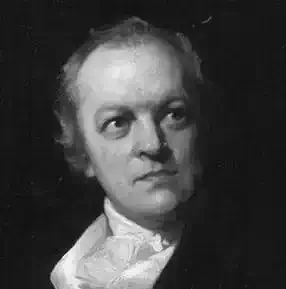
William Blake
The Tyger
The Tyger
Tyger Tyger, burning bright
In the forests of the night,
What immortal hand or eye
Could frame thy fearful symmetry?
In what distant deeps or skies
Burnt the fire of thine eyes?
On what wings dare he aspire?
What the hand, dare sieze the fire?
And what shoulder, & what art,
Could twist the sinews of thy heart?
And when thy heart began to beat,
What dread hand? & what dread feet?
What the hammer? what the chain?
In what furnace was thy brain?
What the anvil? what dread grasp
Dare its deadly terrors clasp?
When the stars threw down their spears
And waterd heaven with their tears,
Did he smile his work to see?
Did he who made the Lamb make thee?
Tyger Tyger, burning bright
In the forests of the night,
What immortal hand or eye
Dare frame thy fearful symmetry?
Tyger Tyger, burning bright
In the forests of the night,
What immortal hand or eye
Could frame thy fearful symmetry?
In what distant deeps or skies
Burnt the fire of thine eyes?
On what wings dare he aspire?
What the hand, dare sieze the fire?
And what shoulder, & what art,
Could twist the sinews of thy heart?
And when thy heart began to beat,
What dread hand? & what dread feet?
What the hammer? what the chain?
In what furnace was thy brain?
What the anvil? what dread grasp
Dare its deadly terrors clasp?
When the stars threw down their spears
And waterd heaven with their tears,
Did he smile his work to see?
Did he who made the Lamb make thee?
Tyger Tyger, burning bright
In the forests of the night,
What immortal hand or eye
Dare frame thy fearful symmetry?
1 888
1

José Tolentino Mendonça
Murmúrios do mar
"Paga-me um café e
conto-te a minha vida" o inverno avançava
nessa tarde em que te ouvi assaltado por dores
o céu quebrava-se aos disparos de uma criança
muito assustada que corria o vento batia-lhe no
rosto com violência a infância inteira disso me
lembro outra noite cortaste o sono da casa
com frio e medo apagavas cigarros nas palmas das
mãos e os que te viam choravam mas tu
,não,nunca choraste por amores que se perdem os
naufrágios são belos sentimo-nos tão vivos entre as
ilhas ,acreditas? E temos saudades desse mar
que derruba primeiro no nosso corpo tudo o que
seremos depois "pago-te um café se me contares
o teu amor"
conto-te a minha vida" o inverno avançava
nessa tarde em que te ouvi assaltado por dores
o céu quebrava-se aos disparos de uma criança
muito assustada que corria o vento batia-lhe no
rosto com violência a infância inteira disso me
lembro outra noite cortaste o sono da casa
com frio e medo apagavas cigarros nas palmas das
mãos e os que te viam choravam mas tu
,não,nunca choraste por amores que se perdem os
naufrágios são belos sentimo-nos tão vivos entre as
ilhas ,acreditas? E temos saudades desse mar
que derruba primeiro no nosso corpo tudo o que
seremos depois "pago-te um café se me contares
o teu amor"
7 391
1
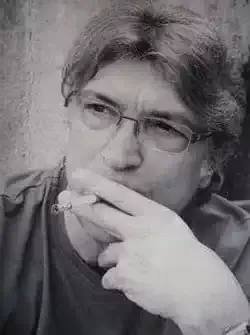
José Agostinho Baptista
Urgência
Levanta-te e deixa-me entrar,
diria se pudesse,
junto a esta cama onde a dor te contempla,
sob este tecto frio que não inventa qualquer
paisagem,
qualquer lembrança de barcos ancorados no
vazio da nossa alma,
diria que lá fora escuto a sirene que se
aproxima
e a chuva que bate com as suas gotas de
angústia na pedras da estrada,
diria que essas quatro rodas vão levar-te,ao
longo do pánico e da noite,
para outras paredes onde nenhum crucifixo
redime a desolação das casas,
diria que se afastaram para sempre os
dias antigos,
as suas laranjas,a sua água,
uma cerejeira breve onde os melros cantavam.
diria se pudesse,
junto a esta cama onde a dor te contempla,
sob este tecto frio que não inventa qualquer
paisagem,
qualquer lembrança de barcos ancorados no
vazio da nossa alma,
diria que lá fora escuto a sirene que se
aproxima
e a chuva que bate com as suas gotas de
angústia na pedras da estrada,
diria que essas quatro rodas vão levar-te,ao
longo do pánico e da noite,
para outras paredes onde nenhum crucifixo
redime a desolação das casas,
diria que se afastaram para sempre os
dias antigos,
as suas laranjas,a sua água,
uma cerejeira breve onde os melros cantavam.
1 940
1
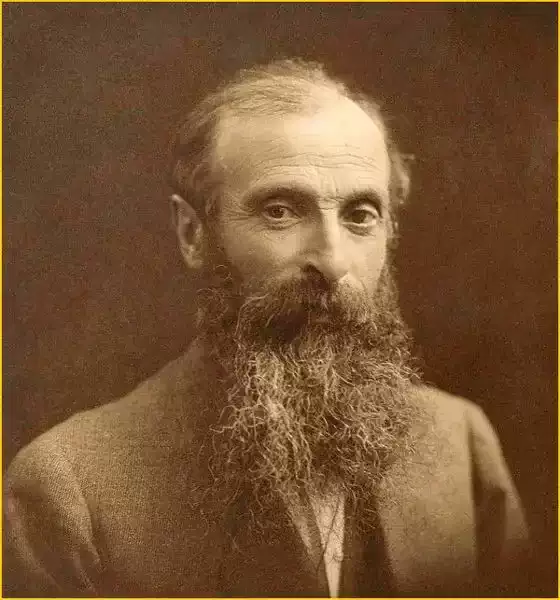
Guerra Junqueiro
A Torre de Babel oua porra do Soriano
Eu canto do Soriano o singular mangalho!
Empresa colossal! Ciclópico trabalho!
Para o cantar inteiro e para o cantar bem
precisava viver como Matusalém.
Dez séculos!
Enfim, nesta pobreza métrica
cantemos essa porra, porra quilométrica,
donde pendem colhões que idéia vaga
das nádegas brutais do Arcebispo de Braga.
Sim, cantemos a porra, o caralho iracundo
que, antes de nervo cru, já foi eixo do Mundo!
Mastro de Leviathan! Iminência revel!
Estando murcho foi a Torre de Babel
Caralho singular! É contemplá-lo
É vê-lo teso!
Atravessaria o quê?
O sete estrelo!!
Em Tebas, em Paris, em Lagos, em Gomorra
juro que ninguém viu tão formidável porra
É uma porra, arquiporra!
É um caralhão atroz
que se lhe podem dar trinta ou quarenta nós
e, ainda assim, fica o caralho preciso
para foder a Terra, Eva no Paraíso!!
É uma porra infinita, é um caralho insone
que nas roscas outrora estrangulou Laoccoonte.
Oh, caralho imortal! Oh glória destes lusos!
Tu podias suprir todos os parafusos
que espremem com vigor os cachos do Alto Douro!
Onde é que há um abismo, onde há um sorvedouro
que assim possa conter esta porra do diabo??!
O Marquês de Valadas em vão mostra o rabo,
em vão mostra o fundo o pavoroso Oceano!
– Nada, nada contém a porra do Soriano!!
Quando morrer, Senhor, que extraordinária cova,
que bainha, meu Deus, para esta porra nova,
esta porra infeliz, esta porra precita,
judia errante atrás duma crica infinita??
– Uma fenda do globo, um sorvedouro ignoto
que lhe dá de abrir talvez um dia um terramoto
para que deságüe, esta porra medonha,
em grossos borbotões de clerical langolha!!!
A porra do Soriano, é um infinito assunto!
Se ela está em Lisboa ou em Coimbra, pergunto?
Onde é que ela começa?
Onde é que ela termina
essa porra, que estando em Braga, está na China,
porra que corre mais que o próprio pensamento
que porra de pardal e porra de jumento??
Porra!
Mil vezes porra!
Porra de bruto
que é capaz de foder o Cosmo num minuto!!
Empresa colossal! Ciclópico trabalho!
Para o cantar inteiro e para o cantar bem
precisava viver como Matusalém.
Dez séculos!
Enfim, nesta pobreza métrica
cantemos essa porra, porra quilométrica,
donde pendem colhões que idéia vaga
das nádegas brutais do Arcebispo de Braga.
Sim, cantemos a porra, o caralho iracundo
que, antes de nervo cru, já foi eixo do Mundo!
Mastro de Leviathan! Iminência revel!
Estando murcho foi a Torre de Babel
Caralho singular! É contemplá-lo
É vê-lo teso!
Atravessaria o quê?
O sete estrelo!!
Em Tebas, em Paris, em Lagos, em Gomorra
juro que ninguém viu tão formidável porra
É uma porra, arquiporra!
É um caralhão atroz
que se lhe podem dar trinta ou quarenta nós
e, ainda assim, fica o caralho preciso
para foder a Terra, Eva no Paraíso!!
É uma porra infinita, é um caralho insone
que nas roscas outrora estrangulou Laoccoonte.
Oh, caralho imortal! Oh glória destes lusos!
Tu podias suprir todos os parafusos
que espremem com vigor os cachos do Alto Douro!
Onde é que há um abismo, onde há um sorvedouro
que assim possa conter esta porra do diabo??!
O Marquês de Valadas em vão mostra o rabo,
em vão mostra o fundo o pavoroso Oceano!
– Nada, nada contém a porra do Soriano!!
Quando morrer, Senhor, que extraordinária cova,
que bainha, meu Deus, para esta porra nova,
esta porra infeliz, esta porra precita,
judia errante atrás duma crica infinita??
– Uma fenda do globo, um sorvedouro ignoto
que lhe dá de abrir talvez um dia um terramoto
para que deságüe, esta porra medonha,
em grossos borbotões de clerical langolha!!!
A porra do Soriano, é um infinito assunto!
Se ela está em Lisboa ou em Coimbra, pergunto?
Onde é que ela começa?
Onde é que ela termina
essa porra, que estando em Braga, está na China,
porra que corre mais que o próprio pensamento
que porra de pardal e porra de jumento??
Porra!
Mil vezes porra!
Porra de bruto
que é capaz de foder o Cosmo num minuto!!
7 199
1

Vicente Franz Cecim
Música com sombras
Porque te vestes de Sombra
é que eu te espero onde os dias morrem para sempre
Escuta É a voz humana
essa areia sufocada em tua garganta: isso, a areia
soprada por um vento,
é a coisa que os homens chamam a Voz humana
A Nossa voz,
ah
Dela, nada dizer Calar na bruma
Porque tu vestes de sombras
a criança que trazes pela mão,
torturada como um vício, branca como uma virtude
triste
como uma flor presa em sua Raiz
Onde está o colar dos desesperos, ali
puseste os pulsos das manhãs nascentes Nenhum Anjo, nenhum Anjo
Estamos presos no Centro,
ou livres caindo no escuro
E eu não sei qual das duas portas, assim abertas, são mais terríveis são
mais belas
Se
só sei
que te espera
a que virá coberta pela Sombra
trazendo pela mão essa criança sem Face, sem rugas também
sem ter nascido
Se assim escurecesse em silêncio esta paisagem
onde pousamos ausentes para os olhos
dos cegos,
toda Serpente seria caridosa, todo encanto teria nervos azuis de pedras de fontes
de lamentos não-nascidos do fundo da garganta
nem a tua nem a da menor que tu, a tua criança
que devolves à claridade
com um gesto de amargura
e recuperas
para o negro dia dos meus olhos
com um gesto de ternura
Ela, a fonte em nossas frontes, pensativamente está
pousada,
observa
Paisagem de deserto, e mão cheia de pó:
um sonho para olhos de vidros sonharem
com torturas
Ela: é a Paisagem: é o Lugar, e é o Pranto
do lugar onde os dias morrem
para sempre
Nenhum anjo, nenhum anjo
Não é a Voz humana, nem ao menos murmurando
é que eu te espero onde os dias morrem para sempre
Escuta É a voz humana
essa areia sufocada em tua garganta: isso, a areia
soprada por um vento,
é a coisa que os homens chamam a Voz humana
A Nossa voz,
ah
Dela, nada dizer Calar na bruma
Porque tu vestes de sombras
a criança que trazes pela mão,
torturada como um vício, branca como uma virtude
triste
como uma flor presa em sua Raiz
Onde está o colar dos desesperos, ali
puseste os pulsos das manhãs nascentes Nenhum Anjo, nenhum Anjo
Estamos presos no Centro,
ou livres caindo no escuro
E eu não sei qual das duas portas, assim abertas, são mais terríveis são
mais belas
Se
só sei
que te espera
a que virá coberta pela Sombra
trazendo pela mão essa criança sem Face, sem rugas também
sem ter nascido
Se assim escurecesse em silêncio esta paisagem
onde pousamos ausentes para os olhos
dos cegos,
toda Serpente seria caridosa, todo encanto teria nervos azuis de pedras de fontes
de lamentos não-nascidos do fundo da garganta
nem a tua nem a da menor que tu, a tua criança
que devolves à claridade
com um gesto de amargura
e recuperas
para o negro dia dos meus olhos
com um gesto de ternura
Ela, a fonte em nossas frontes, pensativamente está
pousada,
observa
Paisagem de deserto, e mão cheia de pó:
um sonho para olhos de vidros sonharem
com torturas
Ela: é a Paisagem: é o Lugar, e é o Pranto
do lugar onde os dias morrem
para sempre
Nenhum anjo, nenhum anjo
Não é a Voz humana, nem ao menos murmurando
1 174
1
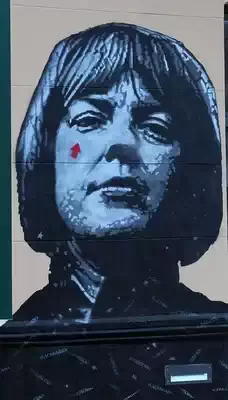
Ingeborg Bachmann
Dizer Trevas
Como Orfeu, toco
a morte nas cordas da vida
e à beleza do mundo
e dos teus olhos que regem o céu
só sei dizer trevas.
Não te esqueças que também tu, subitamente,
naquela manhã, quando o teu leito
estava ainda húmido de orvalho e o cravo
dormia no teu coração,
viste o rio negro
passar por ti.
Com a corda do silêncio
tensa sobre a onda de sangue,
dedilhei o teu coração vibrante.
A tua madeixa transformou-se
na cabeleira de sombras da noite,
os flocos negros da escuridão
nevavam sobre o teu rosto.
E eu não te pertenço.
Ambos nos lamentamos agora.
Mas, como Orfeu, sei
a vida ao lado da morte,
e revejo-me no azul
dos teus olhos fechados para sempre.
a morte nas cordas da vida
e à beleza do mundo
e dos teus olhos que regem o céu
só sei dizer trevas.
Não te esqueças que também tu, subitamente,
naquela manhã, quando o teu leito
estava ainda húmido de orvalho e o cravo
dormia no teu coração,
viste o rio negro
passar por ti.
Com a corda do silêncio
tensa sobre a onda de sangue,
dedilhei o teu coração vibrante.
A tua madeixa transformou-se
na cabeleira de sombras da noite,
os flocos negros da escuridão
nevavam sobre o teu rosto.
E eu não te pertenço.
Ambos nos lamentamos agora.
Mas, como Orfeu, sei
a vida ao lado da morte,
e revejo-me no azul
dos teus olhos fechados para sempre.
1 457
1
José Tolentino Mendonça
Mercado velho, Machico
Uma paisagem muito ao longe
quando se regressa
continuamos a vê-la no escuro
fechamos os olhos,sentimo-nos vivos
na sucessão dos séculos
falamos de súbito
daquilo que nos assusta
um segredo demasiado intenso
o malogro dos códigos
qualquer ideia extrema
que destrói o mundo e não queríamos
mas estamos tão pouco
onde estamos
quando se regressa
continuamos a vê-la no escuro
fechamos os olhos,sentimo-nos vivos
na sucessão dos séculos
falamos de súbito
daquilo que nos assusta
um segredo demasiado intenso
o malogro dos códigos
qualquer ideia extrema
que destrói o mundo e não queríamos
mas estamos tão pouco
onde estamos
1 996
1
José Tolentino Mendonça
Mercado velho, Machico
Uma paisagem muito ao longe
quando se regressa
continuamos a vê-la no escuro
fechamos os olhos,sentimo-nos vivos
na sucessão dos séculos
falamos de súbito
daquilo que nos assusta
um segredo demasiado intenso
o malogro dos códigos
qualquer ideia extrema
que destrói o mundo e não queríamos
mas estamos tão pouco
onde estamos
quando se regressa
continuamos a vê-la no escuro
fechamos os olhos,sentimo-nos vivos
na sucessão dos séculos
falamos de súbito
daquilo que nos assusta
um segredo demasiado intenso
o malogro dos códigos
qualquer ideia extrema
que destrói o mundo e não queríamos
mas estamos tão pouco
onde estamos
1 996
1