

Poemas neste tema
Solidão
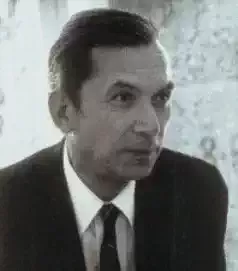
Ruy Cinatti
Linha de Rumo
Quem não me deu Amor, não me deu nada.
Encontro-me parado...
Olho em meu redor e vejo inacabado
O meu mundo melhor.
Tanto tempo perdido...
Com que saudade o lembro e o bendigo:
Campo de flores
E silvas...
Fonte da vida fui. Medito. Ordeno.
Penso o futuro a haver.
E sigo deslumbrado o pensamento
Que se descobre.
Quem não me deu Amor, não me deu nada.
Desterrado,
Desterrado prossigo.
E sonho-me sem Pátria e sem Amigos,
Adrede.
Encontro-me parado...
Olho em meu redor e vejo inacabado
O meu mundo melhor.
Tanto tempo perdido...
Com que saudade o lembro e o bendigo:
Campo de flores
E silvas...
Fonte da vida fui. Medito. Ordeno.
Penso o futuro a haver.
E sigo deslumbrado o pensamento
Que se descobre.
Quem não me deu Amor, não me deu nada.
Desterrado,
Desterrado prossigo.
E sonho-me sem Pátria e sem Amigos,
Adrede.
4 706
1

Célia Lamounier de Araújo
Venha Acordar-me
Não me espere, amor,
venha buscar-me
pois que a aurora
em breve
pode se acabar.
A vida é curta
eu estou sozinha
cansada de sonhar.
Não me espere, amor,
venha acordar-me
quero correr na areia
viva e solta
o céu alcançar
em suas mãos
rejuvenescida
por seu olhar.
Não me espere, amor,
venha depressa
viver comigo
as noites
madrugadas e dias
pois que nosso tempo
deve ser vivido
feito de alegrias.
venha buscar-me
pois que a aurora
em breve
pode se acabar.
A vida é curta
eu estou sozinha
cansada de sonhar.
Não me espere, amor,
venha acordar-me
quero correr na areia
viva e solta
o céu alcançar
em suas mãos
rejuvenescida
por seu olhar.
Não me espere, amor,
venha depressa
viver comigo
as noites
madrugadas e dias
pois que nosso tempo
deve ser vivido
feito de alegrias.
964
1

Bento Prado Júnior
Casa Destelhada
A casa é um templo humilde, em cujo tecto
há goteiras que choram, noite e dia;
o seu recinto todo está repleto
do verde musgo, que a humanidade cria.
Oculta um monge de sereno aspecto
na solidão do templo, a luz sombria.
Vota-lhe o monge singular afeto,
que lhe aviventa a fonte da poesia.
Nunca lhe entre os humbrais alma profana!
Lugar tão venerando dessa forma,
ofendê-lo-á, por certo, a vista humana!
Pois se procede, nesse ambiente sério,
ao milagre da dor, que se transforma,
no cadinho do amor, em refrigério...
há goteiras que choram, noite e dia;
o seu recinto todo está repleto
do verde musgo, que a humanidade cria.
Oculta um monge de sereno aspecto
na solidão do templo, a luz sombria.
Vota-lhe o monge singular afeto,
que lhe aviventa a fonte da poesia.
Nunca lhe entre os humbrais alma profana!
Lugar tão venerando dessa forma,
ofendê-lo-á, por certo, a vista humana!
Pois se procede, nesse ambiente sério,
ao milagre da dor, que se transforma,
no cadinho do amor, em refrigério...
1 609
1

Angela Carneiro
Sem Tempo
Me falta tempo
para ler todos os livros que quero
Me falta tempo para passeios e praias
e as locadoras com seus filmes
Felinis que não vi
e os museus que me esperam
me falta tempo.
Me falta tempo para amar os flertes
e aprofundar as amizades de coquetéis
me falta tempo para arrumar o armário
jogar coisas fora
passar a limpo a caderneta de telefone
redecorar o quarto
Me falta tempo para o orfanato
e ajudar o meu vizinho a pendurar o quadro na parede.
Me falta tempo para aprender japonês
pintar em tecido
tocar piano
tecer meus planos
Me falta tempo para as aquarelas que sonho
preciso anotar meus sonhos
Mas
me falta tempo.
Tempo para os amigos antigos que já me esqueceram
tempo para as músicas e cds
tempo para o estrangeiro, ilhas e cantões a conhecer
Me falta tempo para os poemas que a poesia me exige
e gravar os programas de TV
no entanto,
quantas vezes não tenho nada, absolutamente nada
para fazer.
para ler todos os livros que quero
Me falta tempo para passeios e praias
e as locadoras com seus filmes
Felinis que não vi
e os museus que me esperam
me falta tempo.
Me falta tempo para amar os flertes
e aprofundar as amizades de coquetéis
me falta tempo para arrumar o armário
jogar coisas fora
passar a limpo a caderneta de telefone
redecorar o quarto
Me falta tempo para o orfanato
e ajudar o meu vizinho a pendurar o quadro na parede.
Me falta tempo para aprender japonês
pintar em tecido
tocar piano
tecer meus planos
Me falta tempo para as aquarelas que sonho
preciso anotar meus sonhos
Mas
me falta tempo.
Tempo para os amigos antigos que já me esqueceram
tempo para as músicas e cds
tempo para o estrangeiro, ilhas e cantões a conhecer
Me falta tempo para os poemas que a poesia me exige
e gravar os programas de TV
no entanto,
quantas vezes não tenho nada, absolutamente nada
para fazer.
1 258
1

Antonio Damásio Rêgo Filho
Ulisses a Teus Pés
Os gritos do mar chicoteando o dorso das pedras
desinibem a cardio-cadência da rádio Relógio
que te dita a crônica de amanhã
e a de depois-de-amanhã,
palimpsesto de tua vida.
Mastigaremos a crônica de hoje
no café de amanhã
não sem antes mirar a palidez do ovo sobre a mesa
previamente torturado no calor da água viva,
indispostos a comê-lo, indigesto,
atrasados que estamos
para voltar a Terra Prometida
ao encalço do patriarca ensandecido,
que com o toque do báculo extrairá
água fresca da pedra
chicoteada pelo sol do deserto
em obediência aos ditames de Javé,
o inominado Deus de teus ancestrais,
Clarice Lispector.
Daqui a pouco haverá concerto na rádio MEC,
a "Rapsódia com Clarineta e Orquestra de Debussy",
muito assemelhada à rapsódia de tua autoria,
a não nomeada "Entronização de um Sopro de Vida
na Vida de Ângela Pralini",
tracejada entre baforadas de cigarro
e infinitos goles de café
naquela noite em que,
tombada de tristeza,
resvalaste para um súbito estado de graça
e gritaste da janela de teu eremitério: Aleluia!
Ulisses virá postar-se a teus pés
atento ao ritmo da velha Remington,
alheio a Debussy.
Ou será agora a Olivetti?
Ou será, daqui a pouco,
a "Grande Marcha Nupcial de Loengrin de Wagner"?
As pilhas gastas do rádio
serão substituídas
por outras bem guardadas
na gaveta do criado-mudo
onde se escondem os maços de cigarro
e os talões de cheque e os lenços de papel
manchados de batom e de provisória escrita.
Que alívio não precisar chamar um táxi,
sair na chuva
para comprar pilhas novas em Bangu.
O cigarro na boca desamparado
prenuncia o espocar das fagulhas no colchão.
Quando o incêndio avermelhar tua visão
não tirarás a mão da labareda solitária,
tocha iluminando a noite de tua tristeza ancestral,
facho a iluminar a via-crucis
das histórias sensuais
que escreverias com mais volúpia,
não tivessem sido encomendadas
por telefone,
preço e prazo definidos.
Só interromperias o trabalho
às cinco da madrugada
para telefonar a alguém:
"Você se permite falar comigo
a essa hora da madrugada,
você aceita minha amizade?"
Ninguém a essa hora ousaria atender-te
ninguém a essa hora ousaria distrair-te
quando se sabe que, a essa hora,
estás cometendo o tremendo ato de viver,
encharcada da lucidez perigosa.
Não, é muito cedo ainda.
A velhinha, qual galho
abandonado nalguma encosta da Rio-Petrópolis
pode esperar.
Não, não vá de táxi acudi-la,
deixa-a comendo biscoitos na bruma,
quanto a ti, retira a velha Remington do colo,
levanta e faça um bom café,
empenha-te em escrever de forma mais humilde,
desiste de deixar de ser hermética,
aceita franciscanamente a tristeza de ser hermética,
não recuses o sofrimento de viver com falta de ar
e tampouco recuses o convite
para o congresso das bruxas em Bogotá.
Não, não ria esse riso raro,
poderás viajar de avião,
sem precisar chegar montada numa vassoura
ao aeroporto de Bogotá
escondendo nas lentes negras dos óculos
o temor das pessoas que poderá encontrar
feias, esqueléticas, paramentadas
em negras túnicas e chapéus coni-cômicos;
elas não serão mais feias e asquerosas
que a barata daquela noite agônica.
Às cinco da madrugada de hoje,
recostada no sofá da sala,
Clarice Lispector é monumento nacional
tombado em estado de graça.
A crônica está pronta,
o pão dos filhos garantido,
os rins ataviados,
na boca o amargor das ervas rituais,
antepasto do êxodo,
a mala pronta para o hospital.
Amanhã cedo, antes de tudo,
pegarás um táxi e atravessarás o túnel,
entrarás na igreja de Santa Teresinha,
aspirarás o cheiro funerário dos círios,
velarás por uns instantes a velhinha
em seu caixão, semelhando uma menina dormindo.
Amanhã, Clarice Lispector se despedirá
do medo de morrer e de viver.
Ditado o arremate do profano saltério,
pronunciará a antífona derradeira
- aleluia! -
gemido de chicote inconformado
com o dever de espancar
os nossos sonhos órfãos.
desinibem a cardio-cadência da rádio Relógio
que te dita a crônica de amanhã
e a de depois-de-amanhã,
palimpsesto de tua vida.
Mastigaremos a crônica de hoje
no café de amanhã
não sem antes mirar a palidez do ovo sobre a mesa
previamente torturado no calor da água viva,
indispostos a comê-lo, indigesto,
atrasados que estamos
para voltar a Terra Prometida
ao encalço do patriarca ensandecido,
que com o toque do báculo extrairá
água fresca da pedra
chicoteada pelo sol do deserto
em obediência aos ditames de Javé,
o inominado Deus de teus ancestrais,
Clarice Lispector.
Daqui a pouco haverá concerto na rádio MEC,
a "Rapsódia com Clarineta e Orquestra de Debussy",
muito assemelhada à rapsódia de tua autoria,
a não nomeada "Entronização de um Sopro de Vida
na Vida de Ângela Pralini",
tracejada entre baforadas de cigarro
e infinitos goles de café
naquela noite em que,
tombada de tristeza,
resvalaste para um súbito estado de graça
e gritaste da janela de teu eremitério: Aleluia!
Ulisses virá postar-se a teus pés
atento ao ritmo da velha Remington,
alheio a Debussy.
Ou será agora a Olivetti?
Ou será, daqui a pouco,
a "Grande Marcha Nupcial de Loengrin de Wagner"?
As pilhas gastas do rádio
serão substituídas
por outras bem guardadas
na gaveta do criado-mudo
onde se escondem os maços de cigarro
e os talões de cheque e os lenços de papel
manchados de batom e de provisória escrita.
Que alívio não precisar chamar um táxi,
sair na chuva
para comprar pilhas novas em Bangu.
O cigarro na boca desamparado
prenuncia o espocar das fagulhas no colchão.
Quando o incêndio avermelhar tua visão
não tirarás a mão da labareda solitária,
tocha iluminando a noite de tua tristeza ancestral,
facho a iluminar a via-crucis
das histórias sensuais
que escreverias com mais volúpia,
não tivessem sido encomendadas
por telefone,
preço e prazo definidos.
Só interromperias o trabalho
às cinco da madrugada
para telefonar a alguém:
"Você se permite falar comigo
a essa hora da madrugada,
você aceita minha amizade?"
Ninguém a essa hora ousaria atender-te
ninguém a essa hora ousaria distrair-te
quando se sabe que, a essa hora,
estás cometendo o tremendo ato de viver,
encharcada da lucidez perigosa.
Não, é muito cedo ainda.
A velhinha, qual galho
abandonado nalguma encosta da Rio-Petrópolis
pode esperar.
Não, não vá de táxi acudi-la,
deixa-a comendo biscoitos na bruma,
quanto a ti, retira a velha Remington do colo,
levanta e faça um bom café,
empenha-te em escrever de forma mais humilde,
desiste de deixar de ser hermética,
aceita franciscanamente a tristeza de ser hermética,
não recuses o sofrimento de viver com falta de ar
e tampouco recuses o convite
para o congresso das bruxas em Bogotá.
Não, não ria esse riso raro,
poderás viajar de avião,
sem precisar chegar montada numa vassoura
ao aeroporto de Bogotá
escondendo nas lentes negras dos óculos
o temor das pessoas que poderá encontrar
feias, esqueléticas, paramentadas
em negras túnicas e chapéus coni-cômicos;
elas não serão mais feias e asquerosas
que a barata daquela noite agônica.
Às cinco da madrugada de hoje,
recostada no sofá da sala,
Clarice Lispector é monumento nacional
tombado em estado de graça.
A crônica está pronta,
o pão dos filhos garantido,
os rins ataviados,
na boca o amargor das ervas rituais,
antepasto do êxodo,
a mala pronta para o hospital.
Amanhã cedo, antes de tudo,
pegarás um táxi e atravessarás o túnel,
entrarás na igreja de Santa Teresinha,
aspirarás o cheiro funerário dos círios,
velarás por uns instantes a velhinha
em seu caixão, semelhando uma menina dormindo.
Amanhã, Clarice Lispector se despedirá
do medo de morrer e de viver.
Ditado o arremate do profano saltério,
pronunciará a antífona derradeira
- aleluia! -
gemido de chicote inconformado
com o dever de espancar
os nossos sonhos órfãos.
665
1

William Shakespeare
Soneto XXIX
Quando em desgraça aos olhos dos humanos,
sozinho choro o meu maldito estado,
e ao surdo céu gritando vou meus danos,
e a mim me vejo e amaldiçoa o Fado,
sonhando-me outro, fico de esperanças,
coa imagem del. como el tão respeitado,
invejo as artes de um, doutro as usanças,
do que mais gozo menos contentado.
Mas se ao pensar assim, quase me odiando,
acaso penso em ti, logo meu estado,
como ave, às portas celestiais cantando,
se ergue na terra, quando o sol é nado.
Pois que lembrar-te, amor, tem tal valia,
que nem com grandes reis me trocaria.
sozinho choro o meu maldito estado,
e ao surdo céu gritando vou meus danos,
e a mim me vejo e amaldiçoa o Fado,
sonhando-me outro, fico de esperanças,
coa imagem del. como el tão respeitado,
invejo as artes de um, doutro as usanças,
do que mais gozo menos contentado.
Mas se ao pensar assim, quase me odiando,
acaso penso em ti, logo meu estado,
como ave, às portas celestiais cantando,
se ergue na terra, quando o sol é nado.
Pois que lembrar-te, amor, tem tal valia,
que nem com grandes reis me trocaria.
2 197
1
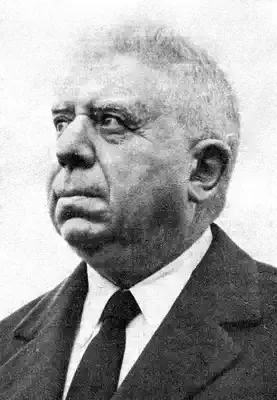
Eugenio Montale
NUMA CARTA NÃO ESCRITA
Por um formigueiro de auroras, por uns poucos
arames em que se prende
a lá da vida e se enrola
em horas, anos, hoje os golfinhos aos pares
cabriolam com as crias? Oh que eu não ouça
nada de ti, que eu fuja ao fulgor
da tua fronte. É diferente na terra.
Desaparecer não sei, nem tornar a olhar; tarda
a fornalha vermelha
da noite, a tarde se faz longa,
a súplica é suplício e não ainda
entre as rochas que afloram te chegou
a garrafa do mar. A onda vazia
quebra-se contra o cabo em Finisterra.
arames em que se prende
a lá da vida e se enrola
em horas, anos, hoje os golfinhos aos pares
cabriolam com as crias? Oh que eu não ouça
nada de ti, que eu fuja ao fulgor
da tua fronte. É diferente na terra.
Desaparecer não sei, nem tornar a olhar; tarda
a fornalha vermelha
da noite, a tarde se faz longa,
a súplica é suplício e não ainda
entre as rochas que afloram te chegou
a garrafa do mar. A onda vazia
quebra-se contra o cabo em Finisterra.
1 219
1
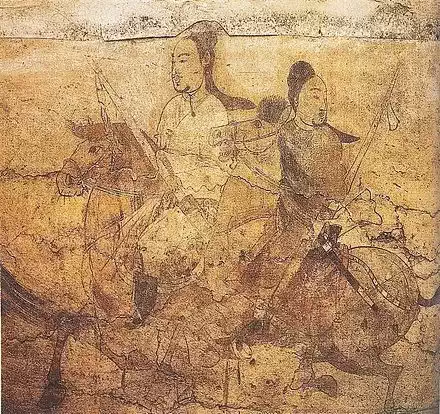
Li Po
BEBENDO AO LUAR
Bebendo vinho entre as flores
Só me senti.
Lua tão solitária,
Eu bebo a ti!
Esta ao lado é minha sombra,
Faz três contigo.
Porque hás-de ser tão distante?
Dança com ela e comigo.
Como nuvens dançaremos
A sombra e eu.
Eterno é o gozo, se atendes
O canto meu.
E unidos nesta embriaguez
(Mas sós de dia)
Estaremos juntos os três
Na Láctea Via.
Só me senti.
Lua tão solitária,
Eu bebo a ti!
Esta ao lado é minha sombra,
Faz três contigo.
Porque hás-de ser tão distante?
Dança com ela e comigo.
Como nuvens dançaremos
A sombra e eu.
Eterno é o gozo, se atendes
O canto meu.
E unidos nesta embriaguez
(Mas sós de dia)
Estaremos juntos os três
Na Láctea Via.
1 206
1

Vicente Franz Cecim
Música com sombras
Porque te vestes de Sombra
é que eu te espero onde os dias morrem para sempre
Escuta É a voz humana
essa areia sufocada em tua garganta: isso, a areia
soprada por um vento,
é a coisa que os homens chamam a Voz humana
A Nossa voz,
ah
Dela, nada dizer Calar na bruma
Porque tu vestes de sombras
a criança que trazes pela mão,
torturada como um vício, branca como uma virtude
triste
como uma flor presa em sua Raiz
Onde está o colar dos desesperos, ali
puseste os pulsos das manhãs nascentes Nenhum Anjo, nenhum Anjo
Estamos presos no Centro,
ou livres caindo no escuro
E eu não sei qual das duas portas, assim abertas, são mais terríveis são
mais belas
Se
só sei
que te espera
a que virá coberta pela Sombra
trazendo pela mão essa criança sem Face, sem rugas também
sem ter nascido
Se assim escurecesse em silêncio esta paisagem
onde pousamos ausentes para os olhos
dos cegos,
toda Serpente seria caridosa, todo encanto teria nervos azuis de pedras de fontes
de lamentos não-nascidos do fundo da garganta
nem a tua nem a da menor que tu, a tua criança
que devolves à claridade
com um gesto de amargura
e recuperas
para o negro dia dos meus olhos
com um gesto de ternura
Ela, a fonte em nossas frontes, pensativamente está
pousada,
observa
Paisagem de deserto, e mão cheia de pó:
um sonho para olhos de vidros sonharem
com torturas
Ela: é a Paisagem: é o Lugar, e é o Pranto
do lugar onde os dias morrem
para sempre
Nenhum anjo, nenhum anjo
Não é a Voz humana, nem ao menos murmurando
é que eu te espero onde os dias morrem para sempre
Escuta É a voz humana
essa areia sufocada em tua garganta: isso, a areia
soprada por um vento,
é a coisa que os homens chamam a Voz humana
A Nossa voz,
ah
Dela, nada dizer Calar na bruma
Porque tu vestes de sombras
a criança que trazes pela mão,
torturada como um vício, branca como uma virtude
triste
como uma flor presa em sua Raiz
Onde está o colar dos desesperos, ali
puseste os pulsos das manhãs nascentes Nenhum Anjo, nenhum Anjo
Estamos presos no Centro,
ou livres caindo no escuro
E eu não sei qual das duas portas, assim abertas, são mais terríveis são
mais belas
Se
só sei
que te espera
a que virá coberta pela Sombra
trazendo pela mão essa criança sem Face, sem rugas também
sem ter nascido
Se assim escurecesse em silêncio esta paisagem
onde pousamos ausentes para os olhos
dos cegos,
toda Serpente seria caridosa, todo encanto teria nervos azuis de pedras de fontes
de lamentos não-nascidos do fundo da garganta
nem a tua nem a da menor que tu, a tua criança
que devolves à claridade
com um gesto de amargura
e recuperas
para o negro dia dos meus olhos
com um gesto de ternura
Ela, a fonte em nossas frontes, pensativamente está
pousada,
observa
Paisagem de deserto, e mão cheia de pó:
um sonho para olhos de vidros sonharem
com torturas
Ela: é a Paisagem: é o Lugar, e é o Pranto
do lugar onde os dias morrem
para sempre
Nenhum anjo, nenhum anjo
Não é a Voz humana, nem ao menos murmurando
1 170
1
Natércia Freire
Assim
Assim por muito mais e muito
menosAssim por heroísmo e cobardia.Assim a tarde a noite
no momentoAssim pensar em mim quando
vivias.Assim os dedos longos nos cabelosDos mortos
abraçados e cativos.Assim esta miséria de estar
vivaE não saber estar viva quando vivo.Assim
nas brancas árvores o tempoAssim ter acabado o
meu destinoE ler-me noutros versos, noutros
nomesAssim desconhecer aonde habito.Assim por muito
mais e muito menosSe acaba, em vida, a vida ao
suicida.Assim por ser a hora mais cinzenta,O desamparo
assim da minha vida.
menosAssim por heroísmo e cobardia.Assim a tarde a noite
no momentoAssim pensar em mim quando
vivias.Assim os dedos longos nos cabelosDos mortos
abraçados e cativos.Assim esta miséria de estar
vivaE não saber estar viva quando vivo.Assim
nas brancas árvores o tempoAssim ter acabado o
meu destinoE ler-me noutros versos, noutros
nomesAssim desconhecer aonde habito.Assim por muito
mais e muito menosSe acaba, em vida, a vida ao
suicida.Assim por ser a hora mais cinzenta,O desamparo
assim da minha vida.
1 297
1

Octavio Paz
El Sediento
Por buscarme,poesía,
en ti me busqué:
deshecha estrella de agua
se anegó mi ser.
Por buscarte,poesía,
en mí naufragué.
Después sólo te buscaba
por huir de mí:
!espesura de reflejos
en que me perdí!
Mas lueho de tanta vuelta
otra vez me vi:
el mismo rostro anegado
en la misma desnudez;
la misma aguas de espejo
en las que no he de beber;
y en ele borde de esas aguas
el mismo muerto de sed.
en ti me busqué:
deshecha estrella de agua
se anegó mi ser.
Por buscarte,poesía,
en mí naufragué.
Después sólo te buscaba
por huir de mí:
!espesura de reflejos
en que me perdí!
Mas lueho de tanta vuelta
otra vez me vi:
el mismo rostro anegado
en la misma desnudez;
la misma aguas de espejo
en las que no he de beber;
y en ele borde de esas aguas
el mismo muerto de sed.
6 177
1

José Tolentino Mendonça
Os Girassóis
Às vezes ouves-me chorar
não é fácil deixar a tua mão
De quarto em quarto
quem espera
o terror de não haver ninguém
As paisagens alteram-se sem resolução
narrativas imortais desaparecem
e os girassóis assim
vulneráveis a desconhecidas ordens
Tu estás tão perto
mas sofro tanto
porque não vejo
como possa falar de ti
entre dois ou três séculos
não é fácil deixar a tua mão
De quarto em quarto
quem espera
o terror de não haver ninguém
As paisagens alteram-se sem resolução
narrativas imortais desaparecem
e os girassóis assim
vulneráveis a desconhecidas ordens
Tu estás tão perto
mas sofro tanto
porque não vejo
como possa falar de ti
entre dois ou três séculos
2 654
1
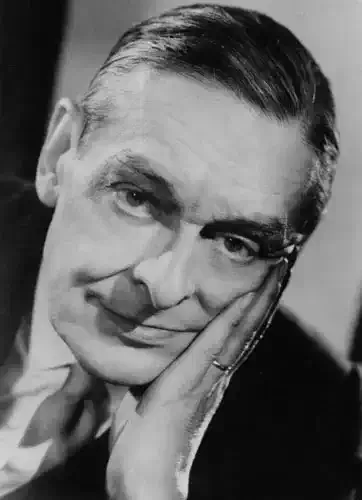
T. S. Eliot
The Love Song of J Alfred Prufrock
The Love Song of J. Alfred Prufrock
Sio credesse che mia risposta fosse
A persona che mai tornasse al mondo,
Questa fiamma staria senza piu scosse.
Ma perciocche giammai di questo fondo
Non torno vivo alcun, siodo il vero,
Senza tema dinfamia ti rispondo.
LET us go then, you and I,
When the evening is spread out against the sky
Like a patient etherised upon a table;
Let us go, through certain half-deserted streets,
The muttering retreats
Of restless nights in one-night cheap hotels
And sawdust restaurants with oyster-shells:
Streets that follow like a tedious argument
Of insidious intent
To lead you to an overwhelming question...
Oh, do not ask, "What is it?"
Let us go and make our visit.
In the room the women come and go
Talking of Michelangelo.
The yellow fog that rubs its back upon the window-panes,
The yellow smoke that rubs its muzzle on the window-panes
Licked its tongue into the corners of the evening,
Lingered upon the pools that stand in drains,
Let fall upon its back the soot that falls from chimneys,
Slipped by the terrace, made a sudden leap,
And seeing that it was a soft October night,
Curled once about the house, and fell asleep.
And indeed there will be time
For the yellow smoke that slides along the street,
Rubbing its back upon the window-panes;
There will be time, there will be time
To prepare a face to meet the faces that you meet;
There will be time to murder and create,
And time for all the works and days of hands
That lift and drop a question on your plate;
Time for you and time for me,
And time yet for a hundred indecisions,
And for a hundred visions and revisions,
Before the taking of a toast and tea.
In the room the women come and go
Talking of Michelangelo.
And indeed there will be time
To wonder, "Do I dare?" and, "Do I dare?"
Time to turn back and descend the stair,
With a bald spot in the middle of my hair—
[They will say: "How his hair is growing thin!"]
My morning coat, my collar mounting firmly to the chin,
My necktie rich and modest, but asserted by a simple pin—
[They will say: "But how his arms and legs are thin!"]
Do I dare
Disturb the universe?
In a minute there is time
For decisions and revisions which a minute will reverse.
For I have known them all already, known them all:—
Have known the evenings, mornings, afternoons,
I have measured out my life with coffee spoons;
I know the voices dying with a dying fall
Beneath the music from a farther room.
So how should I presume?
And I have known the eyes already, known them all—
The eyes that fix you in a formulated phrase,
And when I am formulated, sprawling on a pin,
When I am pinned and wriggling on the wall,
Then how should I begin
To spit out all the butt-ends of my days and ways?
And how should I presume?
And I have known the arms already, known them all—
Arms that are braceleted and white and bare
[But in the lamplight, downed with light brown hair!]
It is perfume from a dress
That makes me so digress?
Arms that lie along a table, or wrap about a shawl.
And should I then presume?
And how should I begin?
. . . . .
Shall I say, I have gone at dusk through narrow streets
And watched the smoke that rises from the pipes
Of lonely men in shirt-sleeves, leaning out of windows?...
I should have been a pair of ragged claws
Scuttling across the floors of silent seas.
. . . . .
And the afternoon, the evening, sleeps so peacefully!
Smoothed by long fingers,
Asleep ... tired ... or it malingers,
Stretched on the floor, here beside you and me.
Should I, after tea and cakes and ices,
Have the strength to force the moment to its crisis?
But though I have wept and fasted, wept and prayed,
Though I have seen my head [grown slightly bald] brought in upon a platter,
I am no prophet—and heres no great matter;
I have seen the moment of my greatness flicker,
And I have seen the eternal Footman hold my coat, and snicker,
And in short, I was afraid.
And would it have been worth it, after all,
After the cups, the marmalade, the tea,
Among the porcelain, among some talk of you and me,
Would it have been worth while,
To have bitten off the matter with a smile,
To have squeezed the universe into a ball
To roll it toward some overwhelming question,
To say: "I am Lazarus, come from the dead,
Come back to tell you all, I shall tell you all"—
If one, settling a pillow by her head,
Should say: "That is not what I meant at all.
That is not it, at all."
And would it have been worth it, after all,
Would it have been worth while,
After the sunsets and the dooryards and the sprinkled streets,
After the novels, after the teacups, after the skirts that trail along the floor—
And this, and so much more?—
It is impossible to say just what I mean!
But as if a magic lantern threw the nerves in patterns on a screen:
Would it have been worth while
If one, settling a pillow or throwing off a shawl,
And turning toward the window, should say:
"That is not it at all,
That is not what I meant, at all."
. . . . .
No! I am not Prince Hamlet, nor was meant to be;
Am an attendant lord, one that will do
To swell a progress, start a scene or two,
Advise the prince; no doubt, an easy tool,
Deferential, glad to be of use,
Politic, cautious, and meticulous;
Full of high sentence, but a bit obtuse;
At times, indeed, almost ridiculous—
Almost, at times, the Fool.
I grow old ... I grow old...
I shall wear the bottoms of my trousers rolled.
Shall I part my hair behind? Do I dare to eat a peach?
I shall wear white flannel trousers, and walk upon the beach.
I have heard the mermaids singing, each to each.
I do not think that they will sing to me.
I have seen them riding seaward on the waves
Combing the white hair of the waves blown back
When the wind blows the water white and black.
We have lingered in the chambers of the sea
By sea-girls wreathed with seaweed red and brown
Till human voices wake us, and we drown.
Sio credesse che mia risposta fosse
A persona che mai tornasse al mondo,
Questa fiamma staria senza piu scosse.
Ma perciocche giammai di questo fondo
Non torno vivo alcun, siodo il vero,
Senza tema dinfamia ti rispondo.
LET us go then, you and I,
When the evening is spread out against the sky
Like a patient etherised upon a table;
Let us go, through certain half-deserted streets,
The muttering retreats
Of restless nights in one-night cheap hotels
And sawdust restaurants with oyster-shells:
Streets that follow like a tedious argument
Of insidious intent
To lead you to an overwhelming question...
Oh, do not ask, "What is it?"
Let us go and make our visit.
In the room the women come and go
Talking of Michelangelo.
The yellow fog that rubs its back upon the window-panes,
The yellow smoke that rubs its muzzle on the window-panes
Licked its tongue into the corners of the evening,
Lingered upon the pools that stand in drains,
Let fall upon its back the soot that falls from chimneys,
Slipped by the terrace, made a sudden leap,
And seeing that it was a soft October night,
Curled once about the house, and fell asleep.
And indeed there will be time
For the yellow smoke that slides along the street,
Rubbing its back upon the window-panes;
There will be time, there will be time
To prepare a face to meet the faces that you meet;
There will be time to murder and create,
And time for all the works and days of hands
That lift and drop a question on your plate;
Time for you and time for me,
And time yet for a hundred indecisions,
And for a hundred visions and revisions,
Before the taking of a toast and tea.
In the room the women come and go
Talking of Michelangelo.
And indeed there will be time
To wonder, "Do I dare?" and, "Do I dare?"
Time to turn back and descend the stair,
With a bald spot in the middle of my hair—
[They will say: "How his hair is growing thin!"]
My morning coat, my collar mounting firmly to the chin,
My necktie rich and modest, but asserted by a simple pin—
[They will say: "But how his arms and legs are thin!"]
Do I dare
Disturb the universe?
In a minute there is time
For decisions and revisions which a minute will reverse.
For I have known them all already, known them all:—
Have known the evenings, mornings, afternoons,
I have measured out my life with coffee spoons;
I know the voices dying with a dying fall
Beneath the music from a farther room.
So how should I presume?
And I have known the eyes already, known them all—
The eyes that fix you in a formulated phrase,
And when I am formulated, sprawling on a pin,
When I am pinned and wriggling on the wall,
Then how should I begin
To spit out all the butt-ends of my days and ways?
And how should I presume?
And I have known the arms already, known them all—
Arms that are braceleted and white and bare
[But in the lamplight, downed with light brown hair!]
It is perfume from a dress
That makes me so digress?
Arms that lie along a table, or wrap about a shawl.
And should I then presume?
And how should I begin?
. . . . .
Shall I say, I have gone at dusk through narrow streets
And watched the smoke that rises from the pipes
Of lonely men in shirt-sleeves, leaning out of windows?...
I should have been a pair of ragged claws
Scuttling across the floors of silent seas.
. . . . .
And the afternoon, the evening, sleeps so peacefully!
Smoothed by long fingers,
Asleep ... tired ... or it malingers,
Stretched on the floor, here beside you and me.
Should I, after tea and cakes and ices,
Have the strength to force the moment to its crisis?
But though I have wept and fasted, wept and prayed,
Though I have seen my head [grown slightly bald] brought in upon a platter,
I am no prophet—and heres no great matter;
I have seen the moment of my greatness flicker,
And I have seen the eternal Footman hold my coat, and snicker,
And in short, I was afraid.
And would it have been worth it, after all,
After the cups, the marmalade, the tea,
Among the porcelain, among some talk of you and me,
Would it have been worth while,
To have bitten off the matter with a smile,
To have squeezed the universe into a ball
To roll it toward some overwhelming question,
To say: "I am Lazarus, come from the dead,
Come back to tell you all, I shall tell you all"—
If one, settling a pillow by her head,
Should say: "That is not what I meant at all.
That is not it, at all."
And would it have been worth it, after all,
Would it have been worth while,
After the sunsets and the dooryards and the sprinkled streets,
After the novels, after the teacups, after the skirts that trail along the floor—
And this, and so much more?—
It is impossible to say just what I mean!
But as if a magic lantern threw the nerves in patterns on a screen:
Would it have been worth while
If one, settling a pillow or throwing off a shawl,
And turning toward the window, should say:
"That is not it at all,
That is not what I meant, at all."
. . . . .
No! I am not Prince Hamlet, nor was meant to be;
Am an attendant lord, one that will do
To swell a progress, start a scene or two,
Advise the prince; no doubt, an easy tool,
Deferential, glad to be of use,
Politic, cautious, and meticulous;
Full of high sentence, but a bit obtuse;
At times, indeed, almost ridiculous—
Almost, at times, the Fool.
I grow old ... I grow old...
I shall wear the bottoms of my trousers rolled.
Shall I part my hair behind? Do I dare to eat a peach?
I shall wear white flannel trousers, and walk upon the beach.
I have heard the mermaids singing, each to each.
I do not think that they will sing to me.
I have seen them riding seaward on the waves
Combing the white hair of the waves blown back
When the wind blows the water white and black.
We have lingered in the chambers of the sea
By sea-girls wreathed with seaweed red and brown
Till human voices wake us, and we drown.
2 476
1
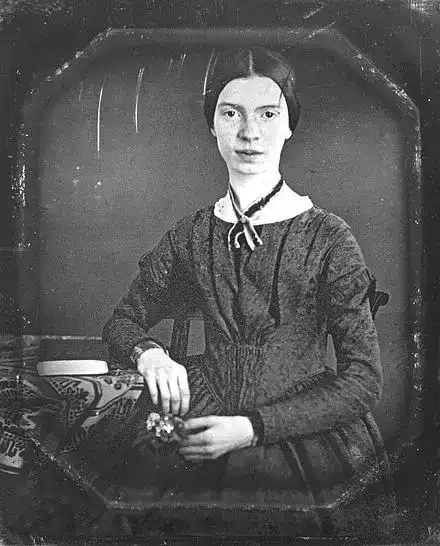
Emily Dickinson
Im Nobody! Who are you?
Im Nobody! Who are you?
Im Nobody! Who are you?
Are you--Nobody--Too?
Then theres a pair of us?
Dont tell! theyd advertise--you know!
How dreary--to be--Somebody!
How public--like a Frog--
To tell ones name--the livelong June--
To an admiring Bog!
Im Nobody! Who are you?
Are you--Nobody--Too?
Then theres a pair of us?
Dont tell! theyd advertise--you know!
How dreary--to be--Somebody!
How public--like a Frog--
To tell ones name--the livelong June--
To an admiring Bog!
1 370
1
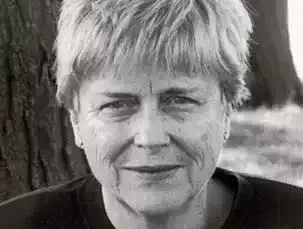
Ana Hatherly
Wer abend sind sie, sag
Wer abend sind sie, sag
mir, die Fahrenden
Os errantesos fugazes
viajantesque nós somosbuscando sempre a vibração
perdidadiariamente caemda árvore da memóriaonde brilha o
nomeo melancólico ansiado barcoOh que percurso
essencialdescrevem os errantesna sua busca em queda
abismadossobre si mesmos voltadospercorrendoa arriscada
síntese do exílio!E tuvontade
insatisfeitaonde encontrarásos frutos da árvore do
quereras alegrias do estar e do serque nos rompem o
peitode tanto as ansiar?A rosa do olharque na
procura reverdecea todo o instante esqueceo som
da quedae escuta sóo tilintar da sorteno
inventado bolso da esperançaque nos
empurraimpelelisonjeianum breve sorriso captadonum furtivo
afagoilusão de ternuraMas logo logoalgo nos
arranca o curativonos retira o tapete mágico do
repousonso remetepara a nossa condição de feridos
atingidosE na busca heróicado instante
transfiguradoo activo martírio de prosseguirfaz de
nóseternos estrangeiros
mal-amadosdesamparadosperegrinos recém-chegados
mir, die Fahrenden
Os errantesos fugazes
viajantesque nós somosbuscando sempre a vibração
perdidadiariamente caemda árvore da memóriaonde brilha o
nomeo melancólico ansiado barcoOh que percurso
essencialdescrevem os errantesna sua busca em queda
abismadossobre si mesmos voltadospercorrendoa arriscada
síntese do exílio!E tuvontade
insatisfeitaonde encontrarásos frutos da árvore do
quereras alegrias do estar e do serque nos rompem o
peitode tanto as ansiar?A rosa do olharque na
procura reverdecea todo o instante esqueceo som
da quedae escuta sóo tilintar da sorteno
inventado bolso da esperançaque nos
empurraimpelelisonjeianum breve sorriso captadonum furtivo
afagoilusão de ternuraMas logo logoalgo nos
arranca o curativonos retira o tapete mágico do
repousonso remetepara a nossa condição de feridos
atingidosE na busca heróicado instante
transfiguradoo activo martírio de prosseguirfaz de
nóseternos estrangeiros
mal-amadosdesamparadosperegrinos recém-chegados
1 549
1
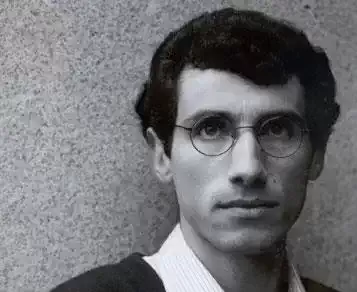
Daniel Faria
Estou a um palmo da parede
Estou a um palmo da parede.Pergunto-se queres saber o que oiço-
O que disseste a Elias:Elias
O que fazes aqui?
Sim,alteio os meus olhos
Conto-te o que nunca escrevo nos muros
Junto-me aos animais com sede
Estou a um palmo do teu palmo e depois
Não estás nas águas nem na sede ou no teu nome
Estou a um palmo do teu silêncio e alteio
O silêncio.A boca mais alta do meu grito
de Dos Líquidos (2000)
O que disseste a Elias:Elias
O que fazes aqui?
Sim,alteio os meus olhos
Conto-te o que nunca escrevo nos muros
Junto-me aos animais com sede
Estou a um palmo do teu palmo e depois
Não estás nas águas nem na sede ou no teu nome
Estou a um palmo do teu silêncio e alteio
O silêncio.A boca mais alta do meu grito
de Dos Líquidos (2000)
1 636
1

Gottfried Benn
Campo dos infelizes
Campo dos infelizes
Farto da minha busca de ilhas,
rebanhos mudos, verde morto,
quero ser margem, ser baía,
de belos barcos ser um porto.
A minha praia quer sentir-se
pisada a vivo com pés quentes;
queixa-se a fonte a oferecer-se,
quer refrescar sedes ardentes.
E tudo quer a sangue estranho
subir, ir afogar-se a esmo,
até um outro ardor de vida,
nada ficar quer em si mesmo.
Farto da minha busca de ilhas,
rebanhos mudos, verde morto,
quero ser margem, ser baía,
de belos barcos ser um porto.
A minha praia quer sentir-se
pisada a vivo com pés quentes;
queixa-se a fonte a oferecer-se,
quer refrescar sedes ardentes.
E tudo quer a sangue estranho
subir, ir afogar-se a esmo,
até um outro ardor de vida,
nada ficar quer em si mesmo.
1 463
1
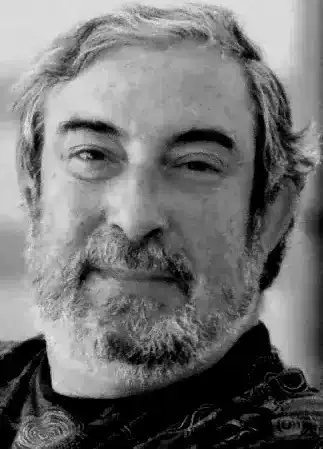
Fernando Assis Pacheco
Mas agora que vai descer a noite na minha vida
Mas agora que vai descer a noite na minha vida
Triste de mim mais triste que a tristeza
triste como a mão que segura o copo
como a luz do farol esgaçando a névoa
triste como o cão manco
deixado na estrada pelos caçadores
triste como a sopa entretanto azeda
mais triste que a idiotia congénita
ou que a palavra ampola
triste de mim triste e perdido
entre duas ruas
uma que vai para o Norte outra para o Sul
e ambas cortadas aos peões
que não cooperam devidamente
(com este governo de merda é claro)
triste como uma puta alentejana
num bar de Ourense
que me viu à cerveja e lesta
me chamou compadre
vozes que a gente colecciona
a tarde triste os anos tristes
a grande costura da tristeza
do esterno ao baixo ventre
triste e já sem nenhum reparo
a fazer à metafísica
senão que é um défice
porventura do córtex cerebral
Triste de mim mais triste que a tristeza
triste como a mão que segura o copo
como a luz do farol esgaçando a névoa
triste como o cão manco
deixado na estrada pelos caçadores
triste como a sopa entretanto azeda
mais triste que a idiotia congénita
ou que a palavra ampola
triste de mim triste e perdido
entre duas ruas
uma que vai para o Norte outra para o Sul
e ambas cortadas aos peões
que não cooperam devidamente
(com este governo de merda é claro)
triste como uma puta alentejana
num bar de Ourense
que me viu à cerveja e lesta
me chamou compadre
vozes que a gente colecciona
a tarde triste os anos tristes
a grande costura da tristeza
do esterno ao baixo ventre
triste e já sem nenhum reparo
a fazer à metafísica
senão que é um défice
porventura do córtex cerebral
1 397
1
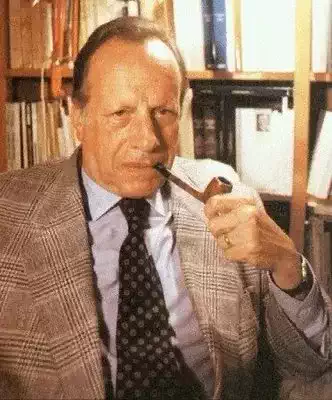
David Mourão-Ferreira
Blocos
É isto vivemos dentro
de grandes blocos de gelo
sem aquecermos ao menos
com os dedos outros dedos
No fundo de nós temendo
que um dia se quebre o gelo
de grandes blocos de gelo
sem aquecermos ao menos
com os dedos outros dedos
No fundo de nós temendo
que um dia se quebre o gelo
3 841
1
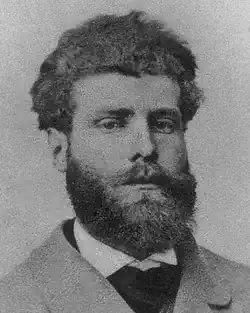
Antero de Quental
Uma amiga
Aqueles que eu amei, não sei que vento
Os dispersou no mundo, que os não vejo...
Estendo os braços e nas trevas beijo
Visões que a noite evoca o sentimento...
Outros me causam mais cruel tormento
Que a saudade dos mortos... que eu invejo...
Passam por mim... mas como que têm pejo
Da minha soledade e abatimento!
Daquela primavera venturosa
Não resta uma flor só, uma só rosa...
Tudo o vento varreu, queimou o gelo!
Tu só foste fiel - tu, como dantes,
Inda volves teus olhos radiantes...
Para ver o meu mal... e escarnecê-lo!
Os dispersou no mundo, que os não vejo...
Estendo os braços e nas trevas beijo
Visões que a noite evoca o sentimento...
Outros me causam mais cruel tormento
Que a saudade dos mortos... que eu invejo...
Passam por mim... mas como que têm pejo
Da minha soledade e abatimento!
Daquela primavera venturosa
Não resta uma flor só, uma só rosa...
Tudo o vento varreu, queimou o gelo!
Tu só foste fiel - tu, como dantes,
Inda volves teus olhos radiantes...
Para ver o meu mal... e escarnecê-lo!
2 830
1

João de Jesus Paes Loureiro
O Poeta
Debruçado no poço
salmodia
e a própria voz escuta.
Osso.
atirado a si mesmo
(espelho)
por um cão faminto.
salmodia
e a própria voz escuta.
Osso.
atirado a si mesmo
(espelho)
por um cão faminto.
1 116
1

Carlos Felipe Moisés
Minotauro
Abrasado em sonho, uma vez foi rei
de um reino sem refúgio nem fronteira.
Reinou além do seu país e sua grei,
enquanto ruminava a hora derradeira.
Seu coração de lava incendiou
a memória de dálias e jacintos
e o segredo que o vento lhe negou
se converteu em treva e labirinto.
Estrelas e nuvens teve a seus pés
(o sonho azul de toda criatura)
e tudo recusou. Um trono fez
do nada em que abrigou sua loucura.
Hoje devora gafanhotos e o mel
destila do seu flanco sem idade.
Reino em ruínas, seu manto é o céu,
onde pasta serena majestade.
(Subsolo, São Paulo, Massao Ohno, 1989)
de um reino sem refúgio nem fronteira.
Reinou além do seu país e sua grei,
enquanto ruminava a hora derradeira.
Seu coração de lava incendiou
a memória de dálias e jacintos
e o segredo que o vento lhe negou
se converteu em treva e labirinto.
Estrelas e nuvens teve a seus pés
(o sonho azul de toda criatura)
e tudo recusou. Um trono fez
do nada em que abrigou sua loucura.
Hoje devora gafanhotos e o mel
destila do seu flanco sem idade.
Reino em ruínas, seu manto é o céu,
onde pasta serena majestade.
(Subsolo, São Paulo, Massao Ohno, 1989)
935
1
Carlos Felipe Moisés
Mais um Dia
(Fragmentos)
Um tiro no escuro, louca
disparada do carro a zunir
dentro da noite,
um piscar de olhos --
e a luz do novo dia ilumina
a oficina do corpo.
O mesmo corpo feito de alma nua,
sangue e humores vários.
Um novo dia igual aos dez mil
novecentos e cinqüenta já percorridos,
gastos à mesa dos bares,
a acumular nas retinas
a imagem velha dos insetos
roendo a carcaça do dia,
jogada na calçada.
Insetos
assustados, à espera do bote,
à espera do berro, à espera
do sapo que os engole
(engoliu!)
e eles não sabem e seguem,
a roer as migalhas grudadas
nas tripas do batráquio.
Dez mil
novecentos e cinqüenta dias
consumidos à distância,
no silêncio do quarto onde rodopia,
há trinta anos,
a mesma velha inútil melodia.
Rodopia nada!
Explode
em gumes,
não resiste ao punho cerrado
que rompe a vidraça
e atravessa a neblina,
só para alcançar no arbusto em frente
o bago murcho que volta
e se espreme entre os dentes
e verte uma gota,
uma só,
a gota perdida
do ódio por tudo e por nada.
Ódio só afago,
inofensivo, guardado no fogo
brando em que me afago
há dez mil
novecentos e cinqüenta dias.
Um tiro no escuro, louca
disparada do carro a zunir
dentro da noite,
um piscar de olhos --
e a luz do novo dia ilumina
a oficina do corpo.
O mesmo corpo feito de alma nua,
sangue e humores vários.
Um novo dia igual aos dez mil
novecentos e cinqüenta já percorridos,
gastos à mesa dos bares,
a acumular nas retinas
a imagem velha dos insetos
roendo a carcaça do dia,
jogada na calçada.
Insetos
assustados, à espera do bote,
à espera do berro, à espera
do sapo que os engole
(engoliu!)
e eles não sabem e seguem,
a roer as migalhas grudadas
nas tripas do batráquio.
Dez mil
novecentos e cinqüenta dias
consumidos à distância,
no silêncio do quarto onde rodopia,
há trinta anos,
a mesma velha inútil melodia.
Rodopia nada!
Explode
em gumes,
não resiste ao punho cerrado
que rompe a vidraça
e atravessa a neblina,
só para alcançar no arbusto em frente
o bago murcho que volta
e se espreme entre os dentes
e verte uma gota,
uma só,
a gota perdida
do ódio por tudo e por nada.
Ódio só afago,
inofensivo, guardado no fogo
brando em que me afago
há dez mil
novecentos e cinqüenta dias.
762
1

Raimundo Bento Sotero
Um Vulto
Noite atroz! Na medonha Solidão
Da rua torta e mal iluminada
Pela pálida luz da madrugada,
Um vulto ia varando a escuridão.
Quem seria tal vulto? Algum ladrão,
Resvalando furtivo na calada?
Um amante buscando sua amada?
Seria alma penada, assombração?
Fazia frio. Os cães se enrodilhavam,
Os pássaros noturnos não voavam,
E um silêncio mortal dava receio.
Somente aquele vulto vertical,
Envolto no silêncio sepulcral,
Impávido, seguia o seu passeio.
Da rua torta e mal iluminada
Pela pálida luz da madrugada,
Um vulto ia varando a escuridão.
Quem seria tal vulto? Algum ladrão,
Resvalando furtivo na calada?
Um amante buscando sua amada?
Seria alma penada, assombração?
Fazia frio. Os cães se enrodilhavam,
Os pássaros noturnos não voavam,
E um silêncio mortal dava receio.
Somente aquele vulto vertical,
Envolto no silêncio sepulcral,
Impávido, seguia o seu passeio.
1 230
1