

Authors List
Browse our collection of authors
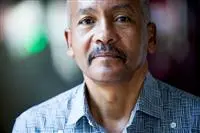
José Luis Mendonça

1955-11-24
José Luís Mendonça, a recognized Angolan poet, stood out for his lyrical voice and for the way his work intertwines with the complexities of identity, history, and the human condition in Africa. His poetry is an invitation to reflect on collective and individual experiences, marked by evocative language and profound sensitivity. Mendonça is an essential figure in Portuguese-language African literature, whose writing continues to inspire and provoke debate.
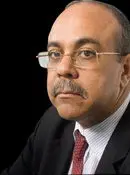
João Melo
1955-09-05
João Melo is an Angolan writer whose work stands out for exploring the complexities of Angolan society, addressing themes such as war, identity, memory, and social transformations. With engaging narrative and striking characters, the author captures the essence of human experiences in contexts of adversity and hope. His writing is a poignant testament to Angola's recent history.
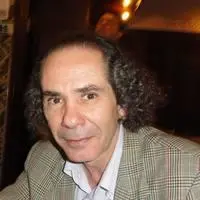
Zeto Cunha Gonçalves

1960
Angolan poet and writer, Zeto Cunha Gonçalves is recognized for his lyrics that explore identity, ancestry, and the complexities of the African experience. His work, marked by rich and evocative language, reflects on the human condition, the search for meaning, and the deep connection with cultural roots. With a keen sensitivity to the nuances of life and the universe around him, his verses weave a dialogue between the personal and the collective, inviting the reader to reflect on the contemporary world and its heritage.
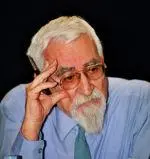
Henrique Abranches
1932-09-29 – 2004-08-08
Henrique Abranches was a Portuguese poet and essayist, known for his work that bridges personal lyricism with reflection on society and the human condition. His writing is marked by precise language and a keen eye for the nuances of everyday life, exploring themes such as memory, time, and the search for meaning. Throughout his career, he demonstrated an interest in renewing poetic language and its capacity for dialogue with the world.
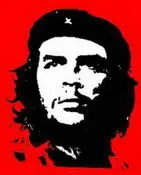
Che Guevara

1928-06-14 – 1967-10-09
Ernesto 'Che' Guevara was an Argentine Marxist revolutionary, physician, author, guerrilla fighter, diplomat, and military theorist. A prominent figure in the Cuban Revolution, he became an international icon of counterculture and anti-imperialist revolution. His image is widely reproduced in various media, serving as a symbol of resistance and idealism for many. Guevara dedicated a large part of his life to the struggle against what he considered capitalist oppression and exploitation, traveling and intervening in conflicts in various parts of the world. His legacy endures through his writings and the impact of his actions on the political history of the 20th century.
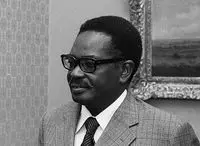
Agostinho Neto
1922-09-17 – 1979-09-10
António Agostinho Neto was an Angolan poet, physician, and politician, considered one of the central figures in the struggle for Angola's independence and one of the most important African poets writing in Portuguese. His poetic work is marked by strong lyricism, denunciation of social injustices, and the exaltation of the Angolan land and people, becoming a symbol of national identity and aspiration.
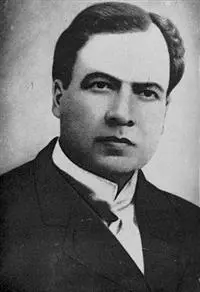
Rubén Darío

1867-01-18 – 1916-02-06
Rubén Darío was a Nicaraguan poet, journalist, and diplomat, considered the father of literary modernism in the Spanish language. His work revolutionized Spanish poetry, introducing new metrical forms, a rich and exotic vocabulary, and unparalleled musicality. Darío explored universal themes such as love, death, time, and the pursuit of beauty, with a language that combined the classic and the modern. His influence extended throughout Latin America and Spain, profoundly marking Spanish-language literature.
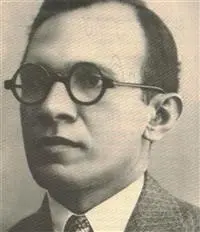
da Costa e Silva

1885-11-23 – 1950-06-29
António Feliciano de Castilho, pseudonym "da Costa e Silva", was a Portuguese poet, writer, and translator, a prominent figure of the Ultra-Romantic movement in Portugal. Known for his vast literary output and pedagogical work, Castilho dedicated himself to disseminating culture and literature, also being notable for his fight for education and his influence on several generations of intellectuals. His poetic work, although sometimes criticized for its excessive sentimentality, marked its time and addressed themes such as love, death, nature, and religiosity, in a melodious and accessible style that captivated a wide audience, leaving a multifaceted legacy in Portuguese literature and culture.
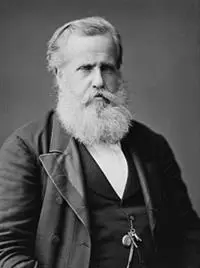
D. Pedro II
1825-12-02 – 1891-12-05
D. Pedro II was a central figure in Brazilian history, known for his role as Emperor of Brazil. During his long reign, the country went through a period of significant political stability and economic development, consolidating its independence and advancing in various areas. His governance was marked by a pragmatic approach and the pursuit of national progress, facing internal and external challenges with diplomacy and firmness. D. Pedro II is remembered as an erudite monarch dedicated to the well-being of his people, leaving a lasting legacy in the formation of modern Brazil.
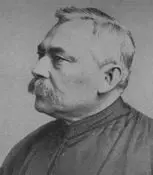
Sílvio Romero
1851-04-21 – 1914-06-18
Silvio Romero was a Brazilian writer, literary critic, historian, and politician. He stood out as one of the main exponents of Romanticism in Brazil, with a work that addresses themes such as national identity, slavery, and popular culture. He was an influential intellectual in the Brazilian scene of the 19th century, with a multifaceted career.
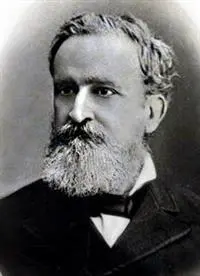
José Bonifácio, o Moço
1827-11-08 – 1886-10-26
José Bonifácio de Andrade e Silva, known as o Moço, was a prominent figure in the Empire of Brazil, acting as a politician, diplomat, jurist, and professor. He was the nephew of José Bonifácio de Andrade e Silva, the Patriarch of Independence, and played a crucial role in the consolidation of the regency period and in the defense of Brazilian territorial unity. His political activity was marked by the defense of abolitionism and the pursuit of a political system that guaranteed the country's stability at a time of great transformations.
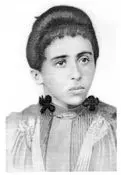
Auta de Souza
1876-09-12 – 1901-02-07
Auta de Souza was a Brazilian poet, a pioneer in religious literature of lyrical expression in Brazil. Her work is marked by a profound Catholic faith, expressed in poems that celebrate divinity, devotion, and hope, often with a tone of exaltation and spiritual contemplation.
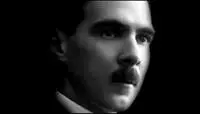
Paulo Setúbal
1893-01-01 – 1937-05-04
Paulo Setúbal was a prominent Brazilian physician and writer, whose historical and adventure novels achieved great popularity. His work, marked by the exaltation of Brazil and themes such as courage, honor, and the pursuit of freedom, transports the reader to crucial periods of national history. With engaging and detailed writing, he portrayed figures and events that shaped Brazilian identity, becoming one of the most read authors of his time.
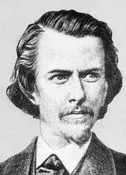
Fagundes Varela
1841-08-17 – 1875-02-18
Luís Nicolau Fagundes Varela was a Brazilian poet, a prominent figure of Romanticism in his country. His work is characterized by sensitivity, melancholy, and themes such as love, death, and religiosity, with a strong influence from European Romanticism. He was also an intellectual engaged in social and political debates of his time.
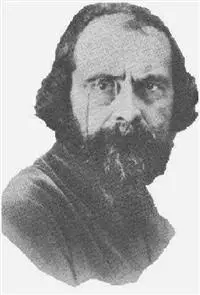
José Albano
1882-04-12 – 1923-07-11
José Albano was a Portuguese poet whose work is part of the Modernist movement, exploring themes such as the human condition, the ephemerality of time, and the search for meaning. His writing is characterized by careful language and profound reflection on existence.
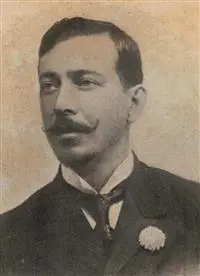
Osório Duque-Estrada
1870-04-19 – 1927-02-05
Brazilian poet and journalist, Osório Duque-Estrada is known for his lyrical and satirical work, marked by a classical style and a strong critical vein. His poetry frequently addresses themes such as love, homeland, and the vicissitudes of life, with a sometimes melancholic and reflective tone. A contemporary of important Brazilian literary movements, Duque-Estrada actively participated in the cultural scene of his time, using his writing to comment on society and politics. His elaborate language and formal rigor are distinctive characteristics of his poetic legacy.
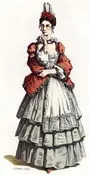
Colombina
1882-05-26 – 1963-03-14
Colombina was a singular figure in the Brazilian literary scene, acting as a poet, writer, and performer. Her work is characterized by experimentation, transgression of social and aesthetic norms, and by a strong charge of subjectivity and social criticism. Associated with avant-garde movements, Colombina sought to break with conventions, exploring new forms of expression that included performance and artistic intervention. Her poetry is a reflection of her search for authenticity and her challenge to the status quo.
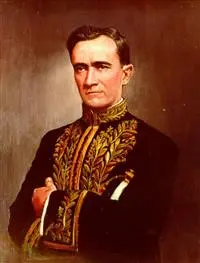
Amadeu Amaral
1875-11-06 – 1929-10-24
Amadeu Amaral was a Portuguese poet, playwright, and literary critic, a prominent figure of the Orpheu group and the modernist movement in Portugal. His poetic work is marked by formal innovation, the exploration of urban themes, and the search for a freer and more expressive language. As a critic and theorist, Amaral played a crucial role in defining and disseminating modernist aesthetics, advocating for the renewal of Portuguese literature in the face of previous traditions.
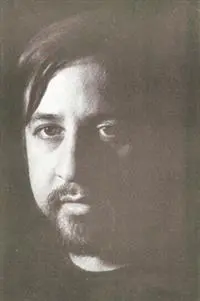
Walmir Ayala
1933-01-04 – 1991-08-28
Walmir Ayala was a Brazilian poet, short story writer, novelist, essayist, and literary critic. His work is marked by the exploration of existential themes, irony, and concise and precise language. He developed a multifaceted career, also acting as an editor and translator, and left a significant legacy in contemporary Brazilian literature.
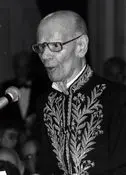
Abgar Renault
1901-04-15 – 1995-12-31
Abgar Renault was a Brazilian jurist, university professor, and writer, whose literary work stands out for its lyricism and reflection on existential and social themes. His poetry, often marked by deep sensitivity and a critical view of the human condition, established him as a relevant figure in Brazilian literature, although his work in the legal and academic fields was also of great importance.
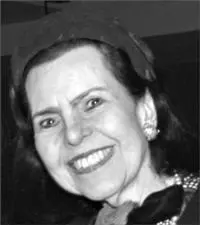
Stella Leonardos
1923-08-01 – 2019-06-11
Stella Leonardos was a Brazilian poet whose work is distinguished by its lyrical intensity, exploration of universal themes such as love, death, and nature, and by a rich and imagistic language. Her poetry reflects a deep sensitivity and a constant search for meaning, marked by diverse influences that shaped a unique and poignant style.
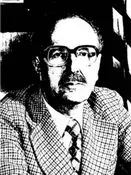
Péricles Eugênio da Silva Ramos
1919-10-24 – 1992-05-14
Péricles Eugênio da Silva Ramos was a Brazilian poet, essayist, literary critic, and translator, a prominent figure of the Generation of 45. His poetic work is marked by a reflective and social tone, exploring themes such as national identity, Brazilian history, and the human condition. His writing is known for its erudition, formal rigor, and a restrained yet profound lyricism. In addition to his vast poetic production, Silva Ramos dedicated himself to literary criticism and translation, contributing significantly to the dissemination of Portuguese-language literature and the study of classical and modern authors. His cultural involvement was diverse and influential.
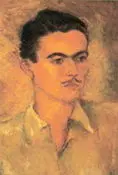
Paulo Bomfim
1926-09-30 – 2019-07-07
Paulo Bomfim was a Brazilian poet known for his introspective and reflective lyricism. His work often explores themes such as the passage of time, memory, and the human condition, with careful language and musical rhythm. Throughout his career, he established himself as an important voice in contemporary Brazilian poetry, recognized for the depth of his verses and the sensitivity with which he addresses the complexities of life. His poetic style is marked by concision, the use of suggestive imagery, and intrinsic musicality, inviting contemplation. Bomfim dedicated himself to poetry with a passion that shines through in every verse, leaving a legacy of works that continue to resonate with readers and critics for their relevance and beauty.
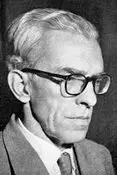
Tasso da Silveira
1895-03-11 – 1968-12-03
Tasso da Silveira was a Brazilian poet, essayist, literary critic, and professor, a prominent figure in Portuguese-language literature. His poetic work is marked by a deep reflection on existence, spirituality, and the human condition, often imbued with a mystical and transcendental tone. As an essayist and critic, he dedicated himself to exploring the intersections between literature, philosophy, and religion. Recognized for his erudition and the originality of his thought, Tasso da Silveira left a significant intellectual legacy, influencing generations of readers and scholars through his ability to link artistic expression to profound existential questions.