

Authors List
Browse our collection of authors
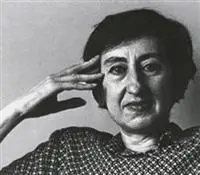
Luiza Neto Jorge

1939-05-10 – 1989-02-23
Luiza Neto Jorge was a Portuguese poet, essayist, and translator. Her poetic work is marked by a deep reflection on the human condition, time, memory, and transcendence, with a refined language and an at times melancholic tone.
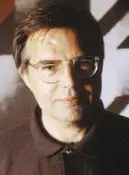
João Miguel Fernandes Jorge
1943
João Miguel Fernandes Jorge is a Portuguese poet, literary critic, and essayist whose work is distinguished by intellectual depth, reflection on the human condition, and rigorous attention to language. His poetry, often marked by a philosophical and existential tone, explores themes such as memory, time, art, and the individual's relationship with the world. As a critic and essayist, he plays a relevant role in the analysis and dissemination of contemporary Portuguese literature, particularly poetry. His vast literary and academic output solidifies him as an essential figure in the Portuguese cultural landscape.
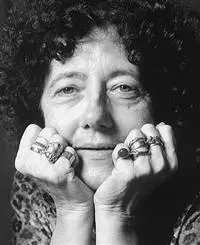
Maria Teresa Horta
1937-05-20 – 2025-02-04
Maria Teresa Horta is a Portuguese writer, poet, and journalist, a prominent figure in contemporary literature. Her work, marked by the exploration of the female condition, sexuality, freedom, and identity, is distinguished by its boldness, transgressive language, and profound reflection on the body and desire. Recognized for her interventionist and feminist writing, Maria Teresa Horta has consistently challenged social and literary conventions, promoting a discourse of emancipation and affirmation of the female voice in society and art. She is one of the most unique and influential voices in Portuguese literature of recent decades.
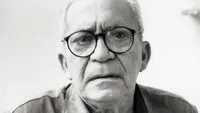
Lêdo Ivo

1924-02-18 – 2012-12-23
Lêdo Ivo is a Brazilian poet, novelist, short-story writer, and essayist, a prominent figure in contemporary literature. His work, marked by a profound lyrical sensibility and a reflection on the human condition, explores themes such as memory, time, identity, and the northeastern landscape. With an elegant style and precise language, Ivo has built a consistent and influential body of work, establishing himself as one of the great names in Brazilian poetry.
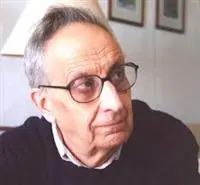
Fernando Guimarães
1928-02-03 – 2025-07-11
Fernando Guimarães is a contemporary Portuguese poet, recognized for his profound exploration of the human condition, memory, and the passage of time. His poetic work, marked by careful language and unique sensitivity, reflects on the fragility of existence and the search for meaning in a constantly changing world. With a consolidated career, the poet has been building a body of work that affirms him as a relevant voice in modern Portuguese poetry.
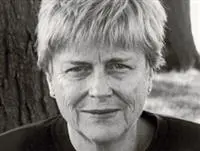
Ana Hatherly
1929-05-08 – 2015-08-05
Ana Hatherly is a central figure in Portuguese experimental poetry, known for her innovative approach that crosses literature, visual arts, and performance. Her work explores the relationship between word and image, the materiality of text, and language as a construction of meaning, with a strong conceptual character.
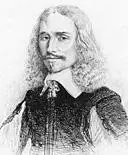
João Garcia de Guilhade
1250 – 1270
João Garcia de Guilhade was a Portuguese medieval troubadour, active in the second half of the 13th century and early 14th century. He stood out in Galician-Portuguese lyric poetry, mainly in cantigas de amigo and de amor. His work reflects the customs, feelings, and worldview of the nobility of the time, with a style that blends the Provençal lyrical tradition with the expression of an Iberian sensibility.
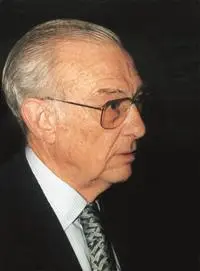
Fernando Guedes
1929-07-01 – 2016-08-28
Fernando Guedes is a Portuguese poet and writer, known for his work that oscillates between lyricism and reflection on the human condition. His poetry is marked by careful language and the exploration of themes such as time, memory, identity, and human relationships. Through introspective and often melancholic writing, Guedes invites the reader to delve into the complexities of existence and find beauty in the transience of life. His work, though sometimes understated in the mainstream literary scene, possesses a unique strength and an audience appreciative of his sensitivity and depth.
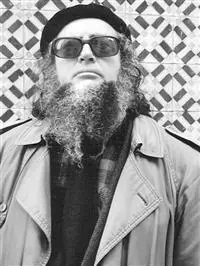
Fernando Grade
1943-01-01 – 2024-01-01
Fernando Grade is a name associated with contemporary Portuguese poetry, with a body of work that stands out for its lyrical intensity and exploration of universal themes such as love, loss, nature, and the search for meaning. His writing is often marked by evocative language and a particular musicality, inviting the reader into a deep immersion in his reflections and sensations. Throughout his career, Grade has been building a body of work that dialogues with poetic tradition, yet affirms itself with a singular and contemporary voice.
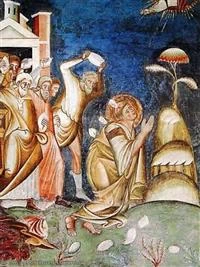
Estêvão da Guarda
1280 – 1364
Estêvão da Guarda was a Portuguese poet, whose work is part of the context of contemporary poetry. His writing is characterized by the exploration of existential themes, deep introspection, and a language that combines lyricism with a certain rawness in approaching emotions and life's realities. With a refined sensitivity to human contradictions and the passage of time, Estêvão da Guarda's poetry invites reflection on the human condition. His work, although it may not have achieved massive projection, represents an authentic and relevant voice in the Portuguese poetic landscape.
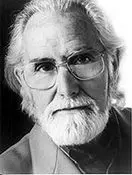
Egito Gonçalves
1920-04-08 – 2001-01-29
Egito Gonçalves was an Angolan poet, short story writer, and essayist, a prominent figure in African Portuguese-language literature. His work, marked by strong social and political engagement, addresses themes such as African identity, colonialism, the struggle for freedom, and the pursuit of a dignified future for his people. With a powerful and evocative poetic language, Egito Gonçalves left a significant legacy in the literature of Angola and other Portuguese-speaking countries.
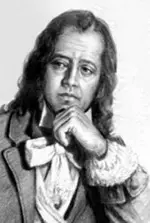
Tomás Antônio Gonzaga
1744-08-11 – 1810
Tomás Antônio Gonzaga was a Portuguese-Brazilian poet and jurist, a prominent figure of Arcadismo in Brazil. His most famous work, "Marília de Dirceu," is a landmark in Brazilian lyric poetry, exploring themes of love, saudade, and pastoral life with great sensitivity. Marked by the experiences of the Inconfidência Mineira, which led to his exile, Gonzaga produced poetry that reflects both the idealization of love and the hardships of life and social criticism, becoming one of the great names of pre-modernist Brazilian literature.
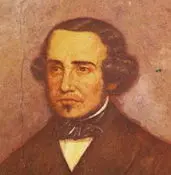
Almeida Garrett
1799-02-04 – 1854-12-09
João Baptista da Silva Leitão de Almeida Garrett was a Portuguese writer, poet, playwright, politician, and journalist, one of the central figures of Romanticism in Portugal. His work spans a wide range of genres, from lyric and epic poetry to theater and the novel, being known for his defense of the Portuguese language, for formal innovation, and for his strong civic and political intervention.
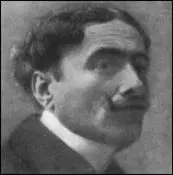
Augusto Gil
1873-07-31 – 1929-11-26
Augusto Gil was a notable Portuguese poet, known for his lyrical and meditative poetry. His work is marked by the exploration of themes such as love, death, time, and saudade (longing), often with a melancholic and reflective tone. His writing is distinguished by its musicality, rich vocabulary, and use of traditional forms, like the sonnet, adapted to a modern sensibility. A poet of a transitional generation, he managed to reconcile Portuguese poetic heritage with the new aesthetic currents of his time, leaving a legacy of verses that continue to resonate for their emotional depth and formal elegance.
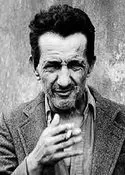
António Gancho
1940-01-01 – 2006-01-02
António Gancho is a poet whose work is distinguished by the exploration of a dense and enigmatic language, often immersed in inner landscapes and existential reflections. His poetry, although sometimes hermetic, reveals a deep attention to the word and its capacity to evoke underlying realities and sensations. The connection to themes such as memory, time, and human fragility is recurrent, lending his writing a meditative and disturbing quality. His figure is central to the panorama of contemporary Portuguese poetry, recognized for the originality and strength of his expression.
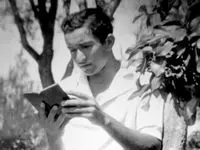
Sebastião da Gama
1924-04-10 – 1952-02-07
Sebastião da Gama was a Portuguese poet, essayist, and professor, known for his deep connection to nature, especially the landscape of Serra da Arrábida, and for his work that celebrates life, beauty, and transcendence. His poetry, marked by a simple lyricism and accessible language, yet rich in meaning, reflects an immanent spirituality and profound gratitude for existence. Despite a life dedicated to teaching and literary creation, his work, which developed far from prominent literary circles, has earned a distinguished place in contemporary Portuguese literature for its authenticity and its ability to evoke the sacred in the everyday.
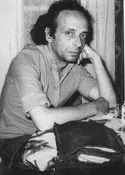
António José Forte
1931-02-06 – 1988-12-15
António José Forte was a Portuguese poet known for his work linked to surrealism and the exploration of the unconscious. His poetry often explores themes such as desire, the body, fragmented identity, and social criticism, using bold and imagistic language. His work is marked by profound originality and a rejection of literary conventions, seeking a freer and more authentic expression of the human experience.
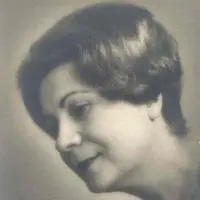
Natércia Freire
1920-01-01 – 2004-12-17
Natércia Freire was a prominent figure in contemporary Portuguese poetry. Her work stands out for its lyrical depth and exploration of universal themes such as love, identity, and the human condition. With careful language and an evocative style, the author built a unique poetic body that dialogues with literary tradition and modernity.
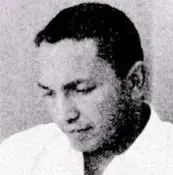
Daniel Filipe

1925-02-01 – 1964-04-06
Daniel Filipe is a Portuguese poet known for his work deeply marked by existential reflection and the exploration of the human condition. His poetry is characterized by careful language and subtle musicality, exploring themes such as time, memory, the ephemerality of life, and the search for meaning. With a body of work that develops discreetly but persistently, Filipe has built a singular poetic universe, where melancholy intertwines with a serene acceptance of reality.
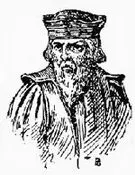
António Ferreira
1528-01-01 – 1569-11-29
António Ferreira was a Portuguese poet and playwright of the Renaissance, considered one of the central figures of Classicism in Portugal. His work, marked by erudition and formal rigor, sought to imitate Greco-Latin models, introducing new poetic forms and themes to the country. He was a pioneer in writing classical tragedies in Portuguese, exploring mythological and historical themes with elevated language and a profound aesthetic sense. His legacy is fundamental to the consolidation of the Portuguese literary canon.
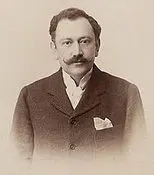
António Feijó
1859-06-01 – 1917-06-20
António Feijó was a notable Portuguese poet, a prominent figure of the 1890 Generation, and one of the founders of the magazine "A Renascença". His poetic work, marked by profound lyricism and a polished style, explores themes such as nature, melancholy, the fleetingness of time, and the pursuit of beauty. He was part of a period of literary renewal in Portugal, contributing a distinct voice and a particular sensitivity to the poetry of his time.
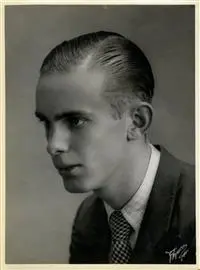
Álvaro Feijó
1916-07-05 – 1941-03-09
Álvaro Feijó was a Portuguese poet whose work is part of the Neorealism context. His poetry is marked by strong social commitment and denunciation of injustices, reflecting the concerns of a time of profound political and social transformations in Portugal. With direct language and an interventionist tone, Feijó sought to give voice to the oppressed and exiled, exploring themes such as freedom, hope, and resistance. His literary production, although sometimes marked by censorship and publication difficulties, left an important testimony of poetic strength in times of adversity, consolidating him as a relevant figure in 20th-century Portuguese social poetry.
Cristóvão Falcão
1512-01-01 – 1557-01-01
Cristóvão Falcão was a Portuguese poet and humanist, whose work is fundamental to the study of Renaissance poetry in Portugal. His writing, marked by classical influence and the pursuit of formal perfection, addresses themes such as love, nature, and the transience of life. His greatest work, "O Labirinto" (The Labyrinth), is a poem of great complexity and erudition, reflecting his profound intellectual formation and his role in the cultural context of his time.
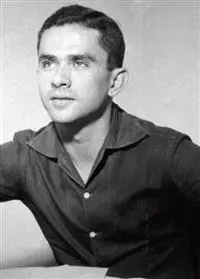
Mário Faustino
1930-10-22 – 1962-11-27
Mário Faustino was a Brazilian poet, critic, and translator, a prominent figure of the Generation of 45. His poetic work, though concise, is marked by formal experimentation, irony, and profound reflection on language and the human condition. As a critic, he stood out for his sharpness and innovative vision, contributing significantly to the renewal of literary criticism in Brazil. His work as a translator was also relevant, introducing important works of foreign literature to the country.