

Authors List
Browse our collection of authors
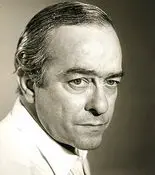
Vinicius de Moraes

1913-10-19 – 1980-07-09
Vinicius de Moraes was a Brazilian poet, playwright, journalist, and composer, considered one of the greatest exponents of lyric poetry in the Portuguese language. His work is marked by deep lyricism, exploring themes such as love, beauty, melancholy, and everyday life, with an accessible and musical language. He is also remembered as one of the fathers of Bossa Nova, having composed several songs that became classics of Brazilian popular music.
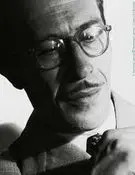
Adolfo Casais Monteiro

1908-07-04 – 1972-07-24
Adolfo Casais Monteiro was a Portuguese poet, essayist, and literary critic. He stood out for his poetry, marked by a deep reflection on the human condition, time, and memory, often expressed in restrained lyricism and great formal rigor. His essayistic work addressed crucial themes of Portuguese literature and culture in general, with remarkable analytical insight. He also served as a university professor and an active figure in the cultural landscape, leaving a significant intellectual legacy.
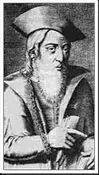
Sá de Miranda
1481-08-28 – 1558-05-17
Francisco de Sá de Miranda was a Portuguese poet and playwright, a prominent figure of the Renaissance in Portugal. He is known for introducing new poetic forms of Italian inspiration, such as the sonnet and the eclogue, which would profoundly influence later Portuguese poetry. His work, marked by a deep humanism and classicism, explored themes such as love, nature, the fleetingness of time, and social criticism, establishing a new aesthetic standard in Portuguese literature and influencing generations of poets.

Pêro Meogo
1200-01-01 – 1261-01-01
Pêro Meogo was a Galician-Portuguese troubadour of the Middle Ages, a prominent figure in Galician-Portuguese lyric poetry. His work, composed in Galician-Portuguese, includes cantigas de amor (love songs) and cantigas de amigo (songs of a maiden to her lover), characterized by their expressiveness, musicality, and deep connection to the landscape and customs of the time. He is recognized for his contribution to the development of Iberian medieval poetry, leaving a legacy of lyrical compositions that continue to be studied and appreciated for their artistic quality and historical value.
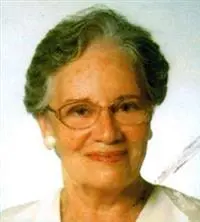
Maria Alberta Menéres
1930-08-25 – 2019-04-15
Maria Alberta Menéres was a multifaceted Portuguese writer, recognized for her extensive work aimed at children and youth, but also for her adult poetry of deep lyricism and existential reflection. Her literary career stood out for its ability to engage with the child's universe, giving it a unique pedagogical and aesthetic dimension, without ever neglecting the complexity of the human condition. She was a prominent figure in contemporary Portuguese literature, leaving a legacy of sensitivity and wisdom.
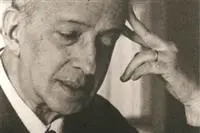
Murillo Mendes
1901-05-13 – 1975-08-14
Murilo Mendes was one of the most original and influential poets in 20th-century Brazilian literature. His work is marked by the fusion of the sacred and the profane, the erudite and the popular, humor and melancholy. He went through various stylistic phases, from early lyricism to avant-garde experimentation. His poetry is an invitation to contemplate the mystery of existence, to celebrate beauty, and to reflect on faith, love, and time, all with an inventive and surprising language.
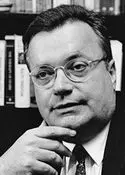
Luís Filipe Castro Mendes
1950-11-21
Luís Filipe Castro Mendes is a poet and essayist whose work is characterized by intelligence, erudition, and a profound reflection on the human condition, art, and society. His poetry, which oscillates between lyricism and essayism, addresses themes such as time, memory, identity, culture, and civic engagement, with careful language and notable formal rigor. With a multifaceted career, which also includes political and diplomatic activity, Castro Mendes builds a coherent and consistent body of work, marked by an attentive gaze on the world and its contradictions. His poetry is an invitation to contemplation and critical thinking, engaging with the literary tradition while proposing an innovative look at contemporary issues, establishing himself as one of the most significant voices in Portuguese literature.
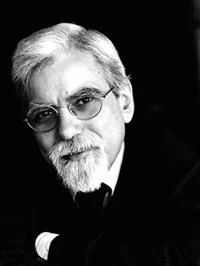
José Manuel Mendes

1948
José Manuel Mendes was a Portuguese poet, essayist, and literary critic whose work was characterized by reflective depth and the exploration of themes such as the human condition, time, and memory. His writing, often marked by an elegiac tone and careful language, reflects an attentive gaze on existence and its complexity. Mendes also stood out for his academic activity and his contribution to the study of literature.
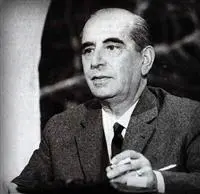
Pedro Homem de Mello
1904-09-06 – 1984-03-05
Pedro Homem de Mello was a Portuguese poet, jurist, and politician, known for his lyrical work marked by tradition and by amorous and patriotic themes. His poetry, frequently associated with the Nova Poesia Portuguesa (New Portuguese Poetry), is distinguished by its musicality, formal rigor, and elegant language. In addition to his literary production, he had a prominent career in law and politics, leaving a multifaceted legacy in the culture and public life of Portugal.
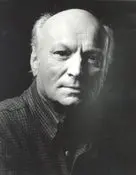
Albano Dias Martins
1930-08-06 – 2018-06-06
Albano Dias Martins was a Portuguese poet whose work falls within a more traditional poetic context, with a focus on exploring themes such as nature, spirituality, and human feelings. His work is marked by careful language and a lyrical sensibility that sets him apart. Throughout his career, Martins left a poetic record that reflects a deep observation of the world and emotions, establishing himself as an authentic voice in Portuguese literature, though perhaps less prominent than some contemporaries. His style is characterized by expressive restraint and the pursuit of formal beauty, where the musicality of verse and the precise choice of vocabulary contribute to the strength of his compositions.
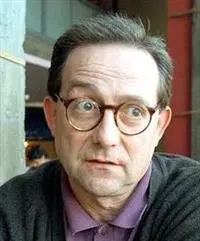
Joaquim Manuel Magalhães
1945
Joaquim Manuel Magalhães was a Portuguese poet, journalist, and politician, a prominent figure of the Romantic movement in Portugal. His poetic work, marked by intense lyricism and themes such as love, homeland, and saudade, had a significant impact on Portuguese literature. Besides poetry, Magalhães dedicated himself to journalism and politics, holding public office and defending liberal ideas.
Nauro Machado
1935-08-02 – 2015-11-28
Nauro Machado was a Brazilian poet, short story writer, novelist, and essayist, known for his work that explores the complexity of human existence with a rich and imagistic language. His writing spanned various forms, but poetry stood out for its philosophical depth and formal experimentation. Machado addressed universal themes such as love, death, time, and loneliness, always with an introspective gaze and a search for meaning in a constantly changing world. His vast literary output left a significant legacy in Brazilian literature, marked by originality and expressive force.
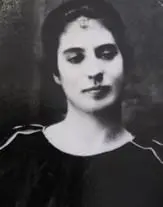
Irene Lisboa
1892-12-25 – 1958-11-25
Irene Lisboa was a Portuguese writer, pedagogue, and translator, notable for her work which is distinguished by its modernity, exploration of language, and approach to existential and social themes. Her writing, often marked by dense and poetic prose, reflects a profound sensitivity and a critical view of society and the human condition. As a pedagogue, she dedicated herself to education, leaving an important legacy in the field of didactics and teacher training.
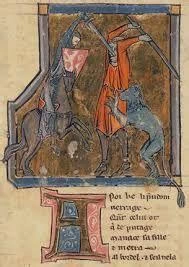
João Lobeira
1233 – 1285
João Lobeira was a Galician-Portuguese troubadour and poet, active in the second half of the 13th century and the early 14th century. He stood out in Galician-Portuguese lyric poetry, particularly in the cantigas de amigo, where he explored themes of love and saudade with great sensitivity. His work is part of the context of medieval troubadour lyricism, being an important representative of this tradition in the Iberian Peninsula. Although less prolific than some contemporaries, Lobeira left a significant legacy in medieval Galician-Portuguese poetry.
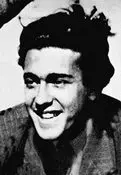
António Maria Lisboa
1928-08-01 – 1953-09-11
António Maria Lisboa was a Portuguese poet, a prominent figure in the surrealist movement in Portugal. His poetic work is characterized by innovative language, exploration of the unconscious, and a strong dreamlike and imagery-laden quality. He was one of the founders of the magazine "Orfeu", a starting point for modernism in Portugal, and was intensely active in the surrealist group.
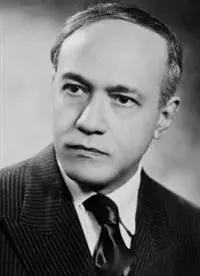
Jorge de Lima
1893-04-23 – 1953-11-15
Jorge de Lima was a Brazilian poet, doctor, and novelist, a central figure of the second generation of Modernism in Brazil. His work is marked by a deep religiosity, by the exploration of language, and by the influence of diverse aesthetic currents, such as Symbolism and Surrealism. He began with regionalist poetry and evolved towards formal experimentation and universal themes, masterfully addressing the sacred, the profane, love, and death.

José Jorge Letria
1951-06-08
José Jorge Letria was a multifaceted Portuguese creator, known for his vast work spanning poetry, prose, and children's literature. His writing is characterized by accessible yet meaningful language, exploring themes such as childhood, memory, social justice, and the very nature of writing. Letria dedicated a large part of his life to promoting reading and culture, being a staunch advocate for universal access to books. His poetry, in particular, reveals a restrained yet profoundly human lyricism, capable of touching the reader with its authenticity and its ability to capture the essence of small things and great feelings.
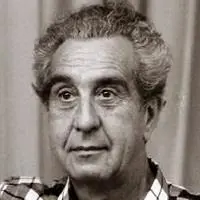
Luís Veiga Leitão
1912-05-27 – 1987-10-09
Luís Veiga Leitão was a Portuguese poet whose work is part of the literary landscape of the 20th century. Characterized by introspective writing and the exploration of existential themes, his poetic journey, although not extensively published during his lifetime, left a legacy of reflection on the human condition. His poetry is marked by careful language and profound aesthetic sensibility.
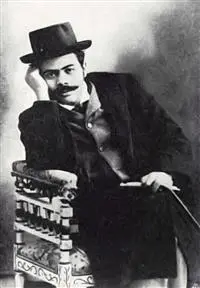
Manuel Laranjeira
1877-09-17 – 1912-02-22
Manuel Laranjeira was a Portuguese physician and writer, a prominent figure of the Portuguese Renaissance. He stood out as one of the first poets to use Portuguese in works of a scientific and philosophical nature, addressing themes such as the human soul, morality, and nature. His work is a testament to the erudition and critical spirit of his time, contributing to the affirmation of the Portuguese language as a vehicle for complex thought.
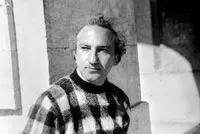
Alberto de Lacerda
1928-09-20 – 2007-08-27
Alberto de Lacerda was an Angolan poet whose work stood out for its profound lyricism and reflection on identity, memory, and the human condition, with strong roots in African and Lusophone reality. His writing, marked by a rich and evocative language, explored themes such as saudade, the search for a place in the world, and social criticism, often using powerful metaphors and imagery. A poet of remarkable sensitivity, Lacerda left a literary legacy that significantly contributes to the understanding of Portuguese-language African poetry, originally addressing the complexities of the post-colonial experience and the universality of human feelings.
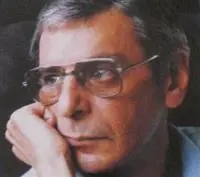
Rui Knopfli

1932-08-10 – 1997-12-25
Rui Knopfli was a Portuguese poet and journalist whose work stands out for its exploration of themes such as identity, memory, and the human condition, often approached with a careful language and a reflective tone. His poetry is marked by strong introspection and subtle musicality, exploring the nuances of everyday life and the complexities of human relationships, which earned him a unique place in contemporary Portuguese-language poetry.
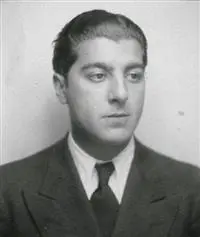
Tomáz Kim
1915-02-02 – 1967-01-24
Tomáz Kim is a poet who stands out for his contemporary approach to lyricism, exploring the complexity of the human condition, memory, and identity. His work is marked by incisive language and an unparalleled ability to move between the personal and the universal, reflecting on the fragilities and quests of the individual in the modern world. Kim's poetry invites introspection and questioning, using stylistic resources that give his compositions a unique depth.
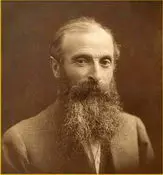
Guerra Junqueiro
1850-09-17 – 1923-07-07
Abílio Manuel Guerra Junqueiro was a Portuguese poet, a prominent figure of the Parnassian and Symbolist movements. Known for his satirical vein and social criticism, his work addresses themes such as religion, politics, and the customs of the time, often with an ironic and biting tone. Despite his critical bent, he also explored amorous lyricism and religiosity with sensitivity.
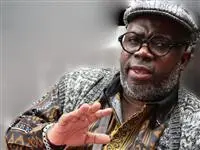
Lopito Feijóo
1963-09-29
Lopito Feijóo is a Galician poet and essayist, known for his multifaceted work that ranges between poetry, prose, and literary criticism. His writing is often marked by a deep reflection on identity, Galician culture, and the human condition, with a vigorous style and a strong commitment to the language and reality of Galicia. With a poetic voice that combines tradition with experimentation, Lopito Feijóo addresses complex themes, using rich and expressive language. His work constitutes an important contribution to contemporary Galician literature, exploring its particularities and universalizing them through a critical and sensitive perspective.