

Authors List
Browse our collection of authors

António Quadros

1923-07-14 – 1993-03-21
António Quadros was a Portuguese poet and essayist known for his introspective work, deeply marked by reflection on time, memory, and the human condition. His poetry explores the ephemerality of existence and the search for meaning in a constantly changing world. In addition to his literary activities, he stood out as a professor and researcher, dedicating himself to the study of Portuguese literature and culture. His writing is characterized by careful language, a melancholic tone, and an unparalleled ability to transfigure the everyday into universal poetic matter.

José Blanc de Portugal
1914-03-08 – 2000-05-13
José Blanc de Portugal was a Portuguese poet, essayist, and literary critic, a prominent figure in contemporary poetry. His work is distinguished by its exploration of themes such as time, memory, the relationship with nature, and the human condition itself, approached with a reflective and, at times, melancholic tone. With a refined style and careful language, Blanc de Portugal managed to combine lyrical tradition with modern sensibility, creating poetry that invites introspection and contemplation. Considered one of the most unique poets of his generation, his literary career was marked by a constant aesthetic search and a deep dialogue with existential questions. His writing, rich in imagery and subtlety, solidified him as an important voice in Portuguese literature.
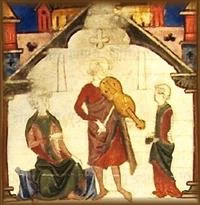
Pero da Ponte
Pero da Ponte was a Portuguese poet whose work is part of the context of Symbolism and Modernism. His poetry is marked by strong musicality, the exploration of themes such as melancholy, the transience of time, and the search for an unattainable ideal. He stood out for his refined language and his ability to create suggestive images that evoke sensations and states of mind. His work, although sometimes associated with a certain pessimism, reveals a deep sensibility and a constant search for beauty.
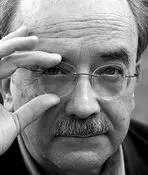
Manuel António Pina
1943-11-18 – 2012-10-19
Manuel António Pina was a Portuguese poet, writer, playwright, and essayist, a prominent figure in contemporary literature. His work, characterized by apparent simplicity, philosophical depth, and a keen eye on the human condition, explores themes such as childhood, memory, language, and transcendence. Recognized for his originality and his ability to reinvent poetic form, Pina left a significant legacy, marked by reflection on existence and the art of writing.
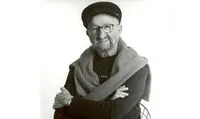
Décio Pignatari

1927-08-20 – 2012-12-02
Décio Pignatari was a Brazilian poet, translator, and essayist, a central figure of concretism. His work is marked by formal experimentation and the search for a concise and visual poetic language, exploring the relationships between word, image, and sound, and addressing contemporary themes with a critical and innovative perspective.

Diego Pezelho
Diego Pezelho was a poet whose work stood out for its lyrical intensity and exploration of universal themes such as love, death, and the ephemerality of time. His poetry is marked by an elaborate language and a profound aesthetic sensibility, reflecting influences from diverse literary currents. His poetic journey, although not extensively documented, left a mark of originality and expressiveness, exploring the complexities of the human condition through a singular vision.

Bulhão Pato
1828-03-03 – 1912-08-24
Joaquim de Araújo Pato Moniz Barreto Castelo Branco, better known as Bulhão Pato, was a Portuguese poet and politician whose work belongs to the Romantic period. His poetry is marked by strong lyricism, with themes that address love, country, nature, and the feeling of saudade (longing), characteristics typical of the era. As a political figure, he actively participated in Portugal's public life. Bulhão Pato left a literary legacy that reflects the sensibilities and concerns of his time, establishing himself as an important representative of Portuguese Romantic poetry.
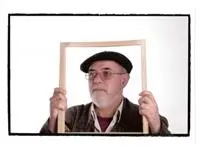
Luís Carlos Patraquim

1953-03-26
Luís Carlos Patraquim was a Mozambican poet whose work is marked by a deep connection to the land, identity, and history of Mozambique. His poetry explores themes such as colonization, decolonization, the search for identity, and man's relationship with nature, with a rich and evocative language.
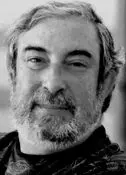
Fernando Assis Pacheco
1937-02-01 – 1995-11-30
Fernando Assis Pacheco was a Portuguese poet, journalist, and literary critic, a prominent figure in contemporary poetry. His work, characterized by irony, melancholy, and deep reflection on time and the human condition, reveals a constant dialogue with literary tradition and an unmistakable originality. As a journalist and critic, he played an important role in promoting and debating Portuguese literature. His poetry is an invitation to introspection, exploring the complexities of feeling and thinking.
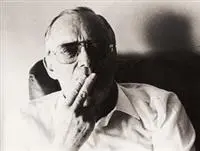
António Osório
1933-08-01 – 2021-11-18
António Osório was a Portuguese poet who deeply explored the dimensions of faith, love, and human existence in his work. His poetry is marked by a lyrical and introspective language, often addressing religious themes with a personal and contemporary approach. His ability to dialogue with spiritual tradition, yet project it onto the anxieties of modern man, stands out. His writing reflects a constant search for meaning and transcendence, revealing a profound humanism and a keen sensitivity to the complexities of inner life and human relationships.
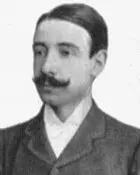
Alberto de Oliveira
1857-04-28 – 1937-01-19
Alberto de Oliveira was a Brazilian poet, considered one of the greatest exponents of Parnassianism in Brazil. His work is marked by formal perfection, metrical rigor, and imagistic plasticity, distinctive characteristics of the movement. With a cultivated language and a rich vocabulary, he explored themes such as nature, idealized love, and classical mythology, always with an objective and descriptive approach. His poetry, although sometimes considered cold by some critics, is recognized for its musicality and aesthetic beauty.
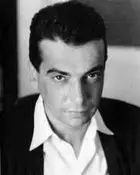
Carlos de Oliveira
1921-08-10 – 1981-07-01
Carlos de Oliveira was a Portuguese poet, novelist, and short story writer, a central figure in 20th-century Portuguese literature. His poetic work, marked by dense language and profound reflection on the human condition, the land, and death, set a new standard in contemporary Portuguese poetry. As a novelist, he explored themes such as loneliness, incommunicability, and the search for identity in a changing society. Recognized for his originality and expressive power, Carlos de Oliveira left a multifaceted literary legacy, which spans lyrical poetry and introspective prose, with an unmistakable mark of stylistic rigor and thematic depth. His work continues to be studied and admired for its complexity and universality.
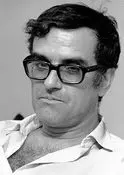
Alexandre O'Neill
1924-12-19 – 1986-08-21
Alexandre O'Neill was a Portuguese poet, a prominent figure of surrealist poetry in Portugal. His work, often irreverent and critical, moves between lyricism and humor, exploring language in an inventive and surprising way. He is known for his ability to subvert the common meaning of words, creating dreamlike and critical images of society. His poetry is an invitation to deconstruct apparent reality, revealing the absurd and the marvelous hidden in everyday life. O'Neill is one of the most original and influential names in 20th-century Portuguese poetry.

Rui Nogar
1932-02-02 – 1993-03-11
Rui Nogar was a Portuguese poet, a prominent figure in 20th-century poetry, known for his intense writing and exploration of themes such as the human condition, existential anguish, and the search for meaning. His work is marked by a strong lyrical charge and a refined language, reflecting a deep questioning of life and the universe. The poet developed a unique style, with poems that evoke powerful imagery and a singular musicality. His poetry, though sometimes somber, is also a hymn to the resilience and persistence of the human spirit in the face of adversity, leaving a significant legacy in Portuguese literature.
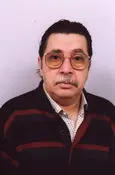
Orlando Neves
1935-09-11 – 2005-01-24
Orlando Neves was a Portuguese poet, whose work is distinguished by its lyrical depth and exploration of universal themes such as love, death, and time. His poetry, often marked by careful language and strong musicality, reflects a refined sensibility to the complexities of human existence. Throughout his career, Neves explored various poetic forms, demonstrating a remarkable mastery of the art of verse. His contribution to Portuguese poetry lies in his ability to evoke intense emotions and invite reflection on the human condition, leaving a legacy of verses that continue to resonate with readers.
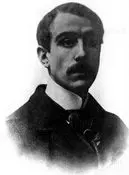
António Nobre
1867-08-16 – 1900-03-18
António Nobre was a Portuguese poet, a prominent figure of Symbolism and Decadentism in Portugal, known for his melancholic, musical poetry full of saudade (a deep emotional state of nostalgic longing). His work, marked by strong subjectivity and an elegiac tone, reflects his deep connection to Portugal and a personal, nostalgic view of the world. His poetic work, although relatively scarce in volume, exerted a significant influence on later Portuguese poetry, consolidating him as one of the most emblematic poets of the late 19th and early 20th centuries.

António de Navarro
1902-11-09 – 1980-05-20
António de Navarro was a Portuguese poet, whose works belong to the Modernism period, but with a singular voice and a style that frequently deviated from the dominant currents. His poetry is marked by deep introspection and an exploration of the human condition, with subtle and, at times, melancholic lyricism.
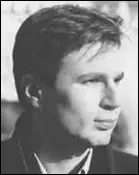
Luís Miguel Nava
1957-09-29 – 1995-05-09
Luís Miguel Nava is a contemporary Portuguese poet, known for his work that explores the depths of the human condition, the ephemerality of time, and the complexity of interpersonal relationships. His poetry is distinguished by its musicality, imagistic density, and a language that combines erudition with apparent simplicity, inviting reflection on existence and memory. With a body of work marked by a strong lyrical and existential charge, Nava has been consolidating his place in recent Portuguese poetry. His writing addresses universal themes such as love, loss, loneliness, and the search for meaning, often through an introspective and melancholic tone, but also with moments of rare beauty and hope.
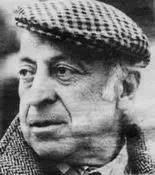
Joaquim Namorado
1914-06-30 – 1986-12-29
Joaquim Namorado was a Portuguese poet, essayist, and professor, whose work is predominantly situated within the Neorealism and social poetry tradition. His writing is marked by a profound sense of civic engagement, the defense of democratic values, and the celebration of the Portuguese homeland and people. With a clear and direct language, yet imbued with lyricism, Namorado sang of the land, the sea, and the people of Portugal, denouncing social injustices and exalting the struggle for freedom. A high school teacher, his life was dedicated to education and poetry, reflecting an ethical and aesthetic commitment to the reality of his time. His vast and diverse work is a testament to his deep connection to Portugal and its history.

João Cabral do Nascimento
1897 – 1978
João Cabral do Nascimento, more commonly known as João Cabral de Melo Neto, was a Brazilian poet of great relevance, considered one of the most important Lusophone literary figures of the 20th century. His poetry is characterized by objectivity, formal rigor, and the exploration of social and existential themes. With a body of work marked by clarity and precision of language, Cabral de Melo Neto frequently addressed the Northeastern landscape, the life of the common man, and the complexity of the human condition. His unmistakable style and critical worldview established him as one of the great names in Brazilian poetry, with a lasting and influential legacy.
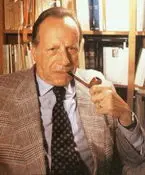
David Mourão-Ferreira
1927-02-24 – 1996-06-16
David Mourão-Ferreira was a prominent Portuguese poet, writer, and literary critic. His poetic work, marked by profound lyrical sensitivity and refined formal rigor, explored themes such as love, time, and the ephemerality of existence, often with a pure language and unparalleled musicality. In addition to his vast literary production, David Mourão-Ferreira was actively involved in criticism and cultural promotion, leaving a significant legacy in the Portuguese literary landscape.
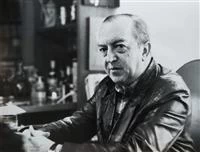
Sidónio Muralha
1920-07-28 – 1982-12-08
Sidónio Muralha was a Portuguese poet and writer, whose work is part of the currents of experimental poetry and interventionist poetry. His writing is marked by the search for new forms of expression, by social criticism, and by the exploration of language as a means of transformation and reflection on reality. His poetry, often challenging and innovative, reflects a keen eye on the contemporary world, its conflicts, and its contradictions. Muralha stood out for his ability to transgress the conventional boundaries of poetry, proposing a language that is simultaneously artistic and politically engaged.
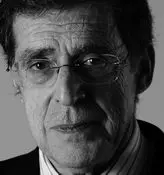
Vasco Graça Moura
1942-01-03 – 2014-04-27
Vasco Graça Moura was a multifaceted figure of Portuguese culture, excelling as a poet, essayist, literary critic, and translator. His poetic work is recognized for its erudition, rigorous formal construction, and exploration of complex themes, frequently interlinking history, mythology, and contemporaneity. With a dense and evocative language, Graça Moura addressed the human condition, memory, identity, and the individual's relationship with time and space. His vast culture and profound intelligence lent his writing a unique dimension, establishing him as one of the great names in Portuguese literature of the second half of the 20th century and early 21st century.
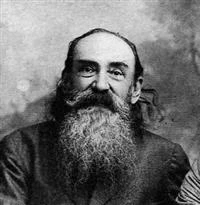
Wenceslau de Morais
1854-05-30 – 1929-07-01
Wenceslau de Morais was a Portuguese writer and poet known for his works that portray the life and culture of the East, especially Japan, where he lived for many years. His writing is marked by a deep admiration for Asian culture, an ethnographic perspective, and a rich and evocative language. He explored themes such as exoticism, Eastern mysticism, intercultural relations, and the search for an alternative spirituality. His work, which bridges fiction, essay, and poetry, is a unique testament to his life experience in the East, offering a unique perspective on the encounter between West and East. Wenceslau de Morais is an unparalleled figure in Portuguese literature, a pioneer in approaching Eastern themes with such depth and passion.