

Authors List
Browse our collection of authors
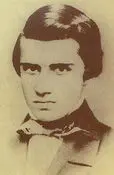
Álvares de Azevedo

1831-09-12 – 1852-04-25
Álvares de Azevedo was a Brazilian poet, a prominent figure of Romanticism and one of the exponents of Ultra-Romanticism in his country. His work, marked by deep pessimism, melancholy, and the exploration of themes such as death, idealized love, and the escape from reality, reflects the anxieties of a youth who felt out of place in their time. Despite his short life, he left a legacy of poetry and prose of great intensity and lyricism, influencing later generations with his dark vision and his exploration of the gothic and the sublime.
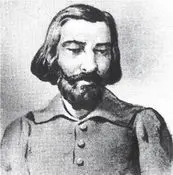
Gil Vicente

1465 – 1536-01-01
Gil Vicente was a Portuguese playwright and poet, considered the father of theater in Portugal and one of the most important figures in the Portuguese-language literature. His work, predominantly satirical and moralizing, portrays the society of his time, with its vices, virtues, and customs, using a style that mixes the popular and the erudite. Through farces, autos, and comedies, Vicente addressed religious, social, and political themes, with a rich and expressive language, which left an indelible legacy in Lusophone culture.
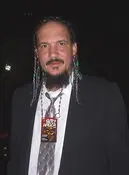
Eduardo White

1963-11-21 – 2014-08-24
Eduardo White is a poet recognized for his work that oscillates between lyricism and reflection on existence. His poetry, often marked by an evocative and imagistic language, explores universal themes such as time, memory, and the search for meaning. His writing demonstrates a deep sensitivity to the complexities of the human condition, addressing them with a singular poetic voice.

Airas Peres Vuitorom
Airas Peres Vuitorom was a poet whose work is situated within the context of Galician poetry, exploring profound and universal themes. His writing is marked by a strong lyrical charge and careful language, reflecting on the human condition, the passage of time, and nature. With a style that evokes literary tradition, Vuitorom managed to imprint a personal and innovative mark, engaging with the sensibilities of his time and leaving a relevant poetic legacy. His work continues to be studied and appreciated for its aesthetic quality and reflective depth.
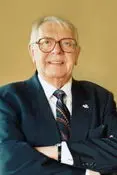
António Manuel Couto Viana
1923-01-24 – 2010-06-08
António Manuel Couto Viana was a Portuguese poet of great relevance, whose work is characterized by deep lyricism and a strong connection to the poetic tradition. His writing frequently explores themes such as nature, faith, saudade, and Portuguese identity, with an elaborate language and striking musicality. Associated with important literary movements, Couto Viana left a poetic legacy that reflects both his individual sensibility and a deep rooting in the culture and history of Portugal.
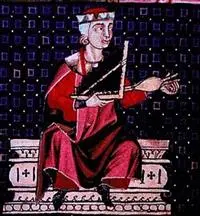
Nuno Fernandes Torneol
1300 – 1300
Nuno Fernandes Torneol was a troubadour from medieval Galicia. His poetic work, in Galician-Portuguese, is part of the Galician-Portuguese lyric tradition, with a particular focus on love songs (cantigas de amor). His verses express the devotion and suffering of the lyrical self before the lady, with an elaborate language and a sense of distance and idealization characteristic of the genre.
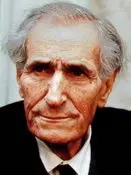
Miguel Torga
1907-08-12 – 1995-01-17
Miguel Torga was a Portuguese poet and writer, known for his multifaceted work that explores the roots of the human being and their relationship with the land. His poetry is marked by a deep connection to nature, popular tradition, and an existentialist view of the world. His writing, often visceral and strongly lyrical, reflects a constant search for identity and truth, in a style that combines the strength of free verse with the solidity of form. Torga addressed themes such as the human condition, the passage of time, the land of Trás-os-Montes, and spirituality, leaving a poetic legacy that continues to resonate for its authenticity and depth.

José Terra
1928-05-24 – 2014-01-17
José Terra was a Portuguese poet, essayist, translator, and professor, whose work stood out for its lyrical depth and exploration of existential and philosophical themes. With a writing style marked by introspection and reflection on the human condition, Terra established himself as a unique voice in contemporary Portuguese poetry. His vast body of work, which includes poetry, essays, and translations, reveals a deep knowledge of literary tradition and a constant search for the authentic expression of subjectivity. His legacy lies in his ability to touch the reader with the beauty and complexity of language, inviting meditation on the meaning of life and the ephemerality of time.
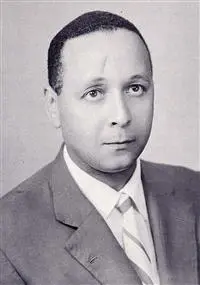
Francisco José Tenreiro

1921-01-20 – 1963-12-31
Francisco José Tenreiro was a Cape Verdean poet, essayist, and physician, a prominent figure in African literature in Portuguese. His poetic work is recognized for its deep connection to his homeland, the island of São Tomé and Príncipe, and for exploring themes such as identity, saudade, and the search for a place in the world. His writing reflects the experience of an intellectual who lived and studied in Portugal but maintained a visceral connection with his African origins.
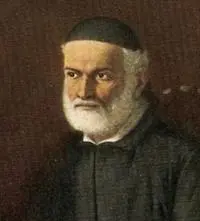
Paio Soares de Taveirós
1200-01-01
Paio Soares de Taveirós was a medieval Galician-Portuguese troubadour, a prominent figure in Galician-Portuguese lyric poetry. His work, set within the context of courtly love poetry, is notable for its expressiveness and exploration of themes such as saudade (longing), idealized love, and loyalty to the lady. His songs reveal a profound lyrical sensibility and a remarkable mastery of the poetic forms of the era, reflecting the customs and mentality of the medieval nobility. Taveirós contributed significantly to the poetic heritage that marked the transition to literature in the Portuguese language.
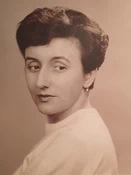
Salette Tavares
1922-03-31 – 1994-05-30
Salette Tavares was a Portuguese poet and essayist, whose work stands out for its originality and formal experimentation, situated within the context of concretism and visual poetry. With an innovative language and a critical eye on society, Tavares explored the potential of written and visual language, challenging the conventional boundaries of poetry. Her literary output, marked by intelligence and irreverence, left an important legacy for contemporary Portuguese-language poetry, being recognized for her contribution to the renewal of poetic language.
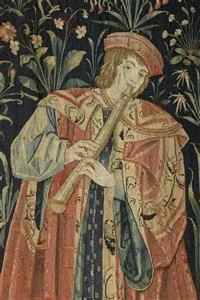
Martim Soares
Martim Soares was a Galician-Portuguese medieval troubadour, active in the 13th century. His work, part of the Galician-Portuguese lyric tradition, reflects the customs and mentality of the nobility of the time. His songs, although few in number, are representative of the troubadour repertoire, addressing themes such as courtly love and social satire with the characteristic mastery of the poets of his court.
Alberto de Serpa
1906-12-12 – 1992-10-08
Alberto de Serpa was a Portuguese poet whose work is part of the Neorealism context and social poetry. His writing is marked by a deep commitment to the social and political reality of his time, reflecting the struggles and aspirations of the people. With direct language and an interventionist tone, Serpa sought to give voice to the marginalized and denounce injustices. His poetic legacy is that of an engaged artist, whose poetry became an instrument of intervention and hope in building a more just world. His work is a testament to the transformative power of the poetic word.
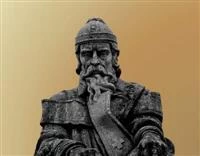
Pedro Amigo de Sevilha

1205 – 1305
Pedro Amigo de Sevilha was a troubadour from the Middle Ages, active in Portugal, known for his lyrical poetry. His work, part of the Galician-Portuguese love song tradition, explores themes of courtly love, amorous vassalage, and saudade. It is characterized by refined language and a profound expression of feelings, reflecting the ideals and conventions of the troubadour poetry of the time.
Airas Nunes
1230 – 1293
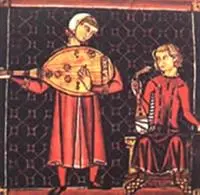
Airas Nunes was a Galician poet of the Middle Ages, known for composing 'cantigas de amigo' in Galician-Portuguese. His work, part of the troubadour lyric tradition, is notable for its expressiveness and its representation of themes such as love, saudade (longing), and nature, often filtered through the female voice. His cantigas are important testaments to the language and culture of the time, revealing a remarkable artistic sensibility for his era.
José Augusto Seabra
1937-01-01 – 2004-05-27
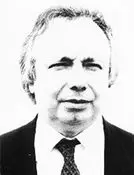
José Augusto Seabra was a renowned poet, essayist, and university professor, whose work was marked by deep reflection on existence, language, and art. His poetry explores the human condition, the passage of time, and the search for meaning, often in a melancholic and introspective tone. He acted as an influential intellectual figure, contributing to cultural and literary debate through his writings and teaching.

António Salvado
1936-02-20 – 2023-03-05
António Salvado is a contemporary Portuguese poet, known for his work which is distinguished by its reflective depth, exploration of the human condition, and careful language. His poetry moves between lyricism and existential meditation, addressing themes such as time, memory, solitude, and transcendence. He has a diverse body of work that includes poetry, literary criticism, and essays.
Affonso Romano de Sant'Anna
1937-03-27 – 2025-03-04
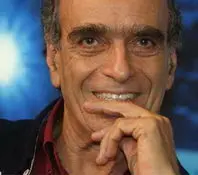
Affonso Romano de Sant'Anna was a Brazilian poet, literary critic, and essayist, known for his poetry that explores language, metalanguage, and the human condition, often with a philosophical and ironic tone. His work addresses themes such as time, memory, the city, and the individual's relationship with the modern world, using dense and imagistic language. Distinguished for his contribution to Brazilian literature and culture, Sant'Anna also stood out as a university professor and commentator in various media, disseminating literary knowledge and critical reflection. His poetry is marked by formal experimentation and thematic depth, consolidating him as one of the most relevant voices in contemporary Portuguese-language poetry.
Mário de Sá-Carneiro
1890-05-19 – 1916-04-26
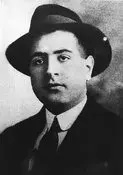
Mário de Sá-Carneiro was a Portuguese poet, novelist, and short-story writer, a prominent figure of the first generation of Portuguese Modernism. His work is marked by profound pessimism, the exploration of fragmented identity, existential anguish, and the search for an authentic "self", often in conflict with reality. His literary production, although limited due to his early death, is recognized for its emotional intensity, originality, and visionary character, anticipating themes and concerns that would become central to 20th-century literature.
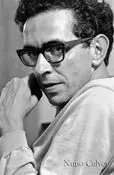
António Ramos Rosa
1924-10-17 – 2013-09-23
António Ramos Rosa was one of the most influential Portuguese poets of the 20th century, known for his dense, reflective poetry deeply connected to the human condition and language. His work is marked by a constant search for authentic expression, exploring themes such as existence, death, time, and poetry itself. His writing evolved over decades, maintaining thematic and stylistic coherence, but always open to new formal and lexical explorations. He is considered a pillar of contemporary Portuguese-language poetry.
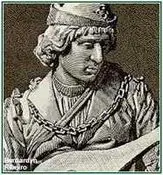
Bernardim Ribeiro
1482-01-01 – 1552-01-01
Bernardim Ribeiro was a Portuguese poet and prose writer of the 16th century, considered a transitional figure between classicism and humanism. His work, marked by melancholic and introspective lyricism, explores themes such as love, saudade, nature, and the transience of life, anticipating sensibilities that would become central to the Renaissance.
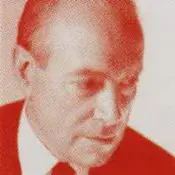
Armindo José Rodrigues
1904 – 1993-08-08
Armindo José Rodrigues was a Portuguese poet whose work largely belongs to the context of Portuguese Neo-realism. His poetry addresses social themes, the lives of the people, the land, and the human condition, with direct language and a strong sense of civic engagement. He is known for his lyrical and engaged work.
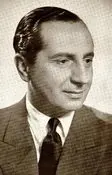
Carlos Queirós
1907-04-05 – 1949-10-27
Carlos Queirós is a Portuguese poet and writer, whose work is characterized by a multifaceted approach to reality, combining lyricism with acute social and existential observation. His poetry often explores the complexities of human relationships, the ephemerality of time, and the search for meaning in a constantly changing world. With a refined language and an attentive eye to the details of everyday life, Queirós manages to build poetic universes that resonate with the reader's experience. His writing is marked by the ability to move between melancholy and hope, the intimate and the collective, establishing himself as a unique voice in contemporary Portuguese-language poetry.
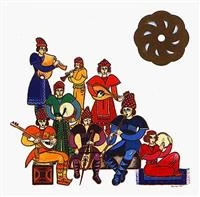
Rui Queimado
1200-01-01
Rui Queimado is a contemporary Portuguese poet. His poetic work is recognized for its originality and exploration of themes ranging from the everyday to existential reflection. With a striking style, the author has been establishing himself on the Portuguese literary scene.