

Authors List
Browse our collection of authors

Gastón Baquero

1914-05-04 – 1997-05-15
Spanish poet and essayist, Gastón Baquero is remembered for his lyrical work that explores the depths of human existence, time, and memory. His poetry is characterized by deep existential reflection, careful language, and a particular musicality. Throughout his career, he went through various stages, evolving from an initial influence to developing his own distinctive style. His intellectual work also encompassed literary criticism and essays, leaving a significant legacy in 20th-century Spanish literature. He is considered a poet of great formal rigor and lyrical sensitivity.

Estanislao del Campo
1834-02-07 – 1880-11-06
Estanislao del Campo was a 19th-century Argentine poet and military man, mainly known for his work "Fausto," a gaucho poem that satirizes the visit of a devil to Buenos Aires and reflects on the society of his time. His writing is characterized by the mixture of criollo and cultured elements, humor, and sharp social observation. Through his verses, del Campo portrayed rural and urban life in Argentina, addressing themes such as politics, customs, and national identity with an agile and often ironic style. His figure is relevant for understanding gaucho poetry and Argentine literature of his era.

Washington Delgado
1869-10-26 – 1957-08-04
Washington Delgado was a prominent Peruvian poet whose work is characterized by a deep reflection on the human condition, love, death, and transcendence. His poetry, often marked by an introspective tone and great musicality, explored both the intimacy of the self and the vastness of the universe. With a solid intellectual training and a keen sensitivity, Delgado became an important voice in Latin American poetry of his time. His legacy endures through a work that continues to move with its sincerity, its formal beauty, and its ability to question the great questions of existence.

Francisco Gavidia
1863-12-29 – 1955-09-24
Salvadoran poet, novelist, and essayist, Francisco Gavidia is a central figure in the literature of his country. His work is characterized by a deep lyrical sensibility and a constant exploration of national identity and the human condition. He addressed universal themes such as love, death, and time, often imbued with a marked patriotism and a profound spiritual sense. His style, while rooted in tradition, showed an openness to the innovations of his time, always seeking formal perfection and expressiveness.

Josep Carner
Josep Carner i Puig-sadurnas was a Spanish poet, journalist, and diplomat, considered one of the most important figures of the Catalan Renaixença and one of the greatest exponents of Catalan Modernism. His poetic work is characterized by musicality, formal perfection, lexical richness, and thematic depth, ranging from amorous lyricism and contemplation of nature to reflection on identity and exile. His extensive career also included important work as a journalist and diplomat.

Manolo Cuadra
1907-08-09 – 1957-11-14
Manolo Cuadra was a distinguished Uruguayan poet and literary critic, recognized for his deep connection with the literary tradition of his country and for his work in cultural dissemination. His poetic work, although not extensive, is characterized by an intimate and reflective lyricism, exploring themes such as nature, the passage of time, and the search for identity. In addition to his role as a poet, Cuadra played a crucial role as a literary critic and editor, contributing significantly to the study and promotion of Uruguayan literature. His legacy lies both in his verses and in his tireless work of rescuing and analyzing the work of other authors, establishing himself as a fundamental figure in Uruguay's literary landscape.

Herib Campos Cervera
1905-03-30 – 1953-08-28
Herib Campos Cervera was a Paraguayan poet whose work is characterized by a deep reflection on the social and political reality of his country. His poetry, marked by commitment and denunciation, addresses themes such as oppression, injustice, and the search for freedom. He is considered one of the most important voices in contemporary Paraguayan poetry.

Corpus Barga
1887-06-09 – 1975-08-08
Spanish writer, Corpus Barga is primarily recognized for his novel "Laquinolinia", a masterpiece of post-war literature that addresses the human condition in a context of alienation and dehumanization. His prose is characterized by great expressive force, raw and direct language, and profound social criticism. Throughout his career, he also explored short stories and essays, always maintaining an incisive perspective on reality. His figure is fundamental to understanding the literature of his time, marked by the experience of the civil war and its aftermath.

Juan Calzadilla
1930-05-16 – 2025-06-15
Juan Calzadilla is a distinguished Venezuelan poet, essayist, and art critic. His poetic work is characterized by a deep reflection on the social and political reality of his country, as well as by a constant exploration of language and poetic form. He has been an influential figure in contemporary Venezuelan literature, not only for his literary production but also for his work as a cultural manager and art critic.

Eusebio Erkiaga
1912-09-04 – 1993-05-31
Eusebio Erkiaga was a distinguished Basque poet and bertsolari, whose work is framed within the defense and promotion of Basque culture and language. His poetry, written in Basque, is characterized by a deep rootedness in the land, tradition, and values of the Basque people. Erkiaga explored themes such as Basque identity, nature, religiosity, and the daily life of his community, using rich and evocative language. As a bertsolari, he demonstrated great skill in improvisation and oral poetic expression, becoming a relevant figure in the Basque cultural scene. His legacy endures as a testament to his commitment to the language and culture of his land.

Angela Figuera Aymerich
1902-10-30 – 1984-04-02
Ángela Figuera Aymerich was a Spanish poet whose work is characterized by profound social sensibility and a vital commitment to human values. Her poetry, often marked by the experience of the Spanish Civil War and its aftermath, addresses themes such as injustice, solidarity, the female condition, and the pursuit of freedom. With a direct and emotional language, Figuera Aymerich became a powerful and necessary voice in post-war Spanish poetry, defending human dignity and hope amidst adversity.

José María Heredia
1803 – 1839
Cuban poet, known as the 'Singer of the Americas' and the 'Poet of the Liberator'. His work is characterized by its passionate romanticism, its exaltation of freedom and grandiose nature, and his deep admiration for the historical figures who fought for the independence of America. Heredia is a central figure of Neoclassicism and Romanticism in Hispanic American literature.

Roberto Alifano
1943-09-22
Roberto Alifano is an Argentine poet, essayist, and narrator recognized for his prolific literary work and his deep commitment to the social and political reality of his country. His writing is characterized by a powerful and reflective poetic voice, which addresses universal themes such as love, death, memory, and the pursuit of justice. Throughout his career, he has explored various genres, demonstrating a versatility and ability to connect with the reader that have established him as a relevant figure in contemporary Hispanic American literature. His work is a testament to his passion for the word and his unwavering ethical sense.

María Calcaño
1906-12-12 – 1956-01-01
María Calcaño was a prominent Venezuelan poet, whose work is characterized by its lyrical intensity, its exploration of identity and sensuality, and its deep connection to the nature and culture of her homeland. Throughout her prolific career, Calcaño addressed themes such as love, eroticism, death, solitude, and the longing for transcendence, using a language rich in imagery and musicality. Recognized as one of the most important voices in 20th-century Venezuelan poetry, her work has been the subject of numerous studies and anthologies. Calcaño left a legacy of vibrant and complex poetry, which continues to resonate with new generations of readers and writers.

Matilde Alba Swann
1912-02-24 – 2000-09-13
Matilde Alba Swann was an Argentine writer and poet recognized for her lyrical work and her commitment to national identity. Her poetry is characterized by a deep connection with nature, the land, and Argentine traditions, expressed through evocative and musical language. Swann explored themes such as love, solitude, melancholy, and the beauty of the Pampas landscape, leaving a legacy of poems that celebrate the essence of Argentine identity and the richness of its natural environment.

Ignacio Manuel Altamirano
1834-11-13 – 1893-02-13
Ignacio Manuel Altamirano was a prominent Mexican writer, journalist, lawyer, and politician, considered a central figure of liberalism and the Reform movement in Mexico. His literary work, deeply rooted in Mexican national identity, was characterized by his effort to rescue the country's traditions, landscape, and history, especially the indigenous world. Through his novels, short stories, and chronicles, Altamirano not only sought to define a national literature but also to promote civic and patriotic values, becoming one of the precursors of literary modernism in Hispanic America.

Luis Herrero de Tejada
1716-02-24 – 1767-02-01
Spanish poet, Luis Herrero de Tejada was distinguished by his lyrical work that often explored introspection and melancholy. His poetry is characterized by its careful form and evocative language, reflecting the concerns of his time. Throughout his career, he contributed to the Spanish literary scene with poems that explored the transience of life and the search for meaning.

Héctor Azar
1930-10-17 – 2000-05-11
Mexican writer, poet, and essayist, Héctor Azar stood out for his profound lyrical work and his sharp literary and social criticism. His poetry is characterized by emotional intensity, constant introspection, and a search for truth through the word. He addressed themes such as solitude, the passage of time, death, and love, with a refined yet powerful style. He was an influential figure in Mexico's cultural landscape, leaving a legacy of intellectual rigor and artistic sensitivity.

Demetrio Korsi
1899-01-13 – 1957-10-30
Demetrio Korsi was a prominent Mexican poet and journalist, whose work is framed within modernism and postmodernism. Known for his deep and melancholic lyricism, he explored themes such as love, solitude, death, and the fleetingness of life. His poetry, characterized by careful and musical language, reflects a particular sensitivity to existence and the passage of time. Korsi is an important figure in Mexican literature of the early 20th century.

Xuan Bello
1965-07-10 – 2025-07-29
Xuan Bello is a prominent Spanish writer and translator, recognized for his work in Galician and Asturian. His literary output encompasses poetry, narrative, and essay, characterized by a deep reflection on identity, memory, and landscape. Bello is also a significant promoter of the literature and culture of Slavic countries, having translated numerous authors from this region.
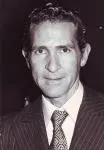
Antonio Gala
1930-10-02 – 2023-05-28
Antonio Gala was a prominent Spanish writer and journalist, known for his prolific work that spans poetry, theater, novels, and essays. His style is characterized by a deep reflection on the human condition, love, death, and freedom, expressed with rich and passionate language. Throughout his career, he established himself as a critical and committed voice, addressing social and existential themes with great intensity and originality, which earned him wide recognition from critics and the public.

Enriqueta Arvelo Larriva
1886-03-22 – 1963-01-01
Enriqueta Arvelo Larriva was a Venezuelan writer and educator known for her poetic work and her commitment to education and women's rights. Her writing is characterized by a deep sensitivity to nature, childhood, and the social realities of her time. Through her verses, she explored themes such as motherhood, identity, and the pursuit of freedom, leaving an important legacy in 20th-century Venezuelan literature. Her pedagogical work was also fundamental, dedicating much of her life to teaching and the promotion of culture.
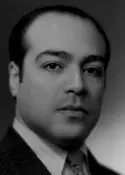
Jorge Carrera Andrade
1903-09-18 – 1978-11-07
Jorge Carrera Andrade was an Ecuadorian poet recognized for his lyrical work of profound universal resonance and his commitment to the reality of his time. His poetry is characterized by a cosmic and telluric vision, where nature, the American landscape, and the great forces of the universe intertwine with reflection on the human condition, love, death, and history. He developed a vigorous yet intimate style, with a language that combines imagistic precision with deep emotion, establishing him as one of the most important poetic voices in 20th-century Hispanic America.

Ramón Cabanillas
1876-06-03 – 1959-11-09
Ramón Cabanillas was a fundamental Galician poet of the 20th century, considered one of the most representative voices of the Rexurdimento and contemporary lyric poetry of Galicia. His work is characterized by a deep connection with the Galician land, its landscape, its history, and its people, often tinged with melancholy and a strong sense of identity. Recognized as the "Poet of Rosalía," Cabanillas captured the essence of Galician culture in his verses, using a rich and evocative language. His poetry is a tribute to the land, the sea, and traditions, and his figure is a pillar in modern Galician literature.