

Authors List
Browse our collection of authors
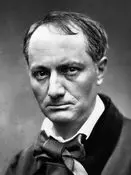
Charles Baudelaire

1821-04-09 – 1867-08-31
Charles Baudelaire was a pioneering French poet, critic, and translator, best known for his collection 'Les Fleurs du mal' (The Flowers of Madness). He is considered a key figure in Symbolism and Modernism, often described as the "father of modern poetry." His work explored themes of urban life, sensuality, and the darker aspects of human experience with unprecedented frankness and aesthetic innovation.
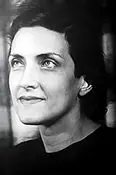
Cecília Meireles

1901-11-07 – 1964-11-09
Cecília Meireles was one of the most important poetesses in the Portuguese language, with a work marked by musicality, lyrical delicacy, and the exploration of themes such as time, ephemerality, childhood, and the search for transcendence. Her poetry, influenced by symbolism and modernism, is characterized by its apparent simplicity, but with deep philosophical and existential complexity. With a vast literary production that includes poetry, short stories, chronicles, and children's literature, Cecília Meireles left an unparalleled poetic legacy, celebrating the beauty of the world and the fragility of existence with a crystalline and imaginative language.
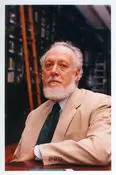
Alberto da Costa e Silva
1931-05-12 – 2023-11-26
Alberto da Costa e Silva was a prominent Brazilian poet, diplomat, and essayist, recognized for his vast work that celebrates African culture and its influence on the formation of Brazil. His poetry is marked by lyricism, musicality, and a deep reflection on themes such as identity, history, ancestry, and beauty. He distinguished himself by his erudition and his ability to make accessible the complexities of African heritage, advocating for the importance of intercultural dialogue and the recognition of diversity.
Ary dos Santos

1936-12-07 – 1984-01-08
Ary dos Santos was a Portuguese poet, known for his intense lyrics, marked by musicality, amorous lyricism, and reflection on themes such as time, saudade, and the human condition. His work, although often associated with protest songs and fado, transcends these genres, revealing a poet of great sensitivity and formal rigor. He is considered one of the most important Portuguese poets of the second half of the 20th century.
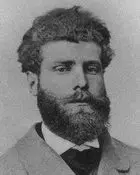
Antero de Quental
1842-04-18 – 1891-09-11
Antero de Quental was one of the most important Portuguese poets and philosophers of the 19th century. His work, marked by a profound existential crisis and an intense metaphysical quest, reflects the anguish of a restless spirit facing the mysteries of life, faith, and reason. A poet of saudosismo and mysticism, his poetry is characterized by the strength of expression, intellectual depth, and melancholy, exploring themes such as death, eternity, solitude, and the search for God. Antero de Quental is a central figure in the transition from Romanticism to Positivism in Portugal, leaving a literary and philosophical legacy of great relevance.
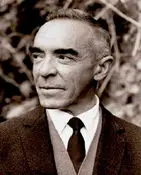
José Régio
1901-09-17 – 1969-12-22
José Régio was an influential Portuguese writer, professor, and essayist, a central figure in the Neorealist movement in Portugal. His work, which spans poetry, short stories, essays, and literary criticism, is notable for the psychological depth of its characters, social analysis, and exploration of themes such as morality, religion, the human condition, and social hypocrisy. With a rigorous style and a critical view of society, José Régio left a significant legacy in 20th-century Portuguese literature.
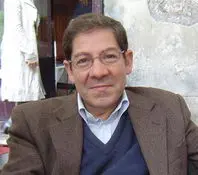
Nuno Júdice
1949-04-29 – 2024-03-17
Nuno Júdice was a prominent Portuguese poet, essayist, novelist, and literary critic. His poetic work is characterized by intelligence, irony, and a constant questioning of language, identity, and reality itself. With a style that moves between the lyrical and the reflective, Júdice addressed universal themes such as time, memory, love, and the human condition, always with a sharp eye on the paradoxes of existence. His vast output, recognized nationally and internationally, establishes him as one of the most important authors of contemporary Portuguese-language literature.
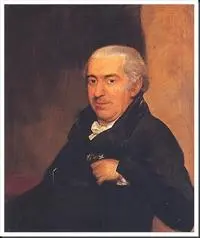
Abade de Jazente
1719-05-06 – 1789-11-20
The Abbot of Jazente was an 18th-century Portuguese poet whose works reflect the context of Arcadianism in Portugal. His poetry, often satirical and critical, addresses social and moral themes, using irony and allegory to comment on the society of his time. His writing stands out for its clarity, its verse fluidity, and its keen observation, contributing to the renewal of Portuguese poetry with a more critical and engaged tone.
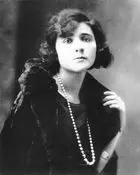
Florbela Espanca
1894-12-08 – 1930-12-08
Florbela Espanca was a Portuguese poet whose work, profoundly marked by passion, pain, and amorous suffering, made her one of the most recognized female voices in Portuguese literature. Her intensely lyrical and confessional poetry explores the anxieties of unrequited love, the ephemerality of happiness, and the overwhelming force of feelings, using a language rich in metaphors and strong expressiveness. Despite a short and tormented life, Florbela left a poetic legacy of rare intensity and beauty, which continues to captivate readers with its brutal honesty and its ability to express the most intimate pains and longings of the human soul.
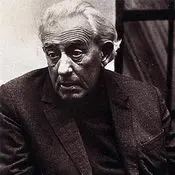
José Gomes Ferreira
1900-07-09 – 1985-02-08
José Gomes Ferreira was a Portuguese poet, novelist, and journalist, known for his social and political intervention poetry, strongly marked by anti-fascism and criticism of injustice. His work is characterized by a vigorous, ironic, and sometimes colloquial language, which seeks to bring poetry closer to the reality of the people and social struggles. A central figure of Portuguese Modernism, especially the second generation, Gomes Ferreira was also a prolific chronicler and an intellectual committed to the ideals of freedom and progress. His poetry, which covers themes such as war, exploitation, hope, and resistance, consolidated him as one of the most combative and popular voices in 20th-century Portuguese literature.
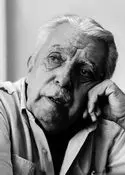
Rubem Braga
1913-01-12 – 1990-12-19
Rubem Braga was one of the most important Brazilian poets of the 20th century, known for his lyrical work and his ability to capture the beauty of everyday life and the intensity of human emotions. His poetry is marked by apparent simplicity, musicality, and a worldview that oscillates between optimism and melancholy. His vast literary production, which also includes chronicles and short stories, reveals a deep love for nature, for Rio de Janeiro, and for the simple joys of life, consolidating him as a master in the art of poeticizing the prosaic and the profound.
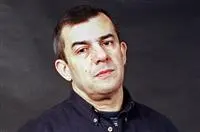
Gastão Cruz
1941-07-20 – 2022-03-20
Gastão Cruz was a Portuguese poet and literary critic, known for his refined and intellectualized poetry. His work explores themes such as memory, time, language, and the ephemerality of existence, with a strong awareness of literary tradition and its reformulation. He was also an important figure in the dissemination and study of literature, with a career marked by erudition and aesthetic sensitivity.
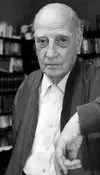
António Gedeão
1906-11-24 – 1997-02-19
António Gedeão was the literary pseudonym of Rómulo de Carvalho, a notable Portuguese poet and essayist. His poetic work is marked by the fusion of science and poetry, exploring themes such as the universe, time, matter, and human knowledge with an accessible yet profound language. Recognized for his ability to translate scientific concepts into poetic imagery, Gedeão left an important legacy in 20th-century Portuguese literature, being one of the greatest names in Portuguese neo-realism and modernism.
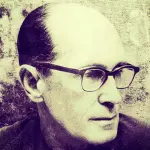
Carlos Drummond de Andrade
1902-10-31 – 1987-08-17
Carlos Drummond de Andrade was one of the most important Brazilian poets, considered one of the greatest names in Portuguese-language literature. His work, marked by irony, reflection on the human condition, lyricism, and social criticism, addressed universal themes such as love, death, time, memory, and the individual's relationship with society. Drummond left a very rich poetic legacy, characterized by his accessible yet profound language and his ability to capture the essence of everyday life.
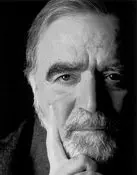
Manuel Alegre
1936-05-12
Manuel Alegre is a prominent figure in contemporary Portuguese literature, known for his engaged, lyrical, and deeply human poetry. His work is marked by a strong connection to Portugal's recent history, particularly the period of dictatorship and the struggle for freedom. With a style that combines the power of the word with the subtlety of feeling, Alegre explores themes such as identity, memory, justice, and hope. His poetry, with great popular reach and critical recognition, is a testament to his journey through political life and his experience of the ideals of democracy and civic engagement.
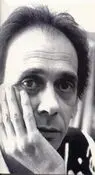
Al Berto
1948-01-11 – 1997-06-13
Al Berto was a Portuguese poet whose work stands out for its exploration of sensuality, the body, death, and identity, in a dense and imagistic lyricism. His poetry, marked by rigorous language and a constant search for the exact word, reflects a deep existential restlessness and a profound connection with the Mediterranean. Al Berto is considered one of the most unique and important voices in contemporary Portuguese poetry.
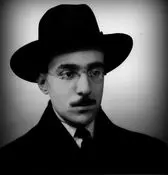
Fernando Pessoa
1888-06-13 – 1935-11-30
Fernando Pessoa was a Portuguese poet, writer, literary critic, translator, and philosopher, considered one of the greatest exponents of Portuguese-language literature and one of the most relevant poets of the 20th century. His vast work, marked by the creation of multiple heteronyms with distinct personalities and styles, explores themes such as identity, existential anguish, saudade, and the search for meaning in a constantly changing world. Pessoa left a complex and multifaceted literary legacy, which continues to fascinate and challenge readers and critics.
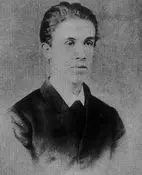
Cesário Verde
1855-02-25 – 1886-07-19
Cesário Verde was a Portuguese poet, considered one of the precursors of modern poetry in Portugal. His work, marked by a detailed observation of reality and the exploration of daily life, especially in Lisbon, is distinguished by its innovative language and sensitivity in capturing sensations. Despite a relatively small literary output published posthumously, his impact on subsequent Portuguese poetry was profound, paving the way for modernism.

Miguel León Portilla


Stuart Henson


Juana García Noreña


James Conor Patterson

Christoph Marthaler


Sophie Hunger