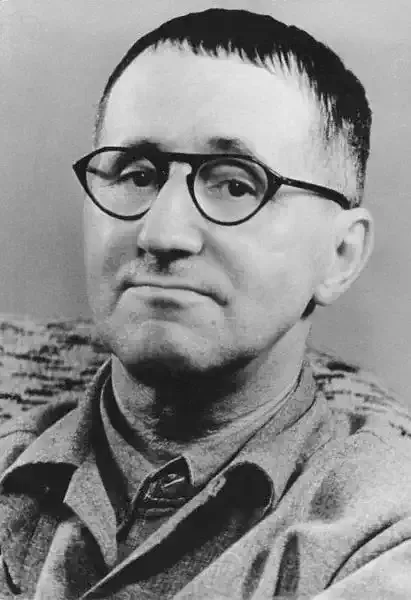
Jean-Paul Sartre
Author of the day

Jean-Paul Sartre

Jean-Paul Sartre was a French philosopher, writer, playwright, and literary critic, a central figure of atheistic existentialism. His vast and multifaceted work explores human freedom, individual responsibility, bad faith, and social commitment. Sartre rejected the Nobel Prize in Literature, advocating for a stance of refusal of bourgeois institutions. His thought profoundly influenced 20th-century philosophy, literature, and political debate, marking a generation with his emphasis on autonomy a…

Poem of the day

Do Not Go Gentle Into That Good Night

Dylan Thomas
Do not go gentle into that good night, 
Old age should burn and rave at close of day; 
Rage, rage against the dying of the light. 

Though wise men at their end know dark is right, 
Because their words had forked no lightning they 
Do not go gentle into that good night. 

Good men, the last wave by, crying how bright 
Their frail deeds might have danced in a green bay, 
Rage, rage against the dying of the light. 

Wild men who caught and sang the sun in flight, 
And learn, too late, they grieved it on its way, 
Do not go gentle into that good night. 

Grave men, near death, who see with blinding sight 
Blind eyes could blaze like meteors and be gay, 
Rage, rage against the dying of the light. 

And you, my father, there on that sad height, 
Curse, bless, me now with your fierce tears, I pray. 
Do not go gentle into that good night. 
Rage, rage against the dying of the light.
Read full poem

Born on this day

12
Marcial

Martial was a Hispano-Roman poet known for his satirical and irreverent epigrams, which offered a vivid and often comical glimpse into daily life in Imperial Rome. His work is celebrated for its keen observation, biting irony, and masterful use of language, addressing themes such as love, marriage, social hypocrisy, and the pursuit of wealth. His concise and impactful epigrams continue to entertain and provoke reflection, serving as an invaluable source for the study of Roman society and human nature.

Carlos Augusto Corrêa

Carlos Augusto Corrêa was a Brazilian poet whose work is recognized for its originality and exploration of themes such as identity, memory, and the passage of time. With careful language and particular sensitivity, Corrêa created poetry that dialogues with the anxieties of modern human beings, using aesthetic resources that lend depth and resonance to his verses. His literary contribution stands out for the ability to transform everyday experience into poetic reflection.

Adriano Espínola

Adriano Espínola is a contemporary poet whose work stands out for its deep exploration of language and its reflection on the human condition in a complex urban and social context. His poetry, marked by a strong lyrical component and, at times, a critical view of reality, addresses themes such as identity, memory, the city, and interpersonal relationships. With a style that transitions between formal experimentalism and confessional expressiveness, Espínola has been consolidating a literary career that positions him as a relevant voice in current Portuguese poetry, exploring the nuances of existence in the 21st century.

Celso Pinheiro

Celso Pinheiro was a poet whose work stands out for its lyrical depth and exploration of universal themes. His writing is marked by careful language and an attentive look at the human condition, its anxieties, and hopes. Throughout his career, he explored various facets of poetry, from love and nature to existential and social reflection, consolidating himself as a relevant voice in contemporary literature.

Louis Kaufman Anspacher

Louis Kaufman Anspacher was an American writer, playwright, and journalist, known for his plays and his contribution to literary journalism. His theatrical work explored themes of modern life, human relationships, and social issues, with a style that combined realism and expressionist elements. Anspacher was also a literary critic and a keen observer of the society of his time.

Alberto Osório de Castro

Alberto Osório de Castro was a Portuguese poet and doctor, known for his lyrical work and his deep connection to the neorealist movement. His poetry explored themes such as daily life, social inequalities, and the human condition, marked by a tone of denunciation and hope.

Frei Gaspar Pires Rebelo

Frei Gaspar Pires Rebelo was a Portuguese friar and writer, mainly known for his work "Armas de Cavaleiro". His writing reflects the religious and cultural context of the time in which he lived, addressing themes of faith, morality, and spirituality.

Severiano Falcão

Severiano Falcão is a poet who stands out for his lyrical and introspective writing, exploring the complexity of human emotions and the individual's relationship with the world. His work, although not widely publicized, reveals a singular talent for poetic expression, with a style that favors depth and sensitivity. His poetry invites reflection on themes such as identity, the passage of time, and the search for meaning, using a careful and imagistic language that resonates with the lyrical tradition, but with a personal and contemporary touch.

Ricardo Gil Soeiro

Ricardo Gil Soeiro is a poet and essayist whose work is characterized by a profound investigation of language, memory, and the intersection between art and life. With a writing style that moves between conceptual rigor and lyrical sensitivity, he explores the potential of words to unveil the complexities of existence. His poetry is an invitation to reflect on time, identity, and the act of creation. Through precise and often innovative language, Gil Soeiro constructs poetic universes that challenge the reader to scrutinize their own experiences and perceptions, leaving a legacy of works that enrich the contemporary literary landscape.

Died on this day

11
Camilo Pessanha

Camilo Pessanha was a poet and Portuguese teacher, noted for his poetic work that marked the transition from Symbolism to Modernism in Portugal. His poetry, characterized by melancholy, exoticism, and unparalleled musicality, explores themes such as the ephemerality of time, saudade, love, and death, often through vivid and sensory images. Although his poetic output in volume is reduced, his influence on the Portuguese literary landscape is profound, being considered one of the most important poets in the Portuguese language.

Ruy Câmara

Ruy Câmara was a Brazilian poet whose work stands out for its expressive force and exploration of social and existential themes. His poetry, often tinged with a confessional and interventionist tone, reflects on the human condition, social injustices, and the search for a deeper meaning in life. With direct language and powerful imagery, Ruy Câmara established himself as a relevant voice in contemporary poetry, leaving a legacy of verses that provoke reflection and engagement.

Ernesto Cardenal

Ernesto Cardenal was a Nicaraguan poet, priest, theologian, and politician, a prominent figure of Liberation Theology and one of the most important poets in Latin America. His poetic work is marked by deep spirituality, social and political engagement, and accessible language that dialogues with popular culture. Cardenal dedicated his life to the struggle for social justice and artistic expression, being a fervent defender of human rights and the sovereignty of his people. His poetry is a reflection of his faith, his political convictions, and his love for Nicaragua.

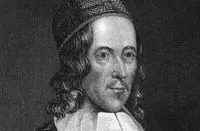
George Herbert

George Herbert was a Welsh-born metaphysical poet, priest, and rhetorician. His poetry, characterized by its intricate structure, devotional intensity, and witty exploration of faith, is highly regarded within English literature. Herbert's work often reflects his personal spiritual journey and his role as a clergyman, offering profound insights into the relationship between the divine and the human.

A Dialogue
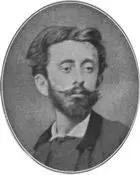
Tristan Corbière

Tristan Corbière was a French poet, born in 1845 and died in 1875. He is known for his work "Les Amours Jaunes", published posthumously. His poetry is characterized by an innovative and often dark style, exploring themes such as loneliness, death, and the human condition.

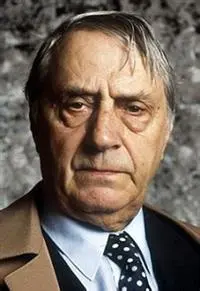
Vergílio Ferreira

Vergílio António Ferreira was a highly influential Portuguese writer, poet, novelist, playwright, essayist, and literary critic. He is regarded as one of the most significant figures in 20th-century Portuguese literature, known for his intellectual depth and exploration of existential themes. His work often grapples with questions of identity, freedom, and the human condition.

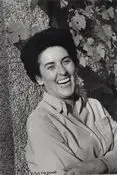
Charlotte Delbo

Charlotte Delbo was a writer, resistant, and survivor of Nazi concentration camps, whose work is marked by the experience of deportation and reflection on memory, human dignity, and resistance. Her poetry and prose explore the depths of the human experience under extreme conditions, addressing themes such as loss, identity, and the need for testimony. Delbo dedicated herself to giving voice to the victims and understanding the nature of evil, but also the strength of the human spirit.

Eliseo Diego

Eliseo Diego was a prominent Cuban poet and essayist, a key figure of the Generation of '50 and a lyrical voice of profound introspection and maturity. His work is characterized by apparent simplicity and a conversational tone that hides a complex reflection on time, memory, identity, and the human condition. Linked to a literary tradition of great formal rigor, Diego managed to combine classical heritage with modern sensibility, creating poetry of great subtlety and existential resonance.