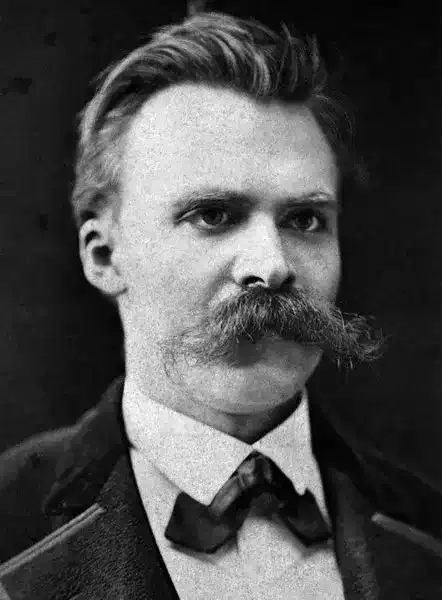
Friedrich Nietzsche
Author of the day

Friedrich Nietzsche

Friedrich Nietzsche was an influential German philosopher, philologist, and cultural critic. His work addresses themes such as morality, religion, truth, art, and the human condition, with a radical critique of traditional Western values. He is known for concepts such as the "death of God", the "superman" (Übermensch), and the "will to power" (Wille zur Macht). His writing is marked by an aphoristic and provocative style, which challenges the reader to rethink their beliefs and values.

Poem of the day

Grass

Carl Sandburg
Pile the bodies high at Austerlitz and Waterloo.
Shovel them under and let me work
-I am the grass; I cover all.

And pile them high at Gettysburg
And pile them high at Ypres and Verdun.
Shovel them under and let me work.
Two years, ten years, and the passengers ask the conductor:

What place is this?
Where are we now?

I am the grass.
Let me work.
Read full poem

Born on this day

12
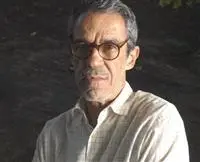
Lêdo Ivo

Lêdo Ivo is a Brazilian poet, novelist, short-story writer, and essayist, a prominent figure in contemporary literature. His work, marked by a profound lyrical sensibility and a reflection on the human condition, explores themes such as memory, time, identity, and the northeastern landscape. With an elegant style and precise language, Ivo has built a consistent and influential body of work, establishing himself as one of the great names in Brazilian poetry.

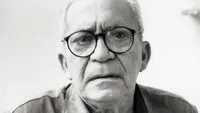
Armando Freitas Filho

Armando Freitas Filho was a Brazilian poet whose work stood out for its formal experimentation and exploration of themes such as memory, time, and the human condition. His poetry is marked by dense language and a profound reflection on language and poetry itself. Throughout his career, he consolidated a unique style that dialogues with tradition while pointing towards the avant-garde. His contribution to Brazilian literature is recognized for its originality and ability to move between lyricism and metalanguage, leaving a legacy of works that continue to challenge readers and critics.

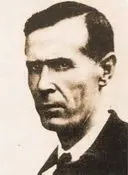
António Aleixo

António Aleixo was a popular Portuguese poet, known for his work that reflects daily life, social difficulties, and popular wisdom. Born in a small Algarve village, his life was marked by hard work and a strong connection to the land, elements that strongly resonate in his verses. Despite limited access to formal education, Aleixo developed a unique poetic voice, characterized by simplicity, authenticity, and profound humanism, earning the appreciation of a wide audience.

Christiano Nunes Fernandes

Christiano Nunes Fernandes is a poet whose work is distinguished by its rich vocabulary and exploration of profound themes of human existence. With a keen sensitivity to the beauty and fragility of the world, his poems weave reflections on time, memory, and the search for transcendent meaning. His writing, marked by an engaging musicality and vivid imagery, invites the reader on an inner journey. Christiano Nunes Fernandes has established himself as an acclaimed voice in contemporary poetry, inspiring through his authenticity and the strength of his artistic expression.

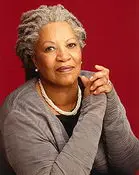
Toni Morrison

Chloe Ardelia Wofford Morrison, known as Toni Morrison, was an American novelist, essayist, editor, and professor. She is known for her novels that explore the African American experience, especially that of women. Morrison won the Nobel Prize in Literature in 1993.

The language must be careful and must appear effor
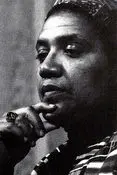
Audre Lorde

Audre Lorde was an American writer, feminist, and activist whose writings address issues of race, gender, class, and sexuality. Her works are marked by a deep analysis of the intersections of oppression and by the advocacy for self-acceptance and collective action. Lorde is recognized for her powerful voice and her ability to articulate lived experiences, inspiring generations of activists and writers.

António Alves Martins

António Alves Martins was a Portuguese poet, known for his lyrical work that explored themes such as nature, saudade, and the ephemerality of life. His writing is marked by careful language and deep sensitivity, reflecting a constant dialogue with the Portuguese poetic tradition, but also introducing a touch of modernity in his approach. His poetry, although sometimes melancholic, is also an invitation to contemplation and appreciation of beauty in everyday life. Alves Martins left an important legacy in Portuguese-language poetry, with a body of work that continues to be studied and appreciated for its aesthetic quality and emotional depth.

António de Sousa

António de Sousa was a Portuguese poet, whose work is part of the Modernism context and is characterized by a deep connection to the land and traditions. His poetry evokes rural landscapes, the simple life of the people, and a strong emotional charge, marked by genuine lyricism and accessible language, yet rich in symbolism. With an authentic voice, António de Sousa celebrated Portuguese identity through the representation of its roots and cultural heritage. His poetic legacy is a testament to his sensitivity and his love for the land that saw him born, contributing to the valorization of regionalist and nationalist poetry.

Rodrigo Emílio

Rodrigo Emílio was a Portuguese poet whose works explore the depths of the human soul and the complexity of relationships. His poetry is characterized by introspection and careful language, reflecting on themes such as love, saudade (longing), and the ephemerality of life. His work, although it may not have achieved the notoriety of other literary figures, is a valuable testament to the lyrical sensitivity of his time.

Fernando Sales Lopes

Fernando Sales Lopes was a Portuguese poet whose work is distinguished by its lyrical depth and the exploration of universal themes such as love, saudade, the ephemerality of life, and the search for a deeper meaning of existence. His poetry is characterized by a careful language, rich in imagery and musicality, capable of evoking sensations and states of mind with great subtlety and intensity. His writing reflects a refined sensitivity to the nuances of the human condition and a constant dialogue with the poetic tradition, while at the same time expressing an authentic and singular voice. Sales Lopes' work is an invitation to introspection and contemplation, leaving a poetic legacy that resonates with its formal beauty and emotional resonance.

Died on this day

11
Américo Gomes

Américo Gomes was a Portuguese poet, professor, and playwright, known for his lyrical work and his contribution to theater.

Manuel Apolinario

Manuel Apolinário was a Portuguese poet whose verses frequently explore the landscape, memory, and the human condition with a refined language and a particular lyrical sensibility. His work reflects a deep connection with Portuguese roots and cultural identity, addressing themes such as time, the passage of life, and the search for meaning. Through introspective and sometimes melancholic poetry, Apolinário manages to capture the essence of human emotions and experiences, leaving a legacy of verses that resonate for their authenticity and beauty.

Lupe Cotrim Garaude

Lupe Cotrim Garaude was a Brazilian writer, known for her participation in the modernist movement and for her poetic work that explored sensitivity and introspection. Her writing is characterized by lyrical language and an exploration of themes such as nature, identity, and human relationships, reflecting the cultural effervescence of Brazil in the early decades of the 20th century. Despite a less extensive literary production than that of other contemporaries, she left a mark on Brazilian poetry with her authentic voice and her ability to express the complexity of the female universe.

Carlos Anísio Melhor

Carlos Anísio Melhor was a Brazilian poet and professor, known for his work that explores melancholy, the passage of time, and the human condition. His poetry is characterized by careful language and a reflective tone, often addressing the individual's relationship with the city and memory.

Fagundes Varela

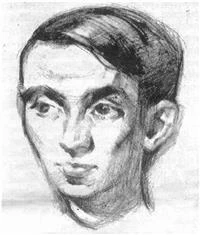
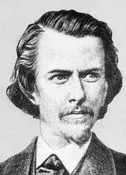
Luís Nicolau Fagundes Varela was a Brazilian poet, a prominent figure of Romanticism in his country. His work is characterized by sensitivity, melancholy, and themes such as love, death, and religiosity, with a strong influence from European Romanticism. He was also an intellectual engaged in social and political debates of his time.

Isabel de Wied

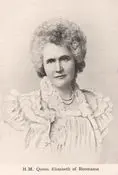
Isabel de Wied was a princess of Wied, and later Queen of Romania. Born at Schloss Monrepos, she married Prince Carol I of Romania, becoming the royal consort in 1866. Isabel played a role in the cultural and social life of Romania, being known for her interest in arts and literature.

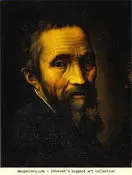
Michelangelo

Michelangelo di Lodovico Buonarroti Simoni, known simply as Michelangelo, was one of the greatest artists of the Italian Renaissance, excelling as a sculptor, painter, architect, and poet. His work is marked by profound expressiveness, technical mastery, and a grandiose vision of the human form, influenced by his interpretation of classicism and his own spirituality. He is the author of iconic works such as the sculpture "David" and the frescoes of the Sistine Chapel, which continue to inspire and impress the world with their genius and intensity. As a poet, Michelangelo explored themes of love, art, religion, and the passage of time, with an introspective and sometimes tormented style. His artistic versatility and the power of his creations have established him as a central figure in the history of Western art, with a legacy that endures to this day.

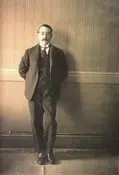
Leopoldo Lugones

Leopoldo Lugones was an Argentine poet, journalist, and diplomat, a central figure of literary modernism in Hispanic America. His work is characterized by a profound renovation of poetic language, metrical experimentation, and vast erudition. He explored themes such as the cosmos, mythology, history, and intimacy, with a style that oscillated between musicality, sensuality, and melancholy, leaving an indelible legacy in Spanish-language poetry.

Rosario Ferré

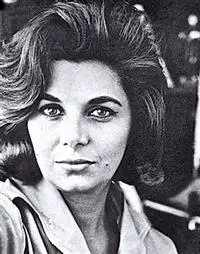
Rosario Ferré was a prominent Puerto Rican writer whose work explores the complexities of identity, gender, social class, and the history of Puerto Rico. Known for her powerful style and engaging prose, Ferré addressed themes such as the oppression of women, the colonial relationship of her island, and the search for one's own voice in a context of marginalization. Her writing, often imbued with fantastic and realistic elements, established her as one of the most important voices in contemporary Caribbean literature.