

Awards
Prémio Literário Casino da Póvoa
Description
History and Origins
The Prémio Literário Casino da Póvoa, formerly known as Prémio Literário de Conto Camilo Castelo Branco, is a distinction of great importance in the Portuguese literary scene. Created in 1977, the award has established itself as one of the most important accolades dedicated to fiction in Portugal, with a particular focus on short stories. Its genesis is linked to the promotion of culture and the arts, in a continuous effort to boost the country's publishing and literary sector.
Importance and Prestige
Throughout its editions, the award has been a privileged platform for discovering and celebrating new authors, as well as recognizing established writers. Its longevity and accumulated prestige are testaments to its importance and the quality of the works it distinguishes. The Casino da Póvoa, as the sponsoring entity, has played a crucial role in the award's sustainability and projection, demonstrating a remarkable commitment to culture.
Selection Criteria
The selection criteria for the Prémio Literário Casino da Póvoa traditionally focus on originality, writing quality, depth of themes addressed, and narrative innovation. Although the main focus has been on short stories, the award has shown some flexibility over time, adapting to new literary trends and formats. The evaluation is carried out by a jury composed of recognized personalities in the fields of literature, criticism, and publishing, ensuring a rigorous and impartial selection process.
Impact on Winners' Careers
The relevance of the award transcends the mere attribution of a prize. It acts as a catalyst for the careers of the winners, granting them visibility and credibility with the public and critics. Many awarded works have become benchmarks in contemporary Portuguese literature, subsequently being translated and promoted internationally. The award ceremony, usually held in a festive atmosphere, constitutes a moment of celebration of literature and a meeting point for writers, publishers, critics, and reading enthusiasts.
Identity and Evolution
One of the curiosities associated with the award is its ability to reinvent itself while always maintaining its essence. Its history reflects the evolution of Portuguese literature itself, keeping pace with social and cultural changes. The connection with the city of Póvoa de Varzim, through the Casino, gives it a unique identity and strong regional roots, while also projecting it nationally and internationally. The award does not limit itself to awarding a book, but rather to celebrating the art of the word and encouraging literary creation, playing a fundamental role in the vitality of culture in Portugal.
Winners

Andreia C. Faria

Andreia C. Faria is a contemporary Brazilian author, known for her foray into fantasy and suspense literature. Her writing is marked by the ability to create engaging atmospheres and plots that explore mystery and the unexpected. With a narrative that captures the reader's attention, Andreia C. Faria has been distinguished by her short stories and novels that seek to explore the limits of reality and imagination, often with a dark and intriguing touch.

Fernanda Melchor

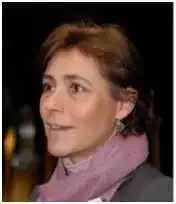
Maria do Rosário Pedreira

Maria do Rosário Pedreira was a Portuguese writer, journalist, and poet, known for her work that straddles poetry and prose, addressing themes such as memory, identity, the female condition, and urban life. With a careful and sensitive writing style, her work reflects a deep observation of everyday life and human relationships, marked by accessible yet meaningful language. Her contribution to contemporary Portuguese literature is recognized for its originality and expressive power.

Luísa Costa Gomes
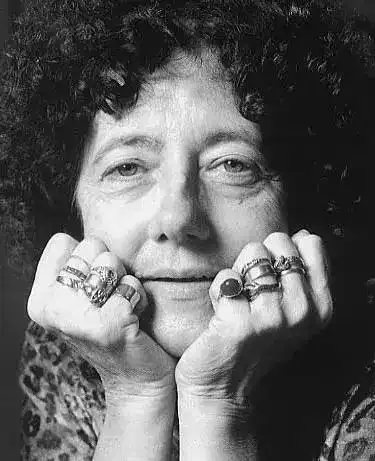
Maria Teresa Horta
Maria Teresa Horta is a Portuguese writer, poet, and journalist, a prominent figure in contemporary literature. Her work, marked by the exploration of the female condition, sexuality, freedom, and identity, is distinguished by its boldness, transgressive language, and profound reflection on the body and desire. Recognized for her interventionist and feminist writing, Maria Teresa Horta has consistently challenged social and literary conventions, promoting a discourse of emancipation and affirmation of the female voice in society and art. She is one of the most unique and influential voices in Portuguese literature of recent decades.

Pepetela
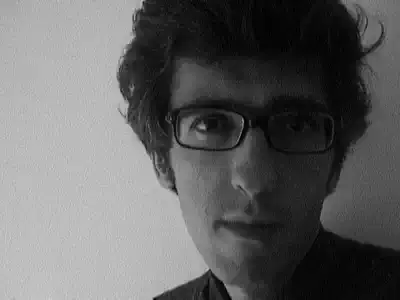
Luís Quintais
Luís Quintais is a contemporary Portuguese poet and essayist, whose work is notable for its rigorous exploration of language and its reflection on the human condition and art. His poetry is marked by intellectual density and a peculiar musicality. With a consolidated literary career, Quintais moves between poetic creation and literary criticism, offering a sharp look at literature and culture. His work is recognized for its originality and the depth of its aesthetic and philosophical investigations.

Juan Gabriel Vásquez

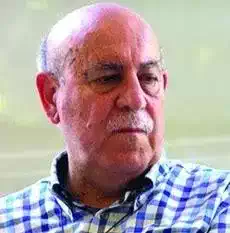
Armando Silva Carvalho
Armando Silva Carvalho was a Portuguese poet, essayist, and translator whose work is marked by a profound reflection on the human condition, memory, and the passage of time. His poetry, characterized by careful language and restrained lyricism, explores universal themes with unique sensitivity. A key figure in contemporary Portuguese literature, Silva Carvalho also stood out for his work as a translator, bringing important works of universal literature into Portuguese, and as an essayist, deepening his vision of art and life.

Javier Cercas

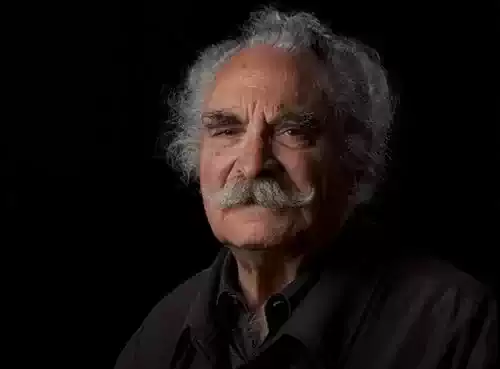
Fernando Echevarría
Fernando Echevarría was a Chilean poet, essayist, and literary critic, known for his significant contribution to contemporary Spanish-language poetry. His work frequently addresses themes such as memory, identity, the passage of time, and the human condition, with an elaborate and reflective language. Echevarría stood out for his erudition and the depth of his literary analyses, also working as a professor and cultural disseminator. His poetry is marked by imagistic density and a constant search for new forms of expression, dialoguing with tradition and exploring the limits of language.

Manuel Jorge Marmelo
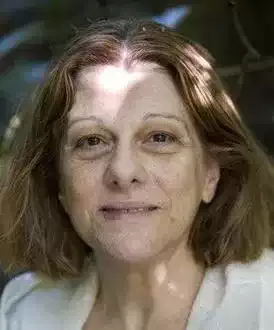
Hélia Correia
Hélia Correia is a notable contemporary Portuguese writer, recognized for her poetic work and her prose of great depth and originality. Her writing is marked by a rich and elaborate language, by the exploration of universal themes such as memory, time, identity, and the female condition, and by a unique sensitivity to the subtleties of human experience. With a solid and multifaceted literary career, Hélia Correia has established herself as one of the most important voices in recent Portuguese literature, influencing generations of readers and writers.

Rubem Fonseca
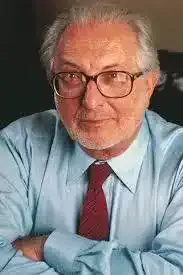
Pedro Tamen
Pedro Tamen was a Portuguese poet whose work stood out for its authenticity, for exploring themes such as identity, memory, the land, and the human condition, with a refined language and a strong lyrical charge. His poetry is marked by a deep sensibility and by a continuous reflection on the passage of time and the search for meaning. Tamen established himself as an important voice in contemporary Portuguese poetry, valued for his ability to express universal feelings with a genuine and unique voice.

Maria Velho da Costa

Gastão Cruz
Gastão Cruz was a Portuguese poet and literary critic, known for his refined and intellectualized poetry. His work explores themes such as memory, time, language, and the ephemerality of existence, with a strong awareness of literary tradition and its reformulation. He was also an important figure in the dissemination and study of literature, with a career marked by erudition and aesthetic sensitivity.

Ruy Duarte de Carvalho

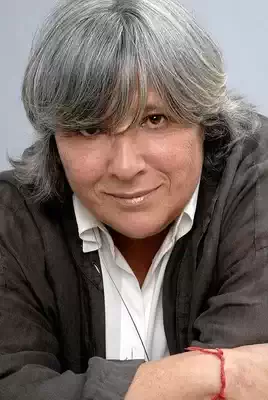
Ana Luísa Amaral
Ana Luísa Amaral was a Portuguese poet, essayist, and translator whose work deeply explored themes such as identity, memory, the body, otherness, and the complex relationship between the human and non-human. With precise and imagistic language, her poetry reflects a constant questioning of the world and the subject's place within it, often permeated by an ecological and feminist sensibility. Her vast body of work, encompassing poetry, essays, and children's and young adult literature, earned her broad national and international recognition, consolidating her as one of the most unique and important voices in contemporary Portuguese-language poetry.

Carlos Ruiz Zafón
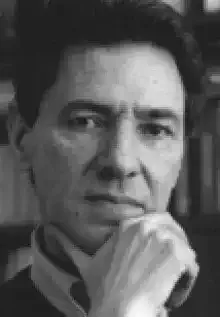
António Franco Alexandre
António Franco Alexandre was a Portuguese poet, known for his complex, erudite, and deeply reflective poetry, often marked by a strong philosophical and existential charge. His work explores themes such as language, memory, time, death, and the human condition, resorting to rigorous vocabulary and elaborate poetic structures. Franco Alexandre is an important figure in Portuguese poetry of the second half of the 20th century, standing out for the originality and depth of his poetic vision.
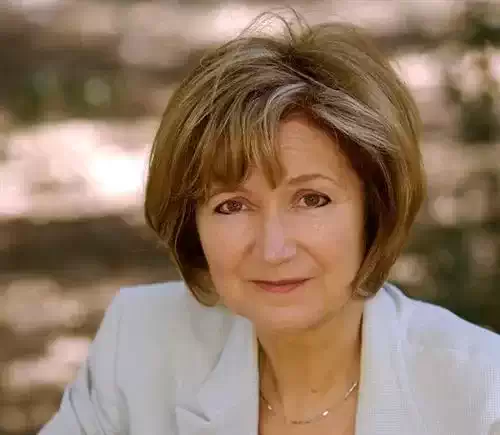
Lídia Jorge
Lídia Jorge is one of the most prominent and celebrated contemporary Portuguese writers, with a vast body of work that spans poetry, novels, and short stories. Her writing is often characterized by psychological depth, the exploration of themes such as memory, identity, the female condition, the history of Portugal, and the complexity of human relationships. With a rich and evocative language, Lídia Jorge has been building a significant literary legacy, marked by sensitivity, intelligence, and a critical look at society. Recognized with multiple national and international awards, her work is translated into several languages, attesting to her importance in the global literary scene. Lídia Jorge is an indispensable voice in Portuguese-language literature, whose work continues to captivate and provoke reflection in its readers.