

Awards
Prémio de Poesia Luís Miguel Nava
Prémio Luís Miguel Nava
Description
Origin and Homage
The Luís Miguel Nava Poetry Prize is a distinguished award in the Portuguese literary scene, with a special focus on unpublished poetry. Established by the Viana do Castelo City Council, the prize aims to honor the memory and work of the poet Luís Miguel Nava (1962-2015), an essential figure in contemporary Portuguese poetry, originally from that city. His work, marked by deep sensitivity, refined language, and a constant questioning of the human condition, left an indelible mark on the country's literature.
Criteria and Participation
The prize annually distinguishes unpublished poetry works, written in Portuguese, open to authors of any nationality. This geographical openness reflects the universality of poetry and the desire to promote cultural and literary exchange. The selection criteria, although not rigidly specified, tend to value originality, aesthetic quality, thematic depth, and the ability to innovate poetic language. The jury, composed of personalities of recognized merit in the field of literary criticism and poetry, is responsible for evaluating the submitted works, ensuring the impartiality and excellence of the selection process.
Relevance and Impact
The relevance of the Luís Miguel Nava Prize lies not only in its growing prestige but also in its fundamental role in discovering and promoting new poetic talents. By encouraging the writing of unpublished poetry, the prize contributes to the vitality of the genre and the renewal of the literary landscape. The publication of the winning work, usually part of a specific collection, ensures its dissemination to a wider audience, allowing the emerging poetic voice to find its space in the publishing market.
Cultural Projection
Over the years, the prize has attracted a significant number of entries, demonstrating poets' interest and confidence in its credibility. The homage to Luís Miguel Nava gives the prize an important symbolic weight, linking new poetic creation to a legacy of quality and rigor. The city of Viana do Castelo, by hosting and promoting this initiative, reinforces its commitment to culture and the valorization of its artists, projecting itself as a hub for the literary community.
Diversity and Celebration
The editions of the prize have been marked by the diversity of poetic styles and approaches presented, which attests to the richness and plurality of contemporary Portuguese-language poetry. The award ceremony, often held in Viana do Castelo, constitutes a moment of celebration of poetry and a meeting point for authors, critics, publishers, and literature lovers. The longevity and consistency of the prize are indicators of its importance and its lasting impact on the promotion of poetry.
Winners
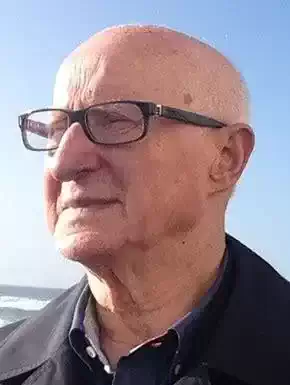
José Bento

José Bento was a Portuguese poet, translator, and professor, known for his poetic work marked by a profound reflection on existence, time, and the human condition. His writing, although sometimes dense and hermetic, reveals a sharp sensitivity and a remarkable command of language. Throughout his career, he also dedicated himself to translating important literary works, contributing to the dissemination of foreign literature in Portugal. His poetry is often associated with a spiritual quest and existential questioning.

Helder Moura Pereira
Helder Moura Pereira is a contemporary Portuguese poet and writer, whose work is notable for its lyrical depth and exploration of themes such as identity, memory, time, and the complexities of human existence. His writing is characterized by careful language, rich in strong imagery and a unique musicality. With a keen sensitivity to the nuances of the human condition, Helder Moura Pereira invites the reader on an introspective journey, through verses that resonate with authenticity and emotion. His poetry has gained significant space in the Portuguese literary scene.
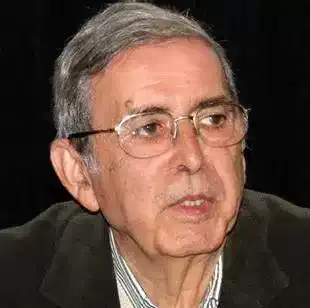
António Manuel Pires Cabral
António Manuel Pires Cabral is a Portuguese poet, essayist, and researcher, whose work is distinguished by its reflection on identity, memory, and the human condition, often rooted in the landscape and culture of Alentejo. His poetry is marked by careful language, a sometimes melancholic tone, and a deep sensitivity to the small things in life and the passage of time. As an essayist and researcher, Pires Cabral has contributed to the study of Portuguese literature and culture, particularly in the field of poetry. His literary and academic work reveals a deep knowledge of literary tradition and a critical perspective on contemporary society.
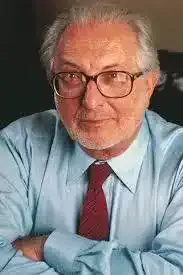
Pedro Tamen
Pedro Tamen was a Portuguese poet whose work stood out for its authenticity, for exploring themes such as identity, memory, the land, and the human condition, with a refined language and a strong lyrical charge. His poetry is marked by a deep sensibility and by a continuous reflection on the passage of time and the search for meaning. Tamen established himself as an important voice in contemporary Portuguese poetry, valued for his ability to express universal feelings with a genuine and unique voice.
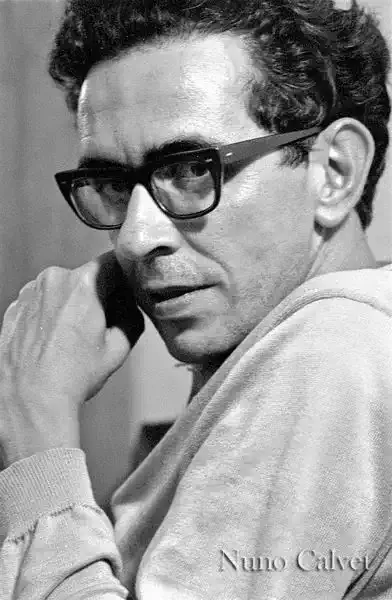
António Ramos Rosa
António Ramos Rosa was one of the most influential Portuguese poets of the 20th century, known for his dense, reflective poetry deeply connected to the human condition and language. His work is marked by a constant search for authentic expression, exploring themes such as existence, death, time, and poetry itself. His writing evolved over decades, maintaining thematic and stylistic coherence, but always open to new formal and lexical explorations. He is considered a pillar of contemporary Portuguese-language poetry.
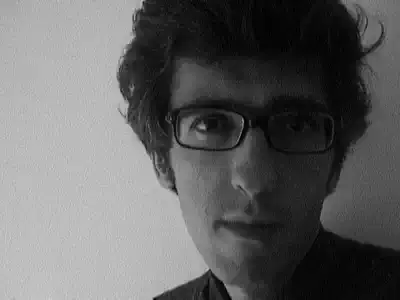
Luís Quintais
Luís Quintais is a contemporary Portuguese poet and essayist, whose work is notable for its rigorous exploration of language and its reflection on the human condition and art. His poetry is marked by intellectual density and a peculiar musicality. With a consolidated literary career, Quintais moves between poetic creation and literary criticism, offering a sharp look at literature and culture. His work is recognized for its originality and the depth of its aesthetic and philosophical investigations.
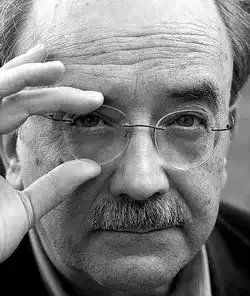
Manuel António Pina
Manuel António Pina was a Portuguese poet, writer, playwright, and essayist, a prominent figure in contemporary literature. His work, characterized by apparent simplicity, philosophical depth, and a keen eye on the human condition, explores themes such as childhood, memory, language, and transcendence. Recognized for his originality and his ability to reinvent poetic form, Pina left a significant legacy, marked by reflection on existence and the art of writing.
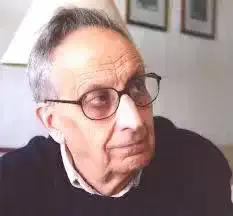
Fernando Guimarães
Fernando Guimarães is a contemporary Portuguese poet, recognized for his profound exploration of the human condition, memory, and the passage of time. His poetic work, marked by careful language and unique sensitivity, reflects on the fragility of existence and the search for meaning in a constantly changing world. With a consolidated career, the poet has been building a body of work that affirms him as a relevant voice in modern Portuguese poetry.
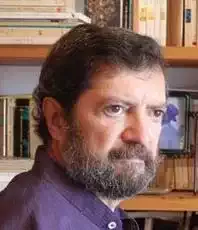
Manuel Gusmão
Manuel Gusmão is a Portuguese poet whose work is distinguished by its rigorous exploration of language and the incessant search for new forms of poetic expression. Throughout his career, Gusmão has developed a poetry that is simultaneously intellectual and visceral, marked by profound reflection on time, memory, identity, and the very nature of poetry. With a body of work that defies easy classification, Gusmão is recognized for his formal experimentation and the density of his poetic discourse. His poetry invites the reader into a complex dialogue, where form and content are intrinsically intertwined, solidifying him as a unique and influential figure in contemporary Portuguese poetry.
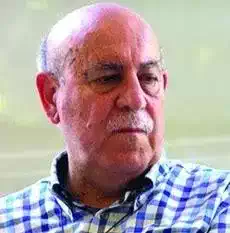
Armando Silva Carvalho
Armando Silva Carvalho was a Portuguese poet, essayist, and translator whose work is marked by a profound reflection on the human condition, memory, and the passage of time. His poetry, characterized by careful language and restrained lyricism, explores universal themes with unique sensitivity. A key figure in contemporary Portuguese literature, Silva Carvalho also stood out for his work as a translator, bringing important works of universal literature into Portuguese, and as an essayist, deepening his vision of art and life.
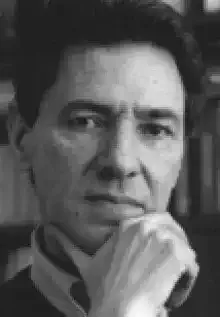
António Franco Alexandre
António Franco Alexandre was a Portuguese poet, known for his complex, erudite, and deeply reflective poetry, often marked by a strong philosophical and existential charge. His work explores themes such as language, memory, time, death, and the human condition, resorting to rigorous vocabulary and elaborate poetic structures. Franco Alexandre is an important figure in Portuguese poetry of the second half of the 20th century, standing out for the originality and depth of his poetic vision.
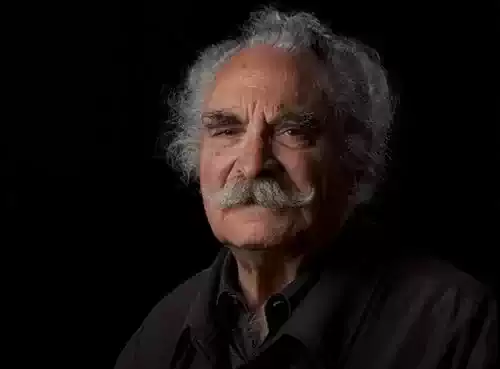
Fernando Echevarría

Fernando Echevarría was a Chilean poet, essayist, and literary critic, known for his significant contribution to contemporary Spanish-language poetry. His work frequently addresses themes such as memory, identity, the passage of time, and the human condition, with an elaborate and reflective language. Echevarría stood out for his erudition and the depth of his literary analyses, also working as a professor and cultural disseminator. His poetry is marked by imagistic density and a constant search for new forms of expression, dialoguing with tradition and exploring the limits of language.
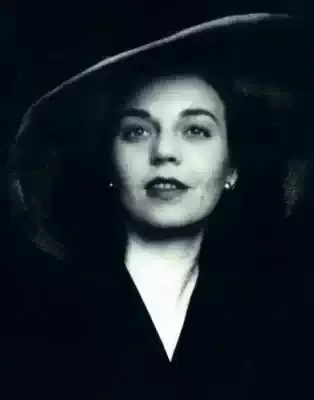
Sophia de Mello Breyner Andresen
Sophia de Mello Breyner Andresen was one of the most prominent poets in the Portuguese language, known for her refined lyricism, clarity of thought, and deep connection with Ancient Greece and nature. Her poetic work is marked by a constant search for justice, beauty, and truth, exploring universal themes such as love, death, time, and the human condition, always with a focus on redemption and hope. Her poetry is recognized for its moral strength and formal elegance, combining tradition with a contemporary and accessible language, which made her an essential figure in 20th and 21st-century Portuguese literature.