
Fear and Anxiety
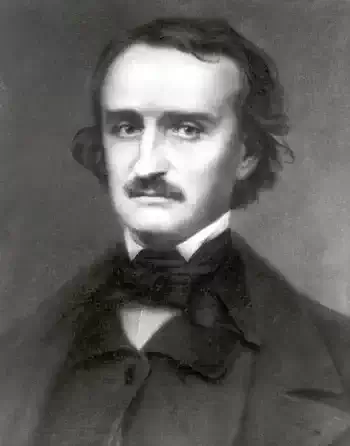
Edgar Allan Poe
The Lake
In youth's spring, it was my lot
To haunt of the wide earth a spot
The which I could not love the less;
So lovely was the loneliness
Of a wild lake, with black rock bound.
And the tall pines that tower'd around.
But when the night had thrown her pall
Upon that spot — as upon all,
And the wind would pass me by
In its stilly melody,
My infant spirit would awake
To the terror of the lone lake.
Yet that terror was not fright —
But a tremulous delight,
And a feeling undefin'd,
Springing from a darken'd mind.
Death was in that poison'd wave
And in its gulf a fitting grave
For him who thence could solace bring
To his dark imagining;
Whose wild'ring thought could even make
An Eden of that dim lake.
1827
1,657
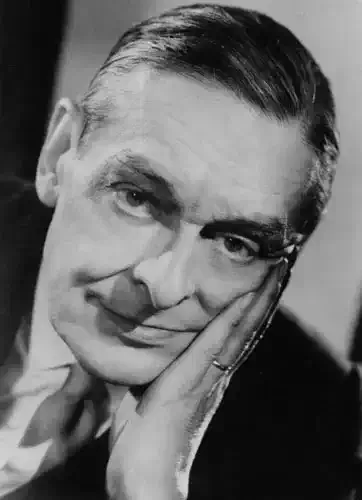
T. S. Eliot
The Love Song of J Alfred Prufrock
Sio credesse che mia risposta fosse
A persona che mai tornasse al mondo,
Questa fiamma staria senza piu scosse.
Ma perciocche giammai di questo fondo
Non torno vivo alcun, siodo il vero,
Senza tema dinfamia ti rispondo.
LET us go then, you and I,
When the evening is spread out against the sky
Like a patient etherised upon a table;
Let us go, through certain half-deserted streets,
The muttering retreats
Of restless nights in one-night cheap hotels
And sawdust restaurants with oyster-shells:
Streets that follow like a tedious argument
Of insidious intent
To lead you to an overwhelming question...
Oh, do not ask, "What is it?"
Let us go and make our visit.
In the room the women come and go
Talking of Michelangelo.
The yellow fog that rubs its back upon the window-panes,
The yellow smoke that rubs its muzzle on the window-panes
Licked its tongue into the corners of the evening,
Lingered upon the pools that stand in drains,
Let fall upon its back the soot that falls from chimneys,
Slipped by the terrace, made a sudden leap,
And seeing that it was a soft October night,
Curled once about the house, and fell asleep.
And indeed there will be time
For the yellow smoke that slides along the street,
Rubbing its back upon the window-panes;
There will be time, there will be time
To prepare a face to meet the faces that you meet;
There will be time to murder and create,
And time for all the works and days of hands
That lift and drop a question on your plate;
Time for you and time for me,
And time yet for a hundred indecisions,
And for a hundred visions and revisions,
Before the taking of a toast and tea.
In the room the women come and go
Talking of Michelangelo.
And indeed there will be time
To wonder, "Do I dare?" and, "Do I dare?"
Time to turn back and descend the stair,
With a bald spot in the middle of my hair—
[They will say: "How his hair is growing thin!"]
My morning coat, my collar mounting firmly to the chin,
My necktie rich and modest, but asserted by a simple pin—
[They will say: "But how his arms and legs are thin!"]
Do I dare
Disturb the universe?
In a minute there is time
For decisions and revisions which a minute will reverse.
For I have known them all already, known them all:—
Have known the evenings, mornings, afternoons,
I have measured out my life with coffee spoons;
I know the voices dying with a dying fall
Beneath the music from a farther room.
So how should I presume?
And I have known the eyes already, known them all—
The eyes that fix you in a formulated phrase,
And when I am formulated, sprawling on a pin,
When I am pinned and wriggling on the wall,
Then how should I begin
To spit out all the butt-ends of my days and ways?
And how should I presume?
And I have known the arms already, known them all—
Arms that are braceleted and white and bare
[But in the lamplight, downed with light brown hair!]
It is perfume from a dress
That makes me so digress?
Arms that lie along a table, or wrap about a shawl.
And should I then presume?
And how should I begin?
. . . . .
Shall I say, I have gone at dusk through narrow streets
And watched the smoke that rises from the pipes
Of lonely men in shirt-sleeves, leaning out of windows?...
I should have been a pair of ragged claws
Scuttling across the floors of silent seas.
. . . . .
And the afternoon, the evening, sleeps so peacefully!
Smoothed by long fingers,
Asleep ... tired ... or it malingers,
Stretched on the floor, here beside you and me.
Should I, after tea and cakes and ices,
Have the strength to force the moment to its crisis?
But though I have wept and fasted, wept and prayed,
Though I have seen my head [grown slightly bald] brought in upon a platter,
I am no prophet—and heres no great matter;
I have seen the moment of my greatness flicker,
And I have seen the eternal Footman hold my coat, and snicker,
And in short, I was afraid.
And would it have been worth it, after all,
After the cups, the marmalade, the tea,
Among the porcelain, among some talk of you and me,
Would it have been worth while,
To have bitten off the matter with a smile,
To have squeezed the universe into a ball
To roll it toward some overwhelming question,
To say: "I am Lazarus, come from the dead,
Come back to tell you all, I shall tell you all"—
If one, settling a pillow by her head,
Should say: "That is not what I meant at all.
That is not it, at all."
And would it have been worth it, after all,
Would it have been worth while,
After the sunsets and the dooryards and the sprinkled streets,
After the novels, after the teacups, after the skirts that trail along the floor—
And this, and so much more?—
It is impossible to say just what I mean!
But as if a magic lantern threw the nerves in patterns on a screen:
Would it have been worth while
If one, settling a pillow or throwing off a shawl,
And turning toward the window, should say:
"That is not it at all,
That is not what I meant, at all."
. . . . .
No! I am not Prince Hamlet, nor was meant to be;
Am an attendant lord, one that will do
To swell a progress, start a scene or two,
Advise the prince; no doubt, an easy tool,
Deferential, glad to be of use,
Politic, cautious, and meticulous;
Full of high sentence, but a bit obtuse;
At times, indeed, almost ridiculous—
Almost, at times, the Fool.
I grow old ... I grow old...
I shall wear the bottoms of my trousers rolled.
Shall I part my hair behind? Do I dare to eat a peach?
I shall wear white flannel trousers, and walk upon the beach.
I have heard the mermaids singing, each to each.
I do not think that they will sing to me.
I have seen them riding seaward on the waves
Combing the white hair of the waves blown back
When the wind blows the water white and black.
We have lingered in the chambers of the sea
By sea-girls wreathed with seaweed red and brown
Till human voices wake us, and we drown.
2,508

Philip Larkin
I work all day, and get half-drunk at night
Waking at four to soundless dark, I stare.
In time the curtain-edges will grow light.
Till then I see whats really always there:
Unresting death, a whole day nearer now,
Making all thought impossible but how
And where and when I shall myself die.
Arid interrogation: yet the dread
Of dying, and being dead,
Flashes afresh to hold and horrify.
The mind blanks at the glare. Not in remorse
-- The good not done, the love not givenn, time
Torn off unused -- nor wretchedly because
An only life can take so long to climb
Clear of its wrong beginnings, and may never;
But the total emptiness for ever,
The sure extinction that we travel to
And shall be lost in always. Not to be here,
Not to be anywhere,
And soon; nothing more terrible, nothing more true.
This is a special way of being afraid
No trick dispels. Religion used to try,
That vast moth-eaten musical brocade
Created to pretend we never die,
And specious stuff that says No rational being
Can fear a thing it will not feel, not seeing
That this is what we fear -- no sight, no sound,
No touch or taste or smell, nothing to think with,
Nothing to love or link with,
The anaesthetic from which none come round.
And so it stays just on the edge of vision,
A small unfocused blur, a standing chill
That slows each impulse down to indecision.
Most things may never happen: this one will,
And realisation of its rages out
In furnace-fear when we are caught without
People or drink. Courage is no good:
It means not scaring others. Being brave
Lets no one off the grave.
Death is no different whined at than withstood.
Slowly light strengthens, and the room takes shape.
It stands plain as a wardrobe, what we know,
Have always known, know that we cant escape,
Yet cant accept. One side will have to go.
Meanwhile telephones crouch, getting ready to ring
In locked-up offices, and all the uncaring
Intricate rented world beings to rouse.
The sky is white as clay, with no sun.
Work has to be done.
Postmen like doctors go from house to house.
1,131

Rudyard Kipling
Boots
Boots
INFANTRY COLUMNS
We're foot--slog--slog--slog--sloggin' over Africa --
Foot--foot--foot--foot--sloggin' over Africa --
(Boots--boots--boots--boots--movin' up an' down again!)
There's no discharge in the war!
Seven--six--eleven--five--nine-an'-twenty mile to-day --
Four--eleven--seventeen--thirty-two the day before --
(Boots--boots--boots--boots--movin' up an' down again!)
There's no discharge in the war!
Don't--don't--don't--don't--look at what's in front of you.
(Boots--boots--boots--boots--movin' up an' down again);
Men--men--men--men--men go mad with watchin' em,
An' there's no discharge in the war!
Try--try--try--try--to think o' something different --
Oh--my--God--keep--me from goin' lunatic!
(Boots--boots--boots--boots--movin' up an' down again!)
There's no discharge in the war!
Count--count--count--count--the bullets in the bandoliers.
If--your--eyes--drop--they will get atop o' you!
(Boots--boots--boots--boots--movin' up an' down again) --
There's no discharge in the war!
We--can--stick--out--'unger, thirst, an' weariness,
But--not--not--not--not the chronic sight of 'em --
Boot--boots--boots--boots--movin' up an' down again,
An' there's no discharge in the war!
'Taint--so--bad--by--day because o' company,
But night--brings--long--strings--o' forty thousand million
Boots--boots--boots--boots--movin' up an' down again.
There's no discharge in the war!
I--'ave--marched--six--weeks in 'Ell an' certify
It--is--not--fire--devils, dark, or anything,
But boots--boots--boots--boots--movin' up an' down again,
An' there's no discharge in the war!
1,155
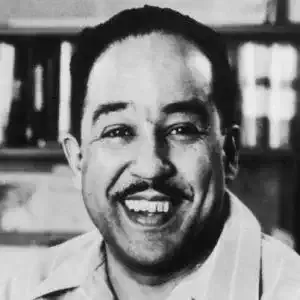
Langston Hughes
As I Grew Older
As I Grew Older
It was a long time ago.
I have almost forgotten my dream.
But it was there then,
In front of me,
Bright like a sun--
My dream.
And then the wall rose,
Rose slowly,
Slowly,
Between me and my dream.
Rose until it touched the sky--
The wall.
Shadow.
I am black.
I lie down in the shadow.
No longer the light of my dream before me,
Above me.
Only the thick wall.
Only the shadow.
My hands!
My dark hands!
Break through the wall!
Find my dream!
Help me to shatter this darkness,
To smash this night,
To break this shadow
Into a thousand lights of sun,
Into a thousand whirling dreams
Of sun!
916

Walter de la Mare
Some One
Some One
Some one came knocking
At my wee, small door;
Someone came knocking;
I'm sure-sure-sure;
I listened, I opened,
I looked to left and right,
But nought there was a stirring
In the still dark night;
Only the busy beetle
Tap-tapping in the wall,
Only from the forest
The screech-owl's call,
Only the cricket whistling
While the dewdrops fall,
So I know not who came knocking,
At all, at all, at all.
1,067
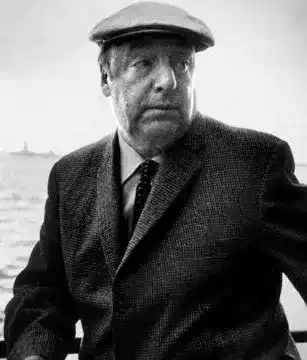
Pablo Neruda
I Crave Your Mouth, Your Voice, Your Hair
I Crave Your Mouth, Your Voice, Your Hair
DON'T GO FAR OFF, NOT EVEN FOR A DAY
Don't go far off, not even for a day, because -because
-- I don't know how to say it: a day is long
and I will be waiting for you, as in an empty station
when the trains are parked off somewhere else, asleep.
Don't leave me, even for an hour, because
then the little drops of anguish will all run together,
the smoke that roams looking for a home will drift
into me, choking my lost heart.
Oh, may your silhouette never dissolve on the beach;
may your eyelids never flutter into the empty distance.
Don't leave me for a second, my dearest,
because in that moment you'll have gone so far
I'll wander mazily over all the earth, asking,
Will you come back? Will you leave me here, dying?
779
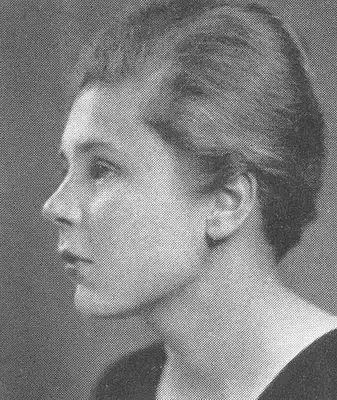
Elizabeth Bishop
The Man-moth
The Man-moth
Here, above,
cracks in the buldings are filled with battered moonlight.
The whole shadow of Man is only as big as his hat.
It lies at his feet like a circle for a doll to stand on,
and he makes an inverted pin, the point magnetized to the moon.
He does not see the moon; he observes only her vast properties,
feeling the queer light on his hands, neither warm nor cold,
of a temperature impossible to records in thermometers.
But when the Man-Moth
pays his rare, although occasional, visits to the surface,
the moon looks rather different to him. He emerges
from an opening under the edge of one of the sidewalks
and nervously begins to scale the faces of the buildings.
He thinks the moon is a small hole at the top of the sky,
proving the sky quite useless for protection.
He trembles, but must investigate as high as he can climb.
Up the façades,
his shadow dragging like a photographer's cloth behind him
he climbs fearfully, thinking that this time he will manage
to push his small head through that round clean opening
and be forced through, as from a tube, in black scrolls on the light.
(Man, standing below him, has no such illusions.)
But what the Man-Moth fears most he must do, although
he fails, of course, and falls back scared but quite unhurt.
Then he returns
to the pale subways of cement he calls his home. He flits,
he flutters, and cannot get aboard the silent trains
fast enough to suit him. The doors close swiftly.
The Man-Moth always seats himself facing the wrong way
and the train starts at once at its full, terrible speed,
without a shift in gears or a gradation of any sort.
He cannot tell the rate at which he travels backwards.
Each night he must
be carried through artificial tunnels and dream recurrent dreams.
Just as the ties recur beneath his train, these underlie
his rushing brain. He does not dare look out the window,
for the third rail, the unbroken draught of poison,
runs there beside him. He regards it as a disease
he has inherited the susceptibility to. He has to keep
his hands in his pockets, as others must wear mufflers.
If you catch him,
hold up a flashlight to his eye. It's all dark pupil,
an entire night itself, whose haired horizon tightens
as he stares back, and closes up the eye. Then from the lids
one tear, his only possession, like the bee's sting, slips.
Slyly he palms it, and if you're not paying attention
he'll swallow it. However, if you watch, he'll hand it over,
cool as from underground springs and pure enough to drink.
773
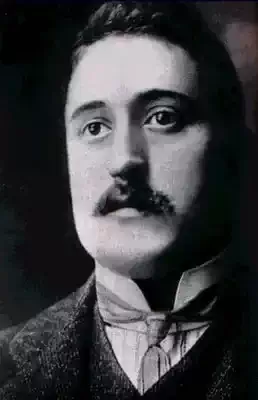
Guillaume Apollinaire
Hotels
Hotels
The room is free
Each for himself
A new arrival
Pays by the month
The boss is doubtful
Whether you’ll pay
Like a top
I spin on the way
The traffic noise
My neighbour gross
Who puffs an acrid
English smoke
O La Vallière
Who limps and smiles
In my prayers
The bedside table
And all the company
in this hotel
know the languages
of Babel
Let’s shut our doors
With a double lock
And each adore
his lonely love
748

Emily Dickinson
I years had been from home,
I years had been from home,
I years had been from home,
And now, before the door,
I dared not open, lest a face
I never saw before
Stare vacant into mine
And ask my business there.
My business,--just a life I left,
Was such still dwelling there?
I fumbled at my nerve,
I scanned the windows near;
The silence like an ocean rolled,
And broke against my ear.
I laughed a wooden laugh
That I could fear a door,
Who danger and the dead had faced,
But never quaked before.
I fitted to the latch
My hand, with trembling care,
Lest back the awful door should spring,
And leave me standing there.
I moved my fingers off
As cautiously as glass,
And held my ears, and like a thief
Fled gasping from the house.
725

Federico García Lorca
The Gypsy and the Wind
The Gypsy and the Wind
Playing her parchment moon
Precosia comes
along a watery path of laurels and crystal lights.
The starless silence, fleeing
from her rhythmic tambourine,
falls where the sea whips and sings,
his night filled with silvery swarms.
High atop the mountain peaks
the sentinels are weeping;
they guard the tall white towers
of the English consulate.
And gypsies of the water
for their pleasure erect
little castles of conch shells
and arbors of greening pine.
Playing her parchment moon
Precosia comes.
The wind sees her and rises,
the wind that never slumbers.
Naked Saint Christopher swells,
watching the girl as he plays
with tongues of celestial bells
on an invisible bagpipe.
Gypsy, let me lift your skirt
and have a look at you.
Open in my ancient fingers
the blue rose of your womb.
Precosia throws the tambourine
and runs away in terror.
But the virile wind pursues her
with his breathing and burning sword.
The sea darkens and roars,
while the olive trees turn pale.
The flutes of darkness sound,
and a muted gong of the snow.
Precosia, run, Precosia!
Or the green wind will catch you!
Precosia, run, Precosia!
And look how fast he comes!
A satyr of low-born stars
with their long and glistening tongues.
Precosia, filled with fear,
now makes her way to that house
beyond the tall green pines
where the English consul lives.
Alarmed by the anguished cries,
three riflemen come running,
their black capes tightly drawn,
and berets down over their brow.
The Englishman gives the gypsy
a glass of tepid milk
and a shot of Holland gin
which Precosia does not drink.
And while she tells them, weeping,
of her strange adventure,
the wind furiously gnashes
against the slate roof tiles.
Playing her parchment moon
Precosia comes
along a watery path of laurels and crystal lights.
The starless silence, fleeing
from her rhythmic tambourine,
falls where the sea whips and sings,
his night filled with silvery swarms.
High atop the mountain peaks
the sentinels are weeping;
they guard the tall white towers
of the English consulate.
And gypsies of the water
for their pleasure erect
little castles of conch shells
and arbors of greening pine.
Playing her parchment moon
Precosia comes.
The wind sees her and rises,
the wind that never slumbers.
Naked Saint Christopher swells,
watching the girl as he plays
with tongues of celestial bells
on an invisible bagpipe.
Gypsy, let me lift your skirt
and have a look at you.
Open in my ancient fingers
the blue rose of your womb.
Precosia throws the tambourine
and runs away in terror.
But the virile wind pursues her
with his breathing and burning sword.
The sea darkens and roars,
while the olive trees turn pale.
The flutes of darkness sound,
and a muted gong of the snow.
Precosia, run, Precosia!
Or the green wind will catch you!
Precosia, run, Precosia!
And look how fast he comes!
A satyr of low-born stars
with their long and glistening tongues.
Precosia, filled with fear,
now makes her way to that house
beyond the tall green pines
where the English consul lives.
Alarmed by the anguished cries,
three riflemen come running,
their black capes tightly drawn,
and berets down over their brow.
The Englishman gives the gypsy
a glass of tepid milk
and a shot of Holland gin
which Precosia does not drink.
And while she tells them, weeping,
of her strange adventure,
the wind furiously gnashes
against the slate roof tiles.
716
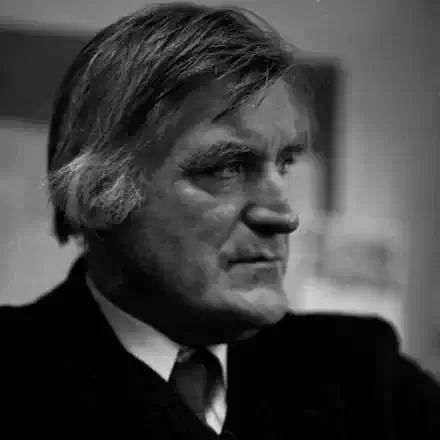
Ted Hughes
The Warm and the Cold
The Warm and the Cold
Freezing dusk is closing
Like a slow trap of steel
On trees and roads and hills and all
That can no longer feel.
But the carp is in its depth
Like a planet in its heaven.
And the badger in its bedding
Like a loaf in the oven.
And the butterfly in its mummy
Like a viol in its case.
And the owl in its feathers
Like a doll in its lace.
Freezing dusk has tightened
Like a nut screwed tight
On the starry aeroplane
Of the soaring night.
But the trout is in its hole
Like a chuckle in a sleeper.
The hare strays down the highway
Like a root going deeper.
The snail is dry in the outhouse
Like a seed in a sunflower.
The owl is pale on the gatepost
Like a clock on its tower.
Moonlight freezes the shaggy world
Like a mammoth of ice -
The past and the future
Are the jaws of a steel vice.
But the cod is in the tide-rip
Like a key in a purse.
The deer are on the bare-blown hill
Like smiles on a nurse.
The flies are behind the plaster
Like the lost score of a jig.
Sparrows are in the ivy-clump
Like money in a pig.
Such a frost
The flimsy moon
Has lost her wits.
A star falls.
The sweating farmers
Turn in their sleep
Like oxen on spits.
737
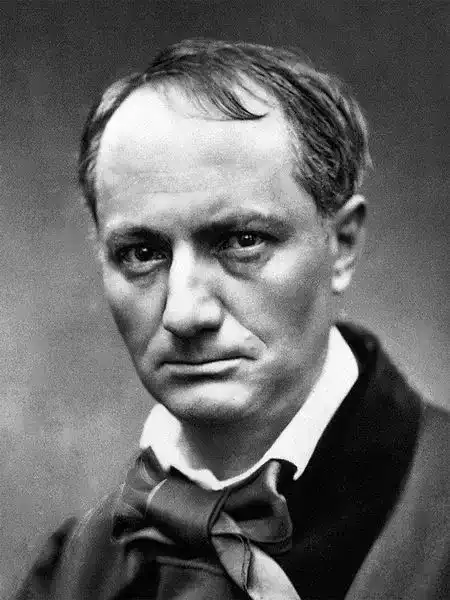
Charles Baudelaire
The Sick Muse
The Sick Muse
My impoverished muse, alas! What have you for me this morning?
Your empty eyes are stocked with nocturnal visions,
In your cheek's cold and taciturn reflection,
I see insanity and horror forming.
The green succubus and the red urchin,
Have they poured you fear and love from their urns?
The nightmare of a mutinous fist that despotically turns,
Does it drown you at the bottom of a loch beyond searching?
I wish that your breast exhaled the scent of sanity,
That your womb of thought was not a tomb more frequently
And that your Christian blood flowed around a buoy that was rhythmical,
Like the numberless sounds of antique syllables,
Where reigns in turn the father of songs,
Phoebus, and the great Pan, the harvest sovereign.
Translated by William A. Sigler
Submitted by Ryan McGuire
707

Kazi Nazrul Islam
Coward
Coward
I know,
Why you do not look back
You have left your abode
For the temple of God
To while away the time
With the dolls.
And to flitter the self away
Oh dear,
Not knowing that playing with heart:
Leads up to endless tears.
So great is the debt
When the eyes meet, |
And the moments smack.
I know,
Why you do not look back.
I know,
Why you do not look back.
When the eyes get lost In the eyes.
And the word slowly dies..
When you are all alone.
In the sanctum of your home
There is collyrium In your bright eyes
And not the tears.
No deceit rings
In the anklets you wear.
As you walk,
I know,
Why you do hot look back
I know,
Why you do not look back,
When no creepers
On your feet roll
As you stroll,
In the wilderness.
You plucked flowers
In sheer absent mindness,
Without hurting your fingers.
Not knowing the truth either
That, with the garlands
The heart also withers.
Not knowing that
Behind a scurrilous mouth,
A loneliness lurks.
I know,
Why you do not look back.
I am conscious
Of your deceitfulness and skill
But you never knew, indeed
That on your cheeks,
There is a hue
Of pomegranate seeds.
Never knew that,
The timid hearts of women,
Like a creeper laden with a bee,
For those untold words and the denials
Shiver in agony.
And as much as the eye wails
The modesty prevails;
I know you coward,
Why your own image
That you unwittingly fear.
Of man, you have known,
And he is a stone
To whom you never bowed.
You have desired
A pair of covetous hands
And bowed to touch the feet,
Not knowing though
A heart becomes a touch-stone
With another touch on it.
I know coward
Why you wander.
I know what is your fear
When the desires of the heart
In the two shores of body whisper.
The fragrance of
A blooming heart
The petals can never thwart.
However much you wish to hide,
It breaks far and wide.
All the secret words
Have gathered in you dear
I know what is your fear.
I know,
Why you cannot say openly:
The nightingale has carried
The message secretly.
The words you wanted to hear,
How did she know of it, oh dear?
The same words
The bride murmured
Gently raising her eyes:
Who knew that in her cruel fingers
Such magic lies.
I know,
Why you cannot say openly.
I know,
Why no ornaments you wear
The flame of agony
Has burnt your flesh Into gold oh dear!
To adorn a doll
Of clay with attire?
Why should gold
Mere gold desire?
Leaving the shores of the body
The mind seeks purity.
The agony of mine, oh dear.
Now adorns your beauty
I know,
Why no ornament you wear.
I know
They will not abide;
The maiden
Who slept in the night
Woke up as a bride.
She swims with the foam
Not really knowing
The oyster's home.
The pearl you have found
But the shell of the eyes
In the tears got drowned
When the burden
Is too heavy to bear,
The heart also sinks
In utter despair.
Oh unlucky woman!
How shall you make it clear?
[Original: Bhiru; Translation: Syed Mujibul Huq]
I know,
Why you do not look back
You have left your abode
For the temple of God
To while away the time
With the dolls.
And to flitter the self away
Oh dear,
Not knowing that playing with heart:
Leads up to endless tears.
So great is the debt
When the eyes meet, |
And the moments smack.
I know,
Why you do not look back.
I know,
Why you do not look back.
When the eyes get lost In the eyes.
And the word slowly dies..
When you are all alone.
In the sanctum of your home
There is collyrium In your bright eyes
And not the tears.
No deceit rings
In the anklets you wear.
As you walk,
I know,
Why you do hot look back
I know,
Why you do not look back,
When no creepers
On your feet roll
As you stroll,
In the wilderness.
You plucked flowers
In sheer absent mindness,
Without hurting your fingers.
Not knowing the truth either
That, with the garlands
The heart also withers.
Not knowing that
Behind a scurrilous mouth,
A loneliness lurks.
I know,
Why you do not look back.
I am conscious
Of your deceitfulness and skill
But you never knew, indeed
That on your cheeks,
There is a hue
Of pomegranate seeds.
Never knew that,
The timid hearts of women,
Like a creeper laden with a bee,
For those untold words and the denials
Shiver in agony.
And as much as the eye wails
The modesty prevails;
I know you coward,
Why your own image
That you unwittingly fear.
Of man, you have known,
And he is a stone
To whom you never bowed.
You have desired
A pair of covetous hands
And bowed to touch the feet,
Not knowing though
A heart becomes a touch-stone
With another touch on it.
I know coward
Why you wander.
I know what is your fear
When the desires of the heart
In the two shores of body whisper.
The fragrance of
A blooming heart
The petals can never thwart.
However much you wish to hide,
It breaks far and wide.
All the secret words
Have gathered in you dear
I know what is your fear.
I know,
Why you cannot say openly:
The nightingale has carried
The message secretly.
The words you wanted to hear,
How did she know of it, oh dear?
The same words
The bride murmured
Gently raising her eyes:
Who knew that in her cruel fingers
Such magic lies.
I know,
Why you cannot say openly.
I know,
Why no ornaments you wear
The flame of agony
Has burnt your flesh Into gold oh dear!
To adorn a doll
Of clay with attire?
Why should gold
Mere gold desire?
Leaving the shores of the body
The mind seeks purity.
The agony of mine, oh dear.
Now adorns your beauty
I know,
Why no ornament you wear.
I know
They will not abide;
The maiden
Who slept in the night
Woke up as a bride.
She swims with the foam
Not really knowing
The oyster's home.
The pearl you have found
But the shell of the eyes
In the tears got drowned
When the burden
Is too heavy to bear,
The heart also sinks
In utter despair.
Oh unlucky woman!
How shall you make it clear?
[Original: Bhiru; Translation: Syed Mujibul Huq]
684
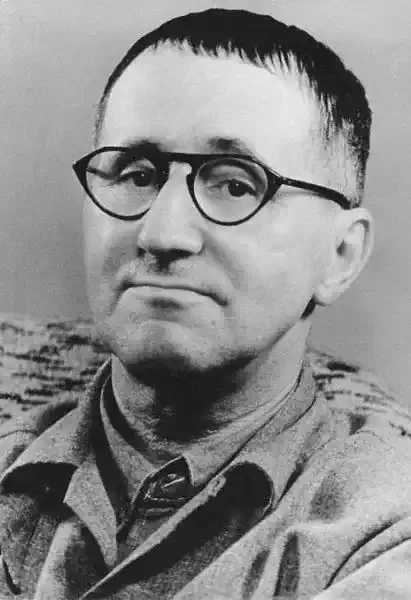
Bertolt Brecht
Radio Poem
Radio Poem
You little box, held to me escaping
So that your valves should not break
Carried from house to house to ship from sail to train,
So that my enemies might go on talking to me,
Near my bed, to my pain
The last thing at night, the first thing in the morning,
Of their victories and of my cares,
Promise me not to go silent all of a sudden.
658
Kazi Nazrul Islam
All Midnight I Suddenly Wake Up
All Midnight I Suddenly Wake Up
At midnight I suddenly wake up hearing someone's voice
is that you, is that you?
I feel the load of some memory in my breast is
that you, is that you?
Some one's hungry love roams about seeking aIms
Some one's piteous eyes like the stars in the night-sky
look at the sought-after face - is that you, is that you?
The wind at night carries someone's lingering sigh
And stirs my heart; Oh my distant beloved
is that you, is that you?
Like the ocean-wave whose crying bruises my heart
The nightingale in the wood ceaselessly chirps on the champah tree
is that you, is that you ?
[Original: Gobhir nishithe ghum bhenge jay; Translation: Abu Rushd]
658
Pablo Neruda
Nothing But Death
Nothing But Death
There are cemeteries that are lonely,
graves full of bones that do not make a sound,
the heart moving through a tunnel,
in it darkness, darkness, darkness,
like a shipwreck we die going into ourselves,
as though we were drowning inside our hearts,
as though we lived falling out of the skin into the soul.
And there are corpses,
feet made of cold and sticky clay,
death is inside the bones,
like a barking where there are no dogs,
coming out from bells somewhere, from graves somewhere,
growing in the damp air like tears of rain.
Sometimes I see alone
coffins under sail,
embarking with the pale dead, with women that have dead hair,
with bakers who are as white as angels,
and pensive young girls married to notary publics,
caskets sailing up the vertical river of the dead,
the river of dark purple,
moving upstream with sails filled out by the sound of death,
filled by the sound of death which is silence.
Death arrives among all that sound
like a shoe with no foot in it, like a suit with no man in it,
comes and knocks, using a ring with no stone in it, with no
finger in it,
comes and shouts with no mouth, with no tongue, with no
throat.
Nevertheless its steps can be heard
and its clothing makes a hushed sound, like a tree.
I'm not sure, I understand only a little, I can hardly see,
but it seems to me that its singing has the color of damp violets,
of violets that are at home in the earth,
because the face of death is green,
and the look death gives is green,
with the penetrating dampness of a violet leaf
and the somber color of embittered winter.
But death also goes through the world dressed as a broom,
lapping the floor, looking for dead bodies,
death is inside the broom,
the broom is the tongue of death looking for corpses,
it is the needle of death looking for thread.
Death is inside the folding cots:
it spends its life sleeping on the slow mattresses,
in the black blankets, and suddenly breathes out:
it blows out a mournful sound that swells the sheets,
and the beds go sailing toward a port
where death is waiting, dressed like an admiral.
Translated by Robert Bly
669
Ted Hughes
A Woman Unconscious
A Woman Unconscious
Russia and America circle each other;
Threats nudge an act that were without doubt
A melting of the mould in the mother,
Stones melting about the root.
The quick of the earth burned out:
The toil of all our ages a loss
With leaf and insect. Yet flitting thought
(Not to be thought ridiculous)
Shies from the world-cancelling black
Of its playing shadow: it has learned
That there's no trusting (trusting to luck)
Dates when the world's due to be burned;
That the future's no calamitous change
But a malingering of now,
Histories, towns, faces that no
Malice or accident much derange.
And though bomb be matched against bomb,
Though all mankind wince out and nothing endure --
Earth gone in an instant flare --
Did a lesser death come
Onto the white hospital bed
Where one, numb beyond her last of sense,
Closed her eyes on the world's evidence
And into pillows sunk her head.
Submitted by Andrew Mayers
652

William Butler Yeats
A Prayer For My Son
A Prayer For My Son
BID a strong ghost stand at the head
That my Michael may sleep sound,
Nor cry, nor turn in the bed
Till his morning meal come round;
And may departing twilight keep
All dread afar till morning's back.
That his mother may not lack
Her fill of sleep.
Bid the ghost have sword in fist:
Some there are, for I avow
Such devilish things exist,
Who have planned his murder, for they know
Of some most haughty deed or thought
That waits upon his future days,
And would through hatred of the bays
Bring that to nought.
Though You can fashion everything
From nothing every day, and teach
The morning stats to sing,
You have lacked articulate speech
To tell Your simplest want, and known,
Wailing upon a woman's knee,
All of that worst ignominy
Of flesh and bone;
And when through all the town there ran
The servants of Your enemy,
A woman and a man,
Unless the Holy Writings lie,
Hurried through the smooth and rough
And through the fertile and waste,
protecting, till the danger past,
With human love.
646

Rabindranath Tagore
The Rainy Day
The Rainy Day
Sullen clouds are gathering fast over the black fringe of the
forest.
O child, do not go out!
The palm trees in a row by the lake are smiting their heads
against the dismal sky; the crows with their dragged wings are
silent on the tamarind branches, and the eastern bank of the river
is haunted by a deepening gloom.
Our cow is lowing loud, ties at the fence.
O child, wait here till I bring her into the stall.
Men have crowded into the flooded field to catch the fishes
as they escape from the overflowing ponds; the rain-water is
running in rills through the narrow lanes like a laughing boy who
has run away from his mother to tease her.
Listen, someone is shouting for the boatman at the ford.
O child, the daylight is dim, and the crossing at the ferry
is closed.
The sky seems to ride fast upon the madly rushing rain; the
water in the river is loud and impatient; women have hastened home
early from the Ganges with their filled pitchers.
The evening lamps must be made ready.
O child, do not go out!
The road to the market is desolate, the lane to the river is
slippery. The wind is roaring and struggling among the bamboo
branches like a wild beast tangled in a net.
648
Pablo Neruda
Waltz
Waltz
I touch hatred like a covered breast;
I without stopping go from garment to garment,
sleeping at a distance.
I am not, I'm of no use, I do not know
anyone; I have no weapons of ocean or wood,
I do not live in this house.
My mouth is full of night and water.
The abiding moon determines
what I do not have.
What I have is in the midst of the waves,
a ray of water, a day for myself,
an iron depth.
There is no cross-tide, there is no shield, no costume,
there is no special solution too deep to be sounded,
no vicious eyelid.
I live suddenly and other times I follow.
I touch a face suddenly and it murders me.
I have no time.
Do not look for me when drawing
the usual wild thread or the
bleeding net.
Do not call me: that is my occupation.
Do not ask my name or my condition.
Leave me in the middle of my own moon
in my wounded ground.
645
Rabindranath Tagore
Hard Times
Hard Times
Music is silenced, the dark descending slowly
Has stripped unending skies of all companions.
Weariness grips your limbs and within the locked horizons
Dumbly ring the bells of hugely gathering fears.
Still, O bird, O sightless bird,
Not yet, not yet the time to furl your wings.
It's not melodious woodlands but the leaps and falls
Of an ocean's drowsy booming,
Not a grove bedecked with flowers but a tumult flecked with foam.
Where is the shore that stored your buds and leaves?
Where the nest and the branch's hold?
Still, O bird, my sightless bird,
Not yet, not yet the time to furl your wings.
Stretching in front of you the night's immensity
Hides the western hill where sleeps the distant sun;
Still with bated breath the world is counting time and swimming
Across the shoreless dark a crescent moon
Has thinly just appeared upon the dim horizon.
-But O my bird, O sightless bird,
Not yet, not yet the time to furl your wings.
From upper skies the stars with pointing fingers
Intently watch your course and death's impatience
Lashes at you from the deeps in swirling waves;
And sad entreaties line the farthest shore
With hands outstretched and crooning 'Come, O come!'
Still, O bird, O sightless bird,
Not yet, not yet the time to furl your wings.
All that is past: your fears and loves and hopes;
All that is lost: your words and lamentation;
No longer yours a home nor a bed composed of flowers.
For wings are all you have, and the sky's broadening countryard,
And the dawn steeped in darkness, lacking all direction.
Dear bird, my sightless bird,
Not yet, not yet the time to furl your wings!
619
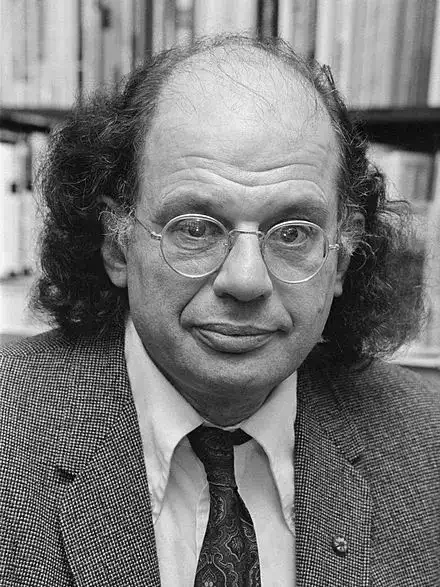
Allen Ginsberg
Mugging (I)
Mugging (I)
I
Tonite I walked out of my red apartment door on East tenth street’s dusk—
Walked out of my home ten years, walked out in my honking neighborhood
Tonite at seven walked out past garbage cans chained to concrete anchors
Walked under black painted fire escapes, giant castiron plate covering a hole in ground
—Crossed the street, traffic lite red, thirteen bus roaring by liquor store,
past corner pharmacy iron grated, past Coca Cola & Mylai posters fading scraped on
brick
Past Chinese Laundry wood door’d, & broken cement stoop steps For Rent hall painted
green & purple Puerto Rican style
Along E. 10th’s glass splattered pavement, kid blacks & Spanish oiled hair adolescents’
crowded house fronts—
Ah, tonite I walked out on my block NY City under humid summer sky Halloween,
thinking what happened Timothy Leary joining brain police for a season?
thinking what’s all this Weathermen, secrecy & selfrighteousness beyond reason—F.B.I.
plots?
Walked past a taxicab controlling the bottle strewn curb—
past young fellows with their umbrella handles & canes leaning against a ravaged Buick
—and as I looked at the crowd of kids on the stoop—a boy stepped up, put his arm
around my neck
tenderly I thought for a moment, squeezed harder, his umbrella handle against my
skull,
and his friends took my arm, a young brown companion tripped his foot ’gainst my
ankle—
as I went down shouting Om Ah Hūm to gangs of lovers on the stoop watching
slowly appreciating, why this is a raid, these strangers mean strange business
with what—my pockets, bald head, broken-healed-bone leg, my softshoes, my heart—
Have they knives? Om Ah Hūm—Have they sharp metal wood to shove in eye
ear ass? Om Ah Hūm
& slowly reclined on the pavement, struggling to keep my woolen bag of poetry
address calendar & Leary-lawyer notes hung from my shoulder
dragged in my neat orlon shirt over the crossbar of a broken metal door
dragged slowly onto the fire-soiled floor an abandoned store, laundry candy counter
1929—
now a mess of papers & pillows & plastic car seat covers cracked cockroach-corpsed
ground—
my wallet back pocket passed over the iron foot step guard
and fell out, stole by God Muggers’ lost fingers, Strange—
Couldn’t tell—snakeskin wallet actually plastic, 70 dollars my bank money for a week,
old broken wallet—and dreary plastic contents—Amex card & Manf. Hanover Trust
Credit too—business card from Mr. Spears British Home Minister Drug Squad—my draft
card—membership ACLU & Naropa Institute Instructor’s identification
Om Ah Hūm I continued chanting Om Ah Hūm
Putting my palm on the neck of an 18 year old boy fingering my back pocket crying
“Where’s the money”
“Om Ah Hūm there isn’t any”
My card Chief Boo-Hoo Neo American Church New Jersey & Lower East Side
Om Ah Hūm —what not forgotten crowded wallet—Mobil Credit, Shell? old lovers
addresses on cardboard pieces, booksellers calling cards—
—“Shut up or we’ll murder you”—“Om Ah Hūm take it easy”
Lying on the floor shall I shout more loud?—the metal door closed on blackness
one boy felt my broken healed ankle, looking for hundred dollar bills behind my
stocking weren’t even there—a third boy untied my Seiko Hong Kong watch rough from
right wrist leaving a clasp-prick skin tiny bruise
“Shut up and we’ll get out of here”—and so they left,
as I rose from the cardboard mattress thinking Om Ah Hūm didn’t stop em
enough,
the tone of voice too loud—my shoulder bag with 10,000 dollars full of poetry left on
the broken floor—
620

Page 1
Next