
Death and Mourning
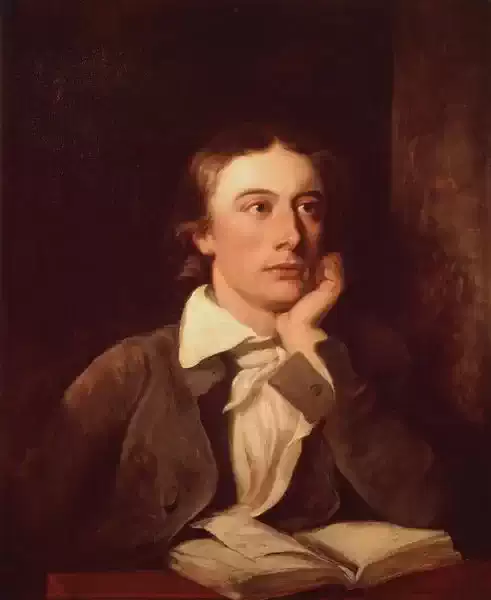
John Keats
Sonnet. Written In Disgust Of Vulgar Superstition
The church bells toll a melancholy round,
Calling the people to some other prayers,
Some other gloominess, more dreadful cares,
More hearkening to the sermon's horrid sound.
Surely the mind of man is closely bound
In some black spell; seeing that each one tears
Himself from fireside joys, and Lydian airs,
And converse high of those with glory crown'd.
Still, still they toll, and I should feel a damp,--
A chill as from a tomb, did I not know
That they are dying like an outburnt lamp;
That 'tis their sighing, wailing ere they go
Into oblivion; -- that fresh flowers will grow,
And many glories of immortal stamp.
Read more →
884

Roger Mcgough
Let Me Die a Youngman's Death
Let me die a youngman's death
not a clean and inbetween
the sheets holywater death
not a famous-last-words
peaceful out of breath death
When I'm
and in constant good tumour
may I be mown down at dawn
by a bright red sports car
on my way home
from an allnight party
Or when I'm
with silver hair
and sitting in a barber's chair
may rival gangsters
with hamfisted tommyguns burst in
and give me a short back and insides
Or when I'm
and banned from the Cavern
may my mistress
catching me in bed with her daughter
and fearing for her son
cut me up into little pieces
and throw away every piece but one
Let me die a youngman's death
not a free from sin tiptoe in
candle wax and waning death
not a curtains drawn by angels borne
'what a nice way to go' death
Read more →
893
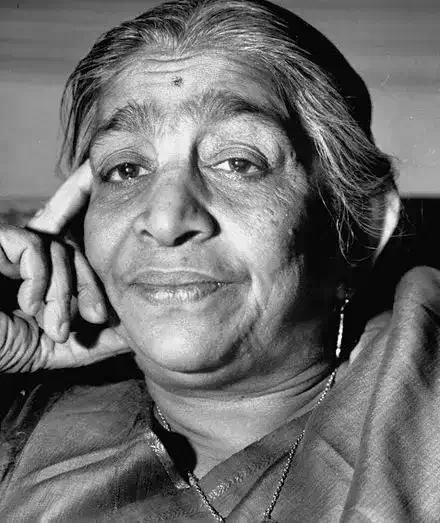
Sarojini Naidu
The Royal Tombs Of Golconda
I MUSE among these silent fanes
Whose spacious darkness guards your dust;
Around me sleep the hoary plains
That hold your ancient wars in trust.
I pause, my dreaming spirit hears,
Across the wind's unquiet tides,
The glimmering music of your spears,
The laughter of your royal brides.
In vain, O Kings, doth time aspire
To make your names oblivion's sport,
While yonder hill wears like a tier
The ruined grandeur of your fort.
Though centuries falter and decline,
Your proven strongholds shall remain
Embodied memories of your line,
Incarnate legends of your reign.
O Queens, in vain old Fate decreed
Your flower-like bodies to the tomb;
Death is in truth the vital seed
Of your imperishable bloom
Each new-born year the bulbuls sing
Their songs of your renascent loves;
Your beauty wakens with the spring
To kindle these pomegranate groves.
Read more →
852
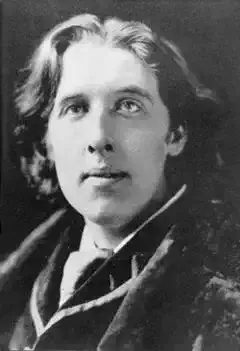
Oscar Wilde
The Grave Of Shelley
Like burnt-out torches by a sick man's bed
Gaunt cypress-trees stand round the sun-bleached stone;
Here doth the little night-owl make her throne,
And the slight lizard show his jewelled head.
And, where the chaliced poppies flame to red,
In the still chamber of yon pyramid
Surely some Old-World Sphinx lurks darkly hid,
Grim warder of this pleasaunce of the dead.
Ah! sweet indeed to rest within the womb
Of Earth, great mother of eternal sleep,
But sweeter far for thee a restless tomb
In the blue cavern of an echoing deep,
Or where the tall ships founder in the gloom
Against the rocks of some wave-shattered steep.
ROME.
Read more →
841
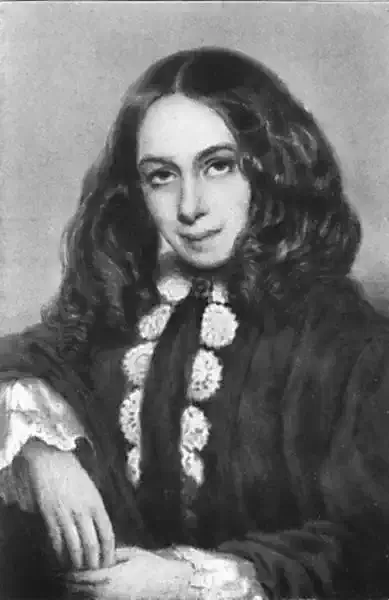
Elizabeth Barrett Browning
Sonnet XVIII: I Never Gave a Lock of Hair
I never gave a lock of hair away
To a man, dearest, except this to thee,
Which now upon my fingers thoughtfully,
I ring out to the full brown length and say
Take it. My day of youth went yesterday;
My hair no longer bounds to my foot's glee,
Nor plant I it from rose or myrtle-tree,
As girls do, any more: it only may
Now shade on two pale cheeks the mark of tears,
Taught drooping from the head that hangs aside
Through sorrow's trick. I thought the funeral-shears
Would take this first, but Love is justified,--
Take it thou,--finding pure, from all those years,
The kiss my mother left here when she died.
Read more →
840

William Wordsworth
She Dwelt Among Untrodden Ways
She dwelt among the untrodden ways
Beside the springs of Dove,
Maid whom there were none to praise
And very few to love:
A violet by a mosy tone
Half hidden from the eye!
---Fair as a star, when only one
Is shining in the sky.
She lived unknown, and few could know
When Lucy ceased to be;
But she is in her grave, and, oh,
The difference to me!
Read more →
817
Elizabeth Barrett Browning
Sonnet XXXV: If I Leave All for Thee
If I leave all for thee, wilt thou exchange
And be all to me? Shall I never miss
Home-talk and blessings and the common kiss
That comes to each in turn, nor count it strange,
When I look up, to drop on a new range
Of walls and floors, another home than this?
Nay, wilt thou fill that place by me which is
Filled by dead eyes too tender to know change?
That's hardest. If to conquer love, has tried,
To conquer grief, tries more, as all things prove;
For grief indeed is love and grief beside.
Alas, I have grieved so I am hard to love.
Yet love me--wilt thou? Open thine heart wide,
And fold within the wet wings of thy dove.
Read more →
829
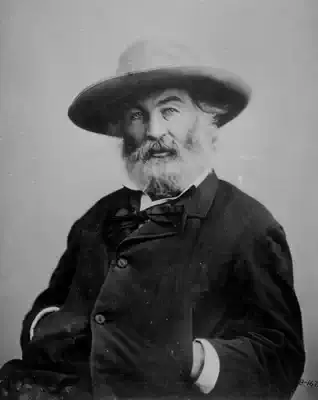
Walt Whitman
The Last Invocation
At the last, tenderly,
From the walls of the powerful fortress'd house,
From the clasp of the knitted locks, from the keep of the well-closed doors,
Let me be wafted.
Let me glide noiselessly forth;
With the key of softness unlock the locks--with a whisper,
Set open the doors O soul.
Tenderly--be not impatient,
(Strong is your hold, O mortal flesh,
Strong is your hold O love.)
Read more →
807

Federico García Lorca
Lament for Ignacio Sánchez Mejías
1. Cogida and death
At five in the afternoon.
It was exactly five in the afternoon.
A boy brought the white sheet
at five in the afternoon.
A frail of lime ready prepared
at five in the afternoon.
The rest was death, and death alone.
The wind carried away the cottonwool
at five in the afternoon.
And the oxide scattered crystal and nickel
at five in the afternoon.
Now the dove and the leopard wrestle
at five in the afternoon.
And a thigh with a desolated horn
at five in the afternoon.
The bass-string struck up
at five in the afternoon.
Arsenic bells and smoke
at five in the afternoon.
Groups of silence in the corners
at five in the afternoon.
And the bull alone with a high heart!
At five in the afternoon.
When the sweat of snow was coming
at five in the afternoon,
when the bull ring was covered with iodine
at five in the afternoon.
Death laid eggs in the wound
at five in the afternoon.
At five in the afternoon.
At five o'clock in the afternoon.
A coffin on wheels is his bed
at five in the afternoon.
Bones and flutes resound in his ears
at five in the afternoon.
Now the bull was bellowing through his forehead
at five in the afternoon.
The room was iridiscent with agony
at five in the afternoon.
In the distance the gangrene now comes
at five in the afternoon.
Horn of the lily through green groins
at five in the afternoon.
The wounds were burning like suns
at five in the afternoon.
At five in the afternoon.
Ah, that fatal five in the afternoon!
It was five by all the clocks!
It was five in the shade of the afternoon!
2. The Spilled Blood
I will not see it!
Tell the moon to come,
for I do not want to see the blood
of Ignacio on the sand.
I will not see it!
The moon wide open.
Horse of still clouds,
and the grey bull ring of dreams
with willows in the barreras.
I will not see it!
Let my memory kindle!
Warm the jasmines
of such minute whiteness!
I will not see it!
The cow of the ancient world
passed har sad tongue
over a snout of blood
spilled on the sand,
and the bulls of Guisando,
partly death and partly stone,
bellowed like two centuries
sated with threading the earth.
No.
I will not see it!
Ignacio goes up the tiers
with all his death on his shoulders.
He sought for the dawn
but the dawn was no more.
He seeks for his confident profile
and the dream bewilders him
He sought for his beautiful body
and encountered his opened blood
Do not ask me to see it!
I do not want to hear it spurt
each time with less strength:
that spurt that illuminates
the tiers of seats, and spills
over the cordury and the leather
of a thirsty multiude.
Who shouts that I should come near!
Do not ask me to see it!
His eyes did not close
when he saw the horns near,
but the terrible mothers
lifted their heads.
And across the ranches,
an air of secret voices rose,
shouting to celestial bulls,
herdsmen of pale mist.
There was no prince in Sevilla
who could compare to him,
nor sword like his sword
nor heart so true.
Like a river of lions
was his marvellous strength,
and like a marble toroso
his firm drawn moderation.
The air of Andalusian Rome
gilded his head
where his smile was a spikenard
of wit and intelligence.
What a great torero in the ring!
What a good peasant in the sierra!
How gentle with the sheaves!
How hard with the spurs!
How tender with the dew!
How dazzling the fiesta!
How tremendous with the final
banderillas of darkness!
But now he sleeps without end.
Now the moss and the grass
open with sure fingers
the flower of his skull.
And now his blood comes out singing;
singing along marshes and meadows,
sliden on frozen horns,
faltering soulles in the mist
stoumbling over a thousand hoofs
like a long, dark, sad tongue,
to form a pool of agony
close to the starry Guadalquivir.
Oh, white wall of Spain!
Oh, black bull of sorrow!
Oh, hard blood of Ignacio!
Oh, nightingale of his veins!
No.
I will not see it!
No chalice can contain it,
no swallows can drink it,
no frost of light can cool it,
nor song nor deluge og white lilies,
no glass can cover mit with silver.
No.
I will not see it!
3. The Laid Out Body
Stone is a forehead where dreames grieve
without curving waters and frozen cypresses.
Stone is a shoulder on which to bear Time
with trees formed of tears and ribbons and planets.
I have seen grey showers move towards the waves
raising their tender riddle arms,
to avoid being caught by lying stone
which loosens their limbs without soaking their blood.
For stone gathers seed and clouds,
skeleton larks and wolves of penumbra:
but yields not sounds nor crystals nor fire,
only bull rings and bull rings and more bull rings without walls.
Now, Ignacio the well born lies on the stone.
All is finished. What is happening! Contemplate his face:
death has covered him with pale sulphur
and has place on him the head of dark minotaur.
All is finished. The rain penetrates his mouth.
The air, as if mad, leaves his sunken chest,
and Love, soaked through with tears of snow,
warms itself on the peak of the herd.
What is they saying? A stenching silence settles down.
We are here with a body laid out which fades away,
with a pure shape which had nightingales
and we see it being filled with depthless holes.
Who creases the shroud? What he says is not true!
Nobody sings here, nobody weeps in the corner,
nobody pricks the spurs, nor terrifies the serpent.
Here I want nothing else but the round eyes
to see his body without a chance of rest.
Here I want to see those men of hard voice.
Those that break horses and dominate rivers;
those men of sonorous skeleton who sing
with a mouth full of sun and flint.
Here I want to see them. Before the stone.
Before this body with broken reins.
I want to know from them the way out
for this captain stripped down by death.
I want them to show me a lament like a river
wich will have sweet mists and deep shores,
to take the body of Ignacio where it looses itself
without hearing the double planting of the bulls.
Loses itself in the round bull ring of the moon
which feigns in its youth a sad quiet bull,
loses itself in the night without song of fishes
and in the white thicket of frozen smoke.
I don't want to cover his face with handkerchiefs
that he may get used to the death he carries.
Go, Ignacio, feel not the hot bellowing
Sleep, fly, rest: even the sea dies!
4. Absent Soul
The bull does not know you, nor the fig tree,
nor the horses, nor the ants in your own house.
The child and the afternoon do not know you
because you have dead forever.
The shoulder of the stone does not know you
nor the black silk, where you are shuttered.
Your silent memory does not know you
because you have died forever
The autumn will come with small white snails,
misty grapes and clustered hills,
but no one will look into your eyes
because you have died forever.
Because you have died for ever,
like all the dead of the earth,
like all the dead who are forgotten
in a heap of lifeless dogs.
Nobady knows you. No. But I sing of you.
For posterity I sing of your profile and grace.
Of the signal maturity of your understanding.
Of your appetite for death and the taste of its mouth.
Of the sadness of your once valiant gaiety.
It will be a long time, if ever, before there is born
an Andalusian so true, so rich in adventure.
I sing of his elegance with words that groan,
and I remember a sad breeze through the olive trees.
Read more →
808
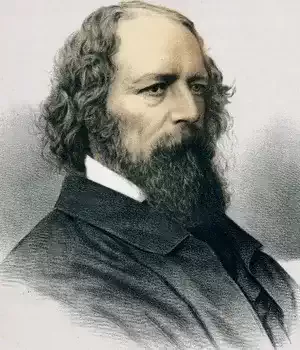
Alfred Lord Tennyson
In Memoriam 3: O Sorrow, Cruel Fellowship
O Sorrow, cruel fellowship,
O Priestess in the vaults of Death,
O sweet and bitter in a breath,
What whispers from thy lying lip?
"The stars," she whispers, "blindly run;
A web is wov'n across the sky;
From out waste places comes a cry,
And murmurs from the dying sun:
"And all the phantom, Nature, stands--
With all the music in her tone,
A hollow echo of my own,--
A hollow form with empty hands."
And shall I take a thing so blind,
Embrace her as my natural good;
Or crush her, like a vice of blood,
Upon the threshold of the mind?
Read more →
796
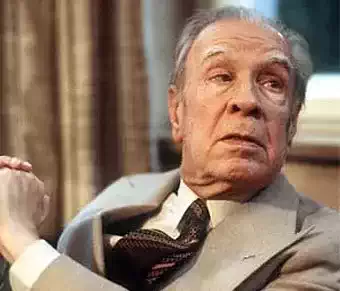
Jorge Luis Borges
Remorse For Any Death
Free of memory and of hope,
limitless, abstract, almost future,
the dead man is not a dead man: he is death.
Like the God of the mystics,
of Whom anything that could be said must be denied,
the dead one, alien everywhere,
is but the ruin and absence of the world.
We rob him of everything,
we leave him not so much as a color or syllable:
here, the courtyard which his eyes no longer see,
there, the sidewalk where his hope lay in wait.
Even what we are thinking,
he could be thinking;
we have divvied up like thieves
the booty of nights and days.
Read more →
804
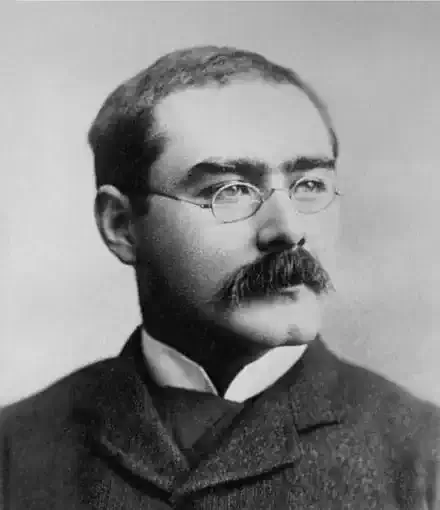
Rudyard Kipling
The Last Shuttee
Not many years ago a King died in one of the Rajpoot States.
His wives, disregarding the orders of the English against Suttee,
would have broken out of the palace had not the gates been barred.
But one of them, disguised as the King's favourite dancing-girl,
passed through the line of guards and reached the pyre. There,
her courage failing, she prayed her cousin, a baron of the court,
to kill her. This he did, not knowing who she was.
Udai Chand lay sick to death
In his hold by Gungra hill.
All night we heard the death-gongs ring
For the soul of the dying Rajpoot King,
All night beat up from the women's wing
A cry that we could not still.
All night the barons came and went,
The lords of the outer guard:
All night the cressets glimmered pale
On Ulwar sabre and Tonk jezail,
Mewar headstall and Marwar mail,
That clinked in the palace yard.
In the Golden room on the palace roof
All night he fought for air:
And there was sobbing behind the screen,
Rustle and whisper of women unseen,
And the hungry eyes of the Boondi Queen
On the death she might not share.
He passed at dawn -- the death-fire leaped
From ridge to river-head,
From the Malwa plains to the Abu scars:
And wail upon wail went up to the stars
Behind the grim zenana-bars,
When they knew that the King was dead.
The dumb priest knelt to tie his mouth
And robe him for the pyre.
The Boondi Queen beneath us cried:
"See, now, that we die as our mothers died
In the bridal-bed by our master's side!
Out, women! -- to the fire!"
We drove the great gates home apace:
White hands were on the sill:
But ere the rush of the unseen feet
Had reached the turn to the open street,
The bars shot down, the guard-drum beat --
We held the dovecot still.
A face looked down in the gathering day,
And laughing spoke from the wall:
"Oh]/e, they mourn here: let me by --
Azizun, the Lucknow nautch-girl, I!
When the house is rotten, the rats must fly,
And I seek another thrall.
"For I ruled the King as ne'er did Queen, --
To-night the Queens rule me!
Guard them safely, but let me go,
Or ever they pay the debt they owe
In scourge and torture!" She leaped below,
And the grim guard watched her flee.
They knew that the King had spent his soul
On a North-bred dancing-girl:
That he prayed to a flat-nosed Lucknow god,
And kissed the ground where her feet had trod,
And doomed to death at her drunken nod,
And swore by her lightest curl.
We bore the King to his fathers' place,
Where the tombs of the Sun-born stand:
Where the gray apes swing, and the peacocks preen
On fretted pillar and jewelled screen,
And the wild boar couch in the house of the Queen
On the drift of the desert sand.
The herald read his titles forth,
We set the logs aglow:
"Friend of the English, free from fear,
Baron of Luni to Jeysulmeer,
Lord of the Desert of Bikaneer,
King of the Jungle, -- go!"
All night the red flame stabbed the sky
With wavering wind-tossed spears:
And out of a shattered temple crept
A woman who veiled her head and wept,
And called on the King -- but the great King slept,
And turned not for her tears.
Small thought had he to mark the strife --
Cold fear with hot desire --
When thrice she leaped from the leaping flame,
And thrice she beat her breast for shame,
And thrice like a wounded dove she came
And moaned about the fire.
One watched, a bow-shot from the blaze,
The silent streets between,
Who had stood by the King in sport and fray,
To blade in ambush or boar at bay,
And he was a baron old and gray,
And kin to the Boondi Queen.
He said: "O shameless, put aside
The veil upon thy brow!
Who held the King and all his land
To the wanton will of a harlot's hand!
Will the white ash rise from the blistered brand?
Stoop down, and call him now!"
Then she: "By the faith of my tarnished soul,
All things I did not well,
I had hoped to clear ere the fire died,
And lay me down by my master's side
To rule in Heaven his only bride,
While the others howl in Hell.
"But I have felt the fire's breath,
And hard it is to die!
Yet if I may pray a Rajpoot lord
To sully the steel of a Thakur's sword
With base-born blood of a trade abhorred," --
And the Thakur answered, "Ay."
He drew and struck: the straight blade drank
The life beneath the breast.
"I had looked for the Queen to face the flame,
But the harlot dies for the Rajpoot dame --
Sister of mine, pass, free from shame,
Pass with thy King to rest!"
The black log crashed above the white:
The little flames and lean,
Red as slaughter and blue as steel,
That whistled and fluttered from head to heel,
Leaped up anew, for they found their meal
On the heart of -- the Boondi Queen!
Read more →
790
Oscar Wilde
San Miniato
SEE, I have climbed the mountain side
Up to this holy house of God,
Where once that Angel-Painter trod
Who saw the heavens opened wide,
And throned upon the crescent moon
The Virginal white Queen of Grace,--
Mary! could I but see thy face
Death could not come at all too soon.
O crowned by God with thorns and pain!
Mother of Christ! O mystic wife!
My heart is weary of this life
And over-sad to sing again.
O crowned by God with love and flame!
O crowned by Christ the Holy One!
O listen ere the searching sun
Show to the world my sin and shame.
Read more →
829

Christina Rossetti
When I am dead, my dearest
When I am dead, my dearest,
Sing no sad songs for me;
Plant thou no roses at my head,
Nor shady cypress tree:
Be the green grass above me
With showers and dewdrops wet;
And if thou wilt, remember,
And if thou wilt, forget.
I shall not see the shadows,
I shall not feel the rain;
I shall not hear the nightingale
Sing on, as if in pain:
And dreaming through the twilight
That doth not rise nor set,
Haply I may remember,
And haply may forget.
Read more →
783
Federico García Lorca
Gacela of the Dark Death
I want to sleep the dream of the apples,
to withdraw from the tumult of cemetries.
I want to sleep the dream of that child
who wanted to cut his heart on the high seas.
I don't want to hear again that the dead do not lose their blood,
that the putrid mouth goes on asking for water.
I don't want to learn of the tortures of the grass,
nor of the moon with a serpent's mouth
that labors before dawn.
I want to sleep awhile,
awhile, a minute, a century;
but all must know that I have not died;
that there is a stable of gold in my lips;
that I am the small friend of the West wing;
that I am the intense shadows of my tears.
Cover me at dawn with a veil,
because dawn will throw fistfuls of ants at me,
and wet with hard water my shoes
so that the pincers of the scorpion slide.
For I want to sleep the dream of the apples,
to learn a lament that will cleanse me to earth;
for I want to live with that dark child
who wanted to cut his heart on the high seas.
Read more →
779

Antonio Roberval Miketen
Opportunioty of the Rose
I
The Song of João Moura
The bullfighter shouted in the center of the arena
and the horse danced in the depth of fear.
II
Picasso wanted to paint an arena,
full-sized, accurate,
with miuras with needle-sharp horns, carved
under the sleek black mountains.
On the canvas of the painter bad omens show:
in Guernica, did he paint the victory of the bull?
Consider that the arenas are human roses
ready to burst with the rage of the blood.
If Picassos dream were not so absurd,
Manolete, for sure, in his gala outfit
remembering Linares, would give himself to the bull:
would he repeat, once again, the faena of the rose?
III
Why do we trust the bull with the evidence of the wait,
on this chancy dove, innocent yet a beast?
IV
At the very moment when the body is dressed in gala
the heat of the shroud increases its nakednes.
V
Tragedy of "YIYO"
The mortal spike ripping the flesh
of the bullfighter makes sprout a brutal beauty.
VI
Will I see the day when the bull will find its luck
in the prime of the fake womb of the reckless veronica?
Read more →
767
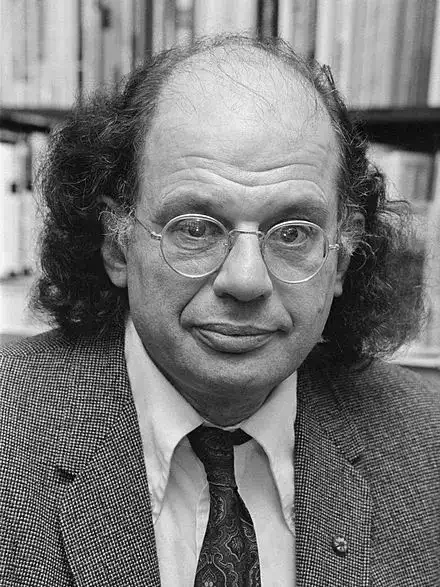
Allen Ginsberg
Kaddish, Part I
Strange now to think of you, gone without corsets & eyes, while I walk on
the sunny pavement of Greenwich Village.
downtown Manhattan, clear winter noon, and I've been up all night, talking,
talking, reading the Kaddish aloud, listening to Ray Charles blues
shout blind on the phonograph
the rhythm the rhythm--and your memory in my head three years after-And
read Adonais' last triumphant stanzas aloud--wept, realizing
how we suffer--
And how Death is that remedy all singers dream of, sing, remember,
prophesy as in the Hebrew Anthem, or the Buddhist Book of Answers--
and my own imagination of a withered leaf--at dawn--
Dreaming back thru life, Your time--and mine accelerating toward Apocalypse,
the final moment--the flower burning in the Day--and what comes after,
looking back on the mind itself that saw an American city
a flash away, and the great dream of Me or China, or you and a phantom
Russia, or a crumpled bed that never existed-
like a poem in the dark--escaped back to Oblivion--
No more to say, and nothing to weep for but the Beings in the Dream,
trapped in its disappearance,
sighing, screaming with it, buying and selling pieces of phantom, worshipping
each other,
worshipping the God included in it all--longing or inevitability?--while it
lasts, a Vision--anything more?
It leaps about me, as I go out and walk the street, look back over my shoulder,
Seventh Avenue, the battlements of window office buildings shouldering
each other high, under a cloud, tall as the sky an instant--and
the sky above--an old blue place.
or down the Avenue to the south, to--as I walk toward the Lower East Side
--where you walked 50 years ago, little girl--from Russia, eating the
first poisonous tomatoes of America frightened on the dock
then struggling in the crowds of Orchard Street toward what?--toward
Newark-
toward candy store, first home-made sodas of the century, hand-churned ice
cream in backroom on musty brownfloor boards--
Toward education marriage nervous breakdown, operation, teaching school,
and learning to be mad, in a dream--what is this life?
Toward the Key in the window--and the great Key lays its head of light
on top of Manhattan, and over the floor, and lays down on the
sidewalk--in a single vast beam, moving, as I walk down First toward
the Yiddish Theater--and the place of poverty
you knew, and I know, but without caring now--Strange to have moved
thru Paterson, and the West, and Europe and here again,
with the cries of Spaniards now in the doorstops doors and dark boys on
the street, firs escapes old as you
--Tho you're not old now, that's left here with me--
Myself, anyhow, maybe as old as the universe--and I guess that dies with
us--enough to cancel all that comes--What came is gone forever
every time-
That's good!
That leaves it open for no regret--no fear radiators, lacklove,
torture even toothache in the end--
Though while it comes it is a lion that eats the soul--and the lamb, the soul,
in us, alas, offering itself in sacrifice to change's fierce hunger--hair
and teeth--and the roar of bonepain, skull bare, break rib, rot-skin,
braintricked Implacability.
Ai! ai!we do worse! We are in a fix!
And you're out, Death let you out,
Death had the Mercy, you're done with your century, done with
God, done with the path thru it--Done with yourself at last--Pure
--Back to the Babe dark before your Father, before us all--before the
world--
There, rest.
No more suffering for you.
I know where you've gone, it's good.
No more flowers in the summer fields of New York, no joy now, no more
fear of Louis,
and no more of his sweetness and glasses, his high school decades, debts,
loves, frightened telephone calls, conception beds, relatives, hands--
No more of sister Elanor,--she gone before you--we kept it secret you
killed her--or she killed herself to bear with you--an arthritic heart
--But Death's killed you both--No matter--
Nor your memory of your mother, 1915 tears in silent movies weeks and
weeks--forgetting, agrieve watching Marie Dressler address humanity,
Chaplin dance in youth,
or Boris Godunov, Chaliapin's at the Met, halling his voice of a weeping Czar
--by standing room with Elanor & Max--watching also the Capital
ists take seats in Orchestra, white furs, diamonds,
with the YPSL's hitch-hiking thru Pennsylvania, in black baggy gym skirts
pants, photograph of 4 girls holding each other round the waste, and
laughing eye, too coy, virginal solitude of 1920
all girls grown old, or dead now, and that long hair in the grave--lucky to
have husbands later--
You made it--I came too--Eugene my brother before (still grieving now and
will gream on to his last stiff hand, as he goes thru his cancer--or kill
--later perhaps--soon he will think--)
And it's the last moment I remember, which I see them all, thru myself, now
--tho not you
I didn't foresee what you felt--what more hideous gape of bad mouth came
first--to you--and were you prepared?
To go where?
In that Dark--that--in that God? a radiance? A Lord in the
Void?Like an eye in the black cloud in a dream?
Adonoi at last, with
you?
Beyond my remembrance! Incapable to guess! Not merely the yellow skull
in the grave, or a box of worm dust, and a stained ribbon--Deathshead
with Halo?can you believe it?
Is it only the sun that shines once for the mind, only the flash of existence,
than none ever was?
Nothing beyond what we have--what you had--that so pitiful--yet Triumph,
to have been here, and changed, like a tree, broken, or flower--fed to the
ground--but made, with its petals, colored, thinking Great Universe,
shaken, cut in the head, leaf stript, hid in an egg crate hospital, cloth
wrapped, sore--freaked in the moon brain, Naughtless.
No flower like that flower, which knew itself in the garden, and fought the
knife--lost
Cut down by an idiot Snowman's icy--even in the Spring--strange ghost
thought some--Death--Sharp icicle in his hand--crowned with old
roses--a dog for his eyes--cock of a sweatshop--heart of electric
irons.
All the accumulations of life, that wear us out--clocks, bodies, consciousness,
shoes, breasts--begotten sons--your Communism--'Paranoia' into
hospitals.
You once kicked Elanor in the leg, she died of heart failure later.
You of
stroke.
Asleep?within a year, the two of you, sisters in death.
Is
Elanor happy?
Max grieves alive in an office on Lower Broadway, lone large mustache over
midnight Accountings, not sure.
His life passes--as he sees--and
what does he doubt now?
Still dream of making money, or that might
have made money, hired nurse, had children, found even your Immortality,
Naomi?
I'll see him soon.
Now I've got to cut through to talk to you as I didn't
when you had a mouth.
Forever.And we're bound for that, Forever like Emily Dickinson's horses
--headed to the End.
They know the way--These Steeds--run faster than we think--it's our own
life they cross--and take with them.
Magnificent, mourned no more, marred of heart, mind behind, married
dreamed, mortal changed--Ass and face done with murder.
In the world, given, flower maddened, made no Utopia, shut under
pine, almed in Earth, blamed in Lone, Jehovah, accept.
Nameless, One Faced, Forever beyond me, beginningless, endless,
Father in death.
Tho I am not there for this Prophecy, I am unmarried, I'm
hymnless, I'm Heavenless, headless in blisshood I would still adore
Thee, Heaven, after Death, only One blessed in Nothingness, not
light or darkness, Dayless Eternity-Take
this, this Psalm, from me, burst from my hand in a day, some
of my Time, now given to Nothing--to praise Thee--But Death
This is the end, the redemption from Wilderness, way for the Wonderer,
House sought for All, black handkerchief washed clean by weeping
--page beyond Psalm--Last change of mine and Naomi--to God's perfect
Darkness--Death, stay thy phantoms!
II
Over and over--refrain--of the Hospitals--still haven't written your
history--leave it abstract--a few images
run thru the mind--like the saxophone chorus of houses and years-remembrance
of electrical shocks.
By long nites as a child in Paterson apartment, watching over your
nervousness--you were fat--your next move-
By that afternoon I stayed home from school to take care of you-once
and for all--when I vowed forever that once man disagreed with my
opinion of the cosmos, I was lost-
By my later burden--vow to illuminate mankind--this is release of
particulars--(mad as you)--(sanity a trick of agreement)-But
you stared out the window on the Broadway Church corner, and
spied a mystical assassin from Newark,
So phoned the Doctor--'OK go way for a rest'--so I put on my coat
and walked you downstreet--On the way a grammarschool boy screamed,
unaccountably--'Where you goin Lady to Death'? I shuddered-
and you covered your nose with motheaten fur collar, gas mask
against poison sneaked into downtown atmosphere, sprayed by Grandma-
And was the driver of the cheesebox Public Service bus a member of
the gang?
You shuddered at his face, I could hardly get you on--to New
York, very Times Square, to grab another Greyhound--
Read more →
783
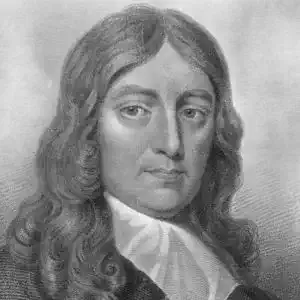
John Milton
Sonnet 14
XIV
When Faith and Love which parted from thee never,
Had ripen'd thy just soul to dwell with God,
Meekly thou didst resign this earthy load
Of Death, call'd Life; which us from Life doth sever
Thy Works and Alms and all thy good Endeavour
Staid not behind, nor in the grave were trod;
But as Faith pointed with her golden rod,
Follow'd thee up to joy and bliss for ever.
Love led them on, and Faith who knew them best
Thy hand-maids, clad them o're with purple beams
And azure wings, that up they flew so drest,
And speak the truth of thee on glorious Theams
Before the Judge, who thenceforth bid thee rest
And drink thy fill of pure immortal streams.
Note: Camb. Autograph supplies title, On the Religious
Memory of Catherine Thomson, my Christian Friend, deceased
16 Decemb., 1646.
Read more →
763
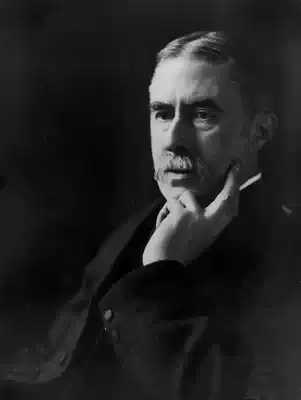
Alfred Edward Housman
Farewell to Barn and Stack and Tree
"Farewell to barn and stack and tree,
Farewell to Severn shore.
Terence, look your last at me,
For I come home no more.
"The sun burns on the half-mown hill,
By now the blood is dried;
And Maurice amongst the hay lies still
And my knife is in his side.
"My mother thinks us long away;
'Tis time the field were mown.
She had two sons at rising day,
To-night she'll be alone.
"And here's a bloody hand to shake,
And oh, man, here's good-bye;
We'll sweat no more on scythe and rake,
My bloody hands and I.
"I wish you strength to bring you pride,
And a love to keep you clean,
And I wish you luck, come Lammastide,
At racing on the green.
"Long for me the rick will wait,
And long will wait the fold,
And long will stand the empty plate,
And dinner will be cold."
Read more →
783

Henry Wadsworth Longfellow
The Song Of Hiawatha XV: Hiawatha's Lamentation
In those days the Evil Spirits,
All the Manitos of mischief,
Fearing Hiawatha's wisdom,
And his love for Chibiabos,
Jealous of their faithful friendship,
And their noble words and actions,
Made at length a league against them,
To molest them and destroy them.
Hiawatha, wise and wary,
Often said to Chibiabos,
'O my brother! do not leave me,
Lest the Evil Spirits harm you!'
Chibiabos, young and heedless,
Laughing shook his coal-black tresses,
Answered ever sweet and childlike,
'Do not fear for me, O brother!
Harm and evil come not near me!'
Once when Peboan, the Winter,
Roofed with ice the Big-Sea-Water,
When the snow-flakes, whirling downward,
Hissed among the withered oak-leaves,
Changed the pine-trees into wigwams,
Covered all the earth with silence,
Armed with arrows, shod with snow-shoes,
Heeding not his brother's warning,
Fearing not the Evil Spirits,
Forth to hunt the deer with antlers
All alone went Chibiabos.
Right across the Big-Sea-Water
Sprang with speed the deer before him.
With the wind and snow he followed,
O'er the treacherous ice he followed,
Wild with all the fierce commotion
And the rapture of the hunting.
But beneath, the Evil Spirits
Lay in ambush, waiting for him,
Broke the treacherous ice beneath him,
Dragged him downward to the bottom,
Buried in the sand his body.
Unktahee, the god of water,
He the god of the Dacotahs,
Drowned him in the deep abysses
Of the lake of Gitche Gumee.
From the headlands Hiawatha
Sent forth such a wail of anguish,
Such a fearful lamentation,
That the bison paused to listen,
And the wolves howled from the prairies,
And the thunder in the distance
Starting answered 'Baim-wawa!'
Then his face with black he painted,
With his robe his head he covered,
In his wigwam sat lamenting,
Seven long weeks he sat lamenting,
Uttering still this moan of sorrow:
'He is dead, the sweet musician!
He the sweetest of all singers!
He has gone from us forever,
He has moved a little nearer
To the Master of all music,
To the Master of all singing!
O my brother, Chibiabos!'
And the melancholy fir-trees
Waved their dark green fans above him,
Waved their purple cones above him,
Sighing with him to console him,
Mingling with his lamentation
Their complaining, their lamenting.
Came the Spring, and all the forest
Looked in vain for Chibiabos;
Sighed the rivulet, Sebowisha,
Sighed the rushes in the meadow.
From the tree-tops sang the bluebird,
Sang the bluebird, the Owaissa,
'Chibiabos! Chibiabos!
He is dead, the sweet musician!'
From the wigwam sang the robin,
Sang the robin, the Opechee,
'Chibiabos! Chibiabos!
He is dead, the sweetest singer!'
And at night through all the forest
Went the whippoorwill complaining,
Wailing went the Wawonaissa,
'Chibiabos! Chibiabos!
He is dead, the sweet musician!
He the sweetest of all singers!'
Then the Medicine-men, the Medas,
The magicians, the Wabenos,
And the Jossakeeds, the Prophets,
Came to visit Hiawatha;
Built a Sacred Lodge beside him,
To appease him, to console him,
Walked in silent, grave procession,
Bearing each a pouch of healing,
Skin of beaver, lynx, or otter,
Filled with magic roots and simples,
Filled with very potent medicines.
When he heard their steps approaching,
Hiawatha ceased lamenting,
Called no more on Chibiabos;
Naught he questioned, naught he answered,
But his mournful head uncovered,
From his face the mourning colors
Washed he slowly and in silence,
Slowly and in silence followed
Onward to the Sacred Wigwam.
There a magic drink they gave him,
Made of Nahma-wusk, the spearmint,
And Wabeno-wusk, the yarrow,
Roots of power, and herbs of healing;
Beat their drums, and shook their rattles;
Chanted singly and in chorus,
Mystic songs like these, they chanted.
'I myself, myself! behold me!
`T Is the great Gray Eagle talking;
Come, ye white crows, come and hear him!
The loud-speaking thunder helps me;
All the unseen spirits help me;
I can hear their voices calling,
All around the sky I hear them!
I can blow you strong, my brother,
I can heal you, Hiawatha!'
'Hi-au-ha!' replied the chorus,
'Wayha-way!' the mystic chorus.
Friends of mine are all the serpents!
Hear me shake my skin of hen-hawk!
Mahng, the white loon, I can kill him;
I can shoot your heart and kill it!
I can blow you strong, my brother,
I can heal you, Hiawatha !'
'Hi-au-ha!' replied the chorus,
'Wayhaway!' the mystic chorus.
'I myself, myself! the prophet!
When I speak the wigwam trembles,
Shakes the Sacred Lodge with terror,
Hands unseen begin to shake it!
When I walk, the sky I tread on
Bends and makes a noise beneath me!
I can blow you strong, my brother!
Rise and speak, O Hiawatha!'
'Hi-au-ha!' replied the chorus,
'Way-ha-way!' the mystic chorus.
Then they shook their medicine-pouches
O'er the head of Hiawatha,
Danced their medicine-dance around him;
And upstarting wild and haggard,
Like a man from dreams awakened,
He was healed of all his madness.
As the clouds are swept from heaven,
Straightway from his brain departed
All his moody melancholy;
As the ice is swept from rivers,
Straightway from his heart departed
All his sorrow and affliction.
Then they summoned Chibiabos
From his grave beneath the waters,
From the sands of Gitche Gumee
Summoned Hiawatha's brother.
And so mighty was the magic
Of that cry and invocation,
That he heard it as he lay there
Underneath the Big-Sea-Water;
From the sand he rose and listened,
Heard the music and the singing,
Came, obedient to the summons,
To the doorway of the wigwam,
But to enter they forbade him.
Through a chink a coal they gave him,
Through the door a burning fire-brand;
Ruler in the Land of Spirits,
Ruler o'er the dead, they made him,
Telling him a fire to kindle
For all those that died thereafter,
Camp-fires for their night encampments
On their solitary journey
To the kingdom of Ponemah,
To the land of the Hereafter.
From the village of his childhood,
From the homes of those who knew him,
Passing silent through the forest,
Like a smoke-wreath wafted sideways,
Slowly vanished Chibiabos!
Where he passed, the branches moved not,
Where he trod, the grasses bent not,
And the fallen leaves of last year
Made no sound beneath his footstep.
Four whole days he journeyed onward
Down the pathway of the dead men;
On the dead-man's strawberry feasted,
Crossed the melancholy river,
On the swinging log he crossed it,
Came unto the Lake of Silver,
In the Stone Canoe was carried
To the Islands of the Blessed,
To the land of ghosts and shadows.
On that journey, moving slowly,
Many weary spirits saw he,
Panting under heavy burdens,
Laden with war-clubs, bows and arrows,
Robes of fur, and pots and kettles,
And with food that friends had given
For that solitary journey.
'Ay! why do the living,' said they,
'Lay such heavy burdens on us!
Better were it to go naked,
Better were it to go fasting,
Than to bear such heavy burdens
On our long and weary journey!'
Forth then issued Hiawatha,
Wandered eastward, wandered westward,
Teaching men the use of simples
And the antidotes for poisons,
And the cure of all diseases.
Thus was first made known to mortals
All the mystery of Medamin,
All the sacred art of healing.
Read more →
721
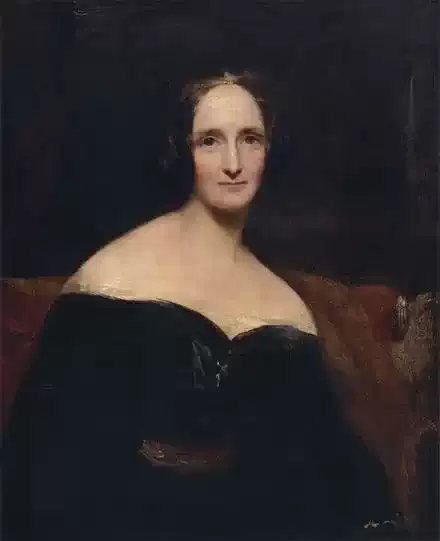
Percy Bysshe Shelley
Adonais
I weep for Adonais -he is dead!
O, weep for Adonais! though our tears
Thaw not the frost which binds so dear a head!
And thou, sad Hour, selected from all years
To mourn our loss, rouse thy obscure compeers,
And teach them thine own sorrow, say: "With me
Died Adonais; till the Future dares
Forget the Past, his fate and fame shall be
An echo and a light unto eternity!"
Where wert thou, mighty Mother, when he lay,
When thy Son lay, pierced by the shaft which flies
In darkness? where was lorn Urania
When Adonais died? With veiled eyes,
Mid listening Echoes, in her Paradise
She sate, while one, with soft enamoured breath,
Rekindled all the fading melodies
With which, like flowers that mock the corse beneath,
He had adorned and hid the coming bulk of death.
O, weep for Adonais -he is dead!
Wake, melancholy Mother, wake and weep!
Yet wherefore? Quench within their burning bed
Thy fiery tears, and let thy loud heart keep
Like his, a mute and uncomplaining sleep;
For he is gone, where all things wise and fair
Descend; -oh, dream not that the amorous Deep
Will yet restore him to the vital air;
Death feeds on his mute voice, and laughs at our despair.
Most musical of mourners, weep again!
Lament anew, Urania! -He died,
Who was the Sire of an immortal strain,
Blind, old, and lonely, when his country's pride,
The priest, the slave, and the liberticide
Trampled and mocked with many a loathed rite
Of lust and blood; he went, unterrified,
Into the gulf of death; but his clear Sprite
Yet reigns o'er earth; the third among the sons of light.
Most musical of mourners, weep anew!
Not all to that bright station dared to climb;
And happier they their happiness who knew,
Whose tapers yet burn through that night of time
In which suns perished; others more sublime,
Struck by the envious wrath of man or god,
Have sunk, extinct in their refulgent prime;
And some yet live, treading the thorny road
Which leads, through toil and hate, to Fame's serene abode.
But now, thy youngest, dearest one, has perished -
The nursling of thy widowhood, who grew,
Like a pale flower by some sad maiden cherished,
And fed with true-love tears, instead of dew;
Most musical of mourners, weep anew!
Thy extreme hope, the loveliest and the last,
The bloom, whose petals nipped before they blew
Died on the promise of the fruit, is waste;
The broken lily lies -the storm is overpast.
To that high Capital, where kingly Death
Keeps his pale court in beauty and decay,
He came; and bought, with price of purest breath,
A grave among the eternal. -Come away!
Haste, while the vault of blue Italian day
Is yet his fitting charnel-roof! while still
He lies, as if in dewy sleep he lay;
Awake him not! surely he takes his fill
Of deep and liquid rest, forgetful of all ill.
He will awake no more, oh, never more! -
Within the twilight chamber spreads apace
The shadow of white Death, and at the door
Invisible Corruption waits to trace
His extreme way to her dim dwelling-place;
The eternal Hunger sits, but pity and awe
Soothe her pale rage, nor dares she to deface
So fair a prey, till darkness, and the law
Of change, shall o'er his sleep the mortal curtain draw.
O, weep for Adonais! -The quick Dreams,
The passion-winged Ministers of thought,
Who were his flocks, whom near the living streams
Of his young spirit he fed, and whom he taught
The love which was its music, wander not, -
Wander no more, from kindling brain to brain,
But droop there, whence they sprung; and mourn their lot
Round the cold heart, where, after their sweet pain,
They ne'er will gather strength, or find a home again.
And one with trembling hands clasps his cold head,
And fans him with her moonlight wings, and cries,
"Our love, our hope, our sorrow, is not dead;
See, on the silken fringe of his faint eyes,
Like dew upon a sleeping flower, there lies
A tear some Dream has loosened from his brain."
Lost Angel of a ruined Paradise!
She knew not 'twas her own; as with no stain
She faded, like a cloud which had outwept its rain.
One from a lucid urn of starry dew
Washed his light limbs as if embalming them;
Another clipped her profuse locks, and threw
The wreath upon him, like an anadem,
Which frozen tears instead of pearls begem;
Another in her wilful grief would break
Her bow and winged reeds, as if to stem
A greater loss with one which was more weak;
And dull the barbed fire against his frozen cheek.
Another Splendour on his mouth alit,
That mouth, whence it was wont to draw the breath
Which gave it strength to pierce the guarded wit,
And pass into the panting heart beneath
With lightning and with music: the damp death
Quenched its caress upon his icy lips;
And, as a dying meteor stains a wreath
Of moonlight vapour, which the cold night clips,
It flushed through his pale limbs, and passed to its eclipse.
And others came... Desires and Adorations,
Winged Persuasions and veiled Destinies,
Splendours, and Glooms, and glimmering Incarnations
Of hopes and fears, and twilight Phantasies;
And Sorrow, with her family of Sighs,
And Pleasure, blind with tears, led by the gleam
Of her own dying smile instead of eyes,
Came in slow pomp; -the moving pomp might seem
Like pageantry of mist on an autumnal stream.
All he had loved, and moulded into thought,
From shape, and hue, and odour, and sweet sound,
Lamented Adonais. Morning sought
Her eastern watch-tower, and her hair unbound,
Wet with the tears which should adorn the ground,
Dimmed the aereal eyes that kindle day;
Afar the melancholy thunder moaned,
Pale Ocean in unquiet slumber lay,
And the wild Winds flew round, sobbing in their dismay.
Lost Echo sits amid the voiceless mountains,
And feeds her grief with his remembered lay,
And will no more reply to winds or fountains,
Or amorous birds perched on the young green spray,
Or herdsman's horn, or bell at closing day;
Since she can mimic not his lips, more dear
Than those for whose disdain she pined away
Into a shadow of all sounds: -a drear
Murmur, between their songs, is all the woodmen hear.
Grief made the young Spring wild, and she threw down
Her kindling buds, as if she Autumn were,
Or they dead leaves; since her delight is flown,
For whom should she have waked the sullen year?
To Phoebus was not Hyacinth so dear
Nor to himself Narcissus, as to both
Thou, Adonais: wan they stand and sere
Amid the faint companions of their youth,
With dew all turned to tears; odour, to sighing ruth.
Thy spirit's sister, the lorn nightingale
Mourns not her mate with such melodious pain;
Not so the eagle, who like thee could scale
Heaven, and could nourish in the sun's domain
Her mighty youth with morning, doth complain,
Soaring and screaming round her empty nest,
As Albion wails for thee: the curse of Cain
Light on his head who pierced thy innocent breast,
And scared the angel soul that was its earthly guest!
Ah, woe is me! Winter is come and gone,
But grief returns with the revolving year;
The airs and streams renew their joyous tone;
The ants, the bees, the swallows reappear;
Fresh leaves and flowers deck the dead Season's bier;
The amorous birds now pair in every brake,
And build their mossy homes in field and brere;
And the green lizard, and the golden snake,
Like unimprisoned flames, out of their trance awake.
Through wood and stream and field and hill and Ocean
A quickening life from the Earth's heart has burst
As it has ever done, with change and motion,
From the great morning of the world when first
God dawned on Chaos; in its stream immersed,
The lamps of Heaven flash with a softer light;
All baser things pant with life's sacred thirst;
Diffuse themselves; and spend in love's delight
The beauty and the joy of their renewed might.
The leprous corpse, touched by this spirit tender,
Exhales itself in flowers of gentle breath;
Like incarnations of the stars, when splendour
Is changed to fragrance, they illumine death
And mock the merry worm that wakes beneath;
Nought we know, dies. Shall that alone which knows
Be as a sword consumed before the sheath
By sightless lightning? -the intense atom glows
A moment, then is quenched in a most cold repose.
Alas! that all we loved of him should be,
But for our grief, as if it had not been,
And grief itself be mortal! Woe is me!
Whence are we, and why are we? of what scene
The actors or spectators? Great and mean
Meet massed in death, who lends what life must borrow.
As long as skies are blue, and fields are green,
Evening must usher night, night urge the morrow,
Month follow month with woe, and year wake year to sorrow.
He will awake no more, oh, never more!
"Wake thou," cried Misery, "childless Mother, rise
Out of thy sleep, and slake, in thy heart's core,
A wound more fierce than his with tears and sighs."
And all the Dreams that watched Urania's eyes,
And all the Echoes whom their sister's song
Had held in holy silence, cried: "Arise!"
Swift as a Thought by the snake Memory stung,
From her ambrosial rest the fading Splendour sprung.
She rose like an autumnal Night, that springs
Our of the East, and follows wild and drear
The golden Day, which, on eternal wings,
Even as a ghost abandoning a bier,
Had left the Earth a corpse. Sorrow and fear
So struck, so roused, so rapt Urania;
So saddened round her like an atmosphere
Of stormy mist; so swept her on her way
Even to the mournful place where Adonais lay.
Our of her secret Paradise she sped,
Through camps and cities rough with stone, and steel,
And human hearts, which to her aery tread
Yielding not, wounded the invisible
Palms of her tender feet where'er they fell:
And barbed tongues, and thoughts more sharp than they,
Rent the soft Form they never could repel,
Whose sacred blood, like the young tears of May,
Paved with eternal flowers that undeserving way.
In the death-chamber for a moment Death,
Shamed by the presence of that living Might,
Blushed to annihilation, and the breath
Revisited those lips, and Life's pale light
Flashed through those limbs, so late her dear delight.
"Leave me not wild and drear and comfortless,
As silent lightning leaves the starless night!
Leave me not!" cried Urania: her distress
Roused Death: Death rose and smiled, and met her vain caress.
"'Stay yet awhile! speak to me once again;
Kiss me, so long but as a kiss may live;
And in my heartless breast and burning brain
That word, that kiss, shall all thoughts else survive,
With food of saddest memory kept alive,
Now thou art dead, as if it were a part
Of thee, my Adonais! I would give
All that I am to be as thou now art!
But I am chained to Time, and cannot thence depart!
"O gentle child, beautiful as thou wert,
Why didst thou leave the trodden paths of men
Too soon, and with weak hands though mighty heart
Dare the unpastured dragon in his den?
Defenceless as thou wert, oh, where was then
Wisdom the mirrored shield, or scorn the spear?
Or hadst thou waited the full cycle, when
Thy spirit should have filled its crescent sphere,
The monsters of life's waste had fled from thee like deer.
"The herded wolves, bold only to pursue;
The obscene ravens, clamorous o'er the dead;
The vultures to the conqueror's banner true
Who feed where Desolation first has fed,
And whose wings rain contagion; -how they fled,
When, like Apollo, from his golden bow
The Pythian of the age one arrow sped
And smiled! -The spoilers tempt no second blow,
They fawn on the proud feet that spurn them lying low.
"The sun comes forth, and many reptiles spawn;
He sets, and each ephemeral insect then
Is gathered into death without a dawn,
And the immortal stars awake again;
So is it in the world of living men:
A godlike mind soars forth, in its delight
Making earth bare and veiling heaven, and when
It sinks, the swarms that dimmed or shared its light
Leave to its kindred lamps the spirit's awful night."
Thus ceased she: and the mountain shepherds came,
Their garlands sere, their magic mantles rent;
The Pilgrim of Eternity, whose fame
Over his living head like Heaven is bent,
An early but enduring monument,
Came, veiling all the lightnings of his song
In sorrow; from her wilds Irene sent
The sweetest lyrist of her saddest wrong,
And Love taught Grief to fall like music from his tongue.
Midst others of less note, came one frail Form,
A phantom among men; companionless
As the last cloud of an expiring storm
Whose thunder is its knell; he, as I guess,
Had gazed on Nature's naked loveliness,
Actaeon-like, and now he fled astray
With feeble steps o'er the world's wilderness,
And his own thoughts, along that rugged way,
Pursued, like raging hounds, their father and their prey.
A pardlike Spirit beautiful and swift -
A Love in desolation masked; -a Power
Girt round with weakness; -it can scarce uplift
The weight of the superincumbent hour;
It is a dying lamp, a falling shower,
A breaking billow; -even whilst we speak
Is it not broken? On the withering flower
The killing sun smiles brightly: on a cheek
The life can burn in blood, even while the heart may break.
His head was bound with pansies overblown,
And faded violets, white, and pied, and blue;
And a light spear topped with a cypress cone,
Round whose rude shaft dark ivy-tresses grew
Yet dripping with the forest's noonday dew,
Vibrated, as the ever-beating heart
Shook the weak hand that grasped it; of that crew
He came the last, neglected and apart;
A herd-abandoned deer struck by the hunter's dart.
All stood aloof, and at his partial moan
Smiled through their tears; well knew that gentle band
Who in another's fate now wept his own,
As in the accents of an unknown land
He sung new sorrow; sad Urania scanned
The Stranger's mien, and murmured: "Who art thou?"
He answered not, but with a sudden hand
Made bare his branded and ensanguined brow,
Which was like Cain's or Christ's -oh! that it should be so!
What softer voice is hushed over the dead?
Athwart what brow is that dark mantle thrown?
What form leans sadly o'er the white death-bed,
In mockery of monumental stone,
The heavy heart heaving without a moan?
If it be He, who, gentlest of the wise,
Taught, soothed, loved, honoured the departed one,
Let me not vex, with inharmonious sighs,
The silence of that heart's accepted sacrifice.
Our Adonais has drunk poison -oh!
What deaf and viperous murderer could crown
Life's early cup with such a draught of woe?
The nameless worm would now itself disown:
It felt, yet could escape, the magic tone
Whose prelude held all envy, hate, and wrong,
But what was howling in one breast alone,
Silent with expectation of the song,
Whose master's hand is cold, whose silver lyre unstrung.
Live thou, whose infamy is not thy fame!
Live! fear no heavier chastisement from me,
Thou noteless blot on a remembered name!
But be thyself, and know thyself to be!
And ever at thy season be thou free
To spill the venom when thy fangs o'erflow:
Remorse and Self-contempt shall cling to thee;
Hot Shame shall burn upon thy secret brow,
And like a beaten hound tremble thou shalt -as now.
Nor let us weep that our delight is fled
Far from these carrion kites that scream below;
He wakes or sleeps with the enduring dead;
Thou canst not soar where he is sitting now -
Dust to the dust! but the pure spirit shall flow
Back to the burning fountain whence it came,
A portion of the Eternal, which must glow
Through time and change, unquenchably the same,
Whilst thy cold embers choke the sordid hearth of shame.
Peace, peace! he is not dead, he doth not sleep -
He hath awakened from the dream of life -
'Tis we, who lost in stormy visions, keep
With phantoms an unprofitable strife,
And in mad trance, strike with our spirit's knife
Invulnerable nothings. -We decay
Like corpses in a charnel; fear and grief
Convulse us and consume us day by day,
And cold hopes swarm like worms within our living clay.
He has outsoared the shadow of our night;
Envy and calumny and hate and pain,
And that unrest which men miscall delight,
Can touch him not and torture not again;
From the contagion of the world's slow stain
He is secure, and now can never mourn
A heart grown cold, a head grown grey in vain;
Nor, when the spirit's self has ceased to burn,
With sparkless ashes load an unlamented urn.
He lives, he wakes -'tis Death is dead, not he;
Mourn not for Adonais. -Thou young Dawn,
Turn all thy dew to splendour, for from thee
The spirit thou lamentest is not gone;
Ye caverns and ye forests, cease to moan!
Cease, ye faint flowers and fountains, and thou Air
Which like a mourning veil thy scarf hadst thrown
O'er the abandoned Earth, now leave it bare
Even to the joyous stars which smile on its despair!
He is made one with Nature: there is heard
His voice in all her music, from the moan
Of thunder, to the song of night's sweet bird;
He is a presence to be felt and known
In darkness and in light, from herb and stone,
Spreading itself where'er that Power may move
Which has withdrawn his being to its own;
Which wields the world with never-wearied love,
Sustains it from beneath, and kindles it above.
He is a portion of the loveliness
Which once he made more lovely: he doth bear
His part, while the one Spirit's plastic stress
Sweeps through the dull dense world, compelling there
All new successions to the forms they wear;
Torturing th' unwilling dross that checks its flight
To its own likeness, as each mass may bear;
And bursting in its beauty and its might
From trees and beasts and men into the Heavens' light.
The splendours of the firmament of time
May be eclipsed, but are extinguished not;
Like stars to their appointed height they climb,
And death is a low mist which cannot blot
The brightness it may veil. When lofty thought
Lifts a young heart above its mortal lair,
And love and life contend in it, for what
Shall be its earthly doom, the dead live there
And move like winds of light on dark and stormy air.
The inheritors of unfulfilled renown
Rose from their thrones, built beyond mortal thought,
Far in the Unapparent. Chatterton
Rose pale, -his solemn agony had not
Yet faded from him; Sidney, as he fought
And as he fell and as he lived and loved
Sublimely mild, a Spirit without spot,
Arose; and Lucan, by his death approved:
Oblivion as they rose shrank like a thing reproved.
And many more, whose names on Earth are dark,
But whose transmitted effluence cannot die
So long as fire outlives the parent spark,
Rose, robed in dazzling immortality.
"Thou art become as one of us," they cry,
"It was for thee yon kingless sphere has long
Swung blind in unascended majesty,
Silent alone amid an Heaven of Song.
Assume thy winged throne, thou Vesper of our throng!"
Who mourns for Adonais? Oh, come forth,
Fond wretch! and know thyself and him aright.
Clasp with thy panting soul the pendulous Earth;
As from a centre, dart thy spirit's light
Beyond all worlds, until its spacious might
Satiate the void circumference: then shrink
Even to a point within our day and night;
And keep thy heart light lest it make thee sink
When hope has kindled hope, and lured thee to the brink.
Or go to Rome, which is the sepulchre,
Oh, not of him, but of our joy: 'tis nought
That ages, empires, and religions there
Lie buried in the ravage they have wrought;
For such as he can lend, -they borrow not
Glory from those who made the world their prey;
And he is gathered to the kings of thought
Who waged contention with their time's decay,
And of the past are all that cannot pass away.
Go thou to Rome, -at once the Paradise,
The grave, the city, and the wilderness;
And where its wrecks like shattered mountains rise,
And flowering weeds, and fragrant copses dress
The bones of Desolation's nakedness
Pass, till the spirit of the spot shall lead
Thy footsteps to a slope of green access
Where, like an infant's smile, over the dead
A light of laughing flowers along the grass is spread;
And grey walls moulder round, on which dull Time
Feeds, like slow fire upon a hoary brand;
And one keen pyramid with wedge sublime,
Pavilioning the dust of him who planned
This refuge for his memory, doth stand
Like flame transformed to marble; and beneath,
A field is spread, on which a newer band
Have pitched in Heaven's smile their camp of death,
Welcoming him we lose with scarce extinguished breath.
Here pause: these graves are all too young as yet
To have outgrown the sorrow which consigned
Its charge to each; and if the seal is set,
Here, on one fountain of a mourning mind,
Break it not thou! too surely shalt thou find
Thine own well full, if thou returnest home,
Of tears and gall. From the world's bitter wind
Seek shelter in the shadow of the tomb.
What Adonais is, why fear we to become?
The One remains, the many change and pass;
Heaven's light forever shines, Earth's shadows fly;
Life, like a dome of many-coloured glass,
Stains the white radiance of Eternity,
Until Death tramples it to fragments. -Die,
If thou wouldst be with that which thou dost seek!
Follow where all is fled! -Rome's azure sky,
Flowers, ruins, statues, music, words, are weak
The glory they transfuse with fitting truth to speak.
Why linger, why turn back, why shrink, my Heart?
Thy hopes are gone before: from all things here
They have departed; thou shouldst now depart!
A light is passed from the revolving year,
And man, and woman; and what still is dear
Attracts to crush, repels to make thee wither.
The soft sky smiles, -the low wind whispers near:
'Tis Adonais calls! oh, hasten thither,
No more let Life divide what Death can join together.
That Light whose smile kindles the Universe,
That Beauty in which all things work and move,
That Benediction which the eclipsing Curse
Of birth can quench not, that sustaining Love
Which through the web of being blindly wove
By man and beast and earth and air and sea,
Burns bright or dim, as each are mirrors of
The fire for which all thirst, now beams on me,
Consuming the last clouds of cold mortality.
The breath whose might I have invoked in song
Descends on me; my spirit's bark is driven
Far from the shore, far from the trembling throng
Whose sails were never to the tempest given;
The massy earth and sphered skies are riven!
I am borne darkly, fearfully, afar;
Whilst, burning through the inmost veil of Heaven,
The soul of Adonais, like a star,
Beacons from the abode where the Eternal are.
Read more →
716

Paul Laurence Dunbar
The Paradox
I am the mother of sorrows,
I am the ender of grief;
I am the bud and the blossom,
I am the late-falling leaf.
I am thy priest and thy poet,
I am thy serf and thy king;
I cure the tears of the heartsick,
When I come near they shall sing.
White are my hands as the snowdrop;
Swart are my fingers as clay;
Dark is my frown as the midnight,
Fair is my brow as the day.
Battle and war are my minions,
Doing my will as divine;
I am the calmer of passions,
Peace is a nursling of mine.
Speak to me gently or curse me,
Seek me or fly from my sight;
I am thy fool in the morning,
Thou art my slave in the night.
Down to the grave I will take thee,
Out from the noise of the strife,
Then shalt thou see me and know me--
Death, then, no longer, but life.
Then shalt thou sing at my coming,
Kiss me with passionate breath,
Clasp me and smile to have thought me
Aught save the foeman of death.
Come to me, brother, when weary,
Come when thy lonely heart swells;
I'll guide thy footsteps and lead thee
Down where the Dream Woman dwells.
Read more →
735
Arthur Rimbaud
Ophelia
I
On the calm black water where the stars are sleeping
White Ophelia floats like a great lily ;
Floats very slowly, lying in her long veils…
-In the far-off woods you can hear them sound the mort.
For more than a thousand years sad Ophelia
Has passed, a white phantom, down the long black river.
For more than a thousand years her sweet madness
Has murmured its ballad to the evening breeze.
The wind kisses her breasts and unfolds in a wreath
Her great veils rising and falling with the waters ;
The shivering willows weep on her shoulder,
The rushes lean over her wide, dreaming brow.
The ruffled water-lilies are sighing around her ;
At times she rouses, in a slumbering alder,
Some nest from which escapes a small rustle of wings ;
-A mysterious anthem falls from the golden stars.
II
O pale Ophelia ! beautiful as snow !
Yes child, you died, carried off by a river !
-It was the winds descending from the great mountains of Norway
That spoke to you in low voices of better freedom.
It was a breath of wind, that, twisting your great hair,
Brought strange rumors to your dreaming mind ;
It was your heart listening to the song of Nature
In the groans of the tree and the sighs of the nights ;
It was the voice of mad seas, the great roar,
That shattered your child's heart, too human and too soft ;
It was a handsome pale knight, a poor madman
Who one April morning sate mute at your knees !
Heaven ! Love ! Freedom ! What a dream, oh poor crazed Girl !
You melted to him as snow does to a fire ;
Your great visions strangled your words
-And fearful Infinity terrified your blue eye !
III
-And the poet says that by starlight
You come seeking, in the night, the flowers that you picked
And that he has seen on the water, lying in her long veils
White Ophelia floating, like a great lily.
Ophélie
I
Sur l'onde calme et noire où dorment les étoiles
La blanche Ophélia flotte comme un grand lys,
Flotte très lentement, couchée en ses longs voiles…
-On entend dans les bois lointains des hallalis.
Voici plus de mille ans que la triste Ophélie
Passe, fantôme blanc, sur le long fleuve noir;
Voici plus de mille ans que sa douce folie
Murmure sa romance à la brise du soir.
Le vent baise ses seins et déploie en corolle
Ses grands voiles bercés mollement par les eaux;
Les saules frissonnants pleurent sur son épaule,
Sur son grand front rêveur s'inclinent les roseaux.
Les nénuphars froissés soupirent autour d'elle;
Elle éveille parfois, dans un aune qui dort,
Quelque nid, d'où s'échappe un petit frisson d'aile:
-Un chant mystérieux tombe des astres d'or.
II
O pâle Ophélia! belle comme la neige!
Oui, tu mourus, enfant, par un fleuve emporté!
-C'est que les vents tombant des grands monts de Norwège
T'avaient parlé tout bas de l'âpre liberté;
C'est qu'un souffle, tordant ta grande chevelure,
A ton esprit rêveur portait d'étranges bruits;
Que ton coeur écoutait le chant de la Nature
Dans les plaintes de l'arbre et les soupirs des nuits;
C'est que la voix des mers folles, immense râle,
Brisait ton sein d'enfant, trop humain et trop doux;
C'est qu'un matin d'avril, un beau cavalier pâle,
Un pauvre fou, s'assit muet à tes genoux!
Ciel! Amour! Liberté! Quel rêve, ô pauvre Folle!
Tu te fondais à lui comme une neige au feu:
Tes grandes visions étranglaient ta parole
-Et l'Infini terrible effara ton oeil bleu!
III
-Et le Poète dit qu'aux rayons des étoiles
Tu viens chercher, la nuit, les fleurs que tu cueillis,
Et qu'il a vu sur l'eau, couchée en ses longs voiles,
La blanche Ophélia flotter, comme un grand lys.
Read more →
747
Ted Hughes
Examination at the Womb-Door
Who owns those scrawny little feet? Death.
Who owns this bristly scorched-looking face? Death.
Who owns these still-working lungs? Death.
Who owns this utility coat of muscles? Death.
Who owns these unspeakable guts? Death.
Who owns these questionable brains? Death.
All this messy blood? Death.
These minimum-efficiency eyes? Death.
This wicked little tongue? Death.
This occasional wakefulness? Death.
Given, stolen, or held pending trial?
Held.
Who owns the whole rainy, stony earth? Death.
Who owns all of space? Death.
Who is stronger than hope? Death.
Who is stronger than the will? Death.
Stronger than love? Death.
Stronger than life? Death.
But who is stronger than Death?
Me, evidently.
Pass, Crow.
Read more →
731