

Poemas neste tema
Sociedade e Mundo
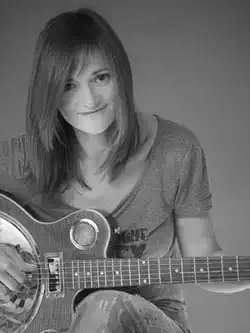
Mafalda Veiga
Saltimbanco Louco
Não me ensines os caminhos
quero rasgá-los no meu peito
quando aprendemos sozinhos
parece que há mais direito
A ter inteira a tua alma
roubar-ta quando não esperas
e abraçar-te no colo sem saberes
como se faz a um amor que se perdera
Assim andarás comigo
quando de ti não souberes
e não te ensino os caminhos
para tomares os rumos que quiseres
Tenho a alma desvastada
de um sentimento sem fundo
e sou como um saltimbanco louco
que por quase, quase nada
se entrega ao mundo
quero rasgá-los no meu peito
quando aprendemos sozinhos
parece que há mais direito
A ter inteira a tua alma
roubar-ta quando não esperas
e abraçar-te no colo sem saberes
como se faz a um amor que se perdera
Assim andarás comigo
quando de ti não souberes
e não te ensino os caminhos
para tomares os rumos que quiseres
Tenho a alma desvastada
de um sentimento sem fundo
e sou como um saltimbanco louco
que por quase, quase nada
se entrega ao mundo
1 042
Mafalda Veiga
Fim do dia (no lado quente da saudade)
Esperei-te no fim de um dia cansado
À mesa do café de sempre
O fumo, o calor e o mesmo quadro
Na parede já azul poente
Alguém me sorri do balcão corrido
Alguém que me faz sentir
Que há lugares que são pequenos abrigos
Para onde podemos sempre fugir
Da tarde tão fria há gente que chega
E toma um café apressado
E há os que entram com o olhar perdido
À procura do futuro no avesso do passado
O tempo endurece qualquer armadura
E às vezes custa arrancar
Muralhas erguidas à volta do peito
Que não deixam partir nem deixam chegar
O escuro lá fora incendeia as estrelas
As janelas, os olhares, as ruas
Cá dentro o calor conforta os sentidos
Num pequeno reflexo da lua
Enquanto espero percorro os sinais
Do que fomos que ainda resiste
As marcas deixadas na alma e na pele
Do que foi feliz e do que foi triste
Sabe bem voltar-te a ver
Sabe bem quando estás ao meu lado
Quando o tempo me esvazia
Sabe bem o teu braço fechado
E tudo o que me dás quando és
Guarida junto à tempestade
Os rumos para caminhar
No lado quente da saudade
À mesa do café de sempre
O fumo, o calor e o mesmo quadro
Na parede já azul poente
Alguém me sorri do balcão corrido
Alguém que me faz sentir
Que há lugares que são pequenos abrigos
Para onde podemos sempre fugir
Da tarde tão fria há gente que chega
E toma um café apressado
E há os que entram com o olhar perdido
À procura do futuro no avesso do passado
O tempo endurece qualquer armadura
E às vezes custa arrancar
Muralhas erguidas à volta do peito
Que não deixam partir nem deixam chegar
O escuro lá fora incendeia as estrelas
As janelas, os olhares, as ruas
Cá dentro o calor conforta os sentidos
Num pequeno reflexo da lua
Enquanto espero percorro os sinais
Do que fomos que ainda resiste
As marcas deixadas na alma e na pele
Do que foi feliz e do que foi triste
Sabe bem voltar-te a ver
Sabe bem quando estás ao meu lado
Quando o tempo me esvazia
Sabe bem o teu braço fechado
E tudo o que me dás quando és
Guarida junto à tempestade
Os rumos para caminhar
No lado quente da saudade
1 280
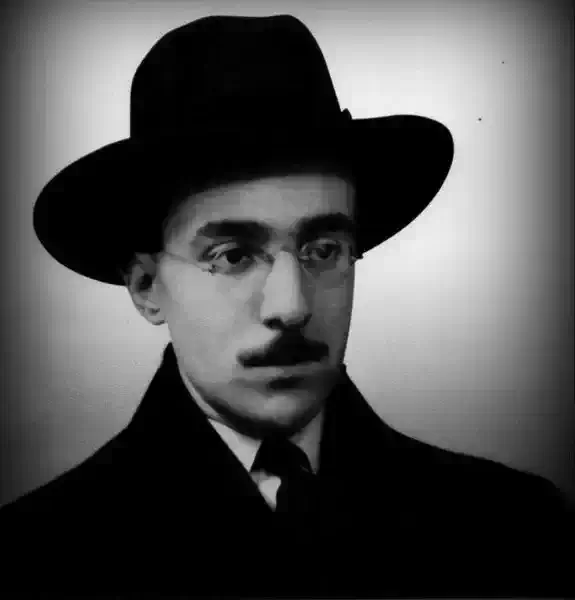
Fernando Pessoa
Quarta: D. JOÃO, INFANTE DE PORTUGAL
Não fui alguém. Minha alma estava estreita
Entre tão grandes almas minhas pares,
Inutilmente eleita,
Virgemmente parada;
Porque é do português, pai de amplos mares,
Querer, poder só isto:
O inteiro mar, ou a orla vã desfeita —
O todo, ou o seu nada.
Entre tão grandes almas minhas pares,
Inutilmente eleita,
Virgemmente parada;
Porque é do português, pai de amplos mares,
Querer, poder só isto:
O inteiro mar, ou a orla vã desfeita —
O todo, ou o seu nada.
5 490
Fernando Pessoa
Quarta: D. JOÃO, INFANTE DE PORTUGAL
Não fui alguém. Minha alma estava estreita
Entre tão grandes almas minhas pares,
Inutilmente eleita,
Virgemmente parada;
Porque é do português, pai de amplos mares,
Querer, poder só isto:
O inteiro mar, ou a orla vã desfeita —
O todo, ou o seu nada.
Entre tão grandes almas minhas pares,
Inutilmente eleita,
Virgemmente parada;
Porque é do português, pai de amplos mares,
Querer, poder só isto:
O inteiro mar, ou a orla vã desfeita —
O todo, ou o seu nada.
5 490
Mafalda Veiga
Lenda de Uma Cigana
A lenda de uma cigana
Adormecida ao relento
Que perdeu a caravana
Por seguir o pensamento
Tem dias que anda pairando
Nos rumos do mundo
Tem dias que anda rolando
Nas presas do tempo
Diz a lenda que a cigana
Pelo caminho onde viera
O xaile tinha perdido
E um vagabundo o trouxera
Sacudindo o pó e as mágoas
Como se a cor acordasse
Num abraço dançou com ela
Antes que o vento a roubasse
Só o vento nos roda a saia
Só o vento nos faz dançar
Nos confunde os passos na areia
Muda o rumo às águas do mar
No silêncio mal se ouviam
Dançar descalços na areia
Numa noite quase fria
Estava a lua quase cheia
E pra rasgarem o escuro
Ou fugir à solidão
Ataram corpos cansados
Na sombra vaga do chão
Quando o sol entorna o dia
Ficara o xaile esquecido
E os passos da cigana
Já o vento tinha escondido
Ficou só o vagabundo
Resgatando uma ilusão
Com a alma amordaçada
Na palma da mão
Só o vento nos roda a saia
Só o vento nos faz dançar
Nos confunde os passos na areia
Muda o rumo às águas do mar
Adormecida ao relento
Que perdeu a caravana
Por seguir o pensamento
Tem dias que anda pairando
Nos rumos do mundo
Tem dias que anda rolando
Nas presas do tempo
Diz a lenda que a cigana
Pelo caminho onde viera
O xaile tinha perdido
E um vagabundo o trouxera
Sacudindo o pó e as mágoas
Como se a cor acordasse
Num abraço dançou com ela
Antes que o vento a roubasse
Só o vento nos roda a saia
Só o vento nos faz dançar
Nos confunde os passos na areia
Muda o rumo às águas do mar
No silêncio mal se ouviam
Dançar descalços na areia
Numa noite quase fria
Estava a lua quase cheia
E pra rasgarem o escuro
Ou fugir à solidão
Ataram corpos cansados
Na sombra vaga do chão
Quando o sol entorna o dia
Ficara o xaile esquecido
E os passos da cigana
Já o vento tinha escondido
Ficou só o vagabundo
Resgatando uma ilusão
Com a alma amordaçada
Na palma da mão
Só o vento nos roda a saia
Só o vento nos faz dançar
Nos confunde os passos na areia
Muda o rumo às águas do mar
1 283
Mafalda Veiga
Por todo este mundo
Saiu à rua, indiferente
Seguiu pra longe
Longe do olhar de toda a gente
Na luz intacta da madrugada
Seguiu sem norte e sem estrada
Descalça na terra molhada
Despiu o corpo e o pensamento
Seguiu o vento
Esqueceu a mágoa de acabar
E o tempo perdeu-se do tempo
E o chão raso fez-se mar
No mundo que somos por dentro
Por todo este mundo
Enquanto o sonho existir
E nos levar até ao fim
De tudo o que há pra sentir
Tudo o que há pra sentir
Segui o rasto do calor
Na areia quente
O sol doía como o fogo
Incendiou a cor do dia
Levou no corpo a ventania
E um beijo roubado do amor
Por todo este mundo
Enquanto o sonho existir
E nos levar até ao fim
De tudo o que há pra sentir
Tudo o que há pra sentir.
Seguiu pra longe
Longe do olhar de toda a gente
Na luz intacta da madrugada
Seguiu sem norte e sem estrada
Descalça na terra molhada
Despiu o corpo e o pensamento
Seguiu o vento
Esqueceu a mágoa de acabar
E o tempo perdeu-se do tempo
E o chão raso fez-se mar
No mundo que somos por dentro
Por todo este mundo
Enquanto o sonho existir
E nos levar até ao fim
De tudo o que há pra sentir
Tudo o que há pra sentir
Segui o rasto do calor
Na areia quente
O sol doía como o fogo
Incendiou a cor do dia
Levou no corpo a ventania
E um beijo roubado do amor
Por todo este mundo
Enquanto o sonho existir
E nos levar até ao fim
De tudo o que há pra sentir
Tudo o que há pra sentir.
1 106
Mafalda Veiga
Por esta cidade fora
Nem sempre esta cidade
Anoitece assim
Perdida na maresia
E no nevoeiro
Nem sempre se sabe
Do fim do sonho
Que se guarda inteiro
Às vezes é preciso
Desfazer o nó
Desancorar por dentro
Quem se amou
Deixar seguir
Abrir os braços
E ver o que ficou
A cor da fogueira
É como um barco aceso ao largo
Sem fim nem fronteira sem correr
A companhia é o teu riso
É não deixar esta noite morrer
Há sempre nesta cidade
Um sabor a mar
O som de uma guitarra
E de um fado
Que se enleia no vento assim
Só isso quero
Guardar para mim
A cor da fogueira
É como um barco a ir embora
Sem fim nem fronteira
Quando a noite nos acolhe
À conversa sem ter pressa
Por esta cidade fora
Anoitece assim
Perdida na maresia
E no nevoeiro
Nem sempre se sabe
Do fim do sonho
Que se guarda inteiro
Às vezes é preciso
Desfazer o nó
Desancorar por dentro
Quem se amou
Deixar seguir
Abrir os braços
E ver o que ficou
A cor da fogueira
É como um barco aceso ao largo
Sem fim nem fronteira sem correr
A companhia é o teu riso
É não deixar esta noite morrer
Há sempre nesta cidade
Um sabor a mar
O som de uma guitarra
E de um fado
Que se enleia no vento assim
Só isso quero
Guardar para mim
A cor da fogueira
É como um barco a ir embora
Sem fim nem fronteira
Quando a noite nos acolhe
À conversa sem ter pressa
Por esta cidade fora
1 004
Mafalda Veiga
Lado (a lado)
Há gente que espera de olhar vazio
Na chuva, no frio, encostada ao mundo
A quem nada espanta
Nenhum gesto
Nem raiva ou protesto
Nem que o sol se vá perdendo lá ao fundo
Há restos de amor e de solidão
Na pele, no chão, na rua inquieta
Os dias são iguais já sem saudade
Nem vontade
Aprendendo a não querer mais do que o que resta
E a sonhar de olhos abertos
Nas paragens, nos desertos
A esperar de olhos fechados
Sem imahens de outros lados
A sonhar de olhos abertos
Sem viagens e regressos
Outro dia lado a lado
Há gente nas ruas que adormece
Que se esquece enquanto a noite vem
É gente que aprendeu que nada urge
Nada surge
Porque os dias são viagens de nínguém
A sonhar de olhos abertos
Nas paragens, nos desertos
A esperar de olhos fechados
Sem imagens de outros lados
A sonhar de olhos abertos
Sem viagens e regressos
A esperar de olhos fechados
Outro dia lado a lado
Aprende-se a calar a dor
A tremura, o rubor
O que sobra de paixão
Aprende-se a conter o gesto
A raiva, o protesto
E há um dia em que a alma
Nos rebenta nas mãos
Na chuva, no frio, encostada ao mundo
A quem nada espanta
Nenhum gesto
Nem raiva ou protesto
Nem que o sol se vá perdendo lá ao fundo
Há restos de amor e de solidão
Na pele, no chão, na rua inquieta
Os dias são iguais já sem saudade
Nem vontade
Aprendendo a não querer mais do que o que resta
E a sonhar de olhos abertos
Nas paragens, nos desertos
A esperar de olhos fechados
Sem imahens de outros lados
A sonhar de olhos abertos
Sem viagens e regressos
Outro dia lado a lado
Há gente nas ruas que adormece
Que se esquece enquanto a noite vem
É gente que aprendeu que nada urge
Nada surge
Porque os dias são viagens de nínguém
A sonhar de olhos abertos
Nas paragens, nos desertos
A esperar de olhos fechados
Sem imagens de outros lados
A sonhar de olhos abertos
Sem viagens e regressos
A esperar de olhos fechados
Outro dia lado a lado
Aprende-se a calar a dor
A tremura, o rubor
O que sobra de paixão
Aprende-se a conter o gesto
A raiva, o protesto
E há um dia em que a alma
Nos rebenta nas mãos
1 679
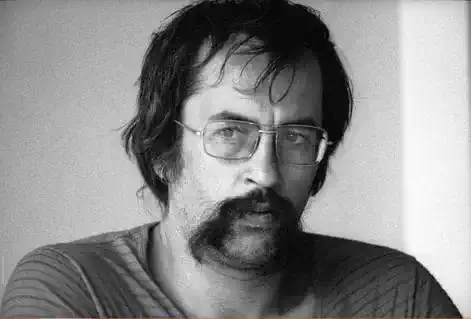
Paulo Leminski
cansei da frase polida
cansei da frase polida
por anjos da cara pálida
palmeiras batendo palmas
ao passarem paradas
agora eu quero a pedrada
chuva de pedras palavras
distribuindo pauladas
por anjos da cara pálida
palmeiras batendo palmas
ao passarem paradas
agora eu quero a pedrada
chuva de pedras palavras
distribuindo pauladas
3 753
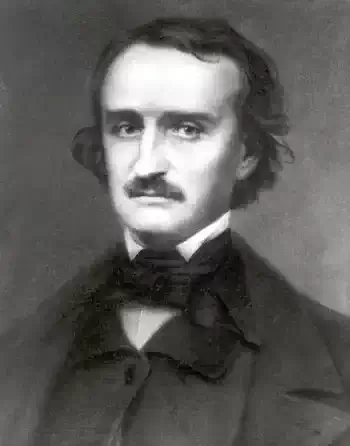
Edgar Allan Poe
To Helen
Helen, thy beauty is to me
Like those Nicean barks of yore,
That gently, o'er a perfum'd sea,
The weary way-worn wanderer bore
To his own native shore.
On desperate seas long wont to roam,
Thy hyacinth hair, thy classic face,
Thy Naiad airs have brought me home
To the beauty of fair Greece,
And the grandeur of old Rome.
Lo ! in that little window-niche
How statue-like I see thee stand!
The folded scroll within thy hand —
A Psyche from the regions which
Are Holy land !
1831
Like those Nicean barks of yore,
That gently, o'er a perfum'd sea,
The weary way-worn wanderer bore
To his own native shore.
On desperate seas long wont to roam,
Thy hyacinth hair, thy classic face,
Thy Naiad airs have brought me home
To the beauty of fair Greece,
And the grandeur of old Rome.
Lo ! in that little window-niche
How statue-like I see thee stand!
The folded scroll within thy hand —
A Psyche from the regions which
Are Holy land !
1831
1 566
Edgar Allan Poe
Bridal Ballad
The ring is on my hand,
And the wreath is on my brow;
Satin and jewels grand
Are all at my command,
And many a rood of land
And I am happy now.
And my lord he loves me well;
But, when first he breathed his vow,
I felt my bosom swell—
And the voice seemed his who fell
For the words rang as a knell,
In the battle down the dell,
And who is happy now.
But he spoke to re-assure me,
And he kissed my pallid brow,
While a reverie came o'er me,
And to the church-yard bore me,
And I sighed to him before me,
"Oh, I am happy now!"
And thus the words were spoken,
And this the plighted vow,
And, though my faith be broken,
And, though my heart be broken,
Behold the golden token
That proves me happy now!
Would God I could awaken!
For I dream I know not how!
And my soul is sorely shaken
Lest an evil step be taken,—--
Lest the dead who is forsaken
May not be happy now.
1837
And the wreath is on my brow;
Satin and jewels grand
Are all at my command,
And many a rood of land
And I am happy now.
And my lord he loves me well;
But, when first he breathed his vow,
I felt my bosom swell—
And the voice seemed his who fell
For the words rang as a knell,
In the battle down the dell,
And who is happy now.
But he spoke to re-assure me,
And he kissed my pallid brow,
While a reverie came o'er me,
And to the church-yard bore me,
And I sighed to him before me,
"Oh, I am happy now!"
And thus the words were spoken,
And this the plighted vow,
And, though my faith be broken,
And, though my heart be broken,
Behold the golden token
That proves me happy now!
Would God I could awaken!
For I dream I know not how!
And my soul is sorely shaken
Lest an evil step be taken,—--
Lest the dead who is forsaken
May not be happy now.
1837
1 474
Edgar Allan Poe
The Valley of Unrest
Once it smiled a silent dell
Where the people did not dwell;
They had gone unto the wars,
Trusting to the mild-eyed stars,
Nightly, from their azure towers,
To keep watch above the flowers,
In the midst of which all day
The red sunlight lazily lay.
Now each visitor shall confess
The sad valley's restlessness.
Nothing there is motionless-
Nothing save the airs that brood
Over the magic solitude.
Ah, by no wind are stirred those trees
That palpitate like the chill seas
Around the misty Hebrides!
Ah, by no wind those clouds are driven
That rustle through the unquiet Heaven
Uneasily, from morn till even,
Over the violets there that lie
In myriad types of the human eye-
Over the lilies there that wave
And weep above a nameless grave!
They wave: — from out their fragrant tops
Eternal dews come down in drops.
They weep: — from off their delicate stems
Perennial tears descend in gems.
1845
Where the people did not dwell;
They had gone unto the wars,
Trusting to the mild-eyed stars,
Nightly, from their azure towers,
To keep watch above the flowers,
In the midst of which all day
The red sunlight lazily lay.
Now each visitor shall confess
The sad valley's restlessness.
Nothing there is motionless-
Nothing save the airs that brood
Over the magic solitude.
Ah, by no wind are stirred those trees
That palpitate like the chill seas
Around the misty Hebrides!
Ah, by no wind those clouds are driven
That rustle through the unquiet Heaven
Uneasily, from morn till even,
Over the violets there that lie
In myriad types of the human eye-
Over the lilies there that wave
And weep above a nameless grave!
They wave: — from out their fragrant tops
Eternal dews come down in drops.
They weep: — from off their delicate stems
Perennial tears descend in gems.
1845
1 274
Edgar Allan Poe
Elizabeth
Elizabeth, it surely is most fit
[Logic and common usage so commanding]
In thy own book that first thy name be writ,
Zeno and other sages notwithstanding;
And I have other reasons for so doing
Besides my innate love of contradiction;
Each poet — if a poet — in pursuing
The muses thro' their bowers of Truth or Fiction,
Has studied very little of his part,
Read nothing, written less — in short's a fool
Endued with neither soul, nor sense, nor art,
Being ignorant of one important rule,
Employed in even the theses of the school—
Called — I forget the heathenish Greek name
[Called anything, its meaning is the same]
"Always write first things uppermost in the heart."
1829
[Logic and common usage so commanding]
In thy own book that first thy name be writ,
Zeno and other sages notwithstanding;
And I have other reasons for so doing
Besides my innate love of contradiction;
Each poet — if a poet — in pursuing
The muses thro' their bowers of Truth or Fiction,
Has studied very little of his part,
Read nothing, written less — in short's a fool
Endued with neither soul, nor sense, nor art,
Being ignorant of one important rule,
Employed in even the theses of the school—
Called — I forget the heathenish Greek name
[Called anything, its meaning is the same]
"Always write first things uppermost in the heart."
1829
1 516
Edgar Allan Poe
Elizabeth
Elizabeth, it surely is most fit
[Logic and common usage so commanding]
In thy own book that first thy name be writ,
Zeno and other sages notwithstanding;
And I have other reasons for so doing
Besides my innate love of contradiction;
Each poet — if a poet — in pursuing
The muses thro' their bowers of Truth or Fiction,
Has studied very little of his part,
Read nothing, written less — in short's a fool
Endued with neither soul, nor sense, nor art,
Being ignorant of one important rule,
Employed in even the theses of the school—
Called — I forget the heathenish Greek name
[Called anything, its meaning is the same]
"Always write first things uppermost in the heart."
1829
[Logic and common usage so commanding]
In thy own book that first thy name be writ,
Zeno and other sages notwithstanding;
And I have other reasons for so doing
Besides my innate love of contradiction;
Each poet — if a poet — in pursuing
The muses thro' their bowers of Truth or Fiction,
Has studied very little of his part,
Read nothing, written less — in short's a fool
Endued with neither soul, nor sense, nor art,
Being ignorant of one important rule,
Employed in even the theses of the school—
Called — I forget the heathenish Greek name
[Called anything, its meaning is the same]
"Always write first things uppermost in the heart."
1829
1 516
Edgar Allan Poe
Beloved Physician
The pulse beats ten and intermits;
God nerve the soul that ne'er forgets
In calm or storm, by night or day,
Its steady toil, its loyalty.
[. . . ]
[. . . ]
The pulse beats ten and intermits;
God shield the soul that ne'er forgets.
[. . . ]
[. . . ]
The pulse beats ten and intermits;
God guide the soul that ne'er forgets.
[. . . ]
[. . . ] so tired, so weary,
The soft head bows, the sweet eyes close,
The faithful heart yields to repose.
God nerve the soul that ne'er forgets
In calm or storm, by night or day,
Its steady toil, its loyalty.
[. . . ]
[. . . ]
The pulse beats ten and intermits;
God shield the soul that ne'er forgets.
[. . . ]
[. . . ]
The pulse beats ten and intermits;
God guide the soul that ne'er forgets.
[. . . ]
[. . . ] so tired, so weary,
The soft head bows, the sweet eyes close,
The faithful heart yields to repose.
1 292
Edgar Allan Poe
A Campaign Song
See the White Eagle soaring aloft to the sky,
Wakening the broad welkin with his loud battle cry;
Then here's the White Eagle, full daring is he,
As he sails on his pinions o'er valley and sea.
(probably written early in 1844)
Wakening the broad welkin with his loud battle cry;
Then here's the White Eagle, full daring is he,
As he sails on his pinions o'er valley and sea.
(probably written early in 1844)
1 288
Edgar Allan Poe
Enigma
The noblest name in Allegory's page,
The hand that traced inexorable rage;
A pleasing moralist whose page refined,
Displays the deepest knowledge of the mind;
A tender poet of a foreign tongue,
(Indited in the language that he sung.)
A bard of brilliant but unlicensed page
At once the shame and glory of our age,
The prince of harmony and stirling sense,
The ancient dramatist of eminence,
The bard that paints imagination's powers,
And him whose song revives departed hours,
Once more an ancient tragic bard recall,
In boldness of design surpassing all.
These names when rightly read, a name [make] known
Which gathers all their glories in its own.
1833
The hand that traced inexorable rage;
A pleasing moralist whose page refined,
Displays the deepest knowledge of the mind;
A tender poet of a foreign tongue,
(Indited in the language that he sung.)
A bard of brilliant but unlicensed page
At once the shame and glory of our age,
The prince of harmony and stirling sense,
The ancient dramatist of eminence,
The bard that paints imagination's powers,
And him whose song revives departed hours,
Once more an ancient tragic bard recall,
In boldness of design surpassing all.
These names when rightly read, a name [make] known
Which gathers all their glories in its own.
1833
2 043
Paulo Leminski
quatro dias sem te ver
quatro dias sem te ver
e não mudaste nada
falta açúcar na limonada
me perdi da minha namorada
nadei nadei e não dei em nada
sempre o mesmo poeta de bosta
perdendo tempo com a humanidade
e não mudaste nada
falta açúcar na limonada
me perdi da minha namorada
nadei nadei e não dei em nada
sempre o mesmo poeta de bosta
perdendo tempo com a humanidade
3 190
Edgar Allan Poe
Sonnet
"Seldom we find," says Solomon Don Dunce,
"Half an idea in the profoundest sonnet.
Through all the flimsy things we see at once
As easily as through a Naples bonnet —
Trash of all trash! — how can a lady don it?
Yet heavier far than your Petrarchan stuff—
Owl-downy nonsense that the faintest puff
Twirls into trunk-paper the while you con it."
And, veritably, Sol is right enough.
The general Petrarchanities are arrant
Bubbles — ephemeral and so transparent —
But this is, now, — you may depend upon it —
Stable, opaque, immortal — all by dint
Of the dear names that lie concealed within 't.
1848
"Half an idea in the profoundest sonnet.
Through all the flimsy things we see at once
As easily as through a Naples bonnet —
Trash of all trash! — how can a lady don it?
Yet heavier far than your Petrarchan stuff—
Owl-downy nonsense that the faintest puff
Twirls into trunk-paper the while you con it."
And, veritably, Sol is right enough.
The general Petrarchanities are arrant
Bubbles — ephemeral and so transparent —
But this is, now, — you may depend upon it —
Stable, opaque, immortal — all by dint
Of the dear names that lie concealed within 't.
1848
1 336
Paulo Leminski
quero a vitória
quero a vitória
do time de várzea
valente
covarde
a derrota
do campeão
5 X 0
em seu próprio chão
circo
dentro
do pão
do time de várzea
valente
covarde
a derrota
do campeão
5 X 0
em seu próprio chão
circo
dentro
do pão
2 380
Paulo Leminski
quero a vitória
quero a vitória
do time de várzea
valente
covarde
a derrota
do campeão
5 X 0
em seu próprio chão
circo
dentro
do pão
do time de várzea
valente
covarde
a derrota
do campeão
5 X 0
em seu próprio chão
circo
dentro
do pão
2 380
Paulo Leminski
quero a vitória
quero a vitória
do time de várzea
valente
covarde
a derrota
do campeão
5 X 0
em seu próprio chão
circo
dentro
do pão
do time de várzea
valente
covarde
a derrota
do campeão
5 X 0
em seu próprio chão
circo
dentro
do pão
2 380
Edgar Allan Poe
The Divine Right Of Kings
The only king by right divine
Is Ellen King, and were she mine
I'd strive for liberty no more,
But hug the glorious chains I wore.
Her bosom is an ivory throne,
Where tyrant virtue reigns alone ;
No subject vice dare interfere,
To check the power that governs here.
O! would she deign to rule my fate,
I'd worship Kings and kingly state,
And hold this maxim all life long,
The King — my King — can do no wrong. P
1845
Is Ellen King, and were she mine
I'd strive for liberty no more,
But hug the glorious chains I wore.
Her bosom is an ivory throne,
Where tyrant virtue reigns alone ;
No subject vice dare interfere,
To check the power that governs here.
O! would she deign to rule my fate,
I'd worship Kings and kingly state,
And hold this maxim all life long,
The King — my King — can do no wrong. P
1845
1 216
Edgar Allan Poe
Eldorado
Gaily bedight,
A gallant knight,
In sunshine and in shadow,
Had journeyed long,
Singing a song,
In search of Eldorado.
But he grew old—
This knight so bold—
And o'er his heart a shadow
Fell as he found
No spot of ground
That looked like Eldorado.
And, as his strength
Failed him at length,
He met a pilgrim shadow—
"Shadow," said he,
"Where can it be—
This land of Eldorado?"
"Over the Mountains
Of the Moon,
Down the Valley of the Shadow,
Ride, boldly ride,"
The shade replied—
"If you seek for Eldorado!"
1849
A gallant knight,
In sunshine and in shadow,
Had journeyed long,
Singing a song,
In search of Eldorado.
But he grew old—
This knight so bold—
And o'er his heart a shadow
Fell as he found
No spot of ground
That looked like Eldorado.
And, as his strength
Failed him at length,
He met a pilgrim shadow—
"Shadow," said he,
"Where can it be—
This land of Eldorado?"
"Over the Mountains
Of the Moon,
Down the Valley of the Shadow,
Ride, boldly ride,"
The shade replied—
"If you seek for Eldorado!"
1849
2 196