

Poemas neste tema
Emoções e Sentimentos

Liz Christine
Passional
Seu olhar me desconcerta
Penetrante Inquietante
O prazer que em mim desperta
Inquietante Deslumbrante
Ter você sob as cobertas
Deslumbrante Fascinante
O fascínio do teu corpo
Me perco em suas curvas
Em cada esquina deste corpo
Você é minha perdição
Ao mesmo tempo é a razão
Da escrita com paixão
Observo contemplando
Esperando
Sua ação
Faça comigo o que desejar
Sei que vou gostar
Não quer escrever?
Não. Quero apenas você
Linda envolvente
Eterna adolescente
De beleza incandescente
Sua sensualidade latejando
Seus olhos convidam
Todo meu corpo desejando
Você me acariciando
Acabo por escrever
sobre a intensidade
De te querer
Inteligência provocante
A libido reclama
sufocante
Presença fascinante
Em minha cama
Ou banheiro, cozinha, chão
Só importa nossa paixão
Penetrante Inquietante
O prazer que em mim desperta
Inquietante Deslumbrante
Ter você sob as cobertas
Deslumbrante Fascinante
O fascínio do teu corpo
Me perco em suas curvas
Em cada esquina deste corpo
Você é minha perdição
Ao mesmo tempo é a razão
Da escrita com paixão
Observo contemplando
Esperando
Sua ação
Faça comigo o que desejar
Sei que vou gostar
Não quer escrever?
Não. Quero apenas você
Linda envolvente
Eterna adolescente
De beleza incandescente
Sua sensualidade latejando
Seus olhos convidam
Todo meu corpo desejando
Você me acariciando
Acabo por escrever
sobre a intensidade
De te querer
Inteligência provocante
A libido reclama
sufocante
Presença fascinante
Em minha cama
Ou banheiro, cozinha, chão
Só importa nossa paixão
1 053
1
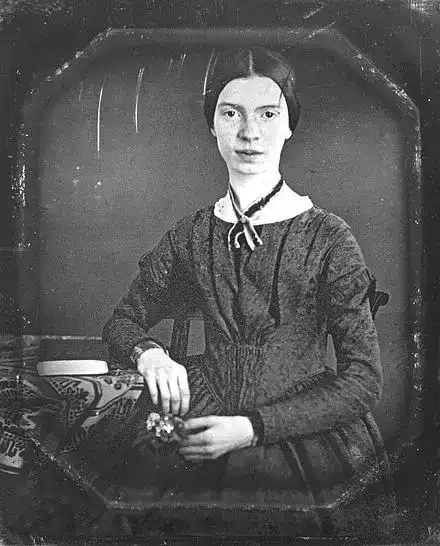
Emily Dickinson
Im Nobody! Who are you?
Im Nobody! Who are you?
Im Nobody! Who are you?
Are you--Nobody--Too?
Then theres a pair of us?
Dont tell! theyd advertise--you know!
How dreary--to be--Somebody!
How public--like a Frog--
To tell ones name--the livelong June--
To an admiring Bog!
Im Nobody! Who are you?
Are you--Nobody--Too?
Then theres a pair of us?
Dont tell! theyd advertise--you know!
How dreary--to be--Somebody!
How public--like a Frog--
To tell ones name--the livelong June--
To an admiring Bog!
1 374
1
Emily Dickinson
Im Nobody! Who are you?
Im Nobody! Who are you?
Im Nobody! Who are you?
Are you--Nobody--Too?
Then theres a pair of us?
Dont tell! theyd advertise--you know!
How dreary--to be--Somebody!
How public--like a Frog--
To tell ones name--the livelong June--
To an admiring Bog!
Im Nobody! Who are you?
Are you--Nobody--Too?
Then theres a pair of us?
Dont tell! theyd advertise--you know!
How dreary--to be--Somebody!
How public--like a Frog--
To tell ones name--the livelong June--
To an admiring Bog!
1 374
1
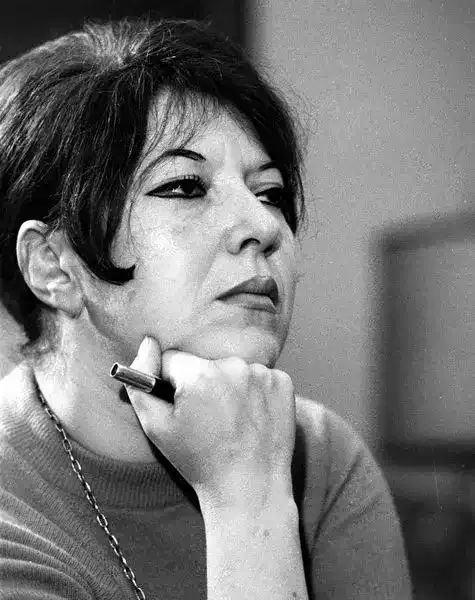
Natália Correia
A verdadeira litania para os tempos da revolução
Burgueses somos nós todos
ó literatos
burgueses somos nós todosratos e gatos Mário Cesariny
Mário nós não somos todos burgueses
os gatos e os ratos se quiseres,
os literatos esses são franceses
e todos soletramos malmequeres.
Da vida o verbo intransitivo
não é burguês é ruim;
e eu que nas nuvens vivo
nuvens!o que direi de mim?
Burguês é esse menino extraordinário
que nasce todos os anos em Belém
e a poesia se não diz isto Mário
é burguesa também.
Burguês é o carro funerário.
Os mortos são naturalmente comunistas.
Nós não somos burgueses Mário
o que nós somos todos é sebastianistas.
de Inéditos(1959/61)
ó literatos
burgueses somos nós todosratos e gatos Mário Cesariny
Mário nós não somos todos burgueses
os gatos e os ratos se quiseres,
os literatos esses são franceses
e todos soletramos malmequeres.
Da vida o verbo intransitivo
não é burguês é ruim;
e eu que nas nuvens vivo
nuvens!o que direi de mim?
Burguês é esse menino extraordinário
que nasce todos os anos em Belém
e a poesia se não diz isto Mário
é burguesa também.
Burguês é o carro funerário.
Os mortos são naturalmente comunistas.
Nós não somos burgueses Mário
o que nós somos todos é sebastianistas.
de Inéditos(1959/61)
3 511
1
Helder Moura Pereira
Escrevias pela noite fora Olhava-te, olhava
Escrevias pela noite fora. Olhava-te, olhava
o que ia ficando nas pausas entre cada
sorriso. Por ti mudei a razão das coisas,
faz de conta que não sei as coisas que não queres
que saiba, acabei por te pensar com crianças
à volta. Agora há prédios onde havia
laranjeiras e romãs no chão e as palavras
nem o sabem dizer, apenas apontam a rua
que foi comum, o quarto estreito. Um livro
é suficiente neste passeio. Quando não escreves
estás a ler e ao lado das árvores o silêncio
é maior. Decerto te digo o que penso
baixando a cabeça e tu respondes sempre
com a cabeça inclinada e o fumo suspenso
no ar. As verdades nunca se disseram. Queria
prender-te, tornar a perder-te, achar-te
assim por acaso no meu dia livre a meio
da semana. Mantêm-se as causas iguais
das pequenas alegrias, longe da alegria, a rotina
dos sorrisos vem de nenhum vício. Este abandono
custa. Porque estou contigo e me deixas
a tua imagem passa pelas noites sem sono,
está aqui a cadeira em que te sentaste
a escrever lendo. Pudesse eu propor-te
vida menos igual, outras iguais obrigações.
Havias de rir, sair à rua, comprar o jornal.
o que ia ficando nas pausas entre cada
sorriso. Por ti mudei a razão das coisas,
faz de conta que não sei as coisas que não queres
que saiba, acabei por te pensar com crianças
à volta. Agora há prédios onde havia
laranjeiras e romãs no chão e as palavras
nem o sabem dizer, apenas apontam a rua
que foi comum, o quarto estreito. Um livro
é suficiente neste passeio. Quando não escreves
estás a ler e ao lado das árvores o silêncio
é maior. Decerto te digo o que penso
baixando a cabeça e tu respondes sempre
com a cabeça inclinada e o fumo suspenso
no ar. As verdades nunca se disseram. Queria
prender-te, tornar a perder-te, achar-te
assim por acaso no meu dia livre a meio
da semana. Mantêm-se as causas iguais
das pequenas alegrias, longe da alegria, a rotina
dos sorrisos vem de nenhum vício. Este abandono
custa. Porque estou contigo e me deixas
a tua imagem passa pelas noites sem sono,
está aqui a cadeira em que te sentaste
a escrever lendo. Pudesse eu propor-te
vida menos igual, outras iguais obrigações.
Havias de rir, sair à rua, comprar o jornal.
1 061
1

José Tolentino Mendonça
Caminho do forte, machico
No caminho onde aprendi o outono
sob o azul magoado
os pescadores cruzavam ainda linhas
províncias clareiras
e esse gesto masculino de apagar a dor
chegava pelos percalços da terra
o carro do gelo
e os miúdos tiravam bocados para comer às dentadas
em retrato selvagem mas,juro-vos,havia encanto
havia qualquer coisa,outra coisa
nesse instante em perda
as mulheres sentavam-se à porta com os bordados
quando passavam estrangeiros
ficavam sempre a sorrir nas suas fotografias
sob o azul magoado
os pescadores cruzavam ainda linhas
províncias clareiras
e esse gesto masculino de apagar a dor
chegava pelos percalços da terra
o carro do gelo
e os miúdos tiravam bocados para comer às dentadas
em retrato selvagem mas,juro-vos,havia encanto
havia qualquer coisa,outra coisa
nesse instante em perda
as mulheres sentavam-se à porta com os bordados
quando passavam estrangeiros
ficavam sempre a sorrir nas suas fotografias
2 409
1
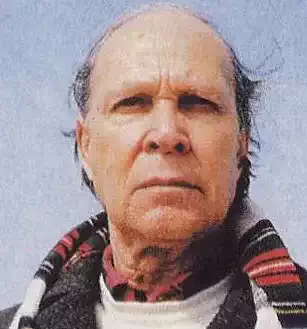
Eugénio de Andrade
Ignoro o que seja a flor da água
mas conheço o seu aroma:
depois das primeiras chuvas
sobe ao terraço,
entra nu pela varanda,
o corpo inda molhado
procura o nosso corpo e começa a tremer:
então é como se na sua boca
um resto de imortalidade
nos fosse dado a beber,
e toda a música da terra,
toda a música do céu fosse nossa,
até ao fim do mundo,
até amanhecer.
de Branco No Branco
depois das primeiras chuvas
sobe ao terraço,
entra nu pela varanda,
o corpo inda molhado
procura o nosso corpo e começa a tremer:
então é como se na sua boca
um resto de imortalidade
nos fosse dado a beber,
e toda a música da terra,
toda a música do céu fosse nossa,
até ao fim do mundo,
até amanhecer.
de Branco No Branco
6 569
1
Eugénio de Andrade
Ignoro o que seja a flor da água
mas conheço o seu aroma:
depois das primeiras chuvas
sobe ao terraço,
entra nu pela varanda,
o corpo inda molhado
procura o nosso corpo e começa a tremer:
então é como se na sua boca
um resto de imortalidade
nos fosse dado a beber,
e toda a música da terra,
toda a música do céu fosse nossa,
até ao fim do mundo,
até amanhecer.
de Branco No Branco
depois das primeiras chuvas
sobe ao terraço,
entra nu pela varanda,
o corpo inda molhado
procura o nosso corpo e começa a tremer:
então é como se na sua boca
um resto de imortalidade
nos fosse dado a beber,
e toda a música da terra,
toda a música do céu fosse nossa,
até ao fim do mundo,
até amanhecer.
de Branco No Branco
6 569
1
José Tolentino Mendonça
A voz solitária do homem
Há palavras que escrevemos mais depressa
o terror dessas palavras derruba
o passado dos homens
são tão pouco: vestígios, índices, poeira
mas nada lhes é desconhecido
as horas em que vigiamos o escuro
os sítios nenhuns das imagens
a ligeira mudança que resgataria
o abandono, todo o abandono
o terror dessas palavras derruba
o passado dos homens
são tão pouco: vestígios, índices, poeira
mas nada lhes é desconhecido
as horas em que vigiamos o escuro
os sítios nenhuns das imagens
a ligeira mudança que resgataria
o abandono, todo o abandono
2 076
1
José Tolentino Mendonça
A voz solitária do homem
Há palavras que escrevemos mais depressa
o terror dessas palavras derruba
o passado dos homens
são tão pouco: vestígios, índices, poeira
mas nada lhes é desconhecido
as horas em que vigiamos o escuro
os sítios nenhuns das imagens
a ligeira mudança que resgataria
o abandono, todo o abandono
o terror dessas palavras derruba
o passado dos homens
são tão pouco: vestígios, índices, poeira
mas nada lhes é desconhecido
as horas em que vigiamos o escuro
os sítios nenhuns das imagens
a ligeira mudança que resgataria
o abandono, todo o abandono
2 076
1
José Tolentino Mendonça
Mercado velho, Machico
Uma paisagem muito ao longe
quando se regressa
continuamos a vê-la no escuro
fechamos os olhos,sentimo-nos vivos
na sucessão dos séculos
falamos de súbito
daquilo que nos assusta
um segredo demasiado intenso
o malogro dos códigos
qualquer ideia extrema
que destrói o mundo e não queríamos
mas estamos tão pouco
onde estamos
quando se regressa
continuamos a vê-la no escuro
fechamos os olhos,sentimo-nos vivos
na sucessão dos séculos
falamos de súbito
daquilo que nos assusta
um segredo demasiado intenso
o malogro dos códigos
qualquer ideia extrema
que destrói o mundo e não queríamos
mas estamos tão pouco
onde estamos
1 996
1
José Tolentino Mendonça
Mercado velho, Machico
Uma paisagem muito ao longe
quando se regressa
continuamos a vê-la no escuro
fechamos os olhos,sentimo-nos vivos
na sucessão dos séculos
falamos de súbito
daquilo que nos assusta
um segredo demasiado intenso
o malogro dos códigos
qualquer ideia extrema
que destrói o mundo e não queríamos
mas estamos tão pouco
onde estamos
quando se regressa
continuamos a vê-la no escuro
fechamos os olhos,sentimo-nos vivos
na sucessão dos séculos
falamos de súbito
daquilo que nos assusta
um segredo demasiado intenso
o malogro dos códigos
qualquer ideia extrema
que destrói o mundo e não queríamos
mas estamos tão pouco
onde estamos
1 996
1
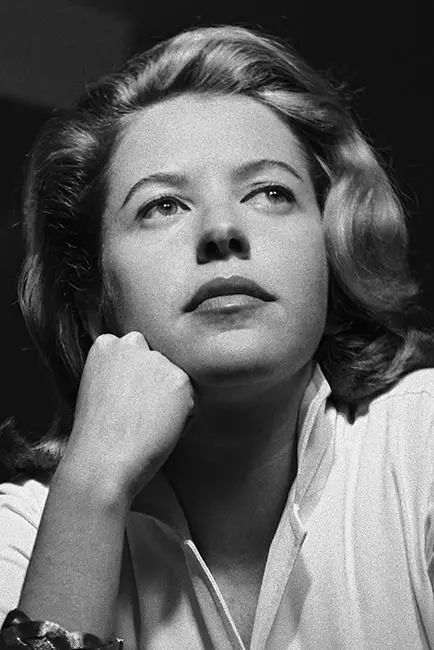
Hilda Hilst
Dez chamamentos ao amigo
Dez chamamentos ao amigo
Se te pareço noturna e imperfeita
Olha-me de novo. Porque esta noite
Olhei-me a mim, como se tu me olhasses.
E era como se a água
Desejasse
Escapar de sua casa que é o rio
E deslizando apenas, nem tocar a margem.
Te olhei. E há tanto tempo
Entendo que sou terra. Há tanto tempo
Espero
Que o teu corpo de água mais fraterno
Se estenda sobre o meu. Pastor e nauta
Olha-me de novo. Com menos altivez.
E mais atento.
Se te pareço noturna e imperfeita
Olha-me de novo. Porque esta noite
Olhei-me a mim, como se tu me olhasses.
E era como se a água
Desejasse
Escapar de sua casa que é o rio
E deslizando apenas, nem tocar a margem.
Te olhei. E há tanto tempo
Entendo que sou terra. Há tanto tempo
Espero
Que o teu corpo de água mais fraterno
Se estenda sobre o meu. Pastor e nauta
Olha-me de novo. Com menos altivez.
E mais atento.
2 182
1
Hilda Hilst
Dez chamamentos ao amigo
Dez chamamentos ao amigo
Se te pareço noturna e imperfeita
Olha-me de novo. Porque esta noite
Olhei-me a mim, como se tu me olhasses.
E era como se a água
Desejasse
Escapar de sua casa que é o rio
E deslizando apenas, nem tocar a margem.
Te olhei. E há tanto tempo
Entendo que sou terra. Há tanto tempo
Espero
Que o teu corpo de água mais fraterno
Se estenda sobre o meu. Pastor e nauta
Olha-me de novo. Com menos altivez.
E mais atento.
Se te pareço noturna e imperfeita
Olha-me de novo. Porque esta noite
Olhei-me a mim, como se tu me olhasses.
E era como se a água
Desejasse
Escapar de sua casa que é o rio
E deslizando apenas, nem tocar a margem.
Te olhei. E há tanto tempo
Entendo que sou terra. Há tanto tempo
Espero
Que o teu corpo de água mais fraterno
Se estenda sobre o meu. Pastor e nauta
Olha-me de novo. Com menos altivez.
E mais atento.
2 182
1
José Tolentino Mendonça
Uma Coisa A Menos Para Adorar
Já vi matar um homem
é terrível a desolação que um corpo deixa
sobre a terra
uma coisa a menos para adorar
quando tudo se apaga
as paisagens descobrem-se perdidas
irreconciliáveis
entendes por isso o meu pânico
nessas noites em que volto sem razão nenhuma
a correr pelo pontão de madeira
onde um homem foi morto
arranco como os atletas ao som de um disparo seco
mas sou apenas alguém que de noite
grita pela casa
há quem diga
a vida é um pau de fósforo
escasso demais
para o milagre do fogo
hoje estive tão triste
que ardi centenas de fósforos
pela tarde fora
enquanto pensava no homem que vi matar
e de quem não soube nunca nada
nem o nome
é terrível a desolação que um corpo deixa
sobre a terra
uma coisa a menos para adorar
quando tudo se apaga
as paisagens descobrem-se perdidas
irreconciliáveis
entendes por isso o meu pânico
nessas noites em que volto sem razão nenhuma
a correr pelo pontão de madeira
onde um homem foi morto
arranco como os atletas ao som de um disparo seco
mas sou apenas alguém que de noite
grita pela casa
há quem diga
a vida é um pau de fósforo
escasso demais
para o milagre do fogo
hoje estive tão triste
que ardi centenas de fósforos
pela tarde fora
enquanto pensava no homem que vi matar
e de quem não soube nunca nada
nem o nome
2 458
1
José Tolentino Mendonça
Uma Coisa A Menos Para Adorar
Já vi matar um homem
é terrível a desolação que um corpo deixa
sobre a terra
uma coisa a menos para adorar
quando tudo se apaga
as paisagens descobrem-se perdidas
irreconciliáveis
entendes por isso o meu pânico
nessas noites em que volto sem razão nenhuma
a correr pelo pontão de madeira
onde um homem foi morto
arranco como os atletas ao som de um disparo seco
mas sou apenas alguém que de noite
grita pela casa
há quem diga
a vida é um pau de fósforo
escasso demais
para o milagre do fogo
hoje estive tão triste
que ardi centenas de fósforos
pela tarde fora
enquanto pensava no homem que vi matar
e de quem não soube nunca nada
nem o nome
é terrível a desolação que um corpo deixa
sobre a terra
uma coisa a menos para adorar
quando tudo se apaga
as paisagens descobrem-se perdidas
irreconciliáveis
entendes por isso o meu pânico
nessas noites em que volto sem razão nenhuma
a correr pelo pontão de madeira
onde um homem foi morto
arranco como os atletas ao som de um disparo seco
mas sou apenas alguém que de noite
grita pela casa
há quem diga
a vida é um pau de fósforo
escasso demais
para o milagre do fogo
hoje estive tão triste
que ardi centenas de fósforos
pela tarde fora
enquanto pensava no homem que vi matar
e de quem não soube nunca nada
nem o nome
2 458
1
Natércia Freire
Assim
Assim por muito mais e muito
menosAssim por heroísmo e cobardia.Assim a tarde a noite
no momentoAssim pensar em mim quando
vivias.Assim os dedos longos nos cabelosDos mortos
abraçados e cativos.Assim esta miséria de estar
vivaE não saber estar viva quando vivo.Assim
nas brancas árvores o tempoAssim ter acabado o
meu destinoE ler-me noutros versos, noutros
nomesAssim desconhecer aonde habito.Assim por muito
mais e muito menosSe acaba, em vida, a vida ao
suicida.Assim por ser a hora mais cinzenta,O desamparo
assim da minha vida.
menosAssim por heroísmo e cobardia.Assim a tarde a noite
no momentoAssim pensar em mim quando
vivias.Assim os dedos longos nos cabelosDos mortos
abraçados e cativos.Assim esta miséria de estar
vivaE não saber estar viva quando vivo.Assim
nas brancas árvores o tempoAssim ter acabado o
meu destinoE ler-me noutros versos, noutros
nomesAssim desconhecer aonde habito.Assim por muito
mais e muito menosSe acaba, em vida, a vida ao
suicida.Assim por ser a hora mais cinzenta,O desamparo
assim da minha vida.
1 304
1
Natércia Freire
Assim
Assim por muito mais e muito
menosAssim por heroísmo e cobardia.Assim a tarde a noite
no momentoAssim pensar em mim quando
vivias.Assim os dedos longos nos cabelosDos mortos
abraçados e cativos.Assim esta miséria de estar
vivaE não saber estar viva quando vivo.Assim
nas brancas árvores o tempoAssim ter acabado o
meu destinoE ler-me noutros versos, noutros
nomesAssim desconhecer aonde habito.Assim por muito
mais e muito menosSe acaba, em vida, a vida ao
suicida.Assim por ser a hora mais cinzenta,O desamparo
assim da minha vida.
menosAssim por heroísmo e cobardia.Assim a tarde a noite
no momentoAssim pensar em mim quando
vivias.Assim os dedos longos nos cabelosDos mortos
abraçados e cativos.Assim esta miséria de estar
vivaE não saber estar viva quando vivo.Assim
nas brancas árvores o tempoAssim ter acabado o
meu destinoE ler-me noutros versos, noutros
nomesAssim desconhecer aonde habito.Assim por muito
mais e muito menosSe acaba, em vida, a vida ao
suicida.Assim por ser a hora mais cinzenta,O desamparo
assim da minha vida.
1 304
1
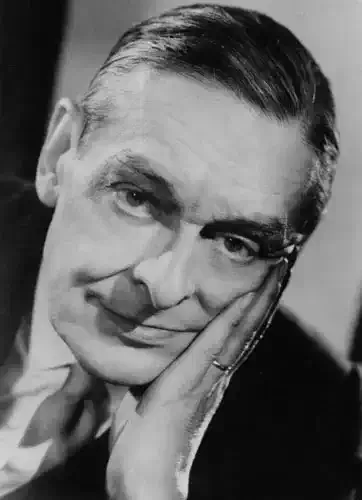
T. S. Eliot
The Love Song of J Alfred Prufrock
The Love Song of J. Alfred Prufrock
Sio credesse che mia risposta fosse
A persona che mai tornasse al mondo,
Questa fiamma staria senza piu scosse.
Ma perciocche giammai di questo fondo
Non torno vivo alcun, siodo il vero,
Senza tema dinfamia ti rispondo.
LET us go then, you and I,
When the evening is spread out against the sky
Like a patient etherised upon a table;
Let us go, through certain half-deserted streets,
The muttering retreats
Of restless nights in one-night cheap hotels
And sawdust restaurants with oyster-shells:
Streets that follow like a tedious argument
Of insidious intent
To lead you to an overwhelming question...
Oh, do not ask, "What is it?"
Let us go and make our visit.
In the room the women come and go
Talking of Michelangelo.
The yellow fog that rubs its back upon the window-panes,
The yellow smoke that rubs its muzzle on the window-panes
Licked its tongue into the corners of the evening,
Lingered upon the pools that stand in drains,
Let fall upon its back the soot that falls from chimneys,
Slipped by the terrace, made a sudden leap,
And seeing that it was a soft October night,
Curled once about the house, and fell asleep.
And indeed there will be time
For the yellow smoke that slides along the street,
Rubbing its back upon the window-panes;
There will be time, there will be time
To prepare a face to meet the faces that you meet;
There will be time to murder and create,
And time for all the works and days of hands
That lift and drop a question on your plate;
Time for you and time for me,
And time yet for a hundred indecisions,
And for a hundred visions and revisions,
Before the taking of a toast and tea.
In the room the women come and go
Talking of Michelangelo.
And indeed there will be time
To wonder, "Do I dare?" and, "Do I dare?"
Time to turn back and descend the stair,
With a bald spot in the middle of my hair—
[They will say: "How his hair is growing thin!"]
My morning coat, my collar mounting firmly to the chin,
My necktie rich and modest, but asserted by a simple pin—
[They will say: "But how his arms and legs are thin!"]
Do I dare
Disturb the universe?
In a minute there is time
For decisions and revisions which a minute will reverse.
For I have known them all already, known them all:—
Have known the evenings, mornings, afternoons,
I have measured out my life with coffee spoons;
I know the voices dying with a dying fall
Beneath the music from a farther room.
So how should I presume?
And I have known the eyes already, known them all—
The eyes that fix you in a formulated phrase,
And when I am formulated, sprawling on a pin,
When I am pinned and wriggling on the wall,
Then how should I begin
To spit out all the butt-ends of my days and ways?
And how should I presume?
And I have known the arms already, known them all—
Arms that are braceleted and white and bare
[But in the lamplight, downed with light brown hair!]
It is perfume from a dress
That makes me so digress?
Arms that lie along a table, or wrap about a shawl.
And should I then presume?
And how should I begin?
. . . . .
Shall I say, I have gone at dusk through narrow streets
And watched the smoke that rises from the pipes
Of lonely men in shirt-sleeves, leaning out of windows?...
I should have been a pair of ragged claws
Scuttling across the floors of silent seas.
. . . . .
And the afternoon, the evening, sleeps so peacefully!
Smoothed by long fingers,
Asleep ... tired ... or it malingers,
Stretched on the floor, here beside you and me.
Should I, after tea and cakes and ices,
Have the strength to force the moment to its crisis?
But though I have wept and fasted, wept and prayed,
Though I have seen my head [grown slightly bald] brought in upon a platter,
I am no prophet—and heres no great matter;
I have seen the moment of my greatness flicker,
And I have seen the eternal Footman hold my coat, and snicker,
And in short, I was afraid.
And would it have been worth it, after all,
After the cups, the marmalade, the tea,
Among the porcelain, among some talk of you and me,
Would it have been worth while,
To have bitten off the matter with a smile,
To have squeezed the universe into a ball
To roll it toward some overwhelming question,
To say: "I am Lazarus, come from the dead,
Come back to tell you all, I shall tell you all"—
If one, settling a pillow by her head,
Should say: "That is not what I meant at all.
That is not it, at all."
And would it have been worth it, after all,
Would it have been worth while,
After the sunsets and the dooryards and the sprinkled streets,
After the novels, after the teacups, after the skirts that trail along the floor—
And this, and so much more?—
It is impossible to say just what I mean!
But as if a magic lantern threw the nerves in patterns on a screen:
Would it have been worth while
If one, settling a pillow or throwing off a shawl,
And turning toward the window, should say:
"That is not it at all,
That is not what I meant, at all."
. . . . .
No! I am not Prince Hamlet, nor was meant to be;
Am an attendant lord, one that will do
To swell a progress, start a scene or two,
Advise the prince; no doubt, an easy tool,
Deferential, glad to be of use,
Politic, cautious, and meticulous;
Full of high sentence, but a bit obtuse;
At times, indeed, almost ridiculous—
Almost, at times, the Fool.
I grow old ... I grow old...
I shall wear the bottoms of my trousers rolled.
Shall I part my hair behind? Do I dare to eat a peach?
I shall wear white flannel trousers, and walk upon the beach.
I have heard the mermaids singing, each to each.
I do not think that they will sing to me.
I have seen them riding seaward on the waves
Combing the white hair of the waves blown back
When the wind blows the water white and black.
We have lingered in the chambers of the sea
By sea-girls wreathed with seaweed red and brown
Till human voices wake us, and we drown.
Sio credesse che mia risposta fosse
A persona che mai tornasse al mondo,
Questa fiamma staria senza piu scosse.
Ma perciocche giammai di questo fondo
Non torno vivo alcun, siodo il vero,
Senza tema dinfamia ti rispondo.
LET us go then, you and I,
When the evening is spread out against the sky
Like a patient etherised upon a table;
Let us go, through certain half-deserted streets,
The muttering retreats
Of restless nights in one-night cheap hotels
And sawdust restaurants with oyster-shells:
Streets that follow like a tedious argument
Of insidious intent
To lead you to an overwhelming question...
Oh, do not ask, "What is it?"
Let us go and make our visit.
In the room the women come and go
Talking of Michelangelo.
The yellow fog that rubs its back upon the window-panes,
The yellow smoke that rubs its muzzle on the window-panes
Licked its tongue into the corners of the evening,
Lingered upon the pools that stand in drains,
Let fall upon its back the soot that falls from chimneys,
Slipped by the terrace, made a sudden leap,
And seeing that it was a soft October night,
Curled once about the house, and fell asleep.
And indeed there will be time
For the yellow smoke that slides along the street,
Rubbing its back upon the window-panes;
There will be time, there will be time
To prepare a face to meet the faces that you meet;
There will be time to murder and create,
And time for all the works and days of hands
That lift and drop a question on your plate;
Time for you and time for me,
And time yet for a hundred indecisions,
And for a hundred visions and revisions,
Before the taking of a toast and tea.
In the room the women come and go
Talking of Michelangelo.
And indeed there will be time
To wonder, "Do I dare?" and, "Do I dare?"
Time to turn back and descend the stair,
With a bald spot in the middle of my hair—
[They will say: "How his hair is growing thin!"]
My morning coat, my collar mounting firmly to the chin,
My necktie rich and modest, but asserted by a simple pin—
[They will say: "But how his arms and legs are thin!"]
Do I dare
Disturb the universe?
In a minute there is time
For decisions and revisions which a minute will reverse.
For I have known them all already, known them all:—
Have known the evenings, mornings, afternoons,
I have measured out my life with coffee spoons;
I know the voices dying with a dying fall
Beneath the music from a farther room.
So how should I presume?
And I have known the eyes already, known them all—
The eyes that fix you in a formulated phrase,
And when I am formulated, sprawling on a pin,
When I am pinned and wriggling on the wall,
Then how should I begin
To spit out all the butt-ends of my days and ways?
And how should I presume?
And I have known the arms already, known them all—
Arms that are braceleted and white and bare
[But in the lamplight, downed with light brown hair!]
It is perfume from a dress
That makes me so digress?
Arms that lie along a table, or wrap about a shawl.
And should I then presume?
And how should I begin?
. . . . .
Shall I say, I have gone at dusk through narrow streets
And watched the smoke that rises from the pipes
Of lonely men in shirt-sleeves, leaning out of windows?...
I should have been a pair of ragged claws
Scuttling across the floors of silent seas.
. . . . .
And the afternoon, the evening, sleeps so peacefully!
Smoothed by long fingers,
Asleep ... tired ... or it malingers,
Stretched on the floor, here beside you and me.
Should I, after tea and cakes and ices,
Have the strength to force the moment to its crisis?
But though I have wept and fasted, wept and prayed,
Though I have seen my head [grown slightly bald] brought in upon a platter,
I am no prophet—and heres no great matter;
I have seen the moment of my greatness flicker,
And I have seen the eternal Footman hold my coat, and snicker,
And in short, I was afraid.
And would it have been worth it, after all,
After the cups, the marmalade, the tea,
Among the porcelain, among some talk of you and me,
Would it have been worth while,
To have bitten off the matter with a smile,
To have squeezed the universe into a ball
To roll it toward some overwhelming question,
To say: "I am Lazarus, come from the dead,
Come back to tell you all, I shall tell you all"—
If one, settling a pillow by her head,
Should say: "That is not what I meant at all.
That is not it, at all."
And would it have been worth it, after all,
Would it have been worth while,
After the sunsets and the dooryards and the sprinkled streets,
After the novels, after the teacups, after the skirts that trail along the floor—
And this, and so much more?—
It is impossible to say just what I mean!
But as if a magic lantern threw the nerves in patterns on a screen:
Would it have been worth while
If one, settling a pillow or throwing off a shawl,
And turning toward the window, should say:
"That is not it at all,
That is not what I meant, at all."
. . . . .
No! I am not Prince Hamlet, nor was meant to be;
Am an attendant lord, one that will do
To swell a progress, start a scene or two,
Advise the prince; no doubt, an easy tool,
Deferential, glad to be of use,
Politic, cautious, and meticulous;
Full of high sentence, but a bit obtuse;
At times, indeed, almost ridiculous—
Almost, at times, the Fool.
I grow old ... I grow old...
I shall wear the bottoms of my trousers rolled.
Shall I part my hair behind? Do I dare to eat a peach?
I shall wear white flannel trousers, and walk upon the beach.
I have heard the mermaids singing, each to each.
I do not think that they will sing to me.
I have seen them riding seaward on the waves
Combing the white hair of the waves blown back
When the wind blows the water white and black.
We have lingered in the chambers of the sea
By sea-girls wreathed with seaweed red and brown
Till human voices wake us, and we drown.
2 481
1
T. S. Eliot
The Love Song of J Alfred Prufrock
The Love Song of J. Alfred Prufrock
Sio credesse che mia risposta fosse
A persona che mai tornasse al mondo,
Questa fiamma staria senza piu scosse.
Ma perciocche giammai di questo fondo
Non torno vivo alcun, siodo il vero,
Senza tema dinfamia ti rispondo.
LET us go then, you and I,
When the evening is spread out against the sky
Like a patient etherised upon a table;
Let us go, through certain half-deserted streets,
The muttering retreats
Of restless nights in one-night cheap hotels
And sawdust restaurants with oyster-shells:
Streets that follow like a tedious argument
Of insidious intent
To lead you to an overwhelming question...
Oh, do not ask, "What is it?"
Let us go and make our visit.
In the room the women come and go
Talking of Michelangelo.
The yellow fog that rubs its back upon the window-panes,
The yellow smoke that rubs its muzzle on the window-panes
Licked its tongue into the corners of the evening,
Lingered upon the pools that stand in drains,
Let fall upon its back the soot that falls from chimneys,
Slipped by the terrace, made a sudden leap,
And seeing that it was a soft October night,
Curled once about the house, and fell asleep.
And indeed there will be time
For the yellow smoke that slides along the street,
Rubbing its back upon the window-panes;
There will be time, there will be time
To prepare a face to meet the faces that you meet;
There will be time to murder and create,
And time for all the works and days of hands
That lift and drop a question on your plate;
Time for you and time for me,
And time yet for a hundred indecisions,
And for a hundred visions and revisions,
Before the taking of a toast and tea.
In the room the women come and go
Talking of Michelangelo.
And indeed there will be time
To wonder, "Do I dare?" and, "Do I dare?"
Time to turn back and descend the stair,
With a bald spot in the middle of my hair—
[They will say: "How his hair is growing thin!"]
My morning coat, my collar mounting firmly to the chin,
My necktie rich and modest, but asserted by a simple pin—
[They will say: "But how his arms and legs are thin!"]
Do I dare
Disturb the universe?
In a minute there is time
For decisions and revisions which a minute will reverse.
For I have known them all already, known them all:—
Have known the evenings, mornings, afternoons,
I have measured out my life with coffee spoons;
I know the voices dying with a dying fall
Beneath the music from a farther room.
So how should I presume?
And I have known the eyes already, known them all—
The eyes that fix you in a formulated phrase,
And when I am formulated, sprawling on a pin,
When I am pinned and wriggling on the wall,
Then how should I begin
To spit out all the butt-ends of my days and ways?
And how should I presume?
And I have known the arms already, known them all—
Arms that are braceleted and white and bare
[But in the lamplight, downed with light brown hair!]
It is perfume from a dress
That makes me so digress?
Arms that lie along a table, or wrap about a shawl.
And should I then presume?
And how should I begin?
. . . . .
Shall I say, I have gone at dusk through narrow streets
And watched the smoke that rises from the pipes
Of lonely men in shirt-sleeves, leaning out of windows?...
I should have been a pair of ragged claws
Scuttling across the floors of silent seas.
. . . . .
And the afternoon, the evening, sleeps so peacefully!
Smoothed by long fingers,
Asleep ... tired ... or it malingers,
Stretched on the floor, here beside you and me.
Should I, after tea and cakes and ices,
Have the strength to force the moment to its crisis?
But though I have wept and fasted, wept and prayed,
Though I have seen my head [grown slightly bald] brought in upon a platter,
I am no prophet—and heres no great matter;
I have seen the moment of my greatness flicker,
And I have seen the eternal Footman hold my coat, and snicker,
And in short, I was afraid.
And would it have been worth it, after all,
After the cups, the marmalade, the tea,
Among the porcelain, among some talk of you and me,
Would it have been worth while,
To have bitten off the matter with a smile,
To have squeezed the universe into a ball
To roll it toward some overwhelming question,
To say: "I am Lazarus, come from the dead,
Come back to tell you all, I shall tell you all"—
If one, settling a pillow by her head,
Should say: "That is not what I meant at all.
That is not it, at all."
And would it have been worth it, after all,
Would it have been worth while,
After the sunsets and the dooryards and the sprinkled streets,
After the novels, after the teacups, after the skirts that trail along the floor—
And this, and so much more?—
It is impossible to say just what I mean!
But as if a magic lantern threw the nerves in patterns on a screen:
Would it have been worth while
If one, settling a pillow or throwing off a shawl,
And turning toward the window, should say:
"That is not it at all,
That is not what I meant, at all."
. . . . .
No! I am not Prince Hamlet, nor was meant to be;
Am an attendant lord, one that will do
To swell a progress, start a scene or two,
Advise the prince; no doubt, an easy tool,
Deferential, glad to be of use,
Politic, cautious, and meticulous;
Full of high sentence, but a bit obtuse;
At times, indeed, almost ridiculous—
Almost, at times, the Fool.
I grow old ... I grow old...
I shall wear the bottoms of my trousers rolled.
Shall I part my hair behind? Do I dare to eat a peach?
I shall wear white flannel trousers, and walk upon the beach.
I have heard the mermaids singing, each to each.
I do not think that they will sing to me.
I have seen them riding seaward on the waves
Combing the white hair of the waves blown back
When the wind blows the water white and black.
We have lingered in the chambers of the sea
By sea-girls wreathed with seaweed red and brown
Till human voices wake us, and we drown.
Sio credesse che mia risposta fosse
A persona che mai tornasse al mondo,
Questa fiamma staria senza piu scosse.
Ma perciocche giammai di questo fondo
Non torno vivo alcun, siodo il vero,
Senza tema dinfamia ti rispondo.
LET us go then, you and I,
When the evening is spread out against the sky
Like a patient etherised upon a table;
Let us go, through certain half-deserted streets,
The muttering retreats
Of restless nights in one-night cheap hotels
And sawdust restaurants with oyster-shells:
Streets that follow like a tedious argument
Of insidious intent
To lead you to an overwhelming question...
Oh, do not ask, "What is it?"
Let us go and make our visit.
In the room the women come and go
Talking of Michelangelo.
The yellow fog that rubs its back upon the window-panes,
The yellow smoke that rubs its muzzle on the window-panes
Licked its tongue into the corners of the evening,
Lingered upon the pools that stand in drains,
Let fall upon its back the soot that falls from chimneys,
Slipped by the terrace, made a sudden leap,
And seeing that it was a soft October night,
Curled once about the house, and fell asleep.
And indeed there will be time
For the yellow smoke that slides along the street,
Rubbing its back upon the window-panes;
There will be time, there will be time
To prepare a face to meet the faces that you meet;
There will be time to murder and create,
And time for all the works and days of hands
That lift and drop a question on your plate;
Time for you and time for me,
And time yet for a hundred indecisions,
And for a hundred visions and revisions,
Before the taking of a toast and tea.
In the room the women come and go
Talking of Michelangelo.
And indeed there will be time
To wonder, "Do I dare?" and, "Do I dare?"
Time to turn back and descend the stair,
With a bald spot in the middle of my hair—
[They will say: "How his hair is growing thin!"]
My morning coat, my collar mounting firmly to the chin,
My necktie rich and modest, but asserted by a simple pin—
[They will say: "But how his arms and legs are thin!"]
Do I dare
Disturb the universe?
In a minute there is time
For decisions and revisions which a minute will reverse.
For I have known them all already, known them all:—
Have known the evenings, mornings, afternoons,
I have measured out my life with coffee spoons;
I know the voices dying with a dying fall
Beneath the music from a farther room.
So how should I presume?
And I have known the eyes already, known them all—
The eyes that fix you in a formulated phrase,
And when I am formulated, sprawling on a pin,
When I am pinned and wriggling on the wall,
Then how should I begin
To spit out all the butt-ends of my days and ways?
And how should I presume?
And I have known the arms already, known them all—
Arms that are braceleted and white and bare
[But in the lamplight, downed with light brown hair!]
It is perfume from a dress
That makes me so digress?
Arms that lie along a table, or wrap about a shawl.
And should I then presume?
And how should I begin?
. . . . .
Shall I say, I have gone at dusk through narrow streets
And watched the smoke that rises from the pipes
Of lonely men in shirt-sleeves, leaning out of windows?...
I should have been a pair of ragged claws
Scuttling across the floors of silent seas.
. . . . .
And the afternoon, the evening, sleeps so peacefully!
Smoothed by long fingers,
Asleep ... tired ... or it malingers,
Stretched on the floor, here beside you and me.
Should I, after tea and cakes and ices,
Have the strength to force the moment to its crisis?
But though I have wept and fasted, wept and prayed,
Though I have seen my head [grown slightly bald] brought in upon a platter,
I am no prophet—and heres no great matter;
I have seen the moment of my greatness flicker,
And I have seen the eternal Footman hold my coat, and snicker,
And in short, I was afraid.
And would it have been worth it, after all,
After the cups, the marmalade, the tea,
Among the porcelain, among some talk of you and me,
Would it have been worth while,
To have bitten off the matter with a smile,
To have squeezed the universe into a ball
To roll it toward some overwhelming question,
To say: "I am Lazarus, come from the dead,
Come back to tell you all, I shall tell you all"—
If one, settling a pillow by her head,
Should say: "That is not what I meant at all.
That is not it, at all."
And would it have been worth it, after all,
Would it have been worth while,
After the sunsets and the dooryards and the sprinkled streets,
After the novels, after the teacups, after the skirts that trail along the floor—
And this, and so much more?—
It is impossible to say just what I mean!
But as if a magic lantern threw the nerves in patterns on a screen:
Would it have been worth while
If one, settling a pillow or throwing off a shawl,
And turning toward the window, should say:
"That is not it at all,
That is not what I meant, at all."
. . . . .
No! I am not Prince Hamlet, nor was meant to be;
Am an attendant lord, one that will do
To swell a progress, start a scene or two,
Advise the prince; no doubt, an easy tool,
Deferential, glad to be of use,
Politic, cautious, and meticulous;
Full of high sentence, but a bit obtuse;
At times, indeed, almost ridiculous—
Almost, at times, the Fool.
I grow old ... I grow old...
I shall wear the bottoms of my trousers rolled.
Shall I part my hair behind? Do I dare to eat a peach?
I shall wear white flannel trousers, and walk upon the beach.
I have heard the mermaids singing, each to each.
I do not think that they will sing to me.
I have seen them riding seaward on the waves
Combing the white hair of the waves blown back
When the wind blows the water white and black.
We have lingered in the chambers of the sea
By sea-girls wreathed with seaweed red and brown
Till human voices wake us, and we drown.
2 481
1
T. S. Eliot
The Love Song of J Alfred Prufrock
The Love Song of J. Alfred Prufrock
Sio credesse che mia risposta fosse
A persona che mai tornasse al mondo,
Questa fiamma staria senza piu scosse.
Ma perciocche giammai di questo fondo
Non torno vivo alcun, siodo il vero,
Senza tema dinfamia ti rispondo.
LET us go then, you and I,
When the evening is spread out against the sky
Like a patient etherised upon a table;
Let us go, through certain half-deserted streets,
The muttering retreats
Of restless nights in one-night cheap hotels
And sawdust restaurants with oyster-shells:
Streets that follow like a tedious argument
Of insidious intent
To lead you to an overwhelming question...
Oh, do not ask, "What is it?"
Let us go and make our visit.
In the room the women come and go
Talking of Michelangelo.
The yellow fog that rubs its back upon the window-panes,
The yellow smoke that rubs its muzzle on the window-panes
Licked its tongue into the corners of the evening,
Lingered upon the pools that stand in drains,
Let fall upon its back the soot that falls from chimneys,
Slipped by the terrace, made a sudden leap,
And seeing that it was a soft October night,
Curled once about the house, and fell asleep.
And indeed there will be time
For the yellow smoke that slides along the street,
Rubbing its back upon the window-panes;
There will be time, there will be time
To prepare a face to meet the faces that you meet;
There will be time to murder and create,
And time for all the works and days of hands
That lift and drop a question on your plate;
Time for you and time for me,
And time yet for a hundred indecisions,
And for a hundred visions and revisions,
Before the taking of a toast and tea.
In the room the women come and go
Talking of Michelangelo.
And indeed there will be time
To wonder, "Do I dare?" and, "Do I dare?"
Time to turn back and descend the stair,
With a bald spot in the middle of my hair—
[They will say: "How his hair is growing thin!"]
My morning coat, my collar mounting firmly to the chin,
My necktie rich and modest, but asserted by a simple pin—
[They will say: "But how his arms and legs are thin!"]
Do I dare
Disturb the universe?
In a minute there is time
For decisions and revisions which a minute will reverse.
For I have known them all already, known them all:—
Have known the evenings, mornings, afternoons,
I have measured out my life with coffee spoons;
I know the voices dying with a dying fall
Beneath the music from a farther room.
So how should I presume?
And I have known the eyes already, known them all—
The eyes that fix you in a formulated phrase,
And when I am formulated, sprawling on a pin,
When I am pinned and wriggling on the wall,
Then how should I begin
To spit out all the butt-ends of my days and ways?
And how should I presume?
And I have known the arms already, known them all—
Arms that are braceleted and white and bare
[But in the lamplight, downed with light brown hair!]
It is perfume from a dress
That makes me so digress?
Arms that lie along a table, or wrap about a shawl.
And should I then presume?
And how should I begin?
. . . . .
Shall I say, I have gone at dusk through narrow streets
And watched the smoke that rises from the pipes
Of lonely men in shirt-sleeves, leaning out of windows?...
I should have been a pair of ragged claws
Scuttling across the floors of silent seas.
. . . . .
And the afternoon, the evening, sleeps so peacefully!
Smoothed by long fingers,
Asleep ... tired ... or it malingers,
Stretched on the floor, here beside you and me.
Should I, after tea and cakes and ices,
Have the strength to force the moment to its crisis?
But though I have wept and fasted, wept and prayed,
Though I have seen my head [grown slightly bald] brought in upon a platter,
I am no prophet—and heres no great matter;
I have seen the moment of my greatness flicker,
And I have seen the eternal Footman hold my coat, and snicker,
And in short, I was afraid.
And would it have been worth it, after all,
After the cups, the marmalade, the tea,
Among the porcelain, among some talk of you and me,
Would it have been worth while,
To have bitten off the matter with a smile,
To have squeezed the universe into a ball
To roll it toward some overwhelming question,
To say: "I am Lazarus, come from the dead,
Come back to tell you all, I shall tell you all"—
If one, settling a pillow by her head,
Should say: "That is not what I meant at all.
That is not it, at all."
And would it have been worth it, after all,
Would it have been worth while,
After the sunsets and the dooryards and the sprinkled streets,
After the novels, after the teacups, after the skirts that trail along the floor—
And this, and so much more?—
It is impossible to say just what I mean!
But as if a magic lantern threw the nerves in patterns on a screen:
Would it have been worth while
If one, settling a pillow or throwing off a shawl,
And turning toward the window, should say:
"That is not it at all,
That is not what I meant, at all."
. . . . .
No! I am not Prince Hamlet, nor was meant to be;
Am an attendant lord, one that will do
To swell a progress, start a scene or two,
Advise the prince; no doubt, an easy tool,
Deferential, glad to be of use,
Politic, cautious, and meticulous;
Full of high sentence, but a bit obtuse;
At times, indeed, almost ridiculous—
Almost, at times, the Fool.
I grow old ... I grow old...
I shall wear the bottoms of my trousers rolled.
Shall I part my hair behind? Do I dare to eat a peach?
I shall wear white flannel trousers, and walk upon the beach.
I have heard the mermaids singing, each to each.
I do not think that they will sing to me.
I have seen them riding seaward on the waves
Combing the white hair of the waves blown back
When the wind blows the water white and black.
We have lingered in the chambers of the sea
By sea-girls wreathed with seaweed red and brown
Till human voices wake us, and we drown.
Sio credesse che mia risposta fosse
A persona che mai tornasse al mondo,
Questa fiamma staria senza piu scosse.
Ma perciocche giammai di questo fondo
Non torno vivo alcun, siodo il vero,
Senza tema dinfamia ti rispondo.
LET us go then, you and I,
When the evening is spread out against the sky
Like a patient etherised upon a table;
Let us go, through certain half-deserted streets,
The muttering retreats
Of restless nights in one-night cheap hotels
And sawdust restaurants with oyster-shells:
Streets that follow like a tedious argument
Of insidious intent
To lead you to an overwhelming question...
Oh, do not ask, "What is it?"
Let us go and make our visit.
In the room the women come and go
Talking of Michelangelo.
The yellow fog that rubs its back upon the window-panes,
The yellow smoke that rubs its muzzle on the window-panes
Licked its tongue into the corners of the evening,
Lingered upon the pools that stand in drains,
Let fall upon its back the soot that falls from chimneys,
Slipped by the terrace, made a sudden leap,
And seeing that it was a soft October night,
Curled once about the house, and fell asleep.
And indeed there will be time
For the yellow smoke that slides along the street,
Rubbing its back upon the window-panes;
There will be time, there will be time
To prepare a face to meet the faces that you meet;
There will be time to murder and create,
And time for all the works and days of hands
That lift and drop a question on your plate;
Time for you and time for me,
And time yet for a hundred indecisions,
And for a hundred visions and revisions,
Before the taking of a toast and tea.
In the room the women come and go
Talking of Michelangelo.
And indeed there will be time
To wonder, "Do I dare?" and, "Do I dare?"
Time to turn back and descend the stair,
With a bald spot in the middle of my hair—
[They will say: "How his hair is growing thin!"]
My morning coat, my collar mounting firmly to the chin,
My necktie rich and modest, but asserted by a simple pin—
[They will say: "But how his arms and legs are thin!"]
Do I dare
Disturb the universe?
In a minute there is time
For decisions and revisions which a minute will reverse.
For I have known them all already, known them all:—
Have known the evenings, mornings, afternoons,
I have measured out my life with coffee spoons;
I know the voices dying with a dying fall
Beneath the music from a farther room.
So how should I presume?
And I have known the eyes already, known them all—
The eyes that fix you in a formulated phrase,
And when I am formulated, sprawling on a pin,
When I am pinned and wriggling on the wall,
Then how should I begin
To spit out all the butt-ends of my days and ways?
And how should I presume?
And I have known the arms already, known them all—
Arms that are braceleted and white and bare
[But in the lamplight, downed with light brown hair!]
It is perfume from a dress
That makes me so digress?
Arms that lie along a table, or wrap about a shawl.
And should I then presume?
And how should I begin?
. . . . .
Shall I say, I have gone at dusk through narrow streets
And watched the smoke that rises from the pipes
Of lonely men in shirt-sleeves, leaning out of windows?...
I should have been a pair of ragged claws
Scuttling across the floors of silent seas.
. . . . .
And the afternoon, the evening, sleeps so peacefully!
Smoothed by long fingers,
Asleep ... tired ... or it malingers,
Stretched on the floor, here beside you and me.
Should I, after tea and cakes and ices,
Have the strength to force the moment to its crisis?
But though I have wept and fasted, wept and prayed,
Though I have seen my head [grown slightly bald] brought in upon a platter,
I am no prophet—and heres no great matter;
I have seen the moment of my greatness flicker,
And I have seen the eternal Footman hold my coat, and snicker,
And in short, I was afraid.
And would it have been worth it, after all,
After the cups, the marmalade, the tea,
Among the porcelain, among some talk of you and me,
Would it have been worth while,
To have bitten off the matter with a smile,
To have squeezed the universe into a ball
To roll it toward some overwhelming question,
To say: "I am Lazarus, come from the dead,
Come back to tell you all, I shall tell you all"—
If one, settling a pillow by her head,
Should say: "That is not what I meant at all.
That is not it, at all."
And would it have been worth it, after all,
Would it have been worth while,
After the sunsets and the dooryards and the sprinkled streets,
After the novels, after the teacups, after the skirts that trail along the floor—
And this, and so much more?—
It is impossible to say just what I mean!
But as if a magic lantern threw the nerves in patterns on a screen:
Would it have been worth while
If one, settling a pillow or throwing off a shawl,
And turning toward the window, should say:
"That is not it at all,
That is not what I meant, at all."
. . . . .
No! I am not Prince Hamlet, nor was meant to be;
Am an attendant lord, one that will do
To swell a progress, start a scene or two,
Advise the prince; no doubt, an easy tool,
Deferential, glad to be of use,
Politic, cautious, and meticulous;
Full of high sentence, but a bit obtuse;
At times, indeed, almost ridiculous—
Almost, at times, the Fool.
I grow old ... I grow old...
I shall wear the bottoms of my trousers rolled.
Shall I part my hair behind? Do I dare to eat a peach?
I shall wear white flannel trousers, and walk upon the beach.
I have heard the mermaids singing, each to each.
I do not think that they will sing to me.
I have seen them riding seaward on the waves
Combing the white hair of the waves blown back
When the wind blows the water white and black.
We have lingered in the chambers of the sea
By sea-girls wreathed with seaweed red and brown
Till human voices wake us, and we drown.
2 481
1
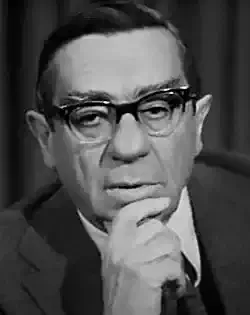
Vitorino Nemésio
O recorte de um cão,na areia,ao luar,
Seu passo imprime
O cuidado miúdo e honesto de passar.
Mas que tristeza oprime
Tanto cão que vai uivar a tanta eira?
Que longo e liso,o fio da noite!
-E amar,esperar desta maneira!
Numa cidade deserta
(Talvez outra,ou Nínive)
Encontrei um anel,uma oferta,
Da vértebra de um cão,
Para uma mulher que já não vive.
Mas tudo isso foi em vão,
E até nem sei se esse osso tive.
de Eu,Comovido A
Oeste
O cuidado miúdo e honesto de passar.
Mas que tristeza oprime
Tanto cão que vai uivar a tanta eira?
Que longo e liso,o fio da noite!
-E amar,esperar desta maneira!
Numa cidade deserta
(Talvez outra,ou Nínive)
Encontrei um anel,uma oferta,
Da vértebra de um cão,
Para uma mulher que já não vive.
Mas tudo isso foi em vão,
E até nem sei se esse osso tive.
de Eu,Comovido A
Oeste
1 757
1
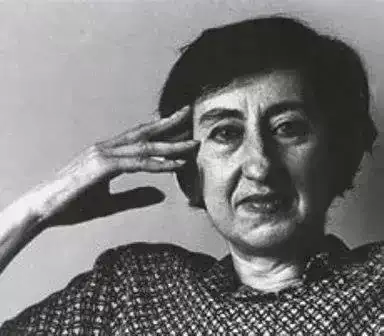
Luiza Neto Jorge
SO-NETO JORGE,Luiza
A silabar que o poema é estulto
o amado abre os dentes e eu deslizo;
sismos,orgasmos tremem-lhe no olhar
enquanto eu,quase a rimar,exulto.
Conheço toda a terra só de amar:
sem nós e sem desvãos,um corpo liso.
Tenho o mênstruo escondido num reduto
onde teoricamente chega o mar.
Nos desertos-íntimos,insuspeitos-
já caem com a calma as avestruzes
-ou a distância,com os oásis,finda;
à medida que nos arcaicos leitos
se vão molhando vozes e alcatruzes
ao descerem ao fundo pego,e à vinda.
de O Amor e o Ócio
o amado abre os dentes e eu deslizo;
sismos,orgasmos tremem-lhe no olhar
enquanto eu,quase a rimar,exulto.
Conheço toda a terra só de amar:
sem nós e sem desvãos,um corpo liso.
Tenho o mênstruo escondido num reduto
onde teoricamente chega o mar.
Nos desertos-íntimos,insuspeitos-
já caem com a calma as avestruzes
-ou a distância,com os oásis,finda;
à medida que nos arcaicos leitos
se vão molhando vozes e alcatruzes
ao descerem ao fundo pego,e à vinda.
de O Amor e o Ócio
2 034
1
Luiza Neto Jorge
SO-NETO JORGE,Luiza
A silabar que o poema é estulto
o amado abre os dentes e eu deslizo;
sismos,orgasmos tremem-lhe no olhar
enquanto eu,quase a rimar,exulto.
Conheço toda a terra só de amar:
sem nós e sem desvãos,um corpo liso.
Tenho o mênstruo escondido num reduto
onde teoricamente chega o mar.
Nos desertos-íntimos,insuspeitos-
já caem com a calma as avestruzes
-ou a distância,com os oásis,finda;
à medida que nos arcaicos leitos
se vão molhando vozes e alcatruzes
ao descerem ao fundo pego,e à vinda.
de O Amor e o Ócio
o amado abre os dentes e eu deslizo;
sismos,orgasmos tremem-lhe no olhar
enquanto eu,quase a rimar,exulto.
Conheço toda a terra só de amar:
sem nós e sem desvãos,um corpo liso.
Tenho o mênstruo escondido num reduto
onde teoricamente chega o mar.
Nos desertos-íntimos,insuspeitos-
já caem com a calma as avestruzes
-ou a distância,com os oásis,finda;
à medida que nos arcaicos leitos
se vão molhando vozes e alcatruzes
ao descerem ao fundo pego,e à vinda.
de O Amor e o Ócio
2 034
1