

Poemas neste tema
Alma
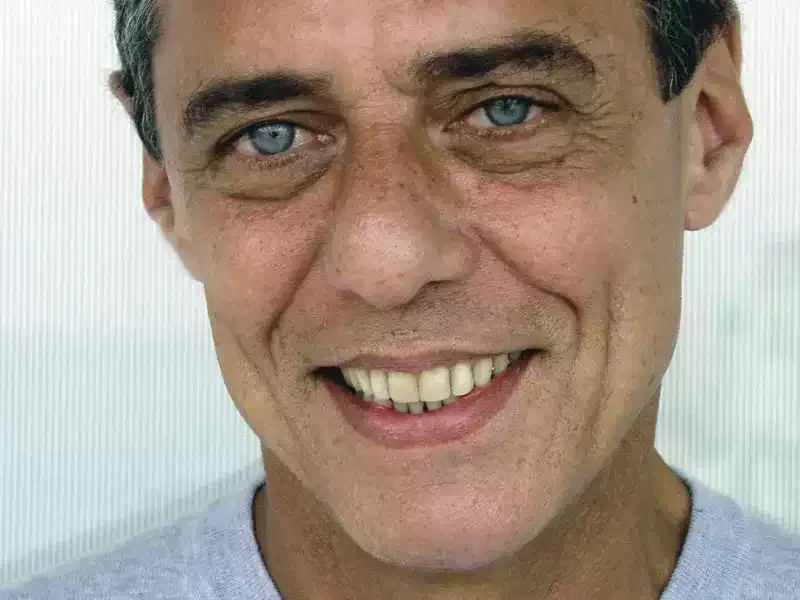
Chico Buarque
O que será (à flor da pele)
O que será que me dá
Que me bole por dentro, será que me dá
Que brota à flor da pele, será que me dá
E que me sobe às faces e me faz corar
E que me salta aos olhos a me atraiçoar
E que me aperta o peito e me faz confessar
O que não tem mais jeito de dissimular
E que nem é direito ninguém recusar
E que me faz mendigo, me faz suplicar
O que não tem medida, nem nunca terá
O que não tem remédio, nem nunca terá
O que não tem receita
O que será que será
Que dá dentro da gente e que não devia
Que desacata a gente, que é revelia
Que é feito uma aguardente que não sacia
Que é feito estar doente de uma folia
Que nem dez mandamentos vão conciliar
Nem todos os ungüentos vão aliviar
Nem todos os quebrantos, toda alquimia
Que nem todos os santos, será que será
O que não tem descanso, nem nunca terá
O que não tem cansaço, nem nunca terá
O que não tem limite
O que será que me dá
Que me queima por dentro, será que me dá
Que me perturba o sono, será que me dá
Que todos os tremores me vêm agitar
Que todos os ardores me vêm atiçar
Que todos os suores me vêm encharcar
Que todos os meus nervos estão a rogar
Que todos os meus órgãos estão a clamar
E uma aflição medonha me faz implorar
O que não tem vergonha, nem nunca terá
O que não tem governo, nem nunca terá
O que não tem juízo
Que me bole por dentro, será que me dá
Que brota à flor da pele, será que me dá
E que me sobe às faces e me faz corar
E que me salta aos olhos a me atraiçoar
E que me aperta o peito e me faz confessar
O que não tem mais jeito de dissimular
E que nem é direito ninguém recusar
E que me faz mendigo, me faz suplicar
O que não tem medida, nem nunca terá
O que não tem remédio, nem nunca terá
O que não tem receita
O que será que será
Que dá dentro da gente e que não devia
Que desacata a gente, que é revelia
Que é feito uma aguardente que não sacia
Que é feito estar doente de uma folia
Que nem dez mandamentos vão conciliar
Nem todos os ungüentos vão aliviar
Nem todos os quebrantos, toda alquimia
Que nem todos os santos, será que será
O que não tem descanso, nem nunca terá
O que não tem cansaço, nem nunca terá
O que não tem limite
O que será que me dá
Que me queima por dentro, será que me dá
Que me perturba o sono, será que me dá
Que todos os tremores me vêm agitar
Que todos os ardores me vêm atiçar
Que todos os suores me vêm encharcar
Que todos os meus nervos estão a rogar
Que todos os meus órgãos estão a clamar
E uma aflição medonha me faz implorar
O que não tem vergonha, nem nunca terá
O que não tem governo, nem nunca terá
O que não tem juízo
2 283
1

Stela Fonseca
Prazer e êxtase
O prazer se
faz em êxtase:
quando o
meu corpo,
feito água,
descobre
todos os
caminhos
do seu.
E deixa-se
ficar
onde você
mergulha em
mim.
faz em êxtase:
quando o
meu corpo,
feito água,
descobre
todos os
caminhos
do seu.
E deixa-se
ficar
onde você
mergulha em
mim.
1 324
1

Cláudia Marczak
Quero um homem
Quero um homem
que toque minha alma,
que entre pelos meus olhos
e invada meus sonhos.
Quero que me possua inteira,
corpo e alma,
fazendo dos meus desejos
breves segundos de êxtase
o prazer do encontro total.
Quero sentir seus braços longos
envolvendo meu abraço,
seus lábios mudos
calando o meu silêncio
sem precisar nada dizer...
apenas me olhando
com olhos negros e úmidos
e me tomando devagar,
como o mar avança na praia,
como eu sei que tem que ser
e sei que um dia será.
que toque minha alma,
que entre pelos meus olhos
e invada meus sonhos.
Quero que me possua inteira,
corpo e alma,
fazendo dos meus desejos
breves segundos de êxtase
o prazer do encontro total.
Quero sentir seus braços longos
envolvendo meu abraço,
seus lábios mudos
calando o meu silêncio
sem precisar nada dizer...
apenas me olhando
com olhos negros e úmidos
e me tomando devagar,
como o mar avança na praia,
como eu sei que tem que ser
e sei que um dia será.
1 373
1
Bruno Kampel
Mulher
Não quero uma mulher
Que seja gorda ou magra
Ou alta ou baixa
Ou isto e aquilo.
Não quero uma mulher
Mas sim um porto, uma esquina
Onde virar a vida e olhá-la
De dentro para fora.
Não espero uma mulher
Mas um barco que me navegue
Uma tempestade que me aflija
Uma sensualidade que me altere
Uma serenidade que me nine.
Não sonho uma mulher
Mas um grito de prazer
Saindo da boca pendurada
No rosto emoldurado
No corpo que se apoie
Nas pernas que me abracem.
Não sonho nem espero
Nem quero uma mulher
Mas exijo aos meus devaneios
Que encontrem a única
Que quero sonho e espero
Não uma, mas ela.
E sei onde se esconde
E conheço-lhe as senhas
Que a definem. O sexo
Ardente, a volúpia estridente
A carência do espasmo
O Amor com o dedo no gatilho.
Só quero essa mulher
Com todos seus desertos
Onde descansar a minha pele
Exausta e a minha boca sedenta
E a minha vontade faminta
E a minha urgência aflita
E a minha lágrima austera
E a minha ternura eloquente.
Sim, essa mulher que me excite
Os vinte e nove sentidos
A única a saber
O que dizer
Como fazer
Quando parar
Onde Esperar.
Essa a mulher que espero
E não espero
Que quero e não quero
Essa mulherportoesquina
Que desejo e não desejo
Que outro a tenha.
Que seja alta ou baixa
Isto ou aquilo
Mas que seja ela
Aquela que seja minha
E eu seja dela
Que seja eu e ela
Euela eu lá nela
Que sejamos ela.
E eu então terei encontrado
A mulher que não procuro
O barco, a esquina, Você.
Sim, você, que espreita
Do outro lado da esquina, no cais,
A chegada do marinheiro
Como quem apenas me espera.
Então nos amarraremos sem vergonha
À luz dos holofotes dos teus olhos,
E procriaremos gritos e gemidos
Que iluminarão todas as esquinas.
Será o momento de dizer
Achei/achamos amei/amamos
E por primeira vez vocalizar o
Somos, pluralizando-nos
Na emoção do encontro.
Essa a mulher
que não procuro
nem espero.
Você, viu? Você!
Que seja gorda ou magra
Ou alta ou baixa
Ou isto e aquilo.
Não quero uma mulher
Mas sim um porto, uma esquina
Onde virar a vida e olhá-la
De dentro para fora.
Não espero uma mulher
Mas um barco que me navegue
Uma tempestade que me aflija
Uma sensualidade que me altere
Uma serenidade que me nine.
Não sonho uma mulher
Mas um grito de prazer
Saindo da boca pendurada
No rosto emoldurado
No corpo que se apoie
Nas pernas que me abracem.
Não sonho nem espero
Nem quero uma mulher
Mas exijo aos meus devaneios
Que encontrem a única
Que quero sonho e espero
Não uma, mas ela.
E sei onde se esconde
E conheço-lhe as senhas
Que a definem. O sexo
Ardente, a volúpia estridente
A carência do espasmo
O Amor com o dedo no gatilho.
Só quero essa mulher
Com todos seus desertos
Onde descansar a minha pele
Exausta e a minha boca sedenta
E a minha vontade faminta
E a minha urgência aflita
E a minha lágrima austera
E a minha ternura eloquente.
Sim, essa mulher que me excite
Os vinte e nove sentidos
A única a saber
O que dizer
Como fazer
Quando parar
Onde Esperar.
Essa a mulher que espero
E não espero
Que quero e não quero
Essa mulherportoesquina
Que desejo e não desejo
Que outro a tenha.
Que seja alta ou baixa
Isto ou aquilo
Mas que seja ela
Aquela que seja minha
E eu seja dela
Que seja eu e ela
Euela eu lá nela
Que sejamos ela.
E eu então terei encontrado
A mulher que não procuro
O barco, a esquina, Você.
Sim, você, que espreita
Do outro lado da esquina, no cais,
A chegada do marinheiro
Como quem apenas me espera.
Então nos amarraremos sem vergonha
À luz dos holofotes dos teus olhos,
E procriaremos gritos e gemidos
Que iluminarão todas as esquinas.
Será o momento de dizer
Achei/achamos amei/amamos
E por primeira vez vocalizar o
Somos, pluralizando-nos
Na emoção do encontro.
Essa a mulher
que não procuro
nem espero.
Você, viu? Você!
1 540
1

Age de Carvalho
Vermelho
Tua,
de seda e feno
no transe da metáfora
a fenda soletrada-sol,
vala de luz, vocabulário
Tua, folhagem. O
olho
alcança o Olho,
desce aos infernos:
sonha o cabelo da urna,
o vermelho
da cifra, a ferida
no centro da fogueira
Tua, tua
de seda e feno
no transe da metáfora
a fenda soletrada-sol,
vala de luz, vocabulário
Tua, folhagem. O
olho
alcança o Olho,
desce aos infernos:
sonha o cabelo da urna,
o vermelho
da cifra, a ferida
no centro da fogueira
Tua, tua
744
1
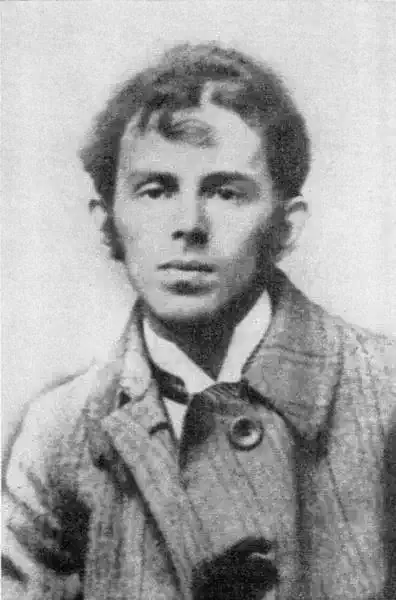
Ossip Mandelstam
Caminheiro
Caminheiro
Sinto é um medo, um medo insuperável
Defronte das alturas misteriosas.
E dizer que me agradam andorinhas
No céu e do campanário o alto voo!
Caminheiro de outrora, cá me iludo
Pensando ouvir à borda do abismo
A pedra a ceder, a bola de neve,
O relógio batendo eternidade.
Se assim fosse! Mas não sou o peregrino
Que vem dos fólios antigos desbotados,
E o que em mim real canta é esta angústia:
Certo – desce uma avalancha das montanhas!
E toda a minha alma está nos sinos,
Só que a música não salva dos abismos!
Sinto é um medo, um medo insuperável
Defronte das alturas misteriosas.
E dizer que me agradam andorinhas
No céu e do campanário o alto voo!
Caminheiro de outrora, cá me iludo
Pensando ouvir à borda do abismo
A pedra a ceder, a bola de neve,
O relógio batendo eternidade.
Se assim fosse! Mas não sou o peregrino
Que vem dos fólios antigos desbotados,
E o que em mim real canta é esta angústia:
Certo – desce uma avalancha das montanhas!
E toda a minha alma está nos sinos,
Só que a música não salva dos abismos!
1 685
1
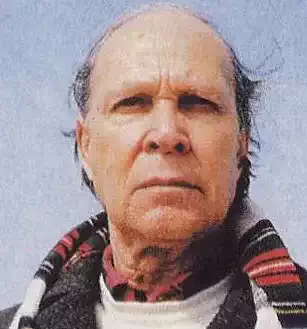
Eugénio de Andrade
Deixa a mão
Deixa a mão
caminhar
perder o alento
até onde se não respira.
Deixa a mão
errar
sobre a cintura
apenas conivente
com nácar da língua.
Só um grito desde o chão
pode fulminá-la.
A morte
não é um segredo
não é em nós um jardim de areia.
De noite
no silêncio baço dos espelhos
um homem
pode trazer a morte pela mão.
Vou ensinar-te como se reconhece
repara
é ainda um rapaz
não acaba de crescer
nos ombros
a luz
desatada
a fulva
lucidez dos flancos.
A boca sobre a boca nevava.
caminhar
perder o alento
até onde se não respira.
Deixa a mão
errar
sobre a cintura
apenas conivente
com nácar da língua.
Só um grito desde o chão
pode fulminá-la.
A morte
não é um segredo
não é em nós um jardim de areia.
De noite
no silêncio baço dos espelhos
um homem
pode trazer a morte pela mão.
Vou ensinar-te como se reconhece
repara
é ainda um rapaz
não acaba de crescer
nos ombros
a luz
desatada
a fulva
lucidez dos flancos.
A boca sobre a boca nevava.
6 825
1

Carlos Eduardo Armando
Quero beijar sua boca
quero beijar sua boca
1
com volúpia, com tesão
com saudade de mil anos
e a forca da solidão
fechar meus braços suados
sobre seu corpo arrepio
lambe-la feito cachorro
lambe uma fêmea no cio.
2
tarde vermelha se esgarça
perto das seis horas
começa a ave maria
noite colcha de éter
cai indiferente
sobre a terra fria.
3
quando te perder
pro tempo
quando te entregar
ao pó
quero que
o sol brilhe forte
vapor do solo
te agasalhe
energia de estrela
te alimente
na jornada
para onde fores.
1
com volúpia, com tesão
com saudade de mil anos
e a forca da solidão
fechar meus braços suados
sobre seu corpo arrepio
lambe-la feito cachorro
lambe uma fêmea no cio.
2
tarde vermelha se esgarça
perto das seis horas
começa a ave maria
noite colcha de éter
cai indiferente
sobre a terra fria.
3
quando te perder
pro tempo
quando te entregar
ao pó
quero que
o sol brilhe forte
vapor do solo
te agasalhe
energia de estrela
te alimente
na jornada
para onde fores.
1 039
1

Liz Christine
Passional
Seu olhar me desconcerta
Penetrante Inquietante
O prazer que em mim desperta
Inquietante Deslumbrante
Ter você sob as cobertas
Deslumbrante Fascinante
O fascínio do teu corpo
Me perco em suas curvas
Em cada esquina deste corpo
Você é minha perdição
Ao mesmo tempo é a razão
Da escrita com paixão
Observo contemplando
Esperando
Sua ação
Faça comigo o que desejar
Sei que vou gostar
Não quer escrever?
Não. Quero apenas você
Linda envolvente
Eterna adolescente
De beleza incandescente
Sua sensualidade latejando
Seus olhos convidam
Todo meu corpo desejando
Você me acariciando
Acabo por escrever
sobre a intensidade
De te querer
Inteligência provocante
A libido reclama
sufocante
Presença fascinante
Em minha cama
Ou banheiro, cozinha, chão
Só importa nossa paixão
Penetrante Inquietante
O prazer que em mim desperta
Inquietante Deslumbrante
Ter você sob as cobertas
Deslumbrante Fascinante
O fascínio do teu corpo
Me perco em suas curvas
Em cada esquina deste corpo
Você é minha perdição
Ao mesmo tempo é a razão
Da escrita com paixão
Observo contemplando
Esperando
Sua ação
Faça comigo o que desejar
Sei que vou gostar
Não quer escrever?
Não. Quero apenas você
Linda envolvente
Eterna adolescente
De beleza incandescente
Sua sensualidade latejando
Seus olhos convidam
Todo meu corpo desejando
Você me acariciando
Acabo por escrever
sobre a intensidade
De te querer
Inteligência provocante
A libido reclama
sufocante
Presença fascinante
Em minha cama
Ou banheiro, cozinha, chão
Só importa nossa paixão
1 051
1
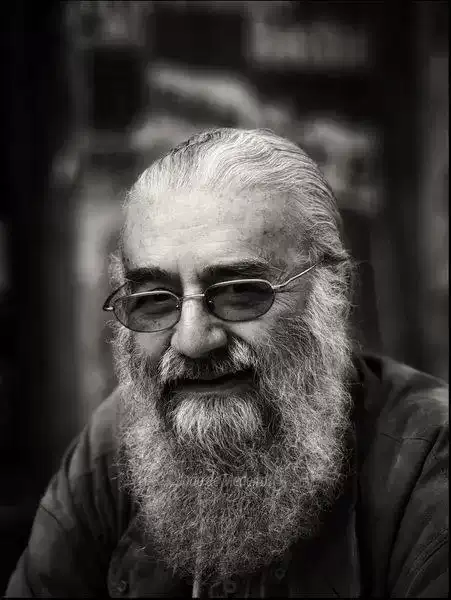
Ernesto de Melo e Castro
De redondo cu
de redondo cu
eu cúbica te quero
como cólera química ou paz comum
que nada tão navega
a tua nádega núbica
de redondo nenúfar
nu furioso.
no volume do cu
velo o teu lume
ocioso cio de culher
nos colhões que te encosto
pelas costas
no cu que te descubro
pelo olho
no volume que rasgo
pela vela
do duro coração na cumoção
de ter-te pelas tetas
culocada na posição
decúbita
culada
da comunicação.
eu cúbica te quero
como cólera química ou paz comum
que nada tão navega
a tua nádega núbica
de redondo nenúfar
nu furioso.
no volume do cu
velo o teu lume
ocioso cio de culher
nos colhões que te encosto
pelas costas
no cu que te descubro
pelo olho
no volume que rasgo
pela vela
do duro coração na cumoção
de ter-te pelas tetas
culocada na posição
decúbita
culada
da comunicação.
1 862
1

Bruna Lombardi
Uma mulher
Uma mulher caminha nua pelo quarto
é lenta como a luz daquela estrela
é tão secreta uma mulher que ao vê-la
nua no quarto pouco se sabe dela
a cor da pele, dos pêlos, o cabelo
o modo de pisar, algumas marcas
a curva arredondada de suas ancas
a parte onde a carne é mais branca
uma mulher é feita de mistérios
tudo se esconde: os sonhos, as axilas,
a vagina
ela envelhece e esconde uma menina
que permanece onde ela está agora
o homem que descobre uma mulher
será sempre o primeiro a ver a aurora.
é lenta como a luz daquela estrela
é tão secreta uma mulher que ao vê-la
nua no quarto pouco se sabe dela
a cor da pele, dos pêlos, o cabelo
o modo de pisar, algumas marcas
a curva arredondada de suas ancas
a parte onde a carne é mais branca
uma mulher é feita de mistérios
tudo se esconde: os sonhos, as axilas,
a vagina
ela envelhece e esconde uma menina
que permanece onde ela está agora
o homem que descobre uma mulher
será sempre o primeiro a ver a aurora.
3 950
1
Chico Buarque
Sem açúcar
Todo dia ele faz diferente
Não sei se ele volta da rua
Não sei se me traz um presente
Não sei se ele fica na sua
Talvez ele chegue sentido
Quem sabe me cobre de beijos
Ou nem me desmancha o vestido
Ou nem me adivinha os desejos
Dia ímpar tem chocolate
Dia par eu vivo de brisa
Dia útil ele me bate
Dia santo ele me alisa
Longe dele eu tremo de amor
na presença dele me calo
Eu de dia sou sua flor
Eu de noite sou seu cavalo
A cerveja dele é sagrada
A vontade dele é a mais justa
A minha paixão é piada
A sua risada me assusta
Sua boca é um cadeado
E meu corpo é uma fogueira
Enquanto ele dorme pesado
Eu rolo sozinha na esteira
Não sei se ele volta da rua
Não sei se me traz um presente
Não sei se ele fica na sua
Talvez ele chegue sentido
Quem sabe me cobre de beijos
Ou nem me desmancha o vestido
Ou nem me adivinha os desejos
Dia ímpar tem chocolate
Dia par eu vivo de brisa
Dia útil ele me bate
Dia santo ele me alisa
Longe dele eu tremo de amor
na presença dele me calo
Eu de dia sou sua flor
Eu de noite sou seu cavalo
A cerveja dele é sagrada
A vontade dele é a mais justa
A minha paixão é piada
A sua risada me assusta
Sua boca é um cadeado
E meu corpo é uma fogueira
Enquanto ele dorme pesado
Eu rolo sozinha na esteira
2 170
1
Bruna Lombardi
Elogio do pecado
Ela é uma mulher que goza
celestial sublime
isso a torna perigosa
e você não pode nada contra o crime
dela ser uma mulher que goza
você pode persegui-la, ameaçá-la
tachá-la, matá-la se quiser
retalhar seu corpo, deixá-lo exposto
pra servir de exemplo.
É inútil. Ela agora pode resistir
ao mais feroz dos tempos
à ira, ao pior julgamento
repara, ela renasce e brota
nova rosa
Atravessou a história
foi queimada viva, acusada
desceu ao fundo dos infernos
e já não teme nada
retorna inteira, maior, mais larga
absolutamente poderosa.
celestial sublime
isso a torna perigosa
e você não pode nada contra o crime
dela ser uma mulher que goza
você pode persegui-la, ameaçá-la
tachá-la, matá-la se quiser
retalhar seu corpo, deixá-lo exposto
pra servir de exemplo.
É inútil. Ela agora pode resistir
ao mais feroz dos tempos
à ira, ao pior julgamento
repara, ela renasce e brota
nova rosa
Atravessou a história
foi queimada viva, acusada
desceu ao fundo dos infernos
e já não teme nada
retorna inteira, maior, mais larga
absolutamente poderosa.
2 704
1
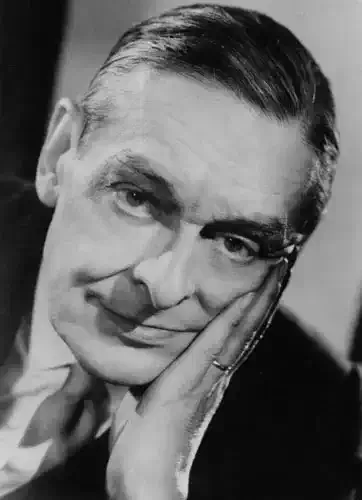
T. S. Eliot
The Love Song of J Alfred Prufrock
The Love Song of J. Alfred Prufrock
Sio credesse che mia risposta fosse
A persona che mai tornasse al mondo,
Questa fiamma staria senza piu scosse.
Ma perciocche giammai di questo fondo
Non torno vivo alcun, siodo il vero,
Senza tema dinfamia ti rispondo.
LET us go then, you and I,
When the evening is spread out against the sky
Like a patient etherised upon a table;
Let us go, through certain half-deserted streets,
The muttering retreats
Of restless nights in one-night cheap hotels
And sawdust restaurants with oyster-shells:
Streets that follow like a tedious argument
Of insidious intent
To lead you to an overwhelming question...
Oh, do not ask, "What is it?"
Let us go and make our visit.
In the room the women come and go
Talking of Michelangelo.
The yellow fog that rubs its back upon the window-panes,
The yellow smoke that rubs its muzzle on the window-panes
Licked its tongue into the corners of the evening,
Lingered upon the pools that stand in drains,
Let fall upon its back the soot that falls from chimneys,
Slipped by the terrace, made a sudden leap,
And seeing that it was a soft October night,
Curled once about the house, and fell asleep.
And indeed there will be time
For the yellow smoke that slides along the street,
Rubbing its back upon the window-panes;
There will be time, there will be time
To prepare a face to meet the faces that you meet;
There will be time to murder and create,
And time for all the works and days of hands
That lift and drop a question on your plate;
Time for you and time for me,
And time yet for a hundred indecisions,
And for a hundred visions and revisions,
Before the taking of a toast and tea.
In the room the women come and go
Talking of Michelangelo.
And indeed there will be time
To wonder, "Do I dare?" and, "Do I dare?"
Time to turn back and descend the stair,
With a bald spot in the middle of my hair—
[They will say: "How his hair is growing thin!"]
My morning coat, my collar mounting firmly to the chin,
My necktie rich and modest, but asserted by a simple pin—
[They will say: "But how his arms and legs are thin!"]
Do I dare
Disturb the universe?
In a minute there is time
For decisions and revisions which a minute will reverse.
For I have known them all already, known them all:—
Have known the evenings, mornings, afternoons,
I have measured out my life with coffee spoons;
I know the voices dying with a dying fall
Beneath the music from a farther room.
So how should I presume?
And I have known the eyes already, known them all—
The eyes that fix you in a formulated phrase,
And when I am formulated, sprawling on a pin,
When I am pinned and wriggling on the wall,
Then how should I begin
To spit out all the butt-ends of my days and ways?
And how should I presume?
And I have known the arms already, known them all—
Arms that are braceleted and white and bare
[But in the lamplight, downed with light brown hair!]
It is perfume from a dress
That makes me so digress?
Arms that lie along a table, or wrap about a shawl.
And should I then presume?
And how should I begin?
. . . . .
Shall I say, I have gone at dusk through narrow streets
And watched the smoke that rises from the pipes
Of lonely men in shirt-sleeves, leaning out of windows?...
I should have been a pair of ragged claws
Scuttling across the floors of silent seas.
. . . . .
And the afternoon, the evening, sleeps so peacefully!
Smoothed by long fingers,
Asleep ... tired ... or it malingers,
Stretched on the floor, here beside you and me.
Should I, after tea and cakes and ices,
Have the strength to force the moment to its crisis?
But though I have wept and fasted, wept and prayed,
Though I have seen my head [grown slightly bald] brought in upon a platter,
I am no prophet—and heres no great matter;
I have seen the moment of my greatness flicker,
And I have seen the eternal Footman hold my coat, and snicker,
And in short, I was afraid.
And would it have been worth it, after all,
After the cups, the marmalade, the tea,
Among the porcelain, among some talk of you and me,
Would it have been worth while,
To have bitten off the matter with a smile,
To have squeezed the universe into a ball
To roll it toward some overwhelming question,
To say: "I am Lazarus, come from the dead,
Come back to tell you all, I shall tell you all"—
If one, settling a pillow by her head,
Should say: "That is not what I meant at all.
That is not it, at all."
And would it have been worth it, after all,
Would it have been worth while,
After the sunsets and the dooryards and the sprinkled streets,
After the novels, after the teacups, after the skirts that trail along the floor—
And this, and so much more?—
It is impossible to say just what I mean!
But as if a magic lantern threw the nerves in patterns on a screen:
Would it have been worth while
If one, settling a pillow or throwing off a shawl,
And turning toward the window, should say:
"That is not it at all,
That is not what I meant, at all."
. . . . .
No! I am not Prince Hamlet, nor was meant to be;
Am an attendant lord, one that will do
To swell a progress, start a scene or two,
Advise the prince; no doubt, an easy tool,
Deferential, glad to be of use,
Politic, cautious, and meticulous;
Full of high sentence, but a bit obtuse;
At times, indeed, almost ridiculous—
Almost, at times, the Fool.
I grow old ... I grow old...
I shall wear the bottoms of my trousers rolled.
Shall I part my hair behind? Do I dare to eat a peach?
I shall wear white flannel trousers, and walk upon the beach.
I have heard the mermaids singing, each to each.
I do not think that they will sing to me.
I have seen them riding seaward on the waves
Combing the white hair of the waves blown back
When the wind blows the water white and black.
We have lingered in the chambers of the sea
By sea-girls wreathed with seaweed red and brown
Till human voices wake us, and we drown.
Sio credesse che mia risposta fosse
A persona che mai tornasse al mondo,
Questa fiamma staria senza piu scosse.
Ma perciocche giammai di questo fondo
Non torno vivo alcun, siodo il vero,
Senza tema dinfamia ti rispondo.
LET us go then, you and I,
When the evening is spread out against the sky
Like a patient etherised upon a table;
Let us go, through certain half-deserted streets,
The muttering retreats
Of restless nights in one-night cheap hotels
And sawdust restaurants with oyster-shells:
Streets that follow like a tedious argument
Of insidious intent
To lead you to an overwhelming question...
Oh, do not ask, "What is it?"
Let us go and make our visit.
In the room the women come and go
Talking of Michelangelo.
The yellow fog that rubs its back upon the window-panes,
The yellow smoke that rubs its muzzle on the window-panes
Licked its tongue into the corners of the evening,
Lingered upon the pools that stand in drains,
Let fall upon its back the soot that falls from chimneys,
Slipped by the terrace, made a sudden leap,
And seeing that it was a soft October night,
Curled once about the house, and fell asleep.
And indeed there will be time
For the yellow smoke that slides along the street,
Rubbing its back upon the window-panes;
There will be time, there will be time
To prepare a face to meet the faces that you meet;
There will be time to murder and create,
And time for all the works and days of hands
That lift and drop a question on your plate;
Time for you and time for me,
And time yet for a hundred indecisions,
And for a hundred visions and revisions,
Before the taking of a toast and tea.
In the room the women come and go
Talking of Michelangelo.
And indeed there will be time
To wonder, "Do I dare?" and, "Do I dare?"
Time to turn back and descend the stair,
With a bald spot in the middle of my hair—
[They will say: "How his hair is growing thin!"]
My morning coat, my collar mounting firmly to the chin,
My necktie rich and modest, but asserted by a simple pin—
[They will say: "But how his arms and legs are thin!"]
Do I dare
Disturb the universe?
In a minute there is time
For decisions and revisions which a minute will reverse.
For I have known them all already, known them all:—
Have known the evenings, mornings, afternoons,
I have measured out my life with coffee spoons;
I know the voices dying with a dying fall
Beneath the music from a farther room.
So how should I presume?
And I have known the eyes already, known them all—
The eyes that fix you in a formulated phrase,
And when I am formulated, sprawling on a pin,
When I am pinned and wriggling on the wall,
Then how should I begin
To spit out all the butt-ends of my days and ways?
And how should I presume?
And I have known the arms already, known them all—
Arms that are braceleted and white and bare
[But in the lamplight, downed with light brown hair!]
It is perfume from a dress
That makes me so digress?
Arms that lie along a table, or wrap about a shawl.
And should I then presume?
And how should I begin?
. . . . .
Shall I say, I have gone at dusk through narrow streets
And watched the smoke that rises from the pipes
Of lonely men in shirt-sleeves, leaning out of windows?...
I should have been a pair of ragged claws
Scuttling across the floors of silent seas.
. . . . .
And the afternoon, the evening, sleeps so peacefully!
Smoothed by long fingers,
Asleep ... tired ... or it malingers,
Stretched on the floor, here beside you and me.
Should I, after tea and cakes and ices,
Have the strength to force the moment to its crisis?
But though I have wept and fasted, wept and prayed,
Though I have seen my head [grown slightly bald] brought in upon a platter,
I am no prophet—and heres no great matter;
I have seen the moment of my greatness flicker,
And I have seen the eternal Footman hold my coat, and snicker,
And in short, I was afraid.
And would it have been worth it, after all,
After the cups, the marmalade, the tea,
Among the porcelain, among some talk of you and me,
Would it have been worth while,
To have bitten off the matter with a smile,
To have squeezed the universe into a ball
To roll it toward some overwhelming question,
To say: "I am Lazarus, come from the dead,
Come back to tell you all, I shall tell you all"—
If one, settling a pillow by her head,
Should say: "That is not what I meant at all.
That is not it, at all."
And would it have been worth it, after all,
Would it have been worth while,
After the sunsets and the dooryards and the sprinkled streets,
After the novels, after the teacups, after the skirts that trail along the floor—
And this, and so much more?—
It is impossible to say just what I mean!
But as if a magic lantern threw the nerves in patterns on a screen:
Would it have been worth while
If one, settling a pillow or throwing off a shawl,
And turning toward the window, should say:
"That is not it at all,
That is not what I meant, at all."
. . . . .
No! I am not Prince Hamlet, nor was meant to be;
Am an attendant lord, one that will do
To swell a progress, start a scene or two,
Advise the prince; no doubt, an easy tool,
Deferential, glad to be of use,
Politic, cautious, and meticulous;
Full of high sentence, but a bit obtuse;
At times, indeed, almost ridiculous—
Almost, at times, the Fool.
I grow old ... I grow old...
I shall wear the bottoms of my trousers rolled.
Shall I part my hair behind? Do I dare to eat a peach?
I shall wear white flannel trousers, and walk upon the beach.
I have heard the mermaids singing, each to each.
I do not think that they will sing to me.
I have seen them riding seaward on the waves
Combing the white hair of the waves blown back
When the wind blows the water white and black.
We have lingered in the chambers of the sea
By sea-girls wreathed with seaweed red and brown
Till human voices wake us, and we drown.
2 479
1
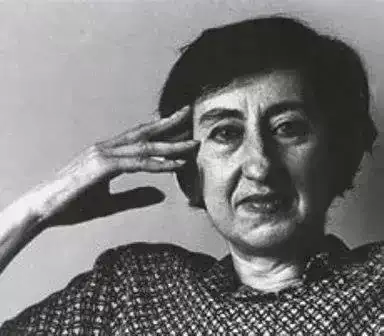
Luiza Neto Jorge
SO-NETO JORGE,Luiza
A silabar que o poema é estulto
o amado abre os dentes e eu deslizo;
sismos,orgasmos tremem-lhe no olhar
enquanto eu,quase a rimar,exulto.
Conheço toda a terra só de amar:
sem nós e sem desvãos,um corpo liso.
Tenho o mênstruo escondido num reduto
onde teoricamente chega o mar.
Nos desertos-íntimos,insuspeitos-
já caem com a calma as avestruzes
-ou a distância,com os oásis,finda;
à medida que nos arcaicos leitos
se vão molhando vozes e alcatruzes
ao descerem ao fundo pego,e à vinda.
de O Amor e o Ócio
o amado abre os dentes e eu deslizo;
sismos,orgasmos tremem-lhe no olhar
enquanto eu,quase a rimar,exulto.
Conheço toda a terra só de amar:
sem nós e sem desvãos,um corpo liso.
Tenho o mênstruo escondido num reduto
onde teoricamente chega o mar.
Nos desertos-íntimos,insuspeitos-
já caem com a calma as avestruzes
-ou a distância,com os oásis,finda;
à medida que nos arcaicos leitos
se vão molhando vozes e alcatruzes
ao descerem ao fundo pego,e à vinda.
de O Amor e o Ócio
2 033
1

José Tolentino Mendonça
Os Versos
Os versos assemelham-se a um corpo
quando cai
ao tentar de escuridão a escuridão
a sua sorte
nenhum poder ordena
em papel de prata essa dança inquieta
quando cai
ao tentar de escuridão a escuridão
a sua sorte
nenhum poder ordena
em papel de prata essa dança inquieta
1 961
1
José Tolentino Mendonça
A voz solitária do homem
Há palavras que escrevemos mais depressa
o terror dessas palavras derruba
o passado dos homens
são tão pouco: vestígios, índices, poeira
mas nada lhes é desconhecido
as horas em que vigiamos o escuro
os sítios nenhuns das imagens
a ligeira mudança que resgataria
o abandono, todo o abandono
o terror dessas palavras derruba
o passado dos homens
são tão pouco: vestígios, índices, poeira
mas nada lhes é desconhecido
as horas em que vigiamos o escuro
os sítios nenhuns das imagens
a ligeira mudança que resgataria
o abandono, todo o abandono
2 075
1
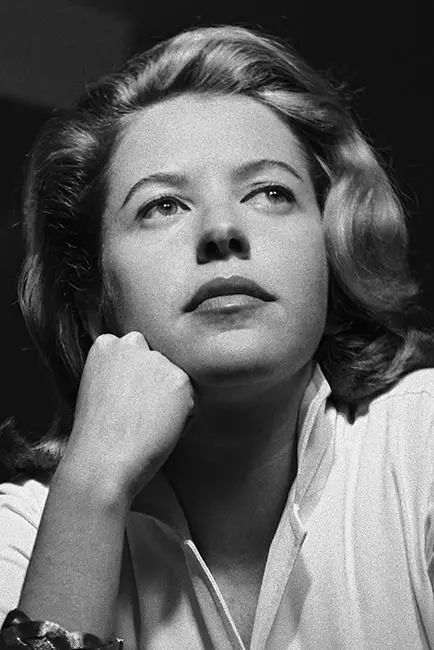
Hilda Hilst
Dez chamamentos ao amigo
Dez chamamentos ao amigo
Se te pareço noturna e imperfeita
Olha-me de novo. Porque esta noite
Olhei-me a mim, como se tu me olhasses.
E era como se a água
Desejasse
Escapar de sua casa que é o rio
E deslizando apenas, nem tocar a margem.
Te olhei. E há tanto tempo
Entendo que sou terra. Há tanto tempo
Espero
Que o teu corpo de água mais fraterno
Se estenda sobre o meu. Pastor e nauta
Olha-me de novo. Com menos altivez.
E mais atento.
Se te pareço noturna e imperfeita
Olha-me de novo. Porque esta noite
Olhei-me a mim, como se tu me olhasses.
E era como se a água
Desejasse
Escapar de sua casa que é o rio
E deslizando apenas, nem tocar a margem.
Te olhei. E há tanto tempo
Entendo que sou terra. Há tanto tempo
Espero
Que o teu corpo de água mais fraterno
Se estenda sobre o meu. Pastor e nauta
Olha-me de novo. Com menos altivez.
E mais atento.
2 181
1
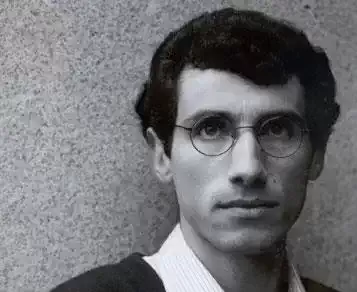
Daniel Faria
Cruz,rosa
Cruz,rosa
Dos ventos sem direcção que não seja o centro.Coluna
Sustentada pelos braços como um amigo que chega.Rosa
De orvalho e sangue para o corpo trepassado de sede.Árvore
Que bebe do homem.Árvore
Em silêncio onde escutamos a palavra
Em carne viva.Verbo
Tão inteiro que se fez espelho
de Homens Que São Como Lugares Mal Situados(1998)
Dos ventos sem direcção que não seja o centro.Coluna
Sustentada pelos braços como um amigo que chega.Rosa
De orvalho e sangue para o corpo trepassado de sede.Árvore
Que bebe do homem.Árvore
Em silêncio onde escutamos a palavra
Em carne viva.Verbo
Tão inteiro que se fez espelho
de Homens Que São Como Lugares Mal Situados(1998)
2 805
1
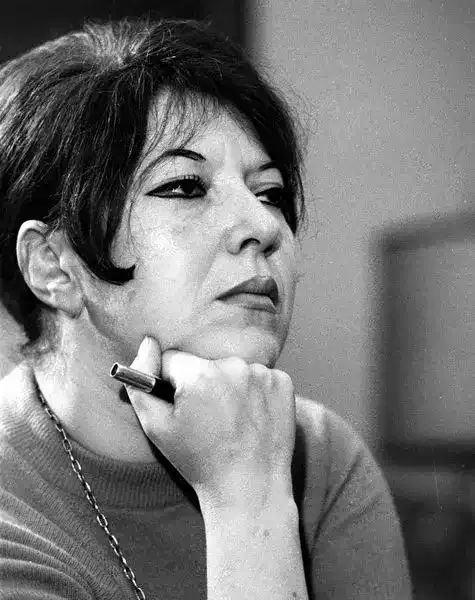
Natália Correia
I
Combustível a besta se encorpora
no gesto e penúltimo o homem
compenetra-se funcionário
da sua adiada escória.
Da bomba o guincho de giz
no quadro preto da memória
pontos de sangue em nossos ii
HISTÓRIA aos quadradinhos ora
o bípede era uma vez
não identificado objecto
um não saber que fazer
de não ser propriamente insecto
com conta aberta em Andrómeda
e uísque em Vésper por anestésico.
Oh cosmonauta! comichão
de não encontrares teu cemitério.
Mundo imundo como o mundo
homem bilião de formigas
suando o cimento de cidades
por mísseis interrompidas.
Presente como lixo varrido
pela vassoura do adiante
pressa de mãos que estrangulam
uma criança no volante
homem como autopintando
pelas trevas do teu ofício
de te ganhares aos viciados
dados de seres só homem por vício.
Homem aflição de teres alma
alma como pombo-correio
quem vem pousar na tua linha
sem que tu saibas porque veio
lógica como paragógica
arrogância que rumina a ruína
ardidas pinhas do pinheiro europa
queimada lã da ovelha hiroxima
fumegante palha da ásia
na boca da mula américa
rato da rússia roendo o mapa.
Terra insolentemente esférica
saibro da carne desvividacom que o homem seu sorriso faz.
No mostrador das carícias
falta um minuto para o caos.
de Mátria(1968)
no gesto e penúltimo o homem
compenetra-se funcionário
da sua adiada escória.
Da bomba o guincho de giz
no quadro preto da memória
pontos de sangue em nossos ii
HISTÓRIA aos quadradinhos ora
o bípede era uma vez
não identificado objecto
um não saber que fazer
de não ser propriamente insecto
com conta aberta em Andrómeda
e uísque em Vésper por anestésico.
Oh cosmonauta! comichão
de não encontrares teu cemitério.
Mundo imundo como o mundo
homem bilião de formigas
suando o cimento de cidades
por mísseis interrompidas.
Presente como lixo varrido
pela vassoura do adiante
pressa de mãos que estrangulam
uma criança no volante
homem como autopintando
pelas trevas do teu ofício
de te ganhares aos viciados
dados de seres só homem por vício.
Homem aflição de teres alma
alma como pombo-correio
quem vem pousar na tua linha
sem que tu saibas porque veio
lógica como paragógica
arrogância que rumina a ruína
ardidas pinhas do pinheiro europa
queimada lã da ovelha hiroxima
fumegante palha da ásia
na boca da mula américa
rato da rússia roendo o mapa.
Terra insolentemente esférica
saibro da carne desvividacom que o homem seu sorriso faz.
No mostrador das carícias
falta um minuto para o caos.
de Mátria(1968)
1 743
1
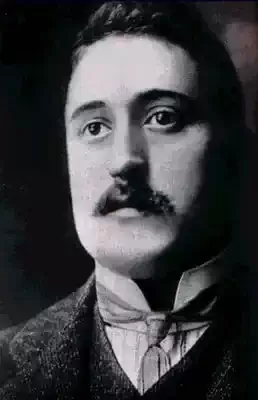
Guillaume Apollinaire
Le chat
Le chat
Je souhaite dans ma maison :
Une femme ayant sa raison,
Un chat passant parmi les livres,
Des amis en toute saison
Sans lesquels je ne peux pas vivre.
Je souhaite dans ma maison :
Une femme ayant sa raison,
Un chat passant parmi les livres,
Des amis en toute saison
Sans lesquels je ne peux pas vivre.
3 104
1
José Tolentino Mendonça
A mão, o muro, o mundo
A mão preferida pelo silêncio
evoca sobre o muro
um alfabeto sem vincos
não é mão é uma luz que sobe pela colina
um atalho entre as estevas
um incêndio na mata
a rapariga louca,grita contra a noite
na enseada
A mão preferida pelo silêncio
folheia o livro dos incêndios
torna-se irremediavelmente suja
sobre o muro traça os vincos
os primeiros versos
A mão preferida pelo silêncio
não conhece repouso
quando atravessa a noite da enseada
é a mão trémula
pobre
assinalada pela escassez extrema dos nomes
evoca sobre o muro
um alfabeto sem vincos
não é mão é uma luz que sobe pela colina
um atalho entre as estevas
um incêndio na mata
a rapariga louca,grita contra a noite
na enseada
A mão preferida pelo silêncio
folheia o livro dos incêndios
torna-se irremediavelmente suja
sobre o muro traça os vincos
os primeiros versos
A mão preferida pelo silêncio
não conhece repouso
quando atravessa a noite da enseada
é a mão trémula
pobre
assinalada pela escassez extrema dos nomes
2 336
1
Daniel Faria
Estou a um palmo da parede
Estou a um palmo da parede.Pergunto-se queres saber o que oiço-
O que disseste a Elias:Elias
O que fazes aqui?
Sim,alteio os meus olhos
Conto-te o que nunca escrevo nos muros
Junto-me aos animais com sede
Estou a um palmo do teu palmo e depois
Não estás nas águas nem na sede ou no teu nome
Estou a um palmo do teu silêncio e alteio
O silêncio.A boca mais alta do meu grito
de Dos Líquidos (2000)
O que disseste a Elias:Elias
O que fazes aqui?
Sim,alteio os meus olhos
Conto-te o que nunca escrevo nos muros
Junto-me aos animais com sede
Estou a um palmo do teu palmo e depois
Não estás nas águas nem na sede ou no teu nome
Estou a um palmo do teu silêncio e alteio
O silêncio.A boca mais alta do meu grito
de Dos Líquidos (2000)
1 641
1
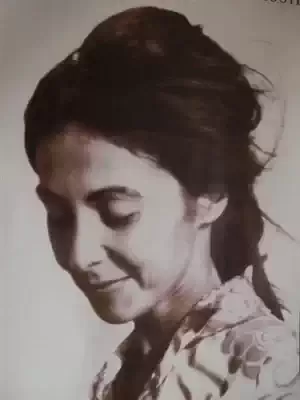
Fiama Hasse Pais Brandão
Na Rua Das Mónicas
Nos meus vinte anos,almoçar em casa de Sofia era ouvir ferver em cachão, frigir na cozinha, arfar a cafeteira da poesia.
Era ver a ama de Sofia, e de todos os filhos, de muitos versos, cuidar de muitas gerações de memórias, no lar desses versos tão caseiros.
E era beber, ali, na mesa, uma água que ,mais do que a da torneira, concitou o mar para cada copo.
Era olhar um rosto de coral(o que exorciza as Fúrias, na cozinha) um rosto de mar novo,de geografia.
Era escutar as palavras da bocado vocábulo grego para sabedoria, o que me confirma o poder dos nomes, ao serem Verbo, sobre os seres e as coisas. Era sentar-me, lado a lado, no espaço irradiante da volúvel lareira, no Outono apagada, na Primavera acesa, e com o fogaréu alimentado por papéis venais de outra política(que não a da sua humanidade), que a prudência mandava destruir no fogo.
Era entrar e sair pela porta das Mónicas, a das mulheres congregadas sob invocação da mãe de Agostinho, o que para mim celebrava também o amor de mãe, da velha ama, da Poesia.
Era ver a ama de Sofia, e de todos os filhos, de muitos versos, cuidar de muitas gerações de memórias, no lar desses versos tão caseiros.
E era beber, ali, na mesa, uma água que ,mais do que a da torneira, concitou o mar para cada copo.
Era olhar um rosto de coral(o que exorciza as Fúrias, na cozinha) um rosto de mar novo,de geografia.
Era escutar as palavras da bocado vocábulo grego para sabedoria, o que me confirma o poder dos nomes, ao serem Verbo, sobre os seres e as coisas. Era sentar-me, lado a lado, no espaço irradiante da volúvel lareira, no Outono apagada, na Primavera acesa, e com o fogaréu alimentado por papéis venais de outra política(que não a da sua humanidade), que a prudência mandava destruir no fogo.
Era entrar e sair pela porta das Mónicas, a das mulheres congregadas sob invocação da mãe de Agostinho, o que para mim celebrava também o amor de mãe, da velha ama, da Poesia.
1 815
1