

Poemas neste tema
Angústia
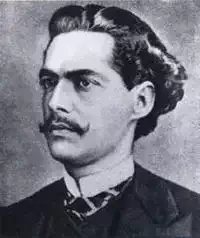
Castro Alves
AS TREVAS
(Traduzido de Lord Byron)
A meu amigo, o DR. Franco Meireles,
inspirado tradutor das "Melodias Hebraicas".
Tive um sonho que em tudo não foi sonho!...
O sol brilhante se apagava: e os astros,
Do eterno espaço na penumbra escura,
Sem raios, e sem trilhos, vagueavam.
A terra fria balouçava cega
E tétrica no espaço ermo de lua.
A manhã ia, vinha... e regressava...
Mas não trazia o dia! Os homens pasmos
Esqueciam no horror dessas ruínas
Suas paixões: E as almas conglobadas
Gelavam-se num grito de egoísmo
Que demandava "luz". Junto às fogueiras
Abrigavam-se. . . e os tronos e os palácios,
Os palácios dos reis, o albergue e a choça
Ardiam por fanais. Tinham nas chamas
As cidades morrido. Em torno às brasas
Dos seus lares os homens se grupavam,
Pra à vez extrema se fitarem juntos.
Feliz de quem vivia junto às lavas
Dos vulcões sob a tocha alcantilada!
Hórrida esprança acalentava o mundo!
As florestas ardiam! ... de hora em hora
Caindo seapagavam; crepitando,
Lascado otronco desabava em cinzas.
E tudo... tudo as trevas envolviam.
As frontesao clarão da luz doente
Tinham do inferno o aspecto... quando às vezes
As faíscas das chamas borrifavam-nas.
Uns, de bruços no chão, tapando os olhos
Choravam. Sobre as mãos cruzadas — outros —
Firmando a barba, desvairados riam.
Outros correndo à toa procuravam
O ardente pasto pra funéreas piras.
Inquietos, no esgar do desvario,
Os olhos levantavam pra o céu torvo,
Vasto sudário do universo — espectro —,
E após em terra se atirando em raivas,
Rangendo os dentes, blásfemos, uivavam!
Lúgubre grito os pássaros selvagens
Soltavam, revoando espavoridos
Num vôo tonto coas inúteis asas!
As feras stavam mansas e medrosas!
As víboras rojando senroscavam
Pelos membros dos homens, sibilantes,
Mas sem veneno... a fome lhes matavam!
E a guerra, que um momento sextinguira,
De novo se fartava. Só com sangue
Comprava-se o alimento, e após à parte
Cada um se sentava taciturno,
Pra fartar-se nas trevas infinitas!
Já não havia amor! ... O mundo inteiro
Era um só pensamento, e o pensamento
Era a morte sem glória e sem detença!
O estertor da fome apascentava-se
Nas entranhas ... Ossada ou carne pútrida
Ressupino, insepulto era o cadáver.
Mordiam-se entre si os moribundos
Mesmo os cães se atiravam sobre os donos,
Todos exceto um só... que defendia
O cadáver do seu, contra os ataques
Dos pássaros, das feras e dos homens,
Até que a fome os extinguisse, ou fossem
Os dentes frouxos saciar algures!
Ele mesmo alimento não buscava ...
Mas, gemendo num uivo longo e triste,
Morreu lambendo a mão, que inanimada
Já não podia lhe pagar o afeto.
Faminta a multidão morrera aos poucos.
Escaparam dous homens tão-somente
De uma grande cidade. E se odiavam.
... Foi junto dos tições quase apagados
De um altar, sobre o qual se amontoaram
Sacros objetos pra um profano uso,
Que encontraram-se os dous... e, as cinzas mornas
Reunindo nas mãos frias de espectros,
De seus sopros exaustos ao bafejo
Uma chama irrisória produziram! ...
Ao clarão que tremia sobre as cinzas
Olharam-se e morreram dando um grito.
Mesmo da própria hediondez morreram,
Desconhecendo aquele em cuja fronte
Traçara a fome o nome de Duende!
O mundo fez-se um vácuo. A terra esplêndida,
Populosa tornou-se numa massa
Sem estações, sem árvores, sem erva.
Sem verdura, sem homens e sem vida,
Caos de morte, inanimada argila!
Calaram-se o Oceano, o rio, os lagos!
Nada turbava a solidão profunda!
Os navios no mar apodreciam
Sem marujos! os mastros desabando
Dormiam sobre o abismo, sem que ao menos
Uma vaga na queda alevantassem,
Tinham morrido as vagas! e jaziam
As marés no seu túmulo... antes delas
A lua que as guiava era já morta!
No estagnado céu murchara o vento;
Esvaíram-se as nuvens. E nas trevas
Era só trevas o universo inteiro.
A meu amigo, o DR. Franco Meireles,
inspirado tradutor das "Melodias Hebraicas".
Tive um sonho que em tudo não foi sonho!...
O sol brilhante se apagava: e os astros,
Do eterno espaço na penumbra escura,
Sem raios, e sem trilhos, vagueavam.
A terra fria balouçava cega
E tétrica no espaço ermo de lua.
A manhã ia, vinha... e regressava...
Mas não trazia o dia! Os homens pasmos
Esqueciam no horror dessas ruínas
Suas paixões: E as almas conglobadas
Gelavam-se num grito de egoísmo
Que demandava "luz". Junto às fogueiras
Abrigavam-se. . . e os tronos e os palácios,
Os palácios dos reis, o albergue e a choça
Ardiam por fanais. Tinham nas chamas
As cidades morrido. Em torno às brasas
Dos seus lares os homens se grupavam,
Pra à vez extrema se fitarem juntos.
Feliz de quem vivia junto às lavas
Dos vulcões sob a tocha alcantilada!
Hórrida esprança acalentava o mundo!
As florestas ardiam! ... de hora em hora
Caindo seapagavam; crepitando,
Lascado otronco desabava em cinzas.
E tudo... tudo as trevas envolviam.
As frontesao clarão da luz doente
Tinham do inferno o aspecto... quando às vezes
As faíscas das chamas borrifavam-nas.
Uns, de bruços no chão, tapando os olhos
Choravam. Sobre as mãos cruzadas — outros —
Firmando a barba, desvairados riam.
Outros correndo à toa procuravam
O ardente pasto pra funéreas piras.
Inquietos, no esgar do desvario,
Os olhos levantavam pra o céu torvo,
Vasto sudário do universo — espectro —,
E após em terra se atirando em raivas,
Rangendo os dentes, blásfemos, uivavam!
Lúgubre grito os pássaros selvagens
Soltavam, revoando espavoridos
Num vôo tonto coas inúteis asas!
As feras stavam mansas e medrosas!
As víboras rojando senroscavam
Pelos membros dos homens, sibilantes,
Mas sem veneno... a fome lhes matavam!
E a guerra, que um momento sextinguira,
De novo se fartava. Só com sangue
Comprava-se o alimento, e após à parte
Cada um se sentava taciturno,
Pra fartar-se nas trevas infinitas!
Já não havia amor! ... O mundo inteiro
Era um só pensamento, e o pensamento
Era a morte sem glória e sem detença!
O estertor da fome apascentava-se
Nas entranhas ... Ossada ou carne pútrida
Ressupino, insepulto era o cadáver.
Mordiam-se entre si os moribundos
Mesmo os cães se atiravam sobre os donos,
Todos exceto um só... que defendia
O cadáver do seu, contra os ataques
Dos pássaros, das feras e dos homens,
Até que a fome os extinguisse, ou fossem
Os dentes frouxos saciar algures!
Ele mesmo alimento não buscava ...
Mas, gemendo num uivo longo e triste,
Morreu lambendo a mão, que inanimada
Já não podia lhe pagar o afeto.
Faminta a multidão morrera aos poucos.
Escaparam dous homens tão-somente
De uma grande cidade. E se odiavam.
... Foi junto dos tições quase apagados
De um altar, sobre o qual se amontoaram
Sacros objetos pra um profano uso,
Que encontraram-se os dous... e, as cinzas mornas
Reunindo nas mãos frias de espectros,
De seus sopros exaustos ao bafejo
Uma chama irrisória produziram! ...
Ao clarão que tremia sobre as cinzas
Olharam-se e morreram dando um grito.
Mesmo da própria hediondez morreram,
Desconhecendo aquele em cuja fronte
Traçara a fome o nome de Duende!
O mundo fez-se um vácuo. A terra esplêndida,
Populosa tornou-se numa massa
Sem estações, sem árvores, sem erva.
Sem verdura, sem homens e sem vida,
Caos de morte, inanimada argila!
Calaram-se o Oceano, o rio, os lagos!
Nada turbava a solidão profunda!
Os navios no mar apodreciam
Sem marujos! os mastros desabando
Dormiam sobre o abismo, sem que ao menos
Uma vaga na queda alevantassem,
Tinham morrido as vagas! e jaziam
As marés no seu túmulo... antes delas
A lua que as guiava era já morta!
No estagnado céu murchara o vento;
Esvaíram-se as nuvens. E nas trevas
Era só trevas o universo inteiro.
5 521
1

Arlete Nogueira da Cruz
Oração
Apresento-Te,
bem sabes como,
minhas misérias em formas de oferendas:
considera este arrependimento
e estas mãos vazias
que se estendem ansiosas de Teu bem.
Leva em conta a solidão deste corpo maltratado
que se oferece ao resgate.
Avalia a fraca força que passo
às vezes
contra meu mal.
bem sabes como,
minhas misérias em formas de oferendas:
considera este arrependimento
e estas mãos vazias
que se estendem ansiosas de Teu bem.
Leva em conta a solidão deste corpo maltratado
que se oferece ao resgate.
Avalia a fraca força que passo
às vezes
contra meu mal.
1 202
1

Antônio Massa
Eu, Papel
Amarelado semblante tortuoso
redefinido na manhã do meu ser
difuso e frágilforte no todo
retratado no torneio interior
onde o prêmio sou eu
que me perdi
n’eu
Sou batida acidental, porém compassada
ao painel de refúgio e angústia
estragando ao som dos fungos
guias de minhas almas
Sou pessoa trânsfuga
que apoio eu inimigo
Eu paragem e transgressão
Eu sou quantos? Não sei tanto!
Talvez nada
talvez tudo
talvez todos
todos tortos
Sou folha escrita
em branco
dentro do livro de mim
redefinido na manhã do meu ser
difuso e frágilforte no todo
retratado no torneio interior
onde o prêmio sou eu
que me perdi
n’eu
Sou batida acidental, porém compassada
ao painel de refúgio e angústia
estragando ao som dos fungos
guias de minhas almas
Sou pessoa trânsfuga
que apoio eu inimigo
Eu paragem e transgressão
Eu sou quantos? Não sei tanto!
Talvez nada
talvez tudo
talvez todos
todos tortos
Sou folha escrita
em branco
dentro do livro de mim
1 043
1

António Quadros
O Banquete Infinito
Poesia chorada, como o mar sob a chuva?
Poesia aflita, como um farol no denso nevoeiro?
Poesia angustiada, como a futura mãe?
Alegre o olhar, os meus dedos são mensageiros dos deuses
E cantam o que me sobra e eu não sei entender.
Alegre o coração, escapa-se de mim um fumo de dor,
E enquanto rio, sou também lágrimas e soluços.
O acordo é uma promessa do paraíso perdido mas não morto,
pois as suas portas choram por mim em mim.
Poesia triste, triste face, coração ardente, sorriso imanente,
Tudo se comprime num verso obscuro e intocável.
Julgo perder-me num meandro de luzes e sombras,
De estrelas e pântanos, profetas e deuses.
Tarda-me a achar o caminho dos caminhos.
Aquele que, enfim, conduz a alguma parte.
Sei que tudo é — mas como conhecer o que, sendo, indica e ilumina?
Os meus gestos são pesados e lentos, pois temem
Matar o inocente e dar vida ao monstro.
Já não hesitam, porém, e quando eu puder olhar atrás de mim
A estrada percorrida, os destroços abandonados,
Os cadáveres imolados à vontade torturada,
Então sabereis os frutos a escolher e os manjares a saborear
espera-me o banquete infinito.
Iguaria ou conviva, o que importa é chegar com o destino cumprido.
Poesia aflita, como um farol no denso nevoeiro?
Poesia angustiada, como a futura mãe?
Alegre o olhar, os meus dedos são mensageiros dos deuses
E cantam o que me sobra e eu não sei entender.
Alegre o coração, escapa-se de mim um fumo de dor,
E enquanto rio, sou também lágrimas e soluços.
O acordo é uma promessa do paraíso perdido mas não morto,
pois as suas portas choram por mim em mim.
Poesia triste, triste face, coração ardente, sorriso imanente,
Tudo se comprime num verso obscuro e intocável.
Julgo perder-me num meandro de luzes e sombras,
De estrelas e pântanos, profetas e deuses.
Tarda-me a achar o caminho dos caminhos.
Aquele que, enfim, conduz a alguma parte.
Sei que tudo é — mas como conhecer o que, sendo, indica e ilumina?
Os meus gestos são pesados e lentos, pois temem
Matar o inocente e dar vida ao monstro.
Já não hesitam, porém, e quando eu puder olhar atrás de mim
A estrada percorrida, os destroços abandonados,
Os cadáveres imolados à vontade torturada,
Então sabereis os frutos a escolher e os manjares a saborear
espera-me o banquete infinito.
Iguaria ou conviva, o que importa é chegar com o destino cumprido.
1 137
1

Albuquerque Freire
Insurreição
Vós, ó fantoches da vida embalados na onda sinuosa da alegria, Enquanto milhões e milhões de pretos morrem de desalento fustigados pela chuva diabólica da miséria,
Que julgais que a minha voz há de secar um dia finalmente no leito pedregoso dos meus lábios,
Escutai o som metálico do látego violento das minhas palavras libertas de grilhões nos pés!
Pode a brisa deixar de ouvir meu rude canto,
Pode o vento esconder-se nas furnas da solidão eterna quando eu erguer a voz aureolada de lágrimas ao infinito,
Podem os regatos parar bruscamente a serenata nervosa e pura das suas águas,
Podem as montanhas ruir estrondosamente a sufocar meu grito,
Podem até os Céus deixarem de descer à Terra para ouvirem o badalar sonoro da minha angústia,
Que eu cantarei ainda!... Que eu cantarei em ritmo desenfreado de avalanche de mundos em labaredas!...
Vós, ó sombras apagadas para sempre nesta hora de ranger os dentes e de imprecações recalcadas,
Podeis aprisionar todos os pássaros de voz de fogo na férrea gaiola do esquecimento,
Podeis até amordaçar cruelmente as bocas dos grandes ideais,
Que eu cantarei ainda... porque o meu canto rebentará a golpes de silêncio as próprias fronteiras da morte! ...
Que julgais que a minha voz há de secar um dia finalmente no leito pedregoso dos meus lábios,
Escutai o som metálico do látego violento das minhas palavras libertas de grilhões nos pés!
Pode a brisa deixar de ouvir meu rude canto,
Pode o vento esconder-se nas furnas da solidão eterna quando eu erguer a voz aureolada de lágrimas ao infinito,
Podem os regatos parar bruscamente a serenata nervosa e pura das suas águas,
Podem as montanhas ruir estrondosamente a sufocar meu grito,
Podem até os Céus deixarem de descer à Terra para ouvirem o badalar sonoro da minha angústia,
Que eu cantarei ainda!... Que eu cantarei em ritmo desenfreado de avalanche de mundos em labaredas!...
Vós, ó sombras apagadas para sempre nesta hora de ranger os dentes e de imprecações recalcadas,
Podeis aprisionar todos os pássaros de voz de fogo na férrea gaiola do esquecimento,
Podeis até amordaçar cruelmente as bocas dos grandes ideais,
Que eu cantarei ainda... porque o meu canto rebentará a golpes de silêncio as próprias fronteiras da morte! ...
1 393
1
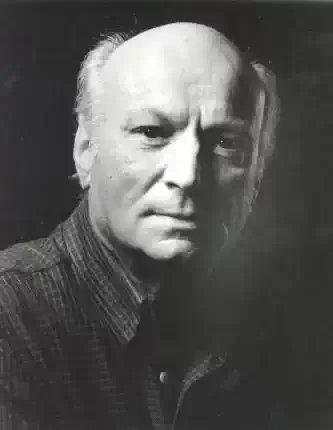

Paulo Montalverne
Homenagem
Ah, o pecado!
Viva o pecado
Que esconde em si
A mais casta virtude.
Pequemos todos, então,
Pois a alternativa
É sermos todos pequenos e vãos.
Deixemos correr
Mãos sobre nádegas
E olhares incestuosos
Sobre nossas próprias amantes.
Degolemos padres e pastores
(que também pecam, só que pecam
escondidos)
Pelo horror de terem inventado
As velhas beatas que nunca souberam
pecar.
E pequemos sem culpa
Porque culpa e pecado
Não sabem dançar um maxixe,
Só valsas vienenses.
Quando muito!
O pecado é belo,
Fulgurante e molhado;
Feito para ser deliciado
Como outra língua em nossa boca.
Fiquemos apenas com a angústia
Do pecado mal feito
Ou do jamais cumprido.
Pequemos o aqui e no agora
O pecado doce
Da quase-castidade abandonada.
Sem o pecado
Não acredito na sinceridade de Deus.
Viva o pecado
Que esconde em si
A mais casta virtude.
Pequemos todos, então,
Pois a alternativa
É sermos todos pequenos e vãos.
Deixemos correr
Mãos sobre nádegas
E olhares incestuosos
Sobre nossas próprias amantes.
Degolemos padres e pastores
(que também pecam, só que pecam
escondidos)
Pelo horror de terem inventado
As velhas beatas que nunca souberam
pecar.
E pequemos sem culpa
Porque culpa e pecado
Não sabem dançar um maxixe,
Só valsas vienenses.
Quando muito!
O pecado é belo,
Fulgurante e molhado;
Feito para ser deliciado
Como outra língua em nossa boca.
Fiquemos apenas com a angústia
Do pecado mal feito
Ou do jamais cumprido.
Pequemos o aqui e no agora
O pecado doce
Da quase-castidade abandonada.
Sem o pecado
Não acredito na sinceridade de Deus.
895
1
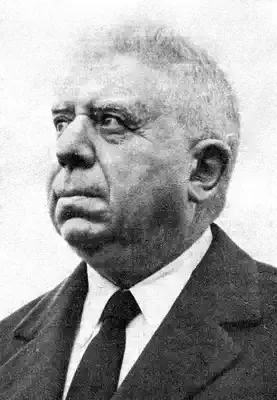
Eugenio Montale
NUMA CARTA NÃO ESCRITA
Por um formigueiro de auroras, por uns poucos
arames em que se prende
a lá da vida e se enrola
em horas, anos, hoje os golfinhos aos pares
cabriolam com as crias? Oh que eu não ouça
nada de ti, que eu fuja ao fulgor
da tua fronte. É diferente na terra.
Desaparecer não sei, nem tornar a olhar; tarda
a fornalha vermelha
da noite, a tarde se faz longa,
a súplica é suplício e não ainda
entre as rochas que afloram te chegou
a garrafa do mar. A onda vazia
quebra-se contra o cabo em Finisterra.
arames em que se prende
a lá da vida e se enrola
em horas, anos, hoje os golfinhos aos pares
cabriolam com as crias? Oh que eu não ouça
nada de ti, que eu fuja ao fulgor
da tua fronte. É diferente na terra.
Desaparecer não sei, nem tornar a olhar; tarda
a fornalha vermelha
da noite, a tarde se faz longa,
a súplica é suplício e não ainda
entre as rochas que afloram te chegou
a garrafa do mar. A onda vazia
quebra-se contra o cabo em Finisterra.
1 219
1
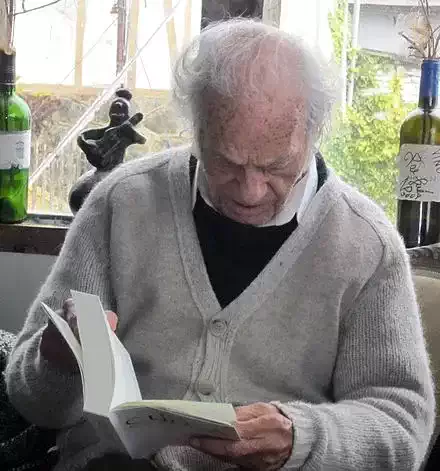
Nicanor Parra
MANCHAS NA PAREDE
Antes que caia a noite total
havemos de estudar as manchas na parede:
umas parecem plantas
outras assemelham-se a animais mitológicos.
Hipogrifos,
dragões,
salamandras.
Mas as mais misteriosas de todas
são as que parecem explosões atómicas.
No cinema da parede
a alma vê o que o corpo não vê:
homens ajoelhados
mães com criaturas nos braços
monumentos equestres
sacerdotes erguendo a hóstia:
órgãos genitais que se ajuntam.
Mas as mais extraordinárias de todas
são
sem dúvida alguma
as que parecem explosões atómicas.
havemos de estudar as manchas na parede:
umas parecem plantas
outras assemelham-se a animais mitológicos.
Hipogrifos,
dragões,
salamandras.
Mas as mais misteriosas de todas
são as que parecem explosões atómicas.
No cinema da parede
a alma vê o que o corpo não vê:
homens ajoelhados
mães com criaturas nos braços
monumentos equestres
sacerdotes erguendo a hóstia:
órgãos genitais que se ajuntam.
Mas as mais extraordinárias de todas
são
sem dúvida alguma
as que parecem explosões atómicas.
1 367
1

Maurício de Lima
Quando um homem ama uma mulher
Depois de um dia de labuta,
Quando as forças estão esgotadas,
O guerreiro quer abrigo,
Quer beber com um amigo,
Quer voltar para sua amada...
E o amor tem dessas coisas,
Admiração, respeito e cumplicidade...
Enquanto é cego é perfeito,
Pois no outro não há defeito,
Só se vê felicidade...
E se amar é uma vocação,
Beber é uma necessidade...
Por amor um homem se aniquila
Numa garrafa de tequila
Prá fugir da realidade...
Mas o homem só se destrói
Quando vê que sua amada
É um ser humano comum,
Como ele próprio é um,
E que de especial não tem nada...
Talvez veja nela a si mesmo,
Como num espelho se vê o reflexo...
Talvez veja nela a mediocridade,
Com alguns lampejos de vaidade...
Terá, enfim, algo complexo...
"Não sei se vou ou se fico",
Dirá a si mesmo o condenado...
Pois tudo o que sonhara na vida
Não passou da ilusão perdida
De um coração apaixonado...
Terá crises de consciência
Quando lembrar do passado...
E todos os erros e mazelas
Serão atribuídos a ela
Como se ele não fosse também culpado...
Pensará nas orgias vividas,
Nos excessos cometidos,
Nas mulheres possuídas,
Nos cigarros, nas músicas e nas bebidas...
"E com ela, como terá sido?"
"Quantos homens ela teve?"
"Quando, onde e como ela fodeu?"
"Será que ela pensa em algum amante?"
"Como foi que eu não vi tudo antes?"
"E a primeira vez, como aconteceu?"
Ficará cheio de dúvidas
E criará mil problemas...
Tomando "uma" esquecerá a dor...
Talvez sinta novamente o amor...
Talvez resolva seu dilema...
Pois somente um ser puro
É digno de ser amado...
E a bebida suaviza o que é duro,
Torna claro o que é escuro,
Mantém tudo bom e imaculado...
Bêbado, ela será uma santa...
Sóbrio, ela será uma cadela...
Bêbado, desejará tê-la ao leito...
Sóbrio, o orgulho lhe apertará o peito
E o afastará da presença dela...
Ela não entenderá como
Nem porquê tal transformação...
O homem da sua vida não bebia,
Não xingava nem lhe batia
E hoje só lhe traz humilhação...
Depois de algum tempo, já cansada
De tentar entender a mudança,
Ela passará a culpar a bebida
Por ele estar "broxando" na vida...
Perderá, por fim, as esperanças...
E o que antes não existia de fato,
Com gole de vinho seleto,
Sairá do plano abstrato,
Das idéias de um corno nato,
E passará para o plano concreto...
Um corpo feminino jovem e bonito
Não fica menos atraente
Quando é mal servido de carícias,
Quando do sexo não recorda as delícias,
Se os desejos se mantêm ardentes...
Assim nasce um corno...
Uma rotina, uma idéia e uma bebida...
Um diálogo não consumado, uma palavra mal colocada,
Um gesto impensado, uma ofensa lançada,
Uma vida destruída pelo silêncio...
Assim nasce um bêbado...
Uma rotina, uma idéia e uma bebida...
Uma paixão apagada, uma paisagem sem cor,
Um desejo de paz, um sofrimento sem dor...
Uma vida esquecida pela embriagues...
Beber para esquecer a dor de não poder mais aceitar
Os defeitos de quem amamos um dia...
Para aliviar a angústia e o arrependimento...
Para conseguir ser feliz nestes momentos,
Idolatrando bêbado o que sóbrio se via...
Ele não a abandona enquanto sóbrio
Porque o hábito o fará novamente embriagado...
Quando bêbado os defeitos dela desaparecem,
Seu amor, seu carinho novamente florescem,
Ele se sente sujo e envergonhado...
Agora que ela passou a ter amantes...
Ele é só mais um miserável
Que em nada se parece com o homem de antes...
Hoje ele bebe até cair na beira da calçada...
Sóbrio, diz não aceita "aquela" conduta...
Bêbado, chora até ficar com a boca travada...
Diz para si mesmo que é triste amar puta...
Principalmente as mais procuradas...
Quando as forças estão esgotadas,
O guerreiro quer abrigo,
Quer beber com um amigo,
Quer voltar para sua amada...
E o amor tem dessas coisas,
Admiração, respeito e cumplicidade...
Enquanto é cego é perfeito,
Pois no outro não há defeito,
Só se vê felicidade...
E se amar é uma vocação,
Beber é uma necessidade...
Por amor um homem se aniquila
Numa garrafa de tequila
Prá fugir da realidade...
Mas o homem só se destrói
Quando vê que sua amada
É um ser humano comum,
Como ele próprio é um,
E que de especial não tem nada...
Talvez veja nela a si mesmo,
Como num espelho se vê o reflexo...
Talvez veja nela a mediocridade,
Com alguns lampejos de vaidade...
Terá, enfim, algo complexo...
"Não sei se vou ou se fico",
Dirá a si mesmo o condenado...
Pois tudo o que sonhara na vida
Não passou da ilusão perdida
De um coração apaixonado...
Terá crises de consciência
Quando lembrar do passado...
E todos os erros e mazelas
Serão atribuídos a ela
Como se ele não fosse também culpado...
Pensará nas orgias vividas,
Nos excessos cometidos,
Nas mulheres possuídas,
Nos cigarros, nas músicas e nas bebidas...
"E com ela, como terá sido?"
"Quantos homens ela teve?"
"Quando, onde e como ela fodeu?"
"Será que ela pensa em algum amante?"
"Como foi que eu não vi tudo antes?"
"E a primeira vez, como aconteceu?"
Ficará cheio de dúvidas
E criará mil problemas...
Tomando "uma" esquecerá a dor...
Talvez sinta novamente o amor...
Talvez resolva seu dilema...
Pois somente um ser puro
É digno de ser amado...
E a bebida suaviza o que é duro,
Torna claro o que é escuro,
Mantém tudo bom e imaculado...
Bêbado, ela será uma santa...
Sóbrio, ela será uma cadela...
Bêbado, desejará tê-la ao leito...
Sóbrio, o orgulho lhe apertará o peito
E o afastará da presença dela...
Ela não entenderá como
Nem porquê tal transformação...
O homem da sua vida não bebia,
Não xingava nem lhe batia
E hoje só lhe traz humilhação...
Depois de algum tempo, já cansada
De tentar entender a mudança,
Ela passará a culpar a bebida
Por ele estar "broxando" na vida...
Perderá, por fim, as esperanças...
E o que antes não existia de fato,
Com gole de vinho seleto,
Sairá do plano abstrato,
Das idéias de um corno nato,
E passará para o plano concreto...
Um corpo feminino jovem e bonito
Não fica menos atraente
Quando é mal servido de carícias,
Quando do sexo não recorda as delícias,
Se os desejos se mantêm ardentes...
Assim nasce um corno...
Uma rotina, uma idéia e uma bebida...
Um diálogo não consumado, uma palavra mal colocada,
Um gesto impensado, uma ofensa lançada,
Uma vida destruída pelo silêncio...
Assim nasce um bêbado...
Uma rotina, uma idéia e uma bebida...
Uma paixão apagada, uma paisagem sem cor,
Um desejo de paz, um sofrimento sem dor...
Uma vida esquecida pela embriagues...
Beber para esquecer a dor de não poder mais aceitar
Os defeitos de quem amamos um dia...
Para aliviar a angústia e o arrependimento...
Para conseguir ser feliz nestes momentos,
Idolatrando bêbado o que sóbrio se via...
Ele não a abandona enquanto sóbrio
Porque o hábito o fará novamente embriagado...
Quando bêbado os defeitos dela desaparecem,
Seu amor, seu carinho novamente florescem,
Ele se sente sujo e envergonhado...
Agora que ela passou a ter amantes...
Ele é só mais um miserável
Que em nada se parece com o homem de antes...
Hoje ele bebe até cair na beira da calçada...
Sóbrio, diz não aceita "aquela" conduta...
Bêbado, chora até ficar com a boca travada...
Diz para si mesmo que é triste amar puta...
Principalmente as mais procuradas...
961
1

Regina de Fontenelle
A cor da paixão
Em desejo possuída
se joga,
se rasga,
se estraga
contra os móveis,
sobre as plantas,
entremuros,
se vê fera,
se faz cadela,
se morde serpente,
ferida em seu desvario
no mais escondido recanto do seu bem-querer,
no seu coração perple o e ávido
que ela desfibra devagar.
se joga,
se rasga,
se estraga
contra os móveis,
sobre as plantas,
entremuros,
se vê fera,
se faz cadela,
se morde serpente,
ferida em seu desvario
no mais escondido recanto do seu bem-querer,
no seu coração perple o e ávido
que ela desfibra devagar.
1 196
1

Sergio Hartenberg
Gazela
O que desejo
quando entro em tua carne,
é te rasgar TODA
(pra acalmar
a imensa ANGÚSTIA
de você não ser minha).
Gemer de excitação,
com essas caras, línguas e bocas,
apenas aguça minha RAIVA.
INFINITA
desse gozo
tão efêmero...
quando entro em tua carne,
é te rasgar TODA
(pra acalmar
a imensa ANGÚSTIA
de você não ser minha).
Gemer de excitação,
com essas caras, línguas e bocas,
apenas aguça minha RAIVA.
INFINITA
desse gozo
tão efêmero...
1 299
1
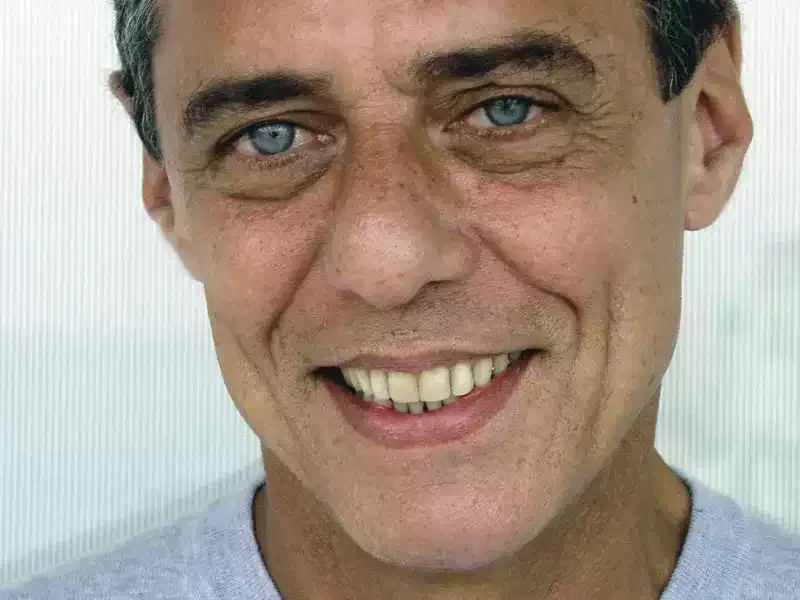
Chico Buarque
O que será (à flor da pele)
O que será que me dá
Que me bole por dentro, será que me dá
Que brota à flor da pele, será que me dá
E que me sobe às faces e me faz corar
E que me salta aos olhos a me atraiçoar
E que me aperta o peito e me faz confessar
O que não tem mais jeito de dissimular
E que nem é direito ninguém recusar
E que me faz mendigo, me faz suplicar
O que não tem medida, nem nunca terá
O que não tem remédio, nem nunca terá
O que não tem receita
O que será que será
Que dá dentro da gente e que não devia
Que desacata a gente, que é revelia
Que é feito uma aguardente que não sacia
Que é feito estar doente de uma folia
Que nem dez mandamentos vão conciliar
Nem todos os ungüentos vão aliviar
Nem todos os quebrantos, toda alquimia
Que nem todos os santos, será que será
O que não tem descanso, nem nunca terá
O que não tem cansaço, nem nunca terá
O que não tem limite
O que será que me dá
Que me queima por dentro, será que me dá
Que me perturba o sono, será que me dá
Que todos os tremores me vêm agitar
Que todos os ardores me vêm atiçar
Que todos os suores me vêm encharcar
Que todos os meus nervos estão a rogar
Que todos os meus órgãos estão a clamar
E uma aflição medonha me faz implorar
O que não tem vergonha, nem nunca terá
O que não tem governo, nem nunca terá
O que não tem juízo
Que me bole por dentro, será que me dá
Que brota à flor da pele, será que me dá
E que me sobe às faces e me faz corar
E que me salta aos olhos a me atraiçoar
E que me aperta o peito e me faz confessar
O que não tem mais jeito de dissimular
E que nem é direito ninguém recusar
E que me faz mendigo, me faz suplicar
O que não tem medida, nem nunca terá
O que não tem remédio, nem nunca terá
O que não tem receita
O que será que será
Que dá dentro da gente e que não devia
Que desacata a gente, que é revelia
Que é feito uma aguardente que não sacia
Que é feito estar doente de uma folia
Que nem dez mandamentos vão conciliar
Nem todos os ungüentos vão aliviar
Nem todos os quebrantos, toda alquimia
Que nem todos os santos, será que será
O que não tem descanso, nem nunca terá
O que não tem cansaço, nem nunca terá
O que não tem limite
O que será que me dá
Que me queima por dentro, será que me dá
Que me perturba o sono, será que me dá
Que todos os tremores me vêm agitar
Que todos os ardores me vêm atiçar
Que todos os suores me vêm encharcar
Que todos os meus nervos estão a rogar
Que todos os meus órgãos estão a clamar
E uma aflição medonha me faz implorar
O que não tem vergonha, nem nunca terá
O que não tem governo, nem nunca terá
O que não tem juízo
2 280
1
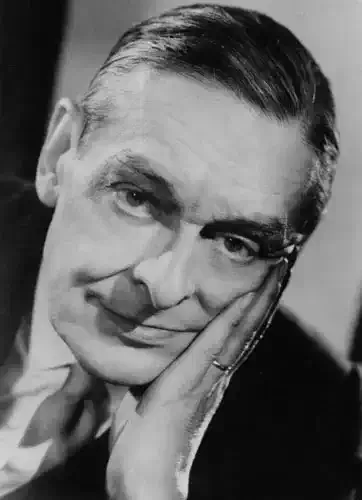
T. S. Eliot
The Love Song of J Alfred Prufrock
The Love Song of J. Alfred Prufrock
Sio credesse che mia risposta fosse
A persona che mai tornasse al mondo,
Questa fiamma staria senza piu scosse.
Ma perciocche giammai di questo fondo
Non torno vivo alcun, siodo il vero,
Senza tema dinfamia ti rispondo.
LET us go then, you and I,
When the evening is spread out against the sky
Like a patient etherised upon a table;
Let us go, through certain half-deserted streets,
The muttering retreats
Of restless nights in one-night cheap hotels
And sawdust restaurants with oyster-shells:
Streets that follow like a tedious argument
Of insidious intent
To lead you to an overwhelming question...
Oh, do not ask, "What is it?"
Let us go and make our visit.
In the room the women come and go
Talking of Michelangelo.
The yellow fog that rubs its back upon the window-panes,
The yellow smoke that rubs its muzzle on the window-panes
Licked its tongue into the corners of the evening,
Lingered upon the pools that stand in drains,
Let fall upon its back the soot that falls from chimneys,
Slipped by the terrace, made a sudden leap,
And seeing that it was a soft October night,
Curled once about the house, and fell asleep.
And indeed there will be time
For the yellow smoke that slides along the street,
Rubbing its back upon the window-panes;
There will be time, there will be time
To prepare a face to meet the faces that you meet;
There will be time to murder and create,
And time for all the works and days of hands
That lift and drop a question on your plate;
Time for you and time for me,
And time yet for a hundred indecisions,
And for a hundred visions and revisions,
Before the taking of a toast and tea.
In the room the women come and go
Talking of Michelangelo.
And indeed there will be time
To wonder, "Do I dare?" and, "Do I dare?"
Time to turn back and descend the stair,
With a bald spot in the middle of my hair—
[They will say: "How his hair is growing thin!"]
My morning coat, my collar mounting firmly to the chin,
My necktie rich and modest, but asserted by a simple pin—
[They will say: "But how his arms and legs are thin!"]
Do I dare
Disturb the universe?
In a minute there is time
For decisions and revisions which a minute will reverse.
For I have known them all already, known them all:—
Have known the evenings, mornings, afternoons,
I have measured out my life with coffee spoons;
I know the voices dying with a dying fall
Beneath the music from a farther room.
So how should I presume?
And I have known the eyes already, known them all—
The eyes that fix you in a formulated phrase,
And when I am formulated, sprawling on a pin,
When I am pinned and wriggling on the wall,
Then how should I begin
To spit out all the butt-ends of my days and ways?
And how should I presume?
And I have known the arms already, known them all—
Arms that are braceleted and white and bare
[But in the lamplight, downed with light brown hair!]
It is perfume from a dress
That makes me so digress?
Arms that lie along a table, or wrap about a shawl.
And should I then presume?
And how should I begin?
. . . . .
Shall I say, I have gone at dusk through narrow streets
And watched the smoke that rises from the pipes
Of lonely men in shirt-sleeves, leaning out of windows?...
I should have been a pair of ragged claws
Scuttling across the floors of silent seas.
. . . . .
And the afternoon, the evening, sleeps so peacefully!
Smoothed by long fingers,
Asleep ... tired ... or it malingers,
Stretched on the floor, here beside you and me.
Should I, after tea and cakes and ices,
Have the strength to force the moment to its crisis?
But though I have wept and fasted, wept and prayed,
Though I have seen my head [grown slightly bald] brought in upon a platter,
I am no prophet—and heres no great matter;
I have seen the moment of my greatness flicker,
And I have seen the eternal Footman hold my coat, and snicker,
And in short, I was afraid.
And would it have been worth it, after all,
After the cups, the marmalade, the tea,
Among the porcelain, among some talk of you and me,
Would it have been worth while,
To have bitten off the matter with a smile,
To have squeezed the universe into a ball
To roll it toward some overwhelming question,
To say: "I am Lazarus, come from the dead,
Come back to tell you all, I shall tell you all"—
If one, settling a pillow by her head,
Should say: "That is not what I meant at all.
That is not it, at all."
And would it have been worth it, after all,
Would it have been worth while,
After the sunsets and the dooryards and the sprinkled streets,
After the novels, after the teacups, after the skirts that trail along the floor—
And this, and so much more?—
It is impossible to say just what I mean!
But as if a magic lantern threw the nerves in patterns on a screen:
Would it have been worth while
If one, settling a pillow or throwing off a shawl,
And turning toward the window, should say:
"That is not it at all,
That is not what I meant, at all."
. . . . .
No! I am not Prince Hamlet, nor was meant to be;
Am an attendant lord, one that will do
To swell a progress, start a scene or two,
Advise the prince; no doubt, an easy tool,
Deferential, glad to be of use,
Politic, cautious, and meticulous;
Full of high sentence, but a bit obtuse;
At times, indeed, almost ridiculous—
Almost, at times, the Fool.
I grow old ... I grow old...
I shall wear the bottoms of my trousers rolled.
Shall I part my hair behind? Do I dare to eat a peach?
I shall wear white flannel trousers, and walk upon the beach.
I have heard the mermaids singing, each to each.
I do not think that they will sing to me.
I have seen them riding seaward on the waves
Combing the white hair of the waves blown back
When the wind blows the water white and black.
We have lingered in the chambers of the sea
By sea-girls wreathed with seaweed red and brown
Till human voices wake us, and we drown.
Sio credesse che mia risposta fosse
A persona che mai tornasse al mondo,
Questa fiamma staria senza piu scosse.
Ma perciocche giammai di questo fondo
Non torno vivo alcun, siodo il vero,
Senza tema dinfamia ti rispondo.
LET us go then, you and I,
When the evening is spread out against the sky
Like a patient etherised upon a table;
Let us go, through certain half-deserted streets,
The muttering retreats
Of restless nights in one-night cheap hotels
And sawdust restaurants with oyster-shells:
Streets that follow like a tedious argument
Of insidious intent
To lead you to an overwhelming question...
Oh, do not ask, "What is it?"
Let us go and make our visit.
In the room the women come and go
Talking of Michelangelo.
The yellow fog that rubs its back upon the window-panes,
The yellow smoke that rubs its muzzle on the window-panes
Licked its tongue into the corners of the evening,
Lingered upon the pools that stand in drains,
Let fall upon its back the soot that falls from chimneys,
Slipped by the terrace, made a sudden leap,
And seeing that it was a soft October night,
Curled once about the house, and fell asleep.
And indeed there will be time
For the yellow smoke that slides along the street,
Rubbing its back upon the window-panes;
There will be time, there will be time
To prepare a face to meet the faces that you meet;
There will be time to murder and create,
And time for all the works and days of hands
That lift and drop a question on your plate;
Time for you and time for me,
And time yet for a hundred indecisions,
And for a hundred visions and revisions,
Before the taking of a toast and tea.
In the room the women come and go
Talking of Michelangelo.
And indeed there will be time
To wonder, "Do I dare?" and, "Do I dare?"
Time to turn back and descend the stair,
With a bald spot in the middle of my hair—
[They will say: "How his hair is growing thin!"]
My morning coat, my collar mounting firmly to the chin,
My necktie rich and modest, but asserted by a simple pin—
[They will say: "But how his arms and legs are thin!"]
Do I dare
Disturb the universe?
In a minute there is time
For decisions and revisions which a minute will reverse.
For I have known them all already, known them all:—
Have known the evenings, mornings, afternoons,
I have measured out my life with coffee spoons;
I know the voices dying with a dying fall
Beneath the music from a farther room.
So how should I presume?
And I have known the eyes already, known them all—
The eyes that fix you in a formulated phrase,
And when I am formulated, sprawling on a pin,
When I am pinned and wriggling on the wall,
Then how should I begin
To spit out all the butt-ends of my days and ways?
And how should I presume?
And I have known the arms already, known them all—
Arms that are braceleted and white and bare
[But in the lamplight, downed with light brown hair!]
It is perfume from a dress
That makes me so digress?
Arms that lie along a table, or wrap about a shawl.
And should I then presume?
And how should I begin?
. . . . .
Shall I say, I have gone at dusk through narrow streets
And watched the smoke that rises from the pipes
Of lonely men in shirt-sleeves, leaning out of windows?...
I should have been a pair of ragged claws
Scuttling across the floors of silent seas.
. . . . .
And the afternoon, the evening, sleeps so peacefully!
Smoothed by long fingers,
Asleep ... tired ... or it malingers,
Stretched on the floor, here beside you and me.
Should I, after tea and cakes and ices,
Have the strength to force the moment to its crisis?
But though I have wept and fasted, wept and prayed,
Though I have seen my head [grown slightly bald] brought in upon a platter,
I am no prophet—and heres no great matter;
I have seen the moment of my greatness flicker,
And I have seen the eternal Footman hold my coat, and snicker,
And in short, I was afraid.
And would it have been worth it, after all,
After the cups, the marmalade, the tea,
Among the porcelain, among some talk of you and me,
Would it have been worth while,
To have bitten off the matter with a smile,
To have squeezed the universe into a ball
To roll it toward some overwhelming question,
To say: "I am Lazarus, come from the dead,
Come back to tell you all, I shall tell you all"—
If one, settling a pillow by her head,
Should say: "That is not what I meant at all.
That is not it, at all."
And would it have been worth it, after all,
Would it have been worth while,
After the sunsets and the dooryards and the sprinkled streets,
After the novels, after the teacups, after the skirts that trail along the floor—
And this, and so much more?—
It is impossible to say just what I mean!
But as if a magic lantern threw the nerves in patterns on a screen:
Would it have been worth while
If one, settling a pillow or throwing off a shawl,
And turning toward the window, should say:
"That is not it at all,
That is not what I meant, at all."
. . . . .
No! I am not Prince Hamlet, nor was meant to be;
Am an attendant lord, one that will do
To swell a progress, start a scene or two,
Advise the prince; no doubt, an easy tool,
Deferential, glad to be of use,
Politic, cautious, and meticulous;
Full of high sentence, but a bit obtuse;
At times, indeed, almost ridiculous—
Almost, at times, the Fool.
I grow old ... I grow old...
I shall wear the bottoms of my trousers rolled.
Shall I part my hair behind? Do I dare to eat a peach?
I shall wear white flannel trousers, and walk upon the beach.
I have heard the mermaids singing, each to each.
I do not think that they will sing to me.
I have seen them riding seaward on the waves
Combing the white hair of the waves blown back
When the wind blows the water white and black.
We have lingered in the chambers of the sea
By sea-girls wreathed with seaweed red and brown
Till human voices wake us, and we drown.
2 476
1
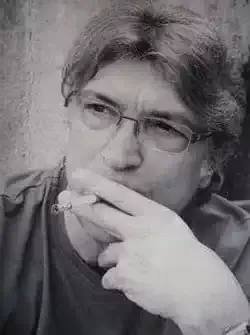
José Agostinho Baptista
Urgência
Levanta-te e deixa-me entrar,
diria se pudesse,
junto a esta cama onde a dor te contempla,
sob este tecto frio que não inventa qualquer
paisagem,
qualquer lembrança de barcos ancorados no
vazio da nossa alma,
diria que lá fora escuto a sirene que se
aproxima
e a chuva que bate com as suas gotas de
angústia na pedras da estrada,
diria que essas quatro rodas vão levar-te,ao
longo do pánico e da noite,
para outras paredes onde nenhum crucifixo
redime a desolação das casas,
diria que se afastaram para sempre os
dias antigos,
as suas laranjas,a sua água,
uma cerejeira breve onde os melros cantavam.
diria se pudesse,
junto a esta cama onde a dor te contempla,
sob este tecto frio que não inventa qualquer
paisagem,
qualquer lembrança de barcos ancorados no
vazio da nossa alma,
diria que lá fora escuto a sirene que se
aproxima
e a chuva que bate com as suas gotas de
angústia na pedras da estrada,
diria que essas quatro rodas vão levar-te,ao
longo do pánico e da noite,
para outras paredes onde nenhum crucifixo
redime a desolação das casas,
diria que se afastaram para sempre os
dias antigos,
as suas laranjas,a sua água,
uma cerejeira breve onde os melros cantavam.
1 937
1
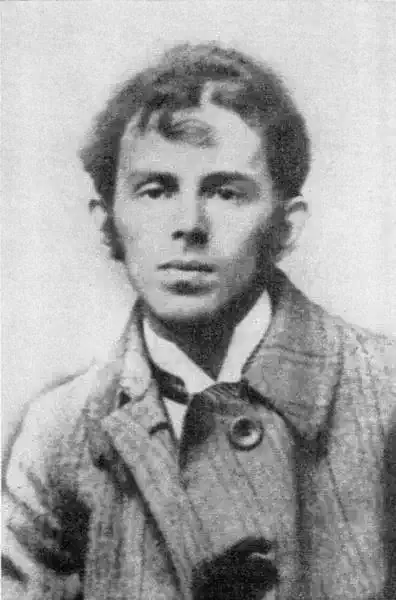
Ossip Mandelstam
Caminheiro
Caminheiro
Sinto é um medo, um medo insuperável
Defronte das alturas misteriosas.
E dizer que me agradam andorinhas
No céu e do campanário o alto voo!
Caminheiro de outrora, cá me iludo
Pensando ouvir à borda do abismo
A pedra a ceder, a bola de neve,
O relógio batendo eternidade.
Se assim fosse! Mas não sou o peregrino
Que vem dos fólios antigos desbotados,
E o que em mim real canta é esta angústia:
Certo – desce uma avalancha das montanhas!
E toda a minha alma está nos sinos,
Só que a música não salva dos abismos!
Sinto é um medo, um medo insuperável
Defronte das alturas misteriosas.
E dizer que me agradam andorinhas
No céu e do campanário o alto voo!
Caminheiro de outrora, cá me iludo
Pensando ouvir à borda do abismo
A pedra a ceder, a bola de neve,
O relógio batendo eternidade.
Se assim fosse! Mas não sou o peregrino
Que vem dos fólios antigos desbotados,
E o que em mim real canta é esta angústia:
Certo – desce uma avalancha das montanhas!
E toda a minha alma está nos sinos,
Só que a música não salva dos abismos!
1 681
1
Luís Miguel Nava
Teatro
Na selva dos meus órgãos,sobre a qual foi desde sempre a pele o
firmamento,ao coração coube o papel de rei da criação.
Ignoro de que peça é todo este meu corpo a encenação perversa,onde se
vê o sangue rebentar contra os rochedos.
Do inferno,aonde às vezes o sol vai buscar as chamas,sobre ele
impediosamente jorram os projectores.
firmamento,ao coração coube o papel de rei da criação.
Ignoro de que peça é todo este meu corpo a encenação perversa,onde se
vê o sangue rebentar contra os rochedos.
Do inferno,aonde às vezes o sol vai buscar as chamas,sobre ele
impediosamente jorram os projectores.
1 686
1

José Tolentino Mendonça
Mercado velho, Machico
Uma paisagem muito ao longe
quando se regressa
continuamos a vê-la no escuro
fechamos os olhos,sentimo-nos vivos
na sucessão dos séculos
falamos de súbito
daquilo que nos assusta
um segredo demasiado intenso
o malogro dos códigos
qualquer ideia extrema
que destrói o mundo e não queríamos
mas estamos tão pouco
onde estamos
quando se regressa
continuamos a vê-la no escuro
fechamos os olhos,sentimo-nos vivos
na sucessão dos séculos
falamos de súbito
daquilo que nos assusta
um segredo demasiado intenso
o malogro dos códigos
qualquer ideia extrema
que destrói o mundo e não queríamos
mas estamos tão pouco
onde estamos
1 992
1
José Tolentino Mendonça
A voz solitária do homem
Há palavras que escrevemos mais depressa
o terror dessas palavras derruba
o passado dos homens
são tão pouco: vestígios, índices, poeira
mas nada lhes é desconhecido
as horas em que vigiamos o escuro
os sítios nenhuns das imagens
a ligeira mudança que resgataria
o abandono, todo o abandono
o terror dessas palavras derruba
o passado dos homens
são tão pouco: vestígios, índices, poeira
mas nada lhes é desconhecido
as horas em que vigiamos o escuro
os sítios nenhuns das imagens
a ligeira mudança que resgataria
o abandono, todo o abandono
2 073
1
Fernando Assis Pacheco
Mas agora que vai descer a noite na minha vida
Mas agora que vai descer a noite na minha vida
Triste de mim mais triste que a tristeza
triste como a mão que segura o copo
como a luz do farol esgaçando a névoa
triste como o cão manco
deixado na estrada pelos caçadores
triste como a sopa entretanto azeda
mais triste que a idiotia congénita
ou que a palavra ampola
triste de mim triste e perdido
entre duas ruas
uma que vai para o Norte outra para o Sul
e ambas cortadas aos peões
que não cooperam devidamente
(com este governo de merda é claro)
triste como uma puta alentejana
num bar de Ourense
que me viu à cerveja e lesta
me chamou compadre
vozes que a gente colecciona
a tarde triste os anos tristes
a grande costura da tristeza
do esterno ao baixo ventre
triste e já sem nenhum reparo
a fazer à metafísica
senão que é um défice
porventura do córtex cerebral
Triste de mim mais triste que a tristeza
triste como a mão que segura o copo
como a luz do farol esgaçando a névoa
triste como o cão manco
deixado na estrada pelos caçadores
triste como a sopa entretanto azeda
mais triste que a idiotia congénita
ou que a palavra ampola
triste de mim triste e perdido
entre duas ruas
uma que vai para o Norte outra para o Sul
e ambas cortadas aos peões
que não cooperam devidamente
(com este governo de merda é claro)
triste como uma puta alentejana
num bar de Ourense
que me viu à cerveja e lesta
me chamou compadre
vozes que a gente colecciona
a tarde triste os anos tristes
a grande costura da tristeza
do esterno ao baixo ventre
triste e já sem nenhum reparo
a fazer à metafísica
senão que é um défice
porventura do córtex cerebral
1 397
1
David Mourão-Ferreira
Blocos
É isto vivemos dentro
de grandes blocos de gelo
sem aquecermos ao menos
com os dedos outros dedos
No fundo de nós temendo
que um dia se quebre o gelo
de grandes blocos de gelo
sem aquecermos ao menos
com os dedos outros dedos
No fundo de nós temendo
que um dia se quebre o gelo
3 841
1

João de Jesus Paes Loureiro
O Poeta
Debruçado no poço
salmodia
e a própria voz escuta.
Osso.
atirado a si mesmo
(espelho)
por um cão faminto.
salmodia
e a própria voz escuta.
Osso.
atirado a si mesmo
(espelho)
por um cão faminto.
1 116
1
Antero de Quental
Nox
Noite, vão para ti meus pensamentos,
quando olho e vejo, à luz cruel do dia,
tanto estéril lutar, tanta agonia,
E inúteis tantos ásperos tormentos...
Tu, ao menos, abafas os lamentos,
Que se exalam da trágica enxovia...
O eterno mal , que ruge e desvaria,
Em ti descansa e esquece, alguns momentos...
Oh! antes tu também adormecesses
Por uma vez, e eterna, inalterável,
Caindo sobre o mundo, te esquecesses,
E ele, o mundo, sem mais lutar nem ver,
Dormisse no teu seio inviolável,
Noite sem termo, noite do Não-ser!
quando olho e vejo, à luz cruel do dia,
tanto estéril lutar, tanta agonia,
E inúteis tantos ásperos tormentos...
Tu, ao menos, abafas os lamentos,
Que se exalam da trágica enxovia...
O eterno mal , que ruge e desvaria,
Em ti descansa e esquece, alguns momentos...
Oh! antes tu também adormecesses
Por uma vez, e eterna, inalterável,
Caindo sobre o mundo, te esquecesses,
E ele, o mundo, sem mais lutar nem ver,
Dormisse no teu seio inviolável,
Noite sem termo, noite do Não-ser!
2 782
1

António Salvado
Cárcere
O cárcere profundo em que encontro...
O forte muro a esta mágoa preso...
A cicatriz deixada nos meus ombros...
A luz extinta a segredar promessas...
A chaga enorme que me abraça bem,
confuso encantamento sem perdão...
A corroída esperança que retenho
quando levanto num suspiro as mãos...
É destas marcas vivas que o meu ser
tenaz e loucamente se alimenta...
São estes os autênticos prazeres
que as minhas horas sofrem violentas!
O forte muro a esta mágoa preso...
A cicatriz deixada nos meus ombros...
A luz extinta a segredar promessas...
A chaga enorme que me abraça bem,
confuso encantamento sem perdão...
A corroída esperança que retenho
quando levanto num suspiro as mãos...
É destas marcas vivas que o meu ser
tenaz e loucamente se alimenta...
São estes os autênticos prazeres
que as minhas horas sofrem violentas!
593
1