

Poemas neste tema
Tempo e Passagem
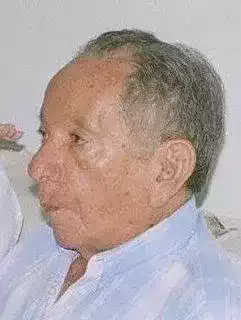
José Costa Matos
Desperdício
Como as espigas,
as lições também apodrecem
no esquecimento das colheitas.
as lições também apodrecem
no esquecimento das colheitas.
912
1

Célia Lamounier de Araújo
Ao Sabor do Tempo
As gotas de chuva caídas
beijavam as reentrâncias dos beirais
e os umbrais da casa,
escorrendo fios de prata
em eterna ampulheta.
beijavam as reentrâncias dos beirais
e os umbrais da casa,
escorrendo fios de prata
em eterna ampulheta.
1 015
1
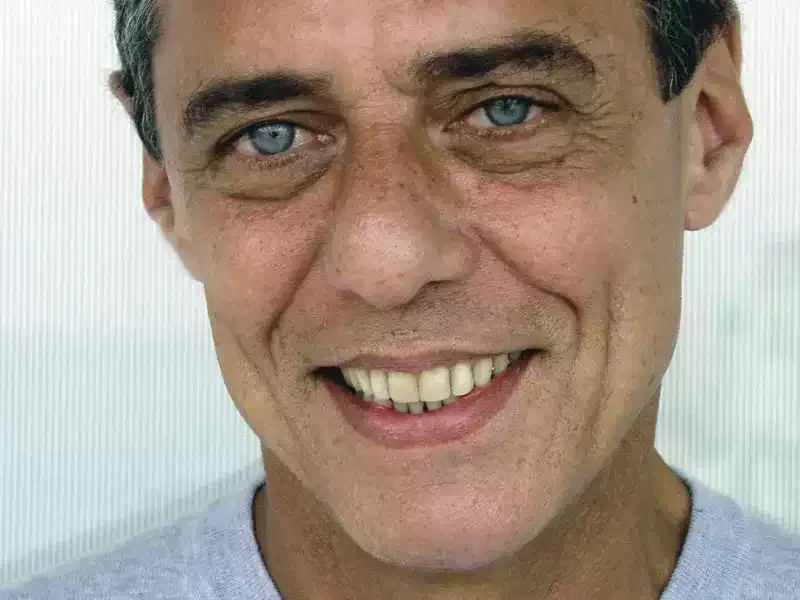
Chico Buarque
Carolina
Carolina
Nos seus olhos fundos
Guarda tanta dor
A dor de todo esse mundo
Eu já lhe expliquei que não vai dar
Seu pranto não vai nada mudar
Eu já convidei para dançar
É hora, já sei, de aproveitar
Lá fora, amor
Uma rosa nasceu
Todo mundo sambou
Uma estrela caiu
Eu bem que mostrei sorrindo
Pela janela, ói que lindo
Mas Carolina não viu
Carolina
Nos seus olhos tristes
Guarda tanto amor
O amor que já não existe
Eu bem que avisei, vai acabar
De tudo lhe dei para aceitar
Mil versos cantei pra lhe agradar
Agora não sei como explicar
Lá fora, amor
Uma rosa morreu
Uma festa acabou
Nosso barco partiu
Eu bem que mostrei a ela
O tempo passou na janela
Só Carolina não viu
Nos seus olhos fundos
Guarda tanta dor
A dor de todo esse mundo
Eu já lhe expliquei que não vai dar
Seu pranto não vai nada mudar
Eu já convidei para dançar
É hora, já sei, de aproveitar
Lá fora, amor
Uma rosa nasceu
Todo mundo sambou
Uma estrela caiu
Eu bem que mostrei sorrindo
Pela janela, ói que lindo
Mas Carolina não viu
Carolina
Nos seus olhos tristes
Guarda tanto amor
O amor que já não existe
Eu bem que avisei, vai acabar
De tudo lhe dei para aceitar
Mil versos cantei pra lhe agradar
Agora não sei como explicar
Lá fora, amor
Uma rosa morreu
Uma festa acabou
Nosso barco partiu
Eu bem que mostrei a ela
O tempo passou na janela
Só Carolina não viu
2 222
1
José Costa Matos
Passaram
Passaram como infâncias... águas... tais
como os aviões, avoantes, folhas secas,
manhãs de flores, tardes de pardais
e as falsificações de eternidades.
Que levaram, enfim? Toda essa gente
quis carregar alguma coisa, é certo:
planta que desce um galho sobre a rua
perde uma folha pra quem passa perto.
Passaram. Padres que não leram Bíblias,
Picassos que perderam seus pincéis,
astrônomos que olhavam para o chão.
Estiveram na escola, eram doutores.
E fica, indecifrada, a alma dos dias,
cartas de Deus que poucos sabem ler.
De O Povoamento da Solidão (1991)
como os aviões, avoantes, folhas secas,
manhãs de flores, tardes de pardais
e as falsificações de eternidades.
Que levaram, enfim? Toda essa gente
quis carregar alguma coisa, é certo:
planta que desce um galho sobre a rua
perde uma folha pra quem passa perto.
Passaram. Padres que não leram Bíblias,
Picassos que perderam seus pincéis,
astrônomos que olhavam para o chão.
Estiveram na escola, eram doutores.
E fica, indecifrada, a alma dos dias,
cartas de Deus que poucos sabem ler.
De O Povoamento da Solidão (1991)
859
1

Angela Carneiro
Sem Tempo
Me falta tempo
para ler todos os livros que quero
Me falta tempo para passeios e praias
e as locadoras com seus filmes
Felinis que não vi
e os museus que me esperam
me falta tempo.
Me falta tempo para amar os flertes
e aprofundar as amizades de coquetéis
me falta tempo para arrumar o armário
jogar coisas fora
passar a limpo a caderneta de telefone
redecorar o quarto
Me falta tempo para o orfanato
e ajudar o meu vizinho a pendurar o quadro na parede.
Me falta tempo para aprender japonês
pintar em tecido
tocar piano
tecer meus planos
Me falta tempo para as aquarelas que sonho
preciso anotar meus sonhos
Mas
me falta tempo.
Tempo para os amigos antigos que já me esqueceram
tempo para as músicas e cds
tempo para o estrangeiro, ilhas e cantões a conhecer
Me falta tempo para os poemas que a poesia me exige
e gravar os programas de TV
no entanto,
quantas vezes não tenho nada, absolutamente nada
para fazer.
para ler todos os livros que quero
Me falta tempo para passeios e praias
e as locadoras com seus filmes
Felinis que não vi
e os museus que me esperam
me falta tempo.
Me falta tempo para amar os flertes
e aprofundar as amizades de coquetéis
me falta tempo para arrumar o armário
jogar coisas fora
passar a limpo a caderneta de telefone
redecorar o quarto
Me falta tempo para o orfanato
e ajudar o meu vizinho a pendurar o quadro na parede.
Me falta tempo para aprender japonês
pintar em tecido
tocar piano
tecer meus planos
Me falta tempo para as aquarelas que sonho
preciso anotar meus sonhos
Mas
me falta tempo.
Tempo para os amigos antigos que já me esqueceram
tempo para as músicas e cds
tempo para o estrangeiro, ilhas e cantões a conhecer
Me falta tempo para os poemas que a poesia me exige
e gravar os programas de TV
no entanto,
quantas vezes não tenho nada, absolutamente nada
para fazer.
1 258
1

Joachim Du Bellay
SE AO PÉ DA ETERNIDADE NOSSA VIDA
Se ao pé da eternidade nossa vida
É quase nada e os anos que se vão
Arrastam nossos dias sem perdão,
E se o que vem à luz vai de vencida,
O que esperas ainda, alma sofrida?
Por que te apraz da vida a escuridão,
Se pra alcançar mais lúcida mansão,
Uma asa tens às costas estendida?
É lá que existe o bem que a alma deseja,
Lá, toda paz por quem o mundo almeja,
O verdadeiro amor, delícia tanta!
E lá, minha alma, te elevando ao céu,
Hás de reconhecer, então, sem véu,
A Idéia da beleza que me encanta.
É quase nada e os anos que se vão
Arrastam nossos dias sem perdão,
E se o que vem à luz vai de vencida,
O que esperas ainda, alma sofrida?
Por que te apraz da vida a escuridão,
Se pra alcançar mais lúcida mansão,
Uma asa tens às costas estendida?
É lá que existe o bem que a alma deseja,
Lá, toda paz por quem o mundo almeja,
O verdadeiro amor, delícia tanta!
E lá, minha alma, te elevando ao céu,
Hás de reconhecer, então, sem véu,
A Idéia da beleza que me encanta.
962
1

Octavio Paz
HINO
HINO
ENTRE RUINAS
donde espumoso
o mar siciliano... (Gôngora)
Coroado de sim o dia estende as suas plumas.
Alto grito amarelo,
ardente provedor no centro de um céu
imparcial e benéfico!
As aparências são formosas nesta sua verdade momentânea
O mar trepa pela costa,
segura-se entre as penhas, deslumbrante aranha;
a ferida cárdena do monte resplandece;
um punhado de cabras é um rebanho de pedras;
o sol põe o ovo de ouro e derrama-se no mar.
Tudo é um deus.
Estátua quebrada,
colunas comidas pela luz,
ruínas vivas num mundo de mortos sem vida!
Cai
a noite sobre Teotihuacán.
No alto da pirâmide os rapazes fumam marijuana,
tocam violas ásperas.
Que erva, que água de vida há-de dar-nos vida,
de onde desenterrar a palavra,
a proporção que rege o hino e o discurso,
o baile, a cidade e a balança?
O canto mexicano estala num carago,
estrela de cores que se apaga,
pedra que nos cerra as portas do contacto.
Sabe a terra a terra envelhecida.
Os olhos vêem, as mãos tocam.
Bastam aqui umas quantas coisas:
tuna, espinhoso planeta coral,
figos encapuçados,
uvas com gosto a ressurreição,
ameijoas, virgindades ariscas,
sal, queijo, vinho, pão solar.
Do alto de ser morena uma mulher da ilha fita-me,
esbelta catedral vestida de luz.
Torres de sal, contra os pinheiros verdes da margem
surgem as velas brancas das barcas.
A luz cria templos no mar.
Nova
York, Londres, Moscovo.
A sombra cobre o plaino com a sua hera fantasma,
com sua vacilante vegetação de calafrio,
seu ralo véu, seu tropel de ratas.
Por intervalos tirita um sol anêmico.
De cotovelos postos nos montes que foram cidades Polifemo cabeceia
Mais abaixo, entre os fojos, arrasta-se um rebanho de homens
(Bípedes domésticos, a carne deles
apesar de recentes proibições religiosas -
é muito estimada pelas classes ricas.
Até há pouco o vulgo considerava-os animais impuros.)
Ver, tocar formas formosas, diárias.
Zumbe a luz dardos e asas.
Cheira a sangue a nódoa de vinho na toalha.
Como o coral seus ramos dentro de água
estendo os sentidos pela hora viva:
o instante cumpre-se em concordância amarela,
ó meio-dia, espiga cheia de minutos,
taça de eternidade!
Os
meus pensamentos bifurcam-se, serpenteiam, enredam-se,
e por fim ficam imóveis, rios que não deságuam,
delta de sangue sob um sol sem crepúsculo.
E tudo há-de acabar neste chapinhar de águas mortas?
Dia, redondo dia,
luminosa laranja de vinte e quatro gomos,
todos atravessados pela mesma doçura amarela!
A inteligência encarna por fim,
reconciliam-se as duas metades inimigas
e a consciência-espelho liquefaz-se,
volve a ser fonte, manancial de fábulas:
Homem, árvore de imagens,
palavras que são flores que são frutos que são actos.
(Tradução
de Jorge de Sena)
ENTRE RUINAS
donde espumoso
o mar siciliano... (Gôngora)
Coroado de sim o dia estende as suas plumas.
Alto grito amarelo,
ardente provedor no centro de um céu
imparcial e benéfico!
As aparências são formosas nesta sua verdade momentânea
O mar trepa pela costa,
segura-se entre as penhas, deslumbrante aranha;
a ferida cárdena do monte resplandece;
um punhado de cabras é um rebanho de pedras;
o sol põe o ovo de ouro e derrama-se no mar.
Tudo é um deus.
Estátua quebrada,
colunas comidas pela luz,
ruínas vivas num mundo de mortos sem vida!
Cai
a noite sobre Teotihuacán.
No alto da pirâmide os rapazes fumam marijuana,
tocam violas ásperas.
Que erva, que água de vida há-de dar-nos vida,
de onde desenterrar a palavra,
a proporção que rege o hino e o discurso,
o baile, a cidade e a balança?
O canto mexicano estala num carago,
estrela de cores que se apaga,
pedra que nos cerra as portas do contacto.
Sabe a terra a terra envelhecida.
Os olhos vêem, as mãos tocam.
Bastam aqui umas quantas coisas:
tuna, espinhoso planeta coral,
figos encapuçados,
uvas com gosto a ressurreição,
ameijoas, virgindades ariscas,
sal, queijo, vinho, pão solar.
Do alto de ser morena uma mulher da ilha fita-me,
esbelta catedral vestida de luz.
Torres de sal, contra os pinheiros verdes da margem
surgem as velas brancas das barcas.
A luz cria templos no mar.
Nova
York, Londres, Moscovo.
A sombra cobre o plaino com a sua hera fantasma,
com sua vacilante vegetação de calafrio,
seu ralo véu, seu tropel de ratas.
Por intervalos tirita um sol anêmico.
De cotovelos postos nos montes que foram cidades Polifemo cabeceia
Mais abaixo, entre os fojos, arrasta-se um rebanho de homens
(Bípedes domésticos, a carne deles
apesar de recentes proibições religiosas -
é muito estimada pelas classes ricas.
Até há pouco o vulgo considerava-os animais impuros.)
Ver, tocar formas formosas, diárias.
Zumbe a luz dardos e asas.
Cheira a sangue a nódoa de vinho na toalha.
Como o coral seus ramos dentro de água
estendo os sentidos pela hora viva:
o instante cumpre-se em concordância amarela,
ó meio-dia, espiga cheia de minutos,
taça de eternidade!
Os
meus pensamentos bifurcam-se, serpenteiam, enredam-se,
e por fim ficam imóveis, rios que não deságuam,
delta de sangue sob um sol sem crepúsculo.
E tudo há-de acabar neste chapinhar de águas mortas?
Dia, redondo dia,
luminosa laranja de vinte e quatro gomos,
todos atravessados pela mesma doçura amarela!
A inteligência encarna por fim,
reconciliam-se as duas metades inimigas
e a consciência-espelho liquefaz-se,
volve a ser fonte, manancial de fábulas:
Homem, árvore de imagens,
palavras que são flores que são frutos que são actos.
(Tradução
de Jorge de Sena)
1 708
1
Amândio César
Tudo
Em surdina chegaste
E em surdina te vais:
— Oh felicidade que baste,
Que nunca bastas de mais!
E eu queria que ficasses,
De tal maneira ficada,
Que nunca mais me trocasses
— Por nada!
E em surdina te vais:
— Oh felicidade que baste,
Que nunca bastas de mais!
E eu queria que ficasses,
De tal maneira ficada,
Que nunca mais me trocasses
— Por nada!
1 161
1
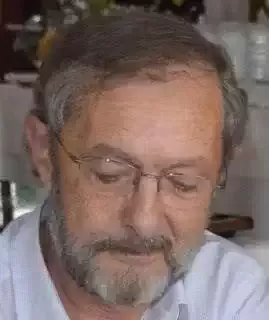
Fernando Correia Pina
Esse cu que deu brado
Esse cu que deu brado e que foi musa
de versos ímpios e desejos escandalosos
chora agora sob o shador da blusa
lamentando seu passado em ais gasosos.
Não fora tanto gozo e tanta tusa,
tantos metros de picha bem gostosos
e talvez que essa peida que se escusa
ainda brilhasse entre os traseiros famosos.
Porém, choveu sobre ela a celulite
e esse cu que era pura dinamite
hoje é cu de esconder, não de mostrar...
cuidai-vos, pois, que o prazer tem um limite
e se bem que esta verdade nos irrite,
cu não é pra foder, é pra cagar.
de versos ímpios e desejos escandalosos
chora agora sob o shador da blusa
lamentando seu passado em ais gasosos.
Não fora tanto gozo e tanta tusa,
tantos metros de picha bem gostosos
e talvez que essa peida que se escusa
ainda brilhasse entre os traseiros famosos.
Porém, choveu sobre ela a celulite
e esse cu que era pura dinamite
hoje é cu de esconder, não de mostrar...
cuidai-vos, pois, que o prazer tem um limite
e se bem que esta verdade nos irrite,
cu não é pra foder, é pra cagar.
1 697
1
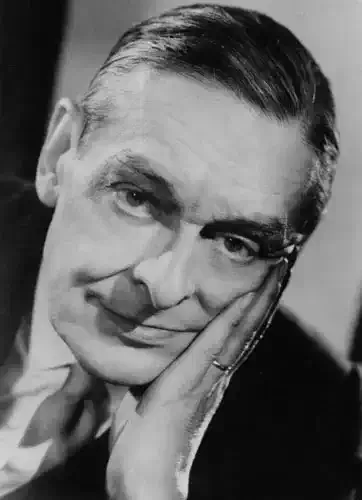
T. S. Eliot
The Love Song of J Alfred Prufrock
The Love Song of J. Alfred Prufrock
Sio credesse che mia risposta fosse
A persona che mai tornasse al mondo,
Questa fiamma staria senza piu scosse.
Ma perciocche giammai di questo fondo
Non torno vivo alcun, siodo il vero,
Senza tema dinfamia ti rispondo.
LET us go then, you and I,
When the evening is spread out against the sky
Like a patient etherised upon a table;
Let us go, through certain half-deserted streets,
The muttering retreats
Of restless nights in one-night cheap hotels
And sawdust restaurants with oyster-shells:
Streets that follow like a tedious argument
Of insidious intent
To lead you to an overwhelming question...
Oh, do not ask, "What is it?"
Let us go and make our visit.
In the room the women come and go
Talking of Michelangelo.
The yellow fog that rubs its back upon the window-panes,
The yellow smoke that rubs its muzzle on the window-panes
Licked its tongue into the corners of the evening,
Lingered upon the pools that stand in drains,
Let fall upon its back the soot that falls from chimneys,
Slipped by the terrace, made a sudden leap,
And seeing that it was a soft October night,
Curled once about the house, and fell asleep.
And indeed there will be time
For the yellow smoke that slides along the street,
Rubbing its back upon the window-panes;
There will be time, there will be time
To prepare a face to meet the faces that you meet;
There will be time to murder and create,
And time for all the works and days of hands
That lift and drop a question on your plate;
Time for you and time for me,
And time yet for a hundred indecisions,
And for a hundred visions and revisions,
Before the taking of a toast and tea.
In the room the women come and go
Talking of Michelangelo.
And indeed there will be time
To wonder, "Do I dare?" and, "Do I dare?"
Time to turn back and descend the stair,
With a bald spot in the middle of my hair—
[They will say: "How his hair is growing thin!"]
My morning coat, my collar mounting firmly to the chin,
My necktie rich and modest, but asserted by a simple pin—
[They will say: "But how his arms and legs are thin!"]
Do I dare
Disturb the universe?
In a minute there is time
For decisions and revisions which a minute will reverse.
For I have known them all already, known them all:—
Have known the evenings, mornings, afternoons,
I have measured out my life with coffee spoons;
I know the voices dying with a dying fall
Beneath the music from a farther room.
So how should I presume?
And I have known the eyes already, known them all—
The eyes that fix you in a formulated phrase,
And when I am formulated, sprawling on a pin,
When I am pinned and wriggling on the wall,
Then how should I begin
To spit out all the butt-ends of my days and ways?
And how should I presume?
And I have known the arms already, known them all—
Arms that are braceleted and white and bare
[But in the lamplight, downed with light brown hair!]
It is perfume from a dress
That makes me so digress?
Arms that lie along a table, or wrap about a shawl.
And should I then presume?
And how should I begin?
. . . . .
Shall I say, I have gone at dusk through narrow streets
And watched the smoke that rises from the pipes
Of lonely men in shirt-sleeves, leaning out of windows?...
I should have been a pair of ragged claws
Scuttling across the floors of silent seas.
. . . . .
And the afternoon, the evening, sleeps so peacefully!
Smoothed by long fingers,
Asleep ... tired ... or it malingers,
Stretched on the floor, here beside you and me.
Should I, after tea and cakes and ices,
Have the strength to force the moment to its crisis?
But though I have wept and fasted, wept and prayed,
Though I have seen my head [grown slightly bald] brought in upon a platter,
I am no prophet—and heres no great matter;
I have seen the moment of my greatness flicker,
And I have seen the eternal Footman hold my coat, and snicker,
And in short, I was afraid.
And would it have been worth it, after all,
After the cups, the marmalade, the tea,
Among the porcelain, among some talk of you and me,
Would it have been worth while,
To have bitten off the matter with a smile,
To have squeezed the universe into a ball
To roll it toward some overwhelming question,
To say: "I am Lazarus, come from the dead,
Come back to tell you all, I shall tell you all"—
If one, settling a pillow by her head,
Should say: "That is not what I meant at all.
That is not it, at all."
And would it have been worth it, after all,
Would it have been worth while,
After the sunsets and the dooryards and the sprinkled streets,
After the novels, after the teacups, after the skirts that trail along the floor—
And this, and so much more?—
It is impossible to say just what I mean!
But as if a magic lantern threw the nerves in patterns on a screen:
Would it have been worth while
If one, settling a pillow or throwing off a shawl,
And turning toward the window, should say:
"That is not it at all,
That is not what I meant, at all."
. . . . .
No! I am not Prince Hamlet, nor was meant to be;
Am an attendant lord, one that will do
To swell a progress, start a scene or two,
Advise the prince; no doubt, an easy tool,
Deferential, glad to be of use,
Politic, cautious, and meticulous;
Full of high sentence, but a bit obtuse;
At times, indeed, almost ridiculous—
Almost, at times, the Fool.
I grow old ... I grow old...
I shall wear the bottoms of my trousers rolled.
Shall I part my hair behind? Do I dare to eat a peach?
I shall wear white flannel trousers, and walk upon the beach.
I have heard the mermaids singing, each to each.
I do not think that they will sing to me.
I have seen them riding seaward on the waves
Combing the white hair of the waves blown back
When the wind blows the water white and black.
We have lingered in the chambers of the sea
By sea-girls wreathed with seaweed red and brown
Till human voices wake us, and we drown.
Sio credesse che mia risposta fosse
A persona che mai tornasse al mondo,
Questa fiamma staria senza piu scosse.
Ma perciocche giammai di questo fondo
Non torno vivo alcun, siodo il vero,
Senza tema dinfamia ti rispondo.
LET us go then, you and I,
When the evening is spread out against the sky
Like a patient etherised upon a table;
Let us go, through certain half-deserted streets,
The muttering retreats
Of restless nights in one-night cheap hotels
And sawdust restaurants with oyster-shells:
Streets that follow like a tedious argument
Of insidious intent
To lead you to an overwhelming question...
Oh, do not ask, "What is it?"
Let us go and make our visit.
In the room the women come and go
Talking of Michelangelo.
The yellow fog that rubs its back upon the window-panes,
The yellow smoke that rubs its muzzle on the window-panes
Licked its tongue into the corners of the evening,
Lingered upon the pools that stand in drains,
Let fall upon its back the soot that falls from chimneys,
Slipped by the terrace, made a sudden leap,
And seeing that it was a soft October night,
Curled once about the house, and fell asleep.
And indeed there will be time
For the yellow smoke that slides along the street,
Rubbing its back upon the window-panes;
There will be time, there will be time
To prepare a face to meet the faces that you meet;
There will be time to murder and create,
And time for all the works and days of hands
That lift and drop a question on your plate;
Time for you and time for me,
And time yet for a hundred indecisions,
And for a hundred visions and revisions,
Before the taking of a toast and tea.
In the room the women come and go
Talking of Michelangelo.
And indeed there will be time
To wonder, "Do I dare?" and, "Do I dare?"
Time to turn back and descend the stair,
With a bald spot in the middle of my hair—
[They will say: "How his hair is growing thin!"]
My morning coat, my collar mounting firmly to the chin,
My necktie rich and modest, but asserted by a simple pin—
[They will say: "But how his arms and legs are thin!"]
Do I dare
Disturb the universe?
In a minute there is time
For decisions and revisions which a minute will reverse.
For I have known them all already, known them all:—
Have known the evenings, mornings, afternoons,
I have measured out my life with coffee spoons;
I know the voices dying with a dying fall
Beneath the music from a farther room.
So how should I presume?
And I have known the eyes already, known them all—
The eyes that fix you in a formulated phrase,
And when I am formulated, sprawling on a pin,
When I am pinned and wriggling on the wall,
Then how should I begin
To spit out all the butt-ends of my days and ways?
And how should I presume?
And I have known the arms already, known them all—
Arms that are braceleted and white and bare
[But in the lamplight, downed with light brown hair!]
It is perfume from a dress
That makes me so digress?
Arms that lie along a table, or wrap about a shawl.
And should I then presume?
And how should I begin?
. . . . .
Shall I say, I have gone at dusk through narrow streets
And watched the smoke that rises from the pipes
Of lonely men in shirt-sleeves, leaning out of windows?...
I should have been a pair of ragged claws
Scuttling across the floors of silent seas.
. . . . .
And the afternoon, the evening, sleeps so peacefully!
Smoothed by long fingers,
Asleep ... tired ... or it malingers,
Stretched on the floor, here beside you and me.
Should I, after tea and cakes and ices,
Have the strength to force the moment to its crisis?
But though I have wept and fasted, wept and prayed,
Though I have seen my head [grown slightly bald] brought in upon a platter,
I am no prophet—and heres no great matter;
I have seen the moment of my greatness flicker,
And I have seen the eternal Footman hold my coat, and snicker,
And in short, I was afraid.
And would it have been worth it, after all,
After the cups, the marmalade, the tea,
Among the porcelain, among some talk of you and me,
Would it have been worth while,
To have bitten off the matter with a smile,
To have squeezed the universe into a ball
To roll it toward some overwhelming question,
To say: "I am Lazarus, come from the dead,
Come back to tell you all, I shall tell you all"—
If one, settling a pillow by her head,
Should say: "That is not what I meant at all.
That is not it, at all."
And would it have been worth it, after all,
Would it have been worth while,
After the sunsets and the dooryards and the sprinkled streets,
After the novels, after the teacups, after the skirts that trail along the floor—
And this, and so much more?—
It is impossible to say just what I mean!
But as if a magic lantern threw the nerves in patterns on a screen:
Would it have been worth while
If one, settling a pillow or throwing off a shawl,
And turning toward the window, should say:
"That is not it at all,
That is not what I meant, at all."
. . . . .
No! I am not Prince Hamlet, nor was meant to be;
Am an attendant lord, one that will do
To swell a progress, start a scene or two,
Advise the prince; no doubt, an easy tool,
Deferential, glad to be of use,
Politic, cautious, and meticulous;
Full of high sentence, but a bit obtuse;
At times, indeed, almost ridiculous—
Almost, at times, the Fool.
I grow old ... I grow old...
I shall wear the bottoms of my trousers rolled.
Shall I part my hair behind? Do I dare to eat a peach?
I shall wear white flannel trousers, and walk upon the beach.
I have heard the mermaids singing, each to each.
I do not think that they will sing to me.
I have seen them riding seaward on the waves
Combing the white hair of the waves blown back
When the wind blows the water white and black.
We have lingered in the chambers of the sea
By sea-girls wreathed with seaweed red and brown
Till human voices wake us, and we drown.
2 476
1
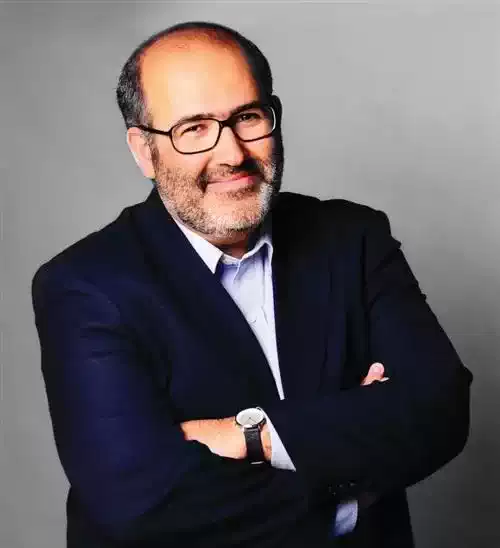
José Tolentino Mendonça
Calle Principe, 25
Perdemos repentinamente
a profundidade dos campos
os enigmas singulares
a claridade que juramos
a conservar
mas levamos anos
a esquecer alguém
que nos olhou apenas
a profundidade dos campos
os enigmas singulares
a claridade que juramos
a conservar
mas levamos anos
a esquecer alguém
que nos olhou apenas
3 172
1
Vitorino Nemésio
Regresso
Ao coronel Sacadura
Cavalo e cavaleiro o vento adornam
Com uma pata e uma pluma;
À tarde unidos tornam,
Um estame de sangue numa rosa de espuma.
Tanta pressa,para coisa nenhuma.
de O Cavalo Encantado
Cavalo e cavaleiro o vento adornam
Com uma pata e uma pluma;
À tarde unidos tornam,
Um estame de sangue numa rosa de espuma.
Tanta pressa,para coisa nenhuma.
de O Cavalo Encantado
2 701
1
José Tolentino Mendonça
Sobre um improviso de John Coltrane
Ainda espero o amor
como no ringue o lutador caído
espera a sala vazia
primeiro vive-se e não se pensa em nada
não me digam a mim
com o tempo apenas se consegue
chegar aos degraus da frente:
é didícil
é cada vez mais difícil entrar em casa
não discuto o que fizeram de nós estes anos
a verdade é de outra importância
mas hoje anuncio que me despeço
à procura de um país de árvores
e ainda se me deixo ficar
um pouco além do razoável
não ouvem? O amor é um cordeiro
que grita abraçado à minha canção
como no ringue o lutador caído
espera a sala vazia
primeiro vive-se e não se pensa em nada
não me digam a mim
com o tempo apenas se consegue
chegar aos degraus da frente:
é didícil
é cada vez mais difícil entrar em casa
não discuto o que fizeram de nós estes anos
a verdade é de outra importância
mas hoje anuncio que me despeço
à procura de um país de árvores
e ainda se me deixo ficar
um pouco além do razoável
não ouvem? O amor é um cordeiro
que grita abraçado à minha canção
3 620
1
Alexei Bueno
Transmutação
Transmutação
Nascemos carne. E a cada dia
Nos vamos transformando em sonho.
Há sempre um patamar tristonho
Na escada em que antes não havia.
Há sempre um quarto em que vivemos
E nunca vimos. Sempre há um morto
Que bate à porta. Há sempre um porto
Que jamais houve e de onde viemos.
Há uma manhã cinza na feira
Que não se acaba há muitos anos.
Há uma mulher, nua entre panos,
Que não é nossa a vida inteira.
O tempo espera, inalterado
Como um licor, que nós subamos
Por ele abaixo, nós que vamos
Descendo-o acima em passo ousado.
Atrás há a aurora. À frente o nada.
No meio a confusão das luas.
Ah! quem voltasse às mesmas ruas
Em senso inverso, até a entrada.
Quem desse as costas à saída
Certa e voraz, e, dessa sorte,
Fosse afastando-se da morte
Até a primeira hora da vida
E seu mistério, e se encarnasse
Nos seus eus idos, e fugisse
Por si acima, até que ouvisse
O choro antigo, e ainda o passasse.
Nascemos carne, e ao sonho vamos.
Somos o fio que desfaz
Toda a tapeçaria, mas
Quem é que o puxa, nem sonhamos.
Vamos fazendo-nos de ar
De crianças rijas que já fomos,
Vamos como explodindo em gomos
De ser, um fruto a se espalhar.
Nossos amigos são de vento
Cada vez mais. As nossas casas
Grãos que o sol doura. Soam asas
No nosso cofre mais sedento.
Para isso apenas nos gerastes,
Para ser sonho, mães de sonho.
Há sempre um pássaro medonho
Nos nomeando entre umas hastes.
Há sempre um baile de sumidos
Na íntima praça inexistente.
Há um branco sol sempre presente
Na noite em que vamos perdidos.
Há um rosto cruel que nos exorta.
E escadas. E a manhã na feira
Que vai durando a vida inteira.
Há o patamar. E um beijo. E a porta.
Nascemos carne. E a cada dia
Nos vamos transformando em sonho.
Há sempre um patamar tristonho
Na escada em que antes não havia.
Há sempre um quarto em que vivemos
E nunca vimos. Sempre há um morto
Que bate à porta. Há sempre um porto
Que jamais houve e de onde viemos.
Há uma manhã cinza na feira
Que não se acaba há muitos anos.
Há uma mulher, nua entre panos,
Que não é nossa a vida inteira.
O tempo espera, inalterado
Como um licor, que nós subamos
Por ele abaixo, nós que vamos
Descendo-o acima em passo ousado.
Atrás há a aurora. À frente o nada.
No meio a confusão das luas.
Ah! quem voltasse às mesmas ruas
Em senso inverso, até a entrada.
Quem desse as costas à saída
Certa e voraz, e, dessa sorte,
Fosse afastando-se da morte
Até a primeira hora da vida
E seu mistério, e se encarnasse
Nos seus eus idos, e fugisse
Por si acima, até que ouvisse
O choro antigo, e ainda o passasse.
Nascemos carne, e ao sonho vamos.
Somos o fio que desfaz
Toda a tapeçaria, mas
Quem é que o puxa, nem sonhamos.
Vamos fazendo-nos de ar
De crianças rijas que já fomos,
Vamos como explodindo em gomos
De ser, um fruto a se espalhar.
Nossos amigos são de vento
Cada vez mais. As nossas casas
Grãos que o sol doura. Soam asas
No nosso cofre mais sedento.
Para isso apenas nos gerastes,
Para ser sonho, mães de sonho.
Há sempre um pássaro medonho
Nos nomeando entre umas hastes.
Há sempre um baile de sumidos
Na íntima praça inexistente.
Há um branco sol sempre presente
Na noite em que vamos perdidos.
Há um rosto cruel que nos exorta.
E escadas. E a manhã na feira
Que vai durando a vida inteira.
Há o patamar. E um beijo. E a porta.
2 051
1
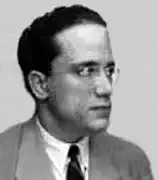
João José Cochofel
Breve
Breve
o tão que fote
o pudor de sê-lo.
Breve
o laço vermelho
dado no cabelo.
Breve
a flor que abriu
e o sol mudou.
Breve
tanto sonho findo
que a vida pisou.
o tão que fote
o pudor de sê-lo.
Breve
o laço vermelho
dado no cabelo.
Breve
a flor que abriu
e o sol mudou.
Breve
tanto sonho findo
que a vida pisou.
1 724
1
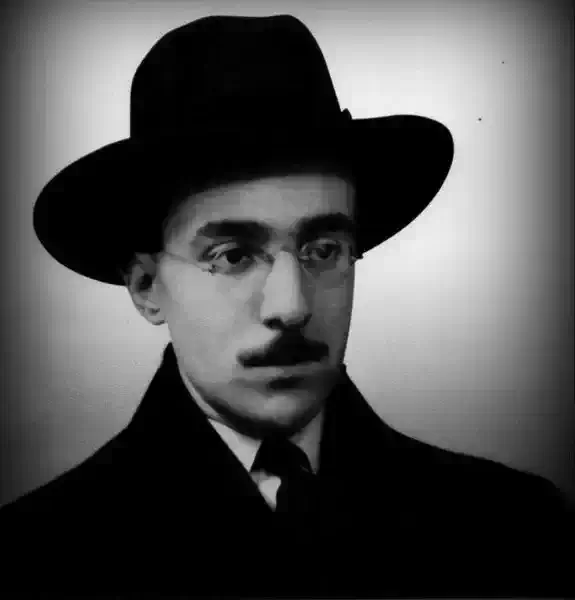
Fernando Pessoa
Segundo: O DAS QUINAS
Os Deuses vendem quanto dão.
Compra-se a glória com desgraça.
Ai dos felizes, porque são
Só o que passa!
Baste a quem baste o que lhe bsta
O bastante de lhe bastar!
A vida é breve, a alma é vasta:
Ter é tardar.
Foi com desgraça e com vileza
Que Deus ao Cristo definiu:
Assim o opôs à Natureza
E Filho o ungiu.
Compra-se a glória com desgraça.
Ai dos felizes, porque são
Só o que passa!
Baste a quem baste o que lhe bsta
O bastante de lhe bastar!
A vida é breve, a alma é vasta:
Ter é tardar.
Foi com desgraça e com vileza
Que Deus ao Cristo definiu:
Assim o opôs à Natureza
E Filho o ungiu.
5 751
1
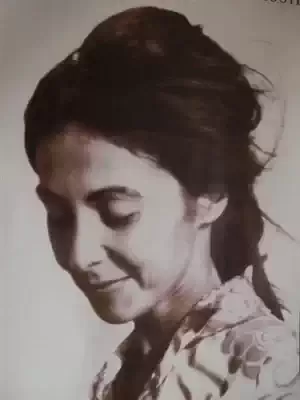
Fiama Hasse Pais Brandão
Sumário Lírico
Nesta janela de ver passar os barcos em vidraças,
começo devagar a reescrever o mundo quedo
que é o único que conheço e vivo, sei e de cor vejo.
Ninguém me deu outras formas que não minhas
mas deram-me todos juntos o cerne das palavras.
Reescrevo-me a mim própria sem outra alternativa.
E recordo-me dos outros de fora da vidraça, mudos
mas autores cada um no seu frasear, generosos
quando me reconheciam em muitos anos de vida.
Devedora sou, mesmo dos idos, de exangues vozes
caladas para sempre nos livros em que as lera.
Em tantas vidraças que espelharam caras, olhos
de cada olhar de imagens próprias de cada um.
Estava no longínquo fundo o mar redito, o sol,
os barcos na Barra, que também em vidros estavam.
Passa tu, golfinho, piloto cego, depois cadáver,
que talvez me conduzisse entre os barcos da Barra,
quando o dorso de prata e o gume passavam
nas horas visuais das manhãs de Junho e Julho minhas,
de par em par o olhar aberto ao ar do sol do sal.
Imagens que sempre ficais nestas vidraças,
emprestai vosso vidro e revérbero à luz
do farol extinto, em outras vidas que antes
narravam que eu era já nascida,
quando vos vi, farol, e vos guardei, imagens.
A cor de prata dos vultos é hoje negra, manchas
com a noite embebida, tantas vezes co-substancial.
É assim que a vidraça anoitece diante dos olhos,
diariamente somando anos, minutos indivisos.
Mas, cisco no vidro, pela lei da perspectiva, ponto.
começo devagar a reescrever o mundo quedo
que é o único que conheço e vivo, sei e de cor vejo.
Ninguém me deu outras formas que não minhas
mas deram-me todos juntos o cerne das palavras.
Reescrevo-me a mim própria sem outra alternativa.
E recordo-me dos outros de fora da vidraça, mudos
mas autores cada um no seu frasear, generosos
quando me reconheciam em muitos anos de vida.
Devedora sou, mesmo dos idos, de exangues vozes
caladas para sempre nos livros em que as lera.
Em tantas vidraças que espelharam caras, olhos
de cada olhar de imagens próprias de cada um.
Estava no longínquo fundo o mar redito, o sol,
os barcos na Barra, que também em vidros estavam.
Passa tu, golfinho, piloto cego, depois cadáver,
que talvez me conduzisse entre os barcos da Barra,
quando o dorso de prata e o gume passavam
nas horas visuais das manhãs de Junho e Julho minhas,
de par em par o olhar aberto ao ar do sol do sal.
Imagens que sempre ficais nestas vidraças,
emprestai vosso vidro e revérbero à luz
do farol extinto, em outras vidas que antes
narravam que eu era já nascida,
quando vos vi, farol, e vos guardei, imagens.
A cor de prata dos vultos é hoje negra, manchas
com a noite embebida, tantas vezes co-substancial.
É assim que a vidraça anoitece diante dos olhos,
diariamente somando anos, minutos indivisos.
Mas, cisco no vidro, pela lei da perspectiva, ponto.
2 681
1
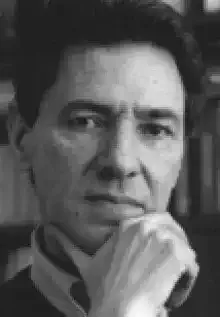
António Franco Alexandre
poderemos,um dia,amar estas vitrinas
poderemos,um dia,amar estas vitrinas
como quem ama uma ideia imperdoável, ou uma
breve hesitação dos condutores
a meio do percurso? quero dizer,
estaremos vivos para o desbotar destas
folhas de plástico que brilham
uma vez cada noite; e para
o assobio das nuvens
ao passar sobre a roupa?
ou, fechando a gaveta, engoliremos o receio
destes bolos roubados
na prateleira de água?
ou será este o dilema que nos propõem
as minuciosas escavações telefónicas?
são questões ignorantes, delas depende o rumo
dos grandes navios japoneses à entrada da doca.
de Os Objectos Principais
como quem ama uma ideia imperdoável, ou uma
breve hesitação dos condutores
a meio do percurso? quero dizer,
estaremos vivos para o desbotar destas
folhas de plástico que brilham
uma vez cada noite; e para
o assobio das nuvens
ao passar sobre a roupa?
ou, fechando a gaveta, engoliremos o receio
destes bolos roubados
na prateleira de água?
ou será este o dilema que nos propõem
as minuciosas escavações telefónicas?
são questões ignorantes, delas depende o rumo
dos grandes navios japoneses à entrada da doca.
de Os Objectos Principais
1 433
1
Helder Moura Pereira
Fica ao menos o tempo de um cigarro,
evitacomigo que este tempo ande. Lá forasão as casas,
vive gente à luz de um candeeiro,o som que nos
chega apagado pela distânciasó denuncia o nosso
silêncio interrompido.Ajuda-me, faremos o inventário
das coisasmenos úteis, mágoas na mágoa maior do
tempo.Fica, não te aproximes, nenhum diaé menos sombrio,
quando anoitecer vamos veras árvores cercando a
casa.
vive gente à luz de um candeeiro,o som que nos
chega apagado pela distânciasó denuncia o nosso
silêncio interrompido.Ajuda-me, faremos o inventário
das coisasmenos úteis, mágoas na mágoa maior do
tempo.Fica, não te aproximes, nenhum diaé menos sombrio,
quando anoitecer vamos veras árvores cercando a
casa.
1 215
1

Judas Isgorogota
Recompensa
Certa manhã deixei a minha casa...
Cinco e meia, talvez,
Talvez seis horas da manhã da vida...
Um sol vermelho, de um vermelho brasa,
Por sobre a estrada adormecida,
Em completa mudez,
Derramava-se todo
Numa tonalidade futurista...
Era manhã quando saí de casa...
E o sol, vermelho, de zarcão, dizia:
— "Para onde vai esse menino doido
Que nem espera que lhe venha o dia?"
Cheio de minha fé, saí disposto
Para a conquista
Da primeira curva
Do caminho; porém,
Logo à tardinha o sol esmaeceu
E eu vi que havia rugas em meu rosto
E a minha vista
Já ficava turva
Como a vista do sol que envelheceu...
E passo a passo, envelheci também...
De volta, meus sonhos apagados,
Joelhos vertendo dor, pés descarnados,
Sem um gesto, entretanto, de revolta,
Ando à procura de uma cova rasa
Onde eu, mártir da fé, pobre e infeliz,
Possa, enfim, encontrar a recompensa
De uma conquista imensa
Que não fiz!
Era manhã quando saí de casa...
Cinco e meia, talvez,
Talvez seis horas da manhã da vida...
Um sol vermelho, de um vermelho brasa,
Por sobre a estrada adormecida,
Em completa mudez,
Derramava-se todo
Numa tonalidade futurista...
Era manhã quando saí de casa...
E o sol, vermelho, de zarcão, dizia:
— "Para onde vai esse menino doido
Que nem espera que lhe venha o dia?"
Cheio de minha fé, saí disposto
Para a conquista
Da primeira curva
Do caminho; porém,
Logo à tardinha o sol esmaeceu
E eu vi que havia rugas em meu rosto
E a minha vista
Já ficava turva
Como a vista do sol que envelheceu...
E passo a passo, envelheci também...
De volta, meus sonhos apagados,
Joelhos vertendo dor, pés descarnados,
Sem um gesto, entretanto, de revolta,
Ando à procura de uma cova rasa
Onde eu, mártir da fé, pobre e infeliz,
Possa, enfim, encontrar a recompensa
De uma conquista imensa
Que não fiz!
Era manhã quando saí de casa...
1 739
1

Carlos Felipe Moisés
Mais um Dia
(Fragmentos)
Um tiro no escuro, louca
disparada do carro a zunir
dentro da noite,
um piscar de olhos --
e a luz do novo dia ilumina
a oficina do corpo.
O mesmo corpo feito de alma nua,
sangue e humores vários.
Um novo dia igual aos dez mil
novecentos e cinqüenta já percorridos,
gastos à mesa dos bares,
a acumular nas retinas
a imagem velha dos insetos
roendo a carcaça do dia,
jogada na calçada.
Insetos
assustados, à espera do bote,
à espera do berro, à espera
do sapo que os engole
(engoliu!)
e eles não sabem e seguem,
a roer as migalhas grudadas
nas tripas do batráquio.
Dez mil
novecentos e cinqüenta dias
consumidos à distância,
no silêncio do quarto onde rodopia,
há trinta anos,
a mesma velha inútil melodia.
Rodopia nada!
Explode
em gumes,
não resiste ao punho cerrado
que rompe a vidraça
e atravessa a neblina,
só para alcançar no arbusto em frente
o bago murcho que volta
e se espreme entre os dentes
e verte uma gota,
uma só,
a gota perdida
do ódio por tudo e por nada.
Ódio só afago,
inofensivo, guardado no fogo
brando em que me afago
há dez mil
novecentos e cinqüenta dias.
Um tiro no escuro, louca
disparada do carro a zunir
dentro da noite,
um piscar de olhos --
e a luz do novo dia ilumina
a oficina do corpo.
O mesmo corpo feito de alma nua,
sangue e humores vários.
Um novo dia igual aos dez mil
novecentos e cinqüenta já percorridos,
gastos à mesa dos bares,
a acumular nas retinas
a imagem velha dos insetos
roendo a carcaça do dia,
jogada na calçada.
Insetos
assustados, à espera do bote,
à espera do berro, à espera
do sapo que os engole
(engoliu!)
e eles não sabem e seguem,
a roer as migalhas grudadas
nas tripas do batráquio.
Dez mil
novecentos e cinqüenta dias
consumidos à distância,
no silêncio do quarto onde rodopia,
há trinta anos,
a mesma velha inútil melodia.
Rodopia nada!
Explode
em gumes,
não resiste ao punho cerrado
que rompe a vidraça
e atravessa a neblina,
só para alcançar no arbusto em frente
o bago murcho que volta
e se espreme entre os dentes
e verte uma gota,
uma só,
a gota perdida
do ódio por tudo e por nada.
Ódio só afago,
inofensivo, guardado no fogo
brando em que me afago
há dez mil
novecentos e cinqüenta dias.
762
1

Gilson Nascimento
Entardecer da vida
Minha vida entardece, de repente
Sinto o peso dos anos. Na verdade
Revivo o meu passado no presente
Surpreso me pergunto: isso é da idade?
Meu íntimo responde: é, tens razão
Ao passo que se vive não se esquece
O que já foi vivido. A emoção,
O riso, o sonho, o gargalhar, a prece
Os bons e maus momentos tecem a vida
Todos eles na alma têm guarida
Onde dormitam pelo tempo afora
E de repente, então, meu caro amigo
O que no imo procurou abrigo
À saudade, desperta, como agora.
Sinto o peso dos anos. Na verdade
Revivo o meu passado no presente
Surpreso me pergunto: isso é da idade?
Meu íntimo responde: é, tens razão
Ao passo que se vive não se esquece
O que já foi vivido. A emoção,
O riso, o sonho, o gargalhar, a prece
Os bons e maus momentos tecem a vida
Todos eles na alma têm guarida
Onde dormitam pelo tempo afora
E de repente, então, meu caro amigo
O que no imo procurou abrigo
À saudade, desperta, como agora.
945
1
William Butler Yeats
Versos escritos com desânimo
Quando foi a última vez que reparei
nos redondos olhos verdes e nos longos, vacilantes corpos
Dos leopardos misteriosos da lua?
Todas as feiticeiras dos bosques, senhoras tão nobres,
Partiram por causa das vassouras e das lágrimas,
Das suas lágrimas de ira.
Os centauros sagrados foram expulsos das colinas;
Nada me resta senão o sol frio;
A lua, mãe heróica, desapareceu,
E agora que cheguei aos cinqüenta anos,
tenho de suportar este sol débil.
(Tradução de
Tatiana Leão e Manuel Rodrigues)
nos redondos olhos verdes e nos longos, vacilantes corpos
Dos leopardos misteriosos da lua?
Todas as feiticeiras dos bosques, senhoras tão nobres,
Partiram por causa das vassouras e das lágrimas,
Das suas lágrimas de ira.
Os centauros sagrados foram expulsos das colinas;
Nada me resta senão o sol frio;
A lua, mãe heróica, desapareceu,
E agora que cheguei aos cinqüenta anos,
tenho de suportar este sol débil.
(Tradução de
Tatiana Leão e Manuel Rodrigues)
1 478
1
Fernando Pessoa
Se penso mais que um momento
Se penso mais que um momento
Na vida que eis a passar,
Sou para o meu pensamento
Um cadáver a esperar.
Dentro em breve (poucos anos
É quanto vive quem vive),
Eu, anseios e enganos,
Eu, quanto tive ou não tive,
Deixarei de ser visível
Na terra onde dá o Sol,
E, ou desfeito e insensível,
Ou ébrio de outro arrebol,
Terei perdido, suponho,
O contacto quente e humano
Com a terra, com o sonho,
Com mês a mês e ano a ano.
Por mais que o Sol doire a face
Dos dias, o espaço mudo
Lambra-nos que isso é disfarce
E que é a noite que é tudo.
Na vida que eis a passar,
Sou para o meu pensamento
Um cadáver a esperar.
Dentro em breve (poucos anos
É quanto vive quem vive),
Eu, anseios e enganos,
Eu, quanto tive ou não tive,
Deixarei de ser visível
Na terra onde dá o Sol,
E, ou desfeito e insensível,
Ou ébrio de outro arrebol,
Terei perdido, suponho,
O contacto quente e humano
Com a terra, com o sonho,
Com mês a mês e ano a ano.
Por mais que o Sol doire a face
Dos dias, o espaço mudo
Lambra-nos que isso é disfarce
E que é a noite que é tudo.
5 067
1