

Authors List
Browse our collection of authors

Giuseppe Giusti

1809-05-13 – 1850-03-31
Giuseppe Giusti (May 13, 1809 - March 31, 1850) was an Italian poet, known for his satirical and patriotic poetry. He is considered one of the exponents of 19th-century Tuscan poetry, with a style that blends irony, social criticism, and a deep love for his homeland.

Giuseppe Baretti
1719-04-24 – 1789-05-05
Giuseppe Baretti (April 24, 1719 - December 5, 1789) was an Italian writer, literary critic, and lexicographer. He is known for his active participation in the cultural debate of his time and for his work "Dizionario delle lingue italiana e inglese".
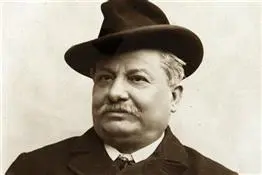
Giovanni Pascoli
1855-12-31 – 1912-04-06
Giovanni Pascoli (December 31, 1855 – April 6, 1912) was an Italian poet. He is considered one of the greatest lyric poets in modern Italian literature. His poetry is characterized by an innovative style, with great attention to musicality and the use of a language rich in symbolism. Recurring themes in his work include childhood, nature, memory, and loss.
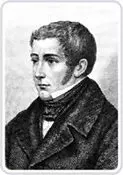
Giovanni Berchet
1783-12-23 – 1851-12-23
Giovanni Berchet was an Italian poet and patriot, known for his lyrical and patriotic poetry that reflected the fervor of the Risorgimento. His work is marked by a strong national sentiment and a desire for freedom for Italy.
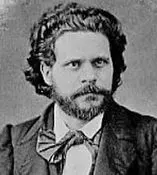
Giosuè Carducci
1835-07-27 – 1907-02-08
Giosuè Carducci was an Italian poet and literary critic, a Nobel laureate in Literature, known for his lyrical poetry and his influence on the revival of Italian poetry. His work celebrated Italian history and culture, with a style that combined classicism and modernity.

Gesualdo Bufalino
1920-11-15 – 1996-06-14
Gesualdo Bufalino was an Italian writer, known for his lyrical prose and deep exploration of memory, identity, and time. His work is marked by rich language and an introspective atmosphere, often set in his native Sicily. Bufalino is considered one of the great names in contemporary Italian literature, appreciated for his originality and the complexity of his themes.

Georges Perros

1923-08-23 – 1978-01-24
Georges Perros was a French poet and writer, known for his lyrical and experimental work, which frequently explores the human condition, memory, and the search for transcendence. His poetry is characterized by intense and evocative language, with an introspective and sometimes melancholic tone. He also dedicated himself to prose, where he continued to investigate the themes that mark his poetry.

Georges Courteline
1858-06-25 – 1929-06-25
Georges Courteline was a celebrated French writer and playwright, known for his sharp humor, social satires, and keen observations on daily life and institutions. His plays and short stories often portray eccentric characters and absurd situations, with a unique style that combines realism and fantasy. He is considered a master of comedy and an insightful chronicler of the society of his time.
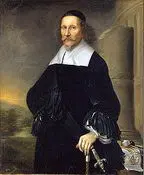
Georg Stiernhielm

1598-08-07 – 1672-04-22
Georg Stiernhielm was a Swedish jurist, mathematician, and poet, known as the "father of modern Swedish poetry." He was one of the first to write poetry in Swedish in an elaborate way and to use Nordic languages in literary and scientific contexts.
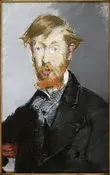
George Augustus Moore

1852-02-24 – 1933-01-21
George Augustus Moore was an Irish writer known for his novels and short stories that explored themes of love, art, religion, and the Irish society of his time. His realistic prose and frank approach to controversial subjects distinguished him on the literary scene.
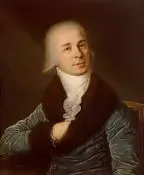
Gavrila Romanovich Derzhavin

1743-07-03 – 1816-07-08
Gavrila Romanovich Derzhavin was a Russian poet and a prominent public figure of the Russian Enlightenment. He is considered one of the greatest poets in the Russian language, known for his eloquence and originality.

Gaston Miron

1928-01-08 – 1996-12-14
Gaston Miron was a Canadian poet and political activist known for his influence on Quebec literature. His work frequently explored themes of national identity, resistance, and the human condition.
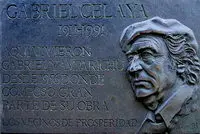
Gabriel Celaya

1911-03-18 – 1991-04-18
Gabriel Celaya was an influential Spanish poet, known for his social and existential poetry. His work addresses themes such as the human condition, social injustice, and the search for identity in a changing world.

Gabriel Marcel

G. Buchner

1813-10-17 – 1837-02-19
Georg Büchner was a German writer, playwright, and biologist, known for his innovative work that pioneered realism and expressionism in literature and theater. Despite his short life, he left a significant literary legacy. His most famous works include the play "Woyzeck", considered a masterpiece of modern theater, and "Danton's Death". Büchner was also noted for his satirical and political writing, criticizing the society and oppression of his time.
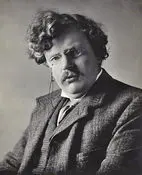
G. K. Chesterton

1874-05-29 – 1936-06-14
Gilbert Keith Chesterton was a prominent English writer, journalist, and Christian apologist. Known for his argumentative style and sharp wit, Chesterton addressed a wide range of topics in his work, including philosophy, theology, literary criticism, and social essays. He was an influential figure in the early 20th century.
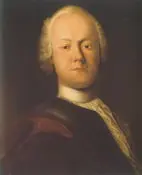
Friedrich Gottlieb Klopstock
1724-07-02 – 1803-03-14
Friedrich Gottlieb Klopstock was a German poet, considered the most important German poet of the 18th century. He is known for his odes and epics, which significantly influenced German literature. His most famous work is the epic "Der Messias" (The Messiah), a long narrative about Christian redemption. Klopstock was also an important advocate for the German language, seeking to elevate it to a level comparable to classical languages.
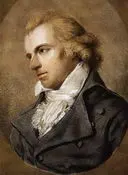
Friedrich Schiller
1759-11-10 – 1805-05-09
Johann Christoph Friedrich von Schiller was a German poet, philosopher, physician, and historian, considered one of the most important playwrights in the German language. He is often associated with the Sturm und Drang movement and Weimar Classicism. His most famous works include plays such as "The Robbers", "Don Carlos", "Mary Stuart", and "William Tell", as well as poems like "Ode to Joy". Schiller explored themes of freedom, justice, idealism, and the human condition in his works.
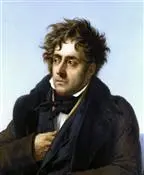
François-René de Chateaubriand
1768-09-04 – 1848-07-04
François-René de Chateaubriand was an influential French writer, politician, and diplomat. He is considered one of the founders of Romanticism in French literature, with works that explore themes such as nature, melancholy, exile, and the search for identity. His eventful life, marked by travels and political involvement, inspired much of his writing.

François-Joachim-Pierre de Bernis
1715-05-22 – 1794-11-03
François-Joachim-Pierre de Bernis was a French cardinal, diplomat, and poet. Known for his eloquence and political skill, he had a prominent career in the Church and the French court. His literary work, though less known than his public life, reflects the style and themes of the 18th century.
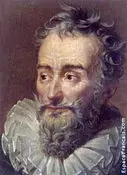
François De Malherbe
1555-01-01 – 1628-10-16
François de Malherbe was a French poet considered one of the reformers of the French language in poetry. His work marked a transition from the Renaissance style to a more rigorous classicism, valuing clarity, precision, and order. He had a significant influence on later French poetry.
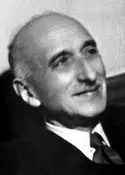
François Mauriac
1885-10-11 – 1970-09-01
François Mauriac was a French novelist, playwright, essayist, and journalist, awarded the Nobel Prize in Literature in 1952. His work is known for portraying life in Gascony, his homeland, exploring themes such as sin, faith, guilt, and redemption. He is often associated with Christian existentialism, and his writing is marked by deep psychological analysis and lyrical, poignant prose.
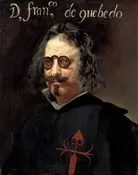
Francisco de Quevedo
1584-09-14 – 1645-09-08
Francisco de Quevedo y Villegas (1580-1645) was one of the greatest poets and prose writers of Spanish literature during the Golden Age. Known for his satirical, witty, and often dark style, Quevedo mastered a wide range of literary genres, from lyrical and philosophical poetry to satirical and political prose. His work reflects a cynical and realistic view of the society of his time, marked by social criticism and the exploration of themes of death, time, and the human condition. Quevedo is celebrated for his mastery of the Spanish language, his use of neologisms, and his ability to create vivid and impactful imagery.
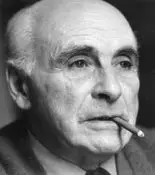
Francis Ponge
1899-03-27 – 1988-08-06
Francis Ponge was a French poet and writer, known for his unique and meditative approach to the material world and language. His work, which defies traditional categorizations, explores everyday objects and natural elements with philosophical depth and meticulous attention to the word. Ponge dedicated himself to deconstructing conventional poetry, focusing on sensory experience and the materiality of existence, which earned him a unique place in 20th-century literature.