Poem of the day

Grass

Carl Sandburg
Pile the bodies high at Austerlitz and Waterloo.
Shovel them under and let me work
-I am the grass; I cover all.

And pile them high at Gettysburg
And pile them high at Ypres and Verdun.
Shovel them under and let me work.
Two years, ten years, and the passengers ask the conductor:

What place is this?
Where are we now?

I am the grass.
Let me work.
Read full poem

Born on this day

18
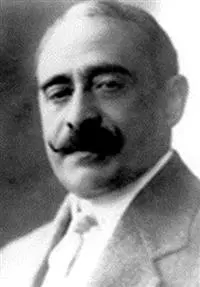
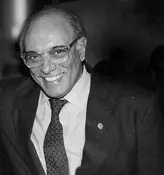
Vasco Graça Moura

Vasco Graça Moura was a multifaceted figure of Portuguese culture, excelling as a poet, essayist, literary critic, and translator. His poetic work is recognized for its erudition, rigorous formal construction, and exploration of complex themes, frequently interlinking history, mythology, and contemporaneity. With a dense and evocative language, Graça Moura addressed the human condition, memory, identity, and the individual's relationship with time and space. His vast culture and profound intelligence lent his writing a unique dimension, establishing him as one of the great names in Portuguese literature of the second half of the 20th century and early 21st century.

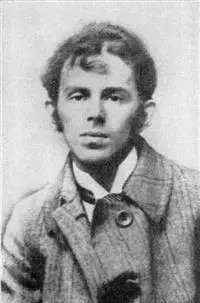
Ossip Mandelstam

Ossip Mandelstam was an influential Russian poet, considered one of the greatest exponents of 20th-century poetry. His work is marked by intellectual depth, richness of imagery, and the ability to evoke time and memory. He faced political repression in the Soviet Union, which led to his arrest and death in tragic circumstances. His poetry, although often dark and marked by pain, is a testament to the resilience of the human spirit and the power of art in the face of adversity.

Emiliano Perneta

Emiliano Perneta is an Angolan poet known for his work exploring identity, the human condition, and the complexities of society. His poetry is characterized by rich and evocative language, with influences ranging from African oral tradition to contemporary literary currents. Perneta addresses universal themes such as love, death, the search for meaning, and the marks left by history and culture.

Tamara Baroni

Tamara Baroni is a contemporary Brazilian poet, whose work stands out for its expressive force and themes that range between the personal and the social. Her poetry is often marked by direct and impactful language, addressing issues of identity, body, feminism, and the complexities of human relationships. With a writing style that fears neither experimentation nor vulnerability, Baroni crafts verses that resonate with the urgency of modern experience. Her poetic voice emerges as a powerful force in the current literary scene, engaging with the anxieties of her time and provoking reflection in the reader.

Beni Carvalho

Beni Carvalho is a poet who stands out for his ability to capture the essence of the human experience through rich and expressive language. His poetic work is an invitation to reflect on universal themes such as love, identity, the passage of time, and the search for meaning. With a keen sensitivity to the nuances of everyday life and the depths of the soul, Carvalho crafts verses that resonate with their authenticity and the power of the images they evoke. His poetry, marked by intrinsic musicality and deep empathy with the reader, solidifies his role as a sensitive chronicler of the human condition, exploring both the melancholy and the beauty of existence.

Carlos Edmilson Vieira

Carlos Edmilson Vieira is an Angolan poet and writer known for his poetic work that explores the depths of the human condition, identity, and memory. His compositions are often marked by rich and imagistic language, reflecting on the social and cultural landscape of Angola and the world. With a writing that oscillates between lyricism and social reflection, Vieira addresses themes such as saudade, justice, resistance, and the search for meaning in existence. His poetry is an invitation to introspection and a mirror of the complexities of contemporary life, consolidating him as a relevant voice in Portuguese-language literature.

Artur da Távola

Artur da Távola was a Portuguese poet, essayist, and translator, known for his deeply reflective work and his active participation in the cultural and political life of his time. His writing is marked by careful language and an often melancholic tone, exploring universal themes such as love, death, time, and the human condition. He also stood out for his work as a professor and his connection to various intellectual movements.

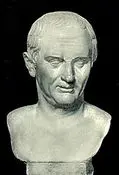
Cícero

Marcus Tullius Cicero was a prominent Roman statesman, lawyer, orator, and philosopher. Considered one of the greatest Latin orators and writers, Cicero played a crucial role in the transition from the Roman Republic to the Empire. His philosophical works, speeches, and letters offer an invaluable glimpse into the political and intellectual life of ancient Rome.

Gratitude is not only the greatest of virtues, but
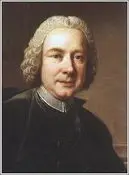
Pietro Metastasio

Pietro Metastasio (1698-1782) was an Italian poet and librettist, widely regarded as one of the greatest opera composers of his time. Born in Rome, his poetic skill made him famous throughout Europe. Metastasio wrote the librettos for many of the most popular operas of the 18th century, setting a standard for dramatic and lyrical form. His texts were known for their emotional depth, clarity, and elegance, influencing generations of composers and writers.

Carlos de Lemos

Carlos de Lemos was a Portuguese poet whose work stood out for its lyrical depth and exploration of existential themes. His poetry is characterized by careful language and a unique sensitivity for capturing the nuances of the human soul. Although discreet in his public life, his literary legacy endures through the expressive power and beauty of his compositions.

António Pereira Cunha

António Pereira Cunha was a poet whose work is part of the Portuguese literary landscape. His poetry, although with specific aspects yet to be explored, tends to reflect on the human experience and its nuances. His poetic work contributes to the diversity of literary expression in the Portuguese language.

John Gould Fletcher

John Gould Fletcher was an American poet associated with the Imagist movement. His work is known for its exploration of complex themes and formal experimentation. He sought to capture the essence of his observations and feelings through vivid imagery and precise language, reflecting a modern sensibility in his poetry.

Hannah Sullivan

Hannah Sullivan is a British poet and academic, with a poetic work distinguished by its intelligence, humor, and exploration of contemporary themes. Her poems often reflect on modern life, technology, and interpersonal relationships, with sharp and innovative language.

Eduardo Moreiras

Eduardo Moreiras was a Galician writer and professor, whose works explore identity, memory, and the human condition, with a style that frequently combines realism and lyricism. His writing reflects a deep sensibility and a keen eye on the complexities of life. As a professor by profession, he dedicated himself to literature as a form of expression and reflection on society and the individual. His work, although perhaps less publicized than that of other contemporary authors, possesses a notable literary quality and an invitation to introspection.

Julio César Jiménez

Julio César Jiménez is a writer and researcher, known for his work that bridges fiction and literary analysis. His work often delves into culture, history, and the complexities of identity, with an approach that seeks to unveil layers of meaning. Jiménez is recognized for his erudition and the originality of his perspectives.

Died on this day

7
Goulart Gomes

Goulart Gomes is a Portuguese poet whose work is distinguished by its exploration of language, its sonority, and its ability to evoke landscapes and sensations. His poetry, often marked by introspective lyricism and keen observation of the world, transitions between the personal and the universal, using stylistic resources that lend depth and expressiveness to his verses.

Américo Facó

Américo Facó was a Brazilian poet whose work was characterized by the exploration of themes such as the land, nature, the countryman, and social issues, especially those linked to the Northeast of Brazil. His poetry is marked by a strong regional identity, genuine lyricism, and a language that evokes orality and popular wisdom. With a keen sensitivity for portraying the daily life and aspirations of the northeastern people, Facó built a body of work that dialogues with Brazil's cultural roots, addressing the life, struggles, and hopes of his characters. His poetry is a testament to the strength and beauty of the sertão.

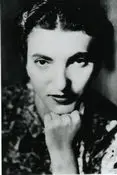
Rose Ausländer

Rose Ausländer was a poet of Romanian origin who wrote most of her work in German. Her poetry is deeply marked by experiences of exile, loss, and resilience, reflecting her journey through turbulent times and a constant sense of displacement. Her work is characterized by concise yet emotionally charged language and powerful imagery, exploring themes such as memory, identity, hope, and the search for a home. Rose Ausländer sought, through poetry, to find refuge and meaning in a frequently hostile and unstable world, leaving a poetic legacy of great strength and sensitivity.

Inácio de Morais

Inácio de Morais is a poet whose work is characterized by a deep connection to the land and nature, expressed through a rustic and authentic poetic language. His compositions evoke landscapes, traditions, and the soul of the people, reflecting a strong cultural identity and a sense of belonging. With verses that resonate with popular wisdom and the simplicity of everyday life, Morais builds a body of work that celebrates roots and identity, leaving a lyrical testimony of rural life and its people.

Lourenço de Cáceres

Lourenço de Cáceres was a poet whose work is part of the context of religious and mystical poetry, marked by deep spirituality and the pursuit of the divine. His writing reflects intense devotion and an exploration of the complexities of faith and the human soul before the transcendent. His poetic compositions are notable for their expressiveness and their ability to evoke feelings of veneration and contemplation.

António Matias

António Matias is a poet whose work stands out for its lyrical depth and exploration of themes such as identity, memory, and the human relationship with the surrounding world. His writing is marked by a refined language and a keen sensitivity to capture the subtleties of existence. Throughout his career, he has been building a body of work that reflects on the human condition, the passage of time, and the search for meaning, offering the reader a rich and contemplative poetic experience.