10 de March
Born on this day
17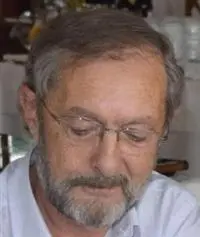
Fernando Correia Pina was a Portuguese poet whose work is distinguished by its lyrical dimension and exploration of themes such as love, saudade, and the ephemerality of life. His poetry, although not as widely publicized as that of some contemporaries, is valued for its sensitivity and careful language. His writing reflects a deep contemplation of the human condition and the complexities of interpersonal relationships, seeking to express the intensity of feelings with an authentic and introspective voice.

Brazilian repentista, poet, military officer, and civil servant.

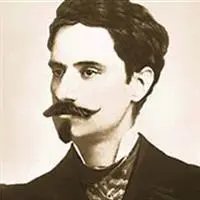
Pedro Militão Kilkerry was a Brazilian lawyer, journalist, and Symbolist poet.

Zito Batista is a Brazilian poet whose work stands out for its strong connection to popular culture and orality, using vibrant and musical language. His poetry frequently portrays the daily life, people, and landscapes of Brazil, especially the Northeast, with a sensitive and critical eye. Batista is recognized for his ability to give voice to social and existential themes in an accessible and impactful way.

Dórdio Leal Guimarães was a Portuguese poet, filmmaker, fiction writer, and journalist.
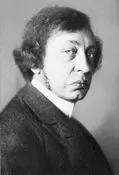
Karel Van de Woestijne was a Belgian poet and literary critic, considered one of the central figures of Flemish modernism. His work, marked by introspective and symbolist lyricism, often explores themes of spirituality, decadence, and the search for transcendence. He is known for his rich and evocative language, which influenced generations of Dutch-language poets.
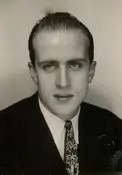
Boris Paul Vian was a polymath, identified with the surrealist movement and anarchism as a political philosophy. Nowadays he is mainly remembered for his novels and songs. His style was characterized as being highly individual, with numerous invented words and surreal plots always set in the author's very own universe. As an example, his novel <i>Outono em Pequim</i> takes place neither in Autumn nor in Beijing!

José Tomás da Fonseca was a farmer, former seminarian, poet, writer, historiographer, journalist, teacher, politician, and Portuguese republican militant of an atheist and anti-clerical nature. He belonged to the Democratic Unity Movement, Freemasonry, and the Portuguese Communist Party.


Zoraida Burgos is a Spanish writer and poet, known for her literary work that frequently addresses social and historical themes, as well as the human condition. Her writing is characterized by sensitivity and depth in exploring characters and narratives that resonate with reality and emotions. With a career dedicated to literature, Burgos has contributed to the Spanish-language literary scene with various works exploring different genres. Her voice is recognized for its strength and ability to connect with the reader through impactful and reflective stories.

Spanish writer and poet, Toni Ibáñez is known for his work that moves between lyricism and prose, exploring existential themes with a rich and imagistic language. His writing stands out for its reflective depth and its ability to evoke intense sensations and atmospheres, inviting the reader to immerse themselves in particular universes.

Alba Cid is a Spanish writer and poet who has stood out in the contemporary literary scene. Her poetic work is recognized for its sensitivity and ability to capture the essence of everyday experiences and deep feelings. She moves between poetry and other forms of literary expression, demonstrating versatility and a keen eye on the world around her.

Ama Codjoe is an American poet whose works explore American history, race, family, and ancestry with a lyrical and incisive approach. Her poetry intertwines personal narratives with historical events, offering new perspectives on the Black experience in the United States and the complexity of human relationships.

Leandro Fernández de Moratín was a Spanish playwright and prose writer, considered the most important figure of theatrical Enlightenment in Spain. His work is characterized by the application of Neoclassical rules, with a marked didactic purpose and social custom reform, especially regarding the condition of women and arranged marriages. A master of dialogue and characterization, his comedies are a critical reflection of the society of his time, as well as models of neoclassical theatrical precepts.
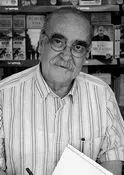
José Antonio Labordeta was a Spanish poet, singer-songwriter, politician, and professor, an emblematic figure of Aragonese culture and singer-songwriter tradition in Spain. His poetic and musical work is characterized by deep social and political commitment, a strong connection to his native land, Aragon, and an authentic, combative voice. Labordeta is remembered for his defense of freedoms, his criticism of power, and his ability to express the concerns of his people.

Community birthdays
1
Died on this day
14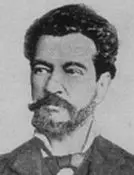
Bernardo Joaquim da Silva Guimarães was a Brazilian novelist and poet, known for having written the book A Escrava Isaura.
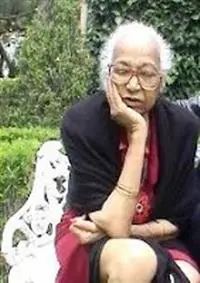
Maria Manuela Margarido was a Portuguese poet, teacher, and essayist, a prominent figure in Portuguese-language literature. Her poetic work, often associated with Neorealism, addresses social, political, and existential themes with direct language and a strong sense of intervention. A high school teacher, she also dedicated herself to the study of literature and cultural dissemination, leaving an important legacy as an intellectual and artist.

Odete Silva was a discreet but influential figure in Portuguese poetry, whose work is distinguished by introspection and a deep exploration of the human condition. Her writing, marked by a refined sensibility, addresses universal themes such as time, memory, and the ephemerality of life, with a language that combines clarity and subtle complexity. Her literary contribution, although less publicized during her lifetime, has been rediscovered and valued for its originality and the strength of its poetic imagery, consolidating her as a singular voice in contemporary poetry.
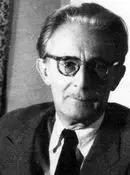
Paul Géraldy, pseudonym of Paul-Alexis-Léopold Bouton, was a French poet, novelist, and playwright. Born in Paris, Géraldy achieved great popularity in the early 20th century with his lyrical verses and theatrical plays that explored themes of love, youth, and human relationships. His work is characterized by an elegant and accessible style that won over a vast audience. He is remembered for his sensitivity in approaching feelings and for his ability to capture the atmosphere of his time. His works frequently portrayed the dilemmas and joys of Parisian life, making him a spokesperson for a generation.
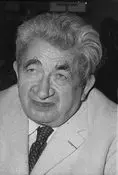
Jean Follain was a French poet and writer, born on August 29, 1903 in the village of Canisy, near Saint-Lô, the capital of Manche.

Palace poet. It is unknown whether he was a native of Madeira or went to that archipelago as a settler. He held sesmaria lands on the banks of the stream that still bears his name today.

Poetess and author of children's books, she also cultivated historical dissemination and was involved in social assistance works. She collaborated in various newspapers, such as Ocidente, Novidades, Tarde, O Dia, etc. She used the pseudonym Zoleica.

Poet and stage actor, he was an actor at the Teatro Experimental do Porto, under the direction of António Pedro, and settled in Lisbon in the early 60s, joining the companies of the Teatro Estúdio de Lisboa and the Teatro Nacional de D.


Julia Castillo is a contemporary Spanish writer, known for her contributions to literature, especially in the romance genre. Her work often explores the complexities of human relationships, the nuances of everyday life, and issues of identity, with a particular sensitivity to portraying the female universe. With an engaging prose and well-constructed characters, Castillo manages to captivate her readers, inviting them to reflect on deep aspects of the human experience. Her writing is marked by a keen observation of reality and a unique ability to create atmospheres that resonate with contemporary life.

Alfredo Bryce Echenique is a renowned Peruvian writer, known for his vibrant and humorous prose that frequently explores the complexities of Peruvian life and the experiences of the Latin American diaspora. His work is marked by memorable characters and narratives that blend the tragic and the comic, reflecting on identity, memory, and the human condition with a unique and engaging voice. With an unmistakable style, Bryce Echenique has won over readers and critics worldwide, solidifying his place as one of the most important exponents of contemporary Latin American literature. His novels are an invitation to immerse oneself in universes rich in detail, emotions, and profound reflections on life.