Poem of the day

Grass

Carl Sandburg
Pile the bodies high at Austerlitz and Waterloo.
Shovel them under and let me work
-I am the grass; I cover all.

And pile them high at Gettysburg
And pile them high at Ypres and Verdun.
Shovel them under and let me work.
Two years, ten years, and the passengers ask the conductor:

What place is this?
Where are we now?

I am the grass.
Let me work.
Read full poem

Born on this day

12
José Agostinho Baptista

José Agostinho Baptista was an Azorean poet and writer who marked 20th-century Portuguese literature. His poetic work, deeply connected to his native islands, explores themes such as saudade, identity, time, and the relationship between man, nature, and the universe. With a lyrical and imagistic style, Baptista left a significant legacy in contemporary poetry.

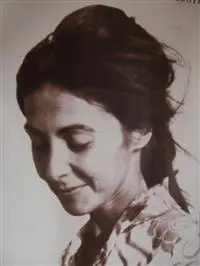
Fiama Hasse Pais Brandão

Fiama Hasse Pais Brandão was a Portuguese poet, playwright, and translator, known for her work marked by formal experimentation and the exploration of existential and social themes. Her writing is characterized by dense language and a strong rhythmic component, often associated with the Surrealist movement and concrete poetry. Throughout her career, she explored various forms of expression, including theater and poetic performance, leaving a significant legacy in contemporary Portuguese-language poetry.

Eunice Arruda

Eunice Arruda was a Brazilian poet, short story writer, and novelist, whose works explored the female condition and the complexities of human relationships. Her writing is marked by sensitivity and the ability to move between the intimate and the social, addressing themes such as love, loneliness, identity, and the passage of time. With a language that is sometimes lyrical, sometimes forceful, the author left an important legacy in contemporary Brazilian literature, especially for her contribution to the representation of female experiences.

Bernardo Guimarães

Bernardo Guimarães was a Brazilian poet and writer, considered one of the main representatives of Romanticism in Brazil. His work is marked by deep lyricism, with strong inspiration from nature and love, but also addresses social and historical themes, with emphasis on Indianism. He is the author of iconic works of Brazilian literature, such as "A Escrava Isaura" and "O Garatuja", which explore issues such as slavery and national identity, as well as poems that celebrate the beauty of the Brazilian natural landscape.

José Maria da Costa e Silva

José Maria da Costa e Silva was a multifaceted figure, with a body of work that encompassed poetry, literary criticism, and essayism. His poetry is often associated with deep lyricism and a reflection on identity, memory, and the individual's relationship with time. His intellectual journey was marked by a sharp critical sense and a constant search for the expression of the human soul in its most diverse facets.

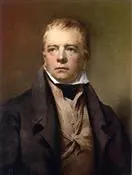
Walter Scott

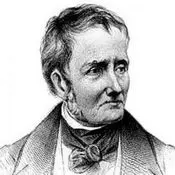
Sir Walter Scott (15 August 1771 – 21 September 1832) was a prolific Scottish poet, novelist, and historian. He is widely regarded as one of the pillars of the historical novel and a central figure of Romanticism in English literature. His work had an immense impact on the popular imagination, shaping the vision of past eras, especially the Middle Ages and the stories of the Scottish Highlands. Scott not only wrote but also helped preserve and popularize Scottish culture and traditions.

Manuel Mendes de Barbuda e Vasconcelos

Manuel Mendes de Barbuda e Vasconcelos was a Portuguese poet known for his lyrical work. His poetry explores universal themes such as love, nature, and the ephemerality of life, marked by careful language and a melancholic sensibility. His literary production is part of a transitional context between Arcadianism and Romanticism, reflecting the concerns and aspirations of his time. Although not a central figure in the history of Portuguese literature, his work contributes to the richness and diversity of 18th-century poetry.

Nita Lúpi

Nita Lúpi was a Portuguese poet and short-story writer, known for her lyrical work and her strong connection to the literary tradition. Her writing is characterized by deep sensitivity, exploring themes such as love, saudade, and the ephemerality of life, with a careful and evocative language. She actively participated in the cultural life of her time, contributing to the dissemination of Portuguese poetry.

Jeremías Marquines

Jeremías Marquines is an author whose work stands out for its expressive power and exploration of often-overlooked realities. His writing is marked by deep empathy and a unique ability to give voice to intense human experiences. With a career dedicated to literature, Marquines has established himself as an attentive observer of society, using his prose to provoke reflection and questioning. His work is a reflection of his worldview, where sensitivity and social critique go hand in hand.

Carmen Conde

Carmen Conde was a Spanish poet, narrator, and professor, one of the most relevant figures of the Generation of 1927, although often marginalized by traditional anthologies. Her poetic work is characterized by a deep connection with nature, the sea, the earth, and the human condition, expressed with language of great sensitivity and plasticity. She was a pioneer in the field of literary criticism and cultural promotion, as well as a tireless advocate for education and culture for all. Her life and literary trajectory is a testament to perseverance and commitment to the arts and ideas.

Died on this day

6
Euclides da Cunha

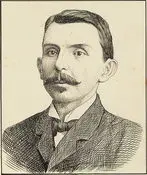
Euclides da Cunha was a notable Brazilian writer, journalist, and engineer, widely recognized for his masterpiece "Os Sertões." This seminal book is a detailed and multifaceted account of the War of Canudos, combining sociological, geographical, and historical analysis with powerful and engaging prose. His work transcends the mere description of a conflict, becoming a profound study of Brazilian national identity, social tensions, and the complex relationship between the coast and the backlands, man and land. Euclides da Cunha left a lasting legacy in Brazilian literature and social thought.

Giuseppe Parini

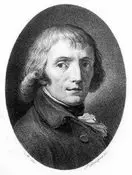
Giuseppe Parini (May 23, 1729 - August 15, 1799) was an Italian poet and abbot, considered one of the main representatives of the Enlightenment in Italy. He is famous for his satirical poem "Il Giorno" (The Day), which criticizes the customs of the nobility of the time.

Grazia Deledda

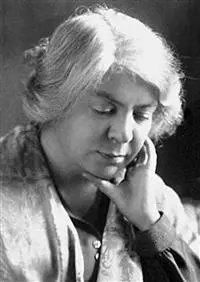
Grazia Deledda was an Italian writer, awarded the Nobel Prize in Literature in 1926. Her work, deeply rooted in Sardinia, explores the human condition, moral conflicts, and the power of fate. Deledda masterfully portrayed her homeland, its customs, and the psychology of its inhabitants, often through characters marked by intense passions and ethical dilemmas. Through rich and evocative language, the author gave voice to the landscapes and soul of Sardinia, addressing universal themes such as love, sin, redemption, and fatality. Her style, realistic yet charged with symbolism, earned her international recognition and established her as one of the most important voices in 20th-century Italian literature.

Patricia Beer

Patricia Beer was a British poet, novelist, and literary critic. Her poetic work is known for its intelligence, humor, and exploration of themes such as family life, relationships, and the female experience. She frequently used precise language and vivid imagery to capture nuances of everyday life. As a novelist, Beer wrote works that explored the complexities of human interactions, while her activity as a literary critic demonstrated a keen eye for English literature. She was an important voice in British poetry, admired for her originality and her ability to treat profound subjects with lightness and insight.

Howard Buck

Howard Buck is an author known for his contributions to literature. His work explores diverse themes, often with a deep look at the human condition and interpersonal relationships. He stands out for his engaging prose and his ability to create memorable characters that resonate with readers.