Juan Ramón Jiménez
Author of the day

Juan Ramón Jiménez

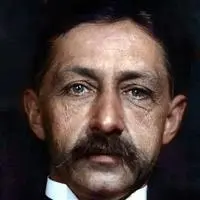
Juan Ramón Jiménez was a Spanish poet, awarded the Nobel Prize in Literature in 1956. His work, profoundly marked by symbolism and the desire for "pure poetry," evolved towards an incessant search for beauty and transcendence. His poetry explores themes such as nature, spirituality, love, and the very essence of poetry, with a refined, musical, and visionary style. He is considered one of the great renovators of 20th-century Spanish poetry.

Poem of the day

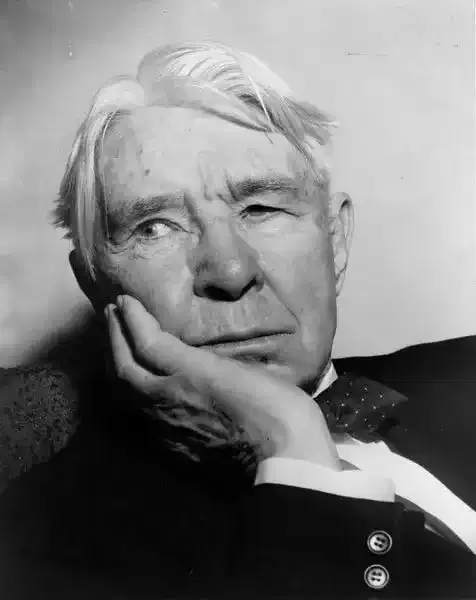
Grass

Carl Sandburg
Pile the bodies high at Austerlitz and Waterloo.
Shovel them under and let me work
-I am the grass; I cover all.

And pile them high at Gettysburg
And pile them high at Ypres and Verdun.
Shovel them under and let me work.
Two years, ten years, and the passengers ask the conductor:

What place is this?
Where are we now?

I am the grass.
Let me work.
Read full poem

Born on this day

12
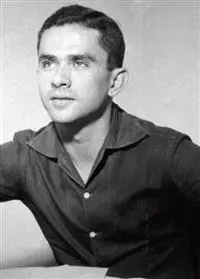
Mário Faustino

Mário Faustino was a Brazilian poet, critic, and translator, a prominent figure of the Generation of 45. His poetic work, though concise, is marked by formal experimentation, irony, and profound reflection on language and the human condition. As a critic, he stood out for his sharpness and innovative vision, contributing significantly to the renewal of literary criticism in Brazil. His work as a translator was also relevant, introducing important works of foreign literature to the country.

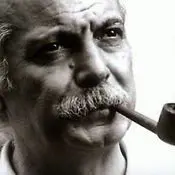
Georges Brassens

Georges Brassens was a French poet and singer-songwriter, known for his poetry that addresses themes such as freedom, friendship, love, and social criticism in an ironic and sometimes subversive way. His songs, often accompanied only by guitar, stand out for their colloquial language, metrical mastery, and ability to evoke deep emotions with simplicity and authenticity. Considered one of the greatest poets of the French language in the 20th century, Brassens left a lasting legacy in music and literature, influencing generations of artists with his humanist vision and rebellious spirit.

Doris Lessing

Doris Lessing was an Anglo-Iranian novelist and short-story writer, known for her works that explore social, political, and psychological issues, with a strong inclination towards science fiction and feminism. She was awarded the Nobel Prize in Literature in 2007.

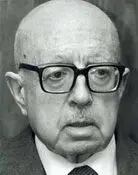
Dámaso Alonso

Dámaso Alonso y Perales was a Spanish poet, philologist, and literary critic. He is considered a central figure in the Generation of '27, a literary movement that marked 20th-century Spanish poetry. His poetic work is known for its introspection and reflection on the human condition, while his work as a philologist and critic left a lasting legacy in the study of the Spanish language and literature.

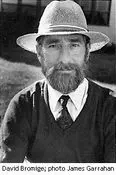
David Bromige

David Bromige was a Canadian-American poet associated with the San Francisco literary scene and the Poetry Renaissance movement. His work is known for its sharp intelligence, irreverent humor, and a fragmented, postmodern style that explores the nature of language, memory, and identity. Bromige often used collage and montage techniques, incorporating elements of popular culture and other forms of discourse into his poems. His poetry challenges traditional conventions, inviting the reader to navigate complex and often enigmatic textual landscapes.

Ivan Bunin

Ivan Bunin was a Russian writer, Nobel laureate in Literature in 1933, being the first Russian writer to receive such an honor. His work, predominantly in prose, explores with melancholy and lyricism the landscapes of Russia and the dilemmas of the human soul, also having dedicated himself to poetry.

António Carlos Cortez

António Carlos Cortez was a Portuguese poet, essayist, and translator whose work stands out for its intellectual depth, rigorous formal construction, and exploration of themes such as memory, time, history, and the human condition itself. His writing is marked by a dense, imagistic, and musical language, reflecting a profound knowledge of the literary tradition and a constant questioning of reality. With a multifaceted career that also included literary criticism and translation, Cortez left a significant legacy in contemporary Portuguese poetry, recognized for his originality and the reflective power of his verses.

José Martins Garcia

Portuguese poet whose work is marked by a deep reflection on the human condition, the passage of time, and the search for transcendence. His poetry, often existentialist in nature, explores solitude, memory, and the individual's relationship with the universe. The language used is dense and evocative, with a strong appeal to introspection and contemplation, consolidating him as an important voice in contemporary poetry.

Manuel Ferreira

Manuel Ferreira was a prominent Mozambican writer and academic, known for his extensive body of work in prose and poetry that explores the identity, culture, and history of Mozambique. His writing reflects a deep commitment to the social and political reality of his country, marked by the struggle for independence and the construction of a post-colonial nation. Ferreira was also an important figure in the African intellectual landscape, dedicating himself to the study and promotion of African literature and culture.

Rui Correia Leite

Rui Correia Leite is a poet whose work is characterized by the exploration of the inner and outer landscape, with a strong appeal to sensitivity and reflection. His poetry addresses themes such as memory, identity, and the human being's relationship with the world, using careful language and suggestive imagery. He is a relevant voice in contemporary Portuguese-language poetry.

Eva Veiga

Eva Veiga is a Galician writer and poet, with a body of work that moves between poetry, prose, and essay. Her writing is marked by sensitivity, reflective depth, and a keen eye for existential and social issues. She often explores themes such as nature, time, memory, and the human condition. Her poetic work is known for its musicality and imagistic strength, while her prose is dedicated to unraveling the complexities of daily life and interpersonal relationships. Eva Veiga is a consistent voice in contemporary Galician literature.

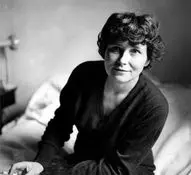
Mary Jo Bang

Mary Jo Bang is an American poet, translator, and professor. Her poetic work is known for its clarity, precision, and the way it explores themes of pain, loss, love, and the search for meaning amidst the complexity of life. She is admired for her ability to handle deep emotions in a restrained yet powerful way. As a translator, Bang has demonstrated mastery in rendering works by foreign poets into English, particularly the poetry of French-speaking authors. Her linguistic sensitivity and deep understanding of poetry allow her to capture the essence and musicality of the original texts.

Died on this day

11
Oswald de Andrade

Oswald de Andrade was a Brazilian poet, novelist, and essayist, a central figure of modernism in Brazil. His work is marked by irreverence, linguistic experimentation, and a strong critique of traditional values and foreign influence on Brazilian culture. He was one of the initiators of the Modern Art Week of 1922, an event that introduced European avant-gardes to the country, proposing a genuinely national art, stripped of academicism and focused on Brazilian roots.

Artur de Azevedo

Considered one of the greatest figures of Portuguese theater, Artur de Azevedo stood out as a playwright, director, and impresario. His vast work, which includes comedies, farces, and dramas, sagaciously and humorously portrays the Lisbon society of his time, exploring the customs, intrigues, and idiosyncrasies of the bourgeoisie. He was a pioneer in the modernization of theater in Portugal, introducing new staging techniques and promoting the renewal of the repertoire.

Raul Machado

Raul Machado was a Portuguese poet and writer, known for his contribution to 20th-century literature. His work deeply explores existential themes and the human condition, marking the poetic landscape with a unique style. His literary incursions reflect a refined sensitivity and a critical eye on society and art.

Madi

Madi is a prominent figure in contemporary poetry, known for her exploration of existential and social themes through lyrical and innovative language. Her work stands out for its ability to move between the personal and the universal, addressing the complexities of identity and the human condition. Her poetry is often characterized by deep introspection, combined with a keen observation of the world around her. Madi has established herself as an influential voice, engaging with poetic traditions while simultaneously proposing new forms of expression.

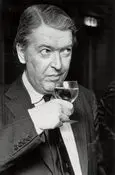
Kingsley Amis

Sir Kingsley Amis was a prominent English novelist, poet, and critic. He is best known for his novels, particularly 'Lucky Jim,' which satirized British academic life. Amis was a central figure in post-war literature, associated with the 'Angry Young Men' movement, though he himself rejected the label.

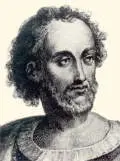
Mathurin Régnier

Mathurin Régnier was a French satirical poet, nephew of fellow poet Jacques Grévin. He was born in Chartres in 1573 and died in 1613. Known for his witty and often irreverent satires, his work is characterized by a sharp style and keen observation of the society of his time.

João Apolinário

João Apolinário was a Portuguese poet whose work is part of the context of contemporary poetry. His writing is marked by a profound reflection on the human condition, time, and memory, with a refined language and a strong imagery.

Pierre Oster

Pierre Oster is a less prominent name in literature compared to others on the list, and detailed biographical information about him as a literary author, poet, or writer is scarce in public sources. It is possible that the name refers to a public figure in another field or to an author with a more restricted or less documented work. Without concrete information about his literary output, work, or significant contributions to poetry or writing, it is not possible to provide a detailed bio or biography that meets the established rules. Priority is given to authors with a confirmed and documented literary presence.

Humberto Díaz Casanueva

Humberto Díaz Casanueva was a prominent Chilean poet and essayist, known for his deep reflection on existence, time, and the human condition. His poetic work is marked by lyrical and philosophical language, exploring solitude, memory, and the search for transcendence. Considered one of the most important voices in 20th-century Chilean poetry, Casanueva developed an introspective and contemplative style, which engages with existential and metaphysical currents. His essays also contributed to literary and philosophical criticism in his country.

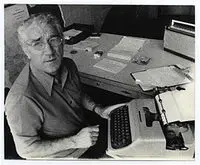
Richard Hugo

Richard Hugo was an influential American poet, known for his lyrical and often melancholic poetry, which frequently explored the landscape and life in the lesser-known regions of America. His work is characterized by a deep sense of place, a keen eye for ordinary people, and an exploration of the human condition with honesty and compassion. Hugo was also an important creative writing teacher, inspiring many students with his passion for poetry and his dedication to the art.

Alí Chumacero

Alí Chumacero was a distinguished Mexican poet, essayist, and literary critic, whose work is characterized by a deep reflection on the human condition, the passage of time, and the beauty of language. His poetry, often marked by a melancholic and contemplative tone, explores universal themes with great formal mastery and a particular lyrical sensibility. He was an influential figure in 20th-century Mexican literature, not only for his poetic work but also for his role as a cultural promoter and editor, leaving a significant legacy in Hispanic letters.