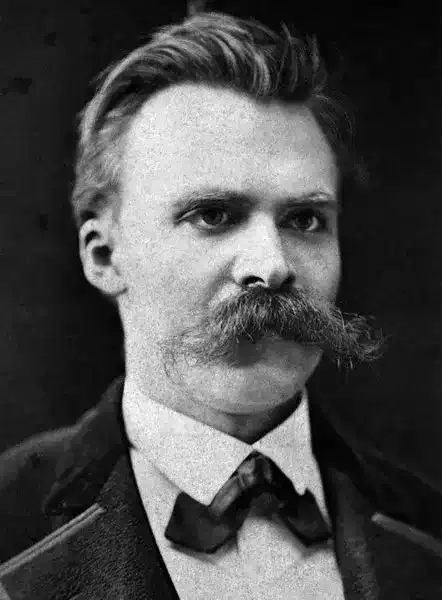
Friedrich Nietzsche
Author of the day

Friedrich Nietzsche

Friedrich Nietzsche was an influential German philosopher, philologist, and cultural critic. His work addresses themes such as morality, religion, truth, art, and the human condition, with a radical critique of traditional Western values. He is known for concepts such as the "death of God", the "superman" (Übermensch), and the "will to power" (Wille zur Macht). His writing is marked by an aphoristic and provocative style, which challenges the reader to rethink their beliefs and values.

Poem of the day

Grass

Carl Sandburg
Pile the bodies high at Austerlitz and Waterloo.
Shovel them under and let me work
-I am the grass; I cover all.

And pile them high at Gettysburg
And pile them high at Ypres and Verdun.
Shovel them under and let me work.
Two years, ten years, and the passengers ask the conductor:

What place is this?
Where are we now?

I am the grass.
Let me work.
Read full poem

Born on this day

16
Nuno Júdice

Nuno Júdice was a prominent Portuguese poet, essayist, novelist, and literary critic. His poetic work is characterized by intelligence, irony, and a constant questioning of language, identity, and reality itself. With a style that moves between the lyrical and the reflective, Júdice addressed universal themes such as time, memory, love, and the human condition, always with a sharp eye on the paradoxes of existence. His vast output, recognized nationally and internationally, establishes him as one of the most important authors of contemporary Portuguese-language literature.

Sérgio Jockyman

Sérgio Jockyman is a contemporary Brazilian poet, whose work stands out for its exploration of existential, social, and philosophical themes, often intertwined with a deep reflection on language and the human condition. His poetry, marked by precise language and a critical view of the world, addresses solitude, the search for meaning, and the complexity of interpersonal relationships, consolidating him as a relevant voice in current Brazilian poetry.

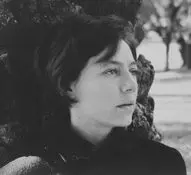
Alejandra Pizarnik

Alejandra Pizarnik was an internationally renowned Argentine poet, known for her work marked by existential anguish, the exploration of silence, and the incessant search for a language capable of naming the unspeakable. Her poetry, often dark and introspective, delves into themes such as death, emptiness, solitude, lost childhood, and the desire for annihilation. With an aesthetic that oscillates between the dreamlike and the nightmarish, Pizarnik used concise and fragmented language, laden with striking imagery and a unique musicality, which made her an iconic figure in 20th-century Latin American poetry. Her life, marked by crises and profound melancholy, is reflected in the intensity and vulnerability of her writing.

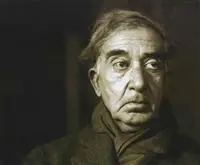
Konstantínos Kaváfis

Konstantinos Kavafis was a Greek poet, widely considered one of the most important figures in modern Greek literature. His work is known for its historical and philosophical depth, exploring themes such as memory, time, identity, and desire, often with a melancholic and ironic perspective. Known for his unique approach to poetry, Kavafis combined classical style with innovative language, reflecting the complexity of the human experience and the richness of Hellenic heritage. His influence extends beyond Greece, being internationally recognized as a poet of profound universal resonance.

Nelson Norberto Rodrigues

Nelson Norberto Rodrigues is a name associated with literary production, with a body of work that fits within the context of Portuguese literature. His writing, although less prominent in terms of mass recognition, contributes to the mosaic of literary expression of his time. The exploration of themes and forms in his work reflects an individual journey within the literary landscape, worthy of attention from scholars and literature enthusiasts who seek the diversity of voices and styles that make up literary history.

Danilo Melo

Danilo Melo is a poet whose work stands out for its originality and exploration of new poetic languages. With a writing that moves between the intimate and the social, his verses address themes such as memory, identity, and the complexities of human relationships. His poetry is marked by a unique ability to capture the ephemerality of moments and the persistence of emotions. Danilo Melo has been establishing himself as a distinctive voice in Lusophone poetry, attracting readers with his sensitivity and the relevance of his concerns.

Jaime Cortesão

Jaime Cortesão was a Portuguese historian, university professor, and politician. He stood out for his vast historiographical work, centered on the history of Portugal and Brazil, and for his active role in the country's political and cultural life. His historical research addressed topics such as the Portuguese Discoveries, the formation of Brazilian identity, and the Portuguese-Brazilian relationship. He was also an advocate for democratization and social progress.

Pedro António Correia Garção

Pedro António Correia Garção was a Portuguese poet, notable for his contribution to Neoclassical poetry in Portugal. His work is marked by clarity, the pursuit of formal perfection, and themes that evoke classical antiquity, nature, and human feelings in a restrained and elegant manner. Garção is remembered as one of the exponents of Arcadianism in Portugal, valuing reason, harmony, and inspiration from Greco-Latin models. Although his life was relatively short, his poetic legacy left a significant mark on 18th-century Portuguese literature.

João de Oliveira Penha

João de Oliveira Penha was a Portuguese poet known for his lyricism, although his work is difficult to categorize and less widely known. His poetic compositions often explore introspection and melancholy, with a style marked by subtlety and the intrinsic musicality of verse. His contribution to Portuguese poetry, despite being discreet in terms of mainstream recognition, lies in the depth of his reflections on existence and human emotions.

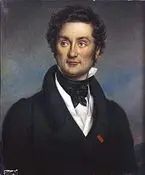
Charles Nodier

Charles Nodier was a French writer, librarian, and politician. He stood out in the literary movement of Romanticism, although he maintained a connection with Classicism. He was one of the founders of the Société des antiquaires de France and one of the first members of the French Academy.

Marcel Marien

Marcel Marien (1920-2014) was a Belgian poet, essayist, and photographer, a prominent figure in surrealism. Born in Antwerp, Marien dedicated his life to exploring the boundaries of art and imagination. He passed away in Uccle.

Maria Alzira Seixo

Maria Alzira Seixo is a prominent Portuguese literary critic, essayist, and university professor. Her work focuses on the analysis of Portuguese literature, with special attention to the modernist period and the work of Fernando Pessoa. She is known for her rigorous academic approach and the depth of her reflections on Portuguese poetry and prose.

Fernando Vieira

Fernando Vieira is a poet whose work is characterized by lyrical intensity and the exploration of profound themes of the human condition, such as love, loneliness, and the search for meaning. His writing, marked by careful language and keen sensitivity, reflects a keen eye on the world and the complexities of interpersonal relationships. Vieira's poetry invites introspection, encouraging the reader to confront their own emotions and reflections on existence.

Javier Peñas Navarro

Javier Peñas Navarro is a Spanish writer whose works explore the complexities of the human condition and interpersonal relationships. His writing is marked by deep sensitivity and keen observation of the details that make up everyday life.

Jeff Clark

Jeff Clark is a writer whose works are characterized by engaging narrative and the development of intriguing plots. He has a particular interest in exploring the complexities of human nature and the consequences of individual choices.

Died on this day

9
Virgínia Schall

Virgínia Schall was a Brazilian writer, translator, and professor, notable for her contribution to children's and young adult literature, as well as for her essayistic work. Her writing for children and young people was characterized by sensitivity, inventiveness, and the ability to address complex themes in an accessible and playful way. As a translator, she brought significant works by foreign authors to the Brazilian public. Her academic career as a university professor also marked her trajectory, influencing generations of students and literary researchers.

Konstantínos Kaváfis

Konstantinos Kavafis was a Greek poet, widely considered one of the most important figures in modern Greek literature. His work is known for its historical and philosophical depth, exploring themes such as memory, time, identity, and desire, often with a melancholic and ironic perspective. Known for his unique approach to poetry, Kavafis combined classical style with innovative language, reflecting the complexity of the human experience and the richness of Hellenic heritage. His influence extends beyond Greece, being internationally recognized as a poet of profound universal resonance.

António Afonso Bernardino

António Afonso Bernardino is a poet whose work is characterized by a strong connection to the land and roots, exploring themes such as identity, memory, and ancestry. His poetry reflects a keen eye on the landscapes, traditions, and experiences of the rural world, interweaving nostalgia with a celebration of life. With accessible yet meaningful language, Bernardino invites contemplation of the essence of things and the rediscovery of the values that shape human existence, honoring cultural heritage.

Nilto Maciel

Nilto Maciel is an acclaimed name in contemporary poetry, celebrated for his unique ability to weave verses that explore human fragility, the ephemeral beauty of the world, and the search for meaning amidst everyday life. His work, marked by clear language and deep introspection, invites the reader to revisit their own emotions and experiences. Maciel has established himself as an authentic and necessary voice, whose poetry resonates with touching honesty and singular beauty.

Ovídio Martins

Ovídio Martins was an Azorean poet, playwright, and short story writer, whose work is deeply rooted in the identity and landscapes of the islands. His writing explores themes such as saudade, the human condition, religiosity, and social relations, with a language that reflects the orality and sensibility of the Azorean people. A central figure in Azorean culture, Martins dedicated himself to the preservation and valorization of local culture, leaving a literary legacy that continues to echo the soul and traditions of the archipelago.

Antônio de Godói

Antônio de Godói was a Brazilian historical figure, notably associated with the Empire of Brazil and the politics of the time. His relevance lies in his participation in important events and in his work as a diplomat and administrator. His trajectory is intertwined with periods of political transition and with the international relations of imperial Brazil, reflecting a period of formation of national identity and consolidation of the Brazilian State.

Onésimo Silveira

Onésimo Silveira was a Cape Verdean poet, writer, activist, and politician. His poetic work is deeply marked by Cape Verdean identity, saudade, the land, and the fight against oppression and injustice. He was a prominent figure in the cultural and political affirmation of Cape Verde, both in his literary aspect and his civic intervention. His writing, which moves between lyricism and social denunciation, reflects a strong commitment to the emancipation of his people and the valorization of Creole culture. His poetry is a testament to the resilience and hope of a people grappling with history and geography.

Tomás de Figueiredo

Tomás de Figueiredo was a Portuguese poet whose work is part of the more traditional and lyrical poetry. Characterized by a careful style and the exploration of themes such as nature, love, and melancholy, his poetry reflects a refined sensibility and deep lyricism. Although he was not a central figure in the avant-garde movements, his contribution to Portuguese poetry lies in maintaining a lyrical line of great quality, with verses that evoke an atmosphere of contemplation and formal beauty. His work is a testament to the expressive power of more classical poetry.