

Awards
Prêmio Alphonsus de Guimaraens
Description
The Award and its Origin
The Alphonsus de Guimaraens Award is a distinction of great prestige in the Brazilian literary scene, awarded annually by the Brazilian Academy of Letters (ABL). Its name honors the poet Alphonsus de Guimaraens (1870-1921), one of the exponents of Symbolism in Brazilian literature, known for his mystical, dreamlike, and profoundly musical poetry. The choice of the name already indicates the nature and spirit of the award: the valorization of poetry that seeks transcendence, formal beauty, and thematic depth.
Objectives and Selection Process
Created to encourage and recognize poetic production in Brazil, the award's main objective is to honor works that demonstrate originality, aesthetic quality, and artistic relevance. The ABL, as the highest institution of letters in the country, confers significant weight and credibility to the Alphonsus de Guimaraens Award. The selection of awardees is carried out by a jury composed of members of the Academy itself, literary specialists, and renowned literary critics, ensuring a rigorous process aligned with the highest standards of literary evaluation.
History and Flexibility of the Award
Throughout its history, the Alphonsus de Guimaraens Award has been an important platform for the consecration of established poets and the recognition of new talents emerging in the Brazilian poetic scene. The award is not limited to a single author; in some editions, it may be granted to more than one poet, depending on the quality and quantity of works submitted and evaluated. This flexibility allows the Academy to encompass a broader spectrum of talents and styles within the diversity of contemporary poetry.
Evaluation Criteria
The evaluation criteria, although not rigidly and publicly specified, generally take into account linguistic innovation, expressive force, thematic originality, work cohesion, and the poet's overall contribution to the development of Brazilian poetry. With this award, the ABL seeks not only to celebrate the present of poetry but also to stimulate the continuity of a rich and constantly renewing literary tradition.
Cultural Relevance and Ceremony
The relevance of the Alphonsus de Guimaraens Award transcends individual recognition. It functions as a barometer of the vitality of poetry in Brazil, highlighting authors and works that shape the literary landscape and influence future generations. The award ceremony, frequently held at the ABL headquarters in Rio de Janeiro, is an important cultural event, bringing together writers, academics, critics, and literature lovers, reinforcing poetry's role as a fundamental form of artistic expression for Brazilian cultural identity.
Nature and Legacy
Although there are no specific categories as in other awards, the focus is always on poetic work as a whole. The ABL may, on special occasions, grant honorable mentions or special awards, but the Alphonsus de Guimaraens Award is the main distinction for poetry. The history of the award is intrinsically linked to the history of the Academy itself and the evolution of Brazilian poetry, reflecting the trends, debates, and achievements of the genre over the decades. It is an award that remains true to the legacy of its patron, Alphonsus de Guimaraens, celebrating poetry in its purest and most elevated form.
Winners

Leonardo Gandolfi


Ricardo Domeneck

Jacyntho José Lins Brandão

Alexei Bueno
Alexei Bueno is a Brazilian poet, essayist, and translator, recognized for his work that navigates between tradition and modernity, with a strong influence of metalanguage and reflection on the art of writing itself. His poetry is marked by formal rigor, exploration of language, and themes that include memory, time, identity, and the search for meaning. With a vast production encompassing poetry books, critical essays, and translations, Alexei Bueno has established himself as a unique voice in contemporary Brazilian literature, engaging with past masters and proposing new aesthetic approaches.

Rodrigo Luiz P. Vianna

Maria Fernanda Elias Maglio

Francisco Mallmann
Francisco Mallmann is a Brazilian poet known for his lyrical and introspective work, which explores themes such as memory, identity, landscape, and human relationships. His poetry is characterized by careful language and a keen sensitivity to the nuances of feeling and perception. Mallmann has contributed to the literary scene with an authentic and reflective voice, engaging with poetic tradition while imprinting a personal and contemporary mark on his verses.

Natasha Tinet
Natasha Tinet is an emerging figure in the literary scene, with a poetic work that stands out for its lyrical intensity and exploration of themes such as intimacy, human fragility, and the search for connection. Her writing is marked by sharp sensitivity and a language that, at times, adopts a confessional and introspective tone. Tinet's poetry invites reflection on the complexities of human relationships, emotions in their purest form, and the ephemerality of existence. Through verses that seek authenticity, she builds a poetic universe where vulnerability becomes strength and words become a vehicle for self-knowledge and empathy.

Paulo Henriques Britto
Paulo Henriques Britto is a Brazilian poet, translator, and professor. His poetic work stands out for its formal intelligence, irony, and reflection on themes such as everyday life, the ephemerality of life, and human relationships. Britto is also a recognized English-language translator, having rendered works by authors such as Shakespeare, T.S. Eliot, and Raymond Carver into Portuguese.

Francesca Angiolillo
Francesca Angiolillo is a contemporary poet, known for her writing that explores intimacy, memory, and the individual's relationship with the world. Her poetry is characterized by clear language and an introspective approach, inviting reflection on everyday experiences and their emotional resonances. She is an emerging voice in Italian-language poetry.
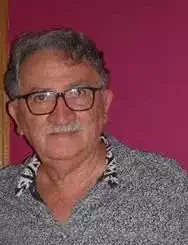
José Mário Rodrigues
José Mário Rodrigues was a poet and writer whose work stands out for its lyrical and reflective depth. Throughout his career, he explored universal themes such as love, the ephemerality of time, and the search for meaning, often imbued with a subtle melancholy. His writing is characterized by careful and musical language, inviting the reader to an introspective immersion. Although not a widely recognized name in popular anthologies, his poetic legacy lies in his ability to touch the reader with a rare sensitivity and a unique perspective on the human condition.

Marcelo Montenegro
Marcelo Montenegro is a Brazilian poet and translator. His poetic work often explores the relationship between word, body, and memory, with an introspective and sometimes melancholic tone. Montenegro is also an important translator of English-language authors, contributing to the dissemination of significant works in Brazilian literature. His poetry is marked by vocabulary precision and the exploration of the nuances of human experience.

Sérgio Medeiros
Sérgio Medeiros is a poet whose work stands out for its introspection and exploration of the human condition. His writing is marked by careful language and the ability to evoke powerful images, frequently exploring universal themes such as love, loss, and the passage of time. His poetry invites reflection on existence and the complexities of human relationships, consolidating him as a relevant voice in contemporary literature.
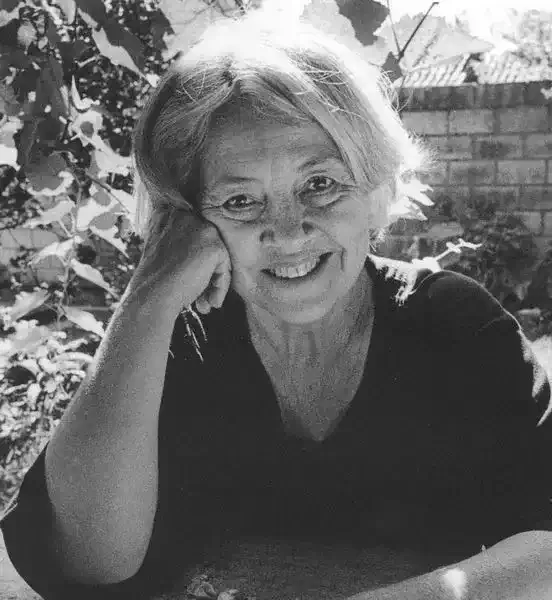
Adélia Prado
Adélia Prado is a contemporary Brazilian poet, known for her poetry that intertwines the everyday with the sacred, the profane with the spiritual, and the trivial with the transcendent. Her work, marked by direct, colloquial, and sometimes unexpectedly lyrical language, reflects a profound contemplation of the female condition, faith, the body, death, and the search for meaning in a reality often devoid of transcendence. Prado offers a unique vision of urban life and human relationships, where poetry emerges from the simplest gestures and most common moments, revealing the beauty and mystery hidden in everyday experience.
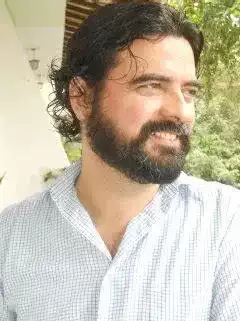
João Filho
João Filho is a Brazilian poet, essayist, and literary critic, recognized for his work that explores the complexities of language, the ephemerality of time, and the human condition. With a style that shifts between lyricism and philosophical reflection, Filho investigates the potential of poetic language, addressing themes such as memory, identity, and the individual's relationship with the world. His literary output is distinguished by its originality and the depth of its aesthetic inquiries, inviting the reader on a journey of discovery and questioning. João Filho's work is a relevant contribution to contemporary Portuguese-language poetry, marked by intelligence and sensitivity.
Samarone Lima de Oliveira
Samarone Lima de Oliveira is a contemporary Brazilian poet, known for his poetry that oscillates between lyricism and social reflection. His work explores themes such as identity, memory, the city, and human relationships, with a language that seeks purity and expressiveness. He stands out for the sensitivity in approaching his themes and for the construction of striking poetic images.
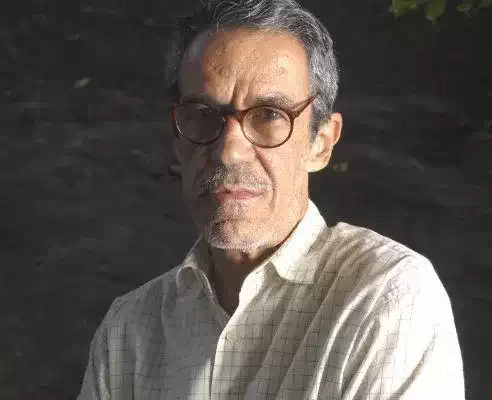
Armando Freitas Filho
Armando Freitas Filho was a Brazilian poet whose work stood out for its formal experimentation and exploration of themes such as memory, time, and the human condition. His poetry is marked by dense language and a profound reflection on language and poetry itself. Throughout his career, he consolidated a unique style that dialogues with tradition while pointing towards the avant-garde. His contribution to Brazilian literature is recognized for its originality and ability to move between lyricism and metalanguage, leaving a legacy of works that continue to challenge readers and critics.

Ana Martins Marques
Ana Martins Marques is a contemporary Brazilian poet, known for her introspective poetry and exploration of themes such as memory, time, and the human condition. Her work stands out for its lyrical delicacy and ability to evoke precise and sensory images, often exploring the relationship between the body, language, and the world.
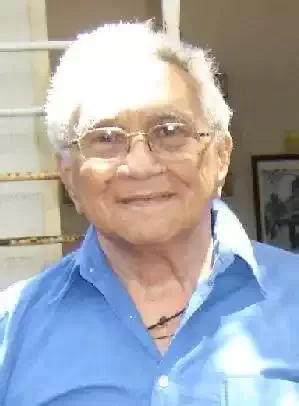
Daniel Lima
Daniel Lima is a poet whose work is characterized by its strong connection to the land and traditions, combined with a profound reflection on identity and memory. His poetry is marked by an expressive and imagistic language, which evokes landscapes and feelings with remarkable vivacity. He explores themes such as ancestry, the cyclical nature of time, and the human experience in dialogue with its environment. The poet distinguishes himself by his ability to fuse the local with the universal, drawing parallels between cultural roots and existential anxieties. His work has been praised for its authenticity and lyrical strength, contributing to a renewed vision of contemporary poetry.
Adélia Prado
Adélia Prado is a contemporary Brazilian poet, known for her poetry that intertwines the everyday with the sacred, the profane with the spiritual, and the trivial with the transcendent. Her work, marked by direct, colloquial, and sometimes unexpectedly lyrical language, reflects a profound contemplation of the female condition, faith, the body, death, and the search for meaning in a reality often devoid of transcendence. Prado offers a unique vision of urban life and human relationships, where poetry emerges from the simplest gestures and most common moments, revealing the beauty and mystery hidden in everyday experience.

Marina Colasanti
Marina Colasanti is a renowned Brazilian visual artist and writer, born in Italy. Her poetic work is marked by a unique delicacy and a deep exploration of the feminine universe, dreams, and imagination. With accessible language, yet loaded with symbolism, she moves between the real and the fantastic, inviting the reader to reflect on the complexities of existence and the nuances of human relationships. Her production encompasses poetry, short stories, and illustrated books, consolidating her as a singular voice in contemporary literature.
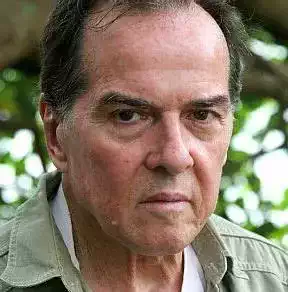
Roberto Piva
Roberto Piva was a Brazilian poet, a prominent figure in marginal and experimental poetry in Brazil. His work is marked by a visceral, urban, and irreverent language, exploring themes such as the city, the body, desire, and social criticism in a raw and direct way. Piva stood out for his ability to capture the effervescence and conflicts of modern life, using an innovative style that broke with the literary conventions of his time. His poetry, often performative, reflected the challenging and libertarian spirit of the 1970s, consolidating him as one of the most original and impactful names in contemporary Brazilian poetry.
Paulo Henriques Britto
Paulo Henriques Britto is a Brazilian poet, translator, and professor. His poetic work stands out for its formal intelligence, irony, and reflection on themes such as everyday life, the ephemerality of life, and human relationships. Britto is also a recognized English-language translator, having rendered works by authors such as Shakespeare, T.S. Eliot, and Raymond Carver into Portuguese.
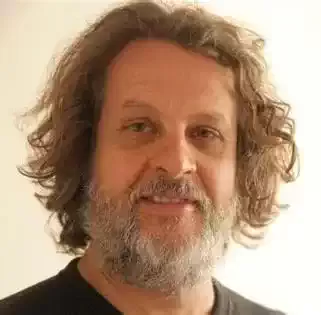
Renato Rezende
Renato Rezende is a contemporary Brazilian poet, known for his poetry that oscillates between introspective lyricism and attentive observation of everyday life. His work explores the delicacy of human relationships, the ephemerality of time, and the search for meaning amidst the banality of modern life. With accessible yet sensitive language, Rezende has been making a name for himself in the recent Brazilian literary scene.
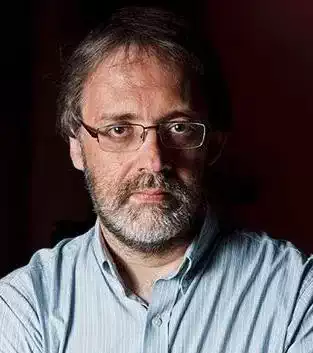
Marco Lucchesi
Marco Lucchesi is a Brazilian poet, translator, and essayist, recognized for his poetic work that explores the relationship between word and image, memory and time, and the sacred in everyday life. With a dense and imagistic language, Lucchesi has been one of the most important names in contemporary Portuguese-language poetry, receiving several awards and being translated into various languages. He is currently a member of the Brazilian Academy of Letters.

Antônio Carlos Secchin
Antônio Carlos Secchin is a Brazilian poet, essayist, and literary critic. His poetic work is notable for its erudition, formal sophistication, and exploration of universal themes such as love, death, time, and memory, often with a gaze that transitions between the personal and the universal. As an essayist and critic, he stands out for the depth of his analyses on Brazilian and universal literature, especially poetry.

Eucanaã Ferraz
Eucanaã Ferraz is a Brazilian poet, translator, and essayist. His poetic work is distinguished by its intelligence, its capacity for articulation between the erudite and the popular, and its exploration of themes such as memory, history, the city, and language itself. He is one of the important names in contemporary Brazilian poetry, recognized for his original voice and formal quality.
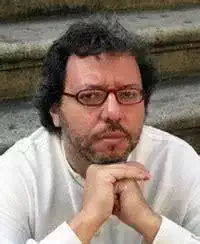
Carlito Azevedo
Carlito Azevedo is a Brazilian poet, translator, and editor. His poetic work is marked by concise and imagistic language, exploring themes of everyday life, memory, and the human condition with a tone that is sometimes melancholic, sometimes ironic. As an editor, he played a relevant role in the dissemination of contemporary poetry, and as a translator, he brought important works of foreign literature into Portuguese. His work in the literary scene, both as a creator and a cultural agent, has solidified his position in recent Brazilian poetry.
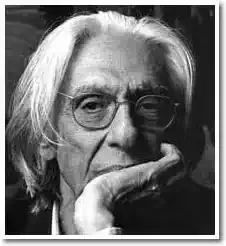
Ferreira Gullar
José Ribamar Ferreira de Araújo da Costa, known as Ferreira Gullar, was one of the most influential Brazilian poets and intellectuals. His work spans various phases, from concrete poetry to more existential and reflective poetry, always marked by a deep engagement with social and human reality. Gullar also stood out as a columnist, art critic, and essayist, leaving a multifaceted legacy in Brazilian culture.
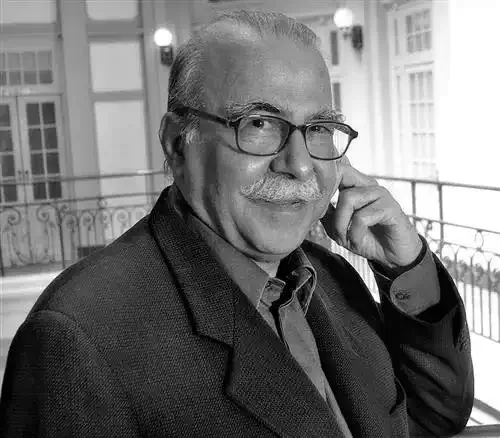
Mário Chamie
Mário Chamie was a Brazilian poet and translator, recognized for his work that moves between tradition and experimentation, exploring themes such as identity, religiosity, love, and the human condition. His poetry is marked by formal rigor, dense language, and innovative imagery, reflecting a deep interest in philosophy and various cultural manifestations. He was also an important promoter of foreign literature in Brazil through his translations.
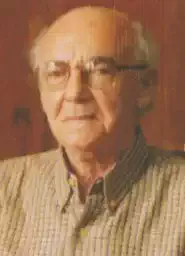
Francisco Carvalho
Francisco Carvalho is a Portuguese poet whose work is characterized by a strong lyrical and introspective vein, exploring themes such as memory, the ephemerality of time, and the human condition. With careful language and keen sensitivity, Carvalho constructs inner landscapes in his verses that resonate with the universal experience of feeling and existing.
Paulo Henriques Britto
Paulo Henriques Britto is a Brazilian poet, translator, and professor. His poetic work stands out for its formal intelligence, irony, and reflection on themes such as everyday life, the ephemerality of life, and human relationships. Britto is also a recognized English-language translator, having rendered works by authors such as Shakespeare, T.S. Eliot, and Raymond Carver into Portuguese.
Paulo Henriques Britto
Paulo Henriques Britto is a Brazilian poet, translator, and professor. His poetic work stands out for its formal intelligence, irony, and reflection on themes such as everyday life, the ephemerality of life, and human relationships. Britto is also a recognized English-language translator, having rendered works by authors such as Shakespeare, T.S. Eliot, and Raymond Carver into Portuguese.
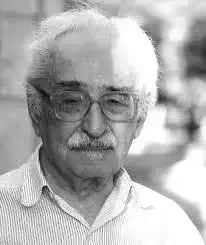
Manoel de Barros
Manoel de Barros was a Brazilian poet whose verses explored childhood, nature, and daily life with a unique and inventive language. His work is marked by a deep sensibility towards the rural world and the simple elements of life, which he elevated to a lyrical and philosophical level. His ability to reinvent words and create surprising images from the mundane made him one of the most beloved and original figures in contemporary Brazilian poetry.
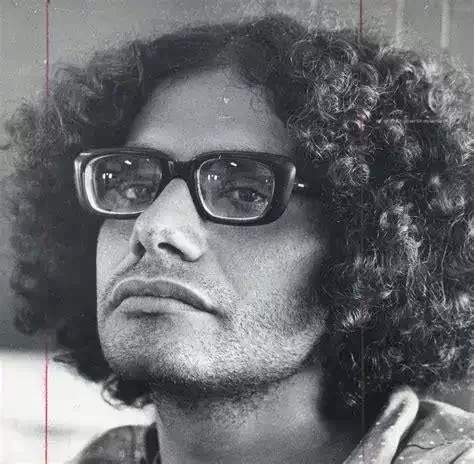
Waly Salomão
Waly Salomão was a Brazilian poet, composer, lyricist, and filmmaker. His work is marked by linguistic experimentation, the fusion of elements of Brazilian popular culture with the avant-garde, and a strong critical and irreverent vein. He moved between poetry, music, cinema, and other arts, leaving a multifaceted legacy.
Alexei Bueno
Alexei Bueno is a Brazilian poet, essayist, and translator, recognized for his work that navigates between tradition and modernity, with a strong influence of metalanguage and reflection on the art of writing itself. His poetry is marked by formal rigor, exploration of language, and themes that include memory, time, identity, and the search for meaning. With a vast production encompassing poetry books, critical essays, and translations, Alexei Bueno has established himself as a unique voice in contemporary Brazilian literature, engaging with past masters and proposing new aesthetic approaches.