
Sadness and Melancholy
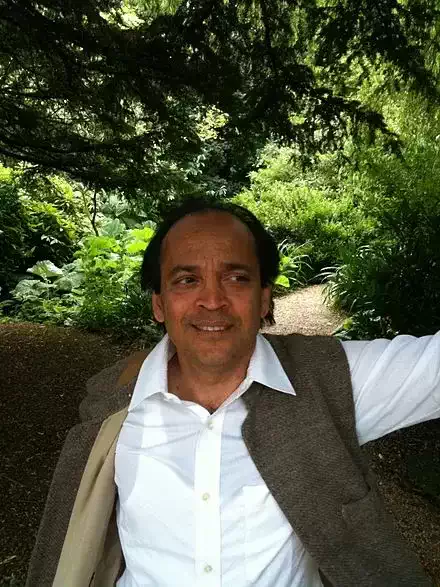
Vikram Seth
Mistaken
I smiled at you because I thought that you
Were someone else; you smiled back; and there grew
Between two strangers in a library
Something that seemes like love; but you loved me
(If that's the word) because you thought that I
Was other than I was. And by and by
We found we'd been mistaken all the while
From that first glance, that first mistaken smile.
861
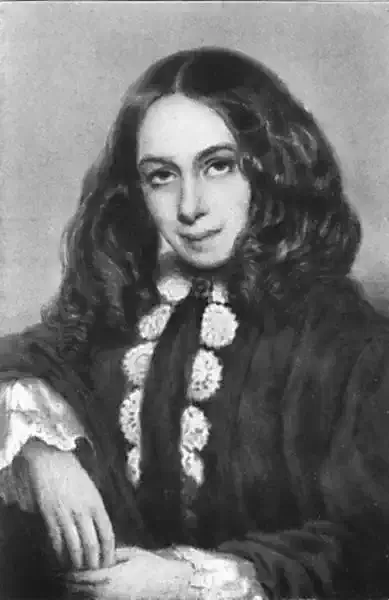
Elizabeth Barrett Browning
Sonnet XV: Accuse Me Not
Accuse me not, beseech thee, that I wear
Too calm and sad a face in front of thine;
For we two look two ways, and cannot shine
With the same sunlight on our brow and hair.
On me thou lookest with no doubting care,
As on a bee in a crystalline;
Since sorrow hath shut me safe in love's divine
And to spread wing and fly in the outer air
Were most impossible failure, if I strove
To fail so. But I look on thee--on thee--
Beholding, besides love, the end of love,
Hearing oblivion beyond memory;
As one who sits and gazes from above,
Over the rivers to the bitter sea.
836

William Wordsworth
She Dwelt Among Untrodden Ways
She dwelt among the untrodden ways
Beside the springs of Dove,
Maid whom there were none to praise
And very few to love:
A violet by a mosy tone
Half hidden from the eye!
---Fair as a star, when only one
Is shining in the sky.
She lived unknown, and few could know
When Lucy ceased to be;
But she is in her grave, and, oh,
The difference to me!
815
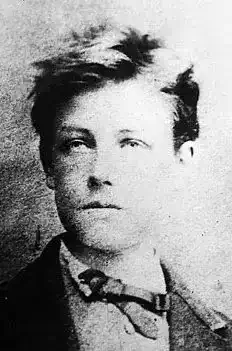
Arthur Rimbaud
Song Of The Highest Tower
Idle youth
Enslaved to everything,
By being too sensitive
I have wasted my life.
Ah ! Let the time come
When hearts are enamoured.
I said to myself : let be,
And let no one see you :
Do without the promise
Of higher joys.
Let nothing delay you,
Majestic retirement.
I have endured so long
That I have forgotten everything ;
Fear and suffering
Have flown to the skies.
And morbid thirst
Darkens my veins.
Thus the meadow
Given over to oblivion,
Grown up, and flowering
With frankincense and tares
To the wild buzzing
Of a hundred filthy flies.
Oh ! the thousand bereavements
Of the poor soul
Which possesses only the image
Of Our Lady ! Can one pray
To the Virgin Mary ?
Idle youth
Enslaved by everything,
By being too sensitive
I have wasted my life.
Ah ! Let the time come
When hearts are enamoured !
833
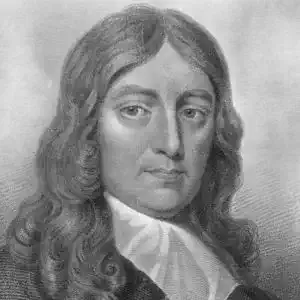
John Milton
Il Penseroso
HENCE, vain deluding Joys,
............The brood of Folly without father bred!
How little you bested
............Or fill the fixed mind with all your toys!
Dwell in some idle brain,
............And fancies fond with gaudy shapes possess,
As thick and numberless
............As the gay motes that people the sun-beams,
Or likest hovering dreams,
............The fickle pensioners of Morpheus' train.
But, hail! thou Goddess sage and holy!
Hail, divinest Melancholy!
Whose saintly visage is too bright
To hit the sense of human sight,
And therefore to our weaker view
O'erlaid with black, staid Wisdom's hue;
Black, but such as in esteem
Prince Memnon's sister might beseem,
Or that starred Ethiop queen that strove
To set her beauty's praise above
The Sea-Nymphs, and their powers offended.
Yet thou art higher far descended:
Thee bright-haired Vesta long of yore
To solitary Saturn bore;
His daughter she; in Saturn's reign
Such mixture was not held a stain.
Oft in glimmering bowers and glades
He met her, and in secret shades
Of woody Ida's inmost grove,
Whilst yet there was no fear of Jove.
Come, pensive Nun, devout and pure,
Sober, steadfast, and demure,
All in a robe of darkest grain,
Flowing with majestic train,
And sable stole of cypress lawn
Over thy decent shoulders drawn.
Come; but keep thy wonted state,
With even step, and musing gait,
And looks commercing with the skies,
Thy rapt soul sitting in thine eyes:
There, held in holy passion still,
Forget thyself to marble, till
With a sad leaden downward cast
Thou fix them on the earth as fast.
And join with thee calm Peace and Quiet,
Spare Fast, that oft with gods doth diet,
And hears the Muses in a ring
Aye round about Jove's altar sing;
And add to these retired Leisure,
That in trim gardens takes his pleasure;
But, first and chiefest, with thee bring
Him that yon soars on golden wing,
Guiding the fiery-wheeled throne,
The Cherub Contemplation;
And the mute Silence hist along,
'Less Philomel will deign a song,
In her sweetest saddest plight,
Smoothing the rugged brow of Night,
While Cynthia checks her dragon yoke
Gently o'er the accustomed oak.
Sweet bird, that shunn'st the noise of folly,
Most musical, most melancholy!
Thee, chauntress, oft the woods among
I woo, to hear thy even-song;
And, missing thee,
I walk unseen
On the dry smooth-shaven green,
To behold the wandering moon,
Riding near her highest noon,
Like one that had been led astray
Through the heaven's wide pathless way,
And oft, as if her head she bowed,
Stooping through a fleecy cloud.
Oft, on a plat of rising ground,
I hear the far-off curfew sound,
Over some wide-watered shore,
Swinging slow with sullen roar;
Or, if the air will not permit,
Some still removed place will fit,
Where glowing embers through the room
Teach light to counterfeit a gloom,
Far from all resort of mirth,
Save the cricket on the hearth,
Or the bellman's drowsy charm
To bless the doors from nightly harm.
Or let my lamp, at midnight hour,
Be seen in some high lonely tower,
Where I may oft outwatch the Bear,
With thrice great Hermes, or unsphere
The spirit of Plato, to unfold
What worlds or what vast regions hold
The immortal mind that hath forsook
Her mansion in this fleshly nook;
And of those demons that are found
In fire, air, flood, or underground,
Whose power hath a true consent
With planet or with element.
Sometime let gorgeous Tragedy
In sceptred pall come sweeping by,
Presenting Thebes, or Pelops' line,
Or the tale of Troy divine,
Or what (though rare) of later age
Ennobled hath the buskined stage.
But, O sad Virgin! that thy power
Might raise Musaeus from his bower;
Or bid the soul of Orpheus sing
Such notes as, warbled to the string,
Drew iron tears down Pluto's cheek,
And made Hell grant what love did seek;
Or call up him that left half-told
The story of Cambuscan bold,
Of Camball, and of Algarsife,
And who had Canace to wife,
That owned the virtuous ring and glass,
And of the wondrous horse of brass
On which the Tartar king did ride;
And if aught else great bards beside
In sage and solemn tunes have sung,
Of turneys, and of trophies hung,
Of forests, and enchantments drear,
Where more is meant than meets the ear.
Thus, Night, oft see me in thy pale career,
Till civil-suited Morn appear,
Not tricked and frounced, as she was wont
With the Attic boy to hunt,
But kerchieft in a comely cloud
While rocking winds are piping loud,
Or ushered with a shower still,
When the gust hath blown his fill,
Ending on the rustling leaves,
With minute-drops from off the eaves.
And, when the sun begins to fling
His flaring beams, me, Goddess, bring
To arched walks of twilight groves,
And shadows brown, that Sylvan loves,
Of pine, or monumental oak,
Where the rude axe with heaved stroke
Was never heard the nymphs to daunt,
Or fright them from their hallowed haunt.
There, in close covert, by some brook,
Where no profaner eye may look,
Hide me from day's garish eye,
While the bee with honeyed thigh,
That at her flowery work doth sing,
And the waters murmuring,
With such consort as they keep,
Entice the dewy-feathered Sleep.
And let some strange mysterious dream
Wave at his wings, in airy stream
Of lively portraiture displayed,
Softly on my eyelids laid;
And, as I wake, sweet music breathe
Above, about, or underneath,
Sent by some Spirit to mortals good,
Or the unseen Genius of the wood.
But let my due feet never fail
To walk the studious cloister's pale,
And love the high embowed roof,
With antique pillars massy proof,
And storied windows richly dight,
Casting a dim religious light.
There let the pealing organ blow,
To the full-voiced quire below,
In service high and anthems clear,
As may with sweetness, through mine ear,
Dissolve me into ecstasies,
And bring all Heaven before mine eyes.
And may at last my weary age
Find out the peaceful hermitage,
The hairy gown and mossy cell,
Where I may sit and rightly spell
Of every star that heaven doth shew,
And every herb that sips the dew,
Till old experience do attain
To something like prophetic strain.
These pleasures, Melancholy, give;
And I with thee will choose to live.
786
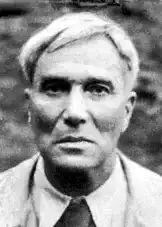
Boris Pasternak
The Weeping Garden
It’s terrible! – all drip and listening.
Whether, as ever, it’s loneliness,
splashing a branch, like lace, on the window,
or whether perhaps there’s a witness.
Choked there beneath its swollen
burden – earth’s nostrils, and audibly,
like August, far off in the distance,
midnight, ripening slow with the fields.
No sound. No one’s in hiding.
Confirming its pure desolation,
it returns to its game – slipping
from roof, to gutter, slides on.
I’ll moisten my lips, listening:
whether, as ever, I’m loneliness,
and ready maybe for weeping,
or whether perhaps there’s a witness.
But, silence. No leaves trembling.
Nothing to see: sobs, and cries
being swallowed, slippers splashing,
between them, tears and sighs.
759
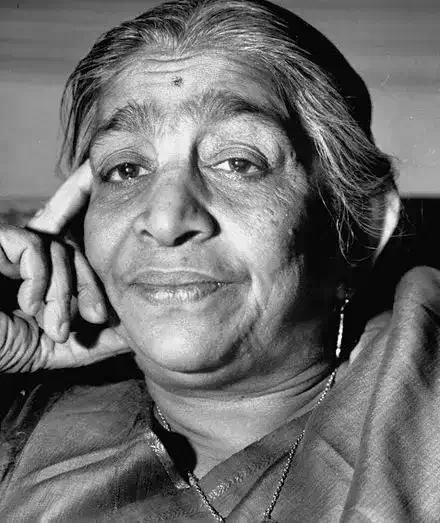
Sarojini Naidu
The Pardah Nashin
HER life is a revolving dream
Of languid and sequestered ease;
Her girdles and her fillets gleam
Like changing fires on sunset seas;
Her raiment is like morning mist,
Shot opal, gold and amethyst.
From thieving light of eyes impure,
From coveting sun or wind's caress,
Her days are guarded and secure
Behind her carven lattices,
Like jewels in a turbaned crest,
Like secrets in a lover's breast.
But though no hand unsanctioned dares
Unveil the mysteries of her grace,
Time lifts the curtain unawares,
And Sorrow looks into her face . . .
Who shall prevent the subtle years,
Or shield a woman's eyes from tears?
736
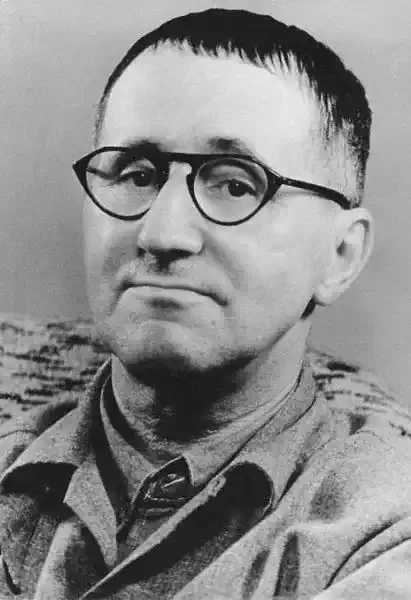
Bertolt Brecht
Alabama Song
Show me the way to the next whisky bar
Oh, don't ask why, oh, don't ask why
Show me the way to the next whisky bar
Oh, don't ask why, oh, don't ask why
For if we don't find the next whisky bar
I tell you we must die
I tell you we must die
I tell you
I tell you
I tell you we must die
Oh, moon of Alabama
We now must say say good-bye
We've lost our good old mamma
And must have whisky
Oh, you know why.
Show me the way to the next pretty girl
Oh, don't ask why, oh, don't ask why
Show me the way to the next pretty girl
Oh don't ask why, oh, don't ask why
For if we don't find the next pretty girl
I tell you we must die
I tell you we must die
I tell you
I tell you
I tell you we must die
Oh, moon of Alabama
We now must say good-bye
We've lost our good old mamma
And must have a girl
Oh, you know why.
Show me the way to the next little dollar
Oh, don't ask why, oh, don't ask why
Show me the way to the next little dollar
Oh, don't ask why, oh, don't ask why
For if we don't find the next little dollar
I tell you we must die
I tell you we must die
I tell you
I tell you
I tell you we must die
Oh, moon of Alabama
We now must say good-bye
We've lost our good old mamma
And must have dollars
Oh, you know why.
Oh, don't ask why, oh, don't ask why
Show me the way to the next whisky bar
Oh, don't ask why, oh, don't ask why
For if we don't find the next whisky bar
I tell you we must die
I tell you we must die
I tell you
I tell you
I tell you we must die
Oh, moon of Alabama
We now must say say good-bye
We've lost our good old mamma
And must have whisky
Oh, you know why.
Show me the way to the next pretty girl
Oh, don't ask why, oh, don't ask why
Show me the way to the next pretty girl
Oh don't ask why, oh, don't ask why
For if we don't find the next pretty girl
I tell you we must die
I tell you we must die
I tell you
I tell you
I tell you we must die
Oh, moon of Alabama
We now must say good-bye
We've lost our good old mamma
And must have a girl
Oh, you know why.
Show me the way to the next little dollar
Oh, don't ask why, oh, don't ask why
Show me the way to the next little dollar
Oh, don't ask why, oh, don't ask why
For if we don't find the next little dollar
I tell you we must die
I tell you we must die
I tell you
I tell you
I tell you we must die
Oh, moon of Alabama
We now must say good-bye
We've lost our good old mamma
And must have dollars
Oh, you know why.
754
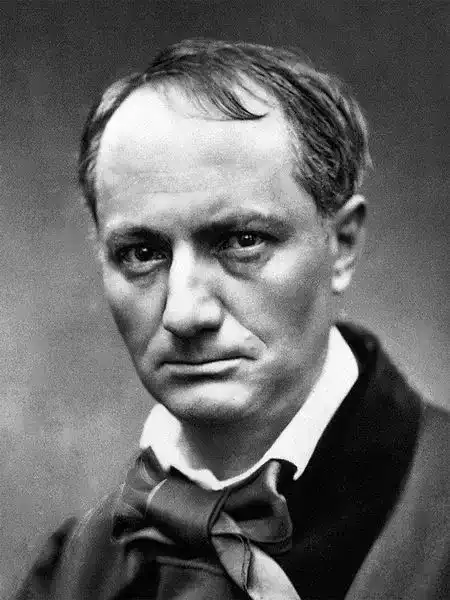
Charles Baudelaire
Evening Harmony
The hour has come at last when, trembling to and fro,
Each flower is a censer sifting its perfume;
The scent and sounds all swirl in evening’s gentle fume;
A melancholy waltz, a languid vertigo!
Each flower is a censer sifting its perfume;
A violin’s vibrato wounds the heart of woe;
A melancholy waltz, a languid vertigo!
The sky, a lofty altar, lovely in the gloom,
A violin’s vibrato wounds the heart of woe,
A tender heart detests the black of nullity,
The sky, a lofty altar, lovely in the gloom;
The sun is drowning in the evening’s blood-red glow.
A tender heart detests the black of nullity,
And lovingly preserves each trace of long ago!
The sun is drowning in the evening’s blood-red glow …
Your memory shines through me like an ostensory!
Each flower is a censer sifting its perfume;
The scent and sounds all swirl in evening’s gentle fume;
A melancholy waltz, a languid vertigo!
Each flower is a censer sifting its perfume;
A violin’s vibrato wounds the heart of woe;
A melancholy waltz, a languid vertigo!
The sky, a lofty altar, lovely in the gloom,
A violin’s vibrato wounds the heart of woe,
A tender heart detests the black of nullity,
The sky, a lofty altar, lovely in the gloom;
The sun is drowning in the evening’s blood-red glow.
A tender heart detests the black of nullity,
And lovingly preserves each trace of long ago!
The sun is drowning in the evening’s blood-red glow …
Your memory shines through me like an ostensory!
707

William Shakespeare
Sonnet 71: No longer mourn for me when I am dead
No longer mourn for me when I am dead
Than you shall hear the surly sullen bell
Give warning to the world that I am fled
From this vile world with vilest worms to dwell.
Nay if you read this line, remember not
The hand that writ it, for I love you so
That I in your sweet thoughts would be forgot
If thinking on me then should make you woe.
O, if, I say, you look upon this verse,
When I perhaps compounded am with clay,
Do not so much as my poor name rehearse,
But let your love even with my life decay,
Lest the wise world should look into your moan
And mock you with me after I am gone.
709
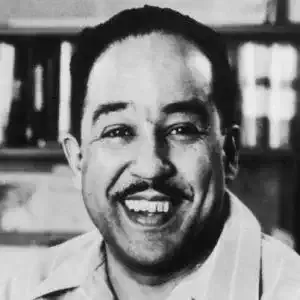
Langston Hughes
The Weary Blues
Droning a drowsy syncopated tune,
Rocking back and forth to a mellow croon,
I heard a Negro play.
Down on Lenox Avenue the other night
By the pale dull pallor of an old gas light
He did a lazy sway ....
He did a lazy sway ....
To the tune o' those Weary Blues.
With his ebony hands on each ivory key
He made that poor piano moan with melody.
O Blues!
Swaying to and fro on his rickety stool
He played that sad raggy tune like a musical fool.
Sweet Blues!
Coming from a black man's soul.
O Blues!
In a deep song voice with a melancholy tone
I heard that Negro sing, that old piano moan-"
Ain't got nobody in all this world,
Ain't got nobody but ma self.
I's gwine to quit ma frownin'
And put ma troubles on the shelf."
Thump, thump, thump, went his foot on the floor.
He played a few chords then he sang some more-"
I got the Weary Blues
And I can't be satisfied.
Got the Weary Blues
And can't be satisfied--
I ain't happy no mo'
And I wish that I had died."
And far into the night he crooned that tune.
The stars went out and so did the moon.
The singer stopped playing and went to bed
While the Weary Blues echoed through his head.
He slept like a rock or a man that's dead.
705

Emily Dickinson
I dreaded that first Robin, so
I dreaded that first Robin, so,
But He is mastered, now,
I'm accustomed to Him grown,
He hurts a little, though-
I thought If I could only live
Till that first Shout got by-
Not all Pianos in the Woods
Had power to mangle me-
I dared not meet the Daffodils-
For fear their Yellow Gown
Would pierce me with a fashion
So foreign to my own-
I wished the Grass would hurry
So-
when 'twas time to see
He'd
be too tall, the tallest one
Could stretch-to look at me-
I could not bear the Bees should come,
I wished they'd stay away
In those dim countries where they go,
What word had they, for me?
They're here, though; not a creature failed-
No Blossom stayed away
In gentle deference to me-
The Queen of Calvary-
Each one salutes me, as he goes,
And I, my childish Plumes,
Lift, in bereaved acknowledgment
Of their unthinking Drums-
702
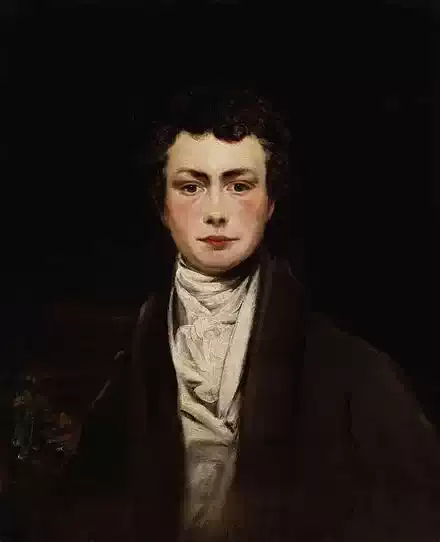
Thomas Moore
Oft, in the Stilly Night
Oft, in the stilly night,
Ere slumber's chain has bound me,
Fond memory brings the light
Of other days around me;
The smiles, the tears,
Of boyhood's years,
The words of love then spoken;
The eyes that shone,
Now dimm'd and gone,
The cheerful hearts now broken!
Thus, in the stilly night,
Ere slumber's chain hath bound me,
Sad memory brings the light
Of other days around me.
When I remember all
The friends, so link'd together,
I've seen around me fall,
Like leaves in wintry weather;
I feel like one
Who treads alone
Some banquet-hall deserted,
Whose lights are fled,
Whose garlands dead,
And all but he departed!
Thus, in the stilly night,
Ere slumber's chain has bound me,
Sad memory brings the light
Of other days around me.
Ere slumber's chain has bound me,
Fond memory brings the light
Of other days around me;
The smiles, the tears,
Of boyhood's years,
The words of love then spoken;
The eyes that shone,
Now dimm'd and gone,
The cheerful hearts now broken!
Thus, in the stilly night,
Ere slumber's chain hath bound me,
Sad memory brings the light
Of other days around me.
When I remember all
The friends, so link'd together,
I've seen around me fall,
Like leaves in wintry weather;
I feel like one
Who treads alone
Some banquet-hall deserted,
Whose lights are fled,
Whose garlands dead,
And all but he departed!
Thus, in the stilly night,
Ere slumber's chain has bound me,
Sad memory brings the light
Of other days around me.
704
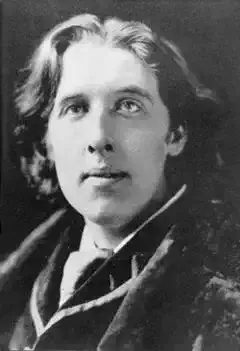
Oscar Wilde
My Voice
Within this restless, hurried, modern world
We took our hearts' full pleasure - You and I,
And now the white sails of our ship are furled,
And spent the lading of our argosy.
Wherefore my cheeks before their time are wan,
For very weeping is my gladness fled,
Sorrow has paled my young mouth's vermilion,
And Ruin draws the curtains of my bed.
But all this crowded life has been to thee
No more than lyre, or lute, or subtle spell
Of viols, or the music of the sea
That sleeps, a mimic echo, in the shell.
676

Paul Laurence Dunbar
We Wear the Mask
We wear the mask that grins and lies,
It hides our cheeks and shades our eyes,--
This debt we pay to human guile;
With torn and bleeding hearts we smile,
And mouth with myriad subtleties.
Why should the world be overwise,
In counting all our tears and sighs?
Nay, let them only see us, while
We wear the mask.
We smile, but, O great Christ, our cries
To thee from tortured souls arise.
We sing, but oh the clay is vile
Beneath our feet, and long the mile;
But let the world dream otherwise,
We wear the mask!
661

Kazi Nazrul Islam
Pain of the Poor
These children-suffering
from a lack of mother's care,
in rags, their bodies covered with dirt,
faces dried up from starving all day, scornful,
their bodies feverish, skin chapped all over.
They can't even get a meager meal
from laboring all day.
Ignoring them-O Rich, O Ruler,
how can you stand the taste of monda, mithai, khaja?
Starving, when they see you-eating,
they beg silently with their pathetic eyes.
Shame on you!-How do you still go on gorging?
All that rice you store in your binsjust
a portion of it could save them.
You have such a wide variety of clothing;
these children do not have even as much
as the rag you polish your shoes with.
You've trunk loads of clothing,
while these children freeze to death all night long
with their mothers lying in corridors and lanes.
You feel so happy from hugs and kisses
from your children,
their mothers weep holding them in their bosoms.
Your children have no dearth of toys,
their toys are what's been thrown outan
embarrassment for their mothers.
Their unkempt hair, turning brownish and matted,
their skin blackened from roaming about in the sun,
for no reason they get beaten and scolded by people.
Your children cry 'bloody murder' for minor incidents,
whereas they have at most a sombre face
even when their hearts break from sadness.
The mothers of these unfortunate childrenstanding
aloof-who understands how much pain there is
in their tearful eyes?
If there's a slight touch of fever
in your children, ten doctors come rushing to check them.
But for these children-even when they have a high temperature,
there's none to offer them even a sip of water;
reduced to skeletons, they die in their mothers' arms.
They don't eat pomegranates or grapes when they are sick;
they think they have the world
by getting just a piece of sugar candy.
Your children go to sleep in rocking cradles,
these children sleep under the tamarind tree;
even the most stone-hearted aught to be moved to see this.
Nobody understands their misery,
everybody despises them
and thinks, 'Why do they litter the streets?'
So take heed, a burning stomach needs to complain;
I don't wish that even on my enemies. .
Even in such misery,
God will supposedly grant them welfare-that's
the only consolation for the poor.
[Original: Goriber baytha; Translation: Sajed Kamal]
654
Arthur Rimbaud
People In Church
Penned between oaken pews,
in corners of the church which their breath stinkingly warms,
all their eyes on the chancel dripping with gold,
and the choir with its twenty pairs of jaws bawling pious hymns;
Sniffing the odour of wax if it were the odour of bread,
happy, ad humbled like beaten dogs,
the Poor offer up to God, the Lord and Master,
their ridiculous stubborn oremuses.
For the women it is very pleasant to wear the benches smooth;
after the six black days on which God has made them suffer.
They nurse, swaddled in strange-looking shawls,
creatures like children who weep as if they would die.
Their unwashed breasts hanging out, these eaters of soup,
with a prayer in their eyes, but never praying,
watch a group of hoydens wickedly
showing off with hats all out of shape.
Outside is the cold, and hunger - and a man on the booze.
All right. There's another hour to go; afterwards, nameless ills! -
Meanwhile all around an assortment of old
dewlapped women whimpers, snuffles, and whispers:
These are distracted persons and the epileptics from whom,
yesterday, you turned away at street crossings;
there too are the blind who are led by a dog into courtyards,
poring their noses into old-fashioned missals. -
And all of them, dribbling a stupid groveling faith,
recite their unending complaint to Jesus who is dreaming up there,
yellow from the livid stained glass window,
far above thin rascals and wicked potbellies,
far from the smell of meat and mouldy fabric,
and the exhausted somber farce of repulsive gestures and
as the prayer flowers in choice expressions,
and the mysteries take on more emphatic tones, from the aisles,
where the sun is dying, trite folds of silk and green smiles,
the ladies of the better quarters of the town - oh Jesus! the
sufferers from complaints of the liver,
make their long yellow fingers kiss the holy water in the stoups.
629
Charles Baudelaire
Spleen
I'm like the king of a rain-country, rich
but sterile, young but with an old wolf's itch,
one who escapes Fénelon's apologues,
and kills the day in boredom with his dogs;
nothing cheers him, darts, tennis, falconry,
his people dying by the balcony;
the bawdry of the pet hermaphrodite
no longer gets him through a single night;
his bed of fleur-de-lys becomes a tomb;
even the ladies of the court, for whom
all kings are beautiful, cannot put on
shameful enough dresses for this skeleton;
the scholar who makes his gold cannot invent
washes to cleanse the poisoned element;
even in baths of blood, Rome's legacy,
our tyrants' solace in senility,
we cannot warm up his shot corpse, whose food
is syrup-green Lethean ooze, not blood.
636
Boris Pasternak
Change
I used to glorify the poor,
Not simply lofty views expressing:
Their lives alone, I felt, were true,
Devoid of pomp and window-dressing.
No stranger to the manor house,
Its finery and lordly tenor,
I was a friend of down-and-outs,
And shunned the idly sponging manner.
For choosing friendship in the ranks
Of working people, though no rebel,
I had the honour to be stamped
As also one among the rabble.
The state of basements, unadorned,
Of attics with no frills or curtains
Was tangible without pretence
And full of substance, weighty, certain.
And I went bad when rot defaced
Our time, and life became infested,
When grief was censured as disgrace
And all played optimists and yes-men.
My faith in those who seemed my friends
Was broken and our ties were sundered.
I, too, lost Man, the Human, since
He had been lost by all and sundry.
621
William Wordsworth
Lines Written In Early Spring
I HEARD a thousand blended notes,
While in a grove I sate reclined,
In that sweet mood when pleasant thoughts
Bring sad thoughts to the mind.
To her fair works did Nature link
The human soul that through me ran;
And much it grieved my heart to think
What man has made of man.
Through primrose tufts, in that green bower,
The periwinkle trailed its wreaths;
And 'tis my faith that every flower
Enjoys the air it breathes.
The birds around me hopped and played,
Their thoughts I cannot measure:---
But the least motion which they made,
It seemed a thrill of pleasure.
The budding twigs spread out their fan,
To catch the breezy air;
And I must think, do all I can,
That there was pleasure there.
If this belief from heaven be sent,
If such be Nature's holy plan,
Have I not reason to lament
What man has made of man?
609
Kazi Nazrul Islam
Grief-Laden Mid-Night
In this still solitude of deep mid-night
Tears unbidden appear in my eyes
What recollection doth enrapture
Whose disregard doth agonize the breast?
What wail of disappointment doth in
the bottom of her heart arise and start
a flood of tears?
The agony of my unfulfilled life
I cannot conceal this mid-night,
Thus in the privacy of my solitary,
bed I do but burst into overflowing tears.
On such a night arose once a hundred
desires in my bosom and now their
despondency is writ large in that
drooping Shefalika and in the
pathos of the Purabi strains.
[Translation: Abdul Hakim]
614
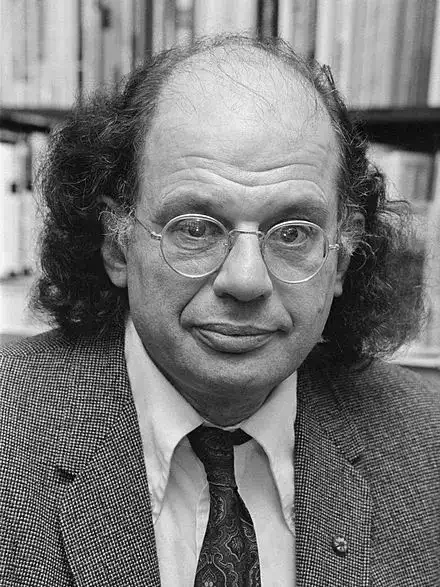
Allen Ginsberg
Haiku (Never Published)
Drinking my tea
Without sugar
No
difference.
The sparrow shits
upside down
--ah! my brain & eggs
Mayan head in a
Pacific driftwood bole
--Someday I'll live in N.Y.
Looking over my shoulder
my behind was covered
with cherry blossoms.
Winter Haiku
I didn't know the names
of the flowers--now
my garden is gone.
I slapped the mosquito
and missed.
What made me do that?
Reading haiku
I am unhappy,
longing for the Nameless.
A frog floating
in the drugstore jar:
summer rain on grey pavements.
(after Shiki)
On the porch
in my shorts;
auto lights in the rain.
Another year
has past-the world
is no different.
The first thing I looked for
in my old garden was
The Cherry Tree.
My old desk:
the first thing I looked for
in my house.
My early journal:
the first thing I found
in my old desk.
My mother's ghost:
the first thing I found
in the living room.
I quit shaving
but the eyes that glanced at me
remained in the mirror.
The madman
emerges from the movies:
the street at lunchtime.
Cities of boys
are in their graves,
and in this town...
Lying on my side
in the void:
the breath in my nose.
On the fifteenth floor
the dog chews a bone-
Screech of taxicabs.
A hardon in New York,
a boy
in San Fransisco.
The moon over the roof,
worms in the garden.
I rent this house.
[Haiku composed in the backyard cottage at 1624
Milvia Street, Berkeley 1955, while reading R.H.
Blyth's 4 volumes, "Haiku."]
607

Walt Whitman
Hours Continuing Long
HOURS continuing long, sore and heavy-hearted,
Hours of the dusk, when I withdraw to a lonesome and unfrequented
spot, seating myself, leaning my face in my hands;
Hours sleepless, deep in the night, when I go forth, speeding swiftly
the country roads, or through the city streets, or pacing miles
and miles, stifling plaintive cries;
Hours discouraged, distracted--for the one I cannot content myself
without, soon I saw him content himself without me;
Hours when I am forgotten, (O weeks and months are passing, but I
believe I am never to forget!)
Sullen and suffering hours! (I am ashamed--but it is useless--I am
what I am;)
Hours of my torment--I wonder if other men ever have the like, out of
the like feelings?
Is there even one other like me--distracted--his friend, his lover,
lost to him?
Is he too as I am now? Does he still rise in the morning, dejected,
thinking who is lost to him? and at night, awaking, think who
is lost?
Does he too harbor his friendship silent and endless? harbor his
anguish and passion?
Does some stray reminder, or the casual mention of a name, bring the
fit back upon him, taciturn and deprest?
Does he see himself reflected in me? In these hours, does he see the
face of his hours reflected?
609
Kazi Nazrul Islam
The Nightingale is silent
The bulbul bird is silent in the nargis garden
Listening to the laments of the fallen flower
In spring next to the lovers tomb young poet sobs in solace
Pensive sky is still with clouds burdened with water
Next to the barmaids glass of wine, tears of sorrow rol
Is like buds
The heart broken moon stares with melancholy eyes.
[Original: Bulbuli nirob; Translation: Kashfia Billah]
613