

Poemas neste tema
Vida e Existência
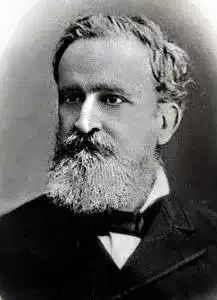
José Bonifácio, o Moço
Adeus de Gonzaga
Adeus, Marília, adeus! O sonho corre,
Vai-se gastando a vida, vai fugindo;
Estremece-me a voz, ei-la que morre,
Inda o teu doce nome repetindo.
Uma hora lá vem, outra decorre,
E eu vejo em pranto o teu rosto lindo!
Adeus, Marília, adeus! A sepultura
Abre-me agora um leito em terra escura.
Ai! como é feia a terra do desterro!
Aqui não sopra a minha pátria aragem;
Aqui lançou-me a liberdade — o erro
De prestar à inocência vassalagem;
Aqui no chão do exílio, onde me enterro
Inda plácida brilha-me tua imagem!
Luar das minhas noites, sol do dia,
O corpo aquece-me — eis a terra fria!
(...)
Ai! Marília, Marília! Que é da vida
Que em meus braços contigo então sonhava?!
A casa, o ribeirão, a luz sumida,
Detrás do monte... além... que desmaiava;
Da ovelha desgarrada a voz perdida,
O gado que sozinho ali pastava;
O chão, a relva, a fonte, as lindas flores,
Nosso céu, nossa luz, nossos amores?!
Nada, nada ficou!... neste deserto
O tênue sopro desta vida expira;
Mal bate o coração, já não aceito
Esses hinos de amor que a alma delira!
Eis lá na sepultura vejo ao perto
Murchas coroas e quebrada lira,
Trevas, silêncio... solidão... horror!
Nem um pranto... um gemido... uma só flor!
S. Paulo, 1848.
In: BONIFÁCIO, José, o moço. Poesias. Org. e apres. Alfredo Bosi e Nilo Scalzo. São Paulo: Conselho Estadual de Cultura, 1962. (Poesia, 5).
NOTA: Poema publicado nas Harmonias Brasileiras, São Paulo, 185
Vai-se gastando a vida, vai fugindo;
Estremece-me a voz, ei-la que morre,
Inda o teu doce nome repetindo.
Uma hora lá vem, outra decorre,
E eu vejo em pranto o teu rosto lindo!
Adeus, Marília, adeus! A sepultura
Abre-me agora um leito em terra escura.
Ai! como é feia a terra do desterro!
Aqui não sopra a minha pátria aragem;
Aqui lançou-me a liberdade — o erro
De prestar à inocência vassalagem;
Aqui no chão do exílio, onde me enterro
Inda plácida brilha-me tua imagem!
Luar das minhas noites, sol do dia,
O corpo aquece-me — eis a terra fria!
(...)
Ai! Marília, Marília! Que é da vida
Que em meus braços contigo então sonhava?!
A casa, o ribeirão, a luz sumida,
Detrás do monte... além... que desmaiava;
Da ovelha desgarrada a voz perdida,
O gado que sozinho ali pastava;
O chão, a relva, a fonte, as lindas flores,
Nosso céu, nossa luz, nossos amores?!
Nada, nada ficou!... neste deserto
O tênue sopro desta vida expira;
Mal bate o coração, já não aceito
Esses hinos de amor que a alma delira!
Eis lá na sepultura vejo ao perto
Murchas coroas e quebrada lira,
Trevas, silêncio... solidão... horror!
Nem um pranto... um gemido... uma só flor!
S. Paulo, 1848.
In: BONIFÁCIO, José, o moço. Poesias. Org. e apres. Alfredo Bosi e Nilo Scalzo. São Paulo: Conselho Estadual de Cultura, 1962. (Poesia, 5).
NOTA: Poema publicado nas Harmonias Brasileiras, São Paulo, 185
1 631
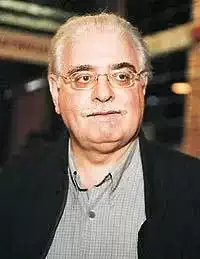
Augusto de Campos
O Tygre
tyger! tyger! burning bright
in the forests of the night.
what immortal hand or eye
cd frame thy fearful symmetry?
tygre! tygre! brilho, brasa
que à furna noturna abrasa,
que olho ou mão armaria
tua feroz symmetrya?
em que céu se foi forjar
o fogo do teu olhar?
em que asas veio a chamma?
que mão colheu essa flamma?
que força fez retorcer
em nervos todo o teu ser?
e o som do teu coração
de aço, que cor, que ação?
teu cérebro, quem o malha?
que martelo? que fornalha
o moldou? que mão, que garra
seu terror mortal amarra?
quando as lanças das estrelas
cortaram os céus, ao vê-las,
quem as fez sorriu talvez?
quem fez a ovelha te fez?
tyger! tyger! burning bright
in the forests of the night.
what immortal hand or eye
cd frame thy fearful symmetry?
tygre! tygre! brilho, brasa
que a furna noturna abrasa,
que olho ou mão armaria
tua feroz symmetrya?
Publicado em O Tygre, de William Blake (1977).Tradução do poema The Tyger, da série Songs of Experience, do livro Songs of Innocence and Experience, de William Blake.
In: CAMPOS, Augusto de. Viva vaia: poesia, 1949/1979. 2.ed. São Paulo: Brasiliense, 1986. p. 221-229
in the forests of the night.
what immortal hand or eye
cd frame thy fearful symmetry?
tygre! tygre! brilho, brasa
que à furna noturna abrasa,
que olho ou mão armaria
tua feroz symmetrya?
em que céu se foi forjar
o fogo do teu olhar?
em que asas veio a chamma?
que mão colheu essa flamma?
que força fez retorcer
em nervos todo o teu ser?
e o som do teu coração
de aço, que cor, que ação?
teu cérebro, quem o malha?
que martelo? que fornalha
o moldou? que mão, que garra
seu terror mortal amarra?
quando as lanças das estrelas
cortaram os céus, ao vê-las,
quem as fez sorriu talvez?
quem fez a ovelha te fez?
tyger! tyger! burning bright
in the forests of the night.
what immortal hand or eye
cd frame thy fearful symmetry?
tygre! tygre! brilho, brasa
que a furna noturna abrasa,
que olho ou mão armaria
tua feroz symmetrya?
Publicado em O Tygre, de William Blake (1977).Tradução do poema The Tyger, da série Songs of Experience, do livro Songs of Innocence and Experience, de William Blake.
In: CAMPOS, Augusto de. Viva vaia: poesia, 1949/1979. 2.ed. São Paulo: Brasiliense, 1986. p. 221-229
2 502

Eduardo Guimaraens
Tudo que faz da carne um mistério inquietante
D'une beauté effrayante, presque
spectrale
THÉOPHILE GAUTIER
Tudo que faz da carne um mistério inquietante,
languescências, brancor de túmulos ao luar,
marfins de rosa murcha, inerte e singular,
tudo o seu corpo tem, de abandonada amante.
Nimba-lhe a fronte o horror. Quando emudece, o olhar
mostra a antiga tortura eterna e alucinante,
porque os seus olhos são dois tercetos de Dante
que Gustavo Doré deixou por ilustrar!
Do gesto vão, jamais de arremesso ou de assomo,
fez o esforço brutal que dá glória ao perigo;
atrai assim, contudo, a alma do sonhador,
magnífica, fatal e funerária como
hirta e nua, ao entrar de um cenotáfio antigo,
uma estátua da morte, um mármore de dor!
Publicado no livro A divina quimera (1916).
In: GUIMARAENS, Eduardo. A divina quimera. Org. e pref. Mansueto Bernardi. Porto Alegre: Globo, 1944
spectrale
THÉOPHILE GAUTIER
Tudo que faz da carne um mistério inquietante,
languescências, brancor de túmulos ao luar,
marfins de rosa murcha, inerte e singular,
tudo o seu corpo tem, de abandonada amante.
Nimba-lhe a fronte o horror. Quando emudece, o olhar
mostra a antiga tortura eterna e alucinante,
porque os seus olhos são dois tercetos de Dante
que Gustavo Doré deixou por ilustrar!
Do gesto vão, jamais de arremesso ou de assomo,
fez o esforço brutal que dá glória ao perigo;
atrai assim, contudo, a alma do sonhador,
magnífica, fatal e funerária como
hirta e nua, ao entrar de um cenotáfio antigo,
uma estátua da morte, um mármore de dor!
Publicado no livro A divina quimera (1916).
In: GUIMARAENS, Eduardo. A divina quimera. Org. e pref. Mansueto Bernardi. Porto Alegre: Globo, 1944
1 007
Eduardo Guimaraens
Tudo que faz da carne um mistério inquietante
D'une beauté effrayante, presque
spectrale
THÉOPHILE GAUTIER
Tudo que faz da carne um mistério inquietante,
languescências, brancor de túmulos ao luar,
marfins de rosa murcha, inerte e singular,
tudo o seu corpo tem, de abandonada amante.
Nimba-lhe a fronte o horror. Quando emudece, o olhar
mostra a antiga tortura eterna e alucinante,
porque os seus olhos são dois tercetos de Dante
que Gustavo Doré deixou por ilustrar!
Do gesto vão, jamais de arremesso ou de assomo,
fez o esforço brutal que dá glória ao perigo;
atrai assim, contudo, a alma do sonhador,
magnífica, fatal e funerária como
hirta e nua, ao entrar de um cenotáfio antigo,
uma estátua da morte, um mármore de dor!
Publicado no livro A divina quimera (1916).
In: GUIMARAENS, Eduardo. A divina quimera. Org. e pref. Mansueto Bernardi. Porto Alegre: Globo, 1944
spectrale
THÉOPHILE GAUTIER
Tudo que faz da carne um mistério inquietante,
languescências, brancor de túmulos ao luar,
marfins de rosa murcha, inerte e singular,
tudo o seu corpo tem, de abandonada amante.
Nimba-lhe a fronte o horror. Quando emudece, o olhar
mostra a antiga tortura eterna e alucinante,
porque os seus olhos são dois tercetos de Dante
que Gustavo Doré deixou por ilustrar!
Do gesto vão, jamais de arremesso ou de assomo,
fez o esforço brutal que dá glória ao perigo;
atrai assim, contudo, a alma do sonhador,
magnífica, fatal e funerária como
hirta e nua, ao entrar de um cenotáfio antigo,
uma estátua da morte, um mármore de dor!
Publicado no livro A divina quimera (1916).
In: GUIMARAENS, Eduardo. A divina quimera. Org. e pref. Mansueto Bernardi. Porto Alegre: Globo, 1944
1 007
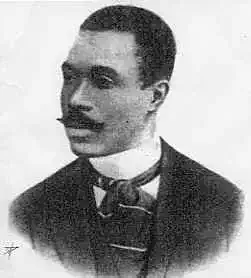
Cruz e Sousa
Sexta-Feira Santa
Lua absíntica, verde, feiticeira,
Pasmada como um vício monstruoso...
Um cão estranho fuça na esterqueira,
Uivando para o espaço fabuloso.
É esta a negra e santa Sexta-Feira!
Cristo está morto, como um vil leproso,
Chagado e frio, na feroz cegueira
Da Morte, o sangue roxo e tenebroso.
A serpente do mal e do pecado
Um sinistro veneno esverdeado
Verte do Morto na mudez serena.
Mas da sagrada Redenção do Cristo,
Em vez do grande Amor, puro, imprevisto,
Brotam fosforescências de gangrena!
Publicado no livro Últimos Sonetos (1905).
In: SOUSA, Cruz e. Últimos sonetos. Org. Adriano da Gama Kury. 2.ed. Florianópolis: Fundação Catarinense de Cultura; Rio de Janeiro: Fundação Casa de Rui Barbosa, 1988. p. 85
Pasmada como um vício monstruoso...
Um cão estranho fuça na esterqueira,
Uivando para o espaço fabuloso.
É esta a negra e santa Sexta-Feira!
Cristo está morto, como um vil leproso,
Chagado e frio, na feroz cegueira
Da Morte, o sangue roxo e tenebroso.
A serpente do mal e do pecado
Um sinistro veneno esverdeado
Verte do Morto na mudez serena.
Mas da sagrada Redenção do Cristo,
Em vez do grande Amor, puro, imprevisto,
Brotam fosforescências de gangrena!
Publicado no livro Últimos Sonetos (1905).
In: SOUSA, Cruz e. Últimos sonetos. Org. Adriano da Gama Kury. 2.ed. Florianópolis: Fundação Catarinense de Cultura; Rio de Janeiro: Fundação Casa de Rui Barbosa, 1988. p. 85
4 055
Cruz e Sousa
Sexta-Feira Santa
Lua absíntica, verde, feiticeira,
Pasmada como um vício monstruoso...
Um cão estranho fuça na esterqueira,
Uivando para o espaço fabuloso.
É esta a negra e santa Sexta-Feira!
Cristo está morto, como um vil leproso,
Chagado e frio, na feroz cegueira
Da Morte, o sangue roxo e tenebroso.
A serpente do mal e do pecado
Um sinistro veneno esverdeado
Verte do Morto na mudez serena.
Mas da sagrada Redenção do Cristo,
Em vez do grande Amor, puro, imprevisto,
Brotam fosforescências de gangrena!
Publicado no livro Últimos Sonetos (1905).
In: SOUSA, Cruz e. Últimos sonetos. Org. Adriano da Gama Kury. 2.ed. Florianópolis: Fundação Catarinense de Cultura; Rio de Janeiro: Fundação Casa de Rui Barbosa, 1988. p. 85
Pasmada como um vício monstruoso...
Um cão estranho fuça na esterqueira,
Uivando para o espaço fabuloso.
É esta a negra e santa Sexta-Feira!
Cristo está morto, como um vil leproso,
Chagado e frio, na feroz cegueira
Da Morte, o sangue roxo e tenebroso.
A serpente do mal e do pecado
Um sinistro veneno esverdeado
Verte do Morto na mudez serena.
Mas da sagrada Redenção do Cristo,
Em vez do grande Amor, puro, imprevisto,
Brotam fosforescências de gangrena!
Publicado no livro Últimos Sonetos (1905).
In: SOUSA, Cruz e. Últimos sonetos. Org. Adriano da Gama Kury. 2.ed. Florianópolis: Fundação Catarinense de Cultura; Rio de Janeiro: Fundação Casa de Rui Barbosa, 1988. p. 85
4 055
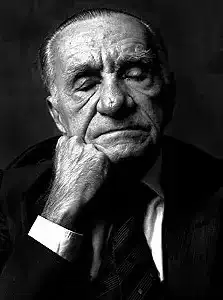
João Cabral de Melo Neto
A Luz em Joaquim Cardozo
Escrever de Joaquim Cardozo
só pode quem conhece
aquela luz Velásquez
de onde nasceu e de que escreve.
A luz que das várzeas da Várzea
onde nasceu, redonda,
vem até o ex-Cais de Santa Rita
que viveu: luz redoma,
luz espaço, luz que se veste,
leve como uma rede,
e clara, até quando preside
o cemitério e a sede.
Publicado no livro Museu de tudo (1975).
In: MELO NETO, João Cabral de. Obra completa. Org. Marly de Oliveira. Rio de Janeiro: Nova Aguilar, 1994. p.375. (Biblioteca luso-brasileira. Série brasileira)
só pode quem conhece
aquela luz Velásquez
de onde nasceu e de que escreve.
A luz que das várzeas da Várzea
onde nasceu, redonda,
vem até o ex-Cais de Santa Rita
que viveu: luz redoma,
luz espaço, luz que se veste,
leve como uma rede,
e clara, até quando preside
o cemitério e a sede.
Publicado no livro Museu de tudo (1975).
In: MELO NETO, João Cabral de. Obra completa. Org. Marly de Oliveira. Rio de Janeiro: Nova Aguilar, 1994. p.375. (Biblioteca luso-brasileira. Série brasileira)
2 647
José Bonifácio, o Moço
A Camões
Entre dois sonhos — lida mal sonhada —
De fantasias mil a fantasia
Viveu, como sua alma desvivia
De seus fundos cuidados mal cuidada.
Em lembrança da pátria deslembrada
A glória sua e a glória dela erguia;
Escura noite lhe surgira um dia
Na viva luz da formosura amada.
Partido o coração, a alma partida
Naqueles sonhos, vasta imensidade,
Era-lhe a vida morte e a morte, vida!
Hoje renasce a imortal saudade:
Tem nos versos a pátria aos céus erguida,
E o seu amor num templo — a eternidade.
In: BONIFÁCIO, José, o moço. Poesias. Org. e apres. Alfredo Bosi e Nilo Scalzo. São Paulo: Conselho Estadual de Cultura, 1962. (Poesia, 5).
NOTA: Poema publicado na Revista Brasileira, 10 jun. 188
De fantasias mil a fantasia
Viveu, como sua alma desvivia
De seus fundos cuidados mal cuidada.
Em lembrança da pátria deslembrada
A glória sua e a glória dela erguia;
Escura noite lhe surgira um dia
Na viva luz da formosura amada.
Partido o coração, a alma partida
Naqueles sonhos, vasta imensidade,
Era-lhe a vida morte e a morte, vida!
Hoje renasce a imortal saudade:
Tem nos versos a pátria aos céus erguida,
E o seu amor num templo — a eternidade.
In: BONIFÁCIO, José, o moço. Poesias. Org. e apres. Alfredo Bosi e Nilo Scalzo. São Paulo: Conselho Estadual de Cultura, 1962. (Poesia, 5).
NOTA: Poema publicado na Revista Brasileira, 10 jun. 188
1 529
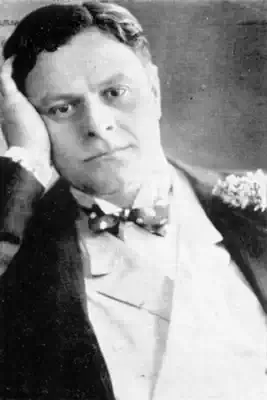
Martins Fontes
Na Medida Velha da Ensinança
Menina Briolanja
das vestes tafuis,
parecem-me a hidranja
teus olhos azuis.
És moça e formosa,
tra, li, la, la, ra...
Que linda esta rosa!
Colhamo-la já.
À tarde, querida,
a flor vai murchar...
Não percas, na vida,
o tempo de amar.
Meu Deus, que desgosto
seria essa dor
de ver o teu rosto
murchar como a flor.
É o tempo da hidranja.
És moça e gentil:
a hidranja, Briolanja,
se colhe em abril.
Publicado no livro Rosicler (1928).
In: FONTES, Martins. Poesia. Org. Cassiano Ricardo. Rio de Janeiro: Agir, 1959. p.82-83. (Nossos clássicos, 40
das vestes tafuis,
parecem-me a hidranja
teus olhos azuis.
És moça e formosa,
tra, li, la, la, ra...
Que linda esta rosa!
Colhamo-la já.
À tarde, querida,
a flor vai murchar...
Não percas, na vida,
o tempo de amar.
Meu Deus, que desgosto
seria essa dor
de ver o teu rosto
murchar como a flor.
É o tempo da hidranja.
És moça e gentil:
a hidranja, Briolanja,
se colhe em abril.
Publicado no livro Rosicler (1928).
In: FONTES, Martins. Poesia. Org. Cassiano Ricardo. Rio de Janeiro: Agir, 1959. p.82-83. (Nossos clássicos, 40
1 484
Martins Fontes
Na Medida Velha da Ensinança
Menina Briolanja
das vestes tafuis,
parecem-me a hidranja
teus olhos azuis.
És moça e formosa,
tra, li, la, la, ra...
Que linda esta rosa!
Colhamo-la já.
À tarde, querida,
a flor vai murchar...
Não percas, na vida,
o tempo de amar.
Meu Deus, que desgosto
seria essa dor
de ver o teu rosto
murchar como a flor.
É o tempo da hidranja.
És moça e gentil:
a hidranja, Briolanja,
se colhe em abril.
Publicado no livro Rosicler (1928).
In: FONTES, Martins. Poesia. Org. Cassiano Ricardo. Rio de Janeiro: Agir, 1959. p.82-83. (Nossos clássicos, 40
das vestes tafuis,
parecem-me a hidranja
teus olhos azuis.
És moça e formosa,
tra, li, la, la, ra...
Que linda esta rosa!
Colhamo-la já.
À tarde, querida,
a flor vai murchar...
Não percas, na vida,
o tempo de amar.
Meu Deus, que desgosto
seria essa dor
de ver o teu rosto
murchar como a flor.
É o tempo da hidranja.
És moça e gentil:
a hidranja, Briolanja,
se colhe em abril.
Publicado no livro Rosicler (1928).
In: FONTES, Martins. Poesia. Org. Cassiano Ricardo. Rio de Janeiro: Agir, 1959. p.82-83. (Nossos clássicos, 40
1 484
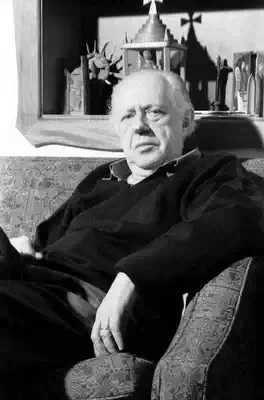
Affonso Ávila
Anti-Sonetos Ouropretanos
I
da vila rica de ouro preto o ouro
do preito o ouro do pilar o ouro
do pórtico o ouro do púlpito o ouro
do paramento o ouro do pálio o ouro
do panteão o ouro do pacto o ouro
do percalço o ouro do perjúrio o ouro
do patíbulo o ouro do proscrito o ouro
do prêmio o ouro do palimpsesto o ouro
do pedágio o ouro do pecado o ouro
do pulha o ouro do podre o ouro
do polvo o ouro do puro o ouro
do pobre o ouro do povo o ouro
do poeta o ouro do peito o ouro
da rima rica de outro preto o ouro
II
a cidade da hera e de idade
a antiguidade de édito e de idade
a posteridade de efígie e de idade
a eternidade de essência e de idade
a majestade de espírito e de idade
a gravidade de espectro e de idade
a dignidade de ênfase e de idade
a imobilidade de enlevo e de idade
a obliquidade de eflúvio e de idade
a soledade de exílio e de idade
a fatalidade de exaustão e de idade
a castidade de espera e de idade
a carnalidade de efêmero e de idade
a cidade de eros e de idade
(...)
In: ÁVILA, Affonso. Código de Minas & Poesia anterior. Rio de Janeiro: Civilização Brasileira, 1969. p. 93-95. (Poesia hoje, 17. Série poetas brasileiros). Poema integrante da série Código de Minas
da vila rica de ouro preto o ouro
do preito o ouro do pilar o ouro
do pórtico o ouro do púlpito o ouro
do paramento o ouro do pálio o ouro
do panteão o ouro do pacto o ouro
do percalço o ouro do perjúrio o ouro
do patíbulo o ouro do proscrito o ouro
do prêmio o ouro do palimpsesto o ouro
do pedágio o ouro do pecado o ouro
do pulha o ouro do podre o ouro
do polvo o ouro do puro o ouro
do pobre o ouro do povo o ouro
do poeta o ouro do peito o ouro
da rima rica de outro preto o ouro
II
a cidade da hera e de idade
a antiguidade de édito e de idade
a posteridade de efígie e de idade
a eternidade de essência e de idade
a majestade de espírito e de idade
a gravidade de espectro e de idade
a dignidade de ênfase e de idade
a imobilidade de enlevo e de idade
a obliquidade de eflúvio e de idade
a soledade de exílio e de idade
a fatalidade de exaustão e de idade
a castidade de espera e de idade
a carnalidade de efêmero e de idade
a cidade de eros e de idade
(...)
In: ÁVILA, Affonso. Código de Minas & Poesia anterior. Rio de Janeiro: Civilização Brasileira, 1969. p. 93-95. (Poesia hoje, 17. Série poetas brasileiros). Poema integrante da série Código de Minas
1 611
Cruz e Sousa
Na Luz
De soluço em soluço a alma gravita,
De soluço em soluço a alma estremece,
Anseia, sonha, se recorda, esquece
E no centro da Luz dorme contrita.
Dorme na paz sacramental, bendita,
Onde tudo mais puro resplandece,
Onde a Imortalidade refloresce
Em tudo, e tudo em cânticos palpita.
Sereia celestial entre as sereias,
Ela só quer despedaçar cadeias,
De soluço em soluço, a alma nervosa.
Ela só quer despedaçar algemas
E respirar nas amplidões supremas,
Respirar, respirar na Luz radiosa.
Publicado no livro Últimos Sonetos (1905).
In: SOUSA, Cruz e. Últimos sonetos. Org. Adriano da Gama Kury. 2.ed. Florianópolis: Fundação Catarinense de Cultura; Rio de Janeiro: Fundação Casa de Rui Barbosa, 1988. p. 72
De soluço em soluço a alma estremece,
Anseia, sonha, se recorda, esquece
E no centro da Luz dorme contrita.
Dorme na paz sacramental, bendita,
Onde tudo mais puro resplandece,
Onde a Imortalidade refloresce
Em tudo, e tudo em cânticos palpita.
Sereia celestial entre as sereias,
Ela só quer despedaçar cadeias,
De soluço em soluço, a alma nervosa.
Ela só quer despedaçar algemas
E respirar nas amplidões supremas,
Respirar, respirar na Luz radiosa.
Publicado no livro Últimos Sonetos (1905).
In: SOUSA, Cruz e. Últimos sonetos. Org. Adriano da Gama Kury. 2.ed. Florianópolis: Fundação Catarinense de Cultura; Rio de Janeiro: Fundação Casa de Rui Barbosa, 1988. p. 72
2 054

Arnaldo Antunes
Imagem
palavralê
paisagemcontempla
cinemaassiste
cenavê
corenxerga
corpoobserva
luzvislumbra
vultoavista
alvomira
céuadmira
célulaexamina
detalhenota
imagemfita
olhoolha
Publicado no livro Tudos (1990), sem título. No livro Nome (1993), este
poema aparece com o título "Imagem". Música de Péricles Cavalcanti.
In: ANTUNES, Arnaldo. Tudos. 3.ed. São Paulo: Iluminuras, 1993
paisagemcontempla
cinemaassiste
cenavê
corenxerga
corpoobserva
luzvislumbra
vultoavista
alvomira
céuadmira
célulaexamina
detalhenota
imagemfita
olhoolha
Publicado no livro Tudos (1990), sem título. No livro Nome (1993), este
poema aparece com o título "Imagem". Música de Péricles Cavalcanti.
In: ANTUNES, Arnaldo. Tudos. 3.ed. São Paulo: Iluminuras, 1993
4 028
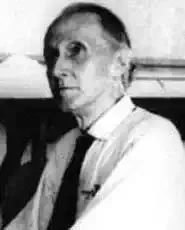
Joaquim Cardozo
Poesia da Presença Invisível
Através do quadro iluminado da janela
Olho as grandes nuvens que chegaram do Oriente
E me lembro dos homens que seriam meus amigos
Se eu tivesse nascido em Cingapura.
E aqueles que estiveram comigo nas horas concluídas
Ainda impressionam o ar
— Todos eles perderam-se no mar.
Agora, na praia deserta estou sozinho
— Caminho
Com os pés descalços na areia.
Nesta tarde morta o perfume das almas
Invade as enseadas, estende-se sobre os rios, paira sobre as
[colinas
— A Natureza assume a precária presença de um sonho;
Um trem corre sereno na planície dos homens ausentes;
Do fundo de minha memória sobe um canto de guitarras
[confusas;
Sinto correr de minha boca um rio de sombra,
A sombra contínua e suave da Noite.
Publicado no livro Poemas (1947).
In: CARDOZO, Joaquim. Poesias completas. 2.ed. Rio de Janeiro: Civilização Brasileira, 1979. p.18-19
Olho as grandes nuvens que chegaram do Oriente
E me lembro dos homens que seriam meus amigos
Se eu tivesse nascido em Cingapura.
E aqueles que estiveram comigo nas horas concluídas
Ainda impressionam o ar
— Todos eles perderam-se no mar.
Agora, na praia deserta estou sozinho
— Caminho
Com os pés descalços na areia.
Nesta tarde morta o perfume das almas
Invade as enseadas, estende-se sobre os rios, paira sobre as
[colinas
— A Natureza assume a precária presença de um sonho;
Um trem corre sereno na planície dos homens ausentes;
Do fundo de minha memória sobe um canto de guitarras
[confusas;
Sinto correr de minha boca um rio de sombra,
A sombra contínua e suave da Noite.
Publicado no livro Poemas (1947).
In: CARDOZO, Joaquim. Poesias completas. 2.ed. Rio de Janeiro: Civilização Brasileira, 1979. p.18-19
1 489

Manuel de Santa Maria Itaparica
Canto Quinto
XIII
Em um vasto me achei, e novo Mundo,
De nós desconhecido e ignorado,
Em cujas praias bate um mar profundo,
Nunca ategora de algum lenho arado:
O clima alegre, fértil e jucundo,
E o chão de árvores muitas povoado,
E no verdor das folhas julguei que era
Ali sempre contínua a Primavera.
XIV
Delas estavam pomos pendurados
Diversos na fragrância e na pintura,
Nem dos homens carecem ser plantados,
Mas agrestes se dão, e sem cultura;
E entre os troncos muitos levantados,
Que ainda a fantasia me figura,
Havia um pau de tinta mui fecunda,
Transparente na cor, e rubicunda.
XV
Pássaros muitos de diversas cores
Se viam várias ondas transformando,
E dos troncos suavíssimos licores
Em cópia grande estavam dimanando:
Peixes vi na grandeza superiores,
E animais quadrúpedes saltando,
A Terra tem do metal louro as veias,
Que de alguns rios se acha nas areias.
XVI
E quando a vista estava apascentando
Destas cousas na alegre formosura,
Um velho vi, que andava passeando,
De desmarcada e incógnita estatura:
Com sobressalto os olhos fui firmando
Naquela sempre móvel criatura,
E pareceu-me, se bem reparava,
Que vários rostos sempre me mostrava.
(...)
XVIII
Fiquei desta visão maravilhado,
Como quem de tais Monstros não sabia,
E logo perguntei sobressaltado
Quem era, que buscava, e que queria?
Ele virando o rosto remendado,
De cor da escura noute e claro dia,
Que eu era, respondeu, quem procurava,
E que Póstero, disse, se chamava.
(...)
XXII
Este pois lá num século futuro,
Posto que dela ausente e apartado,
Porque cos filhos sempre foi perjuro
O pátrio chão, e os trata sem agrado,
Por devoção intrínseca, e amor puro,
Talvez do Deus, que adoras, inspirado,
De ti e desses dous dessa pousada
Há de cantar com lira temperada.
XXIII
Aqui fez termo o velho, sufocando
A voz dentro do escuro e oculto peito,
Nunca do seu passeio descansando,
Nem quando me explicava o alto conceito:
Eu do letargo atônito despertando
Me alegrei de ver cousas deste jeito,
E vede que julgais, ó companheiros,
Que os sonhos são às vezes verdadeiros.
(...)
Publicado no livro Eustáquidos: poema sacro e tragicômico (1769*).
In: HOLANDA, Sérgio Buarque de. Antologia dos poetas brasileiros da fase colonial. São Paulo: Perspectiva, 1979. p.138-141. (Textos, 2
Em um vasto me achei, e novo Mundo,
De nós desconhecido e ignorado,
Em cujas praias bate um mar profundo,
Nunca ategora de algum lenho arado:
O clima alegre, fértil e jucundo,
E o chão de árvores muitas povoado,
E no verdor das folhas julguei que era
Ali sempre contínua a Primavera.
XIV
Delas estavam pomos pendurados
Diversos na fragrância e na pintura,
Nem dos homens carecem ser plantados,
Mas agrestes se dão, e sem cultura;
E entre os troncos muitos levantados,
Que ainda a fantasia me figura,
Havia um pau de tinta mui fecunda,
Transparente na cor, e rubicunda.
XV
Pássaros muitos de diversas cores
Se viam várias ondas transformando,
E dos troncos suavíssimos licores
Em cópia grande estavam dimanando:
Peixes vi na grandeza superiores,
E animais quadrúpedes saltando,
A Terra tem do metal louro as veias,
Que de alguns rios se acha nas areias.
XVI
E quando a vista estava apascentando
Destas cousas na alegre formosura,
Um velho vi, que andava passeando,
De desmarcada e incógnita estatura:
Com sobressalto os olhos fui firmando
Naquela sempre móvel criatura,
E pareceu-me, se bem reparava,
Que vários rostos sempre me mostrava.
(...)
XVIII
Fiquei desta visão maravilhado,
Como quem de tais Monstros não sabia,
E logo perguntei sobressaltado
Quem era, que buscava, e que queria?
Ele virando o rosto remendado,
De cor da escura noute e claro dia,
Que eu era, respondeu, quem procurava,
E que Póstero, disse, se chamava.
(...)
XXII
Este pois lá num século futuro,
Posto que dela ausente e apartado,
Porque cos filhos sempre foi perjuro
O pátrio chão, e os trata sem agrado,
Por devoção intrínseca, e amor puro,
Talvez do Deus, que adoras, inspirado,
De ti e desses dous dessa pousada
Há de cantar com lira temperada.
XXIII
Aqui fez termo o velho, sufocando
A voz dentro do escuro e oculto peito,
Nunca do seu passeio descansando,
Nem quando me explicava o alto conceito:
Eu do letargo atônito despertando
Me alegrei de ver cousas deste jeito,
E vede que julgais, ó companheiros,
Que os sonhos são às vezes verdadeiros.
(...)
Publicado no livro Eustáquidos: poema sacro e tragicômico (1769*).
In: HOLANDA, Sérgio Buarque de. Antologia dos poetas brasileiros da fase colonial. São Paulo: Perspectiva, 1979. p.138-141. (Textos, 2
2 390
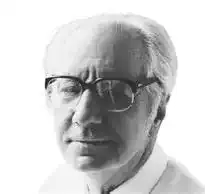
Alphonsus de Guimaraens Filho
Cantilena II
A Mario Quintana
Mansa cantilena
num mundo que chora:
até me dá pena
te escutar agora.
Ao ouvir-te, tento
ir até ao fundo
de um deslumbramento
que ainda há no mundo
(pelo que segredas,
pelo que me falas),
tu que assim te quedas
em mim, se te calas,
— ai das cantilenas
num mundo de pranto! —
chama que asserenas
e em nós pões o encanto
de nem sei que dia
feito de inocência,
sopro de poesia
da mais pura ardência.
In: GUIMARAENS FILHO, Alphonsus de. Nó: poemas. Rio de Janeiro: J. Olympio, 1984. Poema integrante da série Nó
Mansa cantilena
num mundo que chora:
até me dá pena
te escutar agora.
Ao ouvir-te, tento
ir até ao fundo
de um deslumbramento
que ainda há no mundo
(pelo que segredas,
pelo que me falas),
tu que assim te quedas
em mim, se te calas,
— ai das cantilenas
num mundo de pranto! —
chama que asserenas
e em nós pões o encanto
de nem sei que dia
feito de inocência,
sopro de poesia
da mais pura ardência.
In: GUIMARAENS FILHO, Alphonsus de. Nó: poemas. Rio de Janeiro: J. Olympio, 1984. Poema integrante da série Nó
1 180

Armindo Trevisan
Elegia 9
No enxame
dos dedos
a água cerze orifícios.
Noite fora a lua afia pastagens.
Molda-se a argila do corpo
com lágrimas.
Outra precisão,
outra imobilidade:
a do pião
na retina
de uma criança.
In: TREVISAN, Armindo. A mesa do silêncio. Porto Alegre: L± Brasília: INL, 1982. Poema integrante da série Os Velhos
dos dedos
a água cerze orifícios.
Noite fora a lua afia pastagens.
Molda-se a argila do corpo
com lágrimas.
Outra precisão,
outra imobilidade:
a do pião
na retina
de uma criança.
In: TREVISAN, Armindo. A mesa do silêncio. Porto Alegre: L± Brasília: INL, 1982. Poema integrante da série Os Velhos
1 124
Armindo Trevisan
Elegia 9
No enxame
dos dedos
a água cerze orifícios.
Noite fora a lua afia pastagens.
Molda-se a argila do corpo
com lágrimas.
Outra precisão,
outra imobilidade:
a do pião
na retina
de uma criança.
In: TREVISAN, Armindo. A mesa do silêncio. Porto Alegre: L± Brasília: INL, 1982. Poema integrante da série Os Velhos
dos dedos
a água cerze orifícios.
Noite fora a lua afia pastagens.
Molda-se a argila do corpo
com lágrimas.
Outra precisão,
outra imobilidade:
a do pião
na retina
de uma criança.
In: TREVISAN, Armindo. A mesa do silêncio. Porto Alegre: L± Brasília: INL, 1982. Poema integrante da série Os Velhos
1 124
Armindo Trevisan
Elegia 9
No enxame
dos dedos
a água cerze orifícios.
Noite fora a lua afia pastagens.
Molda-se a argila do corpo
com lágrimas.
Outra precisão,
outra imobilidade:
a do pião
na retina
de uma criança.
In: TREVISAN, Armindo. A mesa do silêncio. Porto Alegre: L± Brasília: INL, 1982. Poema integrante da série Os Velhos
dos dedos
a água cerze orifícios.
Noite fora a lua afia pastagens.
Molda-se a argila do corpo
com lágrimas.
Outra precisão,
outra imobilidade:
a do pião
na retina
de uma criança.
In: TREVISAN, Armindo. A mesa do silêncio. Porto Alegre: L± Brasília: INL, 1982. Poema integrante da série Os Velhos
1 124
Armindo Trevisan
Funilaria no Ar X
Vamos, irmão, de mãos dadas,
trazer o que no sótão amadureceu
para este momento de palavra e gume,
de melancolia enfiada no sangue.
Vamos, sem tardança, adoecer de instinto,
para que o comprido de nossa exigência
abarque a brevidade de quinhentos anos.
Estou contigo, dá-me a tua mão, sempre.
Vamos até à certeza de que o tremor
da terra que sacudiu a primeira manhã,
e a perdemos por ser infantes,
ressuscite em nós, seja um longo compromisso.
Vamos regredir, se preciso for, somos jovens,
o negro não nos doeu demais na carne,
nem o canibal arreganhou nossa ciência.
Ali estão, neles, os desmandos apetecidos.
Poderemos, por instante, escrever nossos nomes,
as mãos dadas são dadas também quando se separam;
mas as mãos caminham pelos pés, se a estes
incumbe o apoio sem o qual só pensamos.
Demo-nos as palavras, uns aos outros, irmão,
as palavras farejam o álcool da guerra,
cada guerra que se cogita traz dentro do peito
outra guerra maior, a guerra consigo mesmo.
Vamos, irmão! A funilaria está marcada
pela lata que se torce, enferruja, mas corta.
De poesia também se amassa o pão que empurra
o caminho preparado no silêncio do dia.
In: TREVISAN, Armindo. Funilaria no ar. Porto Alegre: Movimento; Brasília: INL, 1973. (Poesia Sul, 7)
trazer o que no sótão amadureceu
para este momento de palavra e gume,
de melancolia enfiada no sangue.
Vamos, sem tardança, adoecer de instinto,
para que o comprido de nossa exigência
abarque a brevidade de quinhentos anos.
Estou contigo, dá-me a tua mão, sempre.
Vamos até à certeza de que o tremor
da terra que sacudiu a primeira manhã,
e a perdemos por ser infantes,
ressuscite em nós, seja um longo compromisso.
Vamos regredir, se preciso for, somos jovens,
o negro não nos doeu demais na carne,
nem o canibal arreganhou nossa ciência.
Ali estão, neles, os desmandos apetecidos.
Poderemos, por instante, escrever nossos nomes,
as mãos dadas são dadas também quando se separam;
mas as mãos caminham pelos pés, se a estes
incumbe o apoio sem o qual só pensamos.
Demo-nos as palavras, uns aos outros, irmão,
as palavras farejam o álcool da guerra,
cada guerra que se cogita traz dentro do peito
outra guerra maior, a guerra consigo mesmo.
Vamos, irmão! A funilaria está marcada
pela lata que se torce, enferruja, mas corta.
De poesia também se amassa o pão que empurra
o caminho preparado no silêncio do dia.
In: TREVISAN, Armindo. Funilaria no ar. Porto Alegre: Movimento; Brasília: INL, 1973. (Poesia Sul, 7)
1 231
Alphonsus de Guimaraens Filho
O Poeta e o Poema
Nenhum poema se faz de matéria abstrata.
É a carne, e seus suplícios,
ternuras,
alegrias,
é a carne, é o que ilumina a carne, a essência,
o luminoso e o opaco do poema.
Nenhum poema. Nenhum pode nascer do inexistente.
A vida é mais real que a realidade.
E em seus contrastes e sequelas, funda
um reino onde pervagam
não a agonia de um, não o alvoroço
de outro,
mas o assombro de todos num caminho
estranho
como infinito corredor que ecoa
passos idos (de agora,
e de ontem e de sempre),
passos,
risos e choros — num reino
que nada tem de utópico, antes
mais duro do que rocha,
mais duro do que rocha da esperança
(do desespero?),
mais duro do que a nossa frágil carne,
nossa atônita alma,
— duros pesar de seu destino, duros
pesar de serem só a hora do sonho,
do sofrimento,
de indizível espanto,
e por fim um silêncio que arrepia
a epiderme do acaso:
E por fim um silêncio... Nenhum poema
se tece de irreais tormentos. Sempre
o que o verso contém é um fluir de sangue
no coração da vida,
no pobre coração da vida, aqui
paralisado, além
nascente no seu ímpeto de febre,
no coração da vida,
no coração da vida,
(da morte?)
e um frio antigo, e as bocas
cerradas, olhos cegos,
canto urdido de cantos sufocados,
e uma avenida longa, longa, longa,
e a noite,
e a noite,
e, talvez, um sublime amanhecer.
(...)
Não há poema isento.
Há é o homem.
Há é o homem e o poema.
Fundidos.
In: GUIMARAENS FILHO, Alphonsus de. Nó: poemas. Rio de Janeiro: J. Olympio, 1984. Poema integrante da série Nó
É a carne, e seus suplícios,
ternuras,
alegrias,
é a carne, é o que ilumina a carne, a essência,
o luminoso e o opaco do poema.
Nenhum poema. Nenhum pode nascer do inexistente.
A vida é mais real que a realidade.
E em seus contrastes e sequelas, funda
um reino onde pervagam
não a agonia de um, não o alvoroço
de outro,
mas o assombro de todos num caminho
estranho
como infinito corredor que ecoa
passos idos (de agora,
e de ontem e de sempre),
passos,
risos e choros — num reino
que nada tem de utópico, antes
mais duro do que rocha,
mais duro do que rocha da esperança
(do desespero?),
mais duro do que a nossa frágil carne,
nossa atônita alma,
— duros pesar de seu destino, duros
pesar de serem só a hora do sonho,
do sofrimento,
de indizível espanto,
e por fim um silêncio que arrepia
a epiderme do acaso:
E por fim um silêncio... Nenhum poema
se tece de irreais tormentos. Sempre
o que o verso contém é um fluir de sangue
no coração da vida,
no pobre coração da vida, aqui
paralisado, além
nascente no seu ímpeto de febre,
no coração da vida,
no coração da vida,
(da morte?)
e um frio antigo, e as bocas
cerradas, olhos cegos,
canto urdido de cantos sufocados,
e uma avenida longa, longa, longa,
e a noite,
e a noite,
e, talvez, um sublime amanhecer.
(...)
Não há poema isento.
Há é o homem.
Há é o homem e o poema.
Fundidos.
In: GUIMARAENS FILHO, Alphonsus de. Nó: poemas. Rio de Janeiro: J. Olympio, 1984. Poema integrante da série Nó
1 354
Alphonsus de Guimaraens Filho
O Poeta e o Poema
Nenhum poema se faz de matéria abstrata.
É a carne, e seus suplícios,
ternuras,
alegrias,
é a carne, é o que ilumina a carne, a essência,
o luminoso e o opaco do poema.
Nenhum poema. Nenhum pode nascer do inexistente.
A vida é mais real que a realidade.
E em seus contrastes e sequelas, funda
um reino onde pervagam
não a agonia de um, não o alvoroço
de outro,
mas o assombro de todos num caminho
estranho
como infinito corredor que ecoa
passos idos (de agora,
e de ontem e de sempre),
passos,
risos e choros — num reino
que nada tem de utópico, antes
mais duro do que rocha,
mais duro do que rocha da esperança
(do desespero?),
mais duro do que a nossa frágil carne,
nossa atônita alma,
— duros pesar de seu destino, duros
pesar de serem só a hora do sonho,
do sofrimento,
de indizível espanto,
e por fim um silêncio que arrepia
a epiderme do acaso:
E por fim um silêncio... Nenhum poema
se tece de irreais tormentos. Sempre
o que o verso contém é um fluir de sangue
no coração da vida,
no pobre coração da vida, aqui
paralisado, além
nascente no seu ímpeto de febre,
no coração da vida,
no coração da vida,
(da morte?)
e um frio antigo, e as bocas
cerradas, olhos cegos,
canto urdido de cantos sufocados,
e uma avenida longa, longa, longa,
e a noite,
e a noite,
e, talvez, um sublime amanhecer.
(...)
Não há poema isento.
Há é o homem.
Há é o homem e o poema.
Fundidos.
In: GUIMARAENS FILHO, Alphonsus de. Nó: poemas. Rio de Janeiro: J. Olympio, 1984. Poema integrante da série Nó
É a carne, e seus suplícios,
ternuras,
alegrias,
é a carne, é o que ilumina a carne, a essência,
o luminoso e o opaco do poema.
Nenhum poema. Nenhum pode nascer do inexistente.
A vida é mais real que a realidade.
E em seus contrastes e sequelas, funda
um reino onde pervagam
não a agonia de um, não o alvoroço
de outro,
mas o assombro de todos num caminho
estranho
como infinito corredor que ecoa
passos idos (de agora,
e de ontem e de sempre),
passos,
risos e choros — num reino
que nada tem de utópico, antes
mais duro do que rocha,
mais duro do que rocha da esperança
(do desespero?),
mais duro do que a nossa frágil carne,
nossa atônita alma,
— duros pesar de seu destino, duros
pesar de serem só a hora do sonho,
do sofrimento,
de indizível espanto,
e por fim um silêncio que arrepia
a epiderme do acaso:
E por fim um silêncio... Nenhum poema
se tece de irreais tormentos. Sempre
o que o verso contém é um fluir de sangue
no coração da vida,
no pobre coração da vida, aqui
paralisado, além
nascente no seu ímpeto de febre,
no coração da vida,
no coração da vida,
(da morte?)
e um frio antigo, e as bocas
cerradas, olhos cegos,
canto urdido de cantos sufocados,
e uma avenida longa, longa, longa,
e a noite,
e a noite,
e, talvez, um sublime amanhecer.
(...)
Não há poema isento.
Há é o homem.
Há é o homem e o poema.
Fundidos.
In: GUIMARAENS FILHO, Alphonsus de. Nó: poemas. Rio de Janeiro: J. Olympio, 1984. Poema integrante da série Nó
1 354
Armindo Trevisan
Acalanto para Marilyn Monroe
De repente
no teu seio
cresceu um lírio do campo.
São Francisco, com sua mão
de menino, o recolheu.
São Bernardo, a sós, olhou
o teu corpo inteiro como
se olha
um grande girassol.
Vieram santos, donzelinhas
de pescoço decepado;
Santa Catarina trouxe
sua roda rubra e egípcia.
Tua coxa foi ficando
do tamanho azul da lua,
e tu mesma, mais lunar,
ficaste de todo nua.
O mundo inteiro grasnou
que eras bela, que possuías
um morango em cada poro,
uma flor em cada pêlo.
Banqueiro: por que me fitas?
Governador: que desejas?
O repórter, não me comas!
Tornei-me tão pequenina
que o pecado que morava
em mim deixou-me sozinha
com Deus e comigo, livre.
Na distração dessa hora
engoli todas as pílulas
que uma mulher necessita
para sair deste mundo.
Livre, livre,
bela bela
recuperei o meu corpo
nascido antes de mim.
(...)
Publicado no livro A imploração do nada (1971).
In: TREVISAN, Armindo. Antologia poética. Porto Alegre: Mercado Aberto, 1986. p.25
no teu seio
cresceu um lírio do campo.
São Francisco, com sua mão
de menino, o recolheu.
São Bernardo, a sós, olhou
o teu corpo inteiro como
se olha
um grande girassol.
Vieram santos, donzelinhas
de pescoço decepado;
Santa Catarina trouxe
sua roda rubra e egípcia.
Tua coxa foi ficando
do tamanho azul da lua,
e tu mesma, mais lunar,
ficaste de todo nua.
O mundo inteiro grasnou
que eras bela, que possuías
um morango em cada poro,
uma flor em cada pêlo.
Banqueiro: por que me fitas?
Governador: que desejas?
O repórter, não me comas!
Tornei-me tão pequenina
que o pecado que morava
em mim deixou-me sozinha
com Deus e comigo, livre.
Na distração dessa hora
engoli todas as pílulas
que uma mulher necessita
para sair deste mundo.
Livre, livre,
bela bela
recuperei o meu corpo
nascido antes de mim.
(...)
Publicado no livro A imploração do nada (1971).
In: TREVISAN, Armindo. Antologia poética. Porto Alegre: Mercado Aberto, 1986. p.25
1 325
Armindo Trevisan
Acalanto para Marilyn Monroe
De repente
no teu seio
cresceu um lírio do campo.
São Francisco, com sua mão
de menino, o recolheu.
São Bernardo, a sós, olhou
o teu corpo inteiro como
se olha
um grande girassol.
Vieram santos, donzelinhas
de pescoço decepado;
Santa Catarina trouxe
sua roda rubra e egípcia.
Tua coxa foi ficando
do tamanho azul da lua,
e tu mesma, mais lunar,
ficaste de todo nua.
O mundo inteiro grasnou
que eras bela, que possuías
um morango em cada poro,
uma flor em cada pêlo.
Banqueiro: por que me fitas?
Governador: que desejas?
O repórter, não me comas!
Tornei-me tão pequenina
que o pecado que morava
em mim deixou-me sozinha
com Deus e comigo, livre.
Na distração dessa hora
engoli todas as pílulas
que uma mulher necessita
para sair deste mundo.
Livre, livre,
bela bela
recuperei o meu corpo
nascido antes de mim.
(...)
Publicado no livro A imploração do nada (1971).
In: TREVISAN, Armindo. Antologia poética. Porto Alegre: Mercado Aberto, 1986. p.25
no teu seio
cresceu um lírio do campo.
São Francisco, com sua mão
de menino, o recolheu.
São Bernardo, a sós, olhou
o teu corpo inteiro como
se olha
um grande girassol.
Vieram santos, donzelinhas
de pescoço decepado;
Santa Catarina trouxe
sua roda rubra e egípcia.
Tua coxa foi ficando
do tamanho azul da lua,
e tu mesma, mais lunar,
ficaste de todo nua.
O mundo inteiro grasnou
que eras bela, que possuías
um morango em cada poro,
uma flor em cada pêlo.
Banqueiro: por que me fitas?
Governador: que desejas?
O repórter, não me comas!
Tornei-me tão pequenina
que o pecado que morava
em mim deixou-me sozinha
com Deus e comigo, livre.
Na distração dessa hora
engoli todas as pílulas
que uma mulher necessita
para sair deste mundo.
Livre, livre,
bela bela
recuperei o meu corpo
nascido antes de mim.
(...)
Publicado no livro A imploração do nada (1971).
In: TREVISAN, Armindo. Antologia poética. Porto Alegre: Mercado Aberto, 1986. p.25
1 325